For many, the morning ritual isn’t complete without a perfectly brewed cup of espresso, rich in aroma and robust in flavor. But achieving that barista-level quality at home can seem daunting. This comprehensive guide will demystify the Saeco espresso machine, a brand synonymous with innovation and convenience in home coffee brewing, helping you navigate its features, maintenance, and overall value to choose the ideal model for your lifestyle and elevate your daily coffee experience.
What is an Espresso Machine?
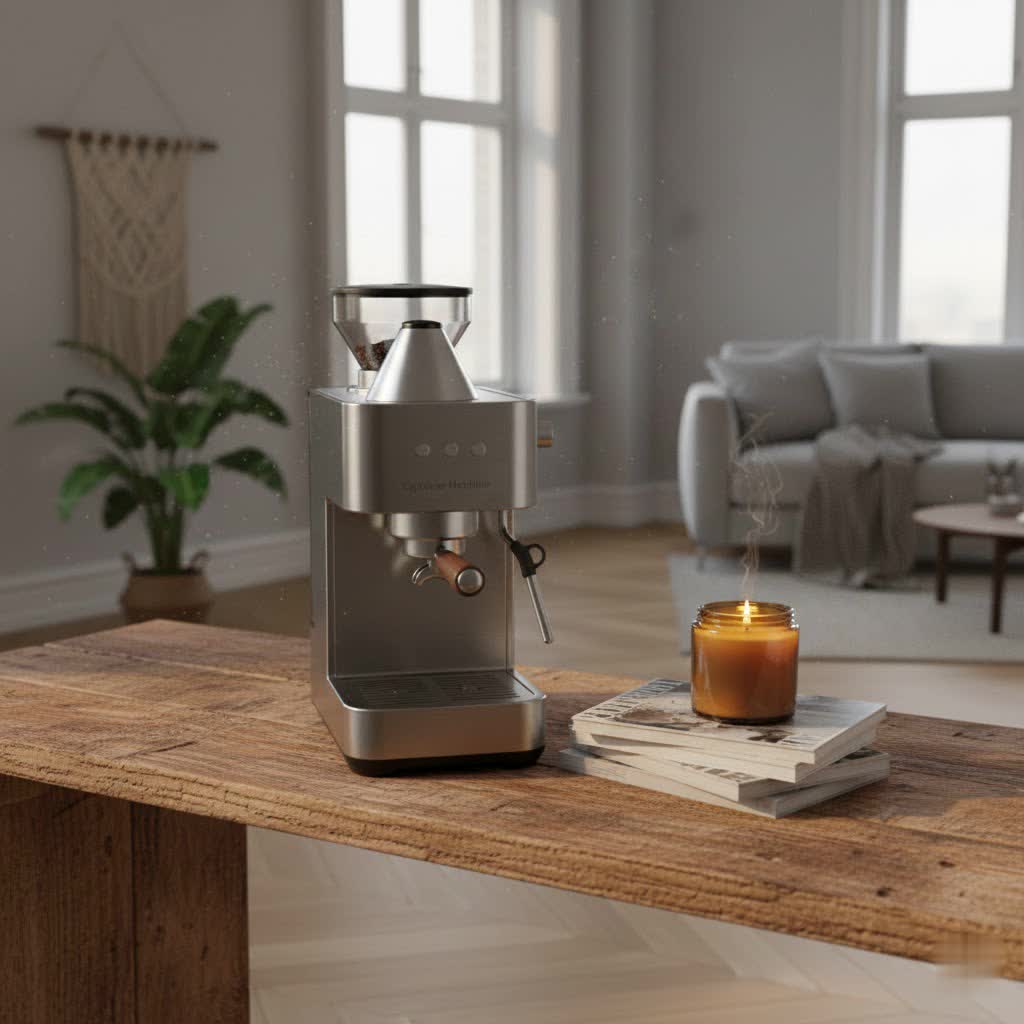
An espresso machine is a specialized coffee maker that forces hot, pressurized water through finely ground coffee to produce a concentrated shot of espresso. This process extracts a complex array of flavors and aromas, creating the rich, creamy beverage many coffee lovers adore. The history of the espresso machine dates back to the early 20th century in Italy, continually evolving from bulky steam-driven devices to the sleek, sophisticated models we see today. Saeco, a pioneering Italian brand, has been at the forefront of this evolution, particularly known for popularizing the super-automatic espresso machine, which automates much of the brewing process.
There are several types of espresso machines, each offering a different level of control and convenience. Manual machines require significant user skill, giving complete control over every variable. Semi-automatic machines handle the pump pressure but require manual grinding, tamping, and stopping the shot. Automatic machines take this a step further, often allowing pre-programmed shot volumes. Finally, super-automatic machines, a category where Saeco truly shines, handle everything from grinding whole beans to brewing and even frothing milk with the touch of a button, providing unparalleled ease of use for the home barista.
Important Components of an Espresso Machine
Understanding the core components of an espresso machine helps appreciate how these devices craft your favorite brew and why Saeco machines are often designed with specific innovations. Each part plays a critical role in the extraction process, influencing the final taste and quality of your espresso. Recognizing these elements also aids in proper maintenance and troubleshooting.
At the heart of any espresso machine is the pump, which generates the high pressure (typically 9-15 bars) needed to force water through the coffee grounds, essential for extracting a true espresso. Saeco machines commonly use powerful vibratory pumps that ensure consistent pressure. The boiler or thermoblock heats the water to the optimal brewing temperature, usually between 195-205°F (90-96°C); multiple boilers or dual thermoblocks in higher-end Saeco models allow for simultaneous brewing and steaming. The grouphead is where the hot water disperses over the coffee puck, ensuring even saturation. Attached to this is the portafilter, a handled basket holding the ground coffee, though super-automatic Saeco machines feature an internal brew group that handles grinding, tamping, and brewing automatically, eliminating the need for a traditional portafilter. Lastly, the steam wand or integrated milk system (like Saeco’s LatteGo) delivers steam to froth milk for lattes and cappuccinos. Many Saeco models boast ceramic grinders for durability and consistent grind, and often feature robust plastic or stainless steel exteriors for longevity and aesthetic appeal.
How to Choose the Right Saeco Espresso Machine
Selecting the perfect Saeco espresso machine can seem complex given the variety of models and features available. However, by carefully considering your personal needs and preferences, you can narrow down the options and find a machine that perfectly complements your coffee habits. This section guides you through the crucial factors to consider before making your investment.
Determine Your Usage Needs
Before diving into specifications, think about how you’ll primarily use your espresso machine. Your daily coffee routine dictates the level of automation and features you’ll appreciate most. Consider how frequently you’ll be making coffee, whether it’s a quick daily shot or multiple elaborate milk-based drinks.
- Frequency of Use: Do you plan to use it daily, or just on weekends? A super-automatic Saeco machine is ideal for daily, quick coffee preparation.
- Number of Users: Are you the only coffee drinker, or will you be serving a household or small office? Machines with larger water reservoirs and bean hoppers are better for multiple users.
- Favorite Coffee Types: Do you exclusively drink espresso, or do you enjoy lattes, cappuccinos, or Americanos? Saeco excels with machines offering integrated milk frothing systems and one-touch specialty drinks.
|
Our Picks for the Best Espresso Machine in 2026
As an Amazon Associate I earn from qualifying purchases.
|
||
| Num | Product | Action |
|---|---|---|
| 1 | Breville Barista Express Espresso Machine BES870XL, Brushed Stainless Steel |

|
| 2 | CASABREWS 3700 Essential Espresso Machine 20 Bar, Stainless Steel Cappuccino & Latte Machine with Steam Frother for Home, 43.9oz Water Tank, Coffee Gift for Women & Men, Silver |
|
| 3 | Breville Bambino Espresso Machine BES450BSS, Brushed Stainless Steel |
|
| 4 | Breville Barista Express Impress Espresso Machine BES876BSS, Brushed Stainless Steel |
|
| 5 | Breville Barista Express Espresso Machine BES870BSXL, Black Sesame |
|
| 6 | Gevi Commercial Espresso and Coffee Makers, Professional 20 Bar Espresso Maker with Milk Frother, Stainless Steel Expresso Coffee Machines for Home, Compact Cappuccino Machine, Great Gift |
|
| 7 | Ninja Luxe Café 3-in-1 Espresso, Drip Coffee and Cold Brew Machine - Integrated Coffee Grinder, Milk Frother, Assisted Tamper & Built-In Espresso Accessory Storage - Stainless Steel - ES601 |
|
| 8 | Gaggia Classic Evo Pro - Espresso Machine Jungle Green |
|
| 9 | CASABREWS CM5418 Espresso Machine 20 Bar, Compact Espresso Maker with Steam Milk Frother, Stainless Steel Coffee Machine with 34oz Removable Water Tank for Cappuccino, Gift for Women or Men, Silver |
|
| 10 | De'Longhi Stilosa Manual Espresso Machine, Compact Coffee Maker, 15 Bar Pump Pressure, Manual Milk Frother Steam Wand for Authentic Single & Double Espresso, Lattes & Cappuccinos, Tamper Included |
|
Budget
Your budget will significantly influence the range of Saeco machines you can consider. Saeco offers models across various price points, from more accessible automatic machines to high-end super-automatics with extensive customization. Investing a bit more upfront can often lead to greater convenience, durability, and a wider array of features that enhance your coffee experience in the long run.
- Entry-Level: Offers basic automatic brewing and sometimes a manual steam wand.
- Mid-Range: Includes one-touch milk systems, more programmable options, and better build quality.
- High-End: Features advanced customization, multiple user profiles, premium materials, and sophisticated milk frothing technologies.
- Long-Term Value: Consider the cost of ownership, including cleaning supplies and potential maintenance, against the convenience and quality over several years.
Important Features
When evaluating Saeco machines, several technical specifications and convenience features stand out. These elements directly impact the quality of your espresso and the ease of use. Prioritize features that align with your brewing preferences and daily routine.
- Pump Pressure (bar): Most Saeco machines operate at 15 bars, which is more than sufficient to achieve the recommended 9 bars of pressure for optimal espresso extraction.
- Boiler Capacity/Type: Dual thermoblocks or quick-heating boilers allow for faster brewing and steaming.
- Temperature Control: Look for features like PID control (though less common in super-automatics, temperature stability is key) or adjustable brewing temperatures for optimal extraction.
- Automatic Functions: Saeco’s strength lies in automation. Features like integrated grinders, one-touch cappuccino/latte, user profiles, and self-cleaning cycles offer unparalleled convenience.
Reputable Brands
While this guide focuses on Saeco, it’s worth noting its position in the market. Saeco is a well-established Italian brand, now part of Philips, renowned for its innovation in super-automatic espresso machines. They are often compared to other leading brands like De’Longhi, Gaggia (Saeco’s original parent company, offering similar technology in some lines), and Jura. When considering Saeco, you are generally investing in reliability, advanced technology, and user-friendly designs. Always check the warranty and customer support options, which can vary by region and retailer.
Comparing Popular Saeco Espresso Machine Lines
Saeco offers a diverse range of espresso machines, primarily focusing on super-automatic models that bring cafe-quality beverages into the home with minimal effort. While specific model numbers frequently change, their product lines often target different user needs and budgets through distinct feature sets. Here’s a conceptual comparison of some popular Saeco lines, highlighting their typical characteristics.
| Feature / Model Line | Entry-Level (e.g., Saeco PicoBaristo, Incanto) | Mid-Range (e.g., Saeco GranAroma, Philips 5000 Series) | High-End (e.g., Saeco Xelsis) |
|---|---|---|---|
| Price Range | Moderate | Upper-moderate to High | Premium |
| Automation Level | Super-automatic | Super-automatic | Super-automatic |
| Coffee Customization | Basic strength/volume, often no user profiles | More extensive strength/volume, some user profiles | Extensive, multiple user profiles |
| Milk System | Pannarello wand or basic integrated system | LatteGo (faster, easier to clean), some one-touch | LatteGo, one-touch, advanced texturing |
| Grinder | Ceramic, adjustable settings | Ceramic, fine-tuning options | Ceramic, very fine-tuned adjustment |
| Water Filter | AquaClean compatible | AquaClean filter included | AquaClean filter included |
| Display | LED or simple LCD | Intuitive LCD or small TFT screen | Large, full-color touchscreen |
| Key Advantage | Great value, robust performance, ease of use | Advanced milk system, better customization | Ultimate customization, premium design |
Recommendations based on needs:
- For the everyday user seeking convenience: Entry-level super-automatics like the PicoBaristo are excellent. They handle grinding and brewing with ease, often offering a straightforward path to espresso and milk-based drinks.
- For those who love milk-based drinks and desire more control: Mid-range machines, such as the GranAroma, are ideal. The LatteGo system is a game-changer for milk frothing, providing excellent texture and being exceptionally easy to clean.
- For the ultimate home barista who demands precision and variety: High-end models like the Xelsis are unmatched. With extensive customization options, multiple user profiles, and sophisticated milk texturing, they cater to diverse preferences and allow for truly personalized coffee creations.
> “Saeco has consistently led the charge in making complex espresso brewing accessible to the average consumer. Their super-automatic machines, particularly with features like the LatteGo milk system, are a testament to combining convenience with quality.” – Dr. Elena Rossi, Coffee Technology Innovator.
Guide to Using and Maintaining Your Saeco Espresso Machine
Proper use and regular maintenance are paramount to enjoying delicious coffee from your Saeco machine for years to come. These practices not only ensure optimal flavor extraction but also prevent common issues and extend the lifespan of your appliance. Neglecting these steps can lead to poor coffee quality, machine malfunctions, and costly repairs.
Preparation
Starting with the right setup and ingredients is the foundation for a great espresso. Take a few moments to ensure your machine is ready to brew and your coffee beans are suited for the task.
- Proper Installation: Ensure the machine is placed on a stable, level surface away from direct heat sources. Fill the water reservoir with fresh, filtered water, ideally using a Saeco AquaClean filter if your model supports it, to reduce descaling frequency.
- Choosing the Right Coffee: Use high-quality whole roasted coffee beans. For super-automatic machines, avoid oily or flavored beans as they can clog the internal grinder. The grind setting is crucial; experiment with your machine’s integrated grinder to find the optimal fineness for your beans – generally a finer grind for espresso.
- Warming Up the Machine: Always allow your Saeco machine sufficient time to warm up (usually a few minutes after turning it on). This ensures the boiler reaches the correct temperature for proper extraction and prevents lukewarm coffee.
Brewing Espresso
Saeco super-automatic machines simplify the brewing process considerably, making it accessible even for beginners. While the machine handles most steps, understanding the basics helps you get the best out of your chosen beans.
- Select Your Drink: On your Saeco’s display, choose your desired drink (espresso, lungo, cappuccino, etc.). Many models allow you to customize strength, volume, and temperature.
- Add Beans and Water: Ensure the bean hopper has enough fresh beans and the water reservoir is full.
- Initiate Brewing: Press the start button. The machine will grind the beans, tamp them, pre-infuse, and then extract the espresso directly into your cup. For milk-based drinks, the integrated milk system will typically froth and dispense milk automatically after the espresso shot.
- Adjust for Best Flavor: If your espresso tastes too sour (under-extracted), try a finer grind setting. If it’s too bitter (over-extracted), try a coarser grind.
Machine Cleaning
Regular cleaning is the most critical aspect of owning a Saeco espresso machine. It not only keeps your coffee tasting fresh but also prevents blockages and extends the life of internal components, especially the brew group and milk system.
- Daily Cleaning: Empty and rinse the dregs drawer and drip tray daily. Wipe down the exterior of the machine. For models with a LatteGo or other integrated milk system, disassemble and rinse the components immediately after use to prevent milk residue buildup.
- Weekly Cleaning: Clean the removable brew group. Remove it (consult your manual for specific instructions), rinse it thoroughly under lukewarm running water until all coffee residue is gone, and let it air dry before reinserting. Do NOT use detergents.
- Monthly/Bi-Monthly Descaling: Descaling is vital to remove mineral buildup from water. Your Saeco machine will typically alert you when descaling is needed. Use Saeco’s recommended descaling solution and follow the machine’s guided descaling program precisely. This process is crucial for heating efficiency and machine longevity.
Common Issues and Troubleshooting
Even with proper maintenance, espresso machines can sometimes encounter issues. Many common problems with Saeco machines can be resolved with simple troubleshooting steps, often related to cleaning or water quality. Understanding these fixes can save you a call to a technician.
- Machine Not Heating:
- Cause: Often due to scale buildup.
- Fix: Perform a descaling cycle. Ensure the power cord is securely plugged in. If the issue persists, a component failure might require professional service.
- Weak Pressure / Coffee Flowing Slowly:
- Cause: Grinder set too fine, coffee grounds too compact, or clogged brew group/filter.
- Fix: Adjust the grinder to a coarser setting. Thoroughly clean the brew group and ensure it’s not clogged. Check if the water filter needs replacement.
- Coffee Not Dispensing (or No Coffee Output):
- Cause: Water tank empty, brew group blockage, or air in the system.
- Fix: Refill the water tank. Run a hot water cycle to prime the system and remove air. Clean the brew group thoroughly.
- Machine Leaking Water:
- Cause: Reservoir not seated correctly, or a seal/gasket issue.
- Fix: Re-seat the water reservoir firmly. Inspect the drip tray and connections. If leaking persists from an internal component, it may indicate a damaged seal, requiring repair.
- “Clean Brew Group” or “Descale” Messages Persist:
- Cause: The machine needs the specific cleaning or descaling cycle completed, or the counter hasn’t reset.
- Fix: Perform the requested cycle fully. For brew group cleaning, ensure it’s thoroughly rinsed and reinserted correctly. If using an AquaClean filter, ensure it’s activated correctly.
- Milk Frother Not Working Optimally:
- Cause: Clogged milk system or improper assembly.
- Fix: Immediately and thoroughly clean all milk system components after each use. Ensure they are correctly assembled. Run a milk system cleaning cycle if available.
For issues that cannot be resolved with these simple steps, or if you suspect a major component failure, it’s always best to contact Saeco customer support or a certified technician. Attempting complex repairs yourself can void your warranty and potentially damage the machine further.
Where to Buy a Saeco Espresso Machine?
Once you’ve decided on the perfect Saeco espresso machine, knowing where to purchase it is the next step. A variety of retail channels offer Saeco products, each with its own advantages and considerations. Choosing a reputable seller ensures you receive a genuine product with reliable after-sales support.
- Authorized Retailers: Major appliance stores (e.g., Best Buy, Target, Williams Sonoma in the US, or similar electronics/home goods stores internationally) are excellent places to find new Saeco machines. They often have demo units, knowledgeable staff, and competitive pricing, especially during sales events. Buying from an authorized dealer typically guarantees a valid manufacturer’s warranty.
- Online Marketplaces: Websites like Amazon, Saeco’s official online store (or Philips’ store, as Saeco is part of Philips), and other reputable online appliance retailers offer a vast selection. Online shopping provides convenience, often better prices, and customer reviews that can be very helpful. Always ensure the seller is reputable and offers a clear return policy.
- Department Stores: High-end department stores sometimes carry premium Saeco models, often paired with good customer service and return policies.
- Used Machines: Purchasing a used Saeco machine from private sellers or specialized refurbished appliance stores can be a cost-effective option. However, this comes with risks, as the machine’s history, maintenance, and remaining lifespan might be unknown. If considering a used machine, try to inspect it thoroughly, test its functionality, and ask for proof of purchase or service history. Warranties are rarely available for used products.
Detailed Buying Guide for Your Saeco Espresso Machine
Beyond the core features, several practical considerations and essential accessories will enhance your Saeco espresso machine experience. A thoughtful approach to these details ensures your investment fits seamlessly into your home and lifestyle, providing consistent enjoyment for years to come.
Factors to Consider Before Buying
Thinking about these logistical and environmental aspects will help prevent common frustrations and ensure a smooth integration of your new machine.
- Power Requirements: Verify the voltage and plug type are compatible with your home’s electrical outlets. Saeco machines typically require a standard household outlet.
- Kitchen Space: Measure your counter space accurately, including height clearance for cabinets. Saeco super-automatic machines can be quite substantial. Ensure there’s enough room around the machine for access, refilling, and cleaning.
- Noise Level: Super-automatic machines, with their integrated grinders, can be somewhat noisy during operation. If noise is a significant concern, look for models that emphasize quiet operation or consider the placement in your home.
- Water Source: While all Saeco machines have a water reservoir, consider if you have easy access to filtered water, which helps prolong the machine’s life and improve coffee taste.
Essential Accessories
To truly complete your home barista setup, a few key accessories are highly recommended. These items complement your Saeco machine and contribute to a better overall coffee-making and maintenance routine.
- Tamper (if applicable): For semi-automatic or manual machines, a high-quality tamper is crucial for consistent puck preparation. (Less relevant for super-automatics as they tamp automatically).
- Milk Frothing Pitcher: If your Saeco has a manual steam wand, a stainless steel pitcher is essential for frothing milk to perfection.
- Cleaning Brushes and Cloths: Small brushes are invaluable for cleaning the grinder chute and crevices, while microfiber cloths are great for wiping down the machine exterior and steam wand.
- Descaling Solution & Water Filters: Always have a supply of Saeco-approved descaling solution and AquaClean water filters (if compatible) to ensure proper maintenance.
Read Reviews and Compare Prices
Before making your final decision, dedicate time to thorough research. Online reviews from other users provide real-world insights into a machine’s performance, durability, and user-friendliness.
- User Reviews: Look for consistent feedback regarding coffee quality, ease of use, maintenance, and common issues. Pay attention to reviews from long-term owners.
- Expert Reviews: Consult independent coffee blogs and appliance review sites for in-depth analyses and comparisons.
- Price Comparison: Use price comparison websites to find the best deals from various retailers. Keep an eye out for seasonal sales or bundles that might include accessories. Don’t solely chase the lowest price; factor in warranty, return policy, and retailer reputation.
Conclusion
Choosing a Saeco espresso machine is an investment in your daily coffee ritual, promising convenience, quality, and consistent enjoyment. By understanding the different types of machines, their essential components, and the critical factors in selection, you can confidently navigate the market. Remember that proper usage and diligent maintenance are key to unlocking the full potential and extending the lifespan of your Saeco machine. With the right Saeco, you’re not just buying an appliance; you’re upgrading your entire coffee experience. What kind of perfect cup will you brew tomorrow?
Frequently Asked Questions
What makes Saeco espresso machines different from other brands?
Saeco specializes in super-automatic espresso machines, which grind, brew, and often froth milk with one touch. They are particularly known for their patented removable brew groups for easy cleaning and their innovative milk systems like LatteGo, offering convenience and quality often associated with Italian design and engineering.
How often should I descale my Saeco espresso machine?
Your Saeco machine will typically alert you when it’s time to descale, usually every 1-3 months depending on your water hardness and if you use an AquaClean filter. Regular descaling is crucial to prevent mineral buildup, which can damage the machine and affect coffee taste.
Can I use pre-ground coffee in a Saeco super-automatic machine?
Most Saeco super-automatic machines include a bypass doser for pre-ground coffee. This feature is convenient for occasional decaf or different coffee varieties, but for the best freshness and flavor, using whole beans in the integrated grinder is always recommended.
Is the Saeco LatteGo milk system easy to clean?
Yes, the Saeco LatteGo system is specifically designed for easy cleaning. It consists of only two parts with no tubes, which can be rinsed under the tap or cleaned in a dishwasher in just a few seconds, making it one of the most hygienic and convenient milk systems available.
What kind of beans should I avoid using in my Saeco machine?
It’s best to avoid very oily or dark roast beans, as their oiliness can clog the internal grinder over time, leading to maintenance issues. Also, avoid flavored beans, as the flavoring oils can leave residue in the grinder and brewing path. Stick to medium or medium-dark roasts for optimal performance.
