Are you tired of overspending on daily coffee shop runs but still crave that perfect shot of rich, aromatic espresso? The allure of brewing café-quality espresso at home is undeniable, offering both convenience and the joy of crafting a personalized drink. However, the world of espresso machines can seem daunting, with high-end models boasting hefty price tags that might deter the budget-conscious. The good news is, achieving excellent espresso doesn’t require breaking the bank. With the right knowledge, you can find a reliable and efficient budget espresso machine that transforms your kitchen into your favorite coffee spot.
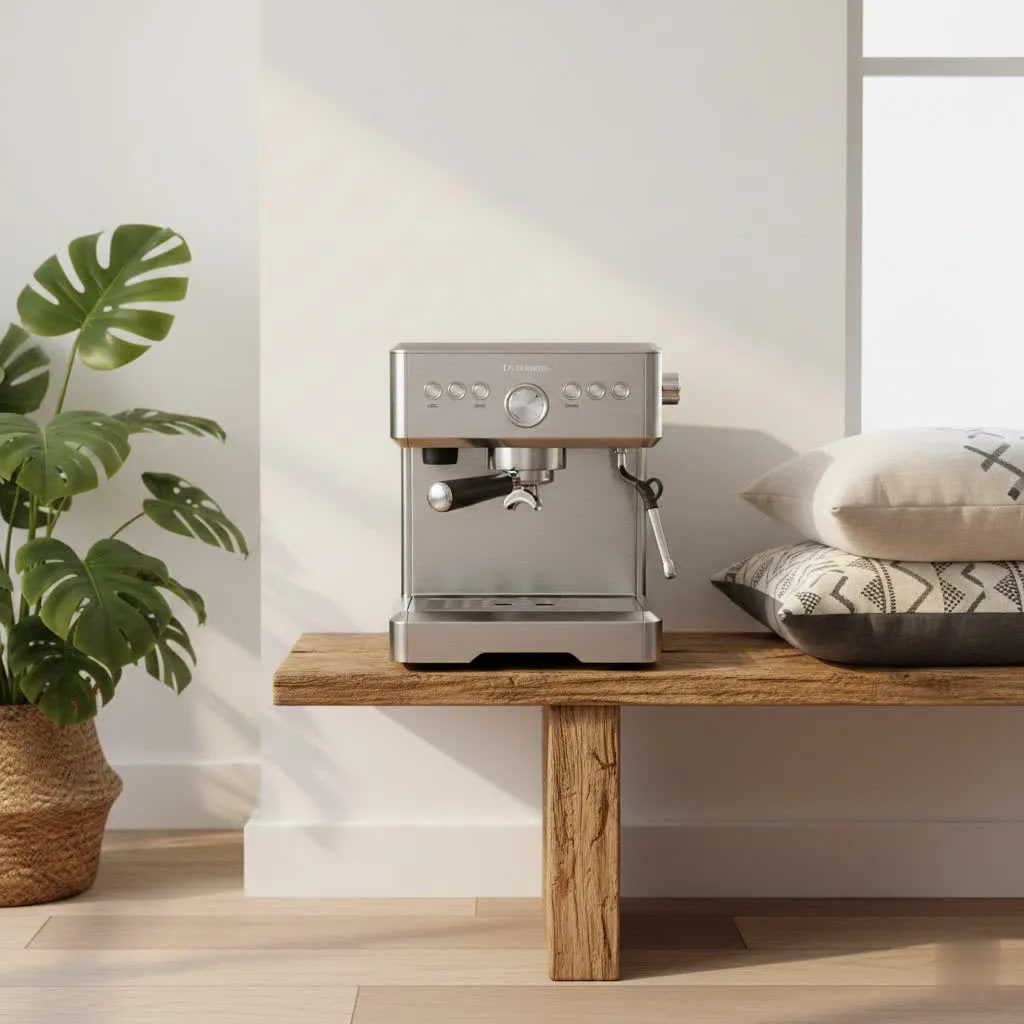
This comprehensive guide will navigate the complexities of budget espresso machines, helping you understand their core functions, identify essential features, and choose the best model to suit your lifestyle and preferences without compromising on taste or quality.
What Is an Espresso Machine?
At its core, an espresso machine is a device designed to force hot, pressurized water through finely-ground coffee beans, producing a concentrated coffee shot known as espresso. This brewing method, which originated in Italy in the early 20th century, is renowned for its intense flavor, rich crema, and distinct body. Over time, espresso machines have evolved significantly, moving from simple, steam-driven devices to sophisticated, technologically advanced units.
Today, home espresso machines broadly fall into several categories:
- Manual Lever Machines: These machines require the user to physically pull a lever to generate the pressure needed for extraction. They offer unparalleled control over the brewing process, appealing to purists who enjoy a hands-on experience, often at a lower cost for the machine itself, though they require more skill.
- Semi-Automatic Espresso Machines: These are the most common type for home use. They feature an electric pump to generate pressure but give the user control over grind size, tamping, and shot duration. Many budget-friendly options fall into this category, offering a balance between manual control and automated convenience.
- Automatic Espresso Machines: Similar to semi-automatic, but with pre-programmed shot volumes. You press a button, and the machine dispenses a set amount of espresso, making them slightly easier for beginners.
- Super-Automatic Espresso Machines: These machines handle almost every step, from grinding beans to frothing milk, with a push of a button. While incredibly convenient, they are typically the most expensive and rarely fall within a strict budget category, though some entry-level models exist.
- Capsule-Based Systems (e.g., Nespresso): These offer maximum convenience using pre-packaged coffee pods. While quick and easy, they often don’t produce “true” espresso by traditional definitions and limit bean choice, but are excellent for consistent, fast coffee.
- Stovetop Moka Pots: While often called “stovetop espresso makers,” moka pots don’t reach the same pressure as pump-driven machines. They brew a strong, concentrated coffee that is similar to espresso but not technically the same. They are, however, a very budget-friendly option for a bold coffee.
Essential Components of an Espresso Machine
Understanding the key components of an espresso machine will help you appreciate how these devices work and what to look for when choosing one.
- Pump: This is the heart of any electric espresso machine, responsible for generating the high pressure (typically 9-15 bars) needed to force water through the coffee grounds. Most home machines use a vibratory pump, which is more compact and cost-effective than rotary pumps found in commercial machines.
- Boiler/Thermoblock/Thermojet: This component heats the water to the optimal brewing temperature (around 195-205°F or 90-96°C).
- Single Boiler: Heats water for both brewing and steaming, often requiring a temperature surf between tasks. Common in budget semi-automatics.
- Thermoblock/Thermojet: Heats water on demand, allowing for faster heat-up times and quick transitions between brewing and steaming. Found in many modern compact machines like the Breville Bambino.
- Grouphead: This is where the hot water exits the machine and comes into contact with the coffee in the portafilter. A well-designed grouphead maintains temperature stability during extraction, crucial for consistent espresso.
- Portafilter: A detachable handle with a basket that holds the ground coffee. It locks into the grouphead. Portafilters come in different sizes (e.g., 54mm or 58mm) and types (pressurized for beginners, non-pressurized for more control).
- Steam Wand: An essential feature for milk-based drinks like lattes and cappuccinos. It delivers high-pressure steam to froth and heat milk. Some budget machines have basic Panarello wands, while others offer more articulate, powerful wands for better microfoam.
How to Choose a Budget Espresso Machine
Selecting a budget espresso machine involves balancing cost with desired features and performance. Here’s a structured approach:
Determine Your Usage Needs
Before diving into models, honestly assess your coffee habits:
- Frequency: How often will you use it? Daily? Weekends only? A machine used multiple times a day might warrant a slightly higher investment for durability and features.
- Number of Users: Are you brewing for one, or for a household of coffee lovers? This impacts water tank capacity and heat-up/recovery time.
- Favorite Coffee Drinks: Do you primarily drink straight espresso, or do you love lattes and cappuccinos? If milk drinks are a priority, a good steam wand is crucial.
|
Our Picks for the Best Espresso Machine in 2026
As an Amazon Associate I earn from qualifying purchases.
|
||
| Num | Product | Action |
|---|---|---|
| 1 | Gaggia Classic Evo Pro - Espresso Machine Jungle Green |

|
| 2 | CASABREWS CM5418 Espresso Machine 20 Bar, Compact Espresso Maker with Steam Milk Frother, Stainless Steel Coffee Machine with 34oz Removable Water Tank for Cappuccino, Gift for Women or Men, Silver |
|
| 3 | Ninja Luxe Café 3-in-1 Espresso, Drip Coffee and Cold Brew Machine - Integrated Coffee Grinder, Milk Frother, Assisted Tamper & Built-In Espresso Accessory Storage - Stainless Steel - ES601 |
|
| 4 | CASABREWS 3700 Essential Espresso Machine 20 Bar, Stainless Steel Cappuccino & Latte Machine with Steam Frother for Home, 43.9oz Water Tank, Coffee Gift for Women & Men, Silver |
|
| 5 | De'Longhi Stilosa Manual Espresso Machine, Compact Coffee Maker, 15 Bar Pump Pressure, Manual Milk Frother Steam Wand for Authentic Single & Double Espresso, Lattes & Cappuccinos, Tamper Included |
|
| 6 | Breville Barista Express Espresso Machine BES870XL, Brushed Stainless Steel |
|
| 7 | Gevi Commercial Espresso and Coffee Makers, Professional 20 Bar Espresso Maker with Milk Frother, Stainless Steel Expresso Coffee Machines for Home, Compact Cappuccino Machine, Great Gift |
|
| 8 | Breville Bambino Espresso Machine BES450BSS, Brushed Stainless Steel |
|
| 9 | Breville Barista Express Espresso Machine BES870BSXL, Black Sesame |
|
| 10 | Breville Barista Express Impress Espresso Machine BES876BSS, Brushed Stainless Steel |
|
Set Your Budget
“Budget” is subjective in the espresso world. While some functional machines exist under $100, true “quality” home espresso often starts around $500, especially when you consider the vital role of a good grinder. CoffeeGeek, a respected coffee resource, suggests that a budget of around $500 is a realistic starting point for a setup you can rely on for 5-10 years, with up to half of that budget allocated to a quality grinder.
- Under $100: Options like the De’Longhi Stilosa or Casabrews 3700 Essential offer basic espresso and steam wands, suitable for casual users or those new to home espresso. Moka pots are also in this range for espresso-style coffee.
- $100 – $300: This range expands to machines like the Breville Bambino, offering faster heat-up and better temperature control, but usually still requires a separate grinder.
- $300 – $500+: You’ll find semi-automatic machines like the Breville Bambino Plus, Gaggia Classic Evo Pro, or even the Breville Barista Express (often on sale), which may include advanced features like PID temperature control or integrated grinders (though external grinders are generally recommended for better quality).
Key Features to Look For
Even on a budget, certain features significantly impact your espresso quality and user experience:
- Pump Pressure (Bars): Many machines advertise 15 or even 20 bars of pressure. However, the ideal pressure for espresso extraction at the grouphead is around 9 bars. A 15-bar pump is typically sufficient to achieve this, so don’t be swayed by higher numbers as they don’t necessarily equate to better espresso.
- Temperature Control (PID): Consistent water temperature is critical for good espresso. A PID (Proportional-Integral-Derivative) controller helps maintain stable temperatures, leading to more consistent shots. Many budget-friendly machines now include PID, like the Breville Bambino.
- Water Tank Capacity: A larger water tank means fewer refills, especially if you make multiple drinks.
- Steam Wand/Frothing Capability: If milk drinks are your preference, look for a machine with a powerful steam wand. Manual wands offer more control for latte art, while some machines (like the Bambino Plus) feature automated frothing.
- Portafilter Type: Pressurized portafilters are more forgiving of grind inconsistencies and tamping technique, making them ideal for beginners. Non-pressurized portafilters offer more control and are preferred by experienced baristas aiming for optimal extraction.
Reputable Brands
Focusing on established brands often ensures better build quality, reliability, and customer support. Some well-regarded brands in the budget and entry-level space include:
- Breville: Known for user-friendly interfaces, fast heat-up times, and integrated features. Models like the Bambino and Bambino Plus are popular choices.
- Gaggia: An Italian classic, particularly the Gaggia Classic Evo Pro, which is highly moddable and durable.
- De’Longhi: Offers a range of budget-friendly options, from basic manual machines like the Stilosa to more advanced semi-automatics like the Dedica series.
- Flair Espresso: Specializes in manual lever espresso makers, providing excellent espresso quality for a relatively low machine cost, though without steaming capabilities.
Always check for warranty and service support, as these can be invaluable for longevity.
Comparing Popular Budget Espresso Machines
Here’s a comparison of some popular budget espresso machine models that consistently receive positive reviews for their value and performance:
| Machine Model | Type | Price Range (USD) | Frother | PID Control | Portafilter Size | Key Pros | Key Cons |
|---|---|---|---|---|---|---|---|
| De’Longhi Stilosa | Semi-Automatic | $80 – $150 | Manual Steam Wand | No | Standard (51mm) | Extremely affordable, compact, simple to use, good basic espresso. | Manual shut-off, some plastic parts, steam wand can be finicky. |
| Casabrews 3700 Essential | Semi-Automatic | $100 – $130 | Manual Steam Wand | No | Standard (51mm) | Simple interface, compact, consistent espresso, durable for its price. | Low-quality tamper, requires water run-through for heating. |
| Breville Bambino | Semi-Automatic | $280 – $450 | Manual Steam Wand | Yes | 54mm | Instant heat-up, accurate PID, volumetric controls, compact. | No 3-way solenoid valve (can cause portafilter “sneeze”). |
| Breville Bambino Plus | Semi-Automatic | $400 – $650 | Auto Steam Wand | Yes | 54mm | Instant heat-up, auto milk frothing, precise temperature, 3-way solenoid. | Small drip tray, cup tray doesn’t heat, hot water through steam wand is clunky. |
| Gaggia Classic Evo Pro | Semi-Automatic | $450 – $700 | Traditional Steam Wand | No (Moddable) | 58mm | Durable Italian build, highly moddable, excellent steam, standard portafilter. | Requires modifications for PID, learning curve. |
| Flair PRO 2 Lever | Manual | $325 – $450 | None | No | 46mm | Exceptional espresso quality, pressure profiling, portable, sturdy build. | No milk frothing, fully manual, requires preheating, smaller basket. |
| Nespresso Vertuo Pop+ | Capsule-Based | $80 – $130 | None | N/A | N/A | Ultimate convenience, quick, consistent, multiple drink sizes. | Not true espresso, limited to pods, no milk frothing built-in. |
Using and Maintaining Your Budget Espresso Machine
Proper usage and regular maintenance are key to getting the best out of your budget espresso machine and ensuring its longevity.
Preparation
- Proper Setup: Follow the manufacturer’s instructions for initial setup, including flushing the machine with water.
- Choose the Right Beans:
- Whole Beans are Best: Always opt for whole beans and grind them just before brewing for the freshest flavor.
- Roast Date: Look for beans roasted within the last week or two. Freshness significantly impacts crema and flavor.
- Roast Level: While “espresso” labeled beans are often dark roasts, don’t shy away from experimenting with medium or light roasts to discover different flavor profiles.
- Warm Up Your Machine: Allow your machine to fully heat up before brewing. Run a blank shot through the portafilter to warm up the grouphead and portafilter, which helps maintain temperature stability during extraction.
Brewing Espresso
- Grind Size: This is arguably the most critical factor. Espresso requires a very fine, consistent grind, resembling powdered sugar. If the grind is too coarse, the espresso will extract too quickly and be weak. Too fine, and it will be over-extracted and bitter, or the machine will struggle to extract at all.
- Dose and Tamp:
- Dose: For a double shot, 17-22 grams of coffee is a good starting point.
- Tamp: Use even pressure to tamp the grounds into a flat, compact puck. The goal is to remove air pockets and create uniform resistance for the water. Elika Liftee, Director of Education at Onyx Coffee Lab, advises that once the coffee pushes back, that’s sufficient pressure.
- Extraction: Observe the espresso as it flows. Ideally, it should start with a few drops, then flow in a thin, steady stream resembling warm honey, producing a rich, reddish-brown crema. A typical double shot extraction should take around 25-30 seconds.
Cleaning and Descaling
Daily cleaning and regular descaling are non-negotiable for machine health and taste:
- Daily Cleaning:
- Purge Steam Wand: Immediately after frothing milk, purge the steam wand to clear any milk residue. Wipe it down with a damp cloth.
- Rinse Portafilter: Remove the coffee puck and rinse the portafilter and basket thoroughly.
- Wipe Down: Clean any coffee splashes or spills from the machine’s exterior.
- Regular Descaling: Hard water leaves mineral deposits (scale) inside your machine’s boiler and pipes. Descale your machine every four to six weeks, or as recommended by the manufacturer, using a suitable descaling solution. This process removes buildup, ensuring your machine operates efficiently and your coffee tastes clean.
Common Issues and Troubleshooting
Even with budget machines, you can often troubleshoot minor issues yourself.
- Weak or Under-Extracted Espresso:
- Cause: Grind too coarse, insufficient coffee dose, uneven tamp, old beans, or water temperature too low.
- Fix: Use fresher, finer grounds. Increase dose slightly. Tamp evenly. Ensure machine is fully preheated.
- Espresso Flows Too Slowly or Not at All (Over-Extracted):
- Cause: Grind too fine, too much coffee, or over-tamping.
- Fix: Coarsen the grind slightly, reduce coffee dose, or tamp with lighter, even pressure.
- Low Pressure:
- Cause: Scale buildup, faulty pump, or incorrect grind/tamp preventing proper resistance.
- Fix: Descale the machine. Adjust grind and tamp. If persistent, professional servicing may be needed.
- Machine Not Heating:
- Cause: Heating element issue, thermostat problem, or power supply.
- Fix: Check power. If no heat after warm-up time, it likely requires professional repair.
- Water Leaks:
- Cause: Loose connections, cracked seals, or excessive pressure buildup.
- Fix: Check water tank for proper seating. Inspect seals. Descaling might help if blockages cause pressure issues. For persistent leaks, consult a technician.
When simple adjustments don’t resolve the problem, it’s best to consult your machine’s manual or contact customer support. Attempting complex repairs without expertise can void warranties and damage the machine.
Where to Buy a Budget Espresso Machine?
Finding the right budget espresso machine often involves exploring a few avenues to secure the best deal.
- Online Retailers: Websites like Amazon, Target, Wayfair, and the official brand websites (Breville, De’Longhi, Gaggia) are excellent places to start. They often have competitive pricing, sales, and a wide selection. Always check user reviews and seller reputation.
- Specialty Coffee Stores: Local and online specialty coffee retailers might offer a curated selection of entry-level machines, often with expert advice and better after-sales support. Sites like Whole Latte Love or Seattle Coffee Gear are good examples.
- Department Stores/Electronics Retailers: Stores like Best Buy also carry various espresso machines and can be a good option for price matching or bundle deals.
- Used Machines: Websites like eBay or local classifieds can be a source for used machines. However, buying used comes with risks. Ensure you can thoroughly inspect the machine, ideally see it operating, and understand its history. Without a warranty, you might face unexpected repair costs.
Detailed Buying Guide for Budget Espresso Machines
Making an informed decision about your budget espresso machine means considering several practical factors beyond just the price tag.
Factors to Consider Before Buying
- Power Requirements: Ensure the machine’s wattage and plug type are compatible with your kitchen outlets.
- Kitchen Space: Espresso machines vary greatly in size. Measure your available countertop space, including height for overhead cabinets, to ensure a comfortable fit. Compact models like the Breville Bambino or De’Longhi Stilosa are great for smaller kitchens.
- Noise Level: Some pump-driven machines can be quite noisy during operation. If you live in an apartment or prefer a quieter morning routine, research machine reviews that mention noise levels. Manual machines like the Flair are silent by nature.
- Aesthetics: While function is key, the machine will be a permanent fixture on your counter. Choose a design that complements your kitchen decor.
Essential Accessories
To get started, you’ll need more than just the machine:
- Coffee Grinder: As mentioned, a good grinder is paramount. Even for a budget setup, investing in a dedicated espresso grinder (manual or electric) for $150-$250 will drastically improve your espresso quality over pre-ground coffee or basic blade grinders.
- Tamper: Many budget machines come with plastic tampers. A heavier, metal tamper (51mm, 54mm, or 58mm, depending on your machine’s portafilter size) provides better, more consistent tamping pressure.
- Milk Pitcher: Essential for frothing milk. Stainless steel pitchers are durable and help gauge milk temperature.
- Knock Box: A container for disposing of spent coffee pucks. While not strictly necessary, it keeps your brewing area clean.
- Cleaning Supplies: Brushes for the grouphead, cleaning tablets, and descaling solution are vital for maintenance.
- Small Scale: A digital scale accurate to 0.1g is excellent for precise dosing of coffee grounds and measuring espresso yield, leading to more consistent results.
Reading Reviews and Comparing Prices
- User Reviews: Dive deep into user reviews on retailer sites and dedicated coffee forums. Look for common complaints or praises, especially regarding reliability, ease of use, and actual espresso quality.
- Expert Reviews: Consult reputable coffee review sites and publications for in-depth testing and comparisons.
- Price Comparison: Always compare prices across multiple retailers, as sales and promotions can vary significantly. Keep an eye out for bundles that include essential accessories.
> “You can make a better espresso with a $500 grinder and a $300 espresso machine, than you can with a $50 grinder and a $10,000 espresso machine.” – Mark Prince, CoffeeGeek Founder
Conclusion
Choosing a budget espresso machine doesn’t mean sacrificing your dreams of delicious, homemade coffee. By understanding the different types of machines, prioritizing key features like consistent pressure and temperature, and investing wisely in a good grinder, you can find an entry-level model that consistently delivers rich, flavorful espresso. Remember that patience with the learning curve and diligent maintenance are just as important as the machine itself. Your perfect cup awaits, a testament to smart choices and a passion for coffee.
What will be the first specialty drink you master with your new budget-friendly espresso machine?
Frequently Asked Questions
Do I need an expensive espresso machine to make good espresso?
No, you don’t need a high-end machine to make good espresso. While expensive machines often offer more advanced features and durability, several budget-friendly options can produce excellent shots, especially when paired with a quality grinder and proper technique. It’s about finding the right balance for your needs and budget.
What is the most important accessory for a budget espresso machine?
Without a doubt, a high-quality burr grinder is the most important accessory. Consistent grind size is crucial for proper espresso extraction. Even with an inexpensive machine, a good grinder can elevate your espresso significantly, often more so than spending extra on the machine itself.
What’s the difference between a pressurized and non-pressurized portafilter?
Pressurized portafilters (often found in budget machines) are more forgiving as they help maintain brewing pressure regardless of minor inconsistencies in grind size or tamping. Non-pressurized portafilters require a more precise grind and tamp but offer experienced users greater control over extraction for optimal flavor.
How often should I descale my espresso machine?
You should descale your espresso machine every four to six weeks, or as recommended by the manufacturer. Descaling removes mineral buildup from hard water, which can affect machine performance and the taste of your coffee. Regular descaling is crucial for maintaining your machine’s longevity and brewing quality.
Can I use pre-ground coffee in an espresso machine?
While you technically can, using pre-ground coffee is generally not recommended for espresso. Pre-ground coffee loses freshness rapidly, and its grind size is rarely ideal for espresso extraction, often leading to weak or inconsistent shots. For the best results, always grind fresh whole beans immediately before brewing.
