For many, the day doesn’t truly begin until that first sip of perfectly brewed coffee. Whether you crave the intense, rich flavor of espresso or the comforting warmth of a classic drip, having the right machine at home can transform your daily ritual. Choosing the best espresso and coffee machine is more than just a purchase; it’s an investment in your daily happiness and a journey into the nuanced world of coffee. This comprehensive guide will walk you through everything you need to know, from understanding different machine types to making an informed decision that perfectly matches your lifestyle and taste.
What is an Espresso and Coffee Machine?
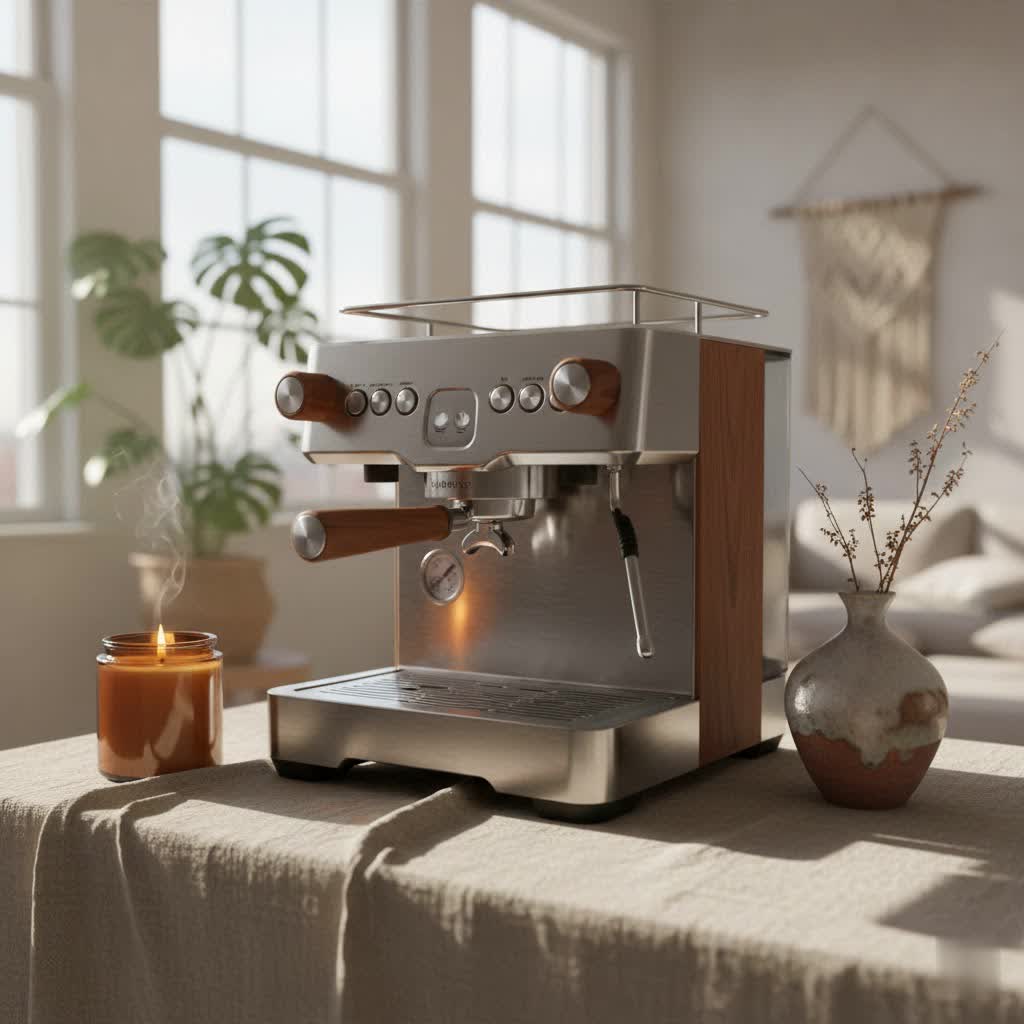
An espresso and coffee machine serves as your personal barista, capable of producing a wide array of coffee beverages. While some machines specialize solely in espresso, many modern appliances are designed as versatile combination units, offering both espresso-making capabilities and traditional coffee brewing. This duality is particularly appealing for households with diverse coffee preferences, ensuring everyone’s morning brew is covered. The evolution of these machines has been driven by a desire for convenience and quality, bringing café-level beverages into the home.
Broadly, coffee machines can be categorized into several types:
- Manual Espresso Machines: These require the most skill and effort, giving users full control over the brewing process, from tamping to pressure profiling.
- Semi-Automatic Espresso Machines: Popular among home baristas, these machines automate the pump pressure but allow the user to control the grind, dose, and extraction time.
- Automatic Espresso Machines: These simplify the process further by automatically controlling the shot volume after the user prepares the portafilter.
- Super-Automatic Espresso Machines: Offering ultimate convenience, these machines handle everything from grinding beans to frothing milk at the touch of a button.
- Bean-to-Cup Machines: A subset of automatic/super-automatic, these machines feature an integrated grinder, ensuring fresh coffee with every brew.
- Pod Machines: Designed for ease and speed, these use pre-packaged coffee pods, offering minimal mess but often less customization.
- Filter Coffee Machines: These brew larger quantities of drip coffee, ideal for households that consume multiple cups.
Key Components of an Espresso Machine
Understanding the critical components of an espresso machine is essential for appreciating how these devices craft your favorite brew and for making an informed purchasing decision. Each part plays a vital role in the brewing process, influencing the final quality and flavor of your coffee.
- Pump: This component is responsible for generating the high pressure (typically 9 to 15 bars) required to force hot water through finely-ground coffee. A robust pump ensures optimal extraction, leading to a rich, concentrated espresso shot.
- Boiler/Thermocoil: Heats the water to the precise temperature needed for brewing and steaming. Single boilers heat water for both, while dual boilers or thermocoil systems offer dedicated heating, providing more stable temperatures for simultaneous brewing and steaming, which is crucial for consistency.
- Grouphead: This is where the hot water exits the machine and meets the coffee grounds in the portafilter. Temperature stability at the grouphead is paramount for consistent extraction and preventing “sour” or “bitter” shots.
- Portafilter: A handle with a basket designed to hold the ground coffee. It locks into the grouphead, creating a sealed chamber for pressurized water to extract flavor.
- Steam Wand: An essential feature for milk-based drinks like lattes and cappuccinos. Steam wands use hot steam to heat and texture milk, creating creamy microfoam. Materials like stainless steel are preferred for durability and heat retention.
The materials used for these parts, especially the grouphead and portafilter, often impact heat retention and overall durability, directly contributing to the quality of the coffee produced.
How to Choose the Best Espresso and Coffee Machine
Selecting the perfect espresso and coffee machine involves a thoughtful consideration of various factors tailored to your individual preferences and lifestyle. With a wide range of options available, pinpointing your specific needs will significantly narrow down the choices and lead you to the ideal brewing companion.
Determine Your Needs
|
Our Picks for the Best Espresso Machine in 2026
As an Amazon Associate I earn from qualifying purchases.
|
||
| Num | Product | Action |
|---|---|---|
| 1 | Breville Barista Express Impress Espresso Machine BES876BSS, Brushed Stainless Steel |

|
| 2 | CASABREWS 3700 Essential Espresso Machine 20 Bar, Stainless Steel Cappuccino & Latte Machine with Steam Frother for Home, 43.9oz Water Tank, Coffee Gift for Women & Men, Silver |
|
| 3 | Ninja Luxe Café 3-in-1 Espresso, Drip Coffee and Cold Brew Machine - Integrated Coffee Grinder, Milk Frother, Assisted Tamper & Built-In Espresso Accessory Storage - Stainless Steel - ES601 |
|
| 4 | CASABREWS CM5418 Espresso Machine 20 Bar, Compact Espresso Maker with Steam Milk Frother, Stainless Steel Coffee Machine with 34oz Removable Water Tank for Cappuccino, Gift for Women or Men, Silver |
|
| 5 | Breville Barista Express Espresso Machine BES870XL, Brushed Stainless Steel |
|
| 6 | Gaggia Classic Evo Pro - Espresso Machine Jungle Green |
|
| 7 | Breville Bambino Espresso Machine BES450BSS, Brushed Stainless Steel |
|
| 8 | Breville Barista Express Espresso Machine BES870BSXL, Black Sesame |
|
| 9 | De'Longhi Stilosa Manual Espresso Machine, Compact Coffee Maker, 15 Bar Pump Pressure, Manual Milk Frother Steam Wand for Authentic Single & Double Espresso, Lattes & Cappuccinos, Tamper Included |
|
| 10 | Gevi Commercial Espresso and Coffee Makers, Professional 20 Bar Espresso Maker with Milk Frother, Stainless Steel Expresso Coffee Machines for Home, Compact Cappuccino Machine, Great Gift |
|
Before diving into specifications, consider how you intend to use the machine. Do you enjoy a single espresso shot daily, or do you need to brew multiple full pots of coffee for your family? Your usage frequency will dictate the machine’s durability and capacity requirements. Furthermore, reflect on your favorite coffee drinks; if lattes and cappuccinos are a must, a robust milk frothing system is essential. If you prefer the convenience of varied brew styles, a combination machine or one with cold brew functionality might be ideal.
Budget Considerations
Espresso and coffee machines range widely in price, from entry-level models under $100 to high-end super-automatic machines costing thousands. It’s crucial to set a realistic budget, but also to consider the long-term value. A more expensive machine might offer superior build quality, advanced features, and greater durability, potentially saving you money on repairs or replacements in the long run. Entry-level machines are great for beginners, while mid-range options provide a balance of features and affordability.
Essential Features
Several features can significantly enhance your brewing experience. Look for machines with:
- Pump Pressure: A minimum of 9 bars is standard for true espresso.
- Boiler/Thermocoil System: Consistent temperature control (often with PID) is vital for optimal extraction.
- Built-in Grinder: For bean-to-cup models, an integrated burr grinder ensures the freshest coffee. Adjustable grind settings are a plus.
- Milk Frother: Whether a manual steam wand or an automatic milk carafe, this is crucial for milk-based drinks.
- Pre-infusion: Gently wets the coffee grounds before full pressure is applied, leading to a more even extraction.
- Programmable Settings: Allows you to customize drink sizes, strength, and temperature for consistent results.
Reputable Brands
Investing in a machine from a well-regarded brand often guarantees better quality, reliability, and customer support. Brands like Breville, De’Longhi, Sage, Gaggia, Rancilio, Smeg, Ninja, Lavazza, and Nespresso are known for their innovation and performance in the coffee machine market. Always check the warranty offered and the availability of spare parts and service support in your region. Expert Natalie Bass notes the importance of a machine’s materials, stating that “Most coffee machines are expensive, so every element should be built to withstand daily use over a long period of time.”
Comparing Popular Espresso and Coffee Machines
When searching for the best espresso and coffee machine, you’ll encounter a diverse range of models, each with unique strengths. Here’s a comparison of some popular options, highlighting their features and ideal users.
| Model | Type | Price Range (Approx.) | Key Features | Pros | Cons |
|---|---|---|---|---|---|
| De’Longhi All-in-One | Combination (Espresso & Drip) | $400 – $500 | Espresso & 10-cup drip, fast heat-up | Versatile, great for mixed preferences, strong espresso, reliable drip coffee | May lack advanced espresso customization of dedicated machines |
| Ninja Luxe Cafe Pro Series ES701UK | Bean-to-Cup (Espresso, Filter, Cold Brew) | $700 – $800 | Integrated grinder, auto milk steaming, 25 drink settings, cold brew function | Highly versatile, excellent automatic milk frothing, recommended grind size display, robust build | Large footprint, grind process can be noisy, some trial-and-error initially |
| De’Longhi La Specialista Touch | Semi-Automatic Espresso with Grinder | $700 – $800 | Integrated grinder, touchscreen, steam wand with temp probe, assisted tamping | High-quality accessories, intuitive controls, compact for its features, rich espresso with crema | Only one-year warranty (can be extended), expensive |
| Sage Barista Touch Impress | Semi-Automatic Bean-to-Cup | $1000 – $1200 | 30 grind settings, intuitive touchscreen, assisted tamping, auto-correct dose | Excellent balance of convenience & customization, step-by-step guidance, great espresso & cold brew | Noisy grinder, expensive |
| Smeg ECF02 Espresso Machine | Semi-Automatic Espresso | $300 – $400 | 1950s aesthetic, 4 drink options, steam wand | Stylish, compact, user-friendly, produces rich espresso | Milk jug not included, steam wand heats slowly, manual operation |
| Nespresso Vertuo Pop | Pod Machine (Espresso & Coffee) | $100 – $150 | Simple push-button, barcode scanning, quality espresso with thick crema | Easy to use, small footprint, attractive design, good pod-based espresso | Limited to Vertuo pods, can be noisy, larger manual, lid can be stiff |
> “The best coffee machines allow you to easily brew barista-style drinks from the comfort of your own kitchen – a tempting prospect in the age when the average takeaway hot drink costs £3.02 per cup (as of November 2025).” – Natalie Bass, Qualified Barista at BBC Good Food
Using and Maintaining Your Machine for Optimal Brews
To ensure your espresso and coffee machine consistently delivers delicious beverages and lasts for years, proper usage and diligent maintenance are key. Neglecting these steps can lead to inconsistent quality, machine malfunctions, and a shorter lifespan.
Preparation
Proper preparation is the first step to a great cup of coffee.
- Installation: Ensure your machine is set up on a stable, level surface, away from direct heat sources. Connect it to a grounded electrical outlet and fill the water reservoir with filtered water to prevent limescale buildup.
- Coffee Selection: The type, roast, and freshness of your coffee are paramount. For espresso, choose freshly roasted beans (within weeks of roasting) and grind them just before brewing. Espresso typically requires a very fine, consistent grind. For filter coffee, a medium grind is usually best.
- Pre-heating: Always allow your machine to fully pre-heat. For espresso machines, this means the boiler and grouphead are at the optimal temperature, which can take 15-30 minutes. Run a blank shot (hot water through the portafilter) to warm the portafilter and cup.
Brewing Espresso & Coffee
The brewing process varies by machine type, but fundamental principles remain.
- For Espresso:
- Grind your beans finely.
- Fill the portafilter basket evenly with the ground coffee.
- Tamp the grounds firmly and levelly.
- Lock the portafilter into the grouphead.
- Initiate the brew; a perfect espresso shot should flow like warm honey for 25-30 seconds, yielding about 1-2 ounces, topped with a rich, hazelnut-colored crema.
- For milk-based drinks, use the steam wand to froth cold milk to a silky texture, then combine with your espresso.
- For Drip Coffee (Filter Machines):
- Measure the appropriate amount of medium-ground coffee into the filter basket.
- Fill the water reservoir to your desired volume.
- Start the brewing cycle.
- For Super-Automatic Machines: Simply select your desired drink from the menu, and the machine will grind, brew, and even froth milk automatically.
Cleaning and Descaling
Regular cleaning is vital for both hygiene and machine performance.
- Daily Cleaning:
- After each use, remove the portafilter and discard the used coffee puck. Rinse the portafilter and basket thoroughly.
- Wipe down the steam wand immediately after use with a damp cloth to prevent milk residue from drying and clogging.
- Empty and rinse the drip tray.
- Weekly/Regular Cleaning:
- Backflush the grouphead (for semi-automatic machines) with a cleaning tablet to remove coffee oils.
- Clean the shower screen and gasket.
- Wash the water reservoir and milk carafe (if applicable).
- Descaling: Limescale buildup from water minerals can severely impact machine performance and taste. Descate your machine every 1-3 months, depending on water hardness and usage, using a manufacturer-approved descaling solution. Follow the machine’s instructions meticulously. Natalie Bass emphasizes the need for self-cleaning functions in modern machines to handle limescale and coffee oils effectively.
Common Issues and Troubleshooting
Even the best espresso and coffee machines can encounter problems. Knowing how to diagnose and address common issues can save you time and potentially a repair bill.
- Machine Not Heating Up:
- Check power: Ensure it’s securely plugged in and the outlet is working.
- Thermostat/heating element: If the machine has power but won’t heat, it could indicate a faulty thermostat or heating element, often requiring professional repair.
- Weak Pressure/Slow Flow:
- Grind size: Coffee ground too finely can restrict water flow. Try a slightly coarser grind.
- Tamping: Over-tamping can also impede flow. Ensure firm but not excessive tamping.
- Clogged grouphead/portafilter: Perform thorough cleaning and backflushing to remove coffee residue.
- Pump issue: If all else fails, a weak pump might be the culprit, needing replacement.
- Coffee Flowing Too Fast (Under-extraction):
- Grind size: Coffee ground too coarsely will result in watery, weak coffee. Adjust to a finer grind.
- Tamping: Under-tamping or uneven tamping can lead to channeling.
- Dose: Not enough coffee in the portafilter.
- Machine Leaking Water:
- Reservoir not seated correctly: Ensure the water tank is properly in place.
- Loose connections/worn gaskets: Check for visible leaks around connections or the grouphead. Gaskets wear over time and may need replacement.
- Internal damage: For leaks from within the machine’s body, professional inspection is advised.
For simple issues like grind adjustment or cleaning, you can often troubleshoot yourself. However, for persistent electrical problems, pump failures, or significant leaks, it’s best to contact the manufacturer’s support or a certified repair technician.
Where to Buy Your Espresso and Coffee Machine
Finding the right place to purchase your espresso and coffee machine is almost as important as choosing the machine itself. Your buying location can impact pricing, warranty, customer service, and overall satisfaction.
- Authorized Retailers: Major electronics stores, department stores, and specialized coffee equipment retailers often carry a wide selection of machines. Buying from authorized dealers ensures you receive a genuine product with a full manufacturer’s warranty and access to their customer support. These stores also allow you to see the machines in person and sometimes offer demonstrations.
- Online Retailers: Websites like Amazon, Best Buy, and the manufacturers’ own online stores offer convenience, competitive pricing, and a vast array of options. Always check seller ratings and reviews when buying from third-party sellers on marketplaces. Look for reliable suppliers that offer good return policies and responsive customer service.
- Refurbished or Used Machines: For budget-conscious buyers, considering a refurbished machine from a reputable vendor or a used machine from a trusted seller (e.g., through specialty forums or local listings) can offer significant savings. However, be aware of the risks involved: warranties may be limited or nonexistent, and machines may require more maintenance or even repairs sooner. Always inspect used machines thoroughly and inquire about their service history.
Comprehensive Buying Guide
Making an informed decision about your espresso and coffee machine involves more than just picking a model. A thorough evaluation of your environment and potential additional needs will ensure you are completely satisfied with your new brewing companion.
Factors to Consider Before Buying
Beyond the machine’s features, several practical aspects should influence your choice:
- Electrical Requirements: Ensure your kitchen countertop outlets can support the machine’s wattage. Some high-end machines might require dedicated circuits.
- Kitchen Space: Measure your counter space, including height under cabinets, to ensure the machine fits comfortably. Consider its footprint, especially for larger bean-to-cup or dual-boiler models.
- Noise Level: Grinders and pumps can be noisy, particularly in super-automatic machines. If you live in a shared space or value quiet mornings, look for models advertised as quiet, like the De’Longhi Dinamica Plus.
- Aesthetic: The machine will be a prominent fixture in your kitchen. Choose a design and finish that complements your décor.
Essential Accessories
To get the most out of your espresso machine, some accessories are indispensable:
- Tamper: A high-quality tamper ensures consistent and even pressure on your coffee grounds, crucial for proper extraction. Many machines come with a basic tamper, but an upgrade can make a difference.
- Milk Frothing Pitcher: Essential for steaming milk with a manual steam wand. Stainless steel pitchers are durable and help judge milk temperature.
- Knock Box: A convenient container to discard used coffee pucks, keeping your counter clean.
- Cleaning Brushes and Solution: Specific brushes for the grouphead and cleaning tablets or descaling solutions are necessary for maintenance.
- Coffee Grinder: If your machine doesn’t have one, a separate burr grinder is a must for fresh, consistently ground coffee.
Read Reviews and Compare Prices
Before finalizing your purchase, immerse yourself in user reviews and expert opinions. Websites like The Spruce Eats and BBC Good Food offer detailed tests and recommendations. Pay attention to comments on long-term reliability, customer service, and actual brew quality. Compare prices across multiple retailers, both online and in-store, to find the best deals and any ongoing promotions. Don’t forget to factor in potential shipping costs or extended warranty options.
Conclusion
Choosing the best espresso and coffee machine is a personalized journey that marries your coffee passion with practical considerations. By understanding the different types of machines, their key components, and the essential features that align with your brewing habits and budget, you can confidently select a machine that brings the joy of barista-quality beverages into your home. Remember that proper maintenance is vital for longevity and consistent performance, ensuring every cup is as satisfying as the first. What kind of coffee will you brew first with your perfect new machine?
Frequently Asked Questions
What’s the main difference between a semi-automatic and a super-automatic espresso machine?
A semi-automatic espresso machine gives you control over the grinding, dosing, and tamping of coffee, as well as the extraction time. In contrast, a super-automatic machine handles all these steps automatically, from grinding fresh beans to brewing and often frothing milk, making it incredibly convenient but offering less hands-on control for the user.
Do I really need a machine with a built-in grinder?
While not strictly necessary, a built-in burr grinder, especially in bean-to-cup machines, ensures the freshest possible coffee. Grinding beans just before brewing significantly enhances flavor and aroma compared to using pre-ground coffee, making it a valuable feature for those prioritizing taste and freshness.
How often should I descale my espresso machine?
The frequency of descaling depends on your water hardness and how often you use the machine. Generally, it’s recommended to descale every 1 to 3 months. Using filtered water can help reduce limescale buildup, but regular descaling with a suitable solution is crucial to maintain machine performance and prevent damage.
Can combination coffee and espresso machines truly make good espresso?
Many modern combination machines are designed to excel at both. While some dedicated espresso machines might offer more nuanced control for true aficionados, top-rated combination units, like the De’Longhi All-in-One, are praised for producing strong, flavorful espresso alongside quality drip coffee, making them excellent versatile options for home users.
What are the most important features for making milk-based drinks?
For milk-based drinks, a high-quality steam wand is paramount. Look for machines with powerful steam, good maneuverability, and potentially a temperature probe to help you achieve perfectly frothed milk. Some super-automatic machines also offer automatic milk systems that can froth and dispense milk at the touch of a button.
