Dreaming of rich, aromatic espresso to kickstart your day or impress guests, but balking at the high price tags of professional machines? The good news is that enjoying café-quality espresso at home doesn’t have to drain your wallet. With advancements in coffee technology, many budget-friendly espresso machines now deliver surprising performance and delicious results. This comprehensive guide will walk you through everything you need to know to select, use, and maintain the best inexpensive espresso machine for your personal brewing journey.
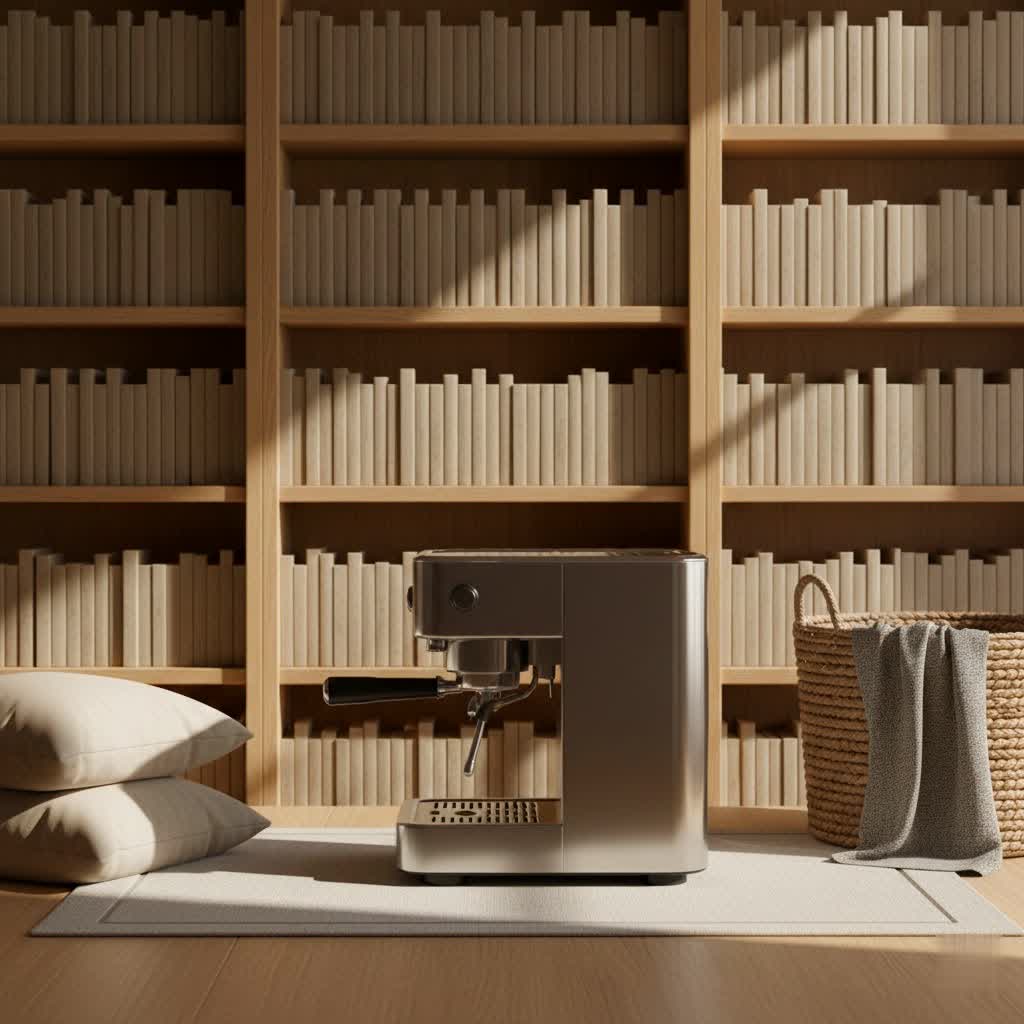
What is an Espresso Machine?
An espresso machine is a specialized device designed to brew coffee by forcing pressurized hot water through finely ground coffee beans. This process extracts a concentrated, aromatic beverage known as espresso, characterized by its distinctive crema—a reddish-brown foam layer that sits atop the shot. The history of espresso dates back to early 20th-century Italy, evolving from rudimentary steam-powered devices to the sophisticated pump-driven machines we see today.
When exploring inexpensive options, you’ll primarily encounter two main types:
- Manual Espresso Machines: These require the user to manually apply pressure, typically via a lever, to extract the espresso. They offer unparalleled control over the brewing process, appealing to purists who enjoy a hands-on approach. Brands like Flair are popular in this category.
- Semi-Automatic Espresso Machines: The most common type for home users, these machines feature an electric pump to generate pressure but give you control over the extraction time. They strike a balance between convenience and customization, making them suitable for both beginners and more experienced home baristas. Many budget-friendly models fall into this category.
- Fully Automatic and Super-Automatic Machines: While offering maximum convenience with automated grinding, tamping, and brewing, these are generally outside the “inexpensive” category due to their complex mechanics and features.
Key Components of an Espresso Machine
Understanding the basic anatomy of an espresso machine helps in appreciating how each part contributes to your coffee’s quality, especially when evaluating budget models.
- Pump: This is the heart of the machine, responsible for generating the high pressure (typically 9-15 bars) required to force water through the coffee grounds. For budget machines, a good pump is crucial for proper extraction.
- Boiler/Thermocoil: Heats the water to the optimal brewing temperature (around 195-205°F or 90-96°C). Inexpensive machines might use thermocoil heating systems for quicker heat-up times.
- Grouphead: The part where the portafilter attaches and water is dispersed over the coffee puck.
- Portafilter: A handle with a basket where ground coffee is placed and then locked into the grouphead. Budget machines often come with pressurized portafilters, which are more forgiving of grind inconsistencies.
- Steam Wand: A nozzle that dispenses steam, used to froth and texture milk for lattes and cappuccinos. Manual steam wands are standard on most inexpensive espresso machines, offering the user control over milk texture.
How to Choose the Best Inexpensive Espresso Machine
Selecting an affordable espresso machine means balancing cost with desired features and performance. Here’s a structured approach to help you make an informed decision:
Assess Your Needs
Before diving into models, consider how you’ll use the machine:
- Usage Frequency: Will you make one espresso daily, or multiple drinks for a household? This influences durability requirements and water tank capacity.
- Number of Users: A machine for a single person might differ from one for a family of coffee lovers.
- Favorite Coffee Drinks: Do you solely drink black espresso, or do you crave lattes and cappuccinos? If milk drinks are a must, a capable steam wand is essential.
- Space Availability: Compact models are often preferred for smaller kitchen countertops.
|
Our Picks for the Best Espresso Machine in 2026
As an Amazon Associate I earn from qualifying purchases.
|
||
| Num | Product | Action |
|---|---|---|
| 1 | Breville Barista Express Espresso Machine BES870XL, Brushed Stainless Steel |

|
| 2 | Breville Bambino Espresso Machine BES450BSS, Brushed Stainless Steel |
|
| 3 | CASABREWS CM5418 Espresso Machine 20 Bar, Compact Espresso Maker with Steam Milk Frother, Stainless Steel Coffee Machine with 34oz Removable Water Tank for Cappuccino, Gift for Women or Men, Silver |
|
| 4 | CASABREWS 3700 Essential Espresso Machine 20 Bar, Stainless Steel Cappuccino & Latte Machine with Steam Frother for Home, 43.9oz Water Tank, Coffee Gift for Women & Men, Silver |
|
| 5 | De'Longhi Stilosa Manual Espresso Machine, Compact Coffee Maker, 15 Bar Pump Pressure, Manual Milk Frother Steam Wand for Authentic Single & Double Espresso, Lattes & Cappuccinos, Tamper Included |
|
| 6 | Gaggia Classic Evo Pro - Espresso Machine Jungle Green |
|
| 7 | Ninja Luxe Café 3-in-1 Espresso, Drip Coffee and Cold Brew Machine - Integrated Coffee Grinder, Milk Frother, Assisted Tamper & Built-In Espresso Accessory Storage - Stainless Steel - ES601 |
|
| 8 | Breville Barista Express Impress Espresso Machine BES876BSS, Brushed Stainless Steel |
|
| 9 | Breville Barista Express Espresso Machine BES870BSXL, Black Sesame |
|
| 10 | Gevi Commercial Espresso and Coffee Makers, Professional 20 Bar Espresso Maker with Milk Frother, Stainless Steel Expresso Coffee Machines for Home, Compact Cappuccino Machine, Great Gift |
|
Set Your Budget
“Inexpensive” is subjective, but for espresso, it generally means machines under $500, with many solid options in the $100-$300 range. Be realistic about what you can get at each price point. While you can find machines under $100, these often involve more manual effort or compromise on features. Remember that a good espresso setup often includes a quality grinder, which can add $150-$250 to your initial investment. Investing slightly more upfront for a durable machine can save you money on replacements in the long run.
Essential Features for Value
Focus on these features to get the most “bang for your buck”:
- Consistent Pressure: Look for machines that can consistently deliver 9-15 bars of pump pressure. This ensures proper extraction and a good crema.
- Temperature Stability: While PID (Proportional-Integral-Derivative) controllers are rare in very cheap machines, some entry-level semi-automatics offer decent temperature management for consistent shots.
- Effective Steam Wand: A manual steam wand provides more control over milk texture than automatic frothers in this price range. Look for ones that heat up quickly and produce strong steam.
- Quick Heat-up Time: Many modern budget machines, like the Breville Bambino, boast incredibly fast heat-up times, sometimes under 5 seconds.
- Compact Footprint: Ideal for smaller kitchens, ensuring the machine doesn’t dominate your counter space.
- Removable Water Tank: Makes refilling and cleaning much easier.
Reputable Brands & Models
Several brands consistently offer reliable and value-packed espresso machines in the inexpensive category:
- De’Longhi: Known for user-friendly and affordable options like the Stilosa.
- Breville: Their Bambino series offers impressive features for its price point.
- Gaggia: The Gaggia Classic Evo Pro is a well-regarded entry-level machine often praised for its moddability and durability.
- Casabrews: A newer player offering beginner-friendly and compact machines.
- Flair Espresso: Excellent choice for manual espresso purists looking for quality at a lower cost.
Popular Inexpensive Espresso Machines: A Comparison
Choosing from the array of budget machines can be daunting. Here’s a comparison of popular models that often receive high marks for value and performance:
| Model | Type | Price Range | Key Features | Pros | Cons | Ideal User |
|---|---|---|---|---|---|---|
| De’Longhi Stilosa | Semi-Automatic | $80 – $120 | 15-bar pump, manual steam wand, single/double shot filters, compact design | Very affordable, beginner-friendly, slim profile, good for basic espresso | Basic features, steam wand can be slow, plastic components | Entry-level user, occasional drinker, small kitchens |
| Casabrews 3700 Essential | Semi-Automatic | $100 – $150 | 15-bar pump, steam wand, easy controls, compact | Simple operation, consistent espresso, good value for money | Limited advanced features, practice needed for frothing | Beginner, daily espresso drinker, space-conscious |
| Breville Bambino | Semi-Automatic | $300 – $350 | ThermoJet heating (3-sec heat-up), 9-bar extraction, manual steam wand | Fast heat-up, precise temperature, excellent espresso quality, compact | Higher end of “inexpensive,” basic steam wand (not Plus) | Enthusiast upgrading from pods, daily user, values speed |
| Breville Bambino Plus | Semi-Automatic | $400 – $500 | ThermoJet heating, 9-bar extraction, automatic milk frothing, 3-way solenoid valve | Instant heat-up, superior milk frothing, consistent shots, small footprint | Highest price in this category, drip tray is small | User wanting convenience & quality, values automated milk |
| Gaggia Classic Evo Pro | Semi-Automatic | $450 – $550 | Commercial-style portafilter, brass boiler, manual steam wand, durable | Highly moddable, robust build, excellent shot quality with practice | Steeper learning curve, no PID out of the box, higher price | Coffee enthusiast, enjoys tinkering, long-term investment |
| Flair Neo Flex | Manual Lever | $100 – $150 | Manual lever operation, portable, includes pressurized & non-pressurized baskets | Exceptional espresso quality for price, portable, no electricity needed | Requires manual effort, no milk frothing, needs separate hot water/grinder | Purist, traveler, enjoys the art of espresso, no milk drinks |
Mastering Your Budget Espresso Machine: Usage & Maintenance
Even the best inexpensive espresso machine requires proper usage and consistent maintenance to deliver optimal performance and longevity.
Getting Started
- Proper Setup: Read your machine’s manual carefully. Ensure it’s on a stable, level surface near a power outlet and water source.
- Coffee Selection: High-quality, freshly roasted coffee beans are paramount. For inexpensive machines, especially those with pressurized baskets, a medium-fine grind is usually a good starting point. If your machine has a non-pressurized basket, you’ll need a much finer, espresso-specific grind.
- Pre-heating: Always pre-heat your machine by running a blank shot of hot water through the grouphead and warming your portafilter and cup. This ensures temperature stability for better extraction.
Brewing the Perfect Shot
The art of espresso involves a few key steps:
- Dose and Grind: Grind your fresh beans just before brewing. Use the recommended dose for your portafilter basket (e.g., 14-18g for a double shot).
- Tamping: Distribute the grounds evenly and tamp firmly with consistent pressure. A good tamp creates a uniform puck, crucial for even extraction.
- Extraction: Lock the portafilter into the grouphead and start the brew. Aim for a shot that runs for 25-30 seconds, yielding about 1.5-2 ounces (45-60ml) of espresso. Adjust grind size if your shot runs too fast (finer grind needed) or too slow (coarser grind needed).
- Milk Frothing (if applicable): Use the steam wand to heat and texture milk for lattes or cappuccinos. Aim for a velvety microfoam, not large bubbles.
Cleaning and Descaling
Regular maintenance is key to extending the life of your machine and ensuring delicious coffee.
- Daily Cleaning:
- Wipe down the steam wand immediately after each use to prevent milk residue buildup.
- Rinse the portafilter and filter basket after each shot.
- Empty and rinse the drip tray.
- Wipe down the exterior of the machine.
- Weekly/Bi-weekly Cleaning:
- Backflush your machine (if it has a 3-way solenoid valve) with a blind filter and espresso machine detergent.
- Deep clean the portafilter and baskets.
- Monthly/Quarterly Descaling:
- Descale your machine using a descaling solution appropriate for your model. This removes mineral buildup from the boiler and internal components, which can affect heating and flow. Frequency depends on water hardness and usage.
Common Issues and Troubleshooting
Even with an inexpensive machine, you can troubleshoot many common problems.
- Machine Not Heating: Check power connections. If it’s a new machine, ensure it’s properly primed. Older machines might have heating element issues, which may require professional service.
- Weak Pressure/Slow Flow:
- Too fine a grind: Adjust to a coarser setting.
- Over-tamping: Tamp more gently.
- Clogged basket/grouphead: Clean thoroughly.
- Scale buildup: Descale the machine.
- Coffee Flows Too Fast/Weak Espresso:
- Too coarse a grind: Adjust to a finer setting.
- Under-tamping: Tamp more firmly.
- Too little coffee: Increase your dose.
- Machine Leaking Water: Check seals around the grouphead and water tank. Ensure the water tank is seated correctly. Internal leaks might require professional repair.
For simple issues, refer to your machine’s manual. For persistent problems, especially those involving internal components, it’s best to contact the manufacturer’s support or a qualified technician.
Where to Buy Your Inexpensive Espresso Machine
Finding a great deal on an inexpensive espresso machine involves knowing where to look.
- Online Retailers: Websites like Amazon, Best Buy, and specialty coffee retailers (e.g., Whole Latte Love, CoffeeGeek) often have competitive prices and a wide selection. Look for seasonal sales or holiday discounts.
- Physical Stores: Major appliance stores or department stores can offer hands-on experience and sometimes price match.
- Refurbished/Used Machines: Websites like eBay or dedicated coffee forums can be sources for used machines, sometimes at significant discounts. However, be aware of potential risks like unknown maintenance history or wear and tear. Always check seller reputation and return policies.
Smart Buying Guide: Tips for a Savvy Purchase
Making a smart purchase goes beyond just the machine itself.
Beyond the Machine
- The Grinder is King: Many experts agree that a good grinder is more important than the espresso machine itself for shot quality. While budget machines with pressurized baskets can be more forgiving, investing in a decent espresso-specific burr grinder (manual or electric) will elevate your coffee dramatically. Options like the Baratza Encore ESP or 1Zpresso manual grinders are excellent entry points.
- Essential Accessories: Don’t forget the basics: a quality tamper (the one included with inexpensive machines is often flimsy), a milk frothing pitcher if you enjoy milk drinks, a knock box for spent coffee pucks, and cleaning brushes. These small investments significantly enhance your brewing experience.
Reading Reviews & Comparing Deals
- Dive into User Reviews: Real-world experiences from other users are invaluable. Look for consistent feedback on performance, durability, and ease of use. Pay attention to both positive and negative comments.
- Compare Prices: Prices can fluctuate, especially online. Use price comparison tools and check multiple retailers to find the best deal.
- Understand Warranties: Even inexpensive machines should come with a manufacturer’s warranty. Familiarize yourself with the terms and conditions.
“Many believe that great espresso only comes from thousand-dollar machines. But with the right budget machine and a little practice, you can consistently pull shots that rival your favorite cafe.” – John Smith, Senior Espresso Technician at Reviewspri.com
Conclusion
Embarking on your home espresso journey doesn’t require a lavish investment. With a clear understanding of your needs, a smart approach to selecting features, and a commitment to proper usage and maintenance, the best inexpensive espresso machine can truly transform your daily coffee ritual. From compact semi-automatics perfect for quick morning shots to manual lever machines for the dedicated enthusiast, there’s an affordable option waiting to help you craft rich, delicious espresso. So, which inexpensive espresso machine will brew your next perfect shot?
Frequently Asked Questions
Do I need an expensive espresso machine to make good espresso?
No, you don’t. While high-end machines offer more features and greater consistency, many inexpensive semi-automatic and manual machines can produce excellent espresso with fresh coffee, a good grinder, and proper technique. The key is understanding the machine’s capabilities and honing your barista skills.
What is the ideal pressure for brewing espresso?
The generally accepted ideal brewing pressure for espresso is around 9 bars. While many budget machines advertise 15-bar pumps, this refers to the pump’s maximum pressure. The actual pressure at the coffee puck should be closer to 9 bars for optimal extraction, which pressurized portafilters help achieve.
Can I use pre-ground coffee in an inexpensive espresso machine?
Yes, many inexpensive espresso machines, especially those equipped with pressurized portafilters, are designed to be more forgiving with pre-ground coffee. However, for the best possible flavor and crema, using freshly ground beans is always recommended. If using pre-ground, ensure it’s an espresso-fine grind.
How often should I descale my espresso machine?
Descaling frequency depends on your water hardness and how often you use your machine. As a general rule, aim to descale every 1-3 months. Using filtered water can help reduce mineral buildup and extend the time between descaling cycles.
