For coffee enthusiasts, the pursuit of the perfect espresso at home is a continuous journey. Miele espresso machines stand as a beacon of German engineering, renowned for their sophisticated design, exceptional build quality, and ability to craft café-quality beverages with remarkable consistency. Whether you’re a seasoned barista or just beginning your coffee adventure, choosing a Miele machine means investing in a legacy of “Immer Besser” – “Forever Better” – a promise of enduring performance and exquisite taste.
What is a Miele Espresso Machine?
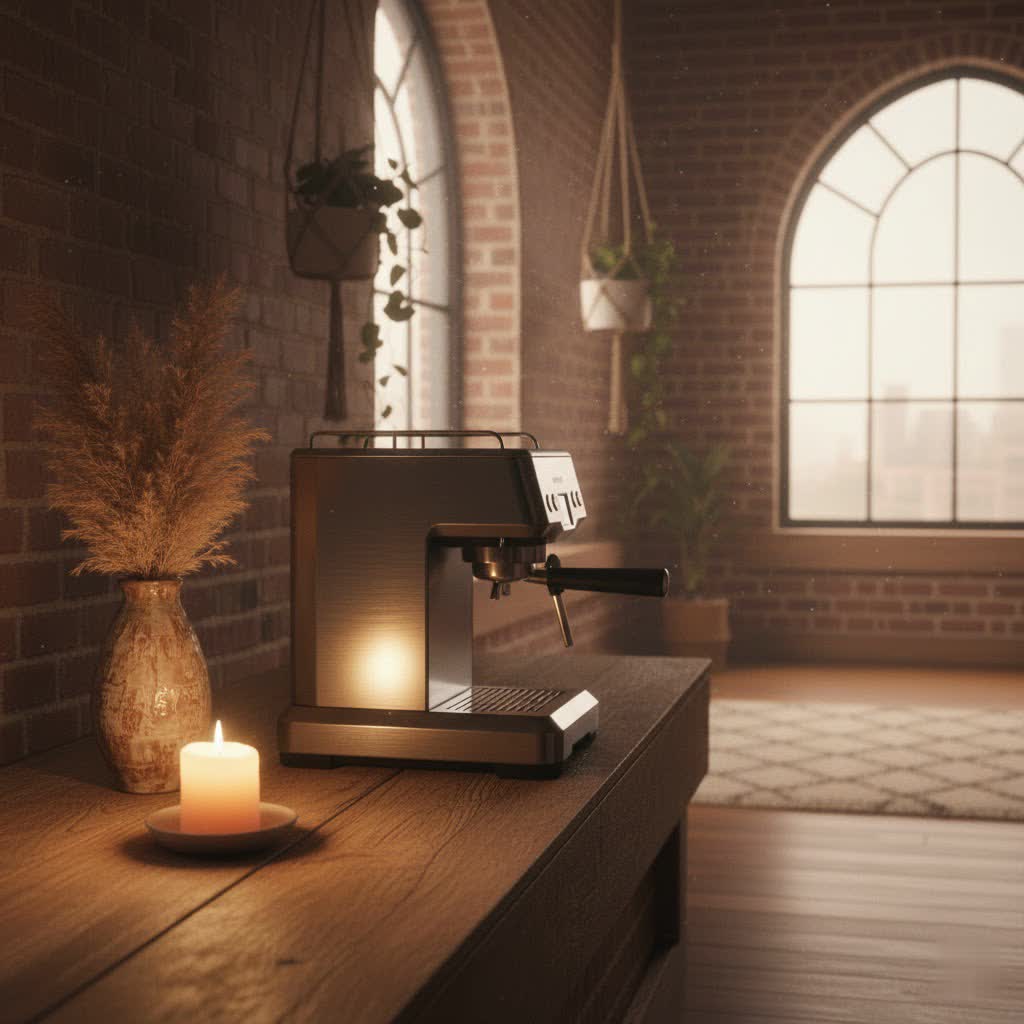
A Miele espresso machine is a premium appliance engineered to produce high-quality espresso and a wide array of coffee specialties, typically at the touch of a button. These machines, often falling into the “super-automatic” category, handle the entire brewing process from grinding fresh beans to frothing milk. Miele offers both countertop (CM series) and built-in (CVA series) models, allowing for seamless integration into various kitchen designs.
The history of Miele’s coffee machine development is rooted in its broader commitment to durable, high-performance home appliances. While the core technology of espresso brewing dates back to the early 20th century, Miele has refined it with advanced features, focusing on convenience, customizable options, and superior extraction. Their machines are designed to bring the complex art of espresso making into your home with minimal effort, ensuring a rich, aromatic cup every time.
Key Components of Miele Espresso Machines
Miele espresso machines are meticulously designed with several critical components that work in harmony to produce exceptional coffee. Understanding these parts helps appreciate the engineering behind each brew.
- Pump: Miele machines typically feature a 15-bar pump, the industry standard for optimal espresso extraction. This pressure ensures that water is forced through the finely ground coffee at the ideal rate, extracting maximum flavor and a rich crema.
- Brew Unit: This is the heart of the espresso machine, where coffee grounds are compacted and hot water is passed through them. Miele’s brew units are often removable, allowing for easy cleaning and maintenance, which is crucial for hygiene and consistent coffee quality.
- Integrated Grinder: Most Miele espresso machines come with a high-quality stainless steel conical burr grinder. This grinds fresh beans just before brewing, preserving maximum aroma and flavor. The grind fineness is usually adjustable, allowing you to fine-tune the extraction process.
- Boiler/Heating System: Responsible for heating water to the precise temperature required for brewing espresso (typically around 195-205°F or 90-96°C) and generating steam for milk frothing. Miele systems are known for their rapid heating and consistent temperature control.
- Milk System (Cappuccinatore/MilkPerfection): Miele excels in milk frothing, with systems like the “MilkPerfection” and “OneTouch for Two” features. These automatic systems draw milk from a container, froth it to a silky texture, and dispense it directly into your cup, making lattes and cappuccinos effortless. Some models feature a double milk pipework system for enhanced hygiene and efficiency.
- Water Tank and Grounds Container: These hold the water for brewing and collect the used coffee grounds, respectively. Capacities vary between models, with larger tanks and containers offering more brews before refilling or emptying.
- Control Panel/Display: From intuitive text displays with sensor buttons on some CM series models to modern M Touch full-color touchscreens on higher-end CVA and CM7 machines, the control panel allows users to select drinks, adjust settings, and monitor the brewing process.
- Portafilter (for some semi-automatic models, though most Miele are super-automatic): While most Miele machines are super-automatic and use an internal brew unit, some semi-automatic machines use a portafilter to hold the ground coffee.
These components are typically crafted from durable materials like stainless steel and high-quality plastics, reflecting Miele’s commitment to longevity and performance.
Choosing Your Miele Espresso Machine
Selecting the right Miele espresso machine involves considering several factors tailored to your lifestyle and coffee preferences.
Assess Your Usage Needs
Before diving into models, think about how you’ll use your machine.
- Frequency: Do you make one espresso a day, or do you entertain guests regularly and need a machine capable of producing multiple drinks in quick succession? Models with larger water tanks and bean containers, and a “OneTouch for Two” function, are ideal for higher usage.
- Number of Users: User profiles on many Miele machines allow multiple individuals to save their preferred drink settings (strength, temperature, volume), ensuring everyone gets their ideal cup.
- Drink Preferences: Are you primarily an espresso purist, or do you enjoy a variety of milk-based drinks like cappuccinos and lattes? Machines with advanced MilkPerfection systems will be paramount for milk-drink lovers. Some models even offer tea functions with precise water temperatures.
|
Our Picks for the Best Espresso Machine in 2026
As an Amazon Associate I earn from qualifying purchases.
|
||
| Num | Product | Action |
|---|---|---|
| 1 | CASABREWS CM5418 Espresso Machine 20 Bar, Compact Espresso Maker with Steam Milk Frother, Stainless Steel Coffee Machine with 34oz Removable Water Tank for Cappuccino, Gift for Women or Men, Silver |

|
| 2 | Breville Barista Express Espresso Machine BES870XL, Brushed Stainless Steel |
|
| 3 | Gevi Commercial Espresso and Coffee Makers, Professional 20 Bar Espresso Maker with Milk Frother, Stainless Steel Expresso Coffee Machines for Home, Compact Cappuccino Machine, Great Gift |
|
| 4 | Breville Barista Express Espresso Machine BES870BSXL, Black Sesame |
|
| 5 | Breville Bambino Espresso Machine BES450BSS, Brushed Stainless Steel |
|
| 6 | De'Longhi Stilosa Manual Espresso Machine, Compact Coffee Maker, 15 Bar Pump Pressure, Manual Milk Frother Steam Wand for Authentic Single & Double Espresso, Lattes & Cappuccinos, Tamper Included |
|
| 7 | Ninja Luxe Café 3-in-1 Espresso, Drip Coffee and Cold Brew Machine - Integrated Coffee Grinder, Milk Frother, Assisted Tamper & Built-In Espresso Accessory Storage - Stainless Steel - ES601 |
|
| 8 | Gaggia Classic Evo Pro - Espresso Machine Jungle Green |
|
| 9 | Breville Barista Express Impress Espresso Machine BES876BSS, Brushed Stainless Steel |
|
| 10 | CASABREWS 3700 Essential Espresso Machine 20 Bar, Stainless Steel Cappuccino & Latte Machine with Steam Frother for Home, 43.9oz Water Tank, Coffee Gift for Women & Men, Silver |
|
Budget Considerations
Miele espresso machines are a premium investment, and prices vary significantly across their range.
- Entry-Level: The CM5 series (e.g., CM 5300 Silence) offers an excellent entry point into Miele’s super-automatic experience, providing core features and quality at a more accessible price point.
- Mid-Range: The CM6 series (e.g., CM 6160 MilkPerfection, CM 6360 MilkPerfection) introduces enhanced milk systems, more drink specialties, and user profiles.
- High-End: The CM7 series (e.g., CM 7750 CoffeeSelect) and built-in CVA models represent the pinnacle of Miele’s offerings, featuring innovations like multiple bean containers, AutoDescale, CupSensor, and advanced touch displays. Consider the long-term value, as Miele machines are built to last for many years.
Important Features
Beyond basic brewing, Miele offers features that enhance convenience and customization.
- Pump Pressure (Bar): All Miele espresso machines operate at an optimal pressure (typically 15 bar) for superior extraction.
- Boiler Capacity/Heating: Look for models that heat up quickly and maintain consistent temperatures, ensuring your coffee is always perfectly hot.
- Temperature Control: Miele machines allow you to adjust brewing temperature, a critical factor in extracting the best flavors from different roasts.
- Automatic Functions: Features like “OneTouch for Two” (preparing two drinks simultaneously), “CoffeePot” function (brewing multiple cups), and pre-infusion (AromaticSystem) significantly improve the coffee experience.
- Connectivity: Many newer Miele models offer Wi-Fi connectivity via the Miele@home app, allowing for remote control, custom programming, and maintenance reminders.
- AutoDescale & Self-Cleaning: The CM7750 CoffeeSelect, for instance, boasts AutoDescale, a fully automatic descaling program, which significantly reduces maintenance effort. Most Miele machines also feature automatic rinsing programs for the milk pipework after each use.
Reputable Models/Series
Miele’s espresso machine lineup is primarily divided into countertop (CM series) and built-in (CVA series) models, each with distinct features.
- CM5 Series (e.g., CM 5300 Silence): Known for quiet operation and straightforward design, offering essential super-automatic features like customizable drink parameters and “OneTouch for Two.” It brews 8 core drink specialties and features Miele’s AromaticSystem for full flavor extraction.
- CM6 Series (e.g., CM 6160 MilkPerfection, CM 6360 MilkPerfection): These models elevate the experience with MilkPerfection technology for advanced milk frothing, a wider range of drink specialties (e.g., 17 drinks on the CM 6160), and user profiles for personalized settings. The CM 6360 adds a built-in cup warmer and a glass milk container.
- CM7 Series (e.g., CM 7750 CoffeeSelect): The flagship countertop models, offering ultimate luxury and customization. Key features include three separate bean containers (CoffeeSelect) for diverse bean choices without mixing, AutoDescale, and CupSensor for automatic spout height adjustment. It offers up to 30 drink specialties and advanced connectivity.
- CVA Series (Built-in): Designed to integrate seamlessly into kitchen cabinetry, these machines often share features with the high-end CM series, providing a luxurious and space-saving solution. They may offer plumbed options for direct water connection, eliminating the need to refill a water tank.
Miele machines come with a standard warranty, and the brand is known for its robust service and support network, ensuring peace of mind for your investment.
Comparing Popular Miele Espresso Machine Models
Choosing among Miele’s excellent lineup can be daunting. Here’s a comparison of some popular countertop models to help you find your perfect match.
| Feature | Miele CM 5300 Silence | Miele CM 6160 MilkPerfection | Miele CM 6360 MilkPerfection | Miele CM 7750 CoffeeSelect |
|---|---|---|---|---|
| Price Range | ~$1,500 – $1,800 | ~$2,000 – $2,300 | ~$2,500 – $3,000 | ~$4,500 – $5,000+ |
| Drink Specialties | 8 (Espresso, Long Coffee, Cappuccino, Latte Macchiato, Hot Milk) | 17 (Adds Ristretto, Flat White, Café Latte, and various teas) | 17+ (Enhanced milk system, more customization) | 30 (Extensive menu, tea function with specific temperatures) |
| Bean Containers | 1 | 1 | 1 | 3 (CoffeeSelect for different bean types) |
| Milk System | Integrated frother, automatic milk pipework rinsing. | MilkPerfection for advanced textures, automatic rinsing. | Double Milk Pipework for smoother froth, automatic rinsing, glass milk container included. | Highly refined milk frothing, automatic rinsing, glass milk container included. |
| User Profiles | No (customization per drink) | 4 programmable profiles | Up to 8 programmable profiles | Up to 10 programmable profiles |
| Water Tank Cap. | 1.3 L (44 oz) | 1.8 L | 1.8 L (60.9 fl oz) | 2.2 L |
| Bean Hopper Cap. | 200 g (7 oz) | 300 g (10.6 oz) | 300 g (10.6 oz) | Multiple hoppers, larger total capacity. |
| Grinder | Stainless steel conical burr, quiet operation. | Stainless steel conical burr, adjustable. | Stainless steel conical burr, infinitely variable adjustment. | Conical burr, quiet and gentle, auto-clean between bean types. |
| Display/Controls | Direct Sensor display, intuitive. | Direct Sensor display. | Text display with sensor buttons (can appear “old-fashioned” but easy to use). | M Touch (large touchscreen), CupSensor (auto-adjusts spout height). |
| Connectivity | No | No | Miele@home Wi-Fi connectivity. | Miele@home Wi-Fi, AutoDescale (fully automatic descaling). |
| Special Features | “OneTouch for Two”, AromaticSystem, removable brew unit. | “OneTouch for Two”, AromaticSystem, hot water spout. | Built-in cup warmer, “OneTouch for Two”, DoubleShot function for stronger coffee, compact design. | Three bean containers, AutoDescale, CupSensor, coffee pot function for up to 8 cups, extensive tea menu. |
| Ideal User | Daily user, values quietness and straightforward operation. | Family/small office, enjoys milk drinks, wants personalized settings. | Enthusiasts who value advanced milk frothing, customization, and Miele’s robust build. | Luxury seeker, wants ultimate variety, convenience, and automation; entertains frequently. |
Operating and Maintaining Your Miele Espresso Machine
To ensure your Miele espresso machine consistently delivers delicious coffee and stands the test of time, proper operation and regular maintenance are essential.
Preparation
- Correct Installation: Ensure your machine is placed on a stable, level surface and connected to a suitable power source. For built-in CVA models, professional installation is often recommended due to plumbing and electrical requirements.
- Coffee Bean Selection: Use fresh, high-quality whole coffee beans. Miele machines are generally optimized for medium to dark roasts. Avoid oily beans, as they can clog the grinder over time. Miele even offers its own “Black Edition” coffee beans specifically designed for their machines.
- Water Quality: Use filtered water to prevent mineral buildup and enhance coffee flavor. Many Miele machines have integrated water filters or recommend their use.
- Pre-warming: Always allow your machine to complete its warm-up cycle before brewing. Many models also feature an actively heated cup warmer on top, which is ideal for preheating your espresso cups to maintain coffee temperature longer.
Brewing Espresso
Miele super-automatic machines make brewing effortless, but a few tips can optimize your results.
- Adjust Grind Settings: Experiment with the grinder’s fineness. A finer grind typically yields a stronger espresso with more crema, while a coarser grind can lead to weaker coffee. Adjust only when the grinder is running, as per manufacturer instructions.
- Customize Drink Parameters: Utilize the machine’s display to adjust coffee strength (amount of ground coffee), water volume, and brewing temperature according to your taste preferences. If your machine has pre-infusion (Miele’s AromaticSystem), ensure it’s activated for a fuller aroma.
- Milk Frothing: If making milk-based drinks, ensure the milk system hose is properly connected to a fresh milk container. Adjust milk foam temperature and consistency via the settings for your ideal cappuccino or latte.
Cleaning and Care
Regular cleaning is paramount for performance and longevity. Miele machines are designed for easy maintenance, often with dishwasher-safe components.
- Daily Cleaning:
- Rinse Milk System: After every milk-based drink, the machine will prompt an automatic rinse of the milk pipework. This is critical to prevent milk residue buildup. Some models, like the CM 6360, have a double milk pipework system that simplifies rinsing without removing the milk hose.
- Empty Drip Tray and Grounds Container: These should be emptied daily to prevent mold growth and odors.
- Wipe Down Exterior: Clean the machine’s exterior with a soft, damp cloth.
- Weekly/Bi-Weekly Cleaning:
- Clean Brew Unit: The removable brew unit should be rinsed thoroughly under running water without detergent. This prevents coffee oil buildup.
- Clean Milk Container/Carafe: If you use a separate milk container, wash it with warm, soapy water.
- Regular Descaling: Descaling removes mineral deposits (limescale) that can impede performance and damage internal components. Miele recommends descaling every 1-3 months, depending on water hardness and usage. Some high-end models, like the CM 7750, feature an AutoDescale function, which automatically handles the process, greatly simplifying this task. Always use Miele-approved descaling tablets or solutions.
- Degrease Brew Unit: Periodically, the brew unit may need degreasing using special cleaning tablets to remove stubborn coffee oil residues.
> “Miele’s approach to cleaning sets them apart; many components are even dishwasher-safe, reflecting their confidence in material durability and user convenience.” – Arne Preuss, Coffee Expert, Coffeeness.
Common Issues and Troubleshooting
Even premium Miele espresso machines can encounter minor hiccups. Here are some common problems and basic troubleshooting steps. For detailed error codes, always refer to your machine’s user manual or the Miele support website.
- Machine Not Heating Up:
- Check Power: Ensure the machine is properly plugged in and the power switch is on.
- Water Tank: Verify the water tank is filled and correctly seated.
- Heating Element Issue: If problems persist, it may indicate a fault with the heating element, requiring professional service.
- Weak Pressure / Coffee Flowing Slowly:
- Grind Too Fine: The coffee grind might be too fine, over-compacting the coffee and restricting water flow. Adjust to a coarser setting.
- Clogged Brew Unit/Spouts: The brew unit or coffee spouts might be dirty or clogged with coffee residue. Clean the brew unit and visible spouts thoroughly.
- Descaling Needed: Limescale buildup can restrict water paths. Perform a descaling cycle.
- No Coffee is Dispensed:
- Empty Water/Beans: Check if the water tank is empty or the bean container needs refilling.
- Clogged Spouts: Coffee spouts may be completely blocked. Clean them.
- Brew Unit Malfunction: Ensure the brew unit is correctly inserted. If it’s jammed or not working, a reset or professional attention might be needed.
- Machine Leaking Water:
- Drip Tray Overflow: Empty the drip tray regularly. Some older models had reported drip tray leaking issues, specifically the CM 6360, which might have water pouring from seams.
- Brew Unit Seal: A damaged or misaligned seal on the brew unit could cause leaks. Inspect and clean the brew unit.
- Loose Connections: Check for any loose external water connections if it’s a plumbed-in model.
- Internal Component Damage: Persistent leaks often point to an internal component failure, warranting a service call.
- Poor Taste Quality:
- Old Beans: Use fresh, high-quality coffee beans. Stale beans result in flat-tasting coffee.
- Water Filter: Replace the water filter if it’s old or due for replacement.
- Cleaning: Thoroughly clean all internal components, especially the brew unit and grinder, to remove old coffee residue that can impart off-flavors.
- Settings: Experiment with grind, strength, and temperature settings to find the optimal extraction for your beans.
- Machine Stuck in Descale Mode:
- This often occurs due to an incomplete descaling cycle, incorrect water levels, or an interruption.
- Hard Reset: Try a hard reset by powering off, unplugging for 30 seconds, then plugging back in and holding the power button while simultaneously pressing the descale or cup sensor button.
- Follow Manual: Carefully re-follow the descaling instructions in your manual, ensuring correct descaling agent use and complete rinse cycles.
- Contact Support: If the issue persists, contact Miele support.
For any complex issues or error messages not easily resolved by basic troubleshooting, it is always recommended to consult your Miele user manual or contact Miele’s authorized service technicians.
Where to Buy Miele Espresso Machines?
Investing in a Miele espresso machine is a significant decision, and knowing where to purchase one is crucial for ensuring authenticity, warranty coverage, and reliable service.
- Authorized Miele Dealers: The most reliable option is to purchase from authorized Miele dealers or Miele Experience Centers. These showrooms often allow you to see the machines in person, get demonstrations, and receive expert advice from trained staff. They also ensure you receive a genuine product with full manufacturer warranty and access to Miele’s official service network.
- Online Retailers: Reputable online appliance retailers may carry Miele espresso machines. When buying online, always verify that the seller is an authorized Miele distributor to guarantee warranty validity. Be wary of unusually low prices from unverified sellers, as these might be grey market imports or refurbished units without proper support.
- Major Department Stores: Some high-end department stores with dedicated appliance sections may also be authorized Miele retailers.
- Buying Used/Refurbished: While potentially saving money, purchasing a used Miele espresso machine comes with risks. Ensure the seller can provide proof of purchase, service history, and that the machine is in good working order. Always check if the warranty is transferable. For such complex appliances, buying new from an authorized dealer is generally recommended for peace of mind.
Always prioritize sellers who offer excellent customer service, clear return policies, and official Miele warranty and support.
Buying Guide: Essential Considerations for Your Miele Espresso Machine
Choosing a Miele espresso machine goes beyond just picking a model; it’s about integrating a sophisticated appliance into your daily life. Here’s a detailed guide to help you make an informed decision.
Factors to Consider Before Purchase
- Kitchen Space: Miele machines vary in size. Measure your countertop space (for CM series) or cabinet dimensions (for CVA built-in models) to ensure a perfect fit. Also consider overhead cabinet clearance for refilling water tanks or bean hoppers.
- Power Requirements: Verify the electrical requirements for your chosen model and ensure your kitchen has the appropriate outlets.
- Noise Level: While Miele’s grinders are generally quiet, some models like the CM 5310 Silence are specifically engineered for minimal noise, which can be a significant factor for early morning coffee rituals.
- Water Connection (for Built-in CVA models): If you opt for a built-in CVA machine, decide between a plumbed-in version (direct water line connection for ultimate convenience) or a non-plumbed version (requires manual water tank refills). The plumbed version is highly recommended for continuous, hassle-free operation.
Essential Accessories
To complete your Miele espresso setup, consider these useful accessories:
- Glass Milk Container: Many Miele machines come with or are compatible with Miele’s elegant glass milk container, which keeps milk at an optimal temperature and is easy to clean.
- Miele Cleaning Products: Invest in Miele-approved descaling tablets, cleaning tablets for the brew unit, and milk system pipe cleaner to ensure proper maintenance and longevity.
- Knock Box: A container for disposing of spent coffee pucks.
- Coffee Storage: Airtight containers to keep your coffee beans fresh.
Reading Reviews and Comparing Prices
- User Reviews: Consult online reviews from other Miele owners. Pay attention to comments regarding drink quality, ease of use, cleaning routines, and durability. Websites like Coffeeness and The Spruce Eats offer in-depth professional reviews.
- Price Comparison: Miele machines are premium products, so prices can fluctuate. Compare prices from various authorized retailers, both online and in brick-and-mortar stores, to find the best deals or promotions. Remember that an authorized dealer also provides valuable post-purchase support.
Conclusion
A Miele espresso machine is more than just an appliance; it’s an invitation to a world of sophisticated coffee experiences at home. With their unwavering commitment to quality, innovative features like MilkPerfection and AutoDescale, and stunning design, Miele offers a range of super-automatic machines that cater to diverse needs and preferences. By carefully considering your usage habits, budget, and desired features, you can select a Miele model that will transform your daily coffee ritual into an effortless moment of pure enjoyment. From the quiet efficiency of the CM5 Silence to the multi-bean versatility of the CM7 CoffeeSelect, Miele ensures every cup is an exquisite testament to the “Forever Better” philosophy.
Which Miele espresso machine will you choose to elevate your home coffee journey?
Frequently Asked Questions
How often should I descale my Miele espresso machine?
It is recommended to descale your Miele espresso machine every 1 to 3 months, depending on the hardness of your water and your usage frequency. Harder water or more frequent use will necessitate more frequent descaling to prevent limescale buildup and maintain optimal machine performance. Some advanced models, like the CM 7750, even feature automatic descaling.
Can I use any brand of coffee beans in my Miele espresso machine?
Yes, Miele espresso machines are designed to work with various whole coffee beans. However, it’s best to use fresh, high-quality beans of a medium to dark roast. Avoid overly oily beans, as they can cause clogging in the integrated grinder over time. Miele also offers its own specially curated “Black Edition” coffee beans.
Are Miele espresso machines difficult to clean?
No, Miele espresso machines are generally designed for easy maintenance. Many components, such as the brew unit, drip tray, and water tank, are removable for simple rinsing under tap water or are even dishwasher-safe. The machines also feature automatic rinsing programs for the milk pipework after each use, simplifying daily cleaning routines.
What is the “OneTouch for Two” function on Miele espresso machines?
The “OneTouch for Two” function allows your Miele espresso machine to prepare two identical coffee beverages simultaneously with a single touch of a button. This is a convenient feature for households with multiple coffee drinkers or when entertaining guests, ensuring both cups are ready at the same time without compromising quality.
What is Miele’s “AromaticSystem”?
Miele’s “AromaticSystem” is a feature that optimizes the brewing process, often involving pre-infusion. This means the ground coffee is briefly moistened with hot water before the full brewing pressure is applied. This gentle pre-wetting allows the coffee to bloom, ensuring a more thorough extraction of aromas and a richer, more flavorful espresso.
