Imagine waking up to the aroma of freshly brewed coffee, crafted to perfection with minimal effort. The dream of a café-quality espresso, latte, or cappuccino at home no longer requires barista-level skill. Fully automatic espresso machines, also known as super-automatic machines, have revolutionized home brewing, offering unparalleled convenience and consistency at the touch of a button. This comprehensive guide will walk you through everything you need to know, from understanding their core functions to choosing, using, and maintaining your ideal bean-to-cup companion.
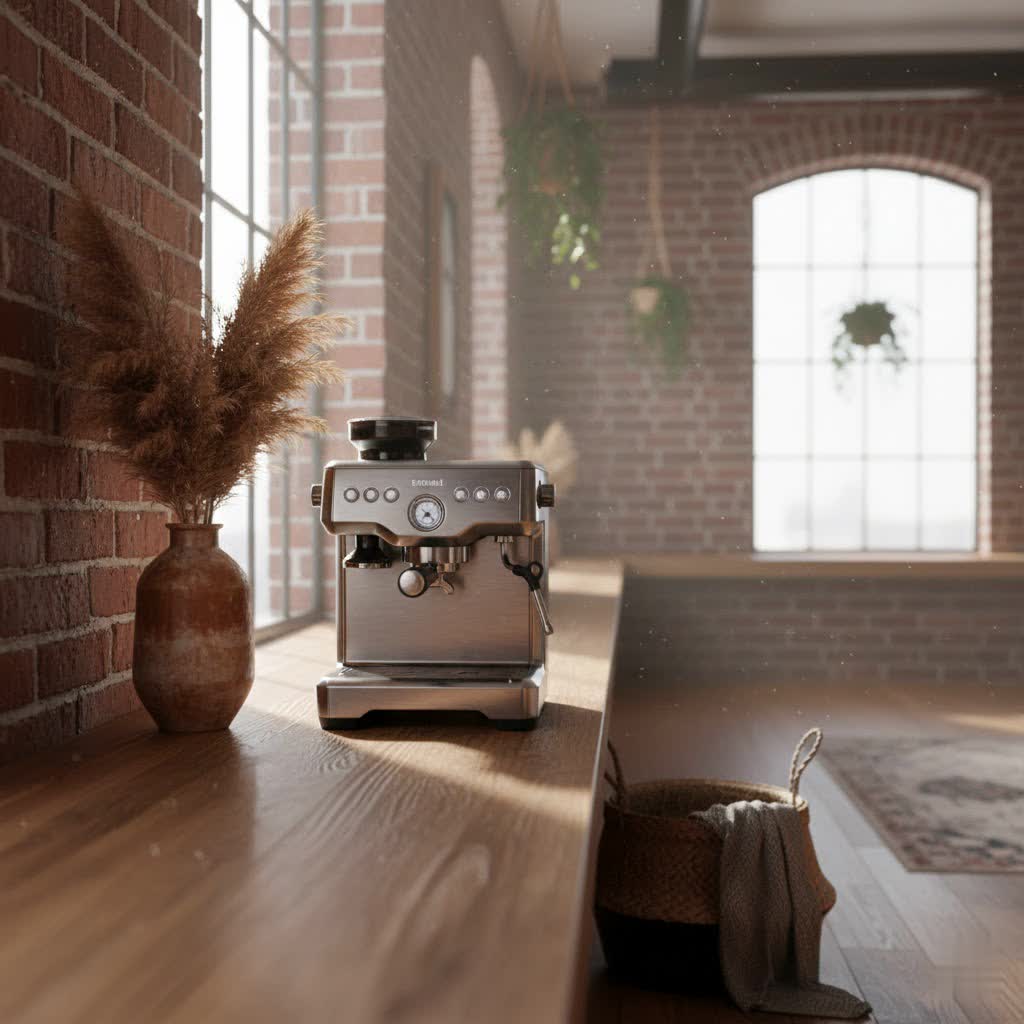
What is a Fully Automatic Espresso Machine?
A fully automatic espresso machine is a sophisticated appliance designed to handle every step of the coffee-making process, from grinding whole beans to dispensing a rich espresso shot or a velvety milk-based drink, all with remarkable ease. Unlike manual or semi-automatic machines that require user intervention for grinding, tamping, and milk frothing, these “bean-to-cup” wonders automate the entire workflow. They are the ultimate solution for those who prioritize convenience, speed, and consistent quality without the learning curve of traditional espresso making.
The history of espresso machines dates back to the early 20th century in Italy, with pioneers like Luigi Bezzera and Desiderio Pavoni introducing early manual models. These machines were revolutionary but demanded significant skill. The true shift towards automation began in the 1980s and 1990s, driven by a growing demand for user-friendly coffee solutions. Brands like Jura and Saeco (now part of Philips) were at the forefront, integrating grinders, automated brewing cycles, and milk frothing systems into single units. This innovation made high-quality espresso accessible to homes and businesses alike, removing variability and allowing anyone to prepare excellent beverages.
Key Components of a Fully Automatic Espresso Machine
Understanding the internal workings of your fully automatic espresso machine can help you appreciate its capabilities and maintain it effectively. Each component plays a vital role in delivering your perfect cup.
- Grinder and Bean Hopper: The journey begins here. Most high-quality fully automatic machines feature integrated burr grinders, which are superior to blade grinders as they produce a consistent particle size, crucial for optimal extraction. The bean hopper stores your fresh whole beans, feeding them into the grinder as needed. Many advanced models offer multiple grind settings, allowing you to fine-tune the flavor profile of your coffee.
- Water Reservoir and Pump: The water reservoir holds the water for your coffee, often incorporating a filter to improve taste and reduce mineral buildup. An internal pump generates the necessary pressure (typically 9-15 bars) to force hot water through the compacted coffee grounds, creating espresso.
- Boiler/Heating System: This component heats the water to the precise brewing temperature. Some machines use a single boiler for both brewing and steaming, while others feature dual boilers or thermoblock systems for quicker heating and independent temperature control, which is especially beneficial for milk-based drinks.
- Brew Group: Often considered the “heart” of the machine, the brew group is where hot water meets the freshly ground and tamped coffee. In fully automatics, this is typically an internal, self-contained unit that compresses the grounds into a “puck” before extraction. Some brew groups are removable for easier cleaning, while others are fixed and rely on automated cleaning cycles.
- Milk System (Frother/Wand): A defining feature for many users, the milk system automates frothing. Integrated systems like Philips LatteGo or De’Longhi LatteCrema directly draw milk, steam, and froth it into your cup with one touch. Other machines may offer a manual steam wand, providing more control over milk texture for latte art enthusiasts.
- User Interface: This is how you interact with your machine. Options range from simple buttons and backlit icons to intuitive digital displays and full-color touchscreens, allowing you to select drink types, adjust settings, and receive maintenance alerts.
- Drip Tray and Waste Container: These essential components collect excess water and spent coffee pucks (used coffee grounds) respectively, ensuring a tidy countertop and simplifying cleanup.
How to Choose Your Perfect Fully Automatic Espresso Machine
Selecting the right fully automatic espresso machine can seem daunting with the array of options available. By considering your personal needs and preferences, you can narrow down the choices and find a machine that truly enhances your daily routine.
Assess Your Coffee Habits
Start by evaluating how you plan to use the machine.
- Frequency and Users: Do you need one cup a day, or will it serve a busy household or even a small office? Higher usage demands larger water tanks, bean hoppers, and waste containers.
- Preferred Drinks: Are you a straight espresso purist, or do you crave lattes, cappuccinos, or even cold brew? Ensure the machine you choose offers the specific beverages you enjoy, with the desired level of milk customization.
|
Our Picks for the Best Espresso Machine in 2026
As an Amazon Associate I earn from qualifying purchases.
|
||
| Num | Product | Action |
|---|---|---|
| 1 | Breville Bambino Espresso Machine BES450BSS, Brushed Stainless Steel |

|
| 2 | CASABREWS CM5418 Espresso Machine 20 Bar, Compact Espresso Maker with Steam Milk Frother, Stainless Steel Coffee Machine with 34oz Removable Water Tank for Cappuccino, Gift for Women or Men, Silver |
|
| 3 | Ninja Luxe Café 3-in-1 Espresso, Drip Coffee and Cold Brew Machine - Integrated Coffee Grinder, Milk Frother, Assisted Tamper & Built-In Espresso Accessory Storage - Stainless Steel - ES601 |
|
| 4 | Breville Barista Express Espresso Machine BES870XL, Brushed Stainless Steel |
|
| 5 | Gevi Commercial Espresso and Coffee Makers, Professional 20 Bar Espresso Maker with Milk Frother, Stainless Steel Expresso Coffee Machines for Home, Compact Cappuccino Machine, Great Gift |
|
| 6 | De'Longhi Stilosa Manual Espresso Machine, Compact Coffee Maker, 15 Bar Pump Pressure, Manual Milk Frother Steam Wand for Authentic Single & Double Espresso, Lattes & Cappuccinos, Tamper Included |
|
| 7 | Breville Barista Express Impress Espresso Machine BES876BSS, Brushed Stainless Steel |
|
| 8 | CASABREWS 3700 Essential Espresso Machine 20 Bar, Stainless Steel Cappuccino & Latte Machine with Steam Frother for Home, 43.9oz Water Tank, Coffee Gift for Women & Men, Silver |
|
| 9 | Gaggia Classic Evo Pro - Espresso Machine Jungle Green |
|
| 10 | Breville Barista Express Espresso Machine BES870BSXL, Black Sesame |
|
Set Your Budget
Fully automatic espresso machines come in a wide price range, from entry-level models to high-end luxury appliances.
- Entry-Level: Often prioritize basic one-touch functions and reliability.
- Mid-Range: Offer more drink options, greater customization, and improved build quality.
- High-End: Boast premium materials, advanced features like cold extraction, smart connectivity, and extensive programmability. Consider the long-term value and durability when making your investment.
Essential Features to Prioritize
Once your needs and budget are clear, focus on these key features:
- Grinder Quality and Settings: Look for a machine with a ceramic or steel conical burr grinder, offering at least 10-12 grind settings for optimal flavor extraction. Some premium models even offer dual hoppers for different bean types.
- Milk System Type: Decide between a fully integrated, one-touch milk carafe system for ultimate convenience, or a manual steam wand for those who enjoy perfecting their milk frothing technique. Automatic systems vary in their ability to customize foam texture and temperature.
- Temperature Control and Pre-infusion: Consistent water temperature is vital for espresso quality. Advanced machines offer precise temperature control and pre-infusion (a short soak of the coffee grounds before full pressure) for a more balanced extraction.
- Customization and Programmable Profiles: The best machines allow you to adjust coffee strength, volume, temperature, and milk texture. User profiles are a fantastic feature for multiple users to save their favorite settings.
- Capacity: Consider the size of the water tank, bean hopper, and used coffee grounds container, especially for high-volume use.
- Special Features: Do you want cold extraction technology for true cold brew, quiet operation, or smart app control? These can elevate your coffee experience significantly.
Reputable Brands to Consider
Several brands dominate the fully automatic espresso machine market, known for their quality and innovation:
- Jura: Renowned for Swiss engineering, sleek design, and advanced features, often featuring non-removable brew groups cleaned via tablets. Popular models include the Jura Z10 and E8.
- De’Longhi: Offers a wide range of machines, from budget-friendly to high-end, known for intuitive interfaces and effective milk systems like LatteCrema. The Dinamica Plus and Eletta Explore are strong contenders.
- Gaggia: An Italian brand with a rich heritage, providing robust machines that balance tradition with modern automation, such as the Gaggia Accademia and Magenta Prestige.
- Philips: Known for user-friendly designs and innovative features like the LatteGo milk system, simplifying milk-based drink preparation. The Philips LatteGo 5500 Series is a popular choice.
- Breville: Offers machines that bridge the gap between automatic and manual, providing more control while retaining convenience, like the Oracle Touch.
- Miele & Siemens: High-end brands offering sophisticated design and extensive drink menus, often with premium materials and smart features.
Always check for warranty and customer support when investing in a machine to ensure long-term satisfaction.
Popular Fully Automatic Espresso Machines: A Comparative Look
To illustrate the variety available, here’s a comparative overview of some popular fully automatic espresso machines:
| Model | Price Range (Approx.) | Milk System | Customization | Special Features | Target User |
|---|---|---|---|---|---|
| Jura Z10 | High-end | Auto frothing | Extensive, app-controlled | Cold extraction, Product-Recognizing Grinder (PRG) | Connoisseurs, cold brew lovers |
| De’Longhi Dinamica Plus | Mid-range | LatteCrema (auto) | Good, touch display, user profiles | 18+ recipes, silent brew tech | Busy households, variety seekers |
| Gaggia Accademia | High-end | Auto carafe & wand | Precise flow/milk control | Metal build, dual frothing options | Espresso perfectionists, traditionalists |
| Philips LatteGo 5500 Series | Mid-range | LatteGo (auto) | Good, 12 grind settings | Silent Brew Technology, easy clean milk system | Convenience seekers, easy maintenance |
| Breville Oracle Touch | High-end | Auto grind/tamp | Barista-level control, auto steam | Dual boiler, touch screen, semi-auto options | Those wanting control with automation support |
Mastering Your Machine: Usage and Maintenance Tips
To ensure your fully automatic espresso machine consistently delivers delicious coffee and has a long lifespan, proper usage and diligent maintenance are key.
Optimal Preparation
- Bean Selection: Always use fresh, dry, non-oily whole beans. Oily beans can gum up the grinder, leading to blockages and motor wear. Medium to dark roasts are generally recommended for espresso.
- Water Quality: Filtered water is crucial. It not only improves the taste of your coffee but also significantly reduces the buildup of scale (minerals) in the machine’s internal components. Many machines come with water filters or allow you to test your water hardness and adjust descale frequency.
- Warming Up: Allow your machine sufficient time to warm up before brewing, ensuring all internal components and the brew group reach the optimal temperature for extraction.
Brewing the Perfect Cup
While fully automatic, a few adjustments can personalize your drink:
- Adjusting Strength and Volume: Most machines allow you to easily adjust the coffee strength (by increasing or decreasing the amount of ground coffee used) and the beverage volume to suit your preference. Experiment to find your ideal settings.
- Temperature Settings: Ensure your machine is set to the highest temperature for the best espresso extraction, unless you are specifically aiming for a different profile (like cold brew).
- Crafting Milk Drinks: For machines with automatic milk systems, ensure the milk is cold and fresh for optimal frothing. If using a manual steam wand, purge it before and after use, and wipe it immediately to prevent milk residue buildup.
Keeping Your Machine Pristine
Regular cleaning is paramount for both taste and longevity.
- Daily Cleaning:
- Drip Tray and Waste Container: Empty and rinse these daily to prevent mold and odors.
- Brew Group (if removable): Many machines allow you to remove the brew group. Rinse it thoroughly under cold water (without soap, to preserve lubrication) to remove coffee oils and grounds.
- Steam Wand/Milk System: Always wipe the steam wand immediately after use. For automatic milk carafes, run the integrated cleaning cycle.
- Weekly/Regular Cleaning:
- Brew Group: Perform a more thorough rinse, and for machines with fixed brew groups (like some Jura models), use cleaning tablets as directed by the manufacturer.
- Grinder Cleaning: Periodically use specialized grinder cleaning tablets or run through some rice (check manufacturer guidelines) to remove residual coffee oils from the burrs.
- Descaling: This is critical to remove mineral buildup. Your machine will typically prompt you when descaling is needed, often based on your water hardness settings. Use the manufacturer’s recommended descaling solution and follow the instructions precisely. Using a water filter can significantly extend the time between descaling cycles.
Common Issues and Simple Troubleshooting
Even the most reliable machines can encounter minor hiccups. Here are some common problems and straightforward solutions:
- No Power / Machine Not Heating: Check the power cord connection, ensure the switch is on, and inspect for a blown fuse. If the machine turns on but doesn’t heat, it could be a thermal fuse.
- Slow Extraction / Weak or Watery Coffee: This is often due to the coffee being ground too fine, or a clogged dispersion screen/brew group. Adjust your grinder to a coarser setting. For clogged screens or brew groups, a thorough cleaning is required. If coffee is watery after first use, the adapting system might still be adjusting; brew a few more cups.
- Machine Leaks: Check if the drip tray is overflowing or if the drain hose is blocked. If clean water leaks, an internal pipe might be damaged, or seals around the group head or portafilter might be dirty or worn, requiring cleaning or replacement of gaskets.
- No Steam or Hot Water: Ensure there’s enough pressure in the boiler. A blocked steam wand nozzle (clear with a paperclip) or scale buildup on the water level probe can also be culprits.
- Brew Group Stuck: This often happens if the drip tray or side door is opened before the brew unit has returned to its “home” position. Turn the machine off and on again to allow it to reset.
- Coffee Funnel Blocked: If ground coffee isn’t dispensing properly, the coffee funnel might be blocked by old grounds. Remove the brew group (if possible) and clear the funnel with a spoon handle.
For persistent issues, always consult your machine’s manual or contact customer support. Attempting complex repairs without expertise can void your warranty and cause further damage.
Where to Buy Your Fully Automatic Espresso Machine
Investing in a fully automatic espresso machine is a significant decision, and choosing the right vendor is as important as choosing the right machine.
- Authorized Retailers: Both online and brick-and-mortar stores that are authorized dealers for specific brands are excellent choices. They typically offer competitive pricing, good customer service, and valid warranties. Major electronics retailers and specialty coffee equipment stores often carry a wide selection.
- Manufacturer Websites: Brands like Jura, De’Longhi, and Breville often sell directly from their official websites. This can sometimes provide access to exclusive models, bundles, and direct manufacturer support.
- Warehouse Clubs: Stores like Costco occasionally offer popular models at attractive prices.
- Considerations for Used/Refurbished Machines: While potentially more budget-friendly, purchasing a used or refurbished machine carries higher risks, especially regarding warranty and potential wear. If opting for this, ensure it’s from a reputable seller with a clear return policy and guarantees.
Enhancing Your Experience: Essential Accessories
To truly complete your fully automatic espresso setup and elevate your daily coffee ritual, consider these essential accessories:
Must-Have Additions
- Water Filters: If your machine doesn’t come with one, investing in an external water filter or internal replacement filters for your reservoir will significantly improve coffee taste and reduce mineral buildup, extending your machine’s life.
- Cleaning Supplies: Stock up on cleaning tablets (specific to your machine’s brand or universal), descaling solution, and a small brush for daily maintenance of the brew group and other accessible parts.
- High-Quality Coffee Beans: The best machine is only as good as the beans you put into it. Invest in fresh, high-quality, whole beans from a reputable roaster. Experiment with different roasts to find your preference.
Elevating Your Setup
- Coffee Scale: For precise measuring of coffee output, a digital scale with a timer can help you dial in the perfect espresso shot and maintain consistency.
- Knock Box: An indispensable tool for easily disposing of used coffee pucks, keeping your countertop clean and organized.
- Milk Pitchers: If your machine has a manual steam wand, a stainless steel milk frothing pitcher is essential for creating beautifully textured microfoam for lattes and cappuccinos.
- Specialized Glassware: Enhance your drinking experience with double-walled espresso cups or latte glasses that keep your beverages warm longer and showcase their beautiful layers.
“A truly great cup of coffee isn’t just about the beans or the machine; it’s about the entire experience, from the aroma to the last sip. A fully automatic machine simplifies the process, allowing you to focus on savoring that moment.” – Admin, Reviewspri.com, Espresso Machine Technician
In conclusion, fully automatic espresso machines offer an incredible blend of convenience, consistency, and quality, making them an ideal choice for anyone aspiring to enjoy café-level coffee at home without the fuss. By understanding their components, carefully considering your needs, adhering to a simple maintenance routine, and pairing them with the right accessories, you unlock a world of delicious possibilities. Are you ready to transform your coffee experience from bean to cup?
Frequently Asked Questions
Are fully automatic espresso machines worth the investment?
Yes, for many, they are absolutely worth it. They offer unparalleled convenience, consistently deliver high-quality coffee with minimal effort, and can save money compared to daily café visits over time.
How often should I clean my fully automatic espresso machine?
Daily cleaning for the drip tray, waste container, and milk system is highly recommended. The brew group (if removable) should be rinsed daily or weekly, and deeper cleaning with tablets or descaling should follow manufacturer guidelines, typically monthly or every few months depending on usage and water hardness.
Can I use any coffee beans in my fully automatic machine?
It’s best to use fresh, whole, non-oily beans in your fully automatic machine. Oily or flavored beans can clog the grinder and brewing mechanism, leading to performance issues and potentially voiding your warranty.
What is the difference between a fully automatic and semi-automatic machine?
A fully automatic machine handles almost every step (grinding, tamping, brewing, frothing) with one touch. A semi-automatic machine requires you to grind and tamp your coffee manually and often to control the extraction time and milk frothing.
Do fully automatic machines make real espresso?
Yes, fully automatic machines are designed to produce authentic espresso by forcing hot, pressurized water through finely ground coffee, creating a concentrated shot with the characteristic crema. While some enthusiasts argue manual machines offer more control, modern super-automatics deliver excellent, consistent espresso.
