Have you ever dreamt of crafting barista-quality espresso and milk-based coffee drinks right in your own kitchen? For many coffee enthusiasts, the journey into home espresso can seem daunting, filled with complex terminology and intimidating machinery. However, Chefman espresso machines have emerged as a beacon for aspiring home baristas, offering an accessible and user-friendly entry point into this rich world. This guide will demystify Chefman’s offerings, helping you understand their features, choose the right model, and master the art of home espresso.
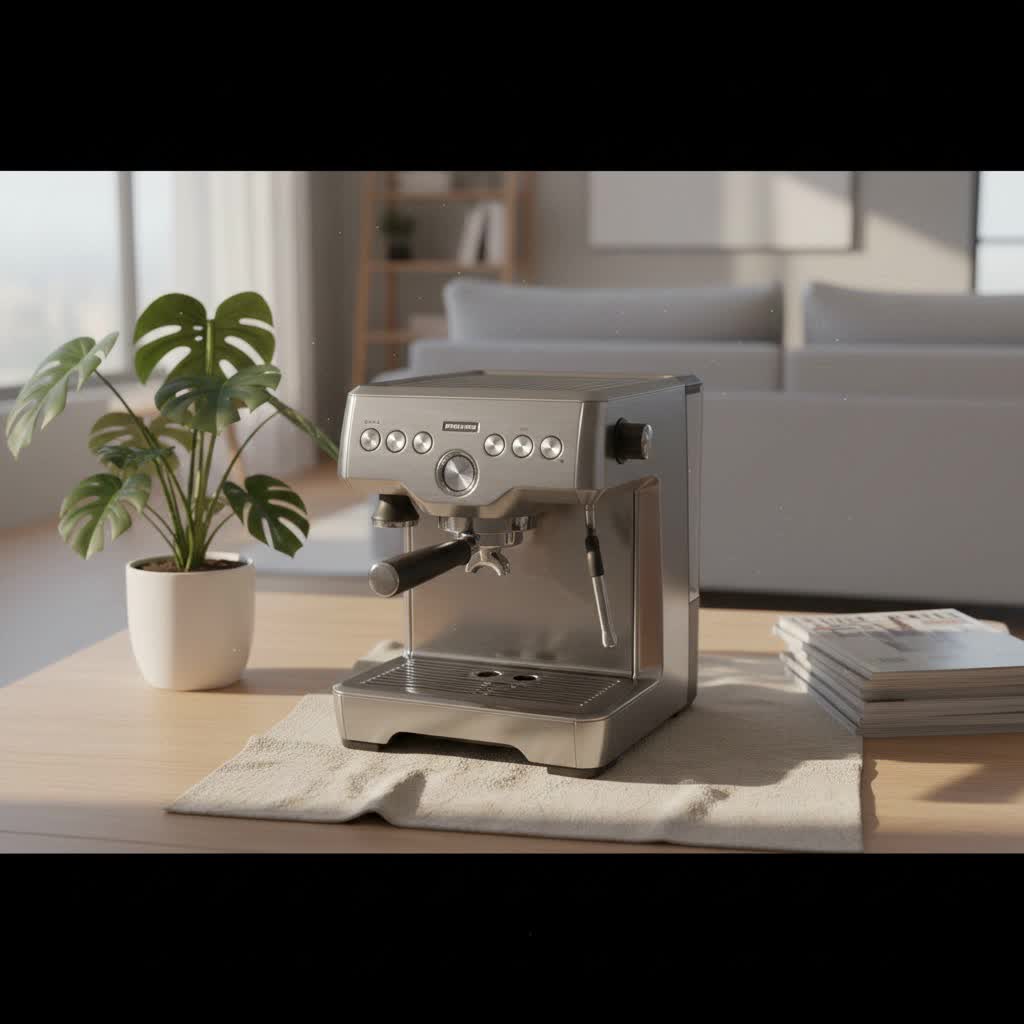
What is an Espresso Machine?
At its core, an espresso machine is a sophisticated device designed to force hot, pressurized water through finely-ground coffee to produce a concentrated, flavorful shot known as espresso. The invention of the espresso machine in the early 20th century revolutionized coffee consumption, giving rise to the beloved espresso bars of Italy and eventually spreading across the globe.
Modern espresso machines come in several types:
- Manual Espresso Machines: Require the user to apply physical force to pump water through the coffee. These offer ultimate control but have a steep learning curve.
- Semi-Automatic Espresso Machines: Feature an electric pump but allow the user to start and stop the shot manually, providing control over shot volume. Most Chefman espresso machines fall into this category.
- Automatic Espresso Machines: Automate shot volume, typically by pre-setting brew times or water volumes. Many Chefman models offer pre-programmed single or double shots.
- Super-Automatic Espresso Machines: Grind beans, tamp, brew, and even froth milk at the touch of a button, offering maximum convenience with minimal user input. While Chefman doesn’t focus heavily on true super-automatics, some of their higher-end models integrate more automatic features for ease of use.
Chefman positions itself firmly in the entry-level market, providing machines that prioritize ease of use and affordability without compromising the essential functionality needed for proper espresso extraction. These machines serve as an excellent bridge between basic coffee makers and more professional-grade equipment, making quality espresso attainable for everyday home users.
Key Components of a Chefman Espresso Machine
Understanding the vital parts of your Chefman espresso machine can help you master your brewing technique and ensure proper maintenance. Each component plays a crucial role in transforming coffee beans into a delicious espresso shot.
Chefman espresso machines are typically equipped with a powerful 15-bar pressure pump, which is essential for extracting rich, bold flavors from your coffee grounds. This pressure ensures you achieve that coveted shot of espresso with a beautiful crema. The heating system often utilizes a thermoblock, which heats water quickly and provides adequate temperature stability for consistent extraction, though it may require brief warm-up periods between shots.
The grouphead is where the coffee is brewed, and the portafilter is the removable handle with a basket that holds your ground coffee. Chefman portafilters are often dual-function, accommodating both single and double shots. An integrated steam wand or built-in milk frother is a common feature, allowing you to steam and froth milk for lattes, cappuccinos, and other milk-based beverages. Many wands offer a 360-degree swivel for greater flexibility. A removable water reservoir simplifies refilling and cleaning, and the control panel typically features intuitive digital touch controls or straightforward buttons for easy operation.
How to Choose the Right Chefman Espresso Machine
Selecting the perfect Chefman espresso machine involves aligning the machine’s capabilities with your personal coffee habits and preferences. Considering a few key factors will ensure you make a choice that brings joy to your daily coffee ritual.
Determining Your Needs
|
Our Picks for the Best Espresso Machine in 2026
As an Amazon Associate I earn from qualifying purchases.
|
||
| Num | Product | Action |
|---|---|---|
| 1 | Breville Barista Express Espresso Machine BES870XL, Brushed Stainless Steel |

|
| 2 | Gaggia Classic Evo Pro - Espresso Machine Jungle Green |
|
| 3 | Gevi Commercial Espresso and Coffee Makers, Professional 20 Bar Espresso Maker with Milk Frother, Stainless Steel Expresso Coffee Machines for Home, Compact Cappuccino Machine, Great Gift |
|
| 4 | Breville Barista Express Impress Espresso Machine BES876BSS, Brushed Stainless Steel |
|
| 5 | CASABREWS CM5418 Espresso Machine 20 Bar, Compact Espresso Maker with Steam Milk Frother, Stainless Steel Coffee Machine with 34oz Removable Water Tank for Cappuccino, Gift for Women or Men, Silver |
|
| 6 | CASABREWS 3700 Essential Espresso Machine 20 Bar, Stainless Steel Cappuccino & Latte Machine with Steam Frother for Home, 43.9oz Water Tank, Coffee Gift for Women & Men, Silver |
|
| 7 | Breville Bambino Espresso Machine BES450BSS, Brushed Stainless Steel |
|
| 8 | Ninja Luxe Café 3-in-1 Espresso, Drip Coffee and Cold Brew Machine - Integrated Coffee Grinder, Milk Frother, Assisted Tamper & Built-In Espresso Accessory Storage - Stainless Steel - ES601 |
|
| 9 | Breville Barista Express Espresso Machine BES870BSXL, Black Sesame |
|
| 10 | De'Longhi Stilosa Manual Espresso Machine, Compact Coffee Maker, 15 Bar Pump Pressure, Manual Milk Frother Steam Wand for Authentic Single & Double Espresso, Lattes & Cappuccinos, Tamper Included |
|
Before diving into models, consider how you intend to use your machine. Do you crave a daily espresso shot to kickstart your morning, or are you an occasional weekend latte enthusiast? Think about the frequency of use and the number of users in your household. If multiple people will be using it, a more automated model might reduce complexity. Furthermore, what type of coffee drinks do you love most? If milk-based drinks are a priority, a robust steam wand or an integrated frother will be crucial.
Budget Considerations
Chefman is renowned for offering affordable espresso machines that provide significant value. Their position in the entry-level market means you can often find capable machines without a substantial financial commitment. While considering the initial purchase price, also think about the long-term value. Chefman machines aim to deliver professional results without the steep price tag, making them a cost-effective alternative to frequent café visits.
Important Features
Several features contribute to the overall brewing experience. A 15-bar pressure pump is standard for Chefman machines and is critical for proper espresso extraction. Look for machines with good temperature control to ensure consistent shot quality. Automatic functions, such as pre-programmed shot volumes, can streamline your brewing process, especially for beginners. The type of milk frother is also key: some models have traditional steam wands, while others feature integrated milk tanks or automatic frothers for convenience.
Popular Chefman Models
Chefman offers several popular models, each with distinct advantages for different users.
- The Chefman Barista Pro Espresso Machine (6-in-1) is highly versatile, designed for households that enjoy a variety of brewing styles. It often includes digital touch controls and a built-in milk frother, catering to espresso, cappuccino, latte, macchiato, americano, and hot water functions.
- The Chefman CraftBrew Espresso Machine (15-bar) is celebrated for producing authentic espresso shots with rich crema and bold flavor extraction. It’s often praised for its simplicity and compact design.
- The Chefman Crema Supreme Espresso Machine (15-bar) emphasizes consistency and style, delivering smooth, balanced espresso shots. Some versions even come with a conical burr grinder, offering an all-in-one solution.
Chefman Espresso Machine Models Compared
When evaluating Chefman espresso machines, understanding the nuances between models can guide your decision. Here’s a comparison of some popular options:
| Feature/Model | Chefman Barista Pro (6-in-1) | Chefman CraftBrew (15-Bar) | Chefman Crema Supreme (15-Bar) |
|---|---|---|---|
| Primary Use | Versatile, multi-drink household | Authentic espresso shots | Consistent café-quality drinks, sleek design |
| Pump Pressure | 15-Bar | 15-Bar | 15-Bar |
| Milk Frother | Built-in milk frother | Steam Wand | Integrated Steam Wand (some with grinder) |
| Controls | Digital touch controls | Touch Controls | Adjustable settings |
| Water Reservoir | Large (e.g., 1.8L) | Removable | Removable |
| Design | Sleek stainless steel | Compact | Modern, stainless steel |
| Key Advantage | 6-in-1 functionality | Simplicity, rich crema | Consistency, optional built-in grinder |
| Ideal User | Families, variety seekers | Espresso purists, beginners | Regular espresso drinkers, style-conscious |
The Barista Pro is perfect for those who want a wide array of drink options at the touch of a button, while the CraftBrew is a solid choice for straightforward, quality espresso. For users seeking consistent results and a premium feel, or who want a grinder included, the Crema Supreme stands out.
> “Chefman machines provide excellent value for those exploring espresso for the first time, balancing cost with essential performance and user-friendly features.” – Coffee Aficionado Expert, Barista Life Reviewer
Using and Maintaining Your Chefman Espresso Machine
Getting the most out of your Chefman espresso machine involves understanding both the brewing process and the necessary cleaning routines. Proper care ensures longevity and consistently delicious coffee.
Preparation
Begin by installing your machine correctly according to the manufacturer’s instructions. Next, choose the right coffee. For espresso, this means fresh, high-quality beans ground to a fine consistency—often likened to powdered sugar. The grind size is critical for proper extraction; too coarse, and your espresso will be weak; too fine, and it will be over-extracted and bitter. Finally, always warm up your machine before brewing. This ensures the components, especially the grouphead and portafilter, are at the optimal temperature for extraction, preventing a cold shot.
Brewing Espresso
Brewing espresso with your Chefman machine typically follows these steps:
- Fill the Water Reservoir: Ensure it has enough fresh, filtered water.
- Add Ground Coffee: Place the appropriate amount of finely ground espresso into your portafilter basket (e.g., 7-9g for a single shot, 14-18g for a double).
- Tamp Evenly: Use a tamper to press the coffee grounds firmly and evenly. Consistent tamping pressure is vital for a good shot.
- Lock Portafilter: Securely attach the portafilter to the grouphead.
- Place Cup: Position your espresso cup(s) under the spouts.
- Start Brew: Select your desired shot (single, double, or manual). The machine will activate its 15-bar pump to extract the espresso. Aim for an extraction time of 20-30 seconds for a balanced shot.
- Froth Milk (if desired): If making a milk-based drink, use the integrated steam wand to steam your milk to a silky microfoam after brewing your espresso. Remember to purge the wand after use.
Machine Cleaning
Regular cleaning is paramount for performance and hygiene.
- Daily Cleaning: Immediately after use, wipe down the steam wand to prevent milk residue buildup. Remove and rinse the portafilter and filter basket with water. Empty and clean the drip tray to prevent spills and odors.
- Weekly Deep Cleaning: Perform a more thorough cleaning of the grouphead and steam wand. Some machines have self-cleaning functions.
- Periodic Descaling: Over time, mineral buildup (limescale) can affect performance. Chefman machines often have descaling indicators. Use a descaling solution (or a white vinegar solution as per manual) every 1-3 months, depending on water hardness and usage. Descaling helps maintain optimal water flow and temperature. [cite: 3 in troubleshooting]
Common Issues and Troubleshooting for Chefman Espresso Machines
Even the most reliable machines can encounter minor hiccups. Knowing how to diagnose and address common problems with your Chefman espresso machine can save you time and ensure uninterrupted coffee enjoyment.
One frequent concern is watery coffee or weak espresso. This often stems from an incorrect grind size (too coarse), insufficient coffee in the portafilter, or improper tamping. Ensure your coffee is finely ground, and you use enough coffee, tamped firmly and evenly. Another common issue relates to the milk frother not working effectively or leaking. This can be due to milk residue clogging the wand, or in some cases, a worn O-ring in the connection, which might require a temporary fix or replacement. [cite: 2 in troubleshooting] Always purge the steam wand immediately after frothing to prevent blockages.
If your machine is not heating up or is slow to heat, it might be due to mineral buildup. Regular descaling (as described above) is crucial for addressing this. Follow your machine’s manual for descaling procedures. Some users also note that Chefman machines can be quite noisy during operation; this is a known characteristic of some entry-level pumps and generally not a sign of a malfunction, though it can be distracting. If you experience persistent issues, such as significant water leaks or complete machine failure, it’s best to contact Chefman Customer Support for assistance or warranty claims.
Where to Purchase Your Chefman Espresso Machine
Ready to bring the barista experience home? Chefman espresso machines are widely available, making them easy to acquire. Knowing where to look can help you find the best deals and ensure a smooth purchase.
Online retailers like Amazon, Best Buy, and Walmart are primary sources for Chefman espresso machines. These platforms often offer competitive pricing, customer reviews, and convenient home delivery. Reviewing customer feedback on these sites can provide valuable insights into specific models and overall user satisfaction. Local appliance stores might also carry Chefman products, allowing you to see the machine in person and speak with sales associates. While buying a used machine can save money, be aware of the potential risks, such as unknown maintenance history or wear and tear that could lead to premature failure. If opting for a used machine, try to inspect it thoroughly and verify its working condition.
Essential Buying Guide for Your Chefman Espresso Journey
Beyond the machine itself, a successful home espresso setup requires careful consideration of your environment and additional tools. This guide helps you prepare for your Chefman espresso journey.
Factors to Consider Before Purchase
Think about your kitchen space; Chefman machines are often compact, but ensure you have adequate countertop real estate. Consider the power requirements and ensure your outlets can support the machine. As noted, some models can be noisy during operation, so if you live in a quiet household or apartment, this might be a factor in your decision. Taking these elements into account beforehand can prevent potential frustrations.
Essential Accessories
To fully embrace your inner barista, you’ll need a few key accessories:
- Tamper: While some machines include a basic plastic tamper, an upgrade to a heavier, more precise metal tamper can significantly improve shot consistency.
- Milk Pitcher: A stainless steel milk pitcher is essential for steaming milk with the steam wand.
- Knock Box: A container designed for safely disposing of used coffee pucks from your portafilter.
- Grinder: For the best espresso, a burr grinder is highly recommended. Grinding fresh beans just before brewing makes a dramatic difference in flavor.
- Descaling Solution: Keep a suitable descaling solution on hand for regular maintenance.
- Microfiber Cloths: For quickly wiping down the steam wand and machine exterior.
Leverage Reviews and Price Comparisons
Before finalizing your purchase, read reviews from other users. Platforms like Best Buy and Amazon offer a wealth of customer experiences, highlighting pros and cons of specific Chefman models. Additionally, compare prices across different retailers to find the best deal. Keep an eye out for sales or bundles that might include essential accessories. Thorough research ensures you get the most value for your investment and the Chefman espresso machine that best suits your needs.
Conclusion
Chefman espresso machines offer a compelling proposition for anyone eager to explore the world of home espresso without a steep learning curve or prohibitive cost. With their user-friendly designs, robust 15-bar pumps, and integrated milk frothing capabilities, Chefman provides an accessible entry point to crafting delicious lattes, cappuccinos, and, of course, authentic espresso shots. While they may not rival commercial-grade equipment in every aspect, they excel at delivering satisfying results for the everyday home barista. By understanding your needs, choosing the right model, and committing to simple maintenance, you can transform your daily coffee ritual. What gourmet coffee creation will you master first with your new Chefman espresso machine?
Frequently Asked Questions
Are Chefman espresso machines suitable for complete beginners?
Yes, Chefman espresso machines are specifically designed with beginners in mind. They feature intuitive controls, clear indicators, and straightforward operation that makes learning espresso basics manageable. The user-friendly interface and included accessories help newcomers achieve decent results from their first attempts while providing room for skill development over time.
How often should I descale my Chefman espresso machine?
The frequency of descaling depends on your water hardness and usage, but typically every 1-3 months is recommended. Many Chefman models include a descaling indicator to prompt you when maintenance is needed, helping to prevent mineral buildup that can affect performance. [cite: 3 in troubleshooting]
Can Chefman machines make lattes and cappuccinos?
Absolutely! Most Chefman espresso machines come equipped with either an integrated milk frother or a steam wand, allowing you to froth milk for your favorite lattes, cappuccinos, and other milk-based espresso beverages. Practice with the frother will help you achieve the perfect texture.
What’s the ideal grind size for a Chefman espresso machine?
For optimal espresso extraction with a Chefman machine, aim for a very fine grind, similar to table salt or powdered sugar. If your espresso is watery, the grind might be too coarse; if it’s struggling to flow, it might be too fine. Experimentation is key to finding the perfect consistency.
Do Chefman espresso machines come with a warranty?
Yes, Chefman appliances typically come with a manufacturer’s warranty, providing coverage for initial investment. It’s always advisable to register your product and review the specific terms and conditions provided in your user manual for details on duration and coverage.
Is it necessary to use filtered water in my Chefman espresso machine?
Using filtered water is highly recommended. It not only improves the taste of your espresso but also significantly reduces mineral buildup in your machine, extending its lifespan and reducing the frequency of descaling needed.
What is the difference between a 15-bar pump and a 20-bar pump?
While some machines advertise higher bar pressure (e.g., 20-bar), a 15-bar pump is generally considered sufficient for proper espresso extraction. In practice, the ideal pressure for brewing espresso is closer to 9 bars; anything higher often acts as a safety margin and doesn’t necessarily result in better espresso.
