Are you dreaming of crafting delicious espresso and milk-based coffee drinks right in your kitchen without breaking the bank? The De’Longhi Stilosa Espresso Machine (EC260BK) offers an enticing entry point into the world of home espresso, blending affordability with surprising performance. This compact and stylish machine is specifically designed for coffee enthusiasts who appreciate a hands-on approach and want to learn the art of espresso making. If you’re looking for a reliable and beginner-friendly manual espresso machine, the Stilosa might just be the perfect choice to kickstart your journey to becoming a confident home barista.
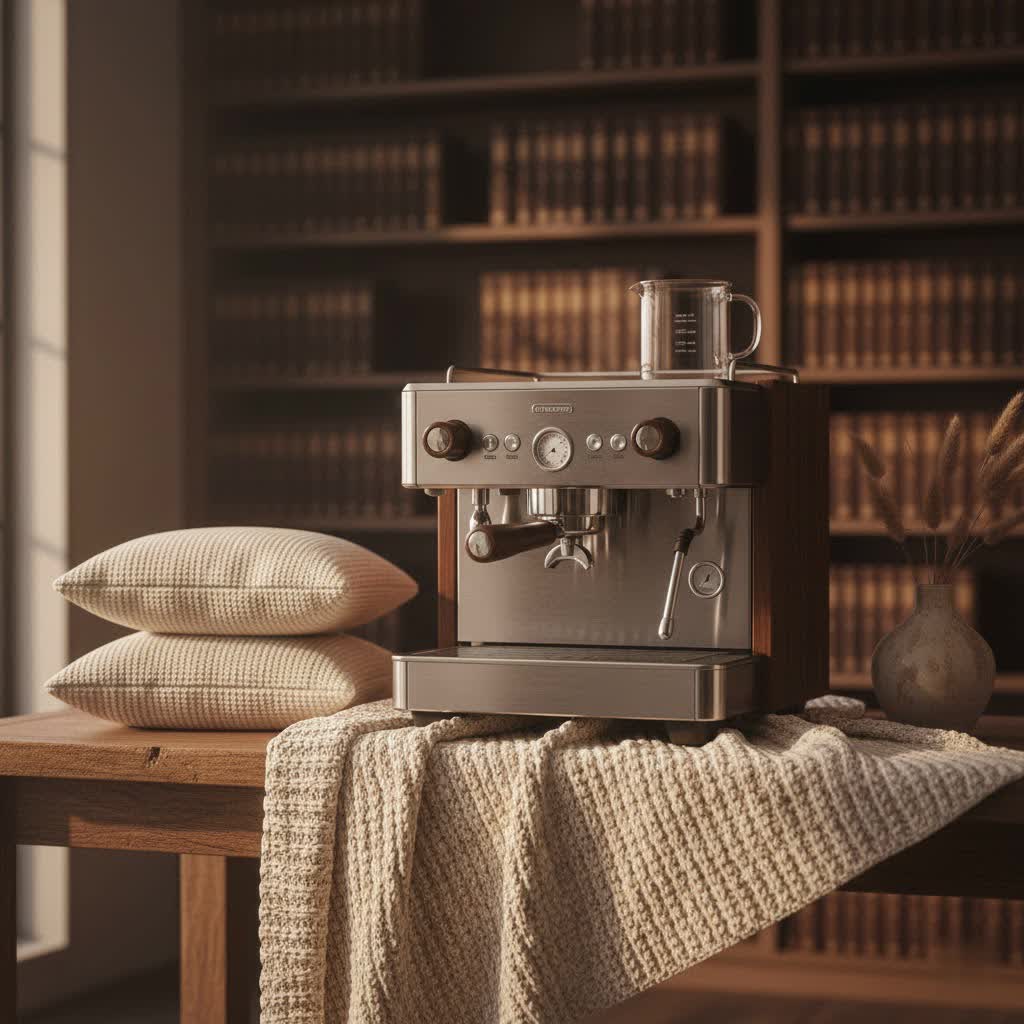
What Is an Espresso Machine?
An espresso machine is a specialized coffee brewer that forces hot, pressurized water through a compacted bed of finely ground coffee. This process, known as “extraction,” produces a concentrated coffee shot with a rich aroma, intense flavor, and a distinctive layer of reddish-brown foam called crema.
The history of the espresso machine dates back to the early 20th century in Italy, continually evolving from large, steam-driven contraptions to the sleek, sophisticated devices we see today. Initially developed to quickly serve coffee, these machines revolutionized coffee culture by making a potent, flavorful brew accessible.
Today, espresso machines generally fall into several categories:
- Manual: Requires significant user input for pressure and water flow, offering ultimate control to experienced baristas.
- Semi-Automatic: Features a pump for consistent pressure but allows users to control grind size, tamping, and shot duration. The De’Longhi Stilosa fits into this category.
- Automatic: Offers pre-programmed shot volumes, often stopping the brewing automatically.
- Super-Automatic: Grinds beans, tamps, brews, and even froths milk with the touch of a button, providing maximum convenience.
Essential Components of an Espresso Machine
Understanding the core components of an espresso machine helps you appreciate how it transforms simple coffee grounds into a rich espresso shot. Each part plays a crucial role in the brewing process and contributes to the final taste and quality of your coffee.
- Pump: The heart of the espresso machine, the pump generates the necessary pressure (typically 9-15 bars) to force hot water through the coffee grounds. The De’Longhi Stilosa features a 15-bar pump, ensuring optimal pressure for extraction.
- Boiler: This component heats the water to the ideal brewing temperature. Many machines use a single boiler for both brewing and steaming, while more advanced models might have dual boilers or heat exchange systems. The Stilosa is equipped with a durable stainless steel boiler, known for its longevity and ability to maintain stable water temperatures for consistent performance.
- Grouphead: This is the part of the machine where the portafilter locks in. Hot water is dispersed from the grouphead onto the coffee grounds in the portafilter.
- Portafilter: A handle with a basket (filter) where the ground coffee is placed and then locked into the grouphead. The Stilosa comes with portafilters for both single and double espresso shots.
- Steam Wand: A nozzle that delivers pressurized steam for frothing and heating milk, essential for lattes, cappuccinos, and other milk-based beverages. The Stilosa features a manual steam wand, allowing users to texture milk themselves.
The materials used in these components can influence both durability and performance. Stainless steel, as seen in the Stilosa’s boiler, contributes to robustness and consistent heat, crucial for quality espresso extraction.
How to Choose the Right Espresso Machine
Choosing an espresso machine can feel overwhelming with the myriad of options available. To simplify the process, consider these key factors:
Determine Your Usage Needs
- Frequency of Use: Do you plan to make espresso daily, or just on weekends? A robust machine is better for frequent use.
- Number of Users: Are you making coffee for just yourself, or for multiple family members or guests? This affects water tank capacity and machine speed.
- Favorite Coffee Types: Do you primarily drink straight espresso, or do you prefer milk-based drinks like cappuccinos and lattes? A good steam wand is critical for milk frothing. The Stilosa is versatile enough for all these, offering a manual steam wand for those who enjoy practicing their milk texturing.
|
Our Picks for the Best Espresso Machine in 2026
As an Amazon Associate I earn from qualifying purchases.
|
||
| Num | Product | Action |
|---|---|---|
| 1 | Breville Bambino Espresso Machine BES450BSS, Brushed Stainless Steel |

|
| 2 | Breville Barista Express Espresso Machine BES870XL, Brushed Stainless Steel |
|
| 3 | De'Longhi Stilosa Manual Espresso Machine, Compact Coffee Maker, 15 Bar Pump Pressure, Manual Milk Frother Steam Wand for Authentic Single & Double Espresso, Lattes & Cappuccinos, Tamper Included |
|
| 4 | Gevi Commercial Espresso and Coffee Makers, Professional 20 Bar Espresso Maker with Milk Frother, Stainless Steel Expresso Coffee Machines for Home, Compact Cappuccino Machine, Great Gift |
|
| 5 | Ninja Luxe Café 3-in-1 Espresso, Drip Coffee and Cold Brew Machine - Integrated Coffee Grinder, Milk Frother, Assisted Tamper & Built-In Espresso Accessory Storage - Stainless Steel - ES601 |
|
| 6 | Breville Barista Express Espresso Machine BES870BSXL, Black Sesame |
|
| 7 | CASABREWS 3700 Essential Espresso Machine 20 Bar, Stainless Steel Cappuccino & Latte Machine with Steam Frother for Home, 43.9oz Water Tank, Coffee Gift for Women & Men, Silver |
|
| 8 | CASABREWS CM5418 Espresso Machine 20 Bar, Compact Espresso Maker with Steam Milk Frother, Stainless Steel Coffee Machine with 34oz Removable Water Tank for Cappuccino, Gift for Women or Men, Silver |
|
| 9 | Breville Barista Express Impress Espresso Machine BES876BSS, Brushed Stainless Steel |
|
| 10 | Gaggia Classic Evo Pro - Espresso Machine Jungle Green |
|
Set Your Budget
Espresso machines range widely in price, from entry-level models like the Stilosa to high-end commercial-grade machines.
- Entry-Level (Under $200): Machines like the De’Longhi Stilosa offer basic functionality and a hands-on experience at an affordable price, ideal for beginners.
- Mid-Range ($200-$700): These often include better build quality, faster heating, and more control features.
- High-End ($700+): Features like dual boilers, precise temperature control (PID), and professional-grade components.
Investing in a machine that fits your budget but also offers good long-term value, such as a durable stainless steel boiler, is a wise decision.
Key Features to Consider
- Pump Pressure (bar): While a 15-bar pump is standard and ensures optimal pressure for extraction, it’s worth noting that only about 9 bars are actually needed for perfect espresso. The Stilosa’s 15-bar pump is more than sufficient.
- Boiler Capacity/Heating System: A robust boiler, especially a stainless steel one like the Stilosa’s, provides stable temperatures. Some machines use thermoblocks for faster heat-up.
- Temperature Control: Consistent temperature is vital for good extraction. While the Stilosa doesn’t have PID, its stainless steel boiler performs well for its price point.
- Automatic Functions: Some machines offer programmable shot volumes or automatic milk frothing. The Stilosa is a manual machine, providing a hands-on learning experience.
Reputable Brands and Support
Look for brands known for quality and good customer service. De’Longhi is a well-established brand in the coffee machine industry. Always check for warranty information and accessible customer support. The De’Longhi Stilosa typically comes with a 1-year warranty.
Comparing Popular Espresso Machine Types
While the De’Longhi Stilosa is an excellent entry-level option, it’s helpful to understand where it stands against other popular machines, particularly its sibling, the De’Longhi Dedica, and other common brands.
| Feature | De’Longhi Stilosa (EC260BK) | De’Longhi Dedica (e.g., EC685) | Gaggia Classic Pro | Breville Bambino Plus |
|---|---|---|---|---|
| Price Range | Entry-level (Around $100) | Mid-range ($250-$350) | Mid-range ($400-$500) | Mid-range to High-end ($500-$600) |
| Pump Pressure | 15 bar | 15 bar | 9 bar (OPV adjusted) | 15 bar |
| Heating System | Stainless Steel Boiler (slower heat-up, stable) | Thermoblock (faster heat-up, quick brew/steam switch) | Single Boiler (aluminum, brass grouphead) | Thermocoil (3-second heat-up) |
| Portafilter | 51mm, pressurized baskets (beginner-friendly) | 51mm, pressurized/unpressurized options | 58mm, commercial-style | 54mm, pressurized/unpressurized options |
| Steam Wand | Manual, Panarello style (takes practice for microfoam) | Manual, Panarello or improved adjustable wand (faster) | Manual, commercial-style (excellent microfoam) | Automatic steam wand (for hands-free frothing) |
| Build Material | Mostly plastic, with stainless steel boiler/elements | Stainless steel body, more premium feel | Stainless steel body | Stainless steel body |
| Design | Compact, contemporary | Sleek, ultra-compact (15cm width), modern | Robust, industrial | Modern, compact |
| Key Advantage | Best value for money, forgiving for beginners | Faster, more features, better build quality | Durability, excellent espresso potential | Speed, convenience, automatic frothing |
| Ideal User | Beginners on a budget, those wanting to learn manual skills | Beginners/intermediate seeking more features and speed | Enthusiasts ready for advanced manual control | Users prioritizing speed and convenience |
The De’Longhi Stilosa excels as a budget-friendly option for those just starting their espresso journey. Its pressurized filter basket is particularly forgiving for beginners, helping to produce decent crema even if your grind size or tamping isn’t perfect. However, if you’re looking for faster heat-up times, a more premium build, or slightly more advanced features, the De’Longhi Dedica might be a worthwhile upgrade. For serious enthusiasts aiming for café-quality shots and willing to invest more time and money, machines like the Gaggia Classic Pro or Breville Bambino Plus offer greater control and performance.
Using and Maintaining Your De’Longhi Stilosa Espresso Machine
To ensure your De’Longhi Stilosa delivers delicious espresso consistently and lasts for years, proper usage and regular maintenance are essential.
Getting Started and Preparation
- Proper Setup: Install your machine on a flat, stable surface. Fill the removable water reservoir with fresh, cold, filtered water.
- Coffee Selection: Use fresh, high-quality espresso beans. For best results, grind your beans just before brewing. The ideal grind size for espresso is very fine, resembling powdered sugar or flour, but not so fine that it chokes the machine.
- Pre-heating: Always preheat your machine and cups. Run a “blank shot” (without coffee) through the portafilter to warm up the boiler and grouphead. This ensures stable brewing temperature and keeps your espresso hot longer.
Brewing Your Perfect Espresso
- Grind and Dose: Grind your fresh beans to a fine consistency. For a double shot, aim for about 14-16 grams of coffee. Place the ground coffee into the appropriate filter basket in the portafilter.
- Tamping: Use a tamper to press the coffee grounds firmly and evenly. A level tamp is crucial for uniform water flow and optimal extraction. The included plastic tamper/scoop is functional, but investing in a heavier, separate metal tamper is highly recommended for better consistency.
- Lock and Brew: Lock the portafilter securely into the grouphead. Place your preheated cup(s) underneath. Select the espresso function and monitor the shot. An ideal double shot should take approximately 25-30 seconds to extract about 1.5-2 ounces of liquid. Adjust your grind size if shots are too fast (coarser) or too slow (finer).
- Milk Frothing (for milk-based drinks): Fill a cold milk pitcher with cold milk (dairy or non-dairy). Turn the dial to the steam setting and wait for the machine to heat up. Purge a little steam from the wand to remove condensed water. Insert the steam wand just below the milk surface to create foam, then lower it to heat the milk to around 140-150°F (60-65°C) for a smooth, velvety texture. Wipe the steam wand immediately after use.
Cleaning and Maintenance
Regular cleaning prevents mineral buildup and coffee oil residue, which can affect taste and machine performance.
- Daily Cleaning: After each use, rinse the portafilter and filter basket thoroughly. Wipe down the steam wand with a damp cloth immediately after frothing milk. Empty and rinse the drip tray.
- Weekly Cleaning: Wash the water reservoir and drip tray with warm, soapy water.
- Descaling: This is critical to remove limescale buildup from hard water. De’Longhi recommends descaling the Stilosa every 200 shots or every 1-3 months, depending on your water hardness. Use a commercial descaling solution and follow the instructions in your manual carefully, flushing the machine with fresh water afterward.
- Other Tips: Periodically check the group head gasket for wear. Avoid abrasive cleaners that could damage the machine’s finish.
Common Issues and Troubleshooting
Even with a reliable machine like the De’Longhi Stilosa, you might encounter some common issues. Here’s how to troubleshoot them:
- Machine Not Heating Up:
- Cause: Machine not powered on, or heating element issue.
- Fix: Ensure the machine is plugged in and the power button is on. Allow sufficient time for preheating (3-5 minutes). If the issue persists, contact customer service.
- Weak Pressure/Espresso Flows Too Fast:
- Cause: Coffee grounds too coarse, insufficient tamping, or not enough coffee in the basket.
- Fix: Grind your coffee finer, ensure a firm and level tamp, and use the correct dose of coffee for your basket.
- Espresso Flows Too Slowly/No Flow (Choked Shot):
- Cause: Coffee grounds too fine, over-tamping, or too much coffee in the basket.
- Fix: Grind your coffee coarser, reduce tamping pressure, or decrease the coffee dose. Descaling might also be necessary if mineral buildup is restricting water flow.
- Water Leaks from Machine:
- Cause: Loose water reservoir, worn group head gasket, or internal component issue.
- Fix: Ensure the water reservoir is seated correctly. Check the group head gasket for cracks or wear; replace if necessary. For internal leaks, professional servicing may be required.
- Poor Crema (Thin or Absent):
- Cause: Stale coffee beans, incorrect grind size, improper tamping, or insufficient water temperature.
- Fix: Use fresh beans, adjust grind and tamp, and ensure the machine is fully preheated.
For simple issues, these tips can help you resolve them independently. However, if problems persist or involve internal components, it’s best to consult the De’Longhi instruction manual or contact their customer support for professional assistance.
Where to Purchase Your De’Longhi Stilosa Espresso Machine
Acquiring a De’Longhi Stilosa is straightforward, with several reputable avenues available to suit your shopping preferences.
- Authorized Retailers: Major electronics and appliance stores like Best Buy, Target, and Kohl’s often carry the De’Longhi Stilosa. Purchasing from these stores typically ensures you receive a genuine product with a manufacturer’s warranty and accessible return policies.
- Online Marketplaces: Websites such as Amazon, Walmart.com, and the official De’Longhi website are excellent places to find the Stilosa. Online shopping often provides competitive pricing and customer reviews to aid your decision. Always ensure you are buying from a reputable seller to avoid counterfeit products.
- Used Machines: While less common for an entry-level machine like the Stilosa, buying used can be an option to save money. However, this comes with risks, as warranties may not transfer, and the machine’s condition might be unknown. Always inspect a used machine thoroughly and verify its working condition before purchase.
When buying online, pay attention to shipping costs, estimated delivery times, and the seller’s return policy. Comparing prices across different retailers can help you find the best deal.
Comprehensive Buying Guide for Espresso Machines
Beyond the immediate purchase of a De’Longhi Stilosa, a few additional considerations can enhance your overall espresso experience at home.
Factors to Consider Before Buying
- Electrical Requirements: Ensure your kitchen has the appropriate voltage and outlet type for the machine (the Stilosa typically requires 120V in the US).
- Kitchen Space: Measure your counter space to ensure the machine fits comfortably. The Stilosa’s compact design (13.5″ D x 8.07″ W x 11.22″ H) makes it ideal for smaller kitchens.
- Noise Level: Espresso machines can be noisy during operation due to the pump. While the Stilosa is generally considered acceptable, some users note it can be loud, particularly if the water reservoir isn’t properly seated.
Essential Accessories
To maximize your Stilosa’s potential and streamline your espresso workflow, consider these accessories:
- Quality Tamper: Upgrade from the included plastic tamper to a heavy, metal tamper for consistent and even tamping, which significantly impacts shot quality.
- Milk Pitcher: A stainless steel milk pitcher is essential for frothing milk. Look for one with a spout designed for latte art if you plan to get creative.
- Knock Box: A container for easily disposing of spent coffee pucks from the portafilter.
- Coffee Grinder: While the Stilosa’s pressurized basket is forgiving, a quality burr grinder allows for precise control over grind size, leading to significantly better and more consistent espresso shots.
- Descaling Solution: Essential for regular maintenance and extending the life of your machine.
- Microfiber Cloths: For wiping down the machine and steam wand.
Read Reviews and Compare Prices
Before making your final decision, take the time to read user reviews and expert comparisons. Websites like The Tasty Bite and Best Buy provide valuable insights into real-world performance and customer satisfaction. Compare prices from various retailers to ensure you’re getting the best possible deal, keeping an eye out for sales or bundle offers.
Conclusion
The De’Longhi Stilosa Espresso Machine (EC260BK) offers a compelling blend of affordability, compact design, and manual control, making it an excellent starting point for anyone looking to delve into home espresso making. Its 15-bar pump and durable stainless steel boiler lay a solid foundation for pulling flavorful shots, while the manual steam wand invites you to master the art of milk frothing.
While it may require a bit of practice with grind consistency and tamping technique, the Stilosa’s forgiving nature and straightforward operation make the learning curve an enjoyable part of the journey. For beginners on a budget, this machine provides exceptional value, allowing you to create a wide array of authentic espresso-based beverages, from rich espressos to creamy lattes. Are you ready to embrace the hands-on experience and elevate your morning coffee ritual?
Frequently Asked Questions
Is the De’Longhi Stilosa good for beginners?
Yes, the De’Longhi Stilosa is highly recommended for beginners. Its simple controls and pressurized filter basket help newcomers pull decent espresso shots with good crema, even without perfect grind and tamping techniques, making it a forgiving machine to learn on.
What kind of drinks can I make with the De’Longhi Stilosa?
With the De’Longhi Stilosa, you can make a variety of espresso-based drinks, including single and double espressos, Americanos, lattes, cappuccinos, and macchiatos, thanks to its 15-bar pump and manual steam wand for milk frothing.
How often should I descale my De’Longhi Stilosa?
It is recommended to descale your De’Longhi Stilosa every 200 shots or every 1-3 months, depending on the hardness of your water. Regular descaling prevents mineral buildup and ensures optimal performance and longevity of the machine.
Does the De’Longhi Stilosa come with a tamper?
Yes, the De’Longhi Stilosa includes a measuring scoop that doubles as a tamper. However, many users recommend purchasing a separate, heavier metal tamper for more consistent and effective tamping, which can significantly improve espresso quality.
