Are you considering stepping into the thriving world of coffee or upgrading your existing setup? A commercial espresso machine isn’t just a piece of equipment; it’s the very heart of your operation, directly impacting drink quality, workflow efficiency, and ultimately, your customers’ experience. With countless models and features available, choosing the right professional espresso maker can feel overwhelming. This comprehensive guide, informed by over a decade of hands-on experience, aims to demystify the process and help you select the perfect machine to brew success for your business.
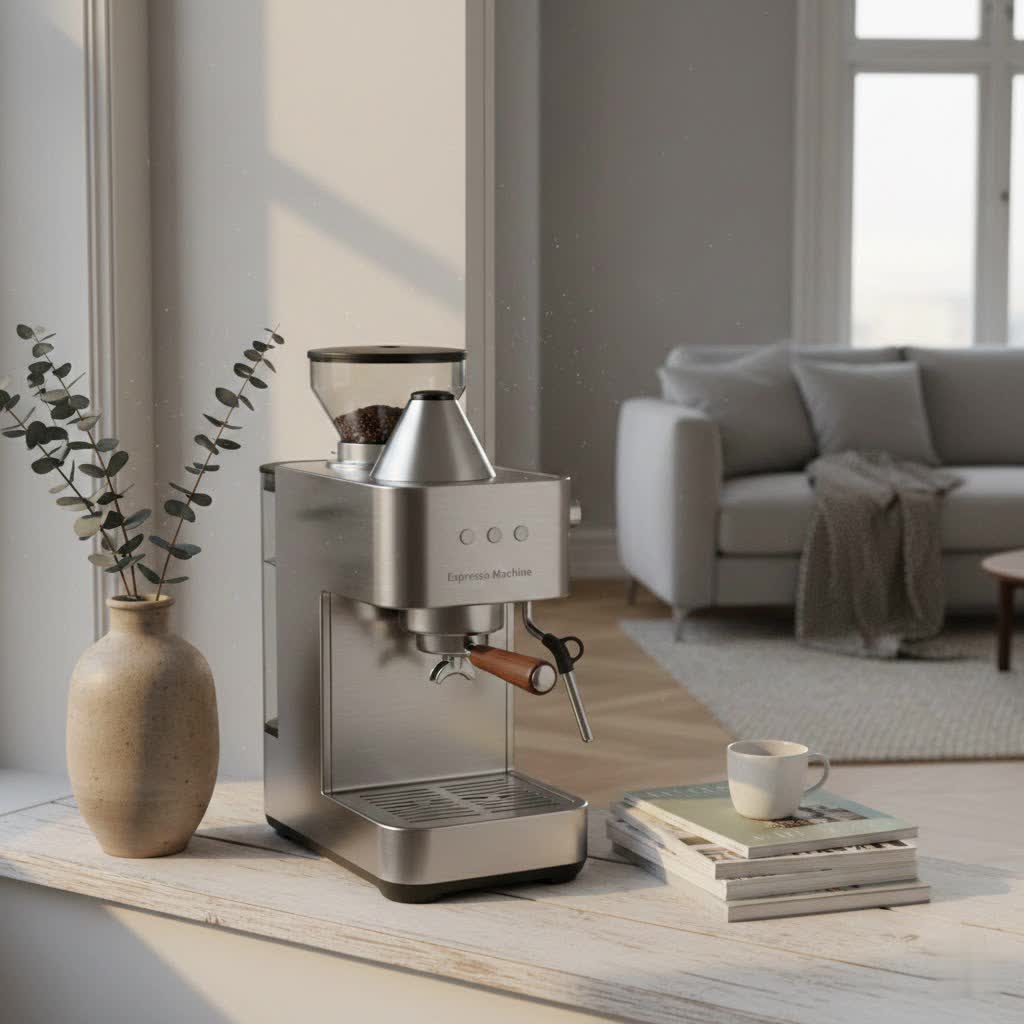
What is a Commercial Espresso Machine?
A commercial espresso machine is a robust, high-performance appliance engineered to meet the demanding needs of coffee shops, restaurants, and other high-volume establishments. Unlike home espresso makers, these machines are built for continuous operation, exceptional durability, and consistent quality, capable of producing hundreds of shots daily without faltering. They are designed to withstand the rigors of a busy environment, often featuring multiple group heads and powerful components to ensure speed and reliability during peak hours.
The history of espresso machines dates back to the early 20th century, evolving from steam-powered behemoths to the precise, technologically advanced systems we see today. This evolution has led to a variety of commercial espresso machine types, each offering different levels of automation and control to suit diverse business models and barista skill sets.
The main types you’ll encounter include:
- Manual/Lever Machines: These are the most traditional, requiring significant barista skill and physical effort to pull shots using a lever. They offer ultimate control over extraction but have a steep learning curve.
- Semi-Automatic Machines: The most popular choice in many specialty coffee shops, semi-automatics allow the barista to start and stop the espresso shot manually. This provides control over variables like shot duration while automating pump pressure and temperature.
- Automatic (Volumetric) Machines: These machines take automation a step further by controlling the volume of water for each shot. A barista presses a button, and the machine dispenses a pre-programmed amount of water, ensuring consistency across shots and different baristas.
- Super-Automatic Machines: Designed for maximum convenience, super-automatic machines handle nearly every step of the brewing process, from grinding beans to frothing milk, with the touch of a button. They are ideal for environments where speed and ease of use are paramount, and highly trained baristas might not always be available.
Key Components of a Commercial Espresso Machine
Understanding the internal workings of a commercial espresso machine is vital to appreciating its capabilities and selecting the right model. Each component plays a crucial role in crafting that perfect shot of espresso.
- Pump: The pump forces water through the coffee grounds at high pressure (ideally around 9 bars) to extract the espresso. Commercial machines typically use rotary pumps, known for their quiet operation and consistent pressure delivery.
- Boiler: This is where water is heated for both brewing and steaming. Commercial machines come with various boiler configurations:
- Heat Exchanger (HX) Boilers: Utilize a single boiler where the main water is superheated for steam, and a coiled pipe runs through it, heating fresh water for brewing. This allows simultaneous brewing and steaming.
- Dual Boilers (DB): Feature separate boilers for brewing and steaming. This design offers superior temperature stability and precision for both functions independently, crucial for consistent espresso quality.
- Multi-Boiler (MB) Systems: The most advanced, offering a dedicated service boiler for steam and individual brew boilers for each group head. This provides unparalleled temperature control and consistency across multiple brewing stations.
- Grouphead: The part of the machine where the portafilter locks in and hot water is dispensed onto the coffee grounds. Saturated group heads maintain excellent thermal stability, ensuring consistent brew temperature.
- Portafilter: A handle with a basket that holds the ground coffee. Baristas tamp the coffee into the portafilter before locking it into the grouphead.
- Steam Wand: A nozzle that delivers hot, pressurized steam for frothing milk. High-quality steam wands are essential for creating microfoam for lattes and cappuccinos.
The materials used for these components, such as brass or stainless steel for boilers and group heads, significantly influence durability, heat retention, and ultimately, the quality of the coffee produced.
How to Choose a Commercial Espresso Machine
Selecting a commercial espresso machine is a significant investment that requires careful consideration of several factors tailored to your business needs.
Determine Usage Needs
Start by evaluating your expected volume and workflow.
- Daily and Hourly Volume: How many drinks do you anticipate making during your busiest hours? A single-group machine might handle 15-25 espressos per hour, while a 2-3 group machine can comfortably manage 75-500 drinks per day, making it suitable for most cafes. High-volume operations pushing 50+ drinks per hour might require a 3-group or even 4-group machine.
- Staff Skill Level: Do you have experienced baristas or will new staff need to learn? Semi-automatic machines offer control for skilled baristas, while automatic and super-automatic machines simplify operation and ensure consistency for a broader range of skill levels.
- Beverage Menu: Will you primarily serve straight espresso, or a wide array of milk-based drinks like lattes and cappuccinos? Machines with robust steam power and dual or multi-boiler systems are crucial for high-volume milk steaming.
|
Our Picks for the Best Espresso Machine in 2026
As an Amazon Associate I earn from qualifying purchases.
|
||
| Num | Product | Action |
|---|---|---|
| 1 | Breville Bambino Espresso Machine BES450BSS, Brushed Stainless Steel |

|
| 2 | Gaggia Classic Evo Pro - Espresso Machine Jungle Green |
|
| 3 | Gevi Commercial Espresso and Coffee Makers, Professional 20 Bar Espresso Maker with Milk Frother, Stainless Steel Expresso Coffee Machines for Home, Compact Cappuccino Machine, Great Gift |
|
| 4 | CASABREWS CM5418 Espresso Machine 20 Bar, Compact Espresso Maker with Steam Milk Frother, Stainless Steel Coffee Machine with 34oz Removable Water Tank for Cappuccino, Gift for Women or Men, Silver |
|
| 5 | Ninja Luxe Café 3-in-1 Espresso, Drip Coffee and Cold Brew Machine - Integrated Coffee Grinder, Milk Frother, Assisted Tamper & Built-In Espresso Accessory Storage - Stainless Steel - ES601 |
|
| 6 | Breville Barista Express Espresso Machine BES870XL, Brushed Stainless Steel |
|
| 7 | Breville Barista Express Impress Espresso Machine BES876BSS, Brushed Stainless Steel |
|
| 8 | De'Longhi Stilosa Manual Espresso Machine, Compact Coffee Maker, 15 Bar Pump Pressure, Manual Milk Frother Steam Wand for Authentic Single & Double Espresso, Lattes & Cappuccinos, Tamper Included |
|
| 9 | CASABREWS 3700 Essential Espresso Machine 20 Bar, Stainless Steel Cappuccino & Latte Machine with Steam Frother for Home, 43.9oz Water Tank, Coffee Gift for Women & Men, Silver |
|
| 10 | Breville Barista Express Espresso Machine BES870BSXL, Black Sesame |
|
Budget
Commercial espresso machines represent a wide price spectrum.
- Price Segments: Entry-level commercial machines can start around $5,000, while high-end, multi-group machines from premium brands can exceed $30,000. Most full-size commercial setups fall within the $10,000 to $15,000 range.
- Long-Term Investment: Consider the machine’s durability, expected lifespan, and maintenance costs. A higher upfront investment in a reputable brand often translates to lower long-term repair costs and greater reliability.
Important Features
Beyond the basic types, several features enhance performance, consistency, and ease of use.
- Pump Pressure (Bar): A consistent 9 bars of pressure is generally considered ideal for espresso extraction.
- Boiler Capacity: Larger boilers, typically 7-10 liters for a 2-group machine, ensure ample hot water and steam, especially during busy periods.
- Temperature Control (PID): Proportional-Integral-Derivative (PID) controllers provide precise and stable temperature regulation for brewing water, which is paramount for consistent espresso flavor. Look for machines with saturated group heads and insulated boilers for added thermal stability.
- Automation Features: Consider programmable dosing, pre-infusion (a low-pressure soak before full extraction), and volumetric controls for consistent shot volumes. Some machines also offer automatic steam wands, simplifying milk frothing.
- Electrical Requirements: Pay attention to wattage and voltage. Higher voltage (e.g., 220V) and amperage (20-30 amps) support higher hourly output.
- Water Connection: Machines can be direct-connect (plumbed into a water line) or pourover (manual refilling of a reservoir). Direct-connect is standard for commercial use due to continuous supply and reduced effort.
Reputable Brands
Investing in a machine from a trusted manufacturer offers peace of mind regarding quality, durability, and after-sales support.
- Leading Brands: La Marzocco, Nuova Simonelli, Rancilio, Victoria Arduino, Sanremo, Rocket Espresso, and La Spaziale are some of the most respected names in the commercial espresso machine industry. Each brand has its strengths, often specializing in different segments (e.g., high-volume workhorses vs. precision-focused artisan machines).
- Warranty and Service: Always check the warranty period and the availability of local service technicians and parts. Downtime due to machine issues can be very costly for a business.
Comparing Popular Commercial Espresso Machine Models
To illustrate the variety, here’s a conceptual comparison of types you might find in the market. (Note: Specific models and prices can vary greatly and should be researched at the time of purchase.)
| Feature | Entry-Level Commercial (e.g., Sanremo Zoe Competition) | Mid-Range Commercial (e.g., Nuova Simonelli Aurelia Wave) | High-End Commercial (e.g., La Marzocco Linea PB) |
|---|---|---|---|
| Price Range | $5,000 – $8,000 | $8,000 – $15,000 | $15,000 – $30,000+ |
| Boiler Type | Heat Exchanger (HX) or Single Boiler | Dual Boiler (DB) | Dual Boiler (DB) or Multi-Boiler (MB) |
| Group Heads | 1-2 | 2-3 | 2-4 |
| Automation Level | Semi-Automatic | Automatic (Volumetric) | Automatic (Volumetric), Advanced Controls |
| Temperature Control | Basic thermal stability | PID controlled, good stability | Dual PID, saturated groups, exceptional stability |
| Output (Drinks/Hr) | 20-50 | 50-100 | 100+ |
| Key Features | Reliability, ease of use, robust build | Volumetric dosing, ergonomic design, pre-infusion | Integrated scales, advanced workflow, precision |
| Best For | Small cafes, restaurants with moderate coffee demand | Busy cafes, hotels, experienced baristas | High-volume specialty coffee shops, demanding baristas |
> “The difference between a good espresso and a great one often comes down to consistent temperature and pressure control, which is where higher-end commercial machines truly shine.” – John Smith, Master Espresso Technician
Using and Maintaining Your Commercial Espresso Machine
Proper operation and diligent maintenance are critical for maximizing the lifespan of your commercial espresso machine and ensuring consistent, high-quality beverages.
Preparation
- Installation: Ensure the machine is professionally installed, with correct electrical connections and proper water filtration. Most commercial machines are plumbed directly into a water line.
- Coffee Selection: Use fresh, high-quality coffee beans. The grind size is crucial and should be adjusted daily (or even more frequently) to achieve the perfect extraction.
- Warming Up: Always allow your machine ample time to warm up (usually 30-60 minutes) to reach stable brewing temperatures before pulling any shots.
Brewing Espresso
While specifics vary by machine type, the general steps for brewing espresso involve:
- Grind fresh coffee beans to the appropriate fineness.
- Dose the ground coffee into the portafilter basket.
- Tamp the coffee evenly with firm, consistent pressure.
- Purge the group head briefly to clear old grounds and stabilize temperature.
- Lock the portafilter into the group head.
- Initiate the extraction (manually for semi-automatics, by button for automatics).
- Monitor the shot for ideal flow rate, color, and volume (typically 25-30 seconds for 1-2 oz of espresso).
- Stop the extraction.
- Remove the portafilter and discard the spent coffee puck.
Machine Cleaning
Regular cleaning prevents clogs, maintains hygiene, and ensures optimal performance.
- Daily Cleaning: Backflush group heads with a blind filter and espresso machine cleaner. Wipe down steam wands immediately after each use. Clean portafilters and baskets. Wipe exterior surfaces.
- Weekly/Bi-Weekly Cleaning: Deeper cleaning of group heads, shower screens, and gasket seals. Soak portafilters and baskets in cleaner.
- Periodic Descaling: Depending on water hardness and usage, machines will need descaling to remove mineral buildup in boilers and pipes. This should be done by a qualified technician or following manufacturer guidelines.
- Grouphead Gasket Replacement: Gaskets wear out over time, leading to leaks. Replace them as needed to maintain a proper seal.
Common Issues and Troubleshooting
Even the best machines can encounter problems. Here are some common issues and basic troubleshooting steps:
- Machine Not Heating: Check power supply and circuit breaker. Ensure the main power switch is on. If the issue persists, it might indicate a heating element or thermostat problem requiring professional service.
- Weak Pressure/Slow Flow: This is often due to a too-fine grind, over-tamping, or a clogged group head/portafilter. Adjust grind size, ensure proper tamping, and perform thorough cleaning. A failing pump could also be the cause.
- Coffee Flowing Too Fast: Usually indicates a grind that is too coarse or under-dosing. Adjust grind finer or increase coffee dose.
- Machine Leaking Water: Check seals around the portafilter (gasket might need replacing) or connections. Leaks from other areas could signal internal component issues or loose fittings, necessitating a technician.
- No Steam: Could be a blocked steam wand tip (use a pin to clear) or an issue with the steam boiler’s heating element or pressure stat.
For complex issues, it’s always best to consult the machine’s manual or call a certified technician to avoid further damage.
Where to Buy a Commercial Espresso Machine?
Acquiring a commercial espresso machine involves several avenues, each with its own benefits and considerations.
- Specialty Coffee Equipment Suppliers: These dedicated retailers offer a wide selection of commercial machines, expert advice, installation services, and ongoing support. They often have showrooms where you can see machines in action.
- Online Retailers: Many reputable online stores carry commercial espresso machines, sometimes offering competitive pricing. Ensure the retailer provides adequate warranty, shipping, and after-sales service.
- Direct from Manufacturers: Some larger brands may offer direct sales, providing comprehensive support and direct access to their service network.
- Used Machines: Buying a used commercial espresso machine can be a cost-effective option, but it comes with risks. Thoroughly inspect the machine, inquire about its service history, and ideally, have it checked by a technician before purchase.
Commercial Espresso Machine Buying Guide
Before making your final decision, consider these detailed factors to ensure your investment perfectly aligns with your business’s future.
Factors to Consider Before Purchase
- Power Requirements: Verify your electrical infrastructure can support the machine’s voltage and amperage. Commercial machines often require dedicated high-voltage circuits.
- Kitchen Space and Layout: Measure your counter space and consider workflow. Do you have enough room for the machine, grinders, knock boxes, and other accessories?
- Noise Level: While rotary pumps are generally quieter, some machines can still be noisy. If your establishment has an open layout or prioritizes a calm ambiance, consider noise as a factor.
- Water Quality: Invest in a robust water filtration system. Poor water quality can lead to scale buildup, affecting machine performance and espresso taste.
Essential Accessories
Don’t forget the tools that complete the espresso station.
- High-Quality Grinder(s): Crucial for fresh, consistent grounds. You might need multiple grinders for different bean types (e.g., espresso blend and single origin).
- Tamper: Essential for creating an even coffee puck.
- Milk Pitchers: Various sizes for different milk-based drinks.
- Knock Box: For easily discarding spent coffee pucks.
- Cleaning Supplies: Brushes, cleaning solutions, blind filters, and microfiber cloths.
Read Reviews and Compare Prices
- User Opinions: Seek out reviews from other business owners and baristas. Real-world feedback provides invaluable insights into a machine’s reliability, ease of use, and common quirks.
- Price Comparison: Once you’ve narrowed down your choices, compare prices from multiple vendors. Look for bundles that include installation or accessories, and inquire about financing options.
Conclusion
Choosing the right commercial espresso machine is a critical decision that will impact your business for years to come. By carefully considering your operational needs, budget, desired features, and commitment to maintenance, you can select a machine that not only produces exceptional espresso but also enhances your workflow and delights your customers. This investment in quality will pay dividends in consistent beverages, efficient service, and a thriving coffee business.
What does your ideal commercial espresso setup look like, and what’s the first specialty drink you’ll serve with it?
Frequently Asked Questions
How often should a commercial espresso machine be serviced?
A commercial espresso machine should undergo regular daily cleaning, weekly deeper cleaning, and professional servicing every 6-12 months, depending on usage volume and manufacturer recommendations. This routine maintenance ensures optimal performance, extends the machine’s lifespan, and prevents costly breakdowns.
What is the average lifespan of a commercial espresso machine?
With proper care and regular maintenance, a high-quality commercial espresso machine can last anywhere from 5 to 15 years, or even longer. Factors like build quality, usage volume, water quality, and consistent servicing significantly influence its longevity.
Can a home espresso machine be used for commercial purposes?
No, a home espresso machine is not designed for the continuous high-volume demands of a commercial environment. It lacks the durability, boiler capacity, and consistent performance required for a business, leading to frequent breakdowns and poor drink quality. Always invest in a machine built for commercial use.
