Dreaming of crafting café-quality espresso from the comfort of your kitchen? The journey to becoming a home barista starts with choosing the right equipment, and Casabrews espresso machines have emerged as a compelling option for enthusiasts and beginners alike. This comprehensive guide will navigate you through everything you need to know about these popular machines, from their core components to brewing techniques and troubleshooting common issues, helping you unlock rich, aromatic espresso right at home.
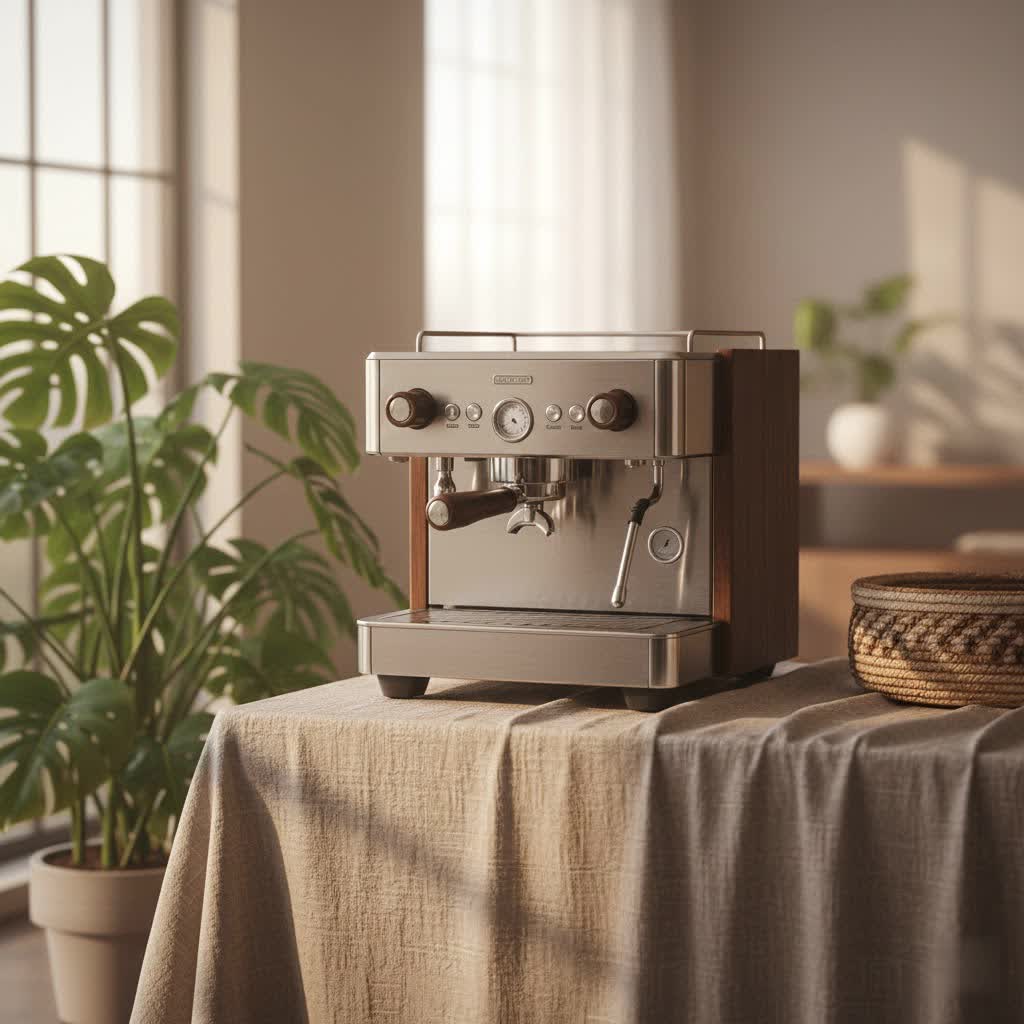
What is an Espresso Machine?
An espresso machine is a specialized coffee brewer that forces pressurized hot water through finely-ground coffee beans to produce a concentrated coffee beverage known as espresso. Invented in Italy, espresso is the foundation for a wide array of coffee drinks, including cappuccinos, lattes, and macchiatos, characterized by its intense flavor, thick consistency, and a distinctive reddish-brown foam called crema.
The evolution of espresso machines has led to several types:
- Manual Espresso Machines: Require significant user skill and effort, offering complete control over the brewing process.
- Semi-Automatic Espresso Machines: Feature a pump for pressure and usually allow the user to start and stop the shot manually. The Casabrews CM5418, a popular model, falls into this category, balancing automation with user control.
- Automatic Espresso Machines: Dispense a pre-set volume of water for the espresso shot.
- Super-Automatic Espresso Machines: Grind beans, tamp, brew, and even froth milk at the push of a button, offering maximum convenience.
Key Components of an Espresso Machine
Understanding the vital parts of an espresso machine helps in appreciating how it works and how to maintain it.
- Pump: This is the heart of the machine, generating the high pressure (typically 9 to 15 bars) required to extract espresso. Casabrews models often feature a 20-BAR Italian pressure pump, which contributes to consistent extraction.
- Boiler/Thermoblock: Heats the water to the optimal brewing temperature. Many Casabrews machines, like the CM5418, utilize a single thermoblock system for on-demand heating.
- Grouphead: The part of the machine where the portafilter locks in. Hot water from the boiler flows through the grouphead into the coffee grounds.
- Portafilter: A handle with a basket that holds the ground coffee. Casabrews machines typically come with a 51mm portafilter, often supplied with dual-wall (pressurized) baskets ideal for beginners. Many users upgrade to single-wall or bottomless portafilters for more control and improved extraction.
- Steam Wand: A nozzle that dispenses pressurized steam, used to heat and froth milk for lattes and cappuccinos. Casabrews models are generally equipped with a proper steam wand, capable of producing fine microfoam.
- Water Tank: Holds the water for brewing and steaming. Casabrews CM5418 features a 34 oz removable water tank.
- Drip Tray: Catches any drips or overflow, keeping your countertop clean.
Casabrews Espresso Machines: A Detailed Buying Guide
Choosing the right Casabrews espresso machine involves weighing your personal needs against the machine’s features and your budget.
Determine Your Usage Needs
Consider how often you’ll be making coffee and for whom.
- Frequency of Use: A daily coffee drinker will appreciate a robust machine that heats up quickly and is easy to clean.
- Number of Users: For a single user, a compact machine like the CM5418 with its smaller water tank might suffice, while households with multiple coffee lovers may prefer a larger capacity.
- Favorite Coffee Drinks: If you primarily enjoy straight espresso, focus on brew quality. If you love lattes and cappuccinos, a capable steam wand is paramount.
|
Our Picks for the Best Espresso Machine in 2026
As an Amazon Associate I earn from qualifying purchases.
|
||
| Num | Product | Action |
|---|---|---|
| 1 | Breville Bambino Espresso Machine BES450BSS, Brushed Stainless Steel |

|
| 2 | Breville Barista Express Espresso Machine BES870XL, Brushed Stainless Steel |
|
| 3 | CASABREWS CM5418 Espresso Machine 20 Bar, Compact Espresso Maker with Steam Milk Frother, Stainless Steel Coffee Machine with 34oz Removable Water Tank for Cappuccino, Gift for Women or Men, Silver |
|
| 4 | Breville Barista Express Impress Espresso Machine BES876BSS, Brushed Stainless Steel |
|
| 5 | CASABREWS 3700 Essential Espresso Machine 20 Bar, Stainless Steel Cappuccino & Latte Machine with Steam Frother for Home, 43.9oz Water Tank, Coffee Gift for Women & Men, Silver |
|
| 6 | Ninja Luxe Café 3-in-1 Espresso, Drip Coffee and Cold Brew Machine - Integrated Coffee Grinder, Milk Frother, Assisted Tamper & Built-In Espresso Accessory Storage - Stainless Steel - ES601 |
|
| 7 | Gaggia Classic Evo Pro - Espresso Machine Jungle Green |
|
| 8 | Breville Barista Express Espresso Machine BES870BSXL, Black Sesame |
|
| 9 | Gevi Commercial Espresso and Coffee Makers, Professional 20 Bar Espresso Maker with Milk Frother, Stainless Steel Expresso Coffee Machines for Home, Compact Cappuccino Machine, Great Gift |
|
| 10 | De'Longhi Stilosa Manual Espresso Machine, Compact Coffee Maker, 15 Bar Pump Pressure, Manual Milk Frother Steam Wand for Authentic Single & Double Espresso, Lattes & Cappuccinos, Tamper Included |
|
Budget Considerations
Casabrews machines are renowned for their affordability, often competing with higher-priced entry-level models from other brands.
- Entry-Level (Under $200): This is where most Casabrews models, such as the CM5418, shine, offering excellent value for their price point. They are ideal for those new to home espresso.
- Long-Term Investment: While budget-friendly, consider the potential for upgrades (like a better grinder or portafilter) that can enhance your experience over time.
Important Features
Several features contribute to the performance and user experience of a Casabrews espresso machine.
- Pump Pressure: Casabrews machines typically boast a 20 BAR pump, which is more than sufficient for achieving the optimal 9 bars of pressure needed for espresso extraction. The included pressure gauge (manometer) on models like the CM5418 is a valuable feature for monitoring your shot.
- Heating System: A single thermoblock system, common in Casabrews, offers quick heat-up times and on-demand hot water and steam.
- Temperature Control: Look for features like a purge function that automatically adjusts water temperature after steaming, ensuring your espresso is brewed at the correct heat.
- Steam Wand Quality: A good, articulating steam wand (rather than a “Panarello” frother) is crucial for creating silky microfoam for milk-based drinks. Casabrews generally provides effective steam wands.
- Portafilter Type: While Casabrews machines often come with pressurized (dual-wall) baskets, a single-wall portafilter (either included or purchased separately) allows for more consistent and nuanced espresso extraction once you dial in your grind.
Reputable Brands
Casabrews has carved out a niche as a highly popular and affordable option, often compared to more established brands like Delonghi (particularly the Dedica) for its similar slim profile and features, but at a lower cost. While Casabrews might not have the long-standing heritage of some brands, its market presence and positive user reviews, especially for the CM5418, speak volumes about its reliability for its price. Always check for warranty and customer support availability.
Comparing Popular Casabrews Espresso Machine Models
Casabrews offers a range of machines, with the CM5418 being a standout for its balance of features and affordability. While specific models and their exact prices fluctuate, here’s a general comparison focusing on what makes Casabrews machines appealing:
| Feature | Casabrews CM5418 | Casabrews 3700 Essential |
|---|---|---|
| Price Range | Often $140 – $200 | Typically $10 – $30 cheaper than CM5418 |
| Pressure | 20 BAR pump with pressure gauge | 20 BAR pump (generally no pressure gauge) |
| Portafilter | 51mm, usually with dual-wall baskets | 51mm, usually with dual-wall baskets |
| Steam Wand | Articulating, capable of microfoam | Articulating, capable of microfoam |
| Design | Compact, slim, stainless steel casing with plastic accents | Compact, possibly slightly different aesthetics |
| Ease of Use | Beginner-friendly, pressure gauge aids learning | Beginner-friendly |
| Noteworthy | Very popular, often seen as a Delonghi Dedica alternative | Some reviews suggest better overall performance for the price |
The CM5418 is frequently praised for its integrated pressure gauge, which helps beginners understand the brewing process. However, some advanced reviewers suggest that the 3700 Essential might offer better overall performance for an even lower cost, despite lacking the gauge. Ultimately, both models aim to deliver a quality home espresso experience at an accessible price point.
How to Use and Maintain Your Casabrews Espresso Machine
Proper use and regular maintenance are crucial for ensuring your Casabrews machine consistently produces great espresso and lasts for years.
Getting Started
- Unboxing and Setup: Install the water tank correctly, ensuring it’s properly seated to prevent vacuum issues.
- Coffee Selection and Grind: Use fresh, high-quality espresso beans. The grind size is critical – it should be fine enough to offer resistance to the pressurized water, but not so fine that it chokes the machine. For a 51mm portafilter, especially with a pressurized basket, you might have some leeway, but a quality grinder is key for non-pressurized baskets.
- Pre-heating the Machine: Always allow your machine to fully pre-heat. On many Casabrews models, this is indicated when all lights stop flashing. Running a blank shot of hot water through the grouphead can also warm up your portafilter and cup.
Brewing Espresso
- Fill Water Tank: Ensure the water tank has sufficient filtered water.
- Pre-heat: Turn on the machine and wait for it to reach brewing temperature.
- Grind and Dose: Grind fresh coffee beans directly into your portafilter basket. For the 51mm basket, a dose of 14-18 grams is common for a double shot.
- Tamp: Use an espresso tamper to evenly compress the coffee grounds in the portafilter. Evenness is key for consistent extraction.
- Lock In: Securely lock the portafilter into the grouphead.
- Brew: Select your desired shot (single or double). Monitor the pressure gauge if your machine has one – aim for the optimal brewing range.
- Enjoy: Once the desired volume is reached, stop the shot and enjoy your fresh espresso!
Machine Cleaning
Regular cleaning prevents buildup and ensures optimal performance.
- Daily Cleaning:
- Portafilter: Immediately after brewing, remove and knock out the used coffee grounds (puck). Rinse the portafilter and basket thoroughly.
- Drip Tray: Empty and clean the drip tray frequently, especially since Casabrews models tend to have smaller trays.
- Steam Wand: Crucially, always purge the steam wand immediately after frothing milk to clear any milk residue. Wipe it down with a damp cloth.
- Periodic Cleaning (Descaling): Over time, mineral deposits (scale) can build up in the machine’s internal components. Descale your Casabrews machine every 1-3 months, depending on your water hardness and usage. Use a dedicated descaling solution designed for espresso machines and follow the manufacturer’s instructions.
Common Issues and Troubleshooting for Casabrews Machines
Even reliable machines can encounter hiccups. Here are some common problems with Casabrews espresso machines and how to address them:
- Machine Not Brewing After Steaming (Flashing Lights): This is a very common scenario. If your single or double shot buttons are flashing and no coffee brews immediately after you’ve used the steam wand, it means the boiler temperature is too high for brewing.
- Fix: Turn off the steam function. Place a cup under the steam wand and turn the steam knob to the “WATER” or “HOT WATER” position. Let hot water run for at least 8-20 seconds to cool down the boiler and re-prime the pump. Once cooled, turn the steam knob off, and your machine should be ready to brew.
- No Water Flow (First Use or After Extended Storage): If you’re using the machine for the first time or if it’s been stored for a while and no water comes out.
- Fix: Ensure the water tank is correctly installed. Turn on the machine and wait for it to pre-heat. Then, run hot water through the steam wand for about 20 seconds to help clear any airlocks or dried-out pump issues.
- Water Leaking from Steam Wand During Brewing: If water is ejecting from the steam wand while you’re trying to brew espresso, it typically indicates that the internal valve responsible for diverting water/steam isn’t sealing properly.
- Fix: This could be due to scale buildup or a faulty component. Try descaling the machine. If the problem persists, it might require professional service.
- Flashing Lights and Alarm Sound: If your CM5418’s single cup, double cup, and steam lights flash rapidly along with an alarm, it often means the steam knob was left in the “Steam” position after use.
- Fix: Simply turn the steam knob back to the “Off” position. The alarm and flashing lights should cease, and the machine will be ready for normal operation.
Where to Buy Casabrews Espresso Machines?
Casabrews espresso machines are widely available through various retail channels, making them easy to acquire for aspiring home baristas.
- Online Retailers: The most popular platform for Casabrews machines is often Amazon, where models like the CM5418 frequently appear as best-sellers. Other large online electronics or home goods retailers may also carry them. When buying online, ensure you’re purchasing from a reputable seller and check the return policy.
- Manufacturer’s Website: You can also purchase directly from the Casabrews official website, which may offer the latest models, specific bundles, and direct customer support.
Essential Buying Tips for Your Casabrews
Before making your final purchase, consider these additional factors to ensure your Casabrews espresso machine perfectly fits your lifestyle.
Factors to Consider Before Buying
- Kitchen Space: Casabrews machines, particularly the CM5418, are known for their compact, slim design (around 6 inches wide), making them an excellent choice for smaller kitchens or limited countertop space.
- Noise Level: Be aware that some budget-friendly espresso machines can be a bit loud during operation, particularly during brewing and steaming, due to pump vibrations. User reviews can often provide insights into specific model noise levels.
- Electrical Requirements: Ensure your kitchen outlets meet the power requirements of the machine.
Necessary Accessories
To get the most out of your Casabrews espresso machine, some accessories are highly recommended:
- Quality Grinder: This is perhaps the most crucial accessory. A good burr grinder ensures consistent grind size, which is essential for optimal espresso extraction.
- Tamper: While some machines include a basic plastic tamper, a heavier, more ergonomic metal tamper provides better and more consistent tamping pressure.
- Milk Pitcher: A stainless steel milk frothing pitcher is indispensable for steaming milk.
- Knock Box: A container designed for easily discarding used coffee pucks from the portafilter.
- Bottomless Portafilter: For those looking to refine their technique and achieve professional-level shots, upgrading to a bottomless (or naked) portafilter can help diagnose extraction issues and produce richer crema.
Read Reviews and Compare Prices
Always take the time to read user reviews on platforms like Amazon or dedicated coffee blogs. Pay attention to feedback regarding espresso quality, ease of use, steaming performance, and long-term durability. Compare prices from different retailers to find the best deal, but prioritize reputable sellers.
Conclusion
The Casabrews espresso machine, particularly models like the CM5418, represents an excellent entry point into the world of home espresso. Its combination of affordability, compact design, and capable performance—including a 20 BAR pump and a quality steam wand—makes it a compelling choice for beginners and budget-conscious enthusiasts. While it may require a slight learning curve for milk frothing and benefit from a few thoughtful upgrades like a better grinder or portafilter, the value it delivers in crafting delightful espresso and milk-based drinks at home is undeniable. With proper care and understanding, your Casabrews machine can become a reliable partner in your daily coffee ritual, saving you money and empowering your inner barista.
Are you ready to elevate your morning routine with a Casabrews espresso machine?
Frequently Asked Questions
Is the Casabrews CM5418 good for beginners?
Yes, the Casabrews CM5418 is highly regarded as an excellent espresso machine for beginners. Its user-friendly interface, compact size, and inclusion of a pressure gauge make it approachable for learning the basics of espresso brewing and milk frothing without a steep financial commitment.
What kind of coffee grounds should I use for my Casabrews espresso machine?
For optimal results with your Casabrews espresso machine, use fresh, whole espresso beans and grind them just before brewing. The grind size should be fine, similar to table salt or slightly finer, but experimentation is key to finding the perfect grind that allows for good extraction without choking the machine.
How often should I descale my Casabrews espresso machine?
The frequency of descaling your Casabrews espresso machine depends on your water hardness and how often you use it. As a general guideline, descaling every 1 to 3 months is recommended to prevent mineral buildup, which can affect performance and machine longevity. Always use a descaling solution safe for espresso machines.
