Are you ready to transform your coffee routine into an art form? Choosing the right espresso machine can feel like a complex journey, but with over a decade of hands-on experience as an espresso machine technician and administrator at Reviewspri.com, I’m here to demystify the process for you. From compact home models to robust professional setups, understanding the nuances of these machines is key to unlocking the perfect shot, tailored precisely to your preferences. Let’s delve into the world of espresso and find your ideal brewing companion.
What is an Espresso Machine?
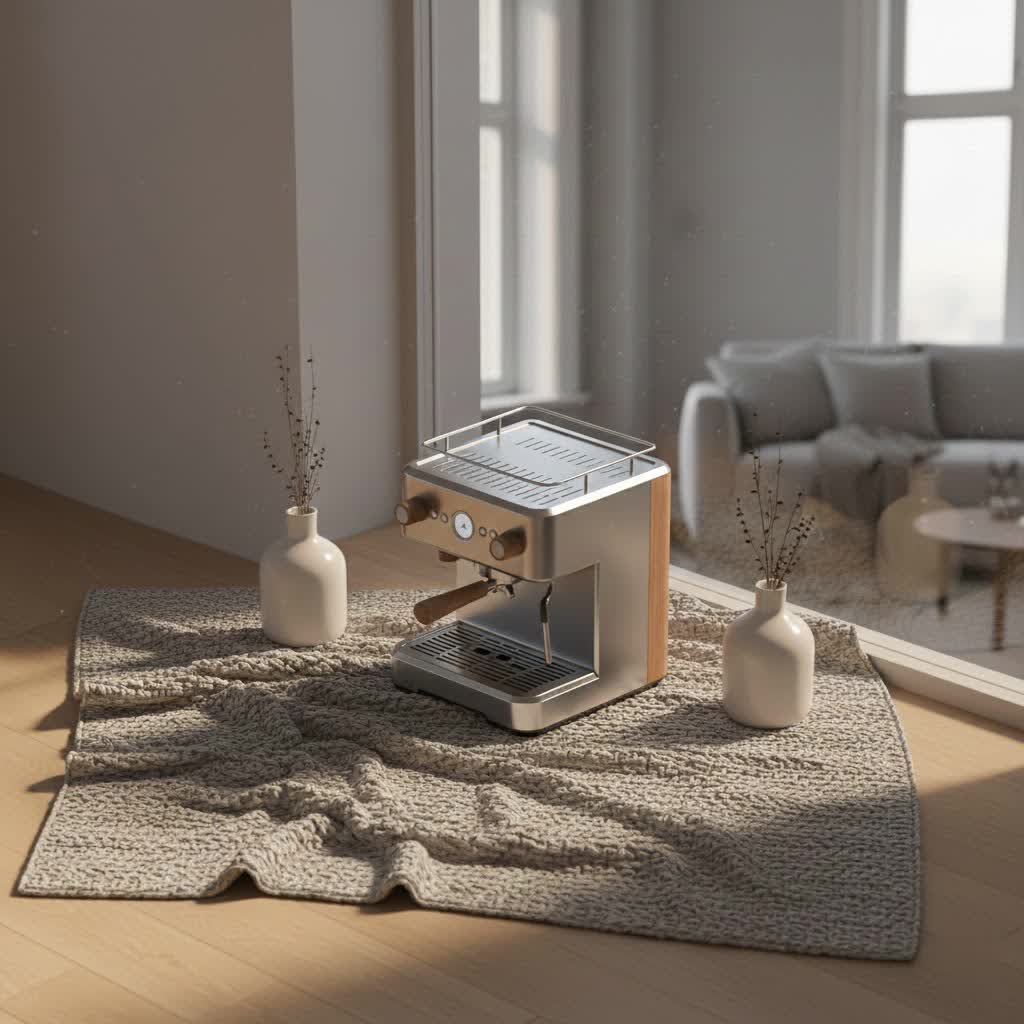
An espresso machine is a specialized device designed to force hot, pressurized water through finely-ground coffee to produce a concentrated, aromatic beverage known as espresso. This iconic brewing method originated in Italy in the early 20th century, revolutionizing coffee consumption with its speed and intensity. Over time, espresso machines have evolved into various types, each offering a distinct level of control and convenience.
Understanding the different categories can help you identify the machine that best fits your lifestyle or business needs:
- Manual Lever Machines: These machines offer the purest form of espresso craftsmanship, giving the user complete control over brewing pressure and extraction time. While they require significant skill and practice, they reward dedicated enthusiasts with highly customizable and nuanced shots.
- Semi-Automatic Machines: A popular choice for home baristas and many specialty coffee shops, semi-automatic machines strike a balance between control and automation. Users manage the grind size, dosing, and tamping, while the machine automates water pressure and temperature for consistent results.
- Automatic Machines: Designed for consistency and ease, automatic espresso machines automate the shot volume with a single button press. Baristas still grind, dose, and tamp, but the machine controls how long the shot pulls, reducing human variability. These are ideal for busy environments seeking consistent quality.
- Super-Automatic Machines: The epitome of convenience, super-automatic machines are “bean-to-cup” systems. They integrate a grinder and often an automatic frothing program, handling every step from grinding beans to brewing and steaming milk with minimal user intervention. These are perfect for those seeking luxury and effortless operation at home or in offices.
- Pod and Capsule Machines: These systems prioritize speed and simplicity. By using pre-packaged coffee pods, they eliminate the need for grinding, measuring, or tamping, offering consistent results with a press of a button. They are great for quick, no-fuss espresso.
Key Components of an Espresso Machine
To truly appreciate your espresso machine and troubleshoot minor issues, it’s essential to understand its core components and their functions:
- Pump: The pump is the heart of the espresso machine, responsible for forcing water through the coffee grounds at high pressure, typically around 9 to 15 bars. This pressure is crucial for extracting the rich flavors and oils that define espresso.
- Boiler: This component heats the water to the optimal brewing temperature (generally between 195 and 205 degrees Fahrenheit). Machines can have single boilers (requiring temperature switching between brewing and steaming), heat exchangers (allowing simultaneous brewing and steaming from a single boiler), or dual boilers (dedicated boilers for each function, offering superior temperature stability and efficiency).
- Grouphead: The grouphead is where the hot water from the boiler is dispensed into the portafilter basket. It’s vital for maintaining consistent water temperature during extraction.
- Portafilter: This is a metal handle with a filter basket that holds the finely ground and tamped coffee. It attaches securely to the grouphead before brewing.
- Steam Wand: An essential feature for milk-based drinks, the steam wand delivers pressurized steam to froth and heat milk, creating the microfoam needed for lattes and cappuccinos.
- Drip Tray: Located beneath the grouphead, the drip tray collects any excess water, spilled coffee, or milk. It’s typically removable for easy cleaning.
- Other Important Parts:
- Sight Glass: Found on commercial machines, it shows the water level in the boiler.
- Pressure Gauges: Monitor boiler and pump pressure, indicating proper operation and potential issues.
- Hot Water Outlet: Dispenses hot water for Americanos or tea.
Guide to Choosing an Espresso Machine
Selecting the perfect espresso machine involves balancing your personal preferences with practical considerations. Here’s a detailed breakdown to help you make an informed decision:
Determine Your Usage Needs
Before diving into features, consider how you’ll use the machine:
- Frequency of Use: Do you need an espresso shot daily, multiple times a day, or just on weekends? Higher frequency might demand more durable and efficient machines.
- Number of Users: Are you brewing for one person, a family, or a high-volume commercial setting like a cafe? This impacts the required capacity and speed.
- Favorite Coffee Drinks: Do you primarily drink straight espresso, or do you love milk-based beverages like lattes and cappuccinos? This influences the importance of a robust steam wand or automatic frother.
|
Our Picks for the Best Espresso Machine in 2026
As an Amazon Associate I earn from qualifying purchases.
|
||
| Num | Product | Action |
|---|---|---|
| 1 | Breville Barista Express Espresso Machine BES870BSXL, Black Sesame |

|
| 2 | Breville Barista Express Espresso Machine BES870XL, Brushed Stainless Steel |
|
| 3 | Gaggia Classic Evo Pro - Espresso Machine Jungle Green |
|
| 4 | CASABREWS 3700 Essential Espresso Machine 20 Bar, Stainless Steel Cappuccino & Latte Machine with Steam Frother for Home, 43.9oz Water Tank, Coffee Gift for Women & Men, Silver |
|
| 5 | Breville Bambino Espresso Machine BES450BSS, Brushed Stainless Steel |
|
| 6 | De'Longhi Stilosa Manual Espresso Machine, Compact Coffee Maker, 15 Bar Pump Pressure, Manual Milk Frother Steam Wand for Authentic Single & Double Espresso, Lattes & Cappuccinos, Tamper Included |
|
| 7 | Gevi Commercial Espresso and Coffee Makers, Professional 20 Bar Espresso Maker with Milk Frother, Stainless Steel Expresso Coffee Machines for Home, Compact Cappuccino Machine, Great Gift |
|
| 8 | Ninja Luxe Café 3-in-1 Espresso, Drip Coffee and Cold Brew Machine - Integrated Coffee Grinder, Milk Frother, Assisted Tamper & Built-In Espresso Accessory Storage - Stainless Steel - ES601 |
|
| 9 | Breville Barista Express Impress Espresso Machine BES876BSS, Brushed Stainless Steel |
|
| 10 | CASABREWS CM5418 Espresso Machine 20 Bar, Compact Espresso Maker with Steam Milk Frother, Stainless Steel Coffee Machine with 34oz Removable Water Tank for Cappuccino, Gift for Women or Men, Silver |
|
Budget Considerations
Espresso machines vary widely in price, reflecting their features, build quality, and level of automation:
- Entry-Level (Under $300): Often semi-automatic or pod-based, suitable for casual home use. Quality can vary, and some budget options may lack advanced features.
- Mid-Range ($300 – $1,000): This segment offers a good balance of features, performance, and durability for serious home baristas. Many semi-automatic models with integrated grinders or advanced temperature control fall here.
- High-End Home ($1,000+): These machines often feature dual boilers, PID temperature control, and commercial-grade components, providing exceptional quality and control for the passionate home enthusiast.
- Commercial ($3,000 – $30,000+): Built for durability and high volume, these machines are significant investments for cafes and restaurants. They feature multiple group heads, robust construction, and advanced stabilization systems. Evaluating the Return on Investment (ROI) is crucial for businesses, as a high-quality machine can save money long-term through efficiency and customer satisfaction.
Essential Features
Look for these key features to match your brewing aspirations:
- Pump Pressure: While 9 bars is the ideal pressure for extraction, many machines advertise 15 bars or higher. Consistency is more important than sheer numbers.
- Boiler Configuration:
- Single Boiler: More affordable but requires waiting to switch between brewing and steaming temperatures.
- Heat Exchanger (HX): Allows simultaneous brewing and steaming, but the brewing water is heated indirectly by the steam boiler.
- Dual Boiler: Provides separate boilers for brewing and steaming, offering superior temperature stability and simultaneous operation without compromise. This is a must-have for high-volume settings or milk drink lovers.
- Temperature Control: A PID (Proportional-Integral-Derivative) controller helps maintain stable and precise brewing temperatures, which is critical for consistent espresso quality.
- Integrated Grinder: Convenient for home users, but a dedicated external burr grinder often offers superior grind consistency, which is vital for high-quality espresso.
- Frothing System: Consider a manual steam wand for practicing latte art or an automatic frother for ease and consistency in milk texturing.
- Automation Level: Decide how much control you want over the brewing process – from the hands-on approach of a manual lever to the full automation of a super-automatic machine.
- Durability and Material: Machines with a strong metal body, especially stainless steel, are more durable, resistant to wear and tear, and often offer better temperature stability.
- Takeaway Cup Clearance: For cafes, ensure the machine can accommodate taller takeaway cups to optimize service.
Reputable Brands
Many brands have established reputations for quality and innovation:
- For Home Use: Breville, Gaggia, De’Longhi, Miele, Cuisinart.
- For Commercial Use: La Marzocco, Nuova Simonelli, Rancilio, Faema, LaCimbali, Astra.
Warranty and Support
Investigate the warranty period and the availability of customer service and repair options. A robust after-sales support system ensures longevity and peace of mind for your investment.
Comparing Popular Espresso Machine Models
To give you a clearer picture, let’s look at some commonly recommended machines across different categories:
| Model | Type | Price Range (Approx.) | Key Features | Best For |
|---|---|---|---|---|
| Home Barista | ||||
| Breville Barista Express | Semi-Automatic | $550 | Integrated burr grinder, 15-bar pump, steam wand, customizable grind/dose. | Overall best for home, professional results |
| Breville Bambino Plus | Semi-Automatic | $370 | Compact, fast heat-up (3s), automatic steam wand, easy for beginners. | Beginners, small kitchens |
| CASABREWS Espresso Machine | Semi-Automatic | $140 | Compact, 20-bar pump, easy press-button operation, steam/froth mode. | Budget-conscious home users |
| Miele CM 5310 Silence | Super-Automatic | $1,800 | One-touch for 10+ drinks, integrated grinder/frother, quiet operation, customizable. | Splurge, convenience, variety of drinks |
| Commercial Cafe | ||||
| La Marzocco Linea AV | Automatic | $14,900+ | Dual boilers, dual steam wands, volumetric controls, stainless steel. | High-volume, quality-focused cafes |
| Nuova Simonelli Aurelia Wave | Automatic/Semi-Auto | $10,500+ | Volumetric dosing, dual steam wands, automatic backflushing, pre-infusion. | Medium-volume cafes, workflow efficiency |
| Rancilio Epoca S1 | Semi-Automatic | $3,600+ | Compact footprint, manual shot pulling, pressure gauge, optional pod adaptor. | Low-volume shops, limited space |
How to Use and Maintain Your Espresso Machine
Even the best machine requires proper technique and care to consistently produce excellent espresso.
Preparation for Brewing
- Correct Installation: Ensure your machine is set up on a stable, level surface with adequate ventilation. For direct-connect commercial machines, professional plumbing is essential.
- Coffee Selection: Always use fresh, high-quality whole beans and grind them just before brewing. Darker roasts often yield a richer, fuller-bodied espresso with better crema.
- Grind Size: Espresso requires a very fine, consistent grind, similar to powdered sugar or flour. Too coarse, and your shot will be weak and watery; too fine, and it will be over-extracted and bitter.
- Warm-Up: Always allow your machine ample time to warm up. This ensures all components, especially the grouphead and portafilter, reach the optimal brewing temperature for stable extraction.
Brewing the Perfect Espresso
- Dose and Tamp: Grind the correct amount of coffee (typically 15-20 grams for a double shot) into your portafilter. Distribute the grounds evenly, then tamp with consistent, firm pressure to create a flat, compact puck without air pockets.
- Insert Portafilter: Lock the portafilter securely into the grouphead.
- Start Extraction: Initiate the brewing process. Aim for an extraction time of 25-30 seconds for a typical double shot (about 2 ounces/60ml of espresso). Observe the flow – it should start slowly, resembling warm honey.
- Monitor Temperature and Pressure: The ideal brewing temperature is 195-205°F, and pressure around 9 bars. Consistent temperature and pressure are key to optimal flavor extraction.
Cleaning and Descaling Your Machine
Regular maintenance is non-negotiable for machine longevity and consistent coffee quality.
- Daily Cleaning:
- Wipe Steam Wand: Immediately after each use, wipe the steam wand with a damp cloth to prevent milk residue from drying and hardening. Purge a bit of steam to clear any internal blockages.
- Rinse Portafilter: Remove the portafilter and discard the coffee puck. Rinse the portafilter and basket thoroughly under hot water.
- Empty Drip Tray: Empty and rinse the drip tray daily to prevent mildew and odors.
- Weekly Cleaning:
- Backflushing: For machines with a three-way solenoid valve, perform a backflush with a blind filter basket and a specialized cleaning tablet or powder. This clears accumulated coffee oils from the grouphead.
- Clean Grouphead and Shower Screen: Use a grouphead brush to scrub coffee grounds and residue from the shower screen and inside the grouphead.
- Regular Descaling (Every 3-6 months):
- Mineral buildup (limescale) can clog internal components and affect heating efficiency. Use a descaling solution specifically designed for espresso machines. The frequency depends on your water hardness; softer water requires less frequent descaling. Always follow the manufacturer’s instructions.
Common Espresso Machine Problems and Solutions
Even with proper care, issues can arise. Here are some common problems and how to approach them:
- Machine Not Heating Up:
- Check Power: Ensure the machine is plugged in and the power switch is on.
- Thermostat/Heating Element: If power is present but no heat, it could indicate a faulty thermostat or heating element, often requiring professional service.
- Weak Espresso Pressure/Flow:
- Grind Size: Your coffee might be ground too coarsely, allowing water to pass through too quickly. Adjust to a finer grind.
- Insufficient Coffee: Not enough coffee in the portafilter will lead to under-extraction and weak pressure.
- Pump Issues: A failing pump can reduce pressure.
- Coffee Flows Too Slowly or Not at All:
- Grind Size: The grind might be too fine, creating excessive resistance. Adjust to a coarser grind.
- Over-Tamping: Tamping too hard can compact the coffee too densely.
- Clogged Basket/Grouphead: Residue buildup can impede water flow. Regular cleaning is essential.
- Water Leaking from Machine:
- Worn Gaskets: The grouphead gasket, in particular, can wear out, causing leaks around the portafilter. These are usually replaceable.
- Loose Connections: Check for any loose hoses or fittings.
- Cracked Boiler/Component: In rare cases, internal cracks can cause leaks, requiring professional repair.
For persistent or complex problems, it’s always best to consult your machine’s manual or a qualified technician. Attempting DIY repairs without expertise can void warranties or cause further damage.
Where to Purchase an Espresso Machine
Finding the right place to buy your espresso machine is almost as important as choosing the machine itself.
- Retail Stores: Visiting brick-and-mortar stores allows you to see machines in person, compare sizes, and sometimes get demonstrations. Specialty coffee equipment retailers often have knowledgeable staff who can offer personalized advice.
- Online Retailers: Websites offer a vast selection, often with competitive pricing and detailed customer reviews. Be sure to check return policies and warranty information when purchasing online.
- Direct from Manufacturers: Some high-end brands sell directly from their websites, potentially offering exclusive bundles or support.
- Used Machines: Buying a used machine, especially for commercial use, can offer significant cost savings. However, it comes with risks. Thoroughly inspect the machine, inquire about its service history, and ideally, have it checked by a technician before purchase.
Comprehensive Buying Guide
Beyond the core features, here are additional factors to consider to ensure your espresso machine seamlessly integrates into your space and routine:
Factors to Consider Before Buying
- Kitchen Space: Espresso machines, especially commercial or dual-boiler models, can be large. Measure your available countertop space and overhead clearance.
- Electrical Requirements: Ensure your electrical outlets can handle the machine’s power draw, particularly for larger commercial units.
- Noise Level: Some grinders and pumps can be quite noisy. If noise is a concern, look for machines with quieter operation, especially for home use in open-plan living spaces.
- Water Source (Commercial): Commercial cafes must decide between direct-connect machines (plumbed into a water line, ideal for high volume) or pour-over machines (with a refillable water reservoir, suitable for lower volume or mobile setups). Direct-connect requires professional installation but offers a continuous water supply.
Essential Accessories
To complete your espresso setup and enhance your brewing experience, consider these accessories:
- Tamper: A high-quality tamper ensures an even, consistent coffee puck for optimal extraction.
- Milk Frothing Pitcher: Essential for steaming milk, ideally stainless steel with a precise spout for latte art.
- Knockbox: A sturdy container designed to easily dispose of spent coffee pucks from the portafilter.
- Dosing Funnel: Helps prevent spillage when grinding coffee into the portafilter.
- Precision Scale: Crucial for accurately weighing coffee grounds and espresso yield, ensuring consistency.
- Cleaning Brushes: Specific brushes for the grouphead and portafilter help with daily cleaning.
- Water Filter/Softener: Improves coffee taste and protects your machine from limescale buildup.
Read Reviews and Compare Prices
Always research extensively. Read reviews from other users and independent experts. Compare prices from multiple reputable retailers to find the best deal. User reviews often highlight practical aspects, ease of use, and common issues that specifications might not reveal.
A good espresso machine is an investment in your daily ritual or your business’s reputation. “The best machines inspire users to improve their craft, and that’s what we aim for,” says Tommy, an expert from Perfect Daily Grind. By carefully considering your needs, budget, and the features that matter most, you can select an espresso machine that brings joy and exceptional coffee for years to come.
Conclusion
Choosing the ideal espresso machine is a pivotal step towards enjoying rich, café-quality coffee at home or elevating your professional establishment. We’ve explored the diverse types, essential components, and critical factors—from budget to features and reputable brands—that guide this decision. Remember, whether you opt for the hands-on artistry of a semi-automatic or the seamless convenience of a super-automatic, proper usage and diligent maintenance are key to unlocking peak performance and exceptional flavor from your espresso machine. Invest wisely, care diligently, and savor every exquisite cup.
What kind of espresso machine best aligns with your coffee aspirations?
Frequently Asked Questions
What type of espresso machine is best for beginners?
For beginners, a semi-automatic espresso machine like the Breville Bambino Plus is often recommended. It offers a good balance of user control over critical brewing variables like grind size and tamping, while automating water temperature and pressure, making it easier to learn without being overwhelmed.
How often should I descale my espresso machine?
The frequency of descaling depends on your water hardness and machine usage. Generally, descaling every 3 to 6 months is a good guideline. If you live in an area with very hard water or use your machine extensively, you might need to descale more frequently to prevent mineral buildup.
Can I use regular coffee beans in an espresso machine?
While technically any coffee bean can be used, “espresso beans” are typically darker roasted blends designed to yield a richer, fuller-bodied shot with a good crema, which pairs well with milk. For optimal results, use fresh, whole, dark roast beans specifically suited for espresso.
What’s the difference between a single and dual boiler espresso machine?
A single boiler machine heats water for both brewing and steaming in one boiler, requiring you to switch temperatures and wait. A dual boiler machine has separate boilers for brewing and steaming, allowing you to brew espresso and froth milk simultaneously with superior temperature stability.
What is the ideal pressure for brewing espresso?
The ideal pressure for brewing espresso is around 9 bars. While some machines advertise higher pressures (e.g., 15 or 20 bars), consistent pressure at 9 bars is what truly matters for proper extraction and a balanced, flavorful shot.
