For many, the morning ritual of coffee is more than just a caffeine boost; it’s a moment of art and indulgence. When it comes to elevating this experience, the Smeg espresso machine stands out, captivating enthusiasts with its unmistakable retro charm and consistent performance. If you’re seeking to infuse your kitchen with a splash of 1950s Italian flair while enjoying barista-quality espresso at home, a Smeg machine might be your perfect match. This comprehensive guide will navigate you through everything you need to know, from its defining features to choosing the ideal model for your lifestyle.
What is an Espresso Machine?
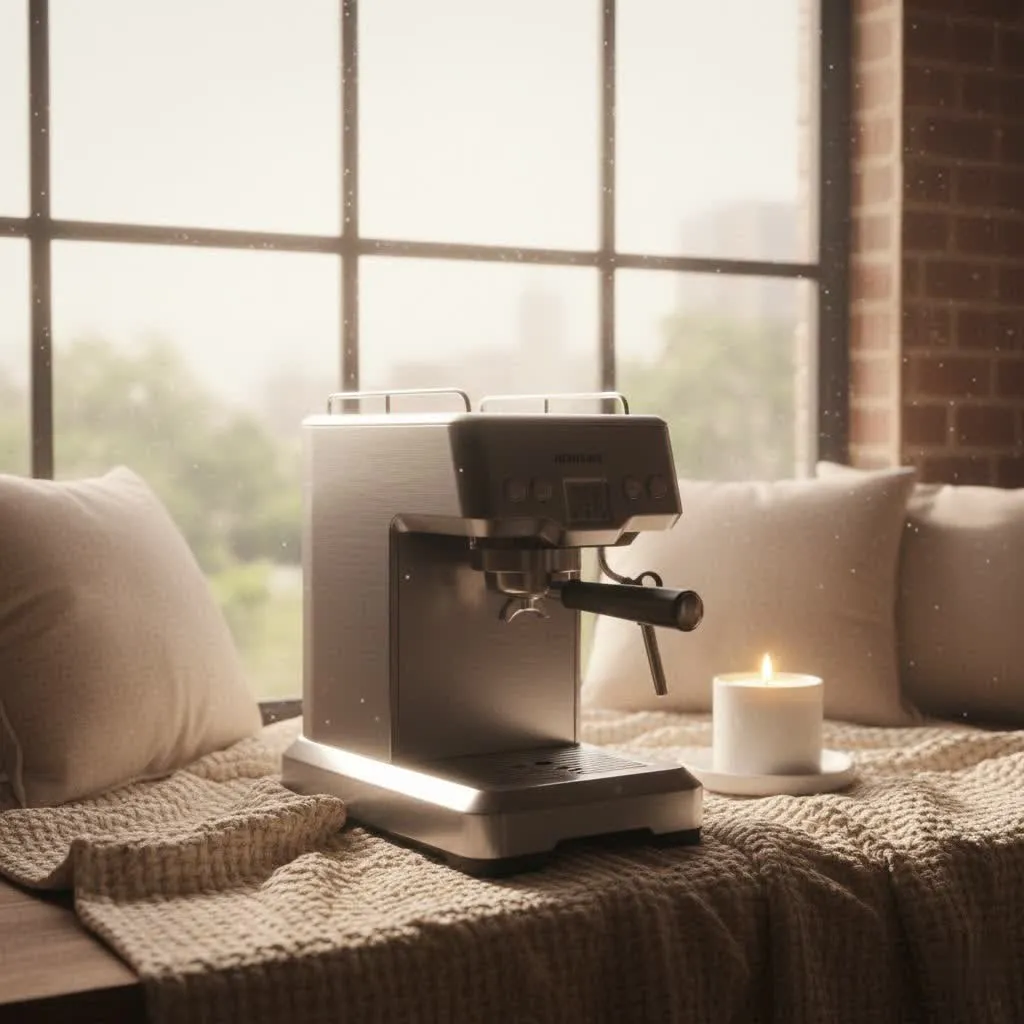
An espresso machine is a specialized coffee maker designed to brew espresso by forcing near-boiling water under high pressure through finely-ground coffee beans. This process, known as percolation, extracts a concentrated, aromatic coffee shot topped with a rich, reddish-brown crema.
The history of espresso machines dates back to the early 20th century in Italy, continually evolving from bulky steam-driven devices to the sleek, sophisticated models we see today. These machines generally fall into several categories:
- Manual machines: Require the user to control all aspects of brewing.
- Semi-automatic machines: Offer a pump for pressure but give the user control over grind, tamp, and shot volume. Smeg largely operates in this space, providing a balance of user-friendliness and control.
- Automatic machines: Automatically control shot volume, but still require grinding and tamping.
- Super-automatic machines: Handle everything from grinding beans to frothing milk at the touch of a button. Smeg also offers fully automatic models for ultimate convenience.
Smeg espresso machines primarily shine in the semi-automatic category, making them an excellent choice for home baristas who appreciate both aesthetic appeal and a hands-on brewing experience.
Important Components of a Smeg Espresso Machine
Understanding the core components of your Smeg espresso machine will help you appreciate its functionality and maintain it for years to come.
- Pump: Smeg espresso machines typically feature a 15-bar pressure pump. This high pressure is crucial for extracting the rich flavors and iconic crema from your coffee grounds, ensuring a robust and authentic espresso shot.
- Thermoblock Heating System: Instead of a traditional boiler, many Smeg models utilize a thermoblock heating system. This design allows for rapid heating, meaning your machine is ready to brew in just a couple of minutes. Some advanced models may even feature a dual thermoblock system, which can heat water for brewing and steam simultaneously, or adjustable PID control for stable temperatures.
- Grouphead: This is where the portafilter locks into place, and hot water is dispensed over the coffee grounds. Smeg machines are designed for home use, often with a standard grouphead size that accommodates their included portafilters.
- Portafilter: This detachable handle holds the coffee basket where ground coffee is placed. Smeg machines usually come with sturdy, weighty portafilters, often including both single and double shot filter baskets, or even specialized filters for ESE pods.
- Steam Wand: Integral for milk-based drinks, the steam wand on Smeg machines is used to froth and steam milk for cappuccinos and lattes. While some earlier models or entry-level units might have shorter wands that can be a bit fiddly, newer iterations like the ECF02 often feature upgraded, more professional-style wands that offer better maneuverability. They typically come with two intensity settings and can also dispense hot water.
The materials used, such as glossy metal housing or molded plastic, contribute to both the machine’s durability and its distinctive aesthetic. While robust components are essential, Smeg’s design philosophy ensures that these parts are encased in a stylish package.
How to Choose Your Smeg Espresso Machine
Selecting the perfect Smeg espresso machine involves balancing your coffee habits, budget, and design preferences.
Determine Your Usage Needs
Consider how often you’ll be making coffee and for whom.
- Frequency: Daily coffee drinkers might benefit from features that streamline the process, like quick heat-up times.
- Number of users: A household of one might prefer a more compact machine, while a larger family could benefit from a machine with a generous water tank capacity.
- Favorite coffee type: If you primarily enjoy espresso, a basic model might suffice. However, if lattes and cappuccinos are your go-to, a machine with a capable steam wand is essential. Many Smeg machines, even entry-level ones, are praised for their ability to make good milk-based drinks once mastered.
|
Our Picks for the Best Espresso Machine in 2026
As an Amazon Associate I earn from qualifying purchases.
|
||
| Num | Product | Action |
|---|---|---|
| 1 | Breville Barista Express Espresso Machine BES870BSXL, Black Sesame |

|
| 2 | Gevi Commercial Espresso and Coffee Makers, Professional 20 Bar Espresso Maker with Milk Frother, Stainless Steel Expresso Coffee Machines for Home, Compact Cappuccino Machine, Great Gift |
|
| 3 | Gaggia Classic Evo Pro - Espresso Machine Jungle Green |
|
| 4 | CASABREWS 3700 Essential Espresso Machine 20 Bar, Stainless Steel Cappuccino & Latte Machine with Steam Frother for Home, 43.9oz Water Tank, Coffee Gift for Women & Men, Silver |
|
| 5 | CASABREWS CM5418 Espresso Machine 20 Bar, Compact Espresso Maker with Steam Milk Frother, Stainless Steel Coffee Machine with 34oz Removable Water Tank for Cappuccino, Gift for Women or Men, Silver |
|
| 6 | Breville Barista Express Impress Espresso Machine BES876BSS, Brushed Stainless Steel |
|
| 7 | Breville Bambino Espresso Machine BES450BSS, Brushed Stainless Steel |
|
| 8 | De'Longhi Stilosa Manual Espresso Machine, Compact Coffee Maker, 15 Bar Pump Pressure, Manual Milk Frother Steam Wand for Authentic Single & Double Espresso, Lattes & Cappuccinos, Tamper Included |
|
| 9 | Ninja Luxe Café 3-in-1 Espresso, Drip Coffee and Cold Brew Machine - Integrated Coffee Grinder, Milk Frother, Assisted Tamper & Built-In Espresso Accessory Storage - Stainless Steel - ES601 |
|
| 10 | Breville Barista Express Espresso Machine BES870XL, Brushed Stainless Steel |
|
Budget
Smeg espresso machines are generally positioned at a premium price point, often due to their iconic design.
- Price Segments: You’ll find models ranging from entry-level (around $500-$600 for the ECF01/ECF02) to higher-end machines with integrated grinders (like the EGF03, which can exceed $1,000).
- Long-term Investment: While the initial cost can feel significant, many users consider it a worthwhile investment, especially if it replaces frequent coffee shop visits. However, it’s important to acknowledge that a portion of the price pays for the design aesthetic rather than purely advanced features when compared to competitors.
Important Features
Beyond the basic components, specific features can enhance your brewing experience.
- Pump Pressure (bar): Smeg machines consistently offer a 15-bar pump, which is standard for quality espresso extraction. Some fully automatic models might offer up to 19 bars.
- Boiler/Thermoblock Capacity: Smeg’s thermoblock system ensures fast heat-up. A larger water tank (e.g., 81.5 ounces or 2.4 liters) reduces the frequency of refills.
- Temperature Control: Some Smeg models, particularly the ECF02, offer adjustable coffee temperature settings and PID control for stable brewing temperatures, giving you more control over your espresso’s flavor profile.
- Automatic Functions: The ECF02, for example, offers four espresso size options (single, long, double), adding convenience for different preferences. Fully automatic Smeg machines take this a step further with one-touch beverage selection.
Reputable Brands
Smeg is a well-established Italian family-owned company known for high-quality, design-led appliances since 1948.
- Design Focus: Smeg’s reputation primarily rests on its distinct 1950s retro aesthetic, offering a wide array of vibrant colors that make their appliances a focal point in any kitchen.
- Warranty and Support: Always check the warranty provided and the availability of customer service. Smeg generally has a good reputation for responsive support.
Comparing Popular Smeg Espresso Machine Models (Comparison Table)
Smeg offers a few distinct espresso machine models, each with specific features and price points. Here’s a comparison of their most popular semi-automatic offerings:
| Feature | Smeg ECF01 Espresso Machine | Smeg ECF02 Espresso Machine | Smeg EGF03 Espresso Machine with Grinder |
|---|---|---|---|
| Price Range | Mid-range (approx. $500-$600) | Mid-range (approx. $500-$600) | High-end (approx. $1000+) |
| Integrated Grinder | No | No | Yes |
| Design/Size | Compact, lightweight, slim design. Classic retro look. | Bolder, curvier shape than ECF01. Still retro, but can be less compact. | Bulky, statement piece. Integrated grinder adds to size. |
| Steam Wand | Shorter, can be fiddly. Good for beginners but less advanced. | Upgraded, more professional-style, better maneuverability. Still somewhat short. | Excellent steam wand, praised for performance. |
| User-friendliness | Very user-friendly, simple controls, good for beginners. | User-friendly, upgraded control panel, more straightforward navigation. | Easy user experience, but shot programming can be frustrating. |
| Customization | Limited adjustable settings. | Adjustable coffee temperature and four espresso size options. | Customizable shot options (short, long, progressive). |
| Build Quality | Exterior includes molded plastic, can feel less robust than expected for price. | Sturdy, but some exterior plastic elements. Weighty portafilter. | Premium construction, solid materials. |
| Included Accessories | Portafilter, plastic tamper/scoop. | Portafilter, tamper, scoop. | Portafilter, milk steaming pitcher, high-quality tamper. |
| Pros | Great entry-level, compact, timeless design, makes good espresso. | Improved design & functionality over ECF01, good for beginners, rich espresso. | Stylish design, excellent espresso & steam, integrated grinder. |
| Cons | Pricey for features, plastic tamper, short steam wand, limited settings. | Still pricey for performance, no milk jug included, can be bulky, short steam wand. | Very expensive, bulky, programming can be complex, may be loud. |
| Best For | Beginners, small spaces, design-conscious users on a tighter budget. | Users upgrading from ECF01, those wanting more control, design enthusiasts. | Serious home baristas who prioritize convenience, design, and performance. |
The ECF01 is ideal for those new to espresso or with smaller kitchens, prioritizing aesthetics and straightforward operation. The ECF02 offers a significant upgrade in user experience and control, making it a strong contender for those wanting more refined home espresso. For ultimate convenience and a complete all-in-one solution, the EGF03 combines Smeg’s signature style with an integrated grinder, albeit at a considerable investment.
Using and Maintaining Your Smeg Espresso Machine
Proper use and regular maintenance are key to enjoying delicious coffee and ensuring the longevity of your Smeg espresso machine.
Preparation
Getting your machine ready before each use can make a big difference in your coffee quality.
- Proper Installation: Ensure the machine is placed on a flat, dry surface with adequate ventilation (at least 3cm clearance on sides/rear, 15cm above).
- Choose the Right Coffee: The quality and freshness of your coffee beans are paramount. Smeg machines, like most espresso makers, are sensitive to grind size. A grind that’s too fine can lead to slow extraction and bitter coffee, while too coarse can result in weak, watery shots.
- Warm Up the Machine: Always allow your machine to warm up completely before brewing. Smeg’s thermoblock system heats up quickly, usually in about two minutes. Running a blank shot (without coffee) through the portafilter can also pre-heat your cups and the brewing components, ensuring optimal temperature stability.
Brewing Espresso
Mastering the art of espresso takes practice, but Smeg machines make the process accessible.
- Fill the Water Tank: Ensure the removable water tank is filled with fresh, filtered water up to the MAX level. Never operate the machine without water.
- Grind and Tamp: Grind your fresh beans to a fine consistency. Fill the portafilter basket and tamp the grounds evenly and firmly. A quality metal tamper (often an additional purchase) is recommended over the included plastic ones for consistent tamping pressure.
- Lock in the Portafilter: Securely attach the portafilter to the grouphead.
- Brew: Place your cup(s) under the spout. Select your desired espresso shot option (single, double, or a programmed long shot on ECF02/EGF03). The machine will dispense hot water under pressure to brew your espresso. For best results, aim for an extraction time of 20-30 seconds for a double shot.
- Adjusting for Best Flavor: Experiment with grind size, coffee dose, and shot volume to find your preferred taste. The ECF02’s adjustable temperature settings also provide additional control.
Cleaning the Machine
Regular cleaning prevents residue buildup and maintains taste quality.
- Daily Cleaning:
- Drip Tray: The drip tray, often equipped with a red float indicator, should be emptied and cleaned daily. Remove the cup holder tray, then the drip tray, empty, clean, and dry thoroughly.
- Portafilter and Baskets: After each use, knock out the used coffee grounds (puck). Rinse the portafilter and filter basket under running water. Use a brush or pin to clear any blocked holes in the basket.
- Steam Wand: This is critical. Immediately after frothing milk, wipe the steam wand with a damp cloth to remove any milk residue. Briefly purge the wand by turning on the steam for a second or two to clear any internal milk buildup. Failure to do so can lead to clogs and poor performance.
- Periodic Cleaning:
- Grouphead Rinsing: After approximately 200 coffees, or if you notice slow flow, rinse the dispensing unit by running about half a liter of water through it without a portafilter or coffee.
- Descaling: This is vital for machine longevity, especially in areas with hard water. Your Smeg machine will signal when descaling is needed (e.g., an orange flashing steam button on ECF01, or the double espresso button on EGF03). Use a Smeg-recommended descaling solution and follow the instructions in your manual. The process typically involves filling the water tank with the descaling solution, placing containers under the brew group and steam wand, and running a descaling cycle until the machine signals completion. Afterward, thoroughly rinse the tank and run several cycles with fresh water.
- Water Filter (if applicable): If your machine uses a charcoal water filter, replace it according to the manufacturer’s recommendations.
Common Issues and How to Fix Them
Even stylish Smeg machines can encounter issues. Here are some common problems and troubleshooting tips:
- Machine Not Heating:
- Check power: Ensure it’s properly plugged in and the outlet is working.
- Water level: Verify the water reservoir is sufficiently filled.
- Thermoblock issue: If it’s not heating at all despite power and water, there might be a fault with the thermoblock, which usually requires professional repair.
- Weak Pressure/Coffee Flowing Slowly:
- Grind size: Your coffee grind might be too fine, causing over-extraction and restricted flow. Try a coarser grind.
- Tamping: You might be tamping too hard.
- Clogged filter basket: Clean the filter basket thoroughly to ensure holes are not blocked.
- Descaling needed: Mineral buildup can significantly reduce pressure. Check if the descaling indicator light is on and perform a descaling cycle.
- Coffee Not Brewing:
- Water in reservoir: The most common cause is an empty water tank.
- Filter basket seating: Ensure the filter basket is correctly seated in the portafilter and the portafilter is locked properly into the grouphead.
- Descaling: A heavily scaled machine may prevent brewing altogether.
- Machine Leaking Water:
- Water tank: Check if the water reservoir has any cracks or is not seated correctly.
- Drip tray: Ensure the drip tray is not overflowing and is positioned correctly.
- Internal tubing: If the leak appears internal or persistent, there might be a loose or damaged tube. This often requires professional inspection.
- Coffee Tastes Off:
- Stale coffee: Always use fresh coffee beans.
- Dirty machine: Old coffee oils and residues can accumulate and impart a bitter or stale taste. Perform a thorough cleaning, including the grouphead, portafilter, and reservoir.
- Water quality: Use filtered water and check if your water filter needs changing.
- Steam Wand Issues (Low/No Steam, Excessive Noise):
- Clog: The most frequent cause is a clogged steam wand tip due to dried milk. Clean it immediately after each use. Use a pin to clear the exit hole if necessary.
- Heating element: If no steam despite proper cleaning, the steaming element might be faulty.
- Noise: Some Smeg models are noted to be quite noisy during steaming. While some noise is normal, excessive, unusual sounds could indicate a pump or valve issue.
For complex issues, or if simple troubleshooting doesn’t work, it’s best to consult your Smeg user manual for specific error codes or contact Smeg customer service.
Where to Buy Smeg Espresso Machines
Smeg espresso machines are readily available through various channels, allowing you to choose the most convenient option for your purchase.
- Authorized Retailers: Major appliance stores and department stores often carry Smeg products. Shopping at authorized retailers ensures you receive a genuine product, full warranty coverage, and access to customer support. You can physically see the machine, check its size, and sometimes even get demonstrations.
- Online Stores: Websites of authorized retailers, as well as large e-commerce platforms like Amazon, are popular choices. Buying online offers convenience, a wider selection of colors, and often competitive pricing or promotional deals. Always ensure you are purchasing from a reputable seller with good reviews to avoid counterfeit products or issues with warranty claims.
- Manufacturer’s Website: Smeg’s official website is a reliable source for purchasing their machines directly. This guarantees authenticity and often provides detailed product information and support.
- Used Machines: While buying a used Smeg espresso machine might offer cost savings, it comes with risks. The warranty is usually void, and you might not know the machine’s maintenance history. If considering a used machine, thoroughly inspect it for damage, check its functionality, and factor in potential repair costs. It’s generally recommended for those comfortable with appliance repair or who can verify the machine’s condition firsthand.
Smeg Espresso Machine Buying Guide (Detailed Guidance)
Beyond the technical specifications, several practical factors should influence your final decision when investing in a Smeg espresso machine.
Factors to Consider Before Purchase
Thinking about these points will help you integrate your new machine seamlessly into your home.
- Power Source: Ensure your kitchen countertop has an accessible and appropriate power outlet for the machine.
- Kitchen Space: Smeg machines are known for their distinctive shapes. While the ECF01 is compact, the ECF02’s curvier design or the EGF03’s integrated grinder can make them quite bulky. Measure your available counter space, including overhead cabinet clearance, to ensure the machine fits comfortably.
- Noise Level: Espresso machines, especially during grinding (if integrated) and steaming, can be noisy. While Smeg’s aesthetic is quiet, the operational noise, particularly from the steam wand, is noted by some reviewers. If noise is a significant concern for your household, consider looking for specific decibel ratings in detailed reviews.
Essential Accessories
Many Smeg espresso machines do not come with all the accessories you might need, especially for milk-based drinks.
- Tamper: While Smeg machines usually include a tamper (often plastic, especially with ECF01), a high-quality stainless steel tamper can greatly improve consistency in tamping pressure, leading to better espresso extraction. This is a highly recommended upgrade.
- Milk Frothing Pitcher: If you plan on making lattes or cappuccinos, a stainless steel milk frothing pitcher is essential and typically not included with the ECF01 or ECF02.
- Coffee Grinder: Unless you opt for the EGF03 with its integrated grinder, you’ll need a separate coffee grinder. A good quality burr grinder is crucial for achieving the consistent, fine grind required for espresso. Pre-ground coffee is rarely ideal for espresso machines.
- Knock Box: A convenient container to dispose of used coffee pucks.
- Cleaning Supplies: Specialized descaling solution, a grouphead brush, and microfiber cloths will help maintain your machine.
Reading Reviews and Comparing Prices
Given Smeg’s premium pricing, thorough research is advisable.
- User Reviews: Dive into comprehensive user reviews and expert assessments. Pay close attention to feedback regarding espresso quality, ease of use, steam wand performance, and long-term durability. Many reviewers emphasize that with Smeg, you’re paying a premium for the aesthetic.
- Price Comparison: Compare prices across different retailers. Keep an eye out for sales or bundles that might include essential accessories, as these can offer better overall value. Remember, while some machines might offer similar performance for less, they might lack the unique design appeal of a Smeg.
> “The Smeg espresso machine is a fantastic entry point for anyone looking to combine beautiful design with the joy of crafting their own coffee at home. It’s a statement piece that truly makes your morning ritual more meaningful.” – Kayti Christian, Reviewer at The Good Trade
Conclusion
The Smeg espresso machine offers a compelling package for those who desire a blend of iconic 1950s style and quality home espresso. While often commanding a premium for its design, it consistently delivers good espresso and, particularly with models like the ECF02 and EGF03, provides increasingly refined features for the home barista. It’s an ideal choice for beginners and design enthusiasts who value aesthetics as much as a flavorful cup. By understanding its components, choosing the right model for your needs, and committing to proper maintenance, your Smeg espresso machine can be a lasting centerpiece in your kitchen, transforming your daily coffee into a delightful experience.
Are you ready to bring the classic Italian café experience into your home with a touch of Smeg’s unparalleled style?
Frequently Asked Questions
Is a Smeg espresso machine worth the investment?
A Smeg espresso machine is a worthwhile investment for individuals who prioritize aesthetic appeal and a user-friendly experience. While its price can be higher than competitors offering similar technical specifications, the cost reflects its distinctive retro design and brand reputation. It’s particularly recommended for home baristas and beginners who appreciate style as much as good quality espresso, offering a delightful blend of form and function for daily use.
What is the difference between Smeg ECF01 and ECF02 models?
The Smeg ECF02 is an updated version of the ECF01, featuring a more modern, curvier design, an upgraded control panel, and an enhanced steam wand for improved functionality. While both offer a 15-bar pump and thermoblock heating, the ECF02 provides additional espresso options and more user-friendly controls, making it a more refined experience compared to its predecessor.
Do Smeg espresso machines come with a built-in grinder?
Most Smeg semi-automatic espresso machines, such as the ECF01 and ECF02, do not come with a built-in grinder. For these models, you will need to purchase a separate burr grinder to ensure fresh, precisely ground coffee. However, Smeg does offer specific models like the EGF03, which includes an integrated coffee grinder for an all-in-one brewing solution.
How often should I descale my Smeg espresso machine?
You should descale your Smeg espresso machine when the dedicated indicator light flashes, which typically signals mineral buildup. The frequency depends on your water hardness and usage, but generally, it’s recommended every 2-3 months or as prompted by the machine. Regular descaling is crucial for maintaining performance, preventing clogs, and ensuring the longevity of your machine.
Can I use coffee pods with a Smeg espresso machine?
Yes, many Smeg espresso machine models are compatible with Easy Serving Espresso (ESE) pods. These pre-packaged coffee pods offer a convenient alternative to using ground coffee, allowing for quicker and less messy espresso preparation. Always check your specific model’s specifications to confirm ESE pod compatibility.
