Stepping into the world of home espresso is a journey for the senses, transforming your kitchen into a personal café. For many enthusiasts, the dream of crafting barista-quality drinks at home often begins with finding the right espresso machine. But with a dizzying array of models and price points, navigating the market, especially during a sale, can feel overwhelming. This comprehensive guide is designed to cut through the noise, helping you understand the intricacies of espresso machines and how to strategically leverage sales events to bring home your ideal brewing companion without breaking the bank.
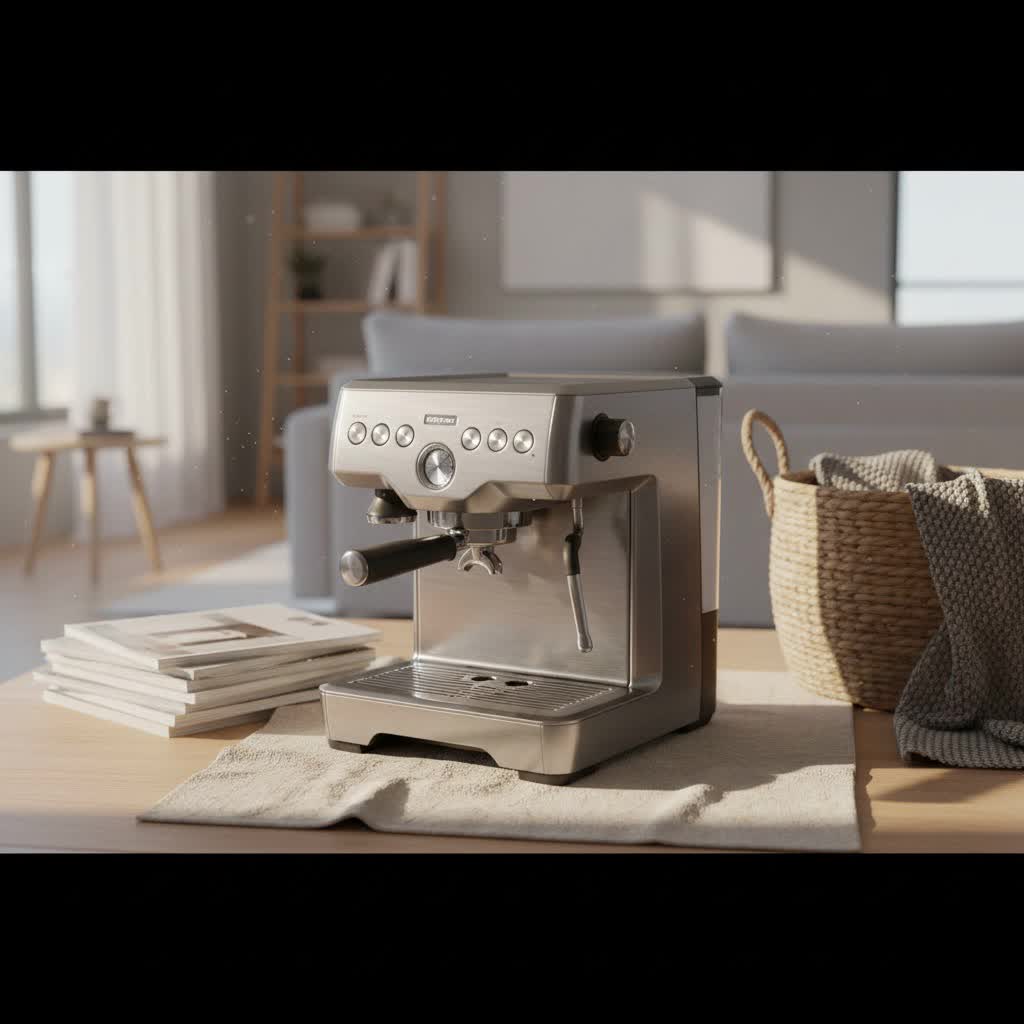
What is an Espresso Machine?
An espresso machine is a specialized coffee maker designed to force hot, pressurized water through finely-ground coffee beans, producing a concentrated shot known as espresso. This innovative brewing method, originating in Italy in the early 20th century, extracts rich flavors, oils, and aromas, characterized by a distinctive layer of reddish-brown foam called crema. Over the decades, these machines have evolved significantly, moving from purely manual levers to sophisticated automatic systems that cater to every preference.
Today, espresso machines broadly fall into three main categories:
- Manual (Lever) Espresso Machines: These machines require the user to physically pull a lever to build and apply pressure, offering ultimate control over the extraction process. They appeal to traditionalists and purists who enjoy the hands-on artistry of espresso making, aiming to recreate a classic Italian shot rich in crema.
- Semi-Automatic Espresso Machines: Representing a popular balance between control and convenience, semi-automatic machines use a pump to generate pressure, while the user manages grinding, tamping, and steaming milk. They are often considered the most accessible way to achieve café-quality drinks at home, providing significant control over the shot’s characteristics by allowing adjustments to the grind and recipe.
- Super-Automatic Espresso Machines: Designed for maximum convenience, super-automatic machines handle virtually every step of the brewing process at the touch of a button—from grinding whole beans to pulling a shot and even frothing milk automatically. They are ideal for those who prioritize ease of use and speed over the detailed customization offered by manual or semi-automatic models.
Key Components of an Espresso Machine
Understanding the essential parts of an espresso machine is crucial, especially when evaluating different models during an espresso machine sale. Each component plays a vital role in the brewing process and overall performance.
- Pump: The pump is the heart of any non-manual espresso machine, responsible for generating the high pressure needed for extraction.
- Vibratory Pumps are common in many home machines. They are generally more affordable and last about 5-10 years, depending on usage, but can be louder.
- Rotary Pumps are found in higher-end or commercial machines. They are significantly quieter and more durable but add to the machine’s cost.
- Boiler: This component heats the water used for brewing and steaming. Different configurations impact workflow and temperature stability.
- Single Boiler (SB) Machines use one boiler for both brewing and steaming. This means you’ll typically have to wait for the boiler to reach steaming temperature after brewing a shot, which can be less efficient for milk-based drinks. These machines are often smaller, more budget-friendly, and ideal for straight espresso drinkers or those with limited space.
- Heat Exchanger (HX) Machines feature a single boiler that maintains steam temperature, with a heat exchange tube running through it to heat brew water. This design allows for simultaneous brewing and steaming, offering greater efficiency. However, they may require a “cooling flush” before brewing to achieve optimal shot temperature.
- Dual Boiler (DB) Machines are equipped with two independent boilers—one dedicated to brewing and one for steaming. This configuration provides superior temperature stability for both functions, allowing for simultaneous espresso extraction and milk frothing without compromise. Dual boiler machines often offer advanced features and a more commercial feel.
- Grouphead: This is where the hot water exits the machine and interacts with the coffee grounds in the portafilter.
- Saturated Groupheads are directly connected to the boiler, ensuring excellent temperature stability, often seen in commercial-grade machines.
- Semi-Saturated Groupheads are separated from the boiler, using a heat exchange mechanism to circulate water. They are generally easier to repair.
- E61 Groupheads are easily recognizable by their external, chrome-plated design. They are renowned for their thermal stability due to continuous water circulation and are compatible with advanced features like flow control.
- Portafilter: This detachable handle holds the coffee grounds during extraction. While 58mm is a commercial standard, machines with 54mm (e.g., Breville) or 53mm portafilters are also common and can produce excellent results, as long as you have the correct accessories.
- Steam Wand: Essential for milk-based drinks, the steam wand delivers hot steam to froth milk into a creamy microfoam. Insulated “no-burn” wands are a premium feature that enhances safety and ease of cleaning.
- PID (Proportional-Integral-Derivative) Temperature Control: A PID controller is an electronic system that precisely regulates and displays the boiler temperature. This feature is vital for brewing consistency, as even minor temperature fluctuations can impact the taste of your espresso. Many PIDs also double as shot timers and offer programmable features like auto on/off times.
Your Guide to Choosing an Espresso Machine
Selecting an espresso machine, especially when eyeing a sale, requires careful consideration of your personal needs and preferences.
Determine Your Needs
Before diving into an espresso machine sale, honestly assess how you plan to use the machine.
- Usage Frequency: Will you be making one shot a day or multiple drinks for a family or small gathering? A single boiler might suffice for occasional use, while a dual boiler or heat exchanger would be better for high-volume use.
- Number of Users: Are you brewing just for yourself or for several people? This impacts the importance of simultaneous brewing and steaming capabilities.
- Favorite Drinks: Do you primarily drink straight espresso, or are you a fan of milk-based beverages like lattes and cappuccinos? If you love milk drinks, a machine with robust steaming power and the ability to steam and brew simultaneously will be a priority.
|
Our Picks for the Best Espresso Machine in 2026
As an Amazon Associate I earn from qualifying purchases.
|
||
| Num | Product | Action |
|---|---|---|
| 1 | CASABREWS CM5418 Espresso Machine 20 Bar, Compact Espresso Maker with Steam Milk Frother, Stainless Steel Coffee Machine with 34oz Removable Water Tank for Cappuccino, Gift for Women or Men, Silver |

|
| 2 | Gevi Commercial Espresso and Coffee Makers, Professional 20 Bar Espresso Maker with Milk Frother, Stainless Steel Expresso Coffee Machines for Home, Compact Cappuccino Machine, Great Gift |
|
| 3 | Gaggia Classic Evo Pro - Espresso Machine Jungle Green |
|
| 4 | Breville Barista Express Impress Espresso Machine BES876BSS, Brushed Stainless Steel |
|
| 5 | De'Longhi Stilosa Manual Espresso Machine, Compact Coffee Maker, 15 Bar Pump Pressure, Manual Milk Frother Steam Wand for Authentic Single & Double Espresso, Lattes & Cappuccinos, Tamper Included |
|
| 6 | CASABREWS 3700 Essential Espresso Machine 20 Bar, Stainless Steel Cappuccino & Latte Machine with Steam Frother for Home, 43.9oz Water Tank, Coffee Gift for Women & Men, Silver |
|
| 7 | Breville Barista Express Espresso Machine BES870BSXL, Black Sesame |
|
| 8 | Breville Barista Express Espresso Machine BES870XL, Brushed Stainless Steel |
|
| 9 | Breville Bambino Espresso Machine BES450BSS, Brushed Stainless Steel |
|
| 10 | Ninja Luxe Café 3-in-1 Espresso, Drip Coffee and Cold Brew Machine - Integrated Coffee Grinder, Milk Frother, Assisted Tamper & Built-In Espresso Accessory Storage - Stainless Steel - ES601 |
|
Set Your Budget
Budgeting is a critical first step. Espresso machines span a wide price range, and generally, you get what you pay for in terms of build quality, features, and longevity. Remember to allocate funds not just for the machine, but also for crucial accompanying equipment:
- Entry-level (Under $500): Often single-boiler semi-automatics or basic super-automatics. May lack advanced temperature control or robust steaming power.
- Mid-range ($500 – $1,500): Typically semi-automatic machines with better components, PIDs, and potentially heat exchangers. Offers a good balance of features and performance.
- High-end ($1,500+): Dual boiler machines, E61 groupheads, advanced PIDs, and commercial-grade components. Offers superior control, durability, and simultaneous functions.
Don’t forget to budget for a quality grinder and a scale, as these are as important as the machine itself for achieving excellent espresso.
Essential Features to Prioritize
While a sale might tempt you with a lower price, ensure the machine still offers the features important for your desired coffee experience.
- Pump Pressure: Most machines advertise 15 bars, but ideally, you want 9 bars of pressure at the grouphead for optimal extraction.
- Boiler Configuration: If you plan on making milk drinks often, a Heat Exchanger or Dual Boiler will significantly improve your workflow.
- Temperature Control (PID): A PID controller ensures consistent brewing temperatures, leading to more flavorful and predictable espresso shots.
- Automatic Features: For convenience, consider volumetric programmability (auto-stops shots) or full super-automatic functionality if you prefer minimal involvement.
Reputable Brands
Focusing on established brands often guarantees better quality, reliability, and customer support. Look for reviews and warranty information, even on sale items.
- Breville: Known for user-friendly, feature-rich home machines (e.g., Barista Express, Bambino Plus) that often include integrated grinders.
- Gaggia: Offers a range from classic entry-level machines to more advanced models, celebrated for their durability and moddability.
- DeLonghi: Popular for super-automatic machines that prioritize convenience and a wide variety of drink options.
- Rancilio: Well-regarded for their robust, commercial-grade components even in home machines (e.g., Silvia).
- Profitec, ECM, La Marzocco: Higher-end brands known for exceptional build quality, advanced features, and outstanding performance, often appealing to serious enthusiasts.
Navigating Espresso Machine Sales
Finding an espresso machine on sale can significantly reduce the investment required, making high-quality brewing more accessible. Knowing when and where to look is key.
When to Look for Sales
Espresso machines, like many appliances, often go on sale during specific periods throughout the year.
- Black Friday and Cyber Monday: These late November events are consistently the biggest sales periods, offering substantial discounts across many retailers and brands. You can often find deals saving hundreds of dollars during this time.
- Major Holidays: Keep an eye out for sales around other holidays such as Christmas, New Year’s, Memorial Day, Labor Day, and Amazon Prime Day. Retailers often run promotions to clear inventory or attract holiday shoppers.
- Seasonal Sales: The beginning of spring or end of summer can sometimes bring unexpected clearances as new models are introduced.
Where to Find the Best Deals
The hunt for a discounted espresso machine takes you to various online and physical locations.
- Online Retailers: Websites like Whole Latte Love, Seattle Coffee Gear, Clive Coffee, and Prima Coffee are known for their regular promotions and extensive selections. These sites often feature dedicated “sale” or “deals” sections.
- Brand Websites: Official brand sites (e.g., Breville.com, Delonghi.com) frequently offer direct discounts, sometimes bundling machines with accessories or coffee beans. For instance, Breville might offer up to $300 off select models or 25% off fresh beans with a machine purchase.
- Open Box and Refurbished Sales: Many specialty retailers offer “open box” or “certified pre-owned” machines at a significant discount. These are often returns or display models that have been inspected and restored to like-new condition, presenting excellent value. Always verify the warranty terms for such purchases.
- Local Second-Hand Marketplaces: For high-end machines, checking local second-hand markets or forums (like Reddit’s r/espresso) can sometimes uncover exceptional deals on lightly used or well-maintained equipment [cite: 2 search result].
What Kinds of Deals to Expect
Sales aren’t just about direct price drops; they can come in various forms designed to add value.
- Direct Price Reductions: The most common type of sale, where the machine’s price is simply lowered for a promotional period. Breville has recently offered $300 off their Barista Touch™ Impress and $150 off the Barista Express® Impress.
- Bundle Deals: Retailers often pair an espresso machine with essential accessories like a grinder, tamper, or milk pitcher, offering a combined discount that’s greater than buying items separately.
- Free Gifts: Sometimes, purchasing a specific machine might come with a valuable free accessory, such as a flow control device for compatible machines [cite: 1 search result].
- Loyalty Programs and Email Subscriptions: Signing up for retailer email lists can give you early access to sales or exclusive discount codes.
Popular Models Often on Sale
Certain models from reputable brands are frequently featured in sales, making them excellent targets for savvy shoppers.
- Breville: The Bambino Plus (often around $499.95), Barista Express Impress (often $150 off), and Barista Touch Impress (often $300 off) are popular choices that see recurring discounts.
- DeLonghi: Several Magnifica and La Specialista models, particularly super-automatics like the Magnifica Evo, are commonly part of promotional sales [cite: 1 search result].
- Gaggia: The Gaggia Classic Evo Pro is a favorite among enthusiasts for its robust build and moddability, and it’s sometimes available with significant savings [cite: 1 search result].
Smart Shopping Strategies During a Sale
A sale is an opportunity to save money, but it’s also a time to be an informed buyer. Don’t let the allure of a discount lead to a suboptimal purchase.
- Research Beforehand: Know the regular price of the machine you’re interested in. A “sale” price isn’t always the best deal if it’s still higher than a competitor’s standard pricing or a previous promotion.
- Prioritize a Good Grinder: It cannot be stressed enough: a high-quality espresso grinder is arguably more important than the machine itself for consistent, delicious espresso. Even if a machine is on sale, ensure your overall budget allows for a capable grinder. Many tech support calls from new home baristas stem from using inadequate grinders or pre-ground coffee.
- Check Warranty and Return Policies: This is especially crucial for open-box, refurbished, or final sale items. Understand what’s covered and for how long. Reputable retailers and brands generally offer solid warranties, even on sale products.
- Compare Features, Not Just Price: Ensure the discounted machine meets your core needs in terms of boiler type, temperature control, and desired automation. A cheaper machine that doesn’t fit your workflow will lead to frustration, not satisfaction.
- Read Reviews: Leverage the experiences of other users. Reviews can provide insights into a machine’s real-world performance, common quirks, and long-term durability, helping you make an informed decision.
How to Use and Maintain Your Espresso Machine
Once you’ve secured your perfect espresso machine on sale, proper usage and diligent maintenance are key to enjoying years of delicious coffee.
Preparation
- Proper Setup: Follow the manufacturer’s instructions for initial setup, including flushing the system and filling the water reservoir.
- Choose the Right Coffee: Freshly roasted, high-quality coffee beans are paramount. The roast level and freshness greatly impact flavor.
- Grind Finer, Not Coarser: For espresso, a very fine, consistent grind resembling powdered sugar is necessary. Adjust your grinder in small increments to achieve the ideal flow rate during extraction.
- Warm Up Your Machine: Always allow your machine to fully heat up before brewing. This ensures temperature stability for optimal extraction and hot serving temperatures. Many machines benefit from running a blank shot of hot water through the grouphead and portafilter to pre-warm them.
Brewing Espresso
While steps vary by machine type, the general process for semi-automatic machines involves:
- Grinding: Grind fresh beans just before brewing.
- Dosing: Measure the correct amount of ground coffee into your portafilter basket (e.g., 18-20g for a double shot).
- Tamping: Press the grounds firmly and evenly into a level puck using a tamper.
- Locking In: Insert the portafilter into the grouphead.
- Extracting: Start the pump and observe the shot. Aim for a stream that looks like warm honey, lasting 25-30 seconds for a typical double shot (approx. 36-40g yield). Adjust grind size if the shot is too fast or too slow.
Cleaning and Maintenance
Regular cleaning is crucial for taste and longevity.
- Daily Cleaning: After each use, wipe down the steam wand with a damp cloth. Backflush the grouphead (with or without a cleaning tablet, depending on usage). Empty and rinse the drip tray and water reservoir.
- Weekly/Bi-Weekly Cleaning: Perform a thorough backflush with a specialized espresso cleaning tablet to remove coffee oils. Clean the portafilter and baskets.
- Monthly/Quarterly Descaling: Descaling removes mineral buildup (limescale) from the boiler and water paths. Use a food-safe descaling solution, following your machine’s instructions. Frequency depends on water hardness. Many brands, like Breville, offer their own cleaning supplies to protect your appliance and ensure peak performance.
Common Issues and Troubleshooting
Even the best espresso machines can encounter occasional problems. Here are some common issues and how to address them:
- Machine Not Heating:
- Check: Power connection, switch, water reservoir level.
- Fix: Ensure adequate water; if boiler isn’t heating, it might be a component failure requiring professional service.
- Weak Pressure/Slow Flow:
- Check: Grind size (too fine), tamp pressure (too hard), dosage (too much coffee), scale buildup.
- Fix: Adjust grinder coarser, tamp lighter, reduce dose, descale the machine.
- Coffee Flows Too Fast:
- Check: Grind size (too coarse), tamp pressure (too light), dosage (too little coffee).
- Fix: Adjust grinder finer, tamp firmer, increase dose.
- Machine Leaking Water:
- Check: Gaskets (grouphead gasket, steam wand O-rings), hose connections, drip tray overflow.
- Fix: Inspect and replace worn gaskets, tighten connections. Minor leaks may be manageable, but persistent leaks might indicate a pump or internal component issue requiring professional repair.
For simple issues, self-troubleshooting can save time and money. However, for persistent problems or internal component failures, it’s best to consult a certified technician or the manufacturer’s support to avoid further damage.
Buying Guide: Detailed Considerations
Beyond the initial purchase during an espresso machine sale, several factors contribute to a fulfilling home espresso experience.
Beyond the Price Tag
While sales offer attractive prices, think about the long-term value and user experience.
- Build Quality and Materials: Machines with stainless steel bodies and commercial-grade components generally last longer and offer better temperature stability.
- Ease of Use vs. Control: Decide if you prefer the simplicity of a super-automatic or the hands-on control of a semi-automatic.
- Noise Level: Vibratory pumps are louder. If your kitchen is open-plan or you brew early mornings, a quieter rotary pump might be worth the investment.
- Counter Space: Espresso machines can be substantial. Measure your available kitchen space to ensure a comfortable fit.
Essential Accessories
To truly elevate your home espresso setup, you’ll need a few key accessories:
- Tamper: A good quality, heavy tamper (often 58mm) is essential for creating a perfectly level and consistent coffee puck. Many integrated tampers on entry-level machines are adequate, but an aftermarket one can improve consistency.
- Milk Pitcher: For milk-based drinks, a stainless steel milk pitcher is necessary for steaming and frothing milk.
- Espresso Scale: Crucial for precise dosing of coffee grounds (in grams) and measuring espresso yield (in grams) for consistent shots. A tenth of a gram can make a difference in taste.
- Knock Box: A convenient container to dispose of spent coffee pucks.
- Cleaning Supplies: Backflush detergent, descaling solution, and cleaning brushes are vital for maintenance.
- Water Filter: Good water quality significantly impacts taste and reduces limescale buildup, extending machine life.
Leverage Reviews and Price Comparisons
Before making your final purchase, especially during an espresso machine sale:
- Read User Reviews: Consult independent review sites and community forums (like Reddit) to gather diverse opinions on specific models. Look for insights into durability, ease of maintenance, and real-world performance.
- Compare Prices Across Retailers: Even during a sale, prices can vary between different stores. Use price comparison tools or browser extensions to ensure you’re getting the absolute best deal. Sign up for newsletters from multiple retailers to be notified of exclusive offers.
- Watch for Bundles and Promotions: Sometimes the best value isn’t a direct discount but a bundled offer that includes a grinder or essential accessories, saving you more in the long run.
Conclusion
Finding the perfect espresso machine, especially when it’s on sale, is an exciting endeavor that promises countless cups of café-quality coffee at home. By understanding the different types of machines, their crucial components, and the best strategies for navigating sales events, you empower yourself to make a smart, informed purchase. Remember to prioritize your needs, set a realistic budget that includes a quality grinder, and commit to regular maintenance to ensure your machine serves you well for years to come. With careful consideration and a keen eye for a good deal, your journey into the rich world of home espresso is just beginning. What will be the first specialty coffee creation you brew on your new machine?
Frequently Asked Questions
When are the best times to find espresso machine sales?
The best times to find espresso machine sales are typically during major holiday periods such as Black Friday, Cyber Monday, Christmas, and New Year’s. Retailers also often have seasonal promotions or flash sales throughout the year, so signing up for email newsletters can keep you informed.
Is it worth buying a refurbished espresso machine on sale?
Buying a refurbished espresso machine can offer significant savings, making higher-end models more accessible. It’s often worth it if the machine comes with a warranty from a reputable retailer or manufacturer, ensuring it has been professionally inspected and restored. Always check the specific warranty terms before purchasing.
How important is the grinder when buying an espresso machine on sale?
The grinder is critically important, often considered as vital as the espresso machine itself. A high-quality, consistent grind is essential for proper espresso extraction, flavor, and crema. Even a top-tier espresso machine will produce subpar results with a poor grinder or pre-ground coffee, so allocate a significant portion of your budget to it.
What are the key features to look for in an espresso machine if I primarily make milk-based drinks?
If you mainly enjoy milk-based drinks like lattes and cappuccinos, prioritize an espresso machine with a Heat Exchanger (HX) or, ideally, a Dual Boiler (DB) system. These configurations allow you to steam milk and pull espresso shots simultaneously, improving workflow and temperature stability for better milk texture. Also, look for a powerful steam wand.
Do espresso machine sales often include bundles with grinders or accessories?
Yes, many espresso machine sales, particularly during major promotional events, include bundle deals. These bundles might pair an espresso machine with a compatible grinder, a tamper, a milk pitcher, or cleaning supplies. These offers can provide excellent overall value compared to buying each item separately, making them a smart choice during a sale.
