Welcome to the world of home espresso, where the aroma of freshly brewed coffee fills your kitchen and café-quality drinks are just a button press away. If you’re passionate about coffee, you’ve likely heard of Breville, a brand synonymous with innovative, user-friendly, and high-performance espresso machines. But with a diverse range of models, finding the perfect Breville espresso machine for your needs can feel overwhelming. This comprehensive guide will demystify Breville’s offerings, walk you through essential features, provide expert buying advice, and ensure you can master your home barista journey.
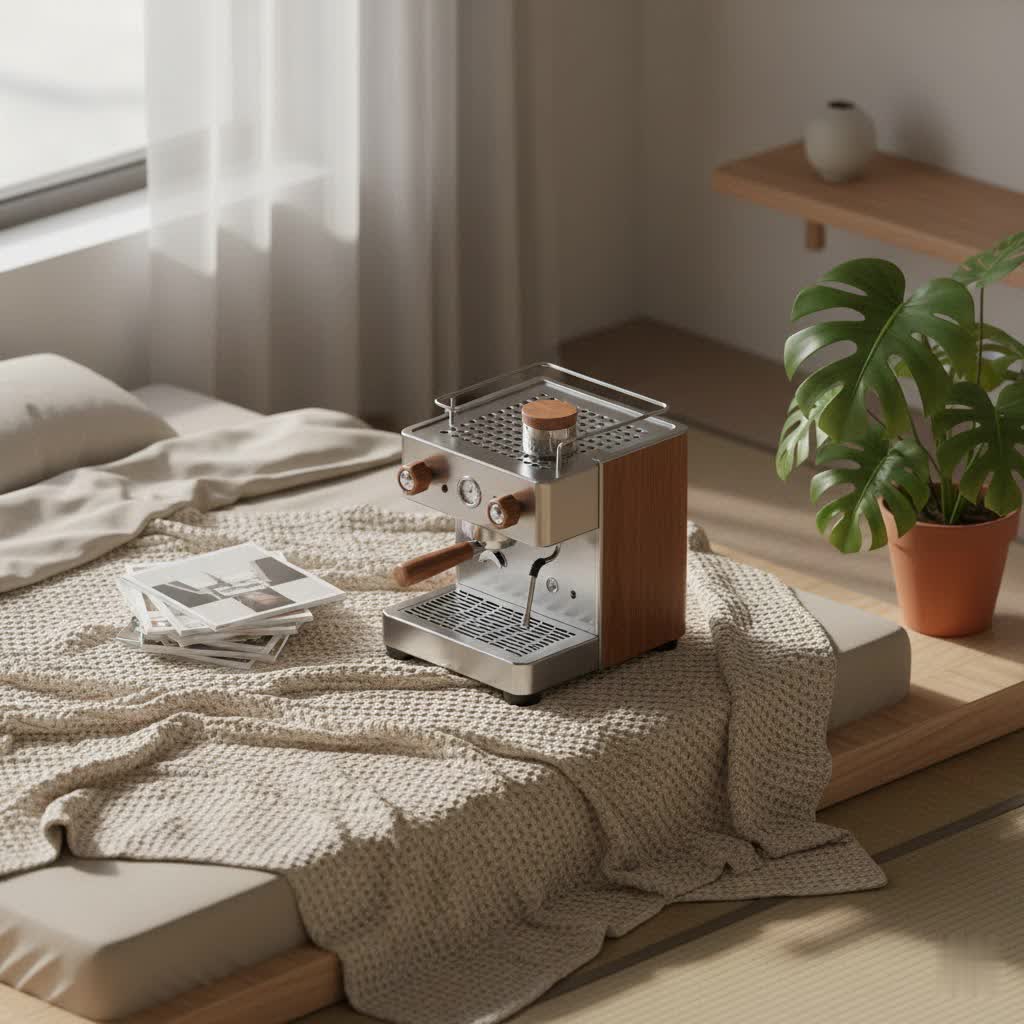
What is an Espresso Machine?
At its core, an espresso machine is a specialized device designed to force hot, pressurized water through finely-ground coffee to produce a concentrated, aromatic shot of espresso. This process, typically involving 9 bars of pressure, extracts the rich flavors and oils from the coffee, creating the foundation for a wide array of coffee beverages. The history of espresso dates back to early 20th century Italy, evolving from rudimentary steam-driven devices to the sophisticated pump-driven machines we see today.
Breville primarily focuses on semi-automatic espresso machines, which offer a balance of manual control and automated convenience. These machines require the user to grind, dose, tamp, and initiate the shot, providing hands-on experience for aspiring baristas. Some higher-end Breville models, like the Oracle series, integrate more automatic features such as grinding, dosing, tamping, and even milk texturing, blurring the line towards super-automatic machines while still retaining some customizable elements. While Breville doesn’t typically produce fully manual lever machines, their lineup offers options from beginner-friendly to enthusiast-level.
Key Components of a Breville Espresso Machine
Understanding the internal workings of a Breville espresso machine will help you appreciate its capabilities and maintain it effectively. Each component plays a vital role in crafting that perfect shot:
- Pump: This is the heart of the machine, responsible for generating the high pressure (typically 15-bar Italian pumps internally regulated to 9 bars for optimal extraction) needed to push water through the coffee grounds. Breville machines ensure consistent pressure for a balanced extraction.
- Boiler/Heating System: This heats the water to the ideal brewing temperature. Breville utilizes various systems, including traditional thermoblocks, the rapid-heating ThermoJet system (found in models like the Bambino Plus and Barista Pro, heating in 3 seconds), and dual boilers in their most advanced machines for simultaneous brewing and steaming without temperature drops. Many Breville machines also incorporate PID (Proportional-Integral-Derivative) temperature control for precise and stable water temperature during extraction, crucial for flavor consistency.
- Grouphead: This is where the portafilter locks in, and hot water is dispensed over the coffee puck. Breville designs often include pre-infusion, a gentle low-pressure soak before full pressure, to evenly saturate the coffee grounds and ensure a more uniform extraction.
- Portafilter: A metal filter basket with a handle where you place your ground coffee. Breville machines typically come with 54mm portafilters, often including both pressurized (for pre-ground coffee or inconsistent grinds) and non-pressurized (for freshly ground coffee and more control) baskets. Higher-end models like the Oracle series might use 58mm commercial-standard portafilters.
- Steam Wand: Essential for crafting milk-based drinks like lattes and cappuccinos. Breville steam wands are designed to produce microfoam, allowing for latte art. Some models offer manual wands for full control, while others, like the Bambino Plus and Barista Touch, feature automatic milk texturing for hands-free convenience.
How to Choose a Breville Espresso Machine
Selecting the right Breville espresso machine involves a careful assessment of your personal needs, budget, and desired level of involvement in the brewing process.
Determine Your Usage Needs
- Frequency: Will you use it daily, multiple times a day, or only on weekends? More frequent use might warrant a machine with faster heat-up times and robust build quality.
- Number of Users: Are you brewing for one, a couple, or a busy household? Larger water tanks and faster recovery times between shots might be important for multiple users.
- Favorite Coffee Types: Do you primarily drink straight espresso, or are you a fan of milk-based drinks like cappuccinos and lattes? If milk drinks are your priority, evaluate the machine’s steam wand performance and any automatic milk frothing features.
|
Our Picks for the Best Espresso Machine in 2026
As an Amazon Associate I earn from qualifying purchases.
|
||
| Num | Product | Action |
|---|---|---|
| 1 | Breville Barista Express Impress Espresso Machine BES876BSS, Brushed Stainless Steel |

|
| 2 | Breville Barista Express Espresso Machine BES870BSXL, Black Sesame |
|
| 3 | Ninja Luxe Café 3-in-1 Espresso, Drip Coffee and Cold Brew Machine - Integrated Coffee Grinder, Milk Frother, Assisted Tamper & Built-In Espresso Accessory Storage - Stainless Steel - ES601 |
|
| 4 | Breville Barista Express Espresso Machine BES870XL, Brushed Stainless Steel |
|
| 5 | CASABREWS 3700 Essential Espresso Machine 20 Bar, Stainless Steel Cappuccino & Latte Machine with Steam Frother for Home, 43.9oz Water Tank, Coffee Gift for Women & Men, Silver |
|
| 6 | De'Longhi Stilosa Manual Espresso Machine, Compact Coffee Maker, 15 Bar Pump Pressure, Manual Milk Frother Steam Wand for Authentic Single & Double Espresso, Lattes & Cappuccinos, Tamper Included |
|
| 7 | Breville Bambino Espresso Machine BES450BSS, Brushed Stainless Steel |
|
| 8 | CASABREWS CM5418 Espresso Machine 20 Bar, Compact Espresso Maker with Steam Milk Frother, Stainless Steel Coffee Machine with 34oz Removable Water Tank for Cappuccino, Gift for Women or Men, Silver |
|
| 9 | Gevi Commercial Espresso and Coffee Makers, Professional 20 Bar Espresso Maker with Milk Frother, Stainless Steel Expresso Coffee Machines for Home, Compact Cappuccino Machine, Great Gift |
|
| 10 | Gaggia Classic Evo Pro - Espresso Machine Jungle Green |
|
Budget
Breville offers machines across various price points, each providing different levels of features and automation:
- Entry-Level ($300-$500): Models like the Breville Bambino and Barista Express are excellent starting points. The Bambino is compact and quick, while the Barista Express is an all-in-one classic with an integrated grinder.
- Mid-Range ($600-$900): The Breville Barista Pro and Barista Express Impress offer upgrades like faster heating, more grind settings, and assisted tamping, providing a more refined semi-automatic experience.
- High-End ($1000+): Machines such as the Breville Barista Touch, Oracle, and Oracle Touch provide advanced automation, touchscreen interfaces, dual boilers (on Oracle/Dual Boiler), and commercial-grade features for ultimate convenience and performance. Investing in a higher-end machine can offer better durability and consistency in the long run.
Important Features
When comparing Breville models, consider these key features:
- Pump Pressure: While most Breville machines have 15-bar pumps, they are typically regulated to 9 bars for optimal extraction. Focus on consistency rather than just the maximum bar rating.
- Boiler/Heating System: ThermoJet systems offer rapid 3-second heat-up, while dual boilers (e.g., Breville Dual Boiler, Oracle) allow simultaneous espresso brewing and milk steaming without performance compromise.
- Temperature Control: PID temperature control is a standard excellent feature on most Breville machines, ensuring stable brew temperatures.
- Built-in Grinder: All-in-one machines like the Barista Express, Barista Pro, and Oracle series include integrated conical burr grinders. This saves counter space and ensures fresh grounds. However, dedicated grinders often offer more precision.
- Automation: Decide how much control you want. Features like automatic milk texturing (Bambino Plus, Barista Touch), assisted tamping (Barista Express Impress), and programmable drink recipes (Barista Touch) enhance convenience.
- Grind Settings: More grind settings (e.g., 30 on Barista Pro, 45 on Oracle Touch Impress) allow for finer adjustments to dial in your espresso.
Reputable Brand
Breville has established itself as a leader in home espresso machines, known for innovation, quality build, and thoughtful design. They often provide helpful resources, including online guides and customer support. Always check warranty information and available service options before purchasing.
Comparing Popular Breville Espresso Machine Models
To help you navigate Breville’s extensive lineup, here’s a comparison of some of their most popular models:
| Feature | Breville Bambino Plus | Breville Barista Express | Breville Barista Pro | Breville Barista Express Impress | Breville Barista Touch |
|---|---|---|---|---|---|
| Price Range | $$$ | $$$$ | $$$$ | $$$$$ | $$$$$$ |
| Built-in Grinder | No | Yes | Yes | Yes | Yes |
| Heat-up Time | 3 seconds (ThermoJet) | 30 seconds | 3 seconds (ThermoJet) | 30 seconds | 3 seconds (ThermoJet) |
| Grind Settings | N/A (no grinder) | 15 | 30 | 15 | 30 |
| Milk Frothing | Automatic Steaming Wand | Manual Steam Wand | Manual Steam Wand | Manual Steam Wand | Automatic Steaming Wand |
| Display | Buttons | Analog Pressure Gauge | LCD Digital Display | Analog Pressure Gauge & Impress Lights | Touchscreen |
| Tamping | Manual | Manual | Manual | Assisted (Impress System) | Manual (Auto on Oracle Touch) |
| Key Features | Compact, auto milk, fast heat-up | All-in-one, PID, pressure gauge, beginner-friendly | Faster heat-up, more grind settings, digital display | Assisted tamping, smart dosing feedback | Touchscreen, auto milk, programmable drinks, guided tutorials |
| Best For | Beginners, milk drink lovers, small kitchens | Budget-conscious beginners, all-in-one solution | Enthusiasts wanting more control & speed than Express | Beginners seeking tamping consistency | Convenience, advanced users, consistent milk drinks |
Note: Prices are approximate and can vary by retailer and promotions.
Using and Maintaining Your Breville Espresso Machine
Proper usage and consistent maintenance are key to enjoying delicious espresso and extending the life of your Breville machine.
Preparation for Brewing
- Installation: Ensure your machine is on a stable, level surface with adequate ventilation. Fill the water reservoir with fresh, filtered water. Avoid distilled water as it lacks minerals necessary for optimal pressure and flavor.
- Coffee Selection: Choose high-quality, freshly roasted coffee beans. The roast level and freshness significantly impact flavor. For espresso, a medium-dark roast is often recommended.
- Grind Size: This is critical. For espresso, you need a very fine grind, similar to powdered sugar. Too coarse, and your shot will be watery and extract too quickly; too fine, and it will be bitter and choke the machine. Breville machines with integrated grinders (like the Barista Express or Pro) allow you to adjust the grind size directly.
- Warm-up: Always allow your machine to warm up completely before brewing. This ensures the grouphead and portafilter are at the optimal temperature for extraction. Many Breville machines have quick heat-up times, but a few minutes can make a difference.
Brewing Espresso
- Dose and Tamp: Grind fresh beans directly into your portafilter. The ideal dose for a double shot is typically 18-20 grams. Distribute the grounds evenly, then tamp firmly and level with consistent pressure (assisted tamping on Impress models helps here).
- Lock and Brew: Lock the portafilter into the grouphead. Place your pre-heated cup(s) underneath. Initiate the shot. Many Breville machines offer programmable shot volumes or manual control. Aim for a 25-30 second extraction time for a double shot (around 2 oz liquid). Observe the flow – it should start slowly, then resemble warm honey.
- Steam Milk (if desired): Purge the steam wand to clear any condensed water. Submerge the tip just below the surface of cold milk in a stainless steel jug. Angle the jug to create a vortex, incorporating air for foam, then submerge deeper to heat the milk. Aim for a temperature of 140-150°F (60-65°C) and a silky, glossy microfoam texture. Immediately wipe the steam wand clean and purge it again.
Machine Cleaning and Maintenance
Regular cleaning prevents coffee oils and mineral buildup, which can affect taste and machine performance.
Daily Cleaning:
- Portafilter and Basket: Knock out the used coffee puck, rinse the portafilter and basket under warm water, and wipe dry.
- Grouphead: Run a “blank shot” (without the portafilter) to flush any loose coffee grounds. Wipe the grouphead with a damp cloth.
- Drip Tray: Empty and rinse the drip tray to prevent odors and overflows.
- Steam Wand: Immediately after steaming milk, wipe the wand with a damp cloth and purge it for a second or two to clear internal milk residue.
Weekly Cleaning:
- Cleaning Cycle: Use Breville’s cleaning tablets (often indicated by a “Clean Me” light) to run a backflush cycle through the internal brewing system.
- Steam Wand Deep Clean: Soak the steam wand tip in warm water or a specialized milk cleaning solution to dissolve stubborn milk protein buildup. Use a pin to clear any blocked holes.
- Exterior: Wipe down the machine’s exterior with a soft, damp cloth.
Monthly/Periodic Maintenance:
- Descaling: This removes mineral buildup (limescale) from the internal water pathways, crucial for machine longevity and performance, especially in areas with hard water. Follow Breville’s instructions using their recommended descaling solution or a white vinegar mixture. The frequency depends on your water hardness, typically every 1-3 months.
- Water Filter Replacement: If your machine has a water filter in the reservoir, replace it according to the manufacturer’s schedule (e.g., every 2-3 months).
- Grinder Burrs (if applicable): Clean the grinder burrs with a brush to remove coffee oils and residue that can affect grind consistency.
> “Consistent daily and weekly cleaning routines are the simplest yet most impactful steps you can take to ensure your Breville espresso machine performs optimally and delivers delicious espresso for years to come.” – Admin of Reviewspri.com, Espresso Machine Expert
Common Issues and Troubleshooting for Breville Espresso Machines
Even reliable Breville machines can encounter minor issues. Here’s how to address some common problems:
- Machine Not Heating / Slow Heating:
- Check power: Ensure the machine is properly plugged in.
- Water reservoir: Make sure it’s filled and correctly seated.
- Boiler issues: If the machine consistently fails to heat, it might indicate a more serious internal component failure, requiring professional service.
- Low or No Pressure During Extraction:
- Grind size: If the grind is too coarse, water flows too fast, leading to weak pressure. Adjust to a finer grind.
- Tamping: Uneven or insufficient tamping can cause water to “channel” through the coffee, reducing pressure. Tamp evenly and firmly.
- Blockages: The portafilter or grouphead could be clogged with old coffee grounds. Clean thoroughly.
- Water reservoir: Ensure it’s full and properly aligned.
- Solenoid/Overpressure Valve: In some cases, a faulty solenoid valve or O-rings in the overpressure valve can cause pressure loss. These may require professional repair.
- Coffee Flows Too Slowly or Not at All:
- Grind size: If the grind is too fine, the water cannot pass through the coffee puck, leading to a choked shot. Adjust to a coarser grind.
- Dose: Too much coffee in the basket can also restrict flow. Reduce the dose slightly.
- Tamping: Over-tamping can create too dense a puck.
- Scale buildup: Descale your machine if it hasn’t been done recently.
- Machine Leaks Water:
- Water tank: Check for proper alignment and any cracks in the reservoir itself.
- Drip tray: Ensure it’s not overflowing and is correctly seated.
- Grouphead/Portafilter Seal: A worn-out group head gasket (the rubber ring inside the group head) or portafilter seal can cause leaks during brewing. Inspect for wear, cracks, or damage and replace if necessary.
- Steam wand: A worn steam wand gasket can cause leaks during or after steaming.
- Internal hoses: Less common, but internal hose connections can loosen or crack over time.
- Steam Wand Not Frothing Properly / Blocked:
- Milk residue: The most common cause. Always wipe and purge the steam wand immediately after use.
- Blocked tip: Use a pin or needle to clear any dried milk in the steam wand holes.
- Descaling: Scale buildup can affect steam production.
- Steam valve issues: If cleaning doesn’t resolve it, there might be an internal valve issue.
For complex issues, or if you’re uncomfortable disassembling your machine, it’s always best to consult the user manual or contact Breville customer support.
Where to Buy Breville Espresso Machines?
Breville espresso machines are widely available, making them accessible to most consumers.
- Retail Stores: Major appliance retailers, department stores, and specialty coffee shops often carry Breville models. Buying in-store allows you to see the machine firsthand, ask questions, and sometimes get demonstrations.
- Online Retailers: Websites like Amazon, Williams Sonoma, Bed Bath & Beyond, and Breville’s official website offer a full range of models, often with competitive pricing, customer reviews, and detailed product specifications. Be sure to purchase from reputable sellers to ensure you receive genuine products and valid warranties.
- Used Machines: Buying a used Breville machine can save money, but it comes with risks. Thoroughly inspect the machine for wear, damage, and signs of poor maintenance. Ask about its history and maintenance records. While a good deal is possible, factor in potential repair costs or the need for new parts like gaskets and filters.
Breville Espresso Machine Buying Guide
Before making your final decision, consider these detailed factors to ensure your Breville espresso machine perfectly fits your lifestyle.
Factors to Consider Before Purchase
- Power Requirements: Ensure your kitchen outlets can handle the machine’s power draw, especially for higher-end models with multiple heating elements.
- Kitchen Space: Breville machines vary in size. Measure your counter space and cabinet clearance to ensure the machine fits comfortably and leaves room for accessories. Models like the Bambino Plus are ideal for smaller kitchens.
- Noise Level: Espresso machines can be noisy during grinding and pumping. While most Breville machines are within an acceptable range for home use, some are quieter than others. If noise is a significant concern, look for reviews that specifically mention it.
- Aesthetics: Breville machines are known for their sleek, stainless steel designs. Choose a model that complements your kitchen decor.
Essential Accessories
To get the most out of your Breville espresso machine, certain accessories are highly recommended:
- Tamper: While some Breville machines come with a basic tamper (or assisted tamping), an upgraded, calibrated tamper can improve consistency.
- Milk Frothing Pitcher (Ca Đánh Sữa): A stainless steel pitcher with a pointed spout is essential for frothing milk and practicing latte art.
- Knock Box: A dedicated container to easily dispose of used coffee pucks.
- Cleaning Tools: Keep a set of brushes for the grouphead, cleaning tablets, descaling solution, and microfiber cloths readily available for maintenance.
- Precision Scale: A small digital scale can help you accurately measure coffee dose and espresso yield for consistent results.
Read Reviews and Compare Prices
Always take the time to read user reviews and expert assessments of specific Breville models. Pay attention to comments regarding consistency, ease of use, durability, and customer service experiences. Compare prices from various retailers, both online and in-store, to find the best deal. Look out for bundles that include accessories, which can offer significant savings.
Conclusion
Choosing a Breville espresso machine is an investment in your daily coffee ritual, offering the joy of crafting exceptional espresso beverages from the comfort of your home. From the compact and quick Bambino Plus to the comprehensive Barista Express and the advanced Oracle series, Breville provides a spectrum of options to suit every skill level, budget, and preference. By understanding the key components, carefully considering your needs, and committing to regular maintenance, you’ll be well-equipped to select a machine that not only meets your expectations but also elevates your home barista experience.
Are you ready to discover which Breville espresso machine will brew your perfect cup?
Frequently Asked Questions
How often should I descale my Breville espresso machine?
The descaling frequency for your Breville espresso machine depends on your local water hardness and usage. Generally, it’s recommended to descale every 1 to 3 months. Your machine might have an indicator light, or you can use a water hardness test strip to determine a precise schedule. Regular descaling prevents mineral buildup, which can affect performance and taste.
Can I use pre-ground coffee in my Breville espresso machine?
While you technically can use pre-ground coffee, it’s highly recommended to use freshly ground beans for the best espresso quality. Pre-ground coffee loses its flavor and aroma quickly. If using pre-ground, ensure it’s specifically for espresso and consider using the pressurized filter baskets often included with Breville machines, which are more forgiving of grind inconsistencies.
What’s the main difference between the Barista Express and Barista Pro?
The Breville Barista Pro is an upgraded version of the Barista Express, offering several key improvements. The Pro features Breville’s ThermoJet heating system for a rapid 3-second heat-up time (compared to 30 seconds for the Express), more grind settings (30 vs. 15), and an intuitive LCD digital display for easier control, making it faster and more precise.
