Imagine waking up to the rich aroma of freshly ground coffee, knowing that your perfect espresso is just moments away, all from a single, sleek appliance on your countertop. For many coffee enthusiasts, this dream is now a reality thanks to the innovation of all-in-one espresso machines. These marvels of engineering combine the art of espresso making with the convenience of integrated features, transforming your kitchen into a personal café. Whether you’re a seasoned barista or just beginning your journey into the world of specialty coffee, choosing the right all-in-one machine can significantly elevate your daily ritual. This comprehensive guide will help you navigate the options, understand key features, and empower you to select the ideal machine for your needs, ensuring every cup is a masterpiece.
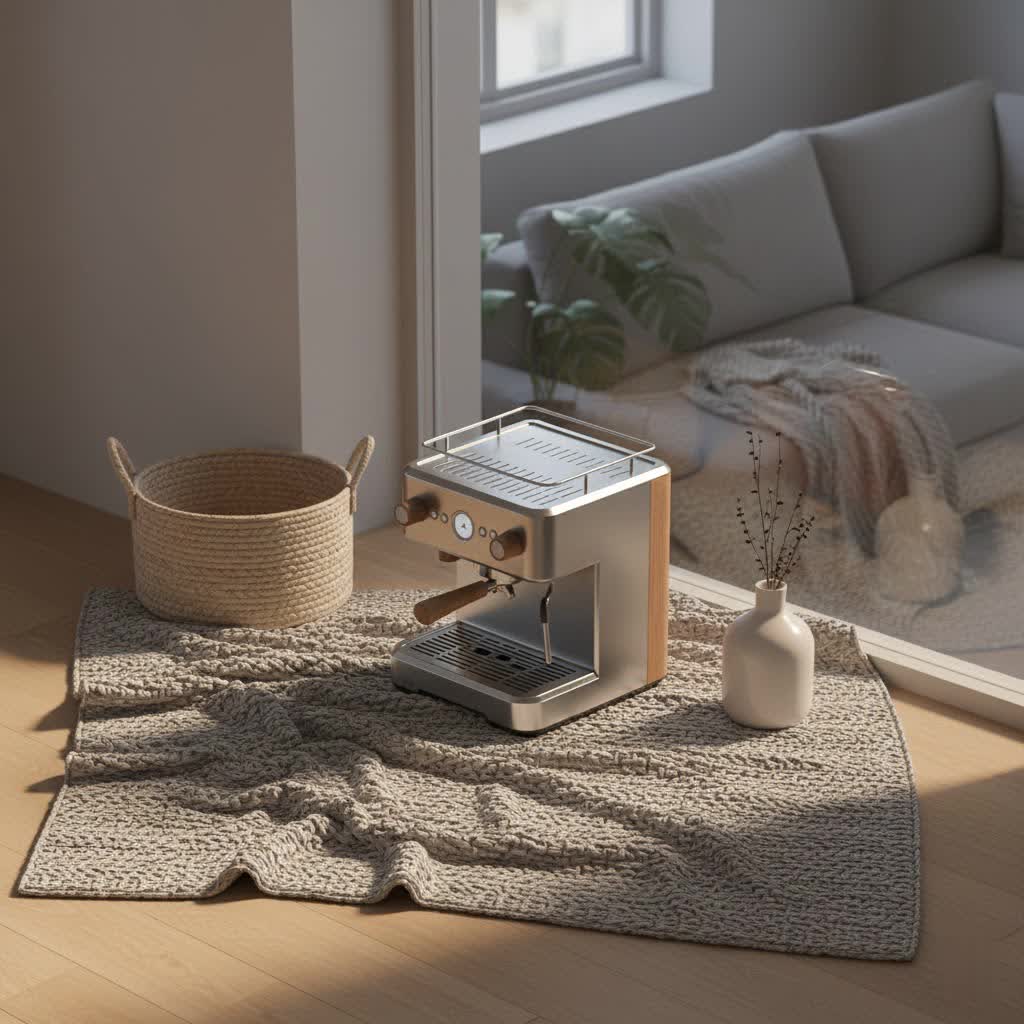
What is an All-in-One Espresso Machine?
An all-in-one espresso machine is a sophisticated appliance designed to streamline the coffee brewing process by integrating several essential functions into a single unit. At its core, it combines an espresso maker with a grinder and often a milk frother, allowing you to go from whole beans to a finished latte with minimal effort and counter space. This concept simplifies home brewing, making café-quality drinks more accessible.
The journey of the espresso machine began in Italy in the early 20th century, evolving from large, steam-powered commercial units to the compact, user-friendly models we see today. The “all-in-one” concept is a relatively modern development, driven by the desire for convenience without sacrificing quality. Early machines required separate grinders and considerable manual skill, but advancements in technology have led to machines that automate many steps, making espresso accessible to everyone.
Today, all-in-one espresso machines primarily fall into two main categories:
- Semi-Automatic All-in-One Machines: These machines typically include a built-in grinder and a portafilter system. They offer a balance of automation and manual control, allowing you to manage parameters like grind size, dose, and extraction time while providing the convenience of an integrated grinder and steam wand. The Breville Barista Express is a prime example of this type, favored for its hands-on approach with integrated convenience.
- Super-Automatic All-in-One Machines (Bean-to-Cup): Designed for ultimate convenience, these machines automate nearly every step of the process, from grinding fresh beans and tamping them, to brewing the espresso and often frothing milk, all at the touch of a button. Models like the Gaggia Accademia and De’Longhi Dinamica Plus exemplify the bean-to-cup experience, perfect for those seeking speed and simplicity without compromising flavor.
Beyond these, some machines are designed as combination coffee and espresso makers, featuring a dual system to brew both drip coffee and espresso simultaneously, catering to varied household preferences.
Essential Components of an All-in-One Espresso Machine
Understanding the critical parts of an all-in-one espresso machine is key to appreciating its functionality and making an informed purchase. Each component plays a vital role in transforming humble coffee beans into a rich, aromatic espresso.
- The Grinder: Often the centerpiece of an all-in-one unit, the integrated burr grinder is crucial for producing fresh coffee grounds. Burrs (either conical or flat) are preferred over blades as they grind beans uniformly, which is essential for consistent extraction and superior flavor. The grind size adjustability directly impacts the final taste, allowing you to fine-tune your espresso.
- The Pump: This component generates the necessary pressure to force hot water through the compacted coffee grounds. Most quality machines feature a 15- to 20-bar pump, with Italian-made pumps often lauded for their reliability and ability to deliver the optimal pressure for espresso extraction, typically around 9 bars at the grouphead.
- The Boiler/Heating System: Responsible for heating water to the precise temperature required for brewing and steaming.
- Single Boiler: Heats water for both brewing and steaming, often requiring a temperature surf between tasks.
- Dual Boiler: Features separate boilers for brewing and steaming, allowing you to perform both tasks simultaneously without temperature fluctuations, which is ideal for milk-based drinks.
- Thermoblock/Thermo-coil: Heats water on demand, offering faster heat-up times and energy efficiency.
- Many high-end machines also include a PID (Proportional-Integral-Derivative) controller for precise and stable temperature regulation, which is vital for consistent espresso quality.
- The Grouphead: This is the part of the machine where the portafilter locks in, and hot water is dispensed onto the coffee grounds. Its design and thermal stability are critical for even extraction.
- The Portafilter: A handled filter holder into which the ground coffee is placed. It contains a filter basket (single, double, or pressurized) and is typically made of sturdy stainless steel. Portafilter size (e.g., 53mm or 58mm) can influence accessory availability.
- The Steam Wand/Frother: Essential for creating milk-based beverages.
- Manual Steam Wand: A traditional wand that requires skill to texture milk for latte art.
- Automatic Frothing System: Found in super-automatic machines, these systems typically draw milk from a container and dispense perfectly frothed milk directly into your cup, offering ultimate ease.
- The Water Tank: Holds the water used for brewing and steaming. Removable and transparent tanks are common for ease of refilling and monitoring water levels.
- Drip Tray: Collects excess water and spent coffee, needing regular emptying and cleaning.
The materials used, such as stainless steel for boilers and portafilters, contribute to durability and thermal stability, impacting the longevity and performance of your machine.
How to Choose the Best All-in-One Espresso Machine
Selecting an all-in-one espresso machine can feel overwhelming with the myriad of options available. By considering a few key factors, you can narrow down your choices and find the perfect match for your coffee habits and lifestyle.
Determine Your Usage Needs
Before diving into specifications, reflect on how you’ll use the machine:
- Frequency: Will you use it daily, multiple times a day, or only on weekends? Higher frequency might warrant a more robust and faster machine (e.g., dual boiler).
- Number of Users: Are you brewing just for yourself, a couple, or a larger family? This affects tank size and machine speed.
- Drink Preferences: Do you primarily drink straight espresso, or do you enjoy lattes, cappuccinos, and other milk-based drinks? If it’s the latter, a machine with an excellent steam wand or automatic frother is paramount. Some machines also offer drip coffee options.
- Skill Level: Are you a budding home barista eager to learn manual techniques, or do you prefer the simplicity of a one-touch automated experience? Semi-automatic machines offer more control, while super-automatics handle most steps for you.
|
Our Picks for the Best Espresso Machine in 2026
As an Amazon Associate I earn from qualifying purchases.
|
||
| Num | Product | Action |
|---|---|---|
| 1 | Breville Bambino Espresso Machine BES450BSS, Brushed Stainless Steel |

|
| 2 | Breville Barista Express Espresso Machine BES870XL, Brushed Stainless Steel |
|
| 3 | Breville Barista Express Espresso Machine BES870BSXL, Black Sesame |
|
| 4 | Breville Barista Express Impress Espresso Machine BES876BSS, Brushed Stainless Steel |
|
| 5 | De'Longhi Stilosa Manual Espresso Machine, Compact Coffee Maker, 15 Bar Pump Pressure, Manual Milk Frother Steam Wand for Authentic Single & Double Espresso, Lattes & Cappuccinos, Tamper Included |
|
| 6 | CASABREWS CM5418 Espresso Machine 20 Bar, Compact Espresso Maker with Steam Milk Frother, Stainless Steel Coffee Machine with 34oz Removable Water Tank for Cappuccino, Gift for Women or Men, Silver |
|
| 7 | CASABREWS 3700 Essential Espresso Machine 20 Bar, Stainless Steel Cappuccino & Latte Machine with Steam Frother for Home, 43.9oz Water Tank, Coffee Gift for Women & Men, Silver |
|
| 8 | Ninja Luxe Café 3-in-1 Espresso, Drip Coffee and Cold Brew Machine - Integrated Coffee Grinder, Milk Frother, Assisted Tamper & Built-In Espresso Accessory Storage - Stainless Steel - ES601 |
|
| 9 | Gaggia Classic Evo Pro - Espresso Machine Jungle Green |
|
| 10 | Gevi Commercial Espresso and Coffee Makers, Professional 20 Bar Espresso Maker with Milk Frother, Stainless Steel Expresso Coffee Machines for Home, Compact Cappuccino Machine, Great Gift |
|
Set Your Budget
All-in-one espresso machines range widely in price, typically falling into three segments:
- Entry-Level ($300-$600): These machines often provide a good starting point, integrating basic grinding and brewing. You might find compromises in build quality or advanced features, but they can still produce satisfying espresso.
- Mid-Range ($600-$1500): This segment offers a significant jump in quality, durability, and features, often including better grinders, more stable heating systems (like PID control), and improved steam wands. You’ll find many popular semi-automatic models here.
- High-End ($1500+): These machines represent the pinnacle of home espresso, often featuring dual boilers, commercial-grade components, precise digital controls, and sophisticated automation. They are built for discerning users who prioritize consistency, performance, and longevity.
Consider your budget not just for the initial purchase but also as a long-term investment in your coffee experience. Sometimes, investing a bit more upfront can save you headaches and enhance satisfaction over time.
Prioritize Important Features
Once you know your needs and budget, look for specific features:
- Pump Pressure (bar): While most machines advertise 15-20 bars, the effective brewing pressure is typically 9 bars. High-quality pumps ensure this consistency.
- Boiler/Heating System: Dual boilers offer superior temperature stability and allow simultaneous brewing and steaming. Thermoblock systems provide quick heat-up times. PID control is a significant plus for temperature precision.
- Grind Settings: A wider range of adjustable grind settings on an integrated burr grinder allows for finer tuning of your espresso extraction.
- Automatic Functions: Consider features like programmable shot volumes, automatic milk frothing, and self-cleaning cycles for added convenience.
- Build Quality & Materials: Stainless steel construction generally indicates better durability and heat retention compared to plastic.
- Ease of Cleaning: Removable water tanks, accessible drip trays, and automated cleaning programs simplify maintenance, which is crucial for taste and longevity.
Research Reputable Brands
Many brands have established themselves in the espresso machine market. Some popular and well-regarded names for all-in-one units include:
- Breville: Known for user-friendly semi-automatic machines with integrated grinders, offering a great balance of features and value.
- De’Longhi: Offers a range from entry-level to super-automatic machines, often with combined espresso and drip coffee capabilities.
- Gaggia: A historic Italian brand, offering robust super-automatic machines with excellent espresso quality.
- Ninja: Provides versatile systems that often combine espresso, drip coffee, and cold brew functions.
Always check for warranty and customer support options, as these can be invaluable down the line. Reading recent reviews from multiple sources can also provide insights into real-world performance and reliability.
Comparing Popular All-in-One Espresso Machines
When looking for an all-in-one espresso machine, comparing models across key criteria can help you identify the best fit. While specific models and prices fluctuate, here’s a generalized comparison of what you might expect from different popular machines, focusing on their typical strengths and target users.
| Feature | Entry-Level Semi-Automatic (e.g., basic Breville Barista series) | Mid-Range Semi-Automatic (e.g., advanced Breville Barista series) | Super-Automatic (e.g., De’Longhi Dinamica, Gaggia Accademia) | Combination Coffee & Espresso (e.g., De’Longhi All-in-One) |
|---|---|---|---|---|
| Price Range | $400 – $700 | $700 – $1,500 | $800 – $2,500+ | $300 – $600 |
| Integrated Grinder | Yes | Yes (often higher quality) | Yes (often with more settings) | Sometimes, but not always a burr grinder |
| Boiler System | Thermocoil/Thermoblock | Thermoblock or Single Boiler, sometimes PID | Thermoblock or Dual Boiler, PID common | Thermoblock (separate for drip coffee) |
| Pressure (Bar) | 15 Bar pump (9 bar extraction) | 15-20 Bar pump (9 bar extraction) | 15-20 Bar pump (9 bar extraction) | 15 Bar pump for espresso side |
| Milk Frothing | Manual steam wand | Manual steam wand (often more powerful) | Automatic milk carafe/system or manual wand | Manual steam wand |
| Control Level | Manual/Semi-manual (dose, tamp, shot time) | Semi-manual (more advanced grind, temp settings) | One-touch automation | Semi-manual espresso, automatic drip |
| User Experience | Engaged home barista, learning curve involved | Experienced home barista, more control for fine-tuning | Convenience-focused, minimal effort | Versatility for households with mixed preferences |
| Drink Variety | Espresso, Americano, Latte, Cappuccino (manual effort) | Espresso, Latte art, detailed milk drinks | Wide range of pre-programmed drinks (auto milk) | Espresso, drip coffee, Americano, Latte, Cappuccino |
| Maintenance | Daily wiping, weekly backflushing/descaling | Daily wiping, regular backflushing/descaling | Often auto-cleaning cycles, regular descaling | Separate cleaning for espresso and drip parts |
| Durability | Good | Very Good | Excellent | Good |
| Pros | Cost-effective, learning opportunity, fresh grind | Enhanced quality, better control, durable | Maximum convenience, consistency, diverse drinks | Space-saving, caters to multiple coffee types |
| Cons | Steaming/brewing not simultaneous, less robust grinder | Still requires some manual skill and learning | Higher cost, less hands-on control | Drip coffee quality might vary, less control over espresso |
Recommendation Scenarios:
- For the Aspiring Barista on a Budget: An entry-level semi-automatic machine like the Breville Barista Express is an excellent choice. It provides the necessary tools for learning espresso craft, including a built-in grinder and steam wand, at a reasonable price. You’ll gain valuable experience in dialing in your shots.
- For the Quality-Conscious Home User: A mid-range semi-automatic or a higher-end super-automatic will serve you well. If you love customizing your drinks and enjoy the process, a more advanced semi-automatic offers precise control over extraction and milk frothing. If speed and consistency are your top priorities, a super-automatic delivers barista-quality drinks with minimal fuss.
- For the Diverse Household: A combination espresso and drip coffee machine can be a lifesaver. These units save counter space and cater to everyone’s morning routine, whether they prefer a quick espresso or a full pot of drip coffee. Just be aware that the grinder might not always be burr-quality for the drip side.
Ultimately, the best all-in-one machine aligns with your personal coffee journey, budget, and desired level of involvement in the brewing process.
How to Use and Maintain Your All-in-One Espresso Machine
Owning an all-in-one espresso machine is just the first step; mastering its use and maintaining it properly ensures consistently delicious coffee and extends the lifespan of your investment. Think of it as nurturing a high-performance vehicle – regular care yields optimal results.
Initial Setup and Preparation
- Unpacking and Initial Cleaning: Upon unboxing, wipe down the machine’s exterior and rinse all removable parts (water tank, portafilter, drip tray) with warm water to remove any manufacturing residue.
- Water Filter Installation: If your machine comes with a water filter (often charcoal or Claris filters), pre-soak it as per the manual and install it in the water tank. Always use filtered, cold water to prevent mineral buildup and improve taste.
- Fill and Prime: Fill the water tank to the indicated level. Power on the machine. Many machines require priming the pump to ensure water flows smoothly through the system. Follow your machine’s specific instructions for this crucial step.
- Warm-Up: Allow your machine ample time to heat up. While some machines boast instant-on capabilities (like 3-second heat-up for brewing), others, especially those with larger boilers, may need 20-30 minutes for all internal components, including the grouphead and portafilter, to reach stable brewing temperature. A warm portafilter is key for consistent espresso.
Brewing Your Perfect Espresso
- Select Beans and Grind: Choose high-quality, freshly roasted coffee beans. For espresso, a fine grind is essential, resembling powdered sugar or fine sand. Adjust your integrated grinder to the appropriate setting.
- Dose the Portafilter: Dispense the freshly ground coffee into your portafilter basket. For a double shot, a common dose is 18-20 grams.
- Tamp Evenly: Use a tamper to compress the coffee grounds firmly and evenly. Consistent tamping pressure is crucial for preventing channeling and achieving a balanced extraction.
- Purge the Group Head: Before inserting the portafilter, run a short burst of hot water through the group head. This flushes out any old coffee grounds or oils and helps stabilize the temperature.
- Lock and Brew: Securely insert the portafilter into the group head. Start the brewing process. For a classic double espresso, aim for an extraction time of 25-30 seconds, yielding approximately 36-40 grams of liquid espresso (a 1:2 brew ratio).
- Monitor Extraction: Observe the stream of espresso as it exits the portafilter. It should start dark and then lighten to a rich, reddish-brown. A well-pulled shot will have a beautiful layer of crema on top. Adjust grind size if the shot is too fast (make finer) or too slow (make coarser).
- Steam Milk (if desired): If making a latte or cappuccino, use the steam wand or automatic frother immediately after brewing your espresso. Purge the steam wand before and after use, and wipe it clean with a dedicated damp cloth to prevent milk residue buildup.
Essential Cleaning and Maintenance
Regular cleaning is non-negotiable for taste and machine longevity.
Daily Cleaning:
- Wipe Steam Wand: Immediately after each use, purge the steam wand and wipe it thoroughly with a damp cloth. This prevents milk from drying and clogging the tip.
- Flush Group Head: After each shot, run a quick burst of water through the group head to rinse away loose coffee grounds and oils.
- Rinse Portafilter: Remove the portafilter and discard the spent coffee puck. Rinse the portafilter and basket under hot water.
- Empty Drip Tray: Empty and rinse the drip tray daily to prevent overflow and bacterial growth.
Weekly Cleaning:
- Backflushing: If your machine has a 3-way solenoid valve, perform a backflush using a blind filter (a filter basket without holes) and a small amount of espresso machine detergent. This cleans the group head and internal pathways. Repeat with just water to rinse.
- Clean Shower Screen: Remove and clean the shower screen (the metal disc inside the group head) with a brush to remove stubborn coffee oils.
- Soak Portafilters: Remove the filter baskets from the portafilters and soak them, along with the portafilter itself, in hot water with espresso machine detergent.
- Grinder Cleaning (if applicable): For integrated grinders, grind a small amount of rice or specialized grinder cleaning tablets to clear out old coffee oils, then grind a small amount of fresh beans to purge.
Monthly/Quarterly Maintenance:
- Descaling: Depending on your water hardness and usage, descale your machine every 1-3 months. Descaling removes mineral buildup (limescale) from the boiler and heating elements, which can significantly impair performance and damage the machine. Use a manufacturer-approved descaling solution and follow instructions carefully. Some machines have a descaling alert system.
- Water Filter Replacement: Replace your water filter every 2-3 months or as recommended by the manufacturer.
- Inspect Seals and Gaskets: Periodically check the group head gasket and other seals for wear and tear. Worn gaskets can lead to leaks and pressure loss. Replace if necessary.
> “A clean machine isn’t just about aesthetics; it’s fundamental to extracting the purest flavors from your coffee and ensuring your equipment stands the test of time.” – Admin, Reviewspri.com, Espresso Machine Technician
By following these usage and maintenance guidelines, your all-in-one espresso machine will consistently deliver delicious, café-quality beverages for years to come.
Common Issues and How to Fix Them
Even the best all-in-one espresso machines can encounter occasional issues. Knowing how to diagnose and address common problems can save you time and potential repair costs.
-
Machine Not Heating Up:
- Check Power: Ensure the machine is properly plugged in and the power switch is on.
- Allow Time: Some machines require significant warm-up time. Be patient.
- Water Level: Insufficient water in the reservoir can prevent the heating element from engaging for safety reasons.
- Troubleshooting: If the issue persists, consult your manual; it might indicate a more serious electrical or heating element failure requiring professional service.
-
Weak Pressure or Slow Coffee Flow:
- Grind Too Fine: The most common culprit. If your grind is too fine, the water struggles to pass through, resulting in a slow, struggling extraction and potentially bitter espresso. Adjust your grinder coarser.
- Over-Dosing: Too much coffee in the portafilter basket can also restrict flow. Reduce the amount of coffee grounds.
- Tamping Too Hard: While firm tamping is good, excessive force can compact the grounds too much. Maintain consistent, moderate pressure.
- Clogged Group Head/Shower Screen: Coffee oils and fine grounds can build up. Perform a backflush (if applicable) and clean the shower screen thoroughly.
- Descaling Needed: Limescale buildup in the internal water paths can reduce water flow and pressure. Descale your machine according to the manufacturer’s instructions.
- Low Pump Pressure: If none of the above fix it, there might be an issue with the pump itself, which may require professional repair.
-
Coffee is Too Watery or Extracts Too Fast:
- Grind Too Coarse: If the grind is too coarse, water passes through too quickly, resulting in under-extracted, weak, and sour espresso. Adjust your grinder finer.
- Under-Dosing: Not enough coffee in the portafilter. Increase the amount of coffee grounds.
- Uneven Tamping: Inconsistent tamping can create channels where water rushes through, leading to uneven extraction. Tamp evenly.
- Old Coffee Beans: Stale beans don’t produce enough resistance to water flow, leading to quick, watery shots. Use fresh beans.
-
Machine Leaking Water:
- Full Drip Tray: The simplest fix – empty the drip tray if it’s overflowing.
- Loose Portafilter: Ensure the portafilter is locked firmly into the group head.
- Worn Group Head Gasket: Over time, the rubber gasket around the group head can wear out, causing water to leak around the portafilter. This is a common part to replace and often an easy DIY fix.
- Cracked Water Tank/Reservoir: Inspect the water tank for any visible cracks.
- Internal Leak: If water is leaking from within the machine, it’s best to have it inspected by a qualified technician to avoid further damage.
-
Steam Wand Not Producing Steam or Weak Steam:
- Clogged Tip: Dried milk can block the steam wand’s holes. Remove the tip and clean it with a small wire or paperclip. Soak it in warm water with a milk frother cleaning solution.
- Purge: Always purge the steam wand before and after use to clear milk residue and water.
- Descaling Needed: Limescale can build up in the steam boiler or thermoblock, reducing steam pressure. Descale the machine.
- Internal Issue: If the problem persists after cleaning and descaling, there might be a fault with the steam valve or boiler, necessitating professional attention.
When to Call a Technician:
For complex internal issues, unusual noises, persistent leaks, or electrical problems, it’s always best to consult the manufacturer’s customer support or a certified espresso machine technician. Attempting to fix intricate problems yourself without expertise can void warranties or cause further damage.
By understanding these common problems and their solutions, you can often troubleshoot your all-in-one espresso machine effectively and keep your coffee brewing smoothly.
Where to Buy Your All-in-One Espresso Machine
Finding the right place to purchase your all-in-one espresso machine is almost as important as choosing the machine itself. Your buying source can impact price, warranty, customer service, and overall satisfaction.
- Major Online Retailers: Websites like Amazon, Best Buy, and other large electronics or home goods stores offer a vast selection, competitive pricing, and often free shipping. They provide convenience and typically have extensive customer reviews to help inform your decision. However, personalized advice might be limited, and warranty claims might involve shipping the machine.
- Specialty Coffee Equipment Retailers: Dedicated coffee equipment websites or brick-and-mortar stores (e.g., Whole Latte Love, Seattle Coffee Gear) often have knowledgeable staff who can provide expert advice, demos, and in-depth comparisons. They usually offer a curated selection of higher-quality machines and excellent post-purchase support, including repair services.
- Department Stores: Upscale department stores often carry a selection of mid-range to high-end espresso machines. You might benefit from seeing the machine in person and consulting with sales associates, although their expertise on espresso specifics can vary.
- Manufacturer Websites: Buying directly from the brand (e.g., Breville, De’Longhi, Gaggia) can sometimes offer exclusive deals, direct access to warranty support, and the most accurate product information.
Considerations for Purchasing:
- Warranty and Returns: Always check the warranty period and the retailer’s return policy. A good warranty provides peace of mind against manufacturing defects.
- Customer Support: Reputable retailers and manufacturers offer robust customer support for troubleshooting and service.
- Price Matching: Some retailers offer price matching, so it pays to do your research across different platforms.
- Refurbished Machines: Buying a refurbished machine from a trusted seller can be a cost-effective way to get a higher-end model. Ensure it comes with a warranty.
- Used Machines: Purchasing a used machine from private sellers or online marketplaces carries higher risk, as warranties may be void, and the machine’s history (e.g., maintenance, descaling) is unknown. This option is best for those with technical expertise or a very limited budget.
Choosing a reliable vendor ensures that your investment is protected and you receive the support you need throughout your machine’s lifespan.
Comprehensive Buying Guide
Embarking on the journey to acquire an all-in-one espresso machine is an exciting step towards elevating your daily coffee experience. To make the best decision, consider a holistic view of factors beyond just features and price.
Factors to Consider Before Buying
- Power Requirements: Check the voltage and wattage of the machine to ensure it’s compatible with your home’s electrical outlets and that your circuit can handle the load, especially for dual boiler systems that draw more power.
- Kitchen Space: All-in-one machines, while convenient, can still be substantial. Measure your counter space, including clearance under overhead cabinets, to ensure a comfortable fit. Consider the placement of the water tank and drip tray for easy access.
- Noise Level: Grinders, pumps, and steaming can produce significant noise. If you live in an apartment or have early risers, a quieter machine (often indicated in reviews) might be a priority. Super-automatic machines can sometimes be louder during their grinding cycles.
- Maintenance Commitment: Be honest about your willingness to perform daily, weekly, and monthly cleaning tasks. Automated features can reduce the burden, but no machine is truly maintenance-free. Neglecting cleaning will drastically impact coffee taste and machine longevity.
- Aesthetics: Your espresso machine will likely be a prominent kitchen appliance. Choose a design and finish (e.g., stainless steel, matte black) that complements your kitchen decor.
Essential Accessories You Might Need
While an all-in-one machine minimizes extra gear, a few accessories enhance the experience:
- Tamper: Even if your machine has an integrated tamping system, a high-quality, weighted tamper can provide better control and consistency for semi-automatic models.
- Milk Pitcher: A stainless steel milk pitcher is essential for frothing milk with a steam wand. Different sizes are available depending on the volume of milk drinks you prepare.
- Knock Box: A container designed to collect spent coffee pucks from your portafilter. It keeps your brewing area clean and tidy.
- Cleaning Supplies: Stock up on espresso machine detergent (for backflushing), descaling solution, and a dedicated cleaning brush for the group head.
- Microfiber Cloths: Keep several clean cloths on hand: one specifically for wiping the steam wand, and others for cleaning the machine’s exterior and workstation.
- Coffee Beans: The quality of your beans makes a huge difference. Invest in fresh, high-quality whole beans from a reputable roaster.
Reading Reviews and Comparing Prices
- User Reviews: Dive deep into customer reviews on retail sites and forums. Pay attention to consistent praises or complaints regarding reliability, ease of use, customer service, and drink quality. Look for reviews from users with similar needs to yours.
- Expert Reviews: Consult independent coffee blogs, appliance review sites, and expert opinions from sources like CoffeeGeek or Whole Latte Love for in-depth technical analyses and performance comparisons.
- Price Comparison: Once you’ve narrowed down your choices, compare prices across multiple reputable retailers. Look out for sales, promotions, and bundle deals that might include essential accessories. Remember to factor in shipping costs and extended warranty options.
- Video Reviews: Watching video demonstrations on platforms like YouTube can provide a visual understanding of a machine’s size, operation, and the quality of espresso and milk it produces.
By taking a thoughtful approach to these considerations, you’ll be well-equipped to select an all-in-one espresso machine that not only fits seamlessly into your life but also consistently delivers exceptional coffee.
Conclusion
The all-in-one espresso machine stands as a testament to the pursuit of convenience and quality in home coffee brewing. By integrating essential components like grinders and frothers, these machines empower enthusiasts to craft barista-quality espresso and milk-based drinks with unprecedented ease. From understanding the nuanced differences between semi-automatic and super-automatic models to meticulously maintaining your machine, every step contributes to the ultimate goal: a consistently perfect cup. Choosing the right machine involves a thoughtful balance of personal needs, budget, desired features, and a commitment to ongoing care.
Ultimately, your all-in-one espresso machine is more than just an appliance; it’s the heart of your home coffee ritual, a device that promises to awaken your senses and add a touch of luxury to your daily routine. With the insights shared, you’re now ready to make an informed decision and embark on a delightful journey into the world of exceptional home espresso. What kind of café-quality drink will you create first?
Frequently Asked Questions
What is the main advantage of an all-in-one espresso machine?
The primary advantage is convenience and space-saving. These machines combine a grinder, espresso brewer, and often a milk frother into a single unit, streamlining the process from bean to cup and freeing up valuable counter space in your kitchen.
Do all-in-one espresso machines make good quality espresso?
Yes, many all-in-one espresso machines are capable of producing excellent quality espresso, especially mid-range to high-end models. Features like integrated burr grinders, consistent pump pressure, and temperature control (PID) are key indicators of a machine’s ability to extract flavorful shots.
How often should I clean my all-in-one espresso machine?
Daily cleaning is recommended for components like the steam wand, portafilter, and drip tray. Weekly cleaning should include backflushing and thorough cleaning of the group head. Descaling should be done every 1-3 months, depending on water hardness and usage, and water filters replaced regularly.
Can I use pre-ground coffee in an all-in-one machine with a grinder?
While most all-in-one machines are designed for whole beans with their integrated grinders, some semi-automatic models may have a bypass doser for pre-ground coffee. However, for the freshest taste and optimal espresso extraction, using freshly ground whole beans is always recommended.
Are super-automatic all-in-one machines better than semi-automatic ones?
Neither is inherently “better”; it depends on your priorities. Super-automatic machines offer maximum convenience with one-touch brewing and frothing, ideal for speed. Semi-automatic machines, while requiring more user involvement (tamping, shot timing), offer greater control over the extraction process, which many home baristas prefer for fine-tuning flavor and practicing latte art.
