Imagine waking up to the rich aroma of freshly brewed espresso, a perfect shot ready to kickstart your day, all without the café price tag. Many coffee enthusiasts dream of this, but often believe that quality espresso machines come with an exorbitant cost. The good news is, you don’t need to break the bank to enjoy barista-quality coffee at home. With careful selection, the right cheap espresso machine can transform your morning routine and bring the joy of a café experience directly into your kitchen. This comprehensive guide will walk you through everything you need to know, from understanding the basics to choosing, using, and maintaining the best budget espresso machine for your needs.
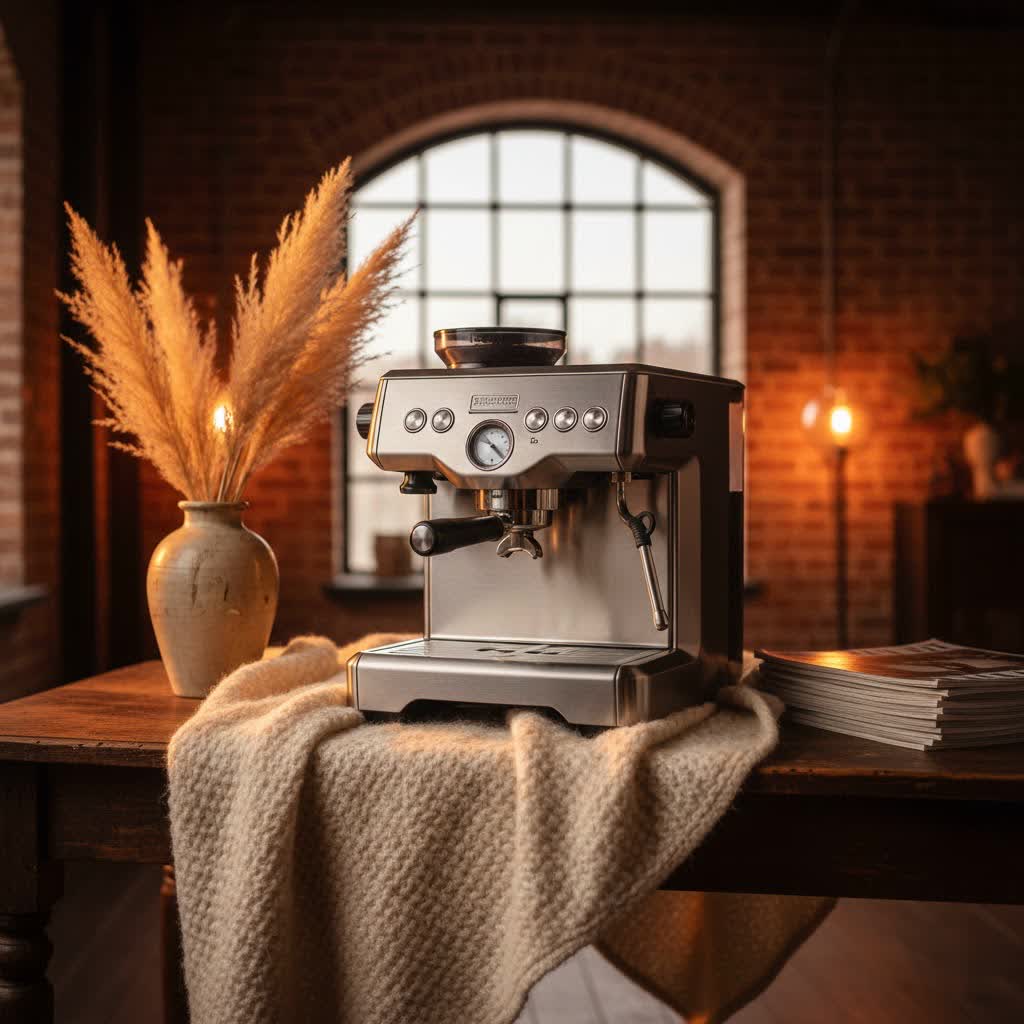
What is an Espresso Machine?
An espresso machine is a specialized coffee maker that forces hot, pressurized water through finely ground coffee beans to produce a concentrated coffee beverage known as espresso. This process extracts the coffee’s rich flavors and oils, creating a distinct crema layer on top—a hallmark of a well-made shot.
The history of espresso dates back to 19th-century Italy, evolving from machines that used steam to those that utilize pumps for precise pressure. Over the years, these machines have become more refined and accessible, making it possible for home users to enjoy high-quality espresso.
There are several types of espresso machines, each offering a different level of control and convenience:
- Manual Espresso Machines: These machines require the most user input, often relying on a lever to build pressure. They offer the most control over the brewing process and are generally the most affordable, though they demand skill and practice.
- Semi-Automatic Espresso Machines: Popular for home users, these machines use an electric pump to provide pressure but allow the user to control the shot duration (when to start and stop the water flow). They strike a balance between automation and hands-on brewing. Many “cheap” options fall into this category.
- Automatic Espresso Machines: These machines automate both the pressure and the shot duration. Once programmed, they deliver a consistent shot with the push of a button. While convenient, truly automatic models tend to be more expensive.
- Super-Automatic Espresso Machines: These are the most automated, handling everything from grinding beans to frothing milk. They are typically the most expensive and are rarely considered “cheap.”
For those seeking an affordable entry into home espresso, manual and semi-automatic machines offer the best value and control for their price point.
Key Components of an Espresso Machine
Understanding the essential parts of an espresso machine helps you appreciate how it works and what to look for, even in budget models.
- Pump: This is the heart of a modern espresso machine, creating the high pressure (typically 9-15 bars) needed to extract espresso efficiently. Most budget machines use a vibratory pump, which is cost-effective and reliable.
- Boiler or Thermoblock: This component heats the water to the optimal brewing temperature (around 195-205°F or 90-96°C). Budget machines often use a thermoblock, which heats water on demand and is quicker to warm up than a traditional boiler, though it may offer less temperature stability.
- Grouphead: This is where the portafilter attaches, and hot water is dispersed over the coffee grounds. A well-designed grouphead ensures even water distribution for a balanced extraction.
- Portafilter: A handle with a basket that holds the ground coffee. Most budget machines come with pressurized portafilters, which are more forgiving for beginners and inconsistent grind sizes. Commercial-style 58mm portafilters are ideal, though 51mm is common in budget machines.
- Steam Wand: Used to froth milk for lattes and cappuccinos. Budget machines typically feature a manual steam wand, requiring user skill to create microfoam, while some may have automatic frothing capabilities.
- Water Reservoir: Holds the water used for brewing and steaming. A larger capacity means fewer refills.
The materials used, such as stainless steel for durability and heat retention, can impact both the machine’s longevity and the quality of your coffee.
How to Choose a Budget Espresso Machine
Choosing the right cheap espresso machine involves balancing your desires for quality and convenience with your financial limitations.
Assess Your Coffee Habits & Needs
|
Our Picks for the Best Espresso Machine in 2026
As an Amazon Associate I earn from qualifying purchases.
|
||
| Num | Product | Action |
|---|---|---|
| 1 | Breville Barista Express Espresso Machine BES870BSXL, Black Sesame |

|
| 2 | CASABREWS CM5418 Espresso Machine 20 Bar, Compact Espresso Maker with Steam Milk Frother, Stainless Steel Coffee Machine with 34oz Removable Water Tank for Cappuccino, Gift for Women or Men, Silver |
|
| 3 | Gaggia Classic Evo Pro - Espresso Machine Jungle Green |
|
| 4 | Ninja Luxe Café 3-in-1 Espresso, Drip Coffee and Cold Brew Machine - Integrated Coffee Grinder, Milk Frother, Assisted Tamper & Built-In Espresso Accessory Storage - Stainless Steel - ES601 |
|
| 5 | CASABREWS 3700 Essential Espresso Machine 20 Bar, Stainless Steel Cappuccino & Latte Machine with Steam Frother for Home, 43.9oz Water Tank, Coffee Gift for Women & Men, Silver |
|
| 6 | Breville Bambino Espresso Machine BES450BSS, Brushed Stainless Steel |
|
| 7 | Breville Barista Express Impress Espresso Machine BES876BSS, Brushed Stainless Steel |
|
| 8 | Gevi Commercial Espresso and Coffee Makers, Professional 20 Bar Espresso Maker with Milk Frother, Stainless Steel Expresso Coffee Machines for Home, Compact Cappuccino Machine, Great Gift |
|
| 9 | Breville Barista Express Espresso Machine BES870XL, Brushed Stainless Steel |
|
| 10 | De'Longhi Stilosa Manual Espresso Machine, Compact Coffee Maker, 15 Bar Pump Pressure, Manual Milk Frother Steam Wand for Authentic Single & Double Espresso, Lattes & Cappuccinos, Tamper Included |
|
Before diving into models, consider your daily coffee routine. How often will you use the machine—daily, or just on weekends? How many people will be using it? If you’re brewing for a household of avid coffee drinkers, a machine with a larger water reservoir and faster heat-up time might be crucial. Think about your preferred drinks; do you only want straight espresso, or are lattes and cappuccinos a must? A reliable steam wand will be essential for milk-based beverages.
Set Your Budget Realistically
“Cheap” can be subjective, but for espresso machines, it typically means models under $500, with many popular options falling in the $80-$350 range. Keep in mind that a truly good home espresso setup often requires an additional investment in a quality grinder, which can add $150-$250 to your overall cost.
- Entry-level (Under $100): Machines like the De’Longhi Stilosa or Hamilton Beach are great for beginners, offering basic espresso functionality and a manual frother. Stovetop Moka pots also fall into this category for espresso-style coffee.
- Mid-range ($100-$350): This category includes machines like the Casabrews 3700 or Wirsh, which often provide better build quality, more consistent performance, and sometimes additional features like automatic brewing stops.
- Higher-end Budget ($350-$500+): While pushing the definition of “cheap,” models like the Breville Bambino Plus or Gaggia Classic Pro offer significantly advanced features for their price, such as PID temperature control, volumetric programming, and better steam power, making them excellent long-term investments.
Essential Features for the Price
Even with a limited budget, certain features can significantly impact your espresso experience. Look for machines with at least 9 bars of pump pressure for proper extraction. While high-end temperature control (PID) is rare in the cheapest models, some mid-range budget machines, like the Breville Bambino Plus, offer it for superior consistency. A removable water tank simplifies refilling and cleaning, and a good steam wand (manual is often preferred for control) is vital for milk drinks. Automatic shot control can be a convenient feature for beginners, stopping the flow once a set volume is reached.
Reputable Brands for Value
Several brands consistently offer reliable budget-friendly options. De’Longhi is often praised for entry-level machines like the Stilosa, providing good value and essential features. Casabrews and Wirsh are emerging brands offering compact and user-friendly machines in the sub-$150 range. For those willing to stretch their budget slightly, Breville (e.g., Bambino series) and Gaggia (e.g., Classic Pro) are highly regarded for their balance of features, performance, and durability, often considered the “best value” in the broader budget category. Always check for warranty and customer support options.
Top Budget Espresso Machines: A Comparison
Finding the right machine involves weighing features against price. Here’s a comparison of popular budget espresso machines that deliver quality without breaking the bank.
| Model | Price Range | Type | Key Features | Pros | Cons | Ideal For |
|---|---|---|---|---|---|---|
| De’Longhi Stilosa | $80 – $100 | Semi-Automatic | 15-bar pump, manual steam wand, single/double shot, compact | Very affordable, user-friendly, good for beginners, compact design | Manual off to prevent overflow, basic frother, plastic build | First-time espresso buyers, small kitchens |
| Casabrews 3700 Essential | $100 – $130 | Semi-Automatic | 15-bar pump, manual steam wand, consistent espresso, compact | Consistent shots with good crema, simple operation, compact | Basic features, less precise temperature control | Beginners, consistent basic espresso |
| Hamilton Beach Espresso Machine | $60 – $70 | Semi-Automatic | Built-in adjustable milk frother, works with grounds & pods | Excellent value with frother, versatile with pods, easy to use | Lower pressure (likely steam-driven), less authentic espresso | Latte/cappuccino lovers on a tight budget |
| Wirsh Espresso Machine | $120 – $150 | Semi-Automatic | 15-bar pump, narrow design (5.5″ wide), auto brewing, steam wand | Space-saving, modern look, auto-stop brewing, hot water function | May require dialing in for best shots | Small kitchens, design-conscious buyers |
| Breville Bambino Plus | $400 – $500 | Semi-Automatic | ThermoJet heating (3s heat-up), PID, auto milk frothing, 54mm portafilter, 3-way solenoid | Fast heat-up, advanced features for price, excellent frothing, compact, precise | Higher end of “budget,” smaller portafilter, built-in tamper is basic | Enthusiasts wanting advanced features, quick coffee, milk drinks |
| Gaggia Classic Pro | $450 – $550 | Semi-Automatic | Commercial-style steam wand, 3-way solenoid, PID-ready, durable stainless steel | Robust build, repairable, excellent steam, highly moddable, reliable | Learning curve, no built-in grinder, basic accessories, PID is an aftermarket mod usually | Serious home baristas, modding enthusiasts, longevity focused |
> “The entry point for a truly satisfying home espresso setup, including a good grinder, often starts around $500, but there are excellent machines delivering great value well below that mark if you understand their limitations.” – CoffeeGeek Analyst, Espresso Machine Reviewer
Mastering Your Budget Espresso Machine: Usage & Maintenance
Getting the most out of your budget espresso machine means understanding how to use it properly and committing to regular maintenance.
Getting Started Right
Proper setup is crucial for optimal performance. Ensure your machine is on a stable, level surface near a power outlet and a water source. Fill the water reservoir with filtered water to prevent scale buildup. The most critical factor for excellent espresso is coffee freshness and grind size. Always use freshly roasted whole beans and grind them just before brewing. For espresso, the grind should be very fine, like powdered sugar, but not so fine that it chokes the machine. Experiment to find the perfect grind setting for your machine and beans. Finally, always allow your machine to heat up fully before brewing; pre-heating the portafilter and cups is also recommended to maintain temperature stability.
Brewing the Perfect Shot
While machines vary, the basic steps for pulling an espresso shot are similar:
- Prepare the Portafilter: Grind your coffee directly into the portafilter or dose accurately.
- Distribute and Tamp: Distribute the grounds evenly in the basket, then tamp firmly and level with a tamper to create a uniform puck.
- Attach Portafilter: Lock the portafilter into the grouphead.
- Start the Brew: Activate the pump. For semi-automatic machines, you’ll start and stop the flow manually, aiming for a shot that extracts in 25-30 seconds for a double shot.
- Observe and Adjust: Watch the espresso flow; it should be a steady, honey-like stream. Adjust grind size finer if it flows too fast, or coarser if it flows too slow.
Essential Cleaning & Descaling
Regular cleaning is vital for both the taste of your coffee and the lifespan of your machine.
- Daily Cleaning: After each use, knock out the spent coffee puck, rinse the portafilter and basket, and wipe down the grouphead and steam wand. Backflushing (if your machine supports it) with a blind basket and espresso detergent should be done regularly, perhaps weekly.
- Periodic Cleaning: Descaling removes mineral buildup from the boiler/thermoblock, which can affect heating and flow. This should be done every 1-3 months, depending on your water hardness and usage. Always use a descaling solution recommended by the manufacturer. Clean the water reservoir thoroughly to prevent mold or bacterial growth.
Common Issues with Affordable Espresso Machines & Simple Fixes
Even the best cheap espresso machines can encounter issues. Here are some common problems and how to troubleshoot them:
- Machine Not Heating Up: Check the power connection and ensure the machine is switched on. If there’s no heat, the heating element might be faulty, or there could be a thermostat issue.
- Weak Pressure/No Flow: This is often due to a grind that is too fine, a tamp that is too hard, or an obstructed filter basket. Try adjusting your grind coarser, tamping lighter, or cleaning the basket. Limescale buildup can also restrict water flow, necessitating descaling.
- Coffee Flows Too Slowly or Not at All: Similar to weak pressure, this usually indicates an overly fine grind or excessive tamping. A clogged shower screen on the grouphead can also be a culprit, requiring a quick brush or clean.
- Coffee Flows Too Fast: This often means the grind is too coarse, or there isn’t enough coffee in the portafilter. Adjust your grind finer or increase your dose.
- Machine Leaking Water: Check the water reservoir for proper seating, ensure the drip tray isn’t overflowing, and inspect the grouphead gasket for wear and tear. A worn gasket is a common cause of leaks around the portafilter.
For simple issues like grind adjustments or cleaning, you can often fix them yourself. However, for persistent electrical problems, pump failures, or significant leaks that you cannot resolve, it’s best to consult a professional technician. Attempting complex repairs without expertise can void warranties or cause further damage.
Where to Buy Your Cheap Espresso Machine
Finding a good deal on an espresso machine requires knowing where to look and what to consider.
- Major Online Retailers: Websites like Amazon, Wayfair, and Target often have a wide selection of budget espresso machines, frequently offering sales and discounts. Always compare prices across different platforms.
- Specialty Coffee Stores (Online & Brick-and-Mortar): While their primary focus might be higher-end machines, many specialty retailers also carry quality entry-level models and can provide expert advice. They may also offer bundles with grinders or accessories.
- Department Stores: Large department stores often stock popular brands and models, especially around holiday seasons when sales are common.
- Buying Online (Reliable Suppliers): When purchasing online, always check the seller’s reputation and return policy. Read customer reviews not just for the product but also for the purchasing experience.
- Considering Used Machines: Websites like eBay or local marketplaces (Facebook Marketplace, Craigslist) can offer significant savings. However, buying used carries risks. Always ask for videos of the machine operating, inquire about its maintenance history, and understand that it might require servicing sooner. Inspect for limescale, rust, and signs of wear.
The Ultimate Budget Espresso Buying Guide
Beyond the basic machine, several factors and accessories can enhance your home espresso journey.
What Else to Consider Before Buying
- Kitchen Space: Measure your counter space. Some budget machines are remarkably compact, which is a significant advantage for smaller kitchens.
- Noise Level: Vibratory pumps, common in cheaper machines, can be quite noisy. If you live in an apartment or brew early in the morning, consider user reviews regarding noise.
- Power Requirements: Ensure your kitchen outlets can handle the machine’s wattage. Most home machines are standard 110-120V.
Must-Have Accessories
To truly make café-quality espresso, the machine is just one part of the equation.
- Quality Grinder: This is paramount. Even the best espresso machine will produce subpar results with pre-ground coffee or a low-quality grinder. A burr grinder (manual or electric) that can consistently produce a fine, uniform grind is essential. Budget around $150-$250 for a decent espresso grinder.
- Tamper: While some machines include a plastic tamper, an upgrade to a heavier, well-fitting stainless steel tamper will significantly improve your tamping consistency.
- Milk Pitcher: Essential for frothing milk with a steam wand. Stainless steel pitchers are durable and help with temperature control.
- Knock Box: A convenient container to dispose of used coffee pucks.
- Cleaning Supplies: Espresso machine cleaning tablets, descaling solution, and specialized brushes for the grouphead.
Read Reviews and Compare Prices
Before making a final decision, take the time to read detailed reviews from other users and independent coffee experts. Look for common praises and complaints, and pay attention to comments about reliability and long-term performance. Compare prices from various retailers, especially during sales events, to ensure you’re getting the best possible deal. User experiences often highlight practical aspects that specifications alone might miss.
Conclusion
Embarking on your home barista journey with a budget espresso machine is an exciting and rewarding endeavor. While the world of espresso can seem intimidating and expensive, numerous affordable options exist that allow you to craft delicious, high-quality coffee drinks without draining your wallet. By understanding the core components, knowing what features to prioritize, and committing to proper usage and maintenance, you can unlock the rich flavors of espresso right in your own kitchen.
Remember, the “best cheap espresso machine” isn’t necessarily the most expensive, but rather the one that perfectly fits your needs, budget, and passion for coffee. With the right selection, you’ll be pulling satisfying shots and frothing silky milk in no time, proving that great espresso doesn’t have to be a luxury.
What kind of delicious espresso-based drinks are you most excited to create with your new machine?
Frequently Asked Questions
Are cheap espresso machines any good?
Yes, absolutely! While “cheap” is relative, many affordable espresso machines, especially in the $80-$350 range, can produce surprisingly good espresso. They might lack some advanced features or premium build quality of high-end models, but with fresh beans, a good grinder, and practice, you can achieve delicious results and café-quality drinks at home.
What’s the minimum bar pressure for good espresso?
For pump-driven espresso machines, a minimum of 9 bars of pressure is generally considered ideal for proper espresso extraction. Many budget machines advertise 15 bars, which is often a maximum pressure, but the crucial factor is the pressure maintained during extraction, which should be around 9 bars.
Do I need a separate grinder for a cheap espresso machine?
Yes, a separate, high-quality burr grinder is highly recommended, even more so with a cheap espresso machine. Pre-ground coffee or a low-quality grinder will severely limit the quality of your espresso, regardless of the machine. Investing in a good grinder (which might cost as much as your machine) will be the single biggest upgrade to your home espresso experience.
How often should I clean my espresso machine?
Daily cleaning is essential: rinse the portafilter and basket after each use, and wipe down the grouphead and steam wand. Periodic cleaning, including backflushing (if applicable) and descaling, should be done every 1-3 months depending on usage and water hardness, to prevent mineral buildup and maintain optimal performance.
What’s the difference between manual and semi-automatic budget machines?
Manual budget espresso machines, often lever-operated, require you to manually pump to build pressure and control the water flow, offering maximum control and a hands-on experience. Semi-automatic budget machines use an electric pump for pressure, but you manually start and stop the water flow for the espresso shot, balancing automation with user control. Semi-automatics are generally more common and easier for beginners.
