Dreaming of crafting barista-quality espresso in your own kitchen? For coffee enthusiasts, the pursuit of the perfect shot often leads to the world of professional espresso machines designed for home use. These “prosumer” models bridge the gap between basic consumer machines and robust commercial equipment, offering advanced features, exceptional durability, and the control needed to truly master the art of espresso. Investing in a professional-grade machine means transforming your morning routine into a sophisticated coffee ritual and consistently enjoying outstanding espresso, lattes, and cappuccinos from the comfort of your home.
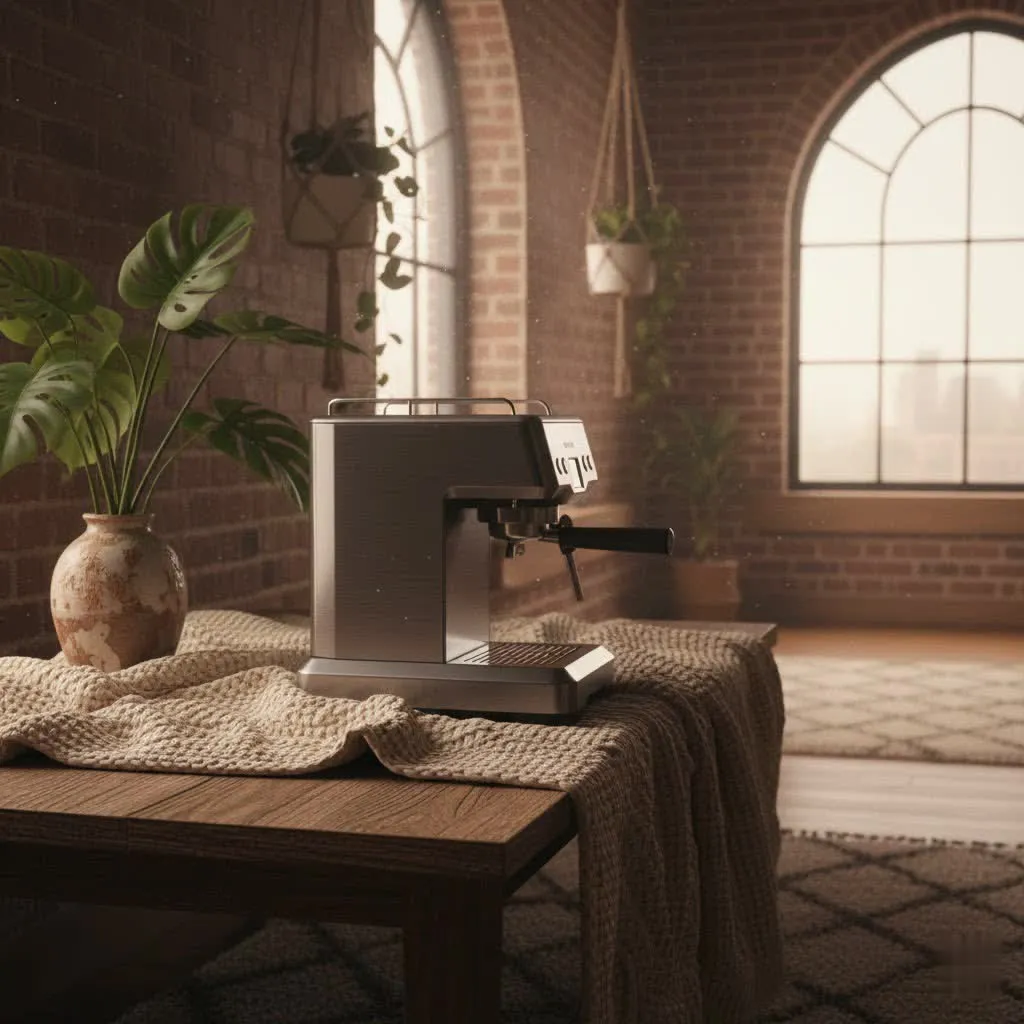
What is an Espresso Machine?
An espresso machine is a specialized coffee maker that forces hot, pressurized water through a compacted bed of finely ground coffee. This process extracts a concentrated, aromatic beverage known as espresso, characterized by its rich flavor, thick body, and a distinctive reddish-brown foam layer on top called crema. The invention of the espresso machine in the early 20th century revolutionized coffee preparation, moving away from simple percolation to a method that unlocks deeper flavors and aromas in a short brewing time.
Over the decades, espresso machines have evolved significantly. Early models were largely manual, relying on levers and human power to generate pressure. As technology advanced, semi-automatic machines introduced electric pumps, making the process more consistent. Fully automatic and super-automatic machines further streamlined operation, automating grinding, tamping, and even milk frothing, bringing the sophisticated coffee experience within reach of the home user.
The most common types of espresso machines for home baristas seeking professional results include:
- Manual Espresso Machines: These machines require the user to manually apply pressure, often through a lever, offering ultimate control but demanding skill and consistency. While some manual devices like Moka pots brew strong coffee, they typically don’t achieve the true pressure required for authentic espresso.
- Semi-Automatic Espresso Machines: Popular among home enthusiasts, these machines use an electric pump but give the user control over grind size, dosing, tamping, and shot duration. This balance of automation and manual control allows for significant customization and skill development.
- Automatic Espresso Machines: Similar to semi-automatic, but with programmed shot volumes, meaning the machine stops the water flow automatically once a preset amount is dispensed. They still require manual grinding and tamping.
- Super-Automatic Espresso Machines: Often called “bean-to-cup” machines, these automate nearly the entire process, from grinding fresh beans and tamping them, to brewing the espresso and sometimes even frothing milk, all at the touch of a button. They prioritize convenience and consistency.
Essential Components of an Espresso Machine
Understanding the core components of an espresso machine is crucial for appreciating its functionality and making an informed purchase. Each part plays a vital role in extracting that perfect shot.
- Pump: The pump is the heart of the espresso machine, responsible for generating the high pressure (typically 9-15 bars, with 9 bars being the industry sweet spot for optimal extraction) needed to force water through the coffee grounds. Vibration pumps are common in home machines and are more affordable, while rotary pumps found in higher-end models are quieter and can be plumbed directly into a water line.
- Boiler/Heating System: This component heats the water to the precise brewing temperature (around 195-205°F or 90-96°C). There are several types:
- Single Boiler: Uses one boiler for both brewing and steaming. You must wait for the boiler to heat up for steaming, then cool down for brewing, making simultaneous operation impossible.
- Heat Exchanger (HX): Has a single boiler, but a tube passes through it, heating a separate stream of water for brewing while the main boiler maintains steam temperature. This allows for simultaneous brewing and steaming, though temperature management can require some technique.
- Dual Boiler: Features two independent boilers – one dedicated to brewing and one for steaming. This configuration offers superior temperature stability and allows for simultaneous, uncompromised brewing and steaming, making it a hallmark of professional-grade machines.
- Thermoblock/ThermoJet: Heats water on demand as it flows through a heated metal block or coil. These systems are known for fast heat-up times and compact designs, common in many modern home machines, though they may offer less thermal stability than traditional boilers.
- Grouphead: This is the metal component on the front of the machine where the portafilter locks in. It dispenses the hot water onto the coffee grounds. E61 groupheads are widely popular in prosumer machines for their thermal stability and pre-infusion capabilities, achieved by circulating hot water from the boiler through the grouphead.
- Portafilter: A handle with a basket that holds the finely ground coffee. Professional-grade machines typically use a 58mm diameter portafilter, which is considered standard for optimal extraction and puck integrity.
- Steam Wand: A nozzle used to steam and froth milk for lattes and cappuccinos. Manual steam wands offer precise control over milk texture, while some automatic or super-automatic machines feature automated frothing systems for convenience.
How to Choose a Home Espresso Machine
Selecting the right professional espresso machine for your home involves a careful evaluation of your personal needs, budget, desired features, and brand reputation.
Determine Your Needs
Before diving into specifications, consider how you’ll use the machine:
- Frequency of Use: Will you be making one espresso shot daily, or multiple milk-based drinks for the whole family throughout the day? For high-volume use or entertaining, machines with dual boilers or efficient heat exchangers that allow simultaneous brewing and steaming are invaluable.
- Number of Users: A single-boiler machine might suffice for one person, but a household of multiple coffee drinkers will benefit from a faster, more robust machine.
- Favorite Coffee Types: Are you a purist who only drinks straight espresso, or do you prefer lattes, cappuccinos, or Americanos? If milk drinks are your staple, a powerful and responsive steam wand is a must.
|
Our Picks for the Best Espresso Machine in 2026
As an Amazon Associate I earn from qualifying purchases.
|
||
| Num | Product | Action |
|---|---|---|
| 1 | CASABREWS 3700 Essential Espresso Machine 20 Bar, Stainless Steel Cappuccino & Latte Machine with Steam Frother for Home, 43.9oz Water Tank, Coffee Gift for Women & Men, Silver |

|
| 2 | Breville Bambino Espresso Machine BES450BSS, Brushed Stainless Steel |
|
| 3 | Breville Barista Express Impress Espresso Machine BES876BSS, Brushed Stainless Steel |
|
| 4 | Gevi Commercial Espresso and Coffee Makers, Professional 20 Bar Espresso Maker with Milk Frother, Stainless Steel Expresso Coffee Machines for Home, Compact Cappuccino Machine, Great Gift |
|
| 5 | De'Longhi Stilosa Manual Espresso Machine, Compact Coffee Maker, 15 Bar Pump Pressure, Manual Milk Frother Steam Wand for Authentic Single & Double Espresso, Lattes & Cappuccinos, Tamper Included |
|
| 6 | Gaggia Classic Evo Pro - Espresso Machine Jungle Green |
|
| 7 | Breville Barista Express Espresso Machine BES870XL, Brushed Stainless Steel |
|
| 8 | Breville Barista Express Espresso Machine BES870BSXL, Black Sesame |
|
| 9 | Ninja Luxe Café 3-in-1 Espresso, Drip Coffee and Cold Brew Machine - Integrated Coffee Grinder, Milk Frother, Assisted Tamper & Built-In Espresso Accessory Storage - Stainless Steel - ES601 |
|
| 10 | CASABREWS CM5418 Espresso Machine 20 Bar, Compact Espresso Maker with Steam Milk Frother, Stainless Steel Coffee Machine with 34oz Removable Water Tank for Cappuccino, Gift for Women or Men, Silver |
|
Budget
Professional home espresso machines span a wide price range, typically starting around $500 and going up to several thousand dollars.
- Entry-Level Prosumer: Machines in the $500-$1000 range (e.g., Breville Barista Express, Rancilio Silvia with PID) offer significant upgrades over basic consumer models, providing more control and better quality components.
- Mid-Range: Between $1000-$2000, you’ll find machines with dual boilers, PID controllers, and robust build quality (e.g., Lelit Victoria, Diletta Mio, some Profitec models).
- High-End/Luxury: Above $2000, you enter the realm of true commercial-grade components, advanced pressure profiling, and premium aesthetics (e.g., Breville Oracle Dual Boiler, higher-end Profitec, ECM, Rocket Espresso models).
Consider this an investment in your coffee experience. A durable machine with readily available parts can last 15-20 years with proper maintenance, offering excellent long-term value.
Important Features
When evaluating machines, look for these features that contribute to a professional home espresso experience:
- Pump Pressure: While pumps can generate up to 15-19 bars, the actual extraction pressure is typically regulated to around 9 bars, which is considered ideal for espresso. More bars don’t always mean better, but consistent pressure is key.
- Boiler Configuration: For serious home baristas, a dual boiler system is often preferred, allowing for stable brewing temperature and powerful, continuous steam simultaneously. Heat exchange (HX) machines are a good compromise, while single boilers are more budget-friendly but require temperature management between brewing and steaming.
- Temperature Control (PID): A Proportional-Integral-Derivative (PID) controller is a digital thermostat that maintains a very precise and stable brew temperature. This is crucial for consistent extraction and is a hallmark of professional machines.
- Pre-infusion: This feature gently wets the coffee puck with low-pressure water before full pressure is applied. It helps to saturate the grounds evenly, leading to a more consistent and flavorful extraction, particularly beneficial for lighter roasts.
- Manual/Automatic Steam Wand: Manual wands offer the most control for creating microfoam for latte art. Some machines offer automatic steaming with adjustable texture and temperature, which is great for convenience.
- Portafilter Size: Aim for a 58mm portafilter, which is standard in commercial machines and offers optimal surface area for extraction.
- Integrated Grinder: While convenient (e.g., Breville Barista Express), a separate, high-quality burr grinder often provides superior consistency and more control over grind size, which is critical for espresso.
- Build Materials: Look for machines with stainless steel, brass, or copper components for boilers and groupheads. These materials contribute to longevity and thermal stability.
Reputable Brands
Several brands consistently earn high praise in the prosumer espresso machine market:
- Breville: Known for integrating features and user-friendly designs, offering good value across various price points (e.g., Barista Express, Bambino Plus, Oracle series, Dual Boiler).
- Rancilio: The Silvia is a classic single-boiler machine known for its robust, commercial-grade construction and longevity. The Silvia Pro X offers dual boiler performance.
- Gaggia: The Classic Pro is an Italian-made entry-level favorite, appreciated for its commercial-sized portafilter and upgrade potential.
- Lelit: Offers machines like the Victoria and Bianca, praised for their PID controllers, quality components, and advanced features for their price point.
- Profitec & ECM: German engineering with Italian aesthetics, these brands offer high-end heat exchange and dual boiler machines (e.g., Profitec Pro series, ECM Mechanika) known for their build quality, thermal stability, and E61 groupheads.
- Rocket Espresso: Italian design and craftsmanship, producing aesthetically pleasing and high-performing prosumer machines.
Consider the brand’s warranty, customer support, and the availability of spare parts and service in your region when making your decision.
So Sánh Các Dòng Máy Pha Cà Phê Espresso Phổ Biến (Popular Espresso Machine Models Comparison)
Choosing among the numerous excellent prosumer machines can be challenging. Here’s a comparison table highlighting popular models, though specific features and pricing can vary by region and year. This table is a simplified representation, and users should always consult the latest reviews and specifications.
| Model | Type | Boiler Type | PID Control | Integrated Grinder | Key Features | Ideal User |
|---|---|---|---|---|---|---|
| Breville Barista Express | Semi-Automatic | Thermocoil | Yes | Yes | Integrated grinder, auto-dosing, manual steam wand | Beginners to intermediate, space-conscious |
| Breville Bambino Plus | Semi-Automatic | ThermoJet | Yes | No | Fast heat-up (3s), auto-milk frothing, compact | Beginners, convenience-focused |
| Rancilio Silvia PID | Semi-Automatic | Single Boiler | Yes (aftermarket/specific models) | No | Robust, commercial-grade parts, durable | Enthusiasts willing to learn, DIY-friendly |
| Lelit Victoria | Semi-Automatic | Single Boiler | Yes | No | PID, pre-brew settings via app, hot water wand | Intermediate users, tech-savvy |
| Diletta Mio | Semi-Automatic | Boiler + Thermoblock (hybrid) | Yes | No | Simultaneous brew/steam, side-loading water tank | Latte/cappuccino lovers, compact yet powerful |
| Profitec Pro 600 | Semi-Automatic | Dual Boiler | Yes | No | E61 grouphead, precise temp control, robust build | Serious home baristas, milk drink fanatics |
| Breville Dual Boiler | Semi-Automatic | Dual Boiler | Yes | No | Simultaneous brew/steam, high thermal stability | Advanced users, high-volume needs |
This table provides a snapshot; always research the latest models and features to match your specific desires and budget.
Hướng Dẫn Sử Dụng Và Bảo Dưỡng Máy Pha Cà Phê Espresso
Proper use and meticulous maintenance are key to unlocking the full potential of your professional home espresso machine and ensuring its longevity.
Chuẩn Bị (Preparation)
Getting ready to brew involves more than just flicking a switch:
- Proper Setup: Ensure your machine is on a stable, level surface, with adequate ventilation and access to its water reservoir. Always use filtered water to minimize mineral buildup, which can damage components.
- Choose the Right Coffee: Use high-quality, fresh whole beans. For espresso, a medium-dark to dark roast is often recommended for its rich body and lower acidity, though experimentation is encouraged. Grind your beans just before brewing to preserve freshness. The grind size is critical—it should be very fine, resembling powdered sugar or flour, allowing water to pass through with optimal resistance.
- Warm Up the Machine: Allow your machine sufficient time to heat up completely. This includes the boiler(s), grouphead, and portafilter. Many prosumer machines benefit from a 15-30 minute warm-up. Run a blank shot (water only) through the grouphead and portafilter to ensure everything is at the correct temperature.
Pha Chế Espresso (Brewing Espresso)
The ritual of brewing espresso is precise:
- Dose and Grind: Grind fresh coffee beans directly into your portafilter. The ideal dose for a double shot is typically 18-20 grams.
- Distribute and Tamp: Distribute the grounds evenly in the portafilter basket to prevent channeling. Use a tamper to apply firm, even pressure (around 30 pounds) to create a level and compact puck. “Once you get that compression and once the coffee starts pushing back at you, that’s really all the pressure you need,” advises Elika Liftee, Director of Education at Onyx Coffee Lab.
- Insert Portafilter: Lock the portafilter securely into the grouphead.
- Initiate Brew: Start the pump. The goal is to extract approximately 2 ounces (60 ml) of espresso in 20-30 seconds. Observe the flow: it should start slowly, like warm honey, and maintain a steady, mouse-tail stream.
- Adjust and Repeat: If your shot runs too fast (under-extracted, watery, sour) or too slow (over-extracted, bitter, syrupy), adjust your grind size. A finer grind will slow the shot, a coarser grind will speed it up. Fine-tune until you achieve a balanced flavor and beautiful crema.
Vệ Sinh Máy (Cleaning the Machine)
Regular cleaning is paramount for performance and hygiene:
- Daily Cleaning:
- Portafilter: Knock out the used coffee puck, rinse the portafilter and basket thoroughly after each use.
- Grouphead: Run a blank shot of hot water through the grouphead to flush out any stray coffee grounds.
- Steam Wand: Immediately after steaming milk, wipe the steam wand with a damp cloth to prevent milk residue from drying and clogging. Purge a small amount of steam to clear any internal blockages.
- Weekly Cleaning (Backflushing): For machines with a 3-way solenoid valve (common in semi-automatics), perform a backflush. Insert a blind (no-hole) filter basket into your portafilter, add a small amount of espresso machine detergent (if recommended by manufacturer), and lock it into the grouphead. Run the pump for 10-15 seconds, then stop for 5 seconds, repeating 3-5 times. Rinse thoroughly with several blank shots. This cleans the internal components of the grouphead.
- Periodic Descaling: Over time, mineral deposits (scale) can build up in the boiler and water lines, affecting performance and potentially damaging the machine. Descale your machine every 1-3 months, depending on water hardness and usage. Use a manufacturer-approved descaling solution and follow the instructions carefully. Many machines have built-in descaling programs.
- Deep Cleaning: Periodically, you may need to clean other components like the water reservoir, drip tray, and shower screen (the metal screen inside the grouphead). Some parts can be soaked in a cleaning solution.
Các Lỗi Thường Gặp Và Cách Khắc Phục
Even with a professional machine, occasional issues can arise. Here are some common problems and their typical solutions:
- Machine Not Heating:
- Check power: Ensure the machine is plugged in and the power switch is on.
- Water level: Low water in the reservoir can prevent heating elements from activating.
- Thermostat/heating element issue: If basic checks don’t resolve it, the thermostat or heating element may need professional repair.
- Weak Espresso (Under-extracted):
- Grind too coarse: Adjust your grinder to a finer setting.
- Insufficient coffee dose: Ensure you’re using enough coffee for your portafilter basket (e.g., 18-20g for a double shot).
- Poor tamping: Tamp firmly and evenly to create a solid puck.
- Brew temperature too low: Allow the machine to fully warm up. If it has a PID, check the temperature setting.
- Cà Phê Chảy Chậm / Không Chảy (Over-extracted or Blocked):
- Grind too fine: Adjust your grinder to a slightly coarser setting.
- Overdosing: Too much coffee in the basket can create too much resistance.
- Tamping too hard: While firm tamping is good, excessive force can compact the puck too much.
- Clogged grouphead/shower screen: Perform a backflush or clean the shower screen.
- Máy Bị Rò Rỉ Nước (Machine Leaking Water):
- Loose portafilter: Ensure the portafilter is locked in tightly. Worn grouphead gaskets can also cause leaks around the portafilter, requiring replacement.
- Overfilled drip tray: Empty the drip tray regularly.
- Cracked water reservoir: Inspect the reservoir for damage.
- Internal component leak: If the leak is internal or persistent, it’s best to consult a technician.
- No Steam/Weak Steam:
- Machine not hot enough: Wait for the steam boiler to reach full temperature.
- Clogged steam wand: Clean the steam wand tip thoroughly. Use a needle or paperclip to clear any dried milk.
- Blocked steam valve: If internal, may require professional service.
For complex issues or internal repairs, it’s generally best to contact the manufacturer’s support or a qualified espresso machine technician to avoid further damage.
Mua Máy Pha Cà Phê Espresso Ở Đâu?
Acquiring a high-quality home espresso machine requires knowing where to look for reputable sellers and reliable products.
- Chuyên Cửa Hàng Bán Lẻ Thiết Bị Cà Phê (Specialty Coffee Equipment Retailers): Stores like Whole Latte Love, Seattle Coffee Gear, or local espresso equipment dealers often have a wide selection of prosumer and high-end machines. They usually offer expert advice, better warranties, and dedicated repair services.
- Cửa Hàng Bách Hóa Lớn Và Nhà Bán Lẻ Trực Tuyến (Major Department Stores and Online Retailers): Large online platforms like Amazon, Williams Sonoma, or Target carry popular brands like Breville and De’Longhi. While convenient, ensure you’re buying from authorized sellers to guarantee warranty coverage and authenticity. Always check return policies.
- Mua Online Từ Các Thương Hiệu Trực Tiếp (Buying Online Directly from Brands): Many reputable brands like Breville, Lelit, Profitec, and Rocket Espresso sell directly from their websites, often with comprehensive product information and support.
- Máy Đã Qua Sử Dụng (Used Machines): Platforms like eBay, local classifieds, or specialty coffee forums can be sources for used machines.
- Benefits: Potential cost savings, access to higher-end models at a lower price.
- Risks: No warranty, potential hidden issues, unknown maintenance history. If considering a used machine, try to inspect it in person, ask for its service history, and factor in potential repair costs.
No matter where you purchase, always prioritize retailers that offer robust customer support, clear warranty terms, and accessible repair services.
Buying Guide (Detailed)
Making the final decision on your professional home espresso machine requires a holistic approach, considering not just performance but also practical integration into your daily life.
Các yếu tố cần xem xét trước khi mua (Factors to Consider Before Buying)
Beyond the technical specifications, practical aspects are crucial:
- Kích Thước Và Không Gian Bếp (Size and Kitchen Space): Professional machines can be substantial. Measure your counter space, including height clearances under cabinets, to ensure the machine fits comfortably and leaves room for accessories like a grinder and knock box. Consider the location of the water reservoir; side-loading reservoirs are convenient if your machine sits under a low cabinet.
- Nguồn Điện (Electrical Requirements): Most home machines run on standard 110-120V outlets. However, some higher-end dual boiler machines may require a dedicated circuit due to their power draw. Always check the electrical specifications.
- Độ ồn (Noise Level): Vibration pumps can be noisy, while rotary pumps are significantly quieter. If your kitchen is open-plan or you brew early mornings, a quieter machine might be a priority.
- Khả năng kết nối nước (Water Connection Capability): Some prosumer machines can be plumbed directly into your home’s water line, eliminating the need to refill a reservoir. This is a significant convenience for dedicated enthusiasts but requires professional installation.
Các phụ kiện cần thiết (Essential Accessories)
An espresso machine is just the beginning. To truly emulate a professional setup, you’ll need a few key accessories:
- Máy Xay Cà Phê Chất Lượng Cao (High-Quality Coffee Grinder): This is arguably as important as or even more important than the espresso machine itself. A dedicated burr grinder (conical or flat burr) designed for espresso is essential for achieving the fine, consistent grind necessary for proper extraction. Without it, even the best espresso machine will struggle.
- Tamper (Dụng cụ nén cà phê): While some machines come with plastic tampers, a solid, weighted stainless steel tamper (58mm for most professional machines) provides the consistent pressure needed for an even puck.
- Ca Đánh Sữa (Milk Pitcher): A stainless steel milk pitcher with a spout is indispensable for frothing milk and pouring latte art. Sizes vary, typically from 12 oz to 20 oz.
- Hộp Đựng Bã Cà Phê (Knock Box): A sturdy container specifically designed for knocking out used coffee pucks cleanly and easily.
- Khăn Lau (Microfiber Cloths): Keep dedicated cloths for wiping the steam wand and cleaning up spills.
- Cân Kỹ Thuật Số (Digital Scale): A precise scale (to 0.1g accuracy) helps measure coffee grounds and espresso yield for consistent results.
- Cốc và Ly Espresso (Espresso Cups and Shot Glasses): Proper vessels enhance the drinking experience and allow you to observe your shot extraction.
Đọc review và so sánh giá (Read Reviews and Compare Prices)
Before finalizing your purchase:
- Tìm hiểu ý kiến người dùng khác (Research User Reviews): Read reviews from other home baristas and professional critics. Look for patterns in feedback regarding performance, durability, ease of use, and customer service.
- So sánh giá ở nhiều nơi để tìm ưu đãi tốt nhất (Compare Prices): Check prices across different retailers, both online and in-store. Be aware of seasonal sales or package deals that might include grinders or accessories. While a good deal is appealing, never compromise on buying from a reputable seller with good support.
> “The best prosumer espresso machine is ultimately the one that best suits your lifestyle, skill level, and budget, allowing you to consistently enjoy the coffee experience you desire.”
Frequently Asked Questions
What is the difference between a “professional” and a “prosumer” espresso machine for home?
“Professional” often refers to commercial-grade machines found in cafes, built for high volume and continuous use. “Prosumer” machines are designed for serious home enthusiasts, incorporating many commercial features (like dual boilers, PID control, and robust build) but scaled for home use, offering a blend of professional performance and home convenience without the extreme cost or footprint of a full commercial unit.
Do I need a grinder if my espresso machine has one built-in?
While integrated grinders offer convenience, many coffee enthusiasts prefer a separate, high-quality burr grinder. A standalone grinder often provides more precise control over grind size and consistency, which is crucial for achieving optimal espresso extraction. If a machine includes a built-in grinder, ensure it’s a conical burr grinder for better performance.
How often should I clean and descale my home espresso machine?
You should perform basic cleaning (rinsing portafilter, flushing grouphead, wiping steam wand) after every use. Weekly, perform a backflush (for compatible machines). Descaling, which removes mineral buildup, should be done every 1-3 months, depending on your water hardness and how frequently you use the machine. Always use filtered water to reduce scale buildup.
What pressure is ideal for brewing espresso at home?
While many machines advertise high pump pressures (15-19 bars), the optimal pressure for espresso extraction at the grouphead is generally considered to be around 9 bars. Most well-designed prosumer machines regulate the pump pressure to this ideal range, ensuring a balanced and flavorful shot.
Can I use any coffee beans in a professional home espresso machine?
You can use any whole coffee beans, but for the best results, use freshly roasted, high-quality beans designed for espresso. Medium-dark to dark roasts are popular for their rich flavor profiles and good crema production. Always grind your beans fresh just before brewing and experiment to find what you enjoy most.
