For dedicated coffee enthusiasts and professional baristas, the pursuit of the perfect espresso shot is a continuous journey. In this quest for unparalleled flavor and precision, one name stands out among high-end espresso machines: Slayer. Renowned for its distinctive design and revolutionary brewing technology, a Slayer espresso machine is more than just a piece of equipment; it’s an artisan’s tool crafted to elevate the art of coffee. This comprehensive guide will explore everything you need to know about Slayer espresso machines, from their unique features to choosing, using, and maintaining one to achieve your dream espresso.
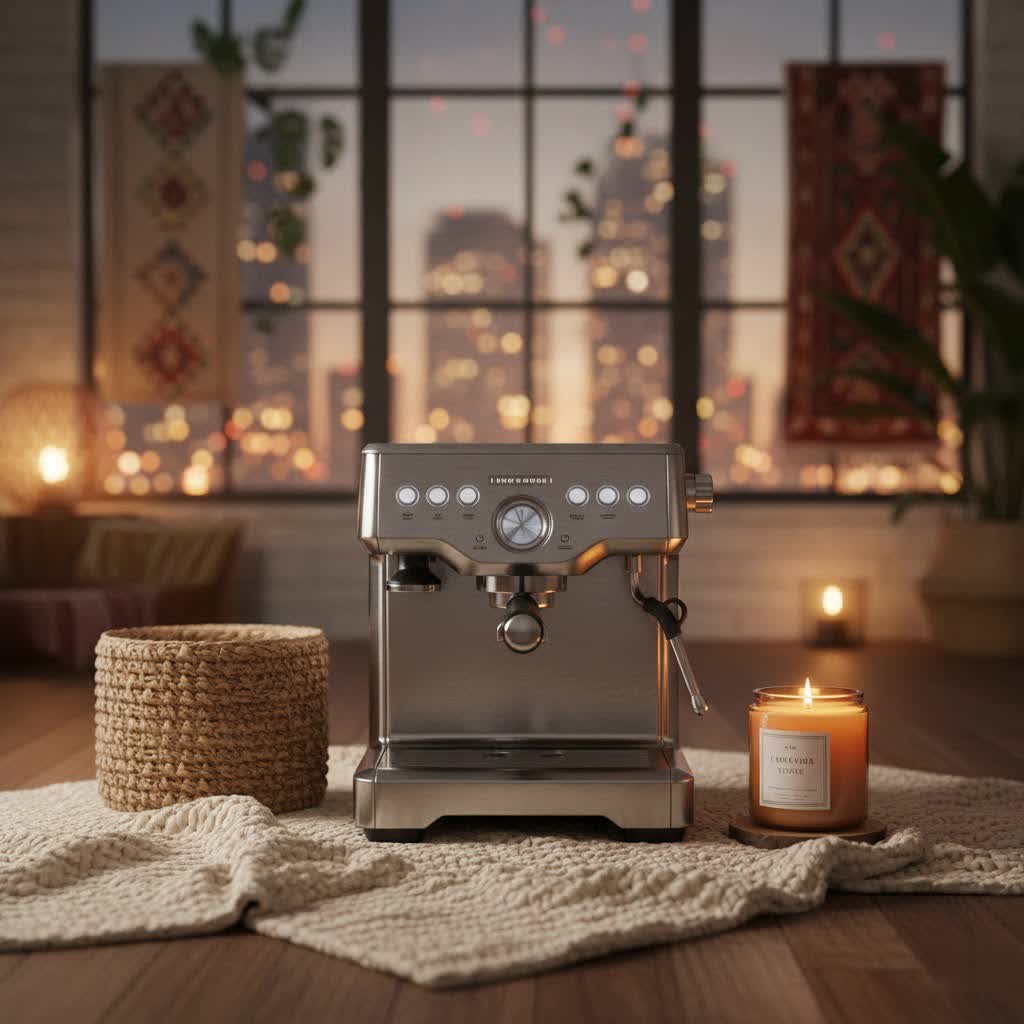
What is a Slayer Espresso Machine?
A Slayer espresso machine is a high-performance, semi-automatic device celebrated in the specialty coffee industry for its innovative design and exceptional tactile control during brewing. Unlike many traditional machines, Slayer empowers baristas with unprecedented command over the extraction process, particularly through its signature flow profiling capabilities.
The story of Slayer began in Seattle, Washington, in 2007, when founder Jason Prefontaine set out with a singular vision: to “Make Coffee Better.” This ambition led to the development of the patented needle valve technology, a groundbreaking innovation that redefined espresso extraction. Slayer machines quickly gained traction among third-wave coffee professionals, boutique cafes, and discerning home enthusiasts who prioritize nuanced flavor development and a truly artisanal brewing experience.
Slayer offers several variations of its machines, each designed to meet specific operational needs while maintaining the brand’s core commitment to quality and innovation. The main lines include the original Slayer Espresso (now often referred to as the V3 model), the workflow-focused Slayer Steam (available in EP and LP configurations), and the compact yet powerful Slayer Single Group. While each model offers distinct functionalities, they all share Slayer’s dedication to superior build quality and the ability to extract exceptional coffee.
Important Components of a Slayer Espresso Machine
Understanding the intricate components of a Slayer espresso machine reveals the genius behind its renowned performance. Each part is meticulously engineered to contribute to the machine’s overall precision and the quality of the espresso it produces.
At the heart of every Slayer machine is the Patented Needle Valve. This critical component allows baristas to precisely regulate the water flow rate during the pre-infusion and extraction phases. By restricting water flow, the needle valve enables a much finer grind than typically possible with other machines, leading to extended pre-infusion times and a gentler saturation of the coffee puck. This process minimizes channeling and unlocks a broader spectrum of flavors, resulting in a sweeter, more balanced, and viscous espresso.
Slayer machines feature independent brew and steam tanks, ensuring optimal thermal stability for both functions. Dedicated PID (Proportional-Integral-Derivative) controllers precisely manage the temperature in each brew boiler, maintaining it within a mere ±1°F variance. A supplemental pre-heat tank further guarantees a consistent supply of temperature-stable water for brewing, even during peak usage. The steam system boasts a dedicated, large-capacity steam boiler, providing unlimited steam for perfectly textured milk without affecting brew pressure.
The grouphead is a commercial-grade marvel, designed to withstand over a million cycles. It incorporates brew group actuators, often 3-position paddles (Off, Pre-brew, Full Brew), which give the barista intuitive, tactile control over the flow rate. Modern Slayer machines are equipped with a reliable rotary pump to deliver consistent pressure, with the flow rate ultimately managed by the needle valve.
Beyond the internal mechanics, Slayer machines are celebrated for their intentional design and craftsmanship. Featuring robust stainless steel chassis, durable brass fittings, and elegant European Ash wood handles and actuators, these machines are built to last and designed to be a visual centerpiece. Practical features like an integrated shot mirror allow baristas to closely monitor extraction for consistent results.
Buying Guide: Choosing Your Slayer Espresso Machine
Investing in a Slayer espresso machine is a significant decision that requires careful consideration of your specific needs, budget, and desired features. This guide will help you navigate the selection process.
Determine Usage Needs
The first step is to clarify your primary use case. Are you a home barista seeking unparalleled control and quality for personal enjoyment, or are you outfitting a commercial cafe or roastery with high demands for consistency and workflow?
- For Home Baristas: The Slayer Single Group is often the most suitable choice, offering commercial-grade performance and flow profiling in a more compact footprint.
- For Commercial Settings: Consider the 2-Group or 3-Group Slayer Espresso V3 for ultimate manual control, or the Slayer Steam EP/LP models for enhanced volumetric consistency and workflow efficiency in busy environments. Evaluate your anticipated daily volume and the types of drinks you’ll primarily be serving.
|
Our Picks for the Best Espresso Machine in 2026
As an Amazon Associate I earn from qualifying purchases.
|
||
| Num | Product | Action |
|---|---|---|
| 1 | De'Longhi Stilosa Manual Espresso Machine, Compact Coffee Maker, 15 Bar Pump Pressure, Manual Milk Frother Steam Wand for Authentic Single & Double Espresso, Lattes & Cappuccinos, Tamper Included |

|
| 2 | Ninja Luxe Café 3-in-1 Espresso, Drip Coffee and Cold Brew Machine - Integrated Coffee Grinder, Milk Frother, Assisted Tamper & Built-In Espresso Accessory Storage - Stainless Steel - ES601 |
|
| 3 | Gevi Commercial Espresso and Coffee Makers, Professional 20 Bar Espresso Maker with Milk Frother, Stainless Steel Expresso Coffee Machines for Home, Compact Cappuccino Machine, Great Gift |
|
| 4 | Breville Barista Express Impress Espresso Machine BES876BSS, Brushed Stainless Steel |
|
| 5 | CASABREWS CM5418 Espresso Machine 20 Bar, Compact Espresso Maker with Steam Milk Frother, Stainless Steel Coffee Machine with 34oz Removable Water Tank for Cappuccino, Gift for Women or Men, Silver |
|
| 6 | Gaggia Classic Evo Pro - Espresso Machine Jungle Green |
|
| 7 | CASABREWS 3700 Essential Espresso Machine 20 Bar, Stainless Steel Cappuccino & Latte Machine with Steam Frother for Home, 43.9oz Water Tank, Coffee Gift for Women & Men, Silver |
|
| 8 | Breville Bambino Espresso Machine BES450BSS, Brushed Stainless Steel |
|
| 9 | Breville Barista Express Espresso Machine BES870XL, Brushed Stainless Steel |
|
| 10 | Breville Barista Express Espresso Machine BES870BSXL, Black Sesame |
|
Budget
Slayer machines represent a premium investment in the espresso world, with new units typically ranging from $10,000 to over $20,000, depending on the model and customization. It’s crucial to view this as a long-term investment in quality, performance, and brand prestige. While the initial cost is high, Slayer machines maintain strong resale value and are built for durability. Factor in not just the purchase price but also costs for installation, high-quality peripherals like grinders, and ongoing maintenance.
Important Features
When evaluating a Slayer machine, focus on the features that align with your brewing philosophy:
- Flow Rate Control (Needle Valve): This is Slayer’s defining feature, allowing you to manipulate pre-infusion and extraction to create unique flavor profiles. If tactile, manual control and flavor experimentation are your priorities, ensure the model you choose emphasizes this.
- Volumetric Dosing: For commercial settings where consistency and speed are paramount, models like the Slayer Steam EP offer advanced volumetric controls to deliver predictable shot volumes with ease. The Steam LP combines this with manual control.
- Temperature Stability: All Slayer machines excel in this area with independent PID-controlled boilers and pre-heat tanks, crucial for consistent extraction.
- Steam Power: Dedicated steam boilers provide abundant, dry steam for superior milk texturing, a vital feature for latte art and milk-based drinks.
- Customization: Slayer offers extensive cosmetic customization options, including wood types, panel colors, and metal finishes, allowing you to tailor the machine’s aesthetic to your space.
Reputable Brands
Slayer Espresso is itself the reputable brand. When purchasing, always buy from authorized dealers or distributors. This ensures you receive genuine products, valid warranties, proper installation support, and access to factory-authorized technicians for service and parts. Be cautious of heavily discounted used machines from unofficial sources, as service history and component wear might be unknown. Remember that maintaining specific water quality is often a warranty requirement.
Comparing Slayer Espresso Machine Models
Slayer offers a curated lineup of machines, each designed to cater to different barista preferences and operational demands. Here’s a comparison of their prominent models:
| Model | Price Range (USD) | Primary Focus | Key Flow Control Feature | Volumetric Control | Ideal User |
|---|---|---|---|---|---|
| Slayer Espresso V3 | $25,000 – $30,000+ | Ultimate manual control, flavor profiling | Patented Needle Valve with 3-position brew actuator (Off, Pre-brew, Full Brew) | No | High-end cafes, roasteries, baristas seeking maximum flavor customization and control |
| Slayer Steam EP | $20,000 – $25,000+ | Workflow, consistency, ease of use | Pre-wet stage (programmable), volumetric dosing | Yes | Busy commercial cafes prioritizing consistent shot volumes and barista workflow |
| Slayer Steam LP | $23,000 – $28,000+ | Blends manual control with volumetric efficiency | Controllable independent pre-infusion (0-10 sec), post-infusion by weight, quick manual/volumetric toggle | Yes | Cafes balancing coffee artistry with the need for volumetric consistency |
| Slayer Single Group | $10,000 – $15,000+ | Compact, commercial-grade, manual control | Patented Needle Valve with manual paddle, touchscreen interface for temperature/profiling | No | Serious home baristas, small boutique cafes with space constraints |
The Slayer Espresso V3 is the flagship model for those who desire absolute manual command over every aspect of extraction. It’s where baristas can truly “paint” with flavor. The Slayer Steam EP emphasizes efficiency and consistency for high-volume environments, relying on volumetric programming. The Slayer Steam LP acts as a bridge, combining the tactile paddle control for pre-infusion with the practicality of volumetric dosing, offering a balanced approach. The Slayer Single Group brings Slayer’s core innovation into a smaller footprint, making it accessible for advanced home users who refuse to compromise on quality.
Using and Maintaining Your Slayer Espresso Machine
Mastering a Slayer espresso machine is a rewarding experience that unlocks incredible coffee potential. Proper usage and diligent maintenance are key to consistent performance and longevity.
Preparation
- Installation: Slayer machines are typically direct-plumb only, meaning they connect directly to your water line rather than using a reservoir. Professional installation is recommended to ensure proper water connection and electrical setup (voltage requirements vary by model and group number).
- Water Quality: This is paramount. Slayer explicitly states that poor water quality can void your warranty. Use filtered water with appropriate mineral content to prevent scale buildup and corrosion. A water softener may be required if your water hardness exceeds 50 ppm.
- Grind Adjustment: Slayer’s flow control allows for significantly finer grinds than most other espresso machines. Experiment to find the optimal grind setting that complements your coffee and desired flavor profile. A high-quality burr grinder capable of fine, uniform grinds is essential.
- Warm-Up: Always allow your Slayer machine sufficient time to warm up completely. With independent boilers, this can take 20-30 minutes to ensure all components, especially the grouphead, reach stable operating temperature.
Brewing Espresso
The unique aspect of brewing with a Slayer is its flavor profiling through variable flow rate.
- Pre-Brew/Pre-Infusion: Begin with the brew actuator in the “pre-brew” position (or middle position for V3). This activates the needle valve, allowing a gentle, restricted flow of water to saturate the coffee puck slowly. This extended pre-infusion (which can range from 15-30 seconds or even longer, depending on your coffee and desired outcome) is crucial for even extraction and allows for finer grind settings without choking the machine.
- Full Flow/Brew: Once the puck is fully saturated and the initial “bloom” has occurred, move the actuator to the “full brew” position. The machine will then apply full pump pressure, completing the extraction.
- Flavor Manipulation: By adjusting the duration of the pre-brew and when you transition to full flow, you can highlight different characteristics in the coffee. A longer, slower pre-infusion can emphasize sweetness and body, while a shorter pre-infusion might bring out more acidity.
- Shot Mirror: Utilize the integrated shot mirror to observe the underside of your bottomless portafilter, monitoring for even saturation and signs of channeling.
Cleaning and Maintenance
Regular cleaning and maintenance are non-negotiable for a premium machine like Slayer:
- Daily Cleaning:
- Portafilters and Baskets: After each use, knock out the spent puck and rinse the portafilter and basket thoroughly.
- Grouphead Wipe Down: Use a damp cloth to wipe away any coffee grounds from the grouphead gasket and shower screen.
- Steam Wand Purge and Wipe: Immediately after steaming milk, purge the steam wand to clear any milk residue, then wipe it clean with a dedicated cloth.
- Drip Tray: Empty and clean the drip tray.
- Weekly Cleaning:
- Backflushing: Perform a backflush cycle with a suitable espresso machine detergent. Slayer machines often have an automatic backflush cycle. This removes accumulated coffee oils and residue from the grouphead.
- Shower Screens and Gaskets: Remove and clean the shower screens and inspect the grouphead gaskets for wear. Replace gaskets as needed (typically annually).
- Monthly/Bi-Monthly Descaling: Depending on your water hardness (even with filtered water, some mineral buildup can occur), descale the machine using a commercial descaling solution. Follow the manufacturer’s instructions meticulously. Given the complexity of Slayer’s internal components, some users prefer professional descaling.
- Annual Professional Servicing: It is highly recommended to have a certified technician inspect and service your Slayer machine annually. Slayer machines are designed with technician accessibility in mind, which can reduce labor time for service.
Common Issues and Troubleshooting
While Slayer machines are built for reliability, understanding common issues and their basic troubleshooting can save you time and ensure optimal performance.
-
Machine Not Heating / Insufficient Temperature:
- Check power supply: Ensure the machine is properly connected and receiving adequate power (Slayer machines require specific voltage).
- Boiler switches: Confirm all boiler switches (brew, steam) are engaged.
- Water level: Verify adequate water in the boilers (if applicable, though plumbed machines handle this automatically).
- Professional assistance: If issues persist, it may indicate a heating element or PID controller problem, requiring a certified technician.
-
Weak Pressure / Slow Flow (during full brew):
- Grind size: The most common culprit. If the grind is too fine, or the dose is too high, the puck will be over-compacted, leading to choked shots. Adjust grind coarser or reduce dose.
- Tamping: Inconsistent or overly hard tamping can also restrict flow.
- Cleanliness: A clogged shower screen or dirty grouphead can impede flow. Perform a backflush.
- Pump issue: Less common in a well-maintained Slayer, but a faulty rotary pump could be a cause, requiring professional inspection.
-
Coffee Channeling / Uneven Extraction:
- Grind distribution: Uneven distribution of coffee grounds in the portafilter can lead to water finding paths of least resistance. Use a WDT tool for better distribution.
- Tamping technique: Ensure a level and consistent tamp.
- Pre-infusion: Inadequate pre-infusion can exacerbate channeling. Extend your pre-brew phase to allow for more even puck saturation.
-
Machine Leaking Water:
- Gasket wear: Inspect the grouphead gasket and portafilter gasket for cracks or wear. These are consumable parts and need regular replacement.
- Loose fittings: Check for any loose connections around the grouphead or water lines.
- Drainage: Ensure the drip tray is correctly seated and the drain line (for plumbed machines) is clear.
- Internal leak: If the leak appears internal or persistent, it’s best to contact a technician immediately to diagnose and fix the issue.
-
Water Quality Related Issues (Scale Build-up):
- This can lead to heating problems, blockages, and component damage. Strict adherence to proper water filtration and regular descaling (or professional descaling) is critical. Symptoms include slow heating, reduced flow, or an altered taste profile.
When faced with persistent or complex issues, especially those involving electrical or internal components, it’s always advisable to contact an authorized Slayer technician. Their expertise ensures that any repairs are done correctly and maintain the machine’s integrity and warranty.
Where to Purchase a Slayer Espresso Machine?
Given the premium nature and specialized technology of Slayer espresso machines, purchasing one requires a slightly different approach than buying a standard home appliance.
Slayer sells its machines exclusively through an authorized network of dealers and distributors worldwide. These partners are trained and certified by Slayer to provide sales, installation, service, and support for their equipment. You can typically find a list of authorized dealers on the official Slayer Espresso website.
Key considerations when buying:
- Authorized Dealers: Always buy from an official dealer. This ensures you receive a brand-new machine with the full manufacturer’s warranty. Unauthorized sellers, especially those offering heavily discounted “used” commercial units, may not provide the same level of support or a valid warranty, and the machine’s history might be questionable.
- Online vs. Brick-and-Mortar: Both online and physical authorized dealers exist. For a high-value purchase like a Slayer, a dealer who can provide personalized consultation, discuss customization options, and arrange professional installation and training is invaluable.
- Commercial Suppliers: Many authorized Slayer dealers specialize in commercial coffee equipment and can assist with full cafe setups, including grinders, water filtration systems, and barista training.
- Installation and Warranty: Clarify what’s included with your purchase, such as delivery, installation services, and the duration and scope of the warranty. As noted, water quality is a critical factor for warranty validation, so discuss filtration solutions with your dealer.
Purchasing a Slayer is an investment in a specialized piece of equipment. Choosing a reliable, authorized supplier is as important as selecting the right machine itself.
Detailed Buying Guide
Acquiring a Slayer espresso machine is a journey into high-end coffee, and a detailed understanding of what to consider ensures a smooth experience and maximum satisfaction.
Factors to Consider Before Buying
- Power Requirements: Slayer machines, especially multi-group commercial models, have significant electrical demands. Ensure your home or commercial space has the appropriate voltage and amperage circuits. Single Group units might run on 120V, but larger units typically require 208-240V, single or three-phase power. Consult an electrician if unsure.
- Kitchen/Bar Space: Slayer machines are robust and have a substantial footprint and weight. Measure your counter space carefully, including height, width, and depth, allowing for clearance for cup rails, portafilters, and rear access for plumbing/electrical. Consider the counter’s load-bearing capacity.
- Plumbing: As direct-plumb machines, you’ll need a dedicated water line and a drain in close proximity to the machine. Proper water filtration is essential not only for coffee quality but also for machine longevity and warranty compliance.
- Noise Level: Slayer machines typically use rotary pumps, which are generally quieter than vibratory pumps found in some prosumer machines. However, any commercial-grade machine will produce some operational noise, particularly during pump activation and steaming.
Essential Accessories
To truly harness the potential of your Slayer machine, investing in high-quality accessories is crucial:
- High-End Coffee Grinder: This is perhaps the most critical accessory. The ability to grind exceptionally fine and consistently is paramount to Slayer’s flow profiling capabilities. Look for a commercial-grade burr grinder.
- Precision Tamper: A well-fitting, high-quality tamper ensures a level and consistent tamp, crucial for even extraction.
- Knock Box: A sturdy container for disposing of spent coffee pucks.
- Milk Pitchers: Various sizes for steaming different quantities of milk.
- Precision Scales: For accurately weighing your coffee dose and espresso yield, vital for consistency.
- Cleaning Supplies: Backflush detergent, grouphead brushes, and specialized descaling solutions.
- Water Filtration System: As discussed, this is a non-negotiable item for protecting your investment and ensuring optimal taste.
Reading Reviews and Comparing Prices
While Slayer commands a premium price, it’s essential to understand its value proposition compared to other high-end machines.
- Read Expert Reviews: Look for reviews from experienced baristas, coffee technicians, and reputable coffee equipment publications. These often highlight the nuances of machine performance, user experience, and long-term reliability.
- User Feedback: Forums like Home-Barista and Reddit’s r/espresso can offer insights into real-world ownership experiences, including the learning curve, maintenance challenges, and favorite features.
- Value vs. Cost: Don’t just compare the sticker price. Consider the build quality, innovative technology (especially flow profiling), temperature stability, and the ability to customize your espresso to an unparalleled degree. For many, the ability to “flavor profile” and reveal hidden notes in coffee justifies the investment. If your primary need is simply consistent espresso without deep manual intervention, other high-end volumetric machines might offer better value for your specific use case.
Conclusion
The Slayer espresso machine stands as a testament to uncompromising craftsmanship and innovative engineering in the world of specialty coffee. From its patented needle valve technology that redefines flavor profiling to its impeccable temperature stability and robust, handcrafted design, a Slayer machine offers an unparalleled sensory and operational experience. It empowers baristas to explore and manipulate espresso extraction in ways no other machine can, transforming each shot into a unique expression of the coffee’s potential.
While its premium price point and steeper learning curve mean it’s not for every coffee drinker, for the discerning home barista, the high-volume cafe, or the passionate roaster dedicated to the art of coffee, the Slayer espresso machine is more than an investment; it’s a commitment to excellence. By understanding its unique components, choosing the right model for your needs, and adhering to diligent usage and maintenance practices, you unlock the ability to truly “Make Coffee Better.”
Are you ready to elevate your espresso game and experience coffee without compromise?
Frequently Asked Questions
Is a Slayer Espresso Machine worth the high price tag?
For dedicated coffee connoisseurs and commercial establishments prioritizing unparalleled manual control, flavor profiling, and artisanal craftsmanship, a Slayer machine is often considered a worthwhile investment. Its unique technology and build quality offer distinct advantages in espresso extraction that justify its premium cost compared to other high-end machines.
What makes Slayer different from other espresso machines?
The primary differentiator is Slayer’s patented needle valve technology, which provides precise control over water flow rate during pre-infusion and extraction. This allows baristas to “flavor profile” espresso, unlocking nuances in taste and texture that are difficult to achieve with traditional static-pressure machines.
Can I use a Slayer machine at home?
Yes, particularly the Slayer Single Group model is designed for serious home baristas. However, it requires significant counter space, proper electrical and plumbing infrastructure, a substantial budget, and a commitment to mastering manual brewing techniques.
What is “flavor profiling” on a Slayer machine?
Flavor profiling on a Slayer machine refers to the ability to manipulate the flow rate of water during different stages of espresso extraction. By controlling the pre-infusion duration and subsequent flow, baristas can emphasize specific flavor characteristics, acidity, sweetness, and body, tailoring the shot to the unique qualities of the coffee bean.
How often should I perform maintenance on my Slayer?
Daily cleaning of portafilters, groupheads, and steam wands is essential. Weekly backflushing with detergent is recommended, along with inspecting shower screens and gaskets. Depending on water hardness, descaling every 2-3 months is typically advised, and an annual professional service by a certified technician is highly recommended.
