Are you a coffee enthusiast who yearns for the rich, robust flavor of a freshly pulled espresso shot, no matter where your adventures take you? The days of settling for subpar instant coffee on a remote campsite or enduring a bland office brew are over. Portable espresso machines have revolutionized the way we enjoy high-quality coffee on the go, bringing barista-level convenience and taste directly into your hands. This comprehensive guide will navigate you through the world of compact espresso makers, helping you choose the perfect device to match your lifestyle and brewing preferences, ensuring every sip is as satisfying as your favorite café.
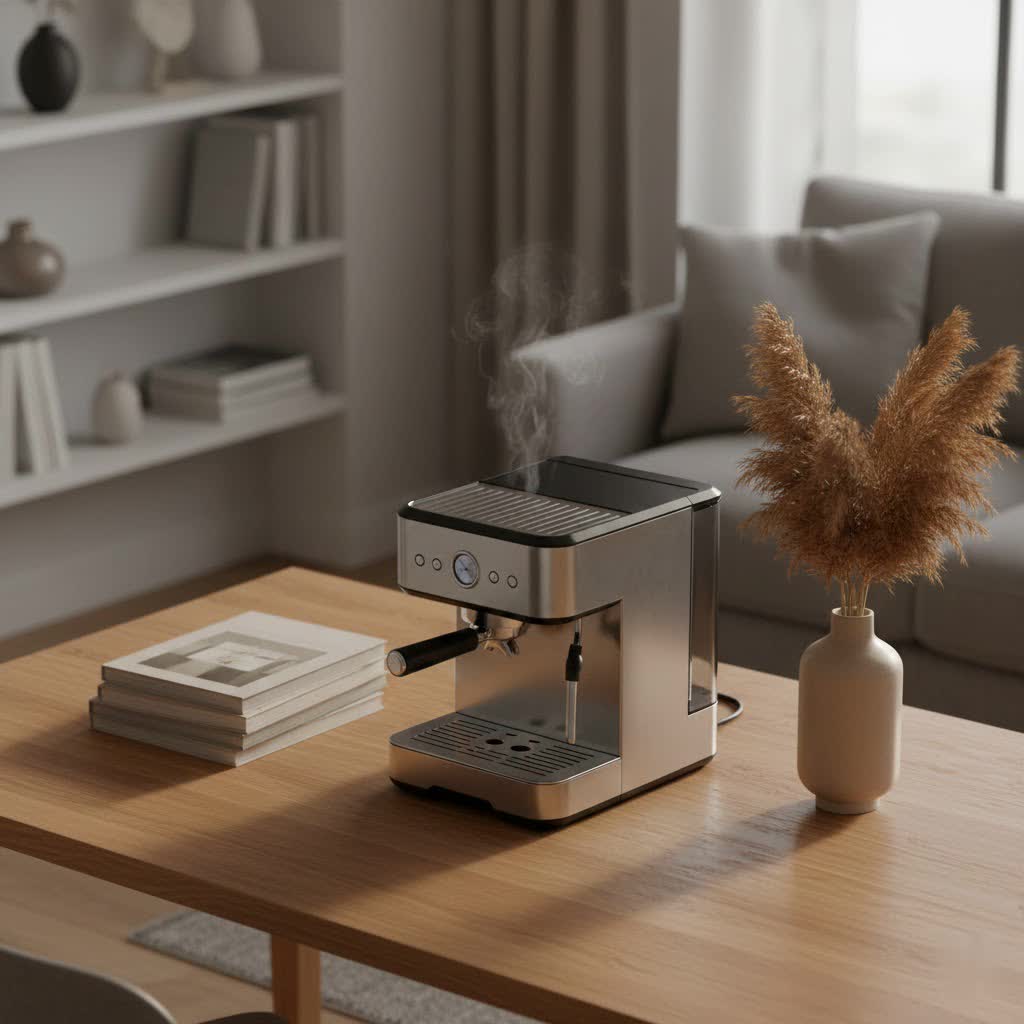
What is a Portable Espresso Machine?
A portable espresso machine is a compact, often lightweight device engineered to brew authentic espresso shots without the need for a permanent power source or plumbing. Unlike their traditional, bulky counterparts found in kitchens and coffee shops, these ingenious gadgets are designed for mobility and efficiency. They utilize manual force, internal batteries, or external heat sources to generate the 9-plus bars of pressure crucial for extracting a genuine espresso shot, complete with a rich crema.
The evolution of portable espresso machines has been driven by the increasing demand for convenience in our mobile lifestyles. Early innovations often mimicked basic brewing methods, but modern advancements have led to sophisticated devices capable of rivaling their larger counterparts in terms of shot quality. This technological leap has opened up a world of possibilities for travelers, outdoor adventurers, and busy professionals who refuse to compromise on their coffee standards.
There are several popular types of portable espresso machines, each offering a distinct brewing experience:
- Manual Piston-Driven Makers: These machines rely on your physical effort, typically through pumping a piston or pressing a lever, to build the necessary pressure. They are celebrated for their consistent pressure delivery and do not require electricity, making them ideal for off-grid use. Examples include the Wacaco Minipresso, Nanopresso, and Picopresso, as well as Flair Espresso Makers.
- Battery-Powered Electric Models: Equipped with rechargeable lithium-ion batteries and compact electric pumps, these devices offer automated brewing at the touch of a button. Many include integrated heating elements, eliminating the need for pre-heated water. Models like the Outin Nano and CONQUECO fall into this category, prioritizing ease of use and consistent results.
- Stovetop/Hybrid Systems: While some purists debate if they produce “true” espresso, devices like the Bellman CX25P and Bialetti Moka Express use steam pressure generated on a heat source. The Bellman even includes a pressure gauge and can froth milk, offering a unique camping or van-life solution.
Key Components of a Portable Espresso Machine
Understanding the core components of a portable espresso machine helps appreciate how these compact devices manage to produce such concentrated coffee. While designs vary, most share fundamental elements essential for espresso extraction:
- Water Tank: This reservoir holds the hot (or cold, for self-heating models) water required for brewing. Capacities typically range from 50ml for single shots to 200ml for larger servings or multiple extractions.
- Pumping Mechanism: This is the heart of pressure generation. In manual units, it’s often a hand-pump or lever that users physically press or pull. Electric models feature an internal battery-powered pump that automates this process, ensuring consistent pressure for extraction.
- Coffee Basket / Filter: This small basket, often made of stainless steel, holds the finely ground coffee. Some machines use pressurized baskets, which are more forgiving of grind size and tamping, while others, favored by enthusiasts, use non-pressurized baskets for finer control over the extraction.
- Portafilter: The portafilter houses the coffee basket and securely attaches to the brew head. It’s designed to withstand the high pressure during extraction and guides the espresso directly into your cup.
- Dispensing Spout / Cup: This is where your freshly brewed espresso emerges. Many portable machines integrate a small, detachable cup into their design, maximizing portability and minimizing extra items to carry.
These components work in concert to create the high-pressure environment needed to extract the rich flavors and aromatic oils from finely ground coffee, culminating in a shot of espresso topped with a golden-brown crema.
How to Choose the Best Portable Espresso Machine
Selecting the ideal portable espresso machine involves balancing your personal needs, budget, and desired features. With a diverse market, it’s crucial to consider several factors to ensure your investment delivers consistent satisfaction.
Determine Your Needs
Before diving into specifications, ask yourself how and when you’ll typically use the machine.
- Usage Frequency: Will you use it daily, or only for occasional weekend trips? Frequent users might prioritize durability and ease of maintenance, while occasional users might opt for more budget-friendly or simpler manual models.
- Number of Users: Are you brewing for yourself, or for a small group? Most portable machines are designed for single or double shots, meaning multiple brewing cycles might be needed for several people.
- Coffee Preferences: Do you strictly want espresso, or do you enjoy milk-based drinks? Some portable machines, like the Staresso, offer milk frothing capabilities, which can be a significant differentiator.
|
Our Picks for the Best Espresso Machine in 2026
As an Amazon Associate I earn from qualifying purchases.
|
||
| Num | Product | Action |
|---|---|---|
| 1 | CASABREWS CM5418 Espresso Machine 20 Bar, Compact Espresso Maker with Steam Milk Frother, Stainless Steel Coffee Machine with 34oz Removable Water Tank for Cappuccino, Gift for Women or Men, Silver |

|
| 2 | Breville Barista Express Espresso Machine BES870XL, Brushed Stainless Steel |
|
| 3 | Breville Barista Express Impress Espresso Machine BES876BSS, Brushed Stainless Steel |
|
| 4 | Gaggia Classic Evo Pro - Espresso Machine Jungle Green |
|
| 5 | Ninja Luxe Café 3-in-1 Espresso, Drip Coffee and Cold Brew Machine - Integrated Coffee Grinder, Milk Frother, Assisted Tamper & Built-In Espresso Accessory Storage - Stainless Steel - ES601 |
|
| 6 | Gevi Commercial Espresso and Coffee Makers, Professional 20 Bar Espresso Maker with Milk Frother, Stainless Steel Expresso Coffee Machines for Home, Compact Cappuccino Machine, Great Gift |
|
| 7 | CASABREWS 3700 Essential Espresso Machine 20 Bar, Stainless Steel Cappuccino & Latte Machine with Steam Frother for Home, 43.9oz Water Tank, Coffee Gift for Women & Men, Silver |
|
| 8 | De'Longhi Stilosa Manual Espresso Machine, Compact Coffee Maker, 15 Bar Pump Pressure, Manual Milk Frother Steam Wand for Authentic Single & Double Espresso, Lattes & Cappuccinos, Tamper Included |
|
| 9 | Breville Barista Express Espresso Machine BES870BSXL, Black Sesame |
|
| 10 | Breville Bambino Espresso Machine BES450BSS, Brushed Stainless Steel |
|
Budget Considerations
Portable espresso machines span a wide price range, from entry-level to premium.
- Price Segments: Basic hand-pump models might start around $50-$80, offering simplicity for occasional use. Mid-range units (e.g., Wacaco Nanopresso) provide a strong balance of performance and value for $80-$150. High-end electric models or advanced manual lever machines can cost $150-$250+, offering integrated heating, more control, or superior build quality.
- Long-Term Value: Consider not just the initial cost, but also durability, availability of spare parts, and how often you’ll avoid expensive café purchases. A slightly higher upfront investment in a well-built machine can lead to greater savings and satisfaction over time.
Important Features
The technical specifications and convenience features significantly impact your brewing experience.
- Brew Pressure: Aim for at least 9 bars for authentic espresso extraction. While some machines claim “15 bars” or more, consistency at 9 bars is key. Lower pressure can result in weak, under-extracted shots lacking crema.
- Water Capacity: Most units hold 50-200ml. A larger tank is beneficial for multiple shots or longer Americanos, but it will also add to the machine’s overall weight and size.
- Heating Method:
- Requires Hot Water: Manual machines generally require you to add pre-heated hot water (from a kettle or thermos).
- Integrated Heating: Electric, battery-powered models often have built-in heating elements, providing ultimate convenience as they can heat cold water.
- Coffee Compatibility: Do you prefer using freshly ground coffee, or the convenience of E.S.E. pods or Nespresso capsules? Many versatile machines accommodate both grounds and pods. Fresh grounds generally offer superior taste and cost efficiency.
- Portability Factors:
- Size and Weight: Crucial for backpackers or those with limited space. Look for models under 1.5 lbs if every gram counts.
- Durability: A rugged construction is essential for travel. Stainless steel and BPA-free plastics are preferred materials.
- Ease of Cleaning: Machines with fewer parts and easy disassembly are simpler to maintain on the go.
- Crema Production: A rich crema is a hallmark of good espresso. Machines with stable pressure and temperature control tend to produce better crema.
Reputable Brands
Focusing on established brands can provide assurance of quality and support.
- Wacaco: Known for its highly portable and innovative manual machines like the Minipresso, Nanopresso, and Picopresso, offering excellent espresso quality.
- Staresso: Offers versatile manual machines that can often use both ground coffee and capsules, with some models even capable of frothing milk.
- Outin Nano: A popular electric, self-heating option known for convenience.
- Flair Espresso: Produces robust manual lever machines known for professional-level espresso, often favored by purists.
- CONQUECO: Offers battery-powered electric machines, some with 12-volt car adaptors, ideal for road trips.
Look for brands with good warranties and responsive customer service, as these can be invaluable down the line.
Comparison of Popular Portable Espresso Machine Models
To help you visualize the differences, here’s a comparison of some highly-regarded portable espresso machines across different categories:
| Feature | Wacaco Picopresso (Manual) | Outin Nano (Electric, Self-Heating) | Staresso Portable (Manual/Hybrid) | Flair Classic (Manual Lever) |
|---|---|---|---|---|
| Type | Manual Piston-Driven | Battery-Powered Electric | Manual Piston/Pump | Manual Lever |
| Pressure (bars) | Up to 18 bars (non-pressurized) | 15-20 bars | 15-20 bars (pressurized basket) | Up to 16 bars (non-pressurized) |
| Water Capacity | 80 ml | 80 ml | 80-100 ml | 60 ml |
| Heating Method | Requires pre-heated water | Self-heating (cold to hot in 3-4 min) | Requires pre-heated water | Requires pre-heated water |
| Coffee Comp. | Ground coffee (fine grind crucial) | Ground coffee, Nespresso capsules | Ground coffee, E.S.E. pods, Nespresso | Ground coffee (fine grind crucial) |
| Portability | Very compact, palm-sized, 350g | Compact, 670g, thermos-like | Compact, includes glass, ~460g | Breaks down into travel case, ~2.7 kg |
| Ease of Use | Learning curve for perfect shots | Push-button, very easy | Relatively easy, vertical pump | Requires significant technique & effort |
| Crema Quality | Excellent (with practice) | Good | Good | Exceptional (with proper technique) |
| Key Features | Professional filter basket, tamper | Fast self-heating, hot/cold brew | Milk frother, versatile coffee options | Fully detachable brew head, rugged |
| Ideal For | Espresso purists, experienced users | Travelers wanting maximum convenience | Versatile users, milk drink lovers | Home baristas, those seeking ultimate control |
| Price Range | $120-$150 | $150-$200 | $70-$100 | $190-$230 |
This table highlights that while all these machines are portable, they cater to different user profiles, from the convenience-seeker to the dedicated espresso artisan.
How to Use and Maintain Your Portable Espresso Machine
Getting the most out of your portable espresso machine involves understanding proper usage and consistent maintenance. This ensures not only delicious coffee but also the longevity of your device.
Preparation
Proper preparation is the foundation of a great portable espresso shot.
- Installation: Before your first use, familiarize yourself with your machine’s assembly. Ensure all parts are clean and properly sealed according to the manufacturer’s instructions.
- Choose the Right Coffee: This is paramount. Use freshly roasted, high-quality espresso-grade coffee beans. For best results, grind your beans immediately before brewing.
- Grind Size: Portable espresso machines are particularly sensitive to grind size. Aim for a fine to medium-fine grind, similar to table salt. Too coarse, and your espresso will be weak; too fine, and it will be difficult to extract or taste bitter.
- Water Temperature: For manual machines, use water heated to approximately 195-205°F (90-96°C). Electric models with self-heating capabilities handle this automatically.
- Warm Up Your Machine: If possible, especially for manual models, pre-warm the brewing chamber by running hot water through it without coffee. This helps maintain a stable brewing temperature.
Brewing Espresso
While steps vary slightly by machine type, the core process for portable espresso involves:
- Load Coffee: Fill the coffee basket with the appropriate amount of finely ground coffee (typically 7-18 grams, depending on the model and desired shot strength). Tamp it evenly if your machine requires or allows it.
- Add Water: Fill the water tank with hot water (or cold water for self-heating electric models). Ensure you do not exceed the maximum fill line.
- Assemble: Securely assemble the machine, attaching the water tank, coffee basket, and portafilter/spout.
- Extract:
- Manual: For piston or lever machines, apply steady, consistent pressure (pumping or pressing) until espresso begins to flow. Aim for a smooth, honey-like stream.
- Electric: Simply press the brew button. The machine will handle the pressure and extraction automatically.
- Enjoy: Once your shot is pulled, savor your portable espresso!
Cleaning and Maintenance
Regular cleaning is vital for both hygiene and performance.
- Daily Cleaning: After each use, disassemble the machine. Discard the spent coffee grounds (“puck”). Rinse all parts (portafilter, basket, water tank, brew head) with warm water immediately. Wipe down the exterior with a damp cloth. Allow all components to air-dry completely before reassembly to prevent mold or odors.
- Periodic Cleaning (Descaling): If you use hard water, descaling is necessary every 1-3 months. Use a descaling solution recommended by the manufacturer (often citric acid-based) and follow their instructions. Descaling removes mineral buildup that can affect machine performance and flavor.
- Gasket and Seal Replacement: Over time, O-rings and gaskets can wear out, leading to leaks or pressure loss. Inspect them periodically and replace them annually or as needed.
- Storage: Store your machine in a clean, dry place, ideally in its protective case if one is provided.
Common Issues and Troubleshooting
Even the most reliable portable espresso machines can encounter occasional hiccups. Knowing how to diagnose and address common issues can save your coffee cravings.
- Machine Not Heating (Electric Models):
- Problem: Water remains cold or lukewarm.
- Fix: Check if the battery is fully charged. Ensure the charging cable is securely connected and the power source is working. Some models have a safety cut-off if water levels are too low.
- Weak Pressure / No Crema:
- Problem: Espresso flows too quickly, is watery, or lacks the characteristic golden-brown crema.
- Fix: This is often due to a grind that is too coarse or insufficient tamping. Adjust your grinder to a finer setting. If applicable, ensure you are tamping your coffee grounds firmly and evenly. Also, verify that the water is at the correct hot temperature for extraction.
- Coffee Flows Too Slowly / No Flow:
- Problem: Espresso drips slowly or doesn’t come out at all.
- Fix: The grind is likely too fine, or the coffee is over-tamped. Try a slightly coarser grind or lighter tamping. Ensure the machine’s filter basket isn’t clogged; a thorough rinse after each use prevents this.
- Machine is Leaking Water:
- Problem: Water drips from seams or connections during brewing.
- Fix: Check all components are tightly assembled. Inspect the O-rings and gaskets for signs of wear, cracks, or improper seating. Replace worn seals if necessary. Ensure you haven’t overfilled the water tank.
- Bitter or Sour Taste:
- Problem: Espresso tastes unpleasant.
- Fix: Bitter coffee can indicate over-extraction (too fine a grind, too long a brew time, too high temperature). Sour coffee often points to under-extraction (too coarse a grind, too short a brew time, too low temperature). Experiment with grind size, water temperature, and pumping speed (for manual models) to find the sweet spot for your beans.
For complex issues or persistent problems, always refer to your machine’s user manual or contact the manufacturer’s customer support. Do not attempt to modify internal components unless explicitly instructed.
Where to Buy Portable Espresso Machines?
Finding the right portable espresso machine means knowing where to look for reliable products and good deals. The market offers a variety of purchasing avenues.
- Online Retailers: Platforms like Amazon, directly from brands (e.g., Wacaco.com, Staresso.com), or specialty coffee gear websites are excellent starting points. They offer the widest selection, competitive pricing, and often user reviews that can provide valuable insights. Look for authorized dealers to ensure warranty validity.
- Specialty Coffee Shops/Stores: Some high-end coffee retailers or camping/outdoor stores might stock a limited range of portable espresso machines. Buying from these stores can offer the benefit of expert advice and hands-on demonstrations.
- Used Machines: While potentially cost-effective, buying a used portable espresso machine carries risks. Inspect for signs of wear and tear, especially on seals, gaskets, and the pumping mechanism. Ensure it comes with all necessary parts and ideally, check if any remaining warranty is transferable. Websites like eBay or local classifieds can be options, but proceed with caution.
When purchasing online, always verify the seller’s reputation, read return policies, and confirm warranty details. Comparing prices across multiple retailers can help you find the best offer.
Buying Guide (Detailed Purchase Guide)
Making a smart purchase goes beyond just picking a model; it’s about finding a portable espresso machine that seamlessly integrates into your lifestyle. Here are additional factors to consider for a truly informed decision.
Factors to Consider Before Buying
Beyond the core features, these practical considerations can significantly impact your satisfaction.
- Power Source: For electric models, consider how you’ll charge it. USB-C charging is common and convenient. If traveling internationally, ensure voltage compatibility or plan for adapters. Manual models are great for off-grid scenarios as they require no electricity.
- Kitchen Space / Storage: Even “portable” machines vary in size. If space is at a premium in your backpack, RV, or small kitchen, check the dimensions carefully. Some models break down into compact cases.
- Noise Level: Electric pumps can be noisy, which might be a concern in quiet environments like an office, library, or a shared campsite. Manual models are generally quieter.
- Travel Logistics: If flying, be aware of airline restrictions on lithium-ion batteries for electric models (usually allowed in carry-on if under 100Wh). Manual machines are typically hassle-free. Also, consider if the machine comes with a protective travel case.
Essential Accessories
To truly elevate your portable espresso experience, consider these complementary tools:
- Portable Grinder: A high-quality manual burr grinder is almost a necessity for optimal flavor. Freshly ground beans make a world of difference compared to pre-ground coffee.
- Tamper: While some machines include a basic tamper, an upgraded stainless steel tamper can improve consistency, especially for non-pressurized baskets.
- Milk Frother: If your machine doesn’t have a steam wand (most portable ones don’t), a compact hand-held milk frother or a small battery-powered frother can complete your cappuccino or latte experience.
- Travel Case: Many premium portable machines come with a robust travel case, protecting your investment from bumps and scratches on the road. If not included, consider purchasing one separately.
- Thermos/Kettle: For manual machines that require hot water, a good quality travel kettle or an insulated thermos to carry hot water is essential.
Read Reviews and Compare Prices
- User Opinions: Dive into user reviews on retail sites and coffee forums. Look for feedback on long-term durability, actual espresso quality, ease of cleaning, and common issues. Pay attention to reviews from users with similar usage scenarios to yours.
- Compare Prices: Always cross-reference prices across different online retailers and the manufacturer’s website. Keep an eye out for sales, bundles, or refurbished options that can offer significant savings.
“A truly great portable espresso machine isn’t just about brewing coffee; it’s about empowering your passion for exceptional coffee, wherever life takes you.”
Conclusion
The portable espresso machine market offers an exciting array of choices for coffee lovers who refuse to compromise on quality, even when away from home. From rugged manual devices perfect for wilderness adventures to sleek electric models designed for urban convenience, there’s a compact brewing solution for every need. By prioritizing factors like brew pressure, heating method, coffee compatibility, and ease of maintenance, you can confidently select a machine that delivers rich, aromatic espresso with excellent crema. Whether you’re a seasoned barista or a casual sipper, embracing a portable espresso machine means never being far from your perfect cup. What unforgettable locations will you discover for your next espresso moment?
Common Questions
Can portable espresso makers truly replicate the quality of a commercial machine?
While portable espresso makers can produce high-quality, crema-rich espresso, they typically have limitations compared to large commercial machines in terms of consistent pressure control, temperature stability, and capacity. However, advanced manual models, when operated with proper technique and fresh, finely ground coffee, can come remarkably close to café-quality shots.
How much effort is involved in using a manual portable espresso machine?
Manual portable espresso machines, like those with piston or lever mechanisms, require some physical effort to generate the necessary pressure. The amount of effort can vary between models and depends on the fineness of your grind and your tamping. It generally takes a few practice runs to develop the consistent technique needed for optimal results.
Are battery-powered portable espresso machines reliable for daily use?
Battery-powered models offer excellent convenience and consistency, making them suitable for daily use for individuals. However, battery life is a consideration, typically offering 2-4 shots per charge if heating water from cold. If you need multiple servings throughout the day, having a charging option or a backup method to heat water is advisable.
What’s the ideal grind size for portable espresso machines?
For most portable espresso machines, a fine to medium-fine grind is recommended. This is similar to the consistency of table salt or slightly finer. An inconsistent or incorrect grind size is one of the most common reasons for poor espresso extraction, leading to weak or bitter shots. Investing in a quality portable burr grinder is highly recommended.
Can I use coffee pods or capsules in all portable espresso machines?
No, not all portable espresso machines are compatible with coffee pods or capsules. Many are designed exclusively for ground coffee, especially those aimed at enthusiasts who prioritize control over the brew. However, some versatile models offer adapters or specific designs to accommodate E.S.E. pods or Nespresso capsules, providing added convenience. Always check the product specifications for compatibility.
