In today’s fast-paced world, the daily ritual of a perfectly brewed espresso is a cherished moment for many. With café prices continually climbing, aspiring home baristas are increasingly looking to bring the craft into their own kitchens. Investing in a top-rated espresso machine not only saves money in the long run but also offers the unparalleled satisfaction of crafting your favorite coffee beverages exactly to your liking. But with a dizzying array of models, features, and price points, choosing the best espresso machine can feel overwhelming. This comprehensive guide will navigate you through the world of home espresso, helping you select a machine that meets your needs, budget, and coffee aspirations.
What is an Espresso Machine?
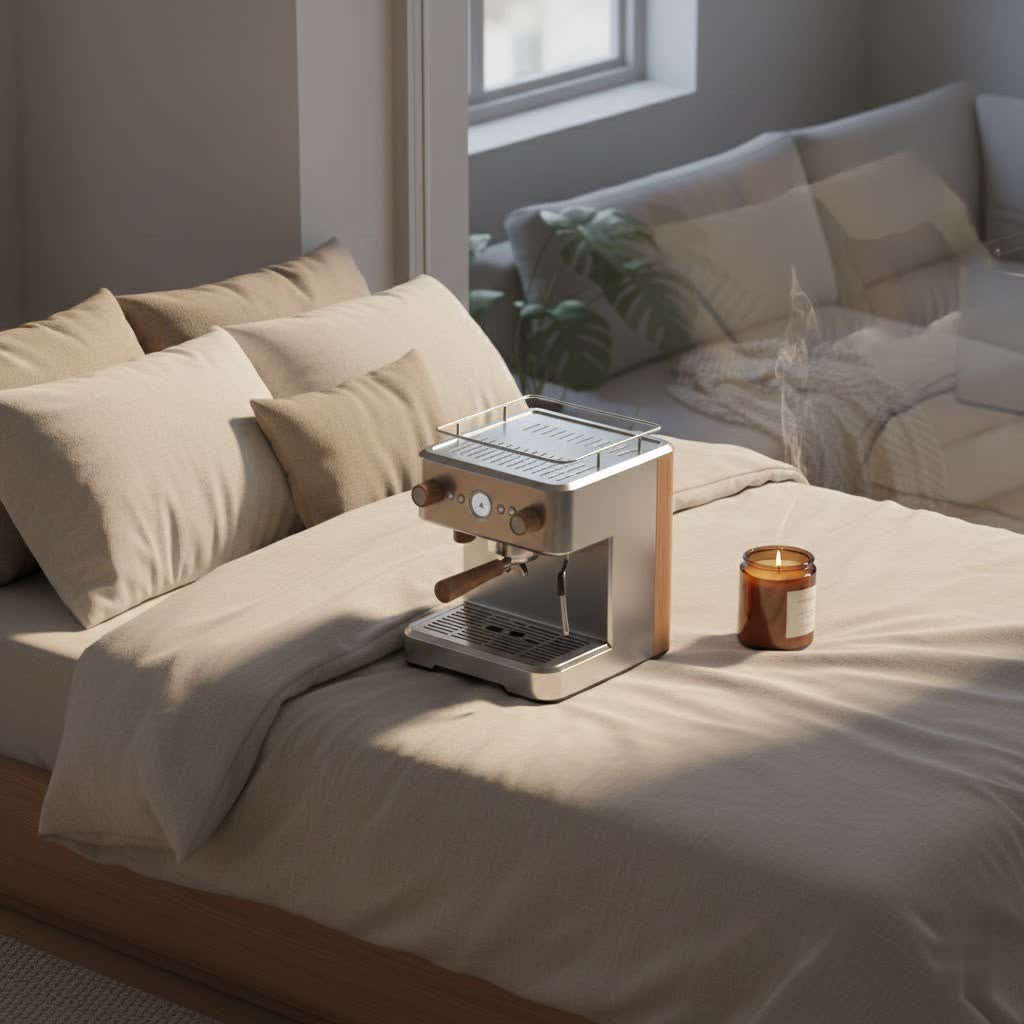
At its core, an espresso machine is a specialized device designed to brew coffee by forcing hot, pressurized water through a compacted bed of finely ground coffee. This process, which typically takes around 20-30 seconds, extracts a concentrated, aromatic shot known as espresso, characterized by its rich flavor and a layer of reddish-brown foam called crema.
The journey of the espresso machine began in the early 20th century, evolving from large, steam-powered behemoths to the sleek, sophisticated pump-driven units we see today. This evolution has made barista-quality coffee more accessible than ever, allowing enthusiasts to experiment with extraction and milk texturing from the comfort of their homes.
Espresso machines primarily fall into several categories:
- Manual Espresso Machines: These are the most hands-on. Often leveraging a lever, the barista manually controls the water pressure, offering ultimate control over the shot. While requiring skill and practice, they reward users with deeply personalized results.
- Semi-Automatic Espresso Machines: These machines manage the water heating and pump pressure, but the barista handles the grinding, dosing, tamping, and shot timing. They strike a balance between control and convenience, making them popular among enthusiasts. Models like the Breville Barista Express and Breville Bambino Plus are excellent examples.
- Automatic Espresso Machines: Taking a step further in automation, these machines often feature volumetric programming, meaning they automatically stop the shot once a pre-set volume of espresso has been dispensed. The user still manages grind and tamp.
- Super-Automatic Espresso Machines (Fully Automatic): Designed for maximum convenience, these machines automate nearly every step, from grinding fresh beans and tamping to brewing and even frothing milk, all at the touch of a button. They are ideal for those who prioritize speed and ease of use. The KitchenAid KF7 and De’Longhi Rivelia are strong contenders in this category.
- Bean-to-Cup Machines: Often synonymous with super-automatic, these machines integrate a grinder, ensuring every cup is made with freshly ground coffee.
Key Components of an Espresso Machine
Understanding the internal workings of an espresso machine can help you appreciate its capabilities and make an informed decision. Here are the crucial components:
- Pump: This is the heart of the machine, responsible for generating the high pressure required to force water through the coffee grounds. Most home machines operate between 9 and 15 bars of pressure, with 9 bars often considered the sweet spot for optimal espresso extraction.
- Boiler / Heating System: This heats the water to the ideal brewing temperature.
- Single Boiler: Heats water for both brewing and steaming, but typically requires a temperature change between tasks, leading to a wait time.
- Dual Boiler: Features separate boilers for brewing and steaming, allowing for simultaneous operation without temperature fluctuations, a feature highly valued by seasoned baristas. Machines like the Breville Dual Boiler offer this advanced system.
- Thermoblock / Thermocoil / ThermoJet: These systems heat water on demand as it flows through a heated metal block or coil. They offer fast heat-up times and are often found in more compact and less expensive machines, such as the Breville Barista Express.
- Grouphead: This is the metal component where the portafilter locks into the machine. Hot, pressurized water is delivered through the grouphead to saturate the coffee grounds.
- Portafilter: A handle with a basket that holds the finely ground coffee. It’s crucial for achieving proper extraction. Machines typically come with single and double shot filter baskets.
- Steam Wand / Frother: Essential for creating steamed milk for lattes and cappuccinos. Manual steam wands offer the most control for achieving microfoam, while automatic frothers (often found in super-automatic machines) provide convenience.
- Grinder (Integrated or Separate): While some espresso machines have built-in conical burr grinders (e.g., Breville Barista Express), many serious enthusiasts opt for a separate, high-quality burr grinder for greater control over grind size and consistency, which is paramount for excellent espresso.
- Tamper: A tool used to compress the coffee grounds evenly within the portafilter basket, creating a “puck.” Proper tamping is vital for consistent water flow and extraction.
- PID Controller (Proportional-Integral-Derivative): This is an advanced temperature control system found in higher-end machines. It precisely monitors and adjusts the brew water temperature, ensuring exceptional thermal stability for consistent shot quality.
Guide to Choosing an Espresso Machine
Selecting the perfect espresso machine is a personal journey, influenced by your lifestyle, preferences, and budget. Consider these factors to narrow down your choices.
Determine Your Usage Needs
Before you even think about models, reflect on how you’ll use your espresso machine.
- Frequency of Use: Do you plan to brew a single shot daily, or will you be making multiple drinks for a household or entertaining guests? Daily use might warrant a more robust and easy-to-clean machine.
- Number of Users: A machine designed for one person might struggle to keep up with the demands of a family of coffee lovers. Features like dual boilers become highly beneficial for multiple milk-based drinks.
- Favorite Coffee Drinks: Are you a purist who only drinks straight espresso, or do you crave lattes, cappuccinos, and flat whites? If milk-based drinks are your go-to, pay close attention to the frothing capabilities.
- Desired Level of Involvement: Do you enjoy the hands-on ritual of grinding, tamping, and steaming, or do you prefer the convenience of a one-touch automated experience? Manual and semi-automatic machines offer more control, while super-automatics handle most of the work for you.
|
Our Picks for the Best Espresso Machine in 2026
As an Amazon Associate I earn from qualifying purchases.
|
||
| Num | Product | Action |
|---|---|---|
| 1 | Gevi Commercial Espresso and Coffee Makers, Professional 20 Bar Espresso Maker with Milk Frother, Stainless Steel Expresso Coffee Machines for Home, Compact Cappuccino Machine, Great Gift |

|
| 2 | Gaggia Classic Evo Pro - Espresso Machine Jungle Green |
|
| 3 | Breville Barista Express Espresso Machine BES870XL, Brushed Stainless Steel |
|
| 4 | Ninja Luxe Café 3-in-1 Espresso, Drip Coffee and Cold Brew Machine - Integrated Coffee Grinder, Milk Frother, Assisted Tamper & Built-In Espresso Accessory Storage - Stainless Steel - ES601 |
|
| 5 | CASABREWS CM5418 Espresso Machine 20 Bar, Compact Espresso Maker with Steam Milk Frother, Stainless Steel Coffee Machine with 34oz Removable Water Tank for Cappuccino, Gift for Women or Men, Silver |
|
| 6 | Breville Bambino Espresso Machine BES450BSS, Brushed Stainless Steel |
|
| 7 | Breville Barista Express Espresso Machine BES870BSXL, Black Sesame |
|
| 8 | De'Longhi Stilosa Manual Espresso Machine, Compact Coffee Maker, 15 Bar Pump Pressure, Manual Milk Frother Steam Wand for Authentic Single & Double Espresso, Lattes & Cappuccinos, Tamper Included |
|
| 9 | Breville Barista Express Impress Espresso Machine BES876BSS, Brushed Stainless Steel |
|
| 10 | CASABREWS 3700 Essential Espresso Machine 20 Bar, Stainless Steel Cappuccino & Latte Machine with Steam Frother for Home, 43.9oz Water Tank, Coffee Gift for Women & Men, Silver |
|
Budget
Espresso machines span a wide price spectrum, from under $100 to several thousand dollars. Defining your budget upfront helps manage expectations and focuses your search.
- Entry-Level (Under $300): These machines often compromise on features like integrated grinders or advanced temperature control. They typically have basic heating systems and manual steam wands. Examples include the De’Longhi Stilosa and Cuisinart EM-100, which offer a good starting point for budget-conscious users willing to purchase a separate grinder.
- Mid-Range ($300 – $800): This category offers a solid balance of performance and features. You’ll find popular semi-automatic machines with integrated grinders, PID temperature control, and reliable steam wands, such as the Breville Barista Express and Breville Bambino Plus. These are excellent for those looking for quality without a significant splurge.
- High-End / Splurge ($800+): At this level, you gain access to professional-grade features like dual boilers, advanced automation, larger capacities, and premium build quality. Machines like the Breville Oracle Jet, Breville Dual Boiler, and Diletta Mio fall into this range, offering unparalleled control, consistency, and durability for serious coffee aficionados.
Important Features
When evaluating different machines, several key features significantly impact performance and user experience.
- Pump Pressure (Bar): While machines often advertise 15 or 19 bars, the ideal brewing pressure is typically around 9 bars. Ensure the machine can consistently deliver this pressure for optimal extraction.
- Boiler Capacity and Heating System: Faster heat-up times (ThermoJet, thermoblock) are great for convenience. For frequent milk drinks, a dual boiler system is a game-changer as it allows simultaneous brewing and steaming.
- Temperature Control: A PID controller is highly recommended for consistent espresso quality, as it maintains a stable water temperature throughout the brewing process. Basic thermostats in budget machines can lead to temperature swings.
- Built-in Grinder vs. Separate Grinder: An integrated grinder (e.g., Breville Barista Express) offers convenience and saves counter space. However, many coffee experts prefer a separate, high-quality burr grinder for superior control over grind size, which is critical for dialing in the perfect shot.
- Automatic Functions: Consider features like automatic dosing, tamping, or milk frothing if convenience is a priority. Super-automatic machines excel here, while semi-automatics still require manual input for most of these steps.
- Water Tank Capacity: A larger tank means fewer refills, especially important for households with multiple coffee drinkers.
- Physical Size: Measure your counter space. Some high-end machines can be quite large and heavy.
Reputable Brands
Several brands consistently earn high ratings for their espresso machines. Researching these can provide a good starting point.
- Breville: Widely praised for user-friendly semi-automatic machines with integrated grinders and excellent performance, suitable for both beginners and experienced users.
- De’Longhi: Offers a range of machines from budget-friendly manual models to sophisticated super-automatics, known for Italian design and functionality.
- Smeg: Combines retro aesthetics with solid performance, particularly in their semi-automatic espresso makers.
- KitchenAid: Known for durable appliances, their espresso machines, especially super-automatic models, offer robust features.
- Diletta / Rancilio / Gaggia: Brands often favored by enthusiasts for their professional-grade components and focus on precise control and durability.
Always check for warranty and customer support options, as these can be invaluable for a significant investment like an espresso machine.
Comparison of Popular Espresso Machine Models
To help illustrate the differences, let’s compare some highly-rated espresso machine models across various categories.
| Model | Price Range (USD) | Type | Grinder | Frother | Key Features | Pros | Cons | Ideal User |
|---|---|---|---|---|---|---|---|---|
| Breville Barista Express | $600 – $700 | Semi-Automatic | Integrated Burr | Manual Steam Wand | PID temperature control, adjustable grind size, dose control, pressure gauge | Excellent value, consistent shots, integrated grinder, easy to clean | Manual operation requires practice, steam wand can be slower than dual-boiler | Enthusiast seeking control & convenience |
| Breville Bambino Plus | $400 – $500 | Semi-Automatic | No | Automatic Steam Wand | Fast ThermoJet heat-up (3s), auto milk texturing, compact design | User-friendly, compact, quick heat-up, easy automatic frothing | Requires separate grinder, smaller water tank | Beginners, small kitchens, convenience-focused |
| De’Longhi Stilosa | $100 – $200 | Semi-Automatic | No | Manual Steam Wand | 15-bar pump, stainless steel boiler, compact | Very affordable, compact, produces decent shots for the price | Manual shut-off needed, no integrated grinder, mostly plastic build, basic thermostat | Budget-conscious beginners |
| Breville Oracle Jet | $2,000+ | Semi-Automatic/Automatic | Integrated Burr | Automatic/Manual Steam Wand | Grind, dose, tamp automation, dual ThermoJet heating, precise milk texturing | High automation, consistent shots, handles alternative milks, cold brew capable | High price point, cannot brew & steam simultaneously like a true dual boiler | Tech-savvy, willing to splurge for automation |
| KitchenAid KF7 | $1,400+ | Super-Automatic | Integrated Burr | Automatic Frother | Touchscreen control, dual 16oz drinks, customizable profiles, large tank | User-friendly, makes two drinks at once, customizable, solid build | Large footprint, heavy, milk temperature not adjustable | Busy households, entertaining, convenience-focused |
| Diletta Mio | $1,400+ | Semi-Automatic | No | Manual Steam Wand | Italian design, PID, powerful steam wand, brew/steam simultaneously | Simultaneous brew/steam, precise control, excellent microfoam, durable | No integrated grinder, heavier, manual cleaning | Pros, serious home baristas |
Using and Maintaining Your Espresso Machine
Getting the most out of your espresso machine, and ensuring its longevity, hinges on proper usage and diligent maintenance.
Preparation
- Proper Installation: Ensure your machine is placed on a stable, level surface with adequate ventilation. Fill the water reservoir with filtered water to prevent mineral buildup.
- Coffee Selection: Always use fresh, high-quality coffee beans. The roast level (medium-dark to dark is common for espresso) and freshness significantly impact flavor.
- Grind Consistency: For espresso, a very fine, consistent grind is essential. If using a separate grinder, experiment with settings to achieve the ideal texture – it should feel like fine table salt or powdered sugar.
- Preheating: Always allow your machine to fully heat up before brewing. Many semi-automatic machines benefit from flushing some hot water through the grouphead and portafilter to warm them up, ensuring temperature stability for the shot.
Brewing Espresso
Crafting the perfect shot takes practice and attention to detail.
- Dose Your Coffee: Measure the correct amount of coffee grounds for your portafilter (e.g., 18-20 grams for a double shot).
- Distribute and Tamp: Distribute the grounds evenly in the portafilter, then tamp firmly and levelly. An even tamp prevents “channeling,” where water finds paths of least resistance, leading to under-extraction.
- Insert Portafilter: Securely lock the portafilter into the grouphead.
- Brew: Initiate the shot. Aim for a flow that starts slowly and then becomes a steady, honey-like stream. A good double shot (approximately 2 ounces) should take between 20-30 seconds to extract. Adjust grind size as needed: if the shot runs too fast, grind finer; if too slow, grind coarser.
- Steam Milk (Optional): If making a milk-based drink, use the steam wand to froth cold milk. Aim for a silky, velvety texture (microfoam) rather than large bubbles.
Cleaning the Machine
Regular cleaning is not just about hygiene; it directly impacts the taste of your coffee and the lifespan of your machine.
- Daily Cleaning:
- After each use, remove and rinse the portafilter and filter basket.
- Run a quick flush cycle through the grouphead to clear any residual coffee grounds.
- Wipe down the steam wand immediately after use with a damp cloth to prevent milk residue from hardening.
- Weekly Cleaning:
- Backflushing: If your machine allows, backflush the grouphead using a blind filter and a cleaning detergent designed for espresso machines. This removes built-up coffee oils.
- Clean the shower screen and grouphead gasket.
- Periodic Descaling:
- Over time, mineral deposits (limescale) can accumulate in the machine’s water pathways, affecting performance and heating. Follow your machine’s manual for descaling instructions, typically using a specialized descaling solution every 1-3 months, depending on water hardness and usage. Many modern machines will alert you when descaling is needed.
Common Issues and Troubleshooting
Even the best-rated espresso machines can encounter occasional hiccups. Here are some common problems and how to address them:
- Machine Not Heating Up:
- Check power: Ensure it’s properly plugged in and the power switch is on.
- Water level: Make sure the water tank is filled.
- Heating element issue: If the machine still doesn’t heat, it might be a fault with the heating element or thermostat, which would require professional service.
- Weak Espresso Pressure / Under-Extraction:
- Grind is too coarse: Water flows through too quickly. Adjust your grinder to a finer setting.
- Tamping is too light: The coffee puck isn’t dense enough to resist water flow. Tamp more firmly and evenly.
- Insufficient coffee dose: Not enough coffee in the portafilter basket. Increase your dose.
- Espresso Flowing Too Slowly / Over-Extraction:
- Grind is too fine: Water struggles to pass through. Adjust your grinder to a coarser setting.
- Tamping is too hard: The coffee puck is too dense. Reduce tamping pressure.
- Too much coffee dose: The basket is overfilled. Reduce your dose.
- Clogged filter: The filter basket or shower screen might be clogged with fine grounds or oils. Clean thoroughly.
- Machine Leaking Water:
- Water tank not properly seated: Remove and re-seat the water reservoir securely.
- Loose connections/seals: Check for any visible loose hoses or worn-out gaskets, particularly around the grouphead or portafilter. Minor leaks might be fixable by replacing a gasket, but significant leaks might indicate internal component damage.
- When to Call a Technician: If you’ve tried basic troubleshooting and the issue persists, or if you suspect a major component failure (e.g., pump, boiler), it’s best to contact the manufacturer’s customer support or a certified repair technician. Attempting complex repairs yourself can void warranties or cause further damage.
Where to Buy an Espresso Machine?
Once you’ve zeroed in on your ideal espresso machine, knowing where to purchase it can make a difference in price, warranty, and customer service.
- Major Online Retailers: Platforms like Amazon, Best Buy, and Williams Sonoma offer a vast selection of espresso machines, often with competitive pricing and frequent sales. They provide the convenience of home delivery and typically have robust return policies.
- Specialty Coffee Retailers: Stores specializing in coffee equipment, both online and brick-and-mortar, often have knowledgeable staff who can offer expert advice. Websites like Seattle Coffee Gear are great resources for high-end machines and accessories.
- Department Stores: Larger department stores (e.g., Target) also carry a range of espresso machines, especially mid-range and entry-level models.
- Manufacturer Websites: Buying directly from the brand (e.g., Breville, De’Longhi) can sometimes offer exclusive bundles, extended warranties upon registration, or direct support.
Buying Used Espresso Machines
Considerations for buying a used machine include potential cost savings versus the risk of wear and tear, lack of warranty, and potential hidden issues. If buying used, always try to see the machine in operation and inquire about its maintenance history.
Buying Guide: Essential Considerations for Your Investment
Beyond the core features, a few additional factors can significantly influence your long-term satisfaction with your espresso machine.
Factors to Consider Before Buying
- Power Requirements: Ensure your kitchen has the appropriate electrical outlets for the machine’s wattage. Some high-power machines might require a dedicated circuit.
- Kitchen Space: Espresso machines vary significantly in footprint. Measure your available counter space and consider overhead cabinet clearance, especially for machines with top-loading water reservoirs or bean hoppers.
- Noise Level: Grinders and pumps can be noisy. If your kitchen is open-plan or you brew early in the morning, a quieter model might be a priority. Super-automatic machines with integrated grinders tend to be louder during operation.
- Aesthetics and Design: An espresso machine is often a prominent fixture in your kitchen. Choose a design and finish that complements your décor. Stainless steel is popular for its durability and timeless look.
Essential Accessories
While some machines come with basic accessories, investing in quality add-ons can enhance your brewing experience.
- Tamper: Many machines come with a plastic tamper. Upgrading to a heavier, well-balanced metal tamper can greatly improve consistency.
- Milk Frothing Pitcher: A stainless steel pitcher with a spout is essential for frothing milk, especially with manual steam wands.
- Knock Box: A container designed for knocking out used coffee pucks from the portafilter.
- Scale: A precise digital scale (0.1g accuracy) is crucial for consistently measuring coffee dose and espresso yield, allowing you to dial in your shots accurately.
- Cleaning Supplies: Beyond basic rinsing, you’ll need espresso machine cleaning tablets, descaling solution, and a brush for cleaning the grouphead.
Read Reviews and Compare Prices
Before making a final decision, always read both expert reviews and user testimonials. User reviews offer insights into long-term reliability and real-world performance, while expert reviews often provide detailed technical analysis and comparisons. Compare prices across multiple reputable retailers to ensure you’re getting the best deal, keeping an eye out for seasonal sales or bundled offers.
“The difference between a good espresso shot and a great one often comes down to consistency. Investing in a machine with stable temperature control and a reliable grinder is far more impactful than chasing marketing gimmicks.” – Christopher “Nicely” Alameda, Owner-Operator of Hooked Coffee and Wine
Conclusion
The pursuit of the perfect espresso at home is a rewarding endeavor, transforming your kitchen into a personal café. Whether you’re a beginner seeking automated convenience or an aspiring barista craving complete control, the market offers a diverse range of best-rated espresso machines to fit every need and budget. By understanding the different types, key components, and essential features, you can confidently choose a machine that will serve you well for years to come. Remember to prioritize fresh, quality beans and adhere to a regular cleaning schedule to ensure every cup is as exceptional as the first. The journey to mastering your home espresso machine is one of discovery, flavor, and immense satisfaction.
What espresso creation are you most excited to master with your new machine?
Frequently Asked Questions
Can I make espresso without a dedicated espresso machine?
While you can make concentrated coffee with devices like Moka pots or AeroPress brewers, these do not produce true espresso. Authentic espresso requires high pressure (around 9 bars) that only a dedicated espresso machine can provide, yielding its characteristic crema and intense flavor.
How often should I clean my espresso machine?
Daily rinsing of the portafilter and wiping the steam wand is essential. Weekly cleaning should include backflushing (if applicable) and cleaning the shower screen. Periodic descaling (every 1-3 months) is also crucial to remove mineral buildup and maintain optimal machine performance and coffee taste.
What kind of coffee beans should I use for my espresso machine?
For the best results, use freshly roasted, whole coffee beans. A medium-dark to dark roast is commonly preferred for espresso, offering a fuller body and lower acidity. Always grind your beans just before brewing to preserve their aroma and flavor, aiming for a very fine, consistent texture.
Is a manual or an automatic espresso machine better for home use?
The “better” machine depends entirely on your preference. Manual and semi-automatic machines offer more control over the brewing process, appealing to those who enjoy the craft. Super-automatic machines prioritize convenience, handling most steps with minimal user input, ideal for busy individuals or beginners seeking consistent results effortlessly.
Do I need an espresso machine with a built-in grinder?
A built-in grinder offers convenience and saves counter space, making machines like the Breville Barista Express very popular. However, many coffee enthusiasts prefer a separate, high-quality burr grinder for greater precision and consistency in grind size, which is a critical factor for optimizing espresso extraction.
