Stepping into the world of home espresso can be both exciting and a little overwhelming. With countless machines on the market, finding the perfect one to craft your daily caffeine fix requires careful consideration. If you’re passionate about rich, aromatic espresso and creamy lattes, a Capresso espresso machine might be the ideal heart for your home coffee bar. Known for their blend of innovative design, user-friendly features, and reliable performance, Capresso offers a range of machines that empower you to become your own barista, transforming your kitchen into a personal cafe. This guide will walk you through everything you need to know about selecting, using, and maintaining a Capresso espresso machine to ensure every cup is a masterpiece.
What is an Espresso Machine?
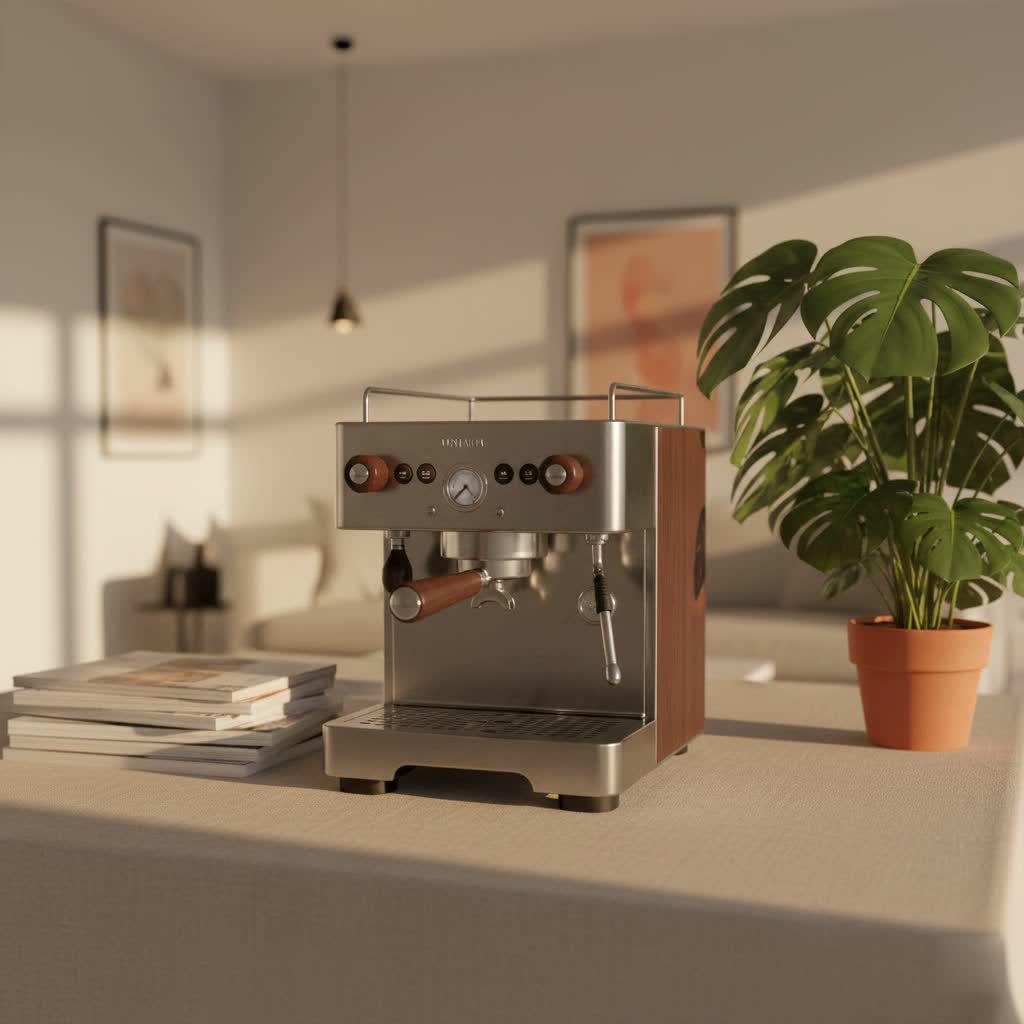
An espresso machine is a specialized coffee brewer that forces hot, pressurized water through a compacted bed of finely ground coffee, known as a “puck.” This process extracts highly concentrated coffee, characterized by its intense flavor, thick body, and a distinctive reddish-brown foam layer on top called “crema.” The invention of the espresso machine dates back to the early 20th century in Italy, revolutionizing coffee consumption.
Over the decades, espresso machines have evolved into several popular types, each offering a different level of control and convenience. Manual espresso machines require significant skill and effort, relying on the user to manually pump water. Semi-automatic machines, like many Capresso models, automate the pump and heating but give you control over grind, tamp, and shot volume. Automatic machines take it a step further, automatically stopping the shot at a pre-set volume. Finally, super-automatic machines handle everything from grinding beans to frothing milk at the touch of a button. Capresso primarily focuses on reliable, pump-driven semi-automatic and steam espresso machines, making them accessible to a broad range of home users.
Important Components of an Espresso Machine
Understanding the core components of an espresso machine is crucial for both brewing and maintenance. While machines vary, several key parts are fundamental to the espresso-making process.
At the heart of any espresso machine is the pump, responsible for generating the 9 to 15 bars of pressure needed to extract espresso. Many Capresso machines, such as the EC50 and EC100, feature a robust 15-bar pump to ensure consistent pressure. The boiler or thermoblock heats the water to the optimal brewing temperature, typically between 195-205°F (90-96°C). Capresso often utilizes stainless steel thermoblock heating systems, which allow for rapid heating and efficient temperature control.
The grouphead is where the hot water exits the machine and meets the coffee, while the portafilter is a detachable handle with a basket that holds the ground coffee. Capresso portafilters are often designed for ease of use, with some models offering self-locking filters and thumbguards. Lastly, the steam wand is essential for frothing milk for lattes and cappuccinos. Capresso models typically include professional-grade frother wands, sometimes with removable sleeves for versatile frothing options.
How to Choose a Capresso Espresso Machine
Selecting the right Capresso espresso machine involves balancing your personal coffee habits with the machine’s capabilities and your budget. Capresso offers a diverse lineup, ensuring there’s a model tailored for almost every need.
Determine Your Needs
|
Our Picks for the Best Espresso Machine in 2026
As an Amazon Associate I earn from qualifying purchases.
|
||
| Num | Product | Action |
|---|---|---|
| 1 | Gevi Commercial Espresso and Coffee Makers, Professional 20 Bar Espresso Maker with Milk Frother, Stainless Steel Expresso Coffee Machines for Home, Compact Cappuccino Machine, Great Gift |

|
| 2 | CASABREWS 3700 Essential Espresso Machine 20 Bar, Stainless Steel Cappuccino & Latte Machine with Steam Frother for Home, 43.9oz Water Tank, Coffee Gift for Women & Men, Silver |
|
| 3 | Ninja Luxe Café 3-in-1 Espresso, Drip Coffee and Cold Brew Machine - Integrated Coffee Grinder, Milk Frother, Assisted Tamper & Built-In Espresso Accessory Storage - Stainless Steel - ES601 |
|
| 4 | Gaggia Classic Evo Pro - Espresso Machine Jungle Green |
|
| 5 | Breville Barista Express Espresso Machine BES870BSXL, Black Sesame |
|
| 6 | CASABREWS CM5418 Espresso Machine 20 Bar, Compact Espresso Maker with Steam Milk Frother, Stainless Steel Coffee Machine with 34oz Removable Water Tank for Cappuccino, Gift for Women or Men, Silver |
|
| 7 | Breville Barista Express Impress Espresso Machine BES876BSS, Brushed Stainless Steel |
|
| 8 | Breville Barista Express Espresso Machine BES870XL, Brushed Stainless Steel |
|
| 9 | De'Longhi Stilosa Manual Espresso Machine, Compact Coffee Maker, 15 Bar Pump Pressure, Manual Milk Frother Steam Wand for Authentic Single & Double Espresso, Lattes & Cappuccinos, Tamper Included |
|
| 10 | Breville Bambino Espresso Machine BES450BSS, Brushed Stainless Steel |
|
Before diving into features, consider how you plan to use your espresso machine. Will it be a daily ritual for one, or do you entertain large groups? The Capresso EC100, for instance, is perfect for one or two daily drinkers but might struggle with continuous back-to-back shots. If you crave variety, look for machines with versatile steam wands that can create fine microfoam for lattes or thicker froth for cappuccinos. For casual users, a simple steam machine might suffice, while enthusiasts might prefer more control offered by pump-driven semi-automatics.
Budget
Capresso is known for providing quality espresso experiences across various price points, from entry-level steam machines to more advanced semi-automatic models. You can find excellent Capresso espresso machines generally ranging from $60 to $270. Entry-level models like the Capresso Steam PRO offer a fantastic value for basic espresso and milk frothing. Mid-range options, such as the EC50 or EC100, provide improved pump pressure and thermoblock heating for a more authentic espresso experience. Investing in a Capresso machine means you’re getting a durable appliance that, with proper care, can save you significant money compared to daily coffee shop visits.
Important Features
When comparing Capresso models, several features stand out. A 15-bar pump pressure is standard on most Capresso pump espresso machines, ensuring optimal extraction. The heating system is also key; thermoblock systems in Capresso models offer fast heat-up times. For milk-based drinks, the steam wand design matters. Some Capresso machines offer traditional stainless steel wands, providing more control over milk texture, while others feature panarello sleeves for easier frothing. Look for features like removable water reservoirs and drip trays for effortless cleaning, and a cup warming platform to keep your demitasses at the ideal temperature.
Reputable Brands
Capresso has established itself as a reputable brand in the coffee industry, known for innovative and thoughtfully designed home coffee equipment. Since its founding in 1994, Capresso has introduced several “firsts” to the market, including innovative grind-and-brew coffee makers and stand-alone automatic milk frothers. The brand’s focus on modern styling and user-friendly functionality, coupled with its association with JURA (its parent company), underscores its commitment to quality. When you choose a Capresso espresso machine, you’re investing in a brand with a strong track record of delivering reliable and enjoyable coffee experiences.
Comparing Popular Capresso Espresso Machine Models
Capresso offers a range of espresso machines, each with unique features catering to different preferences and skill levels. Here’s a comparison of some popular models:
| Model | Type | Pressure | Milk Frother | Key Features | Target User | Price Range (Approx.) |
|---|---|---|---|---|---|---|
| Capresso EC50 | Semi-automatic | 15 Bar | Panarello | Fast heat-up, stainless steel thermoblock, compact, dual-function filter | Beginners, daily users | $90 – $120 |
| Capresso EC100 | Semi-automatic | 15 Bar | Panarello | Compact design, decent single/double shots, easy controls, pod-compatible | Single/double serving, budget-conscious | $120 – $150 |
| Capresso EC Select | Semi-automatic | 15 Bar | Professional Wand | ThermoBlock heating, removable water tank, cup warmer, self-locking filter | Home baristas, those seeking control | $100 – $130 |
| Capresso Steam PRO | Steam | Steam | Panarello | Very affordable, compact, easy to use, 4-cup capacity glass carafe | Casual users, budget-friendly | $60 – $80 |
| Capresso Ultima Pro | Automatic/Pump | 15 Bar | Auto frothing | Preset buttons, auto-tamp, pressurized basket for consistency | Convenience-focused, beginners | $200 – $250 |
| Capresso EC Pro | Semi-automatic | 15 Bar | Traditional Wand | Manual control, includes bottomless portafilter, stainless steel housing | Enthusiasts who like to tinker | $150 – $200 |
> “Capresso machines offer a great entry point for home espresso enthusiasts, balancing ease of use with enough control to develop your barista skills.” – [Expert Name TBD], Espresso Machine Technician
This table provides a snapshot, but always check the latest specifications and reviews as models and features can evolve. For instance, while the Capresso EC50 is praised for its speed, some users have noted issues with its frother and water tank design. The EC100 offers good quality for its price but might show inconsistency with multiple consecutive shots. The EC Pro is a standout for those who want more hands-on control over their espresso extraction, thanks to its traditional wand and bottomless portafilter.
How to Use and Maintain Your Capresso Espresso Machine
Getting the most out of your Capresso espresso machine involves not just brewing, but also proper setup and diligent cleaning. Adhering to these steps will ensure delicious espresso and a long lifespan for your machine.
Preparation
Before your first brew, ensure your Capresso machine is properly installed and rinsed according to the user manual. Fill the removable water tank with fresh, cold, filtered water – this helps prevent mineral buildup. Choosing the right coffee is paramount: opt for high-quality, freshly roasted espresso beans. The grind size is critical; it should be fine enough to feel like powdered sugar but not clumpy. Always pre-warm your machine by running hot water through the grouphead and portafilter before adding coffee, and ideally, pre-warm your espresso cups on the machine’s warming plate. This ensures a stable brewing temperature and preserves the crema.
Brewing Espresso
Brewing espresso with your Capresso machine is a satisfying process. Start by placing your finely ground coffee into the portafilter basket, ensuring an even distribution. Use a tamper to press the grounds firmly and evenly into a “puck.” Wipe any excess grounds from the rim of the portafilter to ensure a tight seal. Insert the portafilter into the grouphead, twisting it firmly to the “LOCK” position. Place one or two pre-warmed espresso cups beneath the spouts. When the “READY” light indicates optimal temperature, activate the brew function (usually by turning a dial or pressing a button). Watch the espresso flow; it should be a steady, honey-like stream. Stop the brew once you’ve achieved your desired volume, typically 1 to 2 ounces per shot.
Cleaning the Machine
Regular cleaning is vital for both hygiene and machine longevity.
- Daily Cleaning: After each use, immediately knock out the used coffee grounds from the portafilter and rinse it thoroughly with warm water. Wipe down the steam wand with a damp cloth immediately after frothing milk, and purge a little steam to clear any milk residue. Empty and rinse the drip tray.
- Weekly Cleaning: Remove the grouphead screen (often unscrewed with a coin) and clean it with warm water and a brush to remove accumulated coffee oils. Clean the seal around the brew head with a damp cloth.
- Monthly/Quarterly Descaling: Depending on your water hardness, Capresso recommends descaling your machine every 1-3 months, or when brewing a full pot takes longer than usual. Use a dedicated espresso machine descaling solution, such as Capresso Cleaning Solution. Dissolve 1 oz (28g) of descaler with 32 oz (1L) of water and pour it into the water tank. Run the solution through the brew head and steam wand, then let it sit for about 10 minutes. Repeat the cycle two to three times with fresh, clean water to thoroughly rinse the machine. Always refer to your specific Capresso model’s manual for detailed descaling instructions.
Common Problems and How to Fix Them
Even with the best Capresso espresso machine, you might encounter occasional issues. Here are some common problems and their straightforward solutions:
- Machine not heating: Ensure the machine is plugged in, the power switch is on, and the water tank is filled and correctly seated. If the heating light doesn’t illuminate, there might be an internal issue requiring professional service.
- No water flow from grouphead: First, check the water tank level. The tank might not be correctly positioned, or the function switch could be set to “Steam” instead of “Coffee.” The inner screen of the brew head might also be blocked by coffee grounds; remove and clean it.
- Weak pressure or slow coffee flow: This often indicates coffee grounds that are too fine, too much coffee in the portafilter, or an over-tamped puck. Adjust your grind size to be slightly coarser, reduce the amount of coffee, or tamp more gently. A dirty brew head screen can also restrict flow.
- Coffee runs down the side of the portafilter: This usually means the portafilter isn’t properly inserted and locked into the grouphead, or there are coffee grounds on the rim of the portafilter or the brew head seal. Turn the portafilter handle further to the right, or clean the edges of the sieve and the brew head seal. If the issue persists, the sealing ring might have lost its elasticity and needs replacement.
- Machine leaking water: Check if the water tank is securely in place and not overfilled. Inspect the drip tray for proper seating. Persistent leaks could indicate a damaged internal component or a worn-out sealing ring, which may require contacting Capresso customer service.
For any complex issues or if basic troubleshooting doesn’t resolve the problem, it’s always best to consult your Capresso machine’s instruction manual or contact their customer support.
Where to Buy a Capresso Espresso Machine
Acquiring your own Capresso espresso machine is an exciting step towards elevated coffee at home. You have several reliable avenues for purchase.
Authorized Retailers: Major electronics and home goods stores often carry Capresso products. Shopping at these retailers allows you to see the machine in person, compare models side-by-side, and often benefit from in-store customer service and return policies.
Online Marketplaces: Websites like Amazon, Best Buy, and other prominent online retailers offer a wide selection of Capresso espresso machines. Buying online provides convenience and often competitive pricing, but always ensure you’re purchasing from a reputable seller to guarantee warranty coverage and authentic products.
Capresso’s Official Website: Purchasing directly from Capresso.com ensures you get genuine products, access to their full range, and direct customer support. They also often provide useful resources like instruction manuals and troubleshooting guides.
Used Machines: While tempting for budget savings, buying a used espresso machine carries risks. Ensure you thoroughly inspect the machine for wear, damage, and functionality, and confirm the seller’s return policy. For a brand like Capresso, which offers affordable new options, the risks of a used machine often outweigh the benefits unless it’s from a verified refurbished source.
Always compare prices from different vendors and check for current promotions or sales.
Capresso Espresso Machine Buying Guide
Making the final decision on your Capresso espresso machine can feel like a big step. This detailed buying guide will help you consider all angles, ensuring your choice perfectly aligns with your espresso journey.
Factors to consider before buying
Beyond features and budget, evaluate practical aspects that impact your daily experience. Consider the size and footprint of the machine; Capresso models like the EC100 are celebrated for their compact design, perfect for smaller kitchens. Noise level is another factor, especially if you plan to brew early mornings. Pump-driven machines will naturally make some noise, but reviews can help gauge relative loudness. Finally, check power requirements to ensure it’s compatible with your kitchen outlets. Some users also consider the aesthetic – Capresso machines often feature sleek stainless steel and black plastic accents that complement most kitchen decors.
Essential Accessories
To maximize your Capresso espresso experience, certain accessories are highly recommended:
- High-Quality Burr Grinder: A consistent grind is paramount for excellent espresso. While some Capresso machines come with pressurized baskets that are more forgiving, a dedicated burr grinder (like a Capresso Infinity Burr Grinder) allows for precise control over grind size, elevating your espresso.
- Tamper: While many Capresso machines include a plastic tamper, an upgrade to a heavier, more ergonomic metal tamper ensures a consistent and even tamp, crucial for proper extraction.
- Milk Frothing Pitcher: A stainless steel pitcher is essential for frothing milk with the steam wand.
- Knock Box: A dedicated container to safely dispose of spent coffee pucks.
- Cleaning Brushes and Cloths: Small brushes for cleaning the grouphead and portafilter, along with microfiber cloths for wiping down the machine and steam wand.
Read Reviews and Compare Prices
Before making your final purchase, immerse yourself in user reviews for specific Capresso models you’re considering. Platforms like Best Buy, Amazon, and coffee enthusiast forums offer invaluable insights into real-world performance, durability, and common user experiences. Look for consistent feedback on factors like frothing capability, ease of cleaning, heat-up time, and shot consistency. Compare prices from various authorized retailers to ensure you’re getting the best deal. Pay attention to warranty information and return policies. The collective wisdom of other coffee lovers can be your most powerful tool in making an informed decision about your Capresso espresso machine.
Conclusion
Choosing the right Capresso espresso machine is an investment in countless delicious coffee moments. From the fast-brewing Capresso EC50 to the more hands-on EC Pro, there’s a model designed to suit every aspiring home barista. By understanding your needs, considering the key features, and committing to regular maintenance, you can unlock the full potential of these reliable machines. Capresso consistently delivers quality and innovation, ensuring that you can craft café-quality espresso, cappuccinos, and lattes right in your own kitchen.
Ready to transform your daily coffee ritual? Which Capresso espresso machine do you envision gracing your countertop?
Frequently Asked Questions
How do Capresso espresso machines typically handle milk frothing?
Capresso espresso machines generally come equipped with either a Panarello steam wand for easier, airier froth or a traditional stainless steel steam wand, found on models like the EC Pro, offering greater control for fine microfoam ideal for latte art. Many users find Capresso’s frothing systems effective for creating creamy milk for various specialty drinks.
What is the lifespan of a Capresso espresso machine?
With proper care and regular maintenance, including daily cleaning and periodic descaling as recommended in the user manual, a Capresso espresso machine can last for several years. Some models, like the EC100, have been noted to show quality decline after a couple of years, but consistent upkeep can significantly extend the machine’s operational life.
Are Capresso espresso machines suitable for beginners?
Yes, many Capresso espresso machines, particularly models like the EC50 and EC100, are designed with user-friendliness in mind, making them excellent choices for beginners. Their semi-automatic nature provides a balance of automated features and enough control to learn the basics of espresso brewing and milk frothing.
What is the difference between a Capresso pump espresso machine and a steam espresso machine?
A Capresso pump espresso machine uses an electric pump to force water through coffee at a consistent, high pressure (typically 15 bars), producing true espresso with rich crema. A steam espresso machine, like the Capresso Steam PRO, uses steam pressure to brew, which is generally lower and less consistent than a pump, resulting in a coffee that is closer to strong brew than traditional espresso.
Can I use coffee pods in a Capresso espresso machine?
Some Capresso semi-automatic espresso machines, such as the EC100, are designed to accommodate both ground coffee and ESE (Easy Serving Espresso) pods, offering flexibility in your brewing options. Always check the specifications of your particular Capresso model to confirm pod compatibility.
