For coffee aficionados and home baristas alike, the quest for the perfect espresso often leads to a sophisticated machine capable of transforming humble beans into a rich, aromatic elixir. KitchenAid, a brand synonymous with quality kitchen appliances, has ventured into the world of espresso with models designed to bring cafe-level experiences right into your home. Whether you’re a seasoned barista or just beginning your journey into specialty coffee, understanding the nuances of KitchenAid’s offerings can help you select the ideal machine to elevate your daily brew.
What is an Espresso Machine?
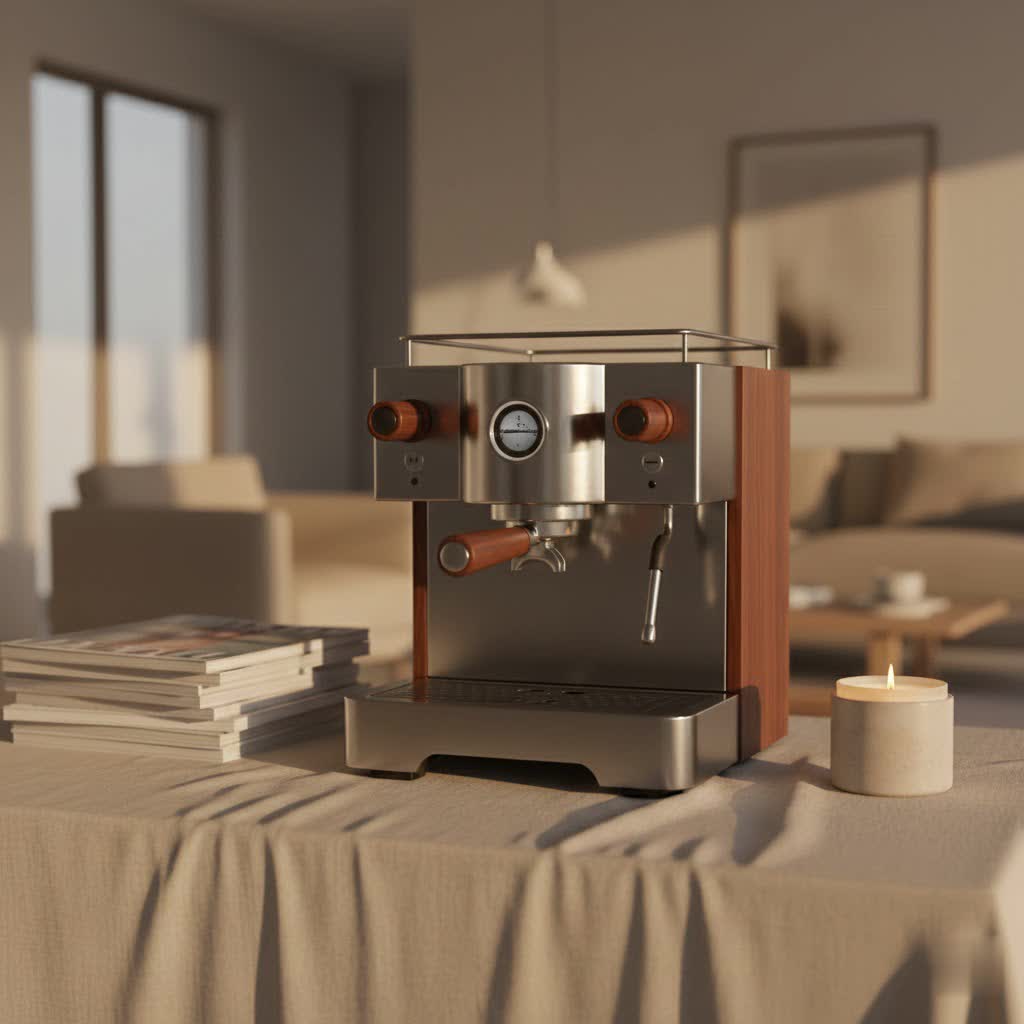
An espresso machine is a specialized coffee maker that forces pressurized hot water through finely ground coffee to produce a concentrated coffee shot known as espresso. This method extracts the coffee’s rich flavors and oils, resulting in a distinctively intense brew topped with a reddish-brown foam called crema. The invention of the espresso machine in the early 20th century revolutionized coffee consumption, making it possible to create stronger, more flavorful coffee quickly.
Espresso machines generally fall into three categories:
- Manual Espresso Machines: These machines offer complete control over every brewing variable, from pressure to water temperature. They demand significant skill and practice, often preferred by purists who enjoy the artisanal process.
- Semi-Automatic Espresso Machines: These machines automate water temperature and pressure, but leave the grind size, tamping, and shot timing to the user. They provide a balance of control and convenience, making them popular for home enthusiasts. KitchenAid offers semi-automatic models that appeal to those who enjoy a hands-on approach.
- Fully-Automatic (Super-Automatic) Espresso Machines: Designed for maximum convenience, these machines handle everything from grinding beans to brewing and even frothing milk at the touch of a button. KitchenAid’s KF series (KF6, KF7, KF8) are prominent examples, catering to users seeking consistent, hassle-free coffee.
Key Components of an Espresso Machine
Understanding the vital components of an espresso machine is crucial to appreciating its functionality and making an informed purchase decision.
- Pump: This component is responsible for generating the necessary pressure to force water through the coffee grounds. KitchenAid espresso machines often feature a 15-bar Italian pump, which is standard for producing high-quality espresso. The pump ensures consistent pressure for optimal extraction.
- Boiler/Thermocoil: The heating element in an espresso machine. Single boilers heat water for both brewing and steaming but require a wait time between tasks, while dual boilers allow simultaneous brewing and steaming with independent temperature control. KitchenAid machines utilize fast-heating thermocoil technology, often paired with dual smart temperature sensors to maintain precise temperatures for each shot.
- Grouphead: This is the part of the machine where the portafilter locks in and where hot water is dispensed over the coffee grounds. A well-designed grouphead ensures even water distribution for a balanced extraction.
- Portafilter: A handle with a basket that holds the ground coffee. KitchenAid semi-automatic machines often come with a 58mm commercial-grade portafilter, offering sufficient surface area for ideal extraction. They typically include single and double-wall filter baskets for varying needs.
- Steam Wand: Used for frothing milk to create lattes, cappuccinos, and other milk-based beverages. Semi-automatic KitchenAid models feature a manual steam wand for those who prefer to hone their milk-texturing skills. Fully-automatic models (KF6, KF7, KF8) incorporate automatic frothing systems, with the KF8 even offering a specialized plant-based milk mode for non-dairy alternatives.
- Water Reservoir: The tank that holds the water for brewing and steaming. Its size impacts how frequently you need to refill it. Removable reservoirs make refilling and cleaning easier.
- Drip Tray: Located below the portafilter, this collects excess water and coffee drips, keeping your countertop clean. A larger drip tray requires less frequent emptying, though some KitchenAid models might have smaller trays that need regular attention.
- Bean Hopper: Found exclusively on fully-automatic machines, this stores whole coffee beans, which are ground fresh for each brew. KitchenAid’s fully-automatic models feature removable bean hoppers, allowing for easy switching between different coffee varieties.
- Tamper: Used to compress coffee grounds evenly in the portafilter basket. A quality tamper, often stainless steel and weighted like those included with KitchenAid machines, is essential for a consistent, well-extracted espresso.
How to Choose the Best KitchenAid Espresso Machine
Selecting the right espresso machine is a personal decision based on your lifestyle, preferences, and budget. KitchenAid offers compelling options that cater to various needs.
Determine Your Brewing Needs
Before diving into models, consider how you intend to use your machine.
- Usage Frequency & Volume: Do you brew daily, multiple times a day, or only on weekends? Do you make coffee for just yourself or for a household of coffee lovers? High-volume usage might benefit from a fully-automatic machine with a larger water tank and bean hopper.
- Drink Preferences: Are you primarily an espresso purist, or do you enjoy a variety of milk-based drinks like lattes and cappuccinos? If milk drinks are your staple, assess the milk frothing capabilities – whether a manual steam wand for control or an automatic system for convenience.
- Skill Level: Do you enjoy the hands-on ritual of crafting espresso, or do you prefer a quick, one-touch experience? Semi-automatic machines offer more control and a learning curve, while fully-automatic models provide ease of use for beginners and busy individuals.
|
Our Picks for the Best Espresso Machine in 2026
As an Amazon Associate I earn from qualifying purchases.
|
||
| Num | Product | Action |
|---|---|---|
| 1 | De'Longhi Stilosa Manual Espresso Machine, Compact Coffee Maker, 15 Bar Pump Pressure, Manual Milk Frother Steam Wand for Authentic Single & Double Espresso, Lattes & Cappuccinos, Tamper Included |

|
| 2 | Breville Barista Express Espresso Machine BES870BSXL, Black Sesame |
|
| 3 | CASABREWS CM5418 Espresso Machine 20 Bar, Compact Espresso Maker with Steam Milk Frother, Stainless Steel Coffee Machine with 34oz Removable Water Tank for Cappuccino, Gift for Women or Men, Silver |
|
| 4 | Breville Bambino Espresso Machine BES450BSS, Brushed Stainless Steel |
|
| 5 | Ninja Luxe Café 3-in-1 Espresso, Drip Coffee and Cold Brew Machine - Integrated Coffee Grinder, Milk Frother, Assisted Tamper & Built-In Espresso Accessory Storage - Stainless Steel - ES601 |
|
| 6 | CASABREWS 3700 Essential Espresso Machine 20 Bar, Stainless Steel Cappuccino & Latte Machine with Steam Frother for Home, 43.9oz Water Tank, Coffee Gift for Women & Men, Silver |
|
| 7 | Breville Barista Express Impress Espresso Machine BES876BSS, Brushed Stainless Steel |
|
| 8 | Gevi Commercial Espresso and Coffee Makers, Professional 20 Bar Espresso Maker with Milk Frother, Stainless Steel Expresso Coffee Machines for Home, Compact Cappuccino Machine, Great Gift |
|
| 9 | Gaggia Classic Evo Pro - Espresso Machine Jungle Green |
|
| 10 | Breville Barista Express Espresso Machine BES870XL, Brushed Stainless Steel |
|
Budget Considerations
KitchenAid espresso machines span a range of price points, reflecting their features and level of automation.
- Entry-Level to Mid-Range: KitchenAid’s semi-automatic models typically fall into this category, offering excellent performance without the premium price tag of a fully-automatic machine. They represent a good investment for those wanting quality espresso with a degree of manual control.
- High-End to Premium: The fully-automatic KF series commands a higher price, particularly the KF8, due to its advanced automation, extensive drink menus, and smart features. Consider the long-term value and convenience these machines offer when evaluating the initial investment.
Essential Features to Look For
Focus on these core features to match a machine to your priorities.
- Pressure & Temperature Control: Consistent 15-bar pressure is vital for proper espresso extraction. KitchenAid’s dual smart temperature sensors and thermocoil technology ensure stable water temperatures, which are critical for optimal flavor. “Precise temperature control is the backbone of exceptional espresso,” notes one coffee expert, “it ensures every shot is extracted at its peak flavor.”
- Grinder: An integrated grinder (found in fully-automatic models) offers convenience and freshness. If opting for a semi-automatic model, a separate, high-quality burr grinder is a necessary companion to achieve the ideal grind size.
- Milk Frothing Capability: Decide between a manual steam wand, which provides greater control over milk texture for latte art, or an automatic milk frothing system that delivers consistent frothed milk with minimal effort. Some automatic systems, like those in the KF series, can even handle various milk types.
- Programmable Settings & User Profiles: For those who value consistency and customization, programmable settings for shot volume, strength, and temperature are highly beneficial. Fully-automatic KitchenAid models, especially the KF7 and KF8, offer user profiles to save personalized drink preferences for multiple users.
- Design and Build Quality: KitchenAid is renowned for its iconic design and robust construction. Look for machines with Quiet Mark certification, indicating quiet operation during grinding and brewing. Materials like stainless steel contribute to durability and a premium feel.
Reputable KitchenAid Models
KitchenAid offers distinct lines of espresso machines, each suited to different preferences.
-
KitchenAid Semi-Automatic Espresso Machine (e.g., Artisan Series):
- Pros: Delivers impressive espresso quality with a rich crema, features dual smart temperature sensors and a fast-heating thermocoil for excellent thermal stability, includes a robust 58mm commercial-grade portafilter and a weighty stainless steel tamper. Its sleek design fits well in most kitchens. Known for quiet operation.
- Cons: Requires a separate coffee grinder. Some users report “soupy pucks” due to the lack of a three-way solenoid, and the drip tray may be smaller than ideal, requiring frequent emptying. Spout height is fixed, which can cause splashing with smaller cups.
- Ideal User: Best for those who enjoy the ritual of crafting their espresso, appreciate manual control over elements like tamping and shot timing, and are willing to invest in a separate grinder.
-
KitchenAid Fully Automatic Espresso Machines (KF6, KF7, KF8 Series):
- Pros: Offers ultimate convenience with integrated grinding, tamping, and brewing. Provides a wide array of customizable drink recipes (15+ on KF6, 20+ on KF7, 40+ on KF8). Features intuitive interfaces, with touchscreens on higher models (3.5″ on KF7, 5″ on KF8), and automatic milk frothing. The KF8 even boasts a plant-based milk mode. All models are Quiet Mark certified for minimal noise.
- Cons: Higher price point, particularly for the KF8. Frequent cleaning cycles can be perceived as a hassle by some users and can deplete the water tank more quickly. Brewing prompts must be followed, which can add a slight delay to morning routines.
- Ideal User:
- KF6: Best for value-conscious buyers who want automated convenience, excellent coffee quality, and a good range of drink options without all the premium features.
- KF7: A step up for those who appreciate a larger touchscreen, more drink recipes, and the ability to save user profiles for multiple preferences.
- KF8: The top-tier choice for enthusiasts desiring the most extensive drink menu, largest touchscreen, plant-based milk functionality, and maximum customization and user profiles. It’s essentially “having a barista in your kitchen,” as one reviewer put it.
KitchenAid Espresso Machine Comparison Table
To help visualize the differences, here’s a comparison of KitchenAid’s popular espresso machine types:
| Feature | KitchenAid Semi-Automatic (Artisan) | KitchenAid KF6 Fully Automatic | KitchenAid KF7 Fully Automatic | KitchenAid KF8 Fully Automatic |
|---|---|---|---|---|
| Machine Type | Semi-Automatic | Fully Automatic | Fully Automatic | Fully Automatic |
| User Control | Manual tamp, shot timing | Automated brewing & grinding | Automated brewing & grinding | Automated brewing & grinding |
| Integrated Grinder | No (separate required) | Yes | Yes | Yes |
| Milk Frothing | Manual Steam Wand | Automatic Steam Wand | Automatic Milk Container | Auto Milk Container (Plant-Based Mode) |
| Drink Recipes | Espresso, manual milk drinks | 15+ | 20+ | 40+ |
| User Interface | Buttons, dials | 2.4″ Color Display, Buttons | 3.5″ Touchscreen, Buttons | 5″ Touchscreen, Buttons |
| User Profiles | N/A | N/A | 4 profiles | 6 profiles |
| Quiet Mark Cert. | Yes | Yes | Yes | Yes |
| Price Range | Mid-range | High-end | High-end | Premium High-end |
| Ideal User | Hands-on, traditional barista feel | Value-focused convenience | More features, user profiles | Ultimate automation, non-dairy options |
Using and Maintaining Your KitchenAid Espresso Machine
Proper usage and regular maintenance are paramount to enjoying delicious espresso and extending the life of your KitchenAid machine.
Getting Started
- Initial Setup: Unpack your machine carefully. Ensure it’s placed on a stable, level surface. Fill the water reservoir with fresh, filtered water. For new machines or those stored for a long time, the pump might need priming by adding a few drops of water to the intake area and running it a few times until water flows consistently.
- Coffee Bean Selection & Grind Size: Always use high-quality, freshly roasted coffee beans. For semi-automatic machines, a consistent fine grind, resembling powdered sugar, is ideal for espresso. Fully-automatic machines handle grinding automatically, often allowing adjustments to grind settings via the interface.
- Pre-heating: Allow your machine sufficient time to pre-heat. KitchenAid’s thermocoil technology heats up quickly (often under 45 seconds), but pre-warming the portafilter and cups by running a blank shot of hot water through them ensures better temperature stability for your espresso.
Brewing the Perfect Espresso
- For Semi-Automatic Machines:
- Grind and Dose: Grind fresh beans to the correct fineness. Dose the appropriate amount into your chosen filter basket (single or double shot).
- Tamp: Use the included stainless steel tamper to compress the grounds firmly and evenly. An even tamp (15-20 kg or 30-40 lb of force) is crucial for preventing channeling and ensuring uniform extraction.
- Brew: Lock the portafilter into the grouphead. Select your desired shot (single or double) and press the brew button. Observe the shot – it should flow like warm honey, producing a rich crema. Adjust grind size or tamp pressure if the shot flows too fast or too slow.
- For Fully-Automatic Machines:
- Fill & Select: Ensure the bean hopper is filled with fresh beans and the water tank has enough water.
- Customize: Use the intuitive display (touchscreen on KF7/KF8) to select your desired drink. Customize strength, volume, temperature, and milk settings as preferred.
- Brew: Press the start button. The machine will automatically grind, tamp, brew, and, if selected, froth milk to create your chosen beverage.
Cleaning and Descaling
Consistent cleaning prevents buildup and ensures optimal performance and taste.
- Daily Cleaning:
- Rinse Portafilter: After each use, remove the portafilter and rinse it thoroughly to remove spent coffee grounds.
- Wipe Steam Wand: Immediately wipe the steam wand with a damp cloth after frothing milk to prevent milk residue from drying and clogging. Run a short burst of steam to clear any internal residue.
- Empty Drip Tray: Empty and rinse the drip tray daily, as it collects excess water and grounds.
- Refill Water Tank: Keep the water tank filled with fresh, filtered water.
- Regular Maintenance (Weekly/Bi-Weekly):
- Clean Brewing Unit: For fully-automatic machines, remove and rinse the brewing unit as per the manufacturer’s instructions.
- Backflush (Semi-Automatic): Use a blind filter basket and espresso machine detergent to backflush the grouphead, removing coffee oils and residue.
- Descaling (Monthly/Quarterly): Limescale buildup from water can severely impact machine performance and taste. KitchenAid machines will often prompt you when descaling is needed. Use a recommended descaling solution and follow the specific instructions for your model. This typically involves running the solution through the machine’s water pathways. Ignoring descaling can lead to poor performance or even machine failure.
Common Issues and Troubleshooting for KitchenAid Espresso Machines
Even with well-built machines, minor issues can arise. Here are common problems and troubleshooting tips for your KitchenAid espresso machine:
-
Machine Not Starting/Power Issues:
- Check Power: Ensure the machine is securely plugged into a grounded outlet and the main power switch is on.
- Preheating: The machine might be preheating. Wait up to 30 seconds for it to finish before pressing start.
- Prime Pump: If newly unboxed or stored for a long time, the pump may need priming (refer to the “Getting Started” section).
-
Water Light Blinking/No Water Flow:
- Water Tank: Ensure the water tank is filled and properly seated.
- Steam Wand Blockage: A blocked steam wand can restrict water flow. Remove and thoroughly clean it.
- Dense Coffee Puck: If using a semi-automatic model, a coffee puck that is too dense (due to fine grind or overtamping) can prevent water from flowing. Adjust grind size or tamping.
-
Espresso Not Dispensing/Slow Flow:
- Limescale Buildup: The most common culprit for slow or no flow is limescale. Perform a descaling cycle.
- Clogged Brewing Unit/Portafilter: A dirty or clogged brewing unit or portafilter can impede flow. Clean thoroughly.
- Overtamped/Too Much Coffee: If the coffee is overtamped or there’s too much coffee in the basket, water struggles to penetrate. Adjust your tamping pressure and dosage.
- Grind Size Too Fine: A grind that is too fine will choke the machine, causing slow flow. Adjust to a coarser grind.
-
Grinds Spraying (Semi-Automatic with integrated grinder):
- Buildup: Coffee grinds and oils can build up in the grinding chamber and around the static-reduction ring. Regularly clean these areas with a brush and a damp cloth to remove residue and oils.
-
All Lights Blinking (Protection Mode):
- This usually indicates the machine has entered a protection mode to prevent overheating. Turn the machine off and unplug it for about 7-10 minutes to allow it to cool down before restarting.
For more complex issues, always refer to your owner’s manual or contact KitchenAid customer service.
Where to Buy Your KitchenAid Espresso Machine
When purchasing a KitchenAid espresso machine, consider your options carefully to ensure you get a genuine product with reliable support.
- Authorized Retailers: Purchasing from authorized KitchenAid dealers, major appliance stores, or reputable electronics retailers ensures you receive a new, authentic product with a full manufacturer’s warranty. These retailers often have knowledgeable staff who can answer your questions.
- Online Stores: KitchenAid espresso machines are widely available through major online retailers. When buying online, verify the seller’s reputation, check customer reviews, and confirm the warranty and return policy. The convenience of online shopping often comes with competitive pricing.
- Refurbished/Used Machines: While a used or refurbished machine can offer cost savings, it comes with inherent risks. Always check the seller’s reputation, inquire about the machine’s history, and understand what (if any) warranty or return policy is offered. Inspect the machine thoroughly for signs of wear, leaks, or damage before purchasing.
Buying Guide: Final Considerations
Beyond the machine itself, a few other factors can enhance your KitchenAid espresso experience.
Factors Beyond the Machine
- Kitchen Space: Consider the machine’s footprint on your countertop and ensure there’s adequate space, especially for semi-automatic models that might need room for a separate grinder.
- Power Requirements: Ensure your kitchen outlet can support the machine’s wattage.
- Noise Level: KitchenAid espresso machines, especially the fully-automatic KF series, are often lauded for their quiet operation, thanks to Quiet Mark certification. If noise is a concern, this is a significant advantage.
Essential Accessories
Investing in a few key accessories can greatly improve your espresso-making workflow:
- Tamper: While KitchenAid often includes a good tamper, an upgrade to a precision-calibrated tamper can further improve consistency.
- Milk Pitcher: A stainless steel milk pitcher is essential for frothing milk with a steam wand.
- Knock Box: A dedicated container for easily disposing of spent coffee pucks.
- Cleaning Brushes and Cloths: Specialty brushes help keep groupheads and grinders clean, while microfiber cloths are excellent for wiping down the machine and steam wand.
Smart Shopping Tips
- Read Reviews: Consult independent reviews from multiple sources (like Coffeeness, Tom’s Guide, Taste of Home) to get a balanced perspective on performance, ease of use, and common issues. Pay attention to both professional and user reviews.
- Compare Prices and Warranties: Shop around to compare prices from various retailers. Understand the warranty offered by KitchenAid (often 1-2 years) and consider extended service plans for higher-end models.
Conclusion
KitchenAid espresso machines offer a compelling blend of elegant design, robust performance, and user-friendly features, catering to a diverse range of coffee lovers. Whether you gravitate towards the hands-on craft of a semi-automatic model or the effortless convenience of a fully-automatic one, KitchenAid provides options that can consistently deliver delicious, cafe-quality espresso in your home. By understanding the key components, considering your personal brewing needs, and committing to proper maintenance, you can choose a KitchenAid espresso machine that will become a cherished centerpiece of your kitchen for years to come. The journey to exceptional coffee begins with the right machine.
Frequently Asked Questions
How often should I descale my KitchenAid espresso machine?
The frequency of descaling depends on your water hardness and how often you use the machine. Generally, most KitchenAid espresso machines will indicate when descaling is necessary, typically every 1-3 months. Using filtered water can help reduce limescale buildup and extend the time between descaling cycles.
Can I use pre-ground coffee in my KitchenAid espresso machine?
While semi-automatic KitchenAid machines can technically use pre-ground coffee with dual-wall (pressurized) filter baskets, it’s highly recommended to use freshly ground beans for the best flavor and crema. Fully-automatic models typically require whole beans as they feature integrated grinders for optimal freshness.
What is the difference between single and dual wall filter baskets?
Single-wall (unpressurized) filter baskets are designed for freshly ground coffee and require precise grind size and tamping for optimal extraction, preferred by experienced baristas. Dual-wall (pressurized) filter baskets are more forgiving and can create crema with pre-ground coffee or less precise grinding, making them suitable for beginners.
Why are my espresso pucks soupy on the semi-automatic model?
“Soupy pucks” are a common occurrence in many home espresso machines, including some KitchenAid semi-automatic models, because they often lack a three-way solenoid valve. This valve typically relieves excess pressure and water from the portafilter after brewing, resulting in a drier puck. While common, soupy pucks do not necessarily indicate an issue with the espresso quality itself.
Is KitchenAid’s “Quiet Mark” certification noticeable?
Yes, users and reviewers frequently highlight the remarkably quiet operation of KitchenAid espresso machines, especially the fully-automatic KF series. The Quiet Mark certification signifies that these machines are engineered to minimize noise during grinding and brewing, providing a more peaceful coffee preparation experience compared to many competitors.
