Dreaming of rich, aromatic espresso or creamy lattes without the daily cafe expense? Many believe that crafting barista-quality coffee at home requires a significant investment, but that’s simply not true. The landscape of espresso machines has evolved dramatically, offering an impressive array of inexpensive models capable of delivering excellent results. This comprehensive guide will navigate you through the world of affordable espresso makers, helping you understand their features, compare popular options, and ultimately choose the perfect machine to kickstart your home barista journey without breaking the bank. You’re closer than you think to enjoying delicious, custom-made coffee every single day.
What is an Espresso Machine?
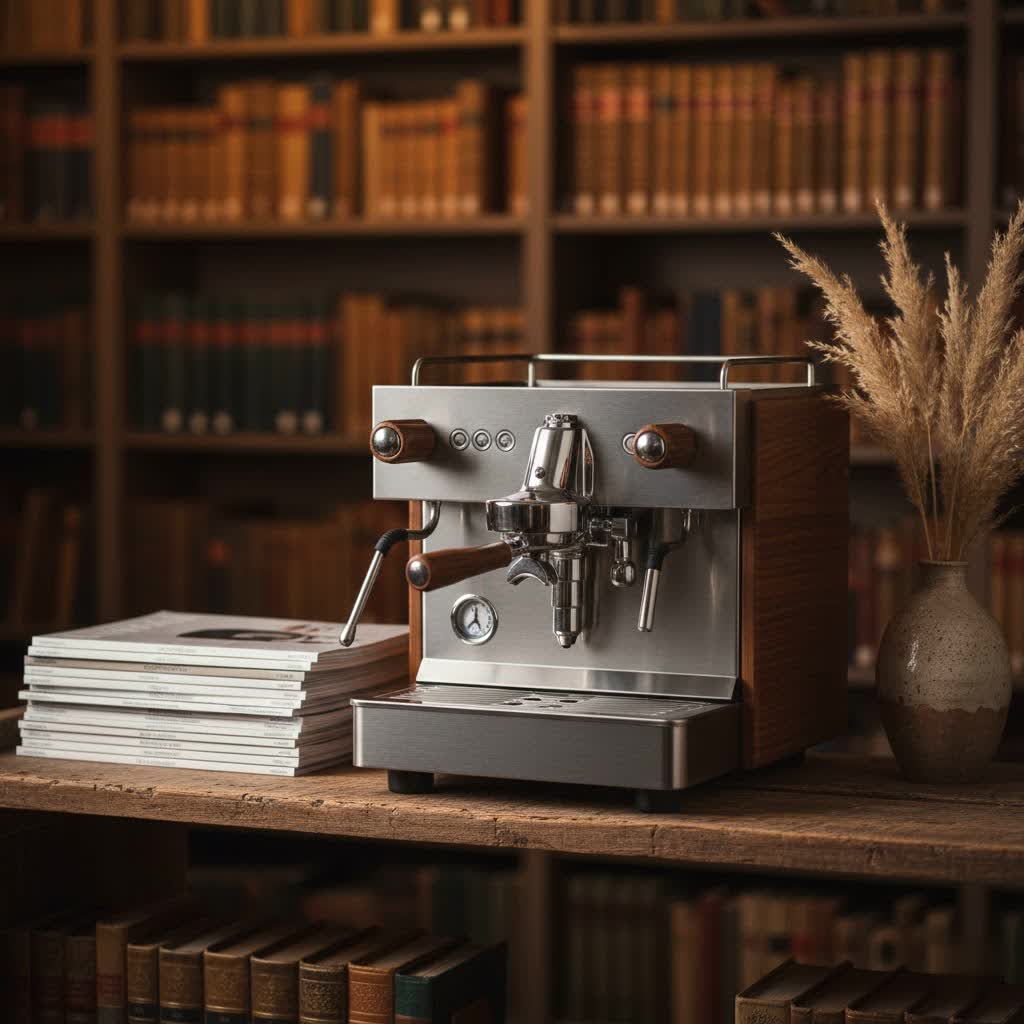
An espresso machine is a specialized device designed to brew coffee by forcing pressurized hot water through a compacted bed of finely ground coffee beans, producing a concentrated shot known as espresso. This method extracts coffee’s intense flavors and aromatic oils, resulting in a rich, full-bodied beverage topped with a distinctive reddish-brown foam called crema.
The history of the espresso machine dates back to 19th-century France and Italy, evolving from large, steam-driven contraptions to the pump-driven machines we recognize today. Early designs focused on speed and volume for cafes, but innovations led to more compact and efficient models suitable for home use. The core principle, however, remains the same: high pressure and precise temperature are key to extracting the perfect shot.
In the realm of inexpensive espresso machines, you’ll primarily encounter a few popular types:
- Manual/Lever Espresso Machines: These machines require the user to manually apply pressure to extract the espresso. They offer incredible control over the brewing process and can produce exceptional shots, often at a very affordable price point. Brands like Flair and Wacaco offer portable manual options, perfect for those who enjoy a hands-on approach and portability.
- Semi-Automatic Espresso Machines: This is the most common type for entry-level home baristas. With a semi-automatic machine, you’re responsible for grinding and tamping your coffee, then initiating and stopping the espresso shot. They provide a balance of control and convenience, making them ideal for learning the art of espresso. Many budget-friendly options, such as the De’Longhi Stilosa, fall into this category.
- Automatic Espresso Machines: While less common at the very lowest price points, some budget machines offer automatic features that stop the espresso shot after a pre-set volume. This adds a layer of convenience, ensuring consistent shot sizes without manual timing.
- Pod-Based Espresso Machines: Machines like Nespresso Vertuo models offer extreme convenience, brewing espresso or coffee from pre-packaged capsules with minimal effort. While not “traditional” espresso, they provide a quick and clean solution for a coffee-shop-like experience, often within an inexpensive budget.
Essential Components of an Espresso Machine
Understanding the key components of an espresso machine helps you appreciate how these devices work and what to look for, especially when considering more affordable options. Even inexpensive models feature these core parts, albeit sometimes with simpler designs or materials.
The heart of most budget-friendly espresso machines is a 15-bar pump. This pump generates the necessary pressure (typically 9 bars at the grouphead) to force hot water through the finely ground coffee. Consistent pressure is vital for proper extraction, so a reliable pump is non-negotiable, even for an entry-level machine.
Water is heated either by a boiler or a thermoblock (or thermocoil) heating system. Thermoblocks are common in compact, inexpensive machines because they heat up very quickly, often in under a minute, allowing for faster brewing. While they may not offer the same temperature stability as larger boilers in high-end machines, modern budget thermoblocks are surprisingly effective.
The grouphead is where the hot water disperses over the coffee, and the portafilter is the removable handle that holds your ground coffee in a filter basket. Many inexpensive espresso machines come with pressurized portafilters. These baskets have a small valve or a false bottom that creates artificial back pressure, which helps to produce crema even with a less-than-perfect grind or pre-ground coffee. While not preferred by purists, they are incredibly forgiving for beginners. The portafilter is typically made of metal, but some budget options may include more plastic in their construction.
For those who love milk-based drinks, a steam wand is essential. Most inexpensive machines feature a manual steam wand, often a “pannarello” type, which has a sleeve that helps introduce air into the milk. While it might take some practice to achieve perfect microfoam for latte art, these wands are fully functional for creating steamed milk for cappuccinos and lattes.
A removable water reservoir makes refilling and cleaning much easier. Look for models with a decent capacity to avoid constant refills, particularly if you plan on making multiple drinks. Finally, a tamper is used to compress the coffee grounds in the portafilter. Many budget machines include a basic plastic tamper, which often isn’t very effective. Upgrading to a heavier, metal tamper is one of the simplest ways to significantly improve the quality of your espresso shots.
Your Guide to Choosing an Inexpensive Espresso Machine
Selecting an inexpensive espresso machine requires careful consideration of your needs and expectations. While budget options can deliver fantastic results, understanding where to prioritize features will ensure you make the best choice for your home coffee ritual.
Determine Your Usage Needs
|
Our Picks for the Best Espresso Machine in 2026
As an Amazon Associate I earn from qualifying purchases.
|
||
| Num | Product | Action |
|---|---|---|
| 1 | Breville Barista Express Impress Espresso Machine BES876BSS, Brushed Stainless Steel |

|
| 2 | Breville Barista Express Espresso Machine BES870XL, Brushed Stainless Steel |
|
| 3 | CASABREWS CM5418 Espresso Machine 20 Bar, Compact Espresso Maker with Steam Milk Frother, Stainless Steel Coffee Machine with 34oz Removable Water Tank for Cappuccino, Gift for Women or Men, Silver |
|
| 4 | Breville Bambino Espresso Machine BES450BSS, Brushed Stainless Steel |
|
| 5 | Gevi Commercial Espresso and Coffee Makers, Professional 20 Bar Espresso Maker with Milk Frother, Stainless Steel Expresso Coffee Machines for Home, Compact Cappuccino Machine, Great Gift |
|
| 6 | Ninja Luxe Café 3-in-1 Espresso, Drip Coffee and Cold Brew Machine - Integrated Coffee Grinder, Milk Frother, Assisted Tamper & Built-In Espresso Accessory Storage - Stainless Steel - ES601 |
|
| 7 | Breville Barista Express Espresso Machine BES870BSXL, Black Sesame |
|
| 8 | Gaggia Classic Evo Pro - Espresso Machine Jungle Green |
|
| 9 | CASABREWS 3700 Essential Espresso Machine 20 Bar, Stainless Steel Cappuccino & Latte Machine with Steam Frother for Home, 43.9oz Water Tank, Coffee Gift for Women & Men, Silver |
|
| 10 | De'Longhi Stilosa Manual Espresso Machine, Compact Coffee Maker, 15 Bar Pump Pressure, Manual Milk Frother Steam Wand for Authentic Single & Double Espresso, Lattes & Cappuccinos, Tamper Included |
|
Before anything else, consider how you’ll be using your machine. Will it be a daily workhorse or an occasional treat? If you’re making multiple drinks every morning for a household, a machine with a larger water reservoir and quick heat-up time like the De’Longhi Stilosa might be ideal. If you only plan to enjoy an espresso on weekends, a smaller, more basic model or even a manual one could suffice. Think about your preferred beverages too: do you mostly drink straight espresso shots, or are lattes and cappuccinos your daily indulgence? If milk steaming is a priority, evaluate the steam wand’s performance.
Set Your Budget
The term “inexpensive” is relative, but for espresso machines, it generally means anything from under $100 up to around $300. Machines in the $100-$200 range, such as the Casabrews 3700 Essential, often provide a solid balance of features and performance for beginners. Stepping up to the $200-$300 range can introduce better build quality, slightly more advanced features like PID temperature control, or more robust steam wands. It’s important to view your purchase as an investment in your daily coffee experience. Sometimes, spending a little more upfront can result in greater satisfaction and longer machine lifespan.
Key Features to Prioritize
When shopping for an inexpensive espresso machine, focus on these critical features:
- Pressure: A reliable 15-bar pump is standard and ensures adequate pressure for extraction.
- Temperature Stability: While high-end PID controllers are rare at this price, look for machines with thermoblock heating for quick and relatively stable temperatures. Dual thermostats (one for brewing, one for steaming) can also be a bonus.
- Milk Frothing Capability: Most budget machines include a manual steam wand. If milk drinks are important, read reviews about its effectiveness. Some highly affordable models, like the Hamilton Beach Espresso Machine, come with surprisingly good frothers.
- Ease of Use & Cleaning: Intuitive controls and easily removable, dishwasher-safe parts will make your daily routine much smoother.
- Compact Footprint: If counter space is limited, models like the Wirsh Home Barista Espresso Machine or De’Longhi Dedica Duo are designed to be slim and space-efficient.
- Pressurized vs. Non-Pressurized Baskets: For beginners using pre-ground coffee or an entry-level grinder, pressurized baskets are highly forgiving. As you advance, you might consider upgrading to a non-pressurized basket for more control, which some budget machines can accommodate.
Reputable Brands for Budget Espresso
Several brands consistently offer reliable and well-regarded inexpensive espresso machines:
- De’Longhi: A dominant player, known for models like the Stilosa, EC155, and Dedica Duo, which are frequently praised for their value and performance at entry-level price points.
- Mr. Coffee: Offers user-friendly options such as the Cafe Barista, often with convenient automatic features for milk drinks.
- Casabrews: The 3700 Essential is a popular choice for its simplicity and consistent espresso quality.
- Hamilton Beach: Provides functional and very affordable machines, often with good frothing capabilities for their price.
- Flair Espresso: For manual espresso enthusiasts, Flair (e.g., Flair Neo Flex) delivers exceptional shot quality for a lower cost, emphasizing the user’s skill.
- Wacaco: Makers of ultra-portable manual machines like the Nanopresso, offering impressive pressure and espresso quality on the go.
Always check for warranty information and customer support reputation, as these can significantly impact your experience if issues arise.
Comparison of Top Inexpensive Espresso Machine Models
Choosing the right inexpensive espresso machine often comes down to comparing specific models and their features against your personal preferences. Here’s a comparison of some popular and well-regarded budget-friendly options, highlighting their key aspects:
| Feature | De’Longhi Stilosa EC260 | Casabrews 3700 Essential | Mr. Coffee Cafe Barista | Flair Neo Flex (Manual) | Wacaco Nanopresso (Portable Manual) | Nespresso Vertuo Pop+ (Pod-based) |
|---|---|---|---|---|---|---|
| Price Range | ~$80 – $100 | ~$100 – $130 | ~$170 – $200 | ~$100 – $130 | ~$60 – $80 | ~$80 – $100 |
| Type | Semi-Automatic | Semi-Automatic | Semi-Automatic (auto frother) | Manual/Lever | Manual/Lever (Portable) | Automatic (Pod) |
| Pump Pressure | 15 Bar | 15 Bar | 15 Bar | Manual (up to 12 Bar) | Manual (up to 18 Bar) | Centrifusion (pod-dependent) |
| Frother | Manual Steam Wand | Manual Steam Wand | Automatic Milk Frother | No (manual milk frothing needed) | No (manual milk frothing needed) | No (separate Aeroccino needed) |
| Water Tank | Removable, ~33.8 oz (1L) | Removable, ~42 oz (1.2L) | Removable, ~54 oz (1.6L) | Small (requires refills per shot) | Small (~2.7 oz / 80ml) | Removable, ~37 oz (1.1L) |
| Portafilter | Pressurized (single/double) | Pressurized (single/double) | Pressurized (single/double/pod) | Pressurized & Non-Pressurized | Pressurized (optional Barista Kit) | Pod-specific |
| Key Features | Compact design, fast heat-up | Easy to operate, consistent shots | One-touch milk drinks | Excellent shot quality, durable | Ultra-portable, high pressure | Convenient, consistent, various sizes |
| Pros | Great value, good for beginners | Simple, reliable, consistent | Easiest for milk drinks | Exceptional espresso, no pump noise | Smallest size, great for travel | Quick, clean, wide drink selection |
| Cons | Plastic build, basic steam wand | Basic features | Bulkier, plastic tamper | Manual effort, no steam, needs grinder | Small capacity, no steam, manual | Pod waste, proprietary system |
| Ideal For | Beginners, small spaces | First-time espresso makers | Latte/cappuccino lovers | Enthusiasts seeking quality & control | Travelers, outdoor use | Convenience seekers, pod users |
This table provides a general overview. Specific prices and features may vary by retailer and model year.
These recommendations, often under $200, prove that you don’t need to splurge to get decent espresso. The De’Longhi Stilosa is a perennial favorite for its balanced performance and entry-level price, while manual options like the Flair Neo Flex and Wacaco Nanopresso are excellent for those prioritizing shot quality and a hands-on experience over automated features.
Using and Maintaining Your Inexpensive Espresso Machine
Even the most affordable espresso machine can deliver delicious results with the right technique and consistent care. Mastering these aspects is crucial for extending your machine’s lifespan and consistently pulling great shots.
Preparation for the Perfect Shot
The journey to a perfect espresso begins before you even turn on the machine. Proper placement on a stable, level surface with access to a power outlet is essential. For many budget-friendly machines, especially those using pressurized baskets, the choice of coffee is critical. While fresh whole beans ground just before brewing will always yield the best flavor, a good quality pre-ground espresso roast can work well. The grind size should be fine, like granulated sugar, but avoid powder-fine, which can choke the machine.
Always remember to pre-heat your machine and cups. Turn on the machine 10-15 minutes before brewing to allow the boiler or thermoblock to reach a stable temperature. Run a blank shot (without coffee) through the portafilter into your espresso cup to warm both the portafilter and the cup, preventing temperature shock that can negatively affect your espresso’s flavor.
Brewing Your Espresso
With an inexpensive machine, precision in your brewing steps is key.
- Dose and Tamp: Measure the appropriate amount of ground coffee for your filter basket (usually 7-8g for a single, 14-16g for a double). Distribute the grounds evenly, then tamp them firmly and level. While budget machines often come with plastic tampers, a consistent and level tamp is more important than the tamper’s material.
- Insert Portafilter: Securely lock the portafilter into the grouphead.
- Brew: Initiate the brew cycle. Aim for an extraction time of 20-30 seconds for a single shot (about 1-1.5 oz) or a double shot (about 2-2.5 oz). Watch the flow: it should look like warm honey. If it flows too fast, your grind might be too coarse or tamp too light. If it flows too slow or drips, the grind is too fine or tamp too hard.
- Steam Milk (if applicable): If your machine has a steam wand, purge it briefly to release any condensed water. Submerge the tip just below the milk surface in a cold frothing pitcher. Open the steam valve fully to incorporate air (creating a “hissing” sound), then lower the wand deeper to heat the milk. Continue until the pitcher is almost too hot to touch. Immediately wipe the wand clean and purge it again to prevent milk from drying inside.
Essential Cleaning and Descaling
Regular maintenance is paramount for any espresso machine, especially budget models, to ensure longevity and consistent performance.
- Daily Cleaning: After each use, immediately knock out the spent coffee grounds (“puck”). Rinse the portafilter and filter basket thoroughly. Wipe down the grouphead screen with a damp cloth. For steam wands, wipe them clean immediately after steaming milk and purge any residual milk by briefly opening the steam valve. This prevents milk buildup, which can be unsanitary and clog the wand.
- Weekly/Monthly Cleaning: Depending on usage, perform a deeper clean. For machines with removable brew heads, remove and rinse them. You can use espresso machine cleaning tablets (like Urnex Cafiza) for backflushing (if your machine supports it) or soaking portafilters.
- Regular Descaling: This is perhaps the most critical maintenance task. Hard water leaves mineral deposits (scale) inside the machine’s heating elements and pipes, which can reduce efficiency, affect temperature, and eventually lead to breakdowns. The frequency depends on your water hardness, but typically every 1-3 months. Use a descaling solution specifically designed for espresso machines and follow the manufacturer’s instructions carefully.
> “Many budget-friendly machines deliver impressive performance, but their longevity truly hinges on meticulous cleaning and regular descaling. Don’t skimp on maintenance!” – Alex Coffee, Home Barista Expert
By dedicating a few minutes to proper usage and cleaning, your inexpensive espresso machine can serve you well for years, producing enjoyable coffee every time.
Common Issues with Inexpensive Espresso Machines and How to Solve Them
While inexpensive espresso machines offer great value, they can sometimes present common issues. Knowing how to troubleshoot these problems can save you a trip to a repair shop and keep your caffeine fix flowing smoothly.
- Machine Not Heating Up: If your machine isn’t getting hot, first check the power connection and ensure it’s properly plugged in. Verify that the water reservoir has enough water and is correctly seated. Many machines have safety features that prevent heating without sufficient water. Give the machine ample time to pre-heat; thermoblock machines are fast, but some still need 1-2 minutes.
- Weak Espresso / Low Pressure: If your espresso shot pours too quickly and looks watery with little crema, it indicates low pressure during extraction. Common culprits include:
- Coarse Grind: The coffee grounds might be too coarse. Adjust your grinder to a finer setting.
- Insufficient Tamping: The coffee grounds might not be tamped firmly enough. Ensure an even and solid tamp.
- Old Coffee: Stale coffee beans lose their oils and gases, making it harder to build pressure and produce good crema.
- Machine Fault: Less commonly, a pump issue could be the cause, but check grind and tamp first.
- Slow Flow / No Flow: Conversely, if your espresso barely drips or doesn’t come out at all, the pressure is too high. This often points to:
- Too Fine Grind: The coffee is ground too finely, creating too much resistance. Adjust your grinder to a slightly coarser setting.
- Over-Tamping: Tamping with excessive force can compact the coffee too much.
- Clogged Filter Basket or Grouphead: Old coffee residue or mineral buildup can obstruct water flow. Clean your portafilter basket thoroughly and wipe down the grouphead.
- Water Leaks: A leaking machine can be frustrating.
- Loose Reservoir: Ensure the water tank is correctly seated and firmly in place.
- Portafilter Seal: If water leaks from around the portafilter, the gasket in the grouphead might be worn out or dirty. Clean the area and check the gasket for damage. Gaskets are replaceable parts.
- Drip Tray Overflow: Sometimes it’s simply an overflowing drip tray that needs to be emptied.
- Poor Milk Froth: Achieving silky microfoam with a manual steam wand on an inexpensive machine can be challenging but is definitely possible with practice.
- Milk Temperature/Type: Always use very cold, fresh milk. Full-fat dairy milk typically froths best, but many plant-based milks designed for baristas also work well.
- Steam Wand Clogged: If the steam power is weak, the wand might be partially clogged with dried milk. Clean it thoroughly with a pin or steam wand brush, and ensure you purge it after every use.
- Technique: Practice is key. Ensure the wand tip is just below the surface to incorporate air, then fully submerged to heat and swirl the milk.
For simple issues, these troubleshooting steps can often resolve the problem. However, if your machine exhibits persistent electrical faults, major leaks, or significant component failures, it’s best to consult the manufacturer’s warranty or a qualified technician. Attempting complex repairs yourself might void your warranty or cause further damage.
Where to Purchase Your Inexpensive Espresso Machine
Finding the perfect inexpensive espresso machine means knowing where to look to get the best deal and ensure a reliable purchase. The market offers a variety of avenues, each with its own advantages.
Online Retailers are often the first stop for many buyers. Major platforms like Amazon, eBay, and Walmart.com offer a vast selection of inexpensive espresso machines from various brands, including popular models like the De’Longhi Stilosa and Casabrews 3700 Essential. The benefits of online shopping include competitive pricing, extensive customer reviews (which are invaluable for budget purchases), and convenient home delivery. Many manufacturers also sell directly from their websites, sometimes offering exclusive deals or bundles. Specialized coffee equipment retailers online can also provide expert advice and a curated selection. When buying online, always check the seller’s reputation, return policy, and warranty information.
Brick-and-Mortar Stores like department stores (e.g., Macy’s, Kohl’s), electronics retailers (e.g., Best Buy), and even some larger supermarkets often carry a selection of entry-level espresso machines. The advantage here is the ability to see the machine in person, gauge its size and build quality, and sometimes get immediate assistance from sales staff. While prices might not always be as low as online, you might find seasonal sales or special in-store promotions.
Considering Used Machines: For those on an extremely tight budget, buying a used espresso machine can be an option, but it comes with inherent risks and benefits.
- Benefits: Significantly lower prices, potentially allowing you to acquire a higher-end model that would otherwise be out of reach.
- Risks: No warranty, potential for hidden defects or wear and tear, and uncertainty about the machine’s maintenance history.
If you opt for a used machine, always inspect it thoroughly, ask for proof of previous maintenance, and consider reputable sellers on platforms like Facebook Marketplace or local classifieds where you can physically examine the item before purchase. Be cautious of “as-is” sales.
Ultimately, compare prices across different platforms, read user reviews, and understand the warranty offered. For inexpensive machines, a good warranty can provide peace of mind against early failures.
The Ultimate Inexpensive Espresso Machine Buying Guide
Choosing an inexpensive espresso machine is more than just picking the cheapest option; it’s about smart shopping and understanding value. To ensure you make an informed decision, consider these factors beyond just the machine itself.
Factors to Consider Before Buying
Beyond the machine’s brewing capabilities, practical considerations can significantly impact your satisfaction:
- Kitchen Space & Layout: Before purchasing, measure your available counter space. Inexpensive machines are often compact, but models like the De’Longhi Dedica Duo are specifically designed with a narrow footprint, making them ideal for smaller kitchens. Also, consider the placement of power outlets and how easily you can access the water reservoir for refilling.
- Noise Level: Espresso machines, especially those with powerful pumps, can be noisy. While high-end machines often feature quieter pumps, budget models might be louder. If noise is a concern, check reviews specifically mentioning sound levels. Manual lever machines like the Flair Neo Flex, however, are almost silent as they rely on user power.
- Separate Grinder Investment: This is arguably the most crucial factor for elevating your home espresso, regardless of your machine’s price. While many inexpensive espresso machines come with pressurized portafilters that are forgiving of pre-ground coffee, a quality burr grinder allows you to use fresh whole beans and achieve the precise, consistent grind size essential for optimal espresso extraction. Even a budget-friendly espresso-specific grinder (often around $150-$250) will dramatically improve your coffee quality compared to pre-ground options. Consider budgeting for a grinder alongside your machine, or at least as your first upgrade.
Must-Have Accessories
To maximize your inexpensive espresso machine, a few essential accessories can make a world of difference:
- Quality Tamper: If your machine comes with a plastic tamper, investing in a heavier, more ergonomic metal tamper (often 51mm or 53mm, depending on your portafilter size) will allow for more consistent and effective tamping, leading to better shots.
- Milk Frothing Pitcher: For machines with a steam wand, a stainless steel milk frothing pitcher is indispensable for creating perfectly frothed milk. Look for one with a handle and spout designed for pouring latte art, if you aspire to that.
- Knock Box: A simple container designed to hold spent coffee pucks, making cleanup quick and mess-free.
- Cleaning Brushes and Descaling Solution: Essential for maintaining your machine’s cleanliness and preventing mineral buildup, which extends its lifespan and ensures good coffee flavor.
Read Reviews and Compare Prices
One of the greatest advantages of buying an inexpensive espresso machine today is the abundance of online information. Always take the time to:
- Read User Reviews: Platforms like Amazon and dedicated coffee forums offer real-world feedback from owners. Pay attention to comments on ease of use, durability, steam wand performance, and customer service experiences.
- Compare Prices: Use price comparison tools to check different retailers. Prices can fluctuate, and promotions are common. Look out for holiday sales or bundle deals that might include accessories.
By considering these factors and making smart choices, you can equip yourself with an inexpensive espresso machine and the necessary tools to enjoy fantastic coffee at home, often rivalling what you’d find at a cafe.
Conclusion
Embarking on your home espresso journey doesn’t require a lavish budget. As we’ve explored, the market for inexpensive espresso machines offers a fantastic range of options, from highly capable semi-automatics to precise manual lever models, all designed to deliver satisfying coffee experiences. By understanding the essential components, evaluating your personal needs and budget, and prioritizing key features like reliable pressure and temperature stability, you can confidently select a machine that punches above its price tag. Remember, thoughtful preparation, consistent cleaning, and potentially a small investment in accessories like a quality tamper or a dedicated grinder, will unlock the full potential of your affordable espresso maker. So, are you ready to become your own favorite barista and enjoy café-quality coffee from the comfort of your kitchen?
Frequently Asked Questions
Is an inexpensive espresso machine worth it?
Absolutely! Many inexpensive espresso machines, especially in the $80-$300 range, can produce surprisingly high-quality espresso and milk drinks, offering significant savings compared to daily cafe purchases. Their value is particularly high for beginners and those looking for a hands-on learning experience without a large initial investment.
What’s the minimum bar pressure for good espresso?
While professional machines typically operate around 9 bars of pressure at the grouphead, most consumer-grade espresso machines advertise a 15-bar pump. This higher pump pressure provides sufficient force to extract espresso effectively, and a reliable 15-bar pump is standard and perfectly adequate for good espresso from an inexpensive machine.
Can I use pre-ground coffee in a budget espresso machine?
Yes, many inexpensive espresso machines are designed with pressurized portafilters that are more forgiving of pre-ground coffee, helping to create crema even if the grind isn’t perfectly consistent. However, for the best flavor and aroma, using freshly ground whole beans and a quality grinder is always recommended, even if your machine uses pressurized baskets.
How often should I clean/descale my inexpensive espresso maker?
Daily cleaning (rinsing portafilter, wiping grouphead and steam wand) is essential. Descaling frequency depends on your water hardness and usage, but typically every 1-3 months. Regular descaling prevents mineral buildup, which can damage your machine and negatively impact espresso flavor.
What’s the difference between manual and semi-automatic budget machines?
Manual (lever) machines require you to physically apply pressure to extract espresso, offering ultimate control but more effort (e.g., Flair Neo Flex). Semi-automatic machines use a pump to generate pressure, but you control the grind, tamp, and start/stop of the shot (e.g., De’Longhi Stilosa), balancing automation and user input.
