Embarking on the journey to brew café-quality espresso at home can feel overwhelming, with a dizzying array of machines promising perfection. How do you cut through the noise to find a “decent espresso machine” that truly delivers without breaking the bank or demanding a barista’s degree? This comprehensive guide is designed for aspiring home baristas, seasoned coffee lovers, and anyone seeking that ideal balance of performance, ease of use, and value. We’ll explore what makes an espresso machine genuinely good for home use, helping you navigate the options to confidently select a machine that transforms your daily coffee ritual.
What Is An Espresso Machine?
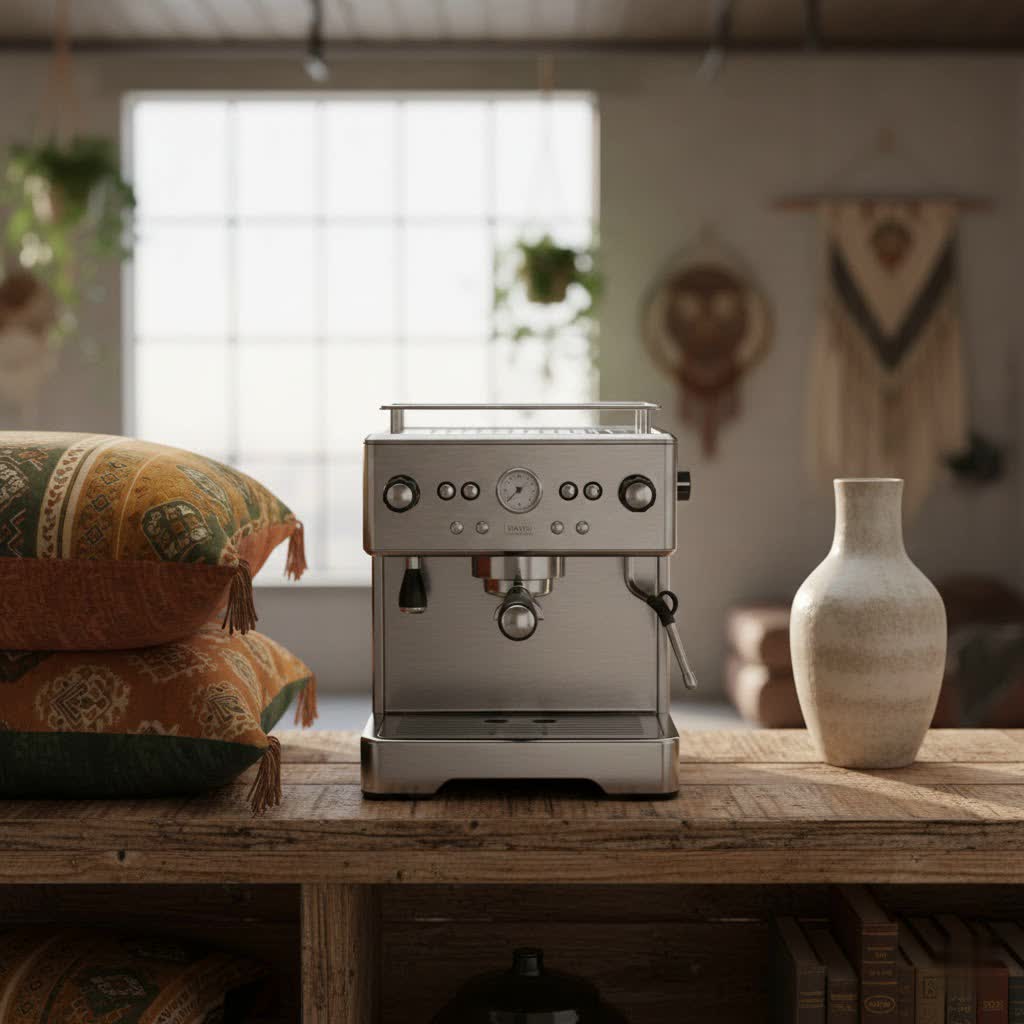
An espresso machine is a specialized device designed to force hot, pressurized water through finely-ground coffee to produce a concentrated shot of espresso. This method, invented in Italy at the turn of the 20th century, extracts rich flavors and aromas, forming the base for countless beloved coffee beverages. Today, espresso machines range widely in complexity and automation, catering to diverse skill levels and preferences.
The primary types include manual machines, which require the user to apply pressure manually, offering ultimate control but demanding skill (e.g., Flair Neo Flex). Semi-automatic machines automate water heating and pump pressure but give the user control over grind, tamp, and shot timing, making them a popular choice for home baristas seeking a balance of control and convenience. Automatic machines go a step further, often having programmable shot volumes. Super-automatic machines automate the entire process, from grinding beans to frothing milk, ideal for those prioritizing speed and simplicity over manual involvement. For many home users aiming for a “decent” machine, a semi-automatic model offers the best blend of quality and user engagement.
Important Components Of An Espresso Machine
Understanding the key components of an espresso machine is crucial for discerning quality and performance. These elements work in harmony to create that perfect shot.
The pump is responsible for creating the necessary pressure to extract espresso. Most home machines advertise a 15-bar pump, although the ideal brewing pressure at the coffee puck is closer to 9 bars. A consistent pump ensures even extraction. The boiler or thermoblock heats the water. Thermoblocks heat water quickly, often used in entry-level and compact machines, while traditional boilers offer greater temperature stability, especially dual boilers which have separate boilers for brewing and steaming. Higher-end machines often feature boilers made from stainless steel, copper, or brass for durability and heat retention.
The grouphead is where the hot water meets the coffee. Designs vary, from conventional group heads that rely on boiler temperature to electronically heated or saturated group heads that offer superior temperature stability and precision. The portafilter, a handle with a basket, holds the ground coffee. A 58mm portafilter is the commercial standard and offers optimal extraction. Portafilters can be pressurized (easier for inconsistent grinds) or unpressurized (preferred for finer control and better quality with a good grinder). Lastly, the steam wand creates textured milk for lattes and cappuccuccinos. Manual wands offer full control for latte art, while some machines feature automatic frothers for convenience. A robust steam wand is essential for making “decent” milk-based drinks.
How To Choose A Decent Espresso Machine
Selecting a decent espresso machine involves balancing your personal preferences, budget, and desired features. It’s a journey of self-discovery as much as a product search.
Determine Usage Needs
|
Our Picks for the Best Espresso Machine in 2026
As an Amazon Associate I earn from qualifying purchases.
|
||
| Num | Product | Action |
|---|---|---|
| 1 | Breville Barista Express Impress Espresso Machine BES876BSS, Brushed Stainless Steel |

|
| 2 | Gaggia Classic Evo Pro - Espresso Machine Jungle Green |
|
| 3 | Breville Barista Express Espresso Machine BES870XL, Brushed Stainless Steel |
|
| 4 | De'Longhi Stilosa Manual Espresso Machine, Compact Coffee Maker, 15 Bar Pump Pressure, Manual Milk Frother Steam Wand for Authentic Single & Double Espresso, Lattes & Cappuccinos, Tamper Included |
|
| 5 | Ninja Luxe Café 3-in-1 Espresso, Drip Coffee and Cold Brew Machine - Integrated Coffee Grinder, Milk Frother, Assisted Tamper & Built-In Espresso Accessory Storage - Stainless Steel - ES601 |
|
| 6 | CASABREWS 3700 Essential Espresso Machine 20 Bar, Stainless Steel Cappuccino & Latte Machine with Steam Frother for Home, 43.9oz Water Tank, Coffee Gift for Women & Men, Silver |
|
| 7 | Gevi Commercial Espresso and Coffee Makers, Professional 20 Bar Espresso Maker with Milk Frother, Stainless Steel Expresso Coffee Machines for Home, Compact Cappuccino Machine, Great Gift |
|
| 8 | Breville Barista Express Espresso Machine BES870BSXL, Black Sesame |
|
| 9 | Breville Bambino Espresso Machine BES450BSS, Brushed Stainless Steel |
|
| 10 | CASABREWS CM5418 Espresso Machine 20 Bar, Compact Espresso Maker with Steam Milk Frother, Stainless Steel Coffee Machine with 34oz Removable Water Tank for Cappuccino, Gift for Women or Men, Silver |
|
Consider how often you’ll use the machine and for whom. If it’s for an occasional shot for one or two people, a thermoblock system might suffice for its quick heat-up. For households with multiple coffee enthusiasts or those who drink several cups daily, a machine with a boiler system will provide better consistency and faster recovery times. Think about your preferred drinks: straight espresso drinkers will prioritize brew control, while latte lovers will value a powerful steam wand.
Budget
Espresso machines vary widely in price, from under $100 to several thousand. A “decent” home espresso machine often falls in the $300-$1000 range, offering a significant upgrade over basic models without the full investment of prosumer equipment. Remember that the cost of a good grinder is often as, if not more, important than the machine itself. Allocate a substantial portion of your budget to a quality grinder for optimal results.
Important Features
When evaluating features, prioritize those that directly impact espresso quality. PID (Proportional-Integral-Derivative) temperature control is key for consistent water temperature, which is vital for balanced extraction. Look for machines with a stable pump pressure at the group head, ideally around 9 bars. Boiler capacity influences steam power and recovery time. Features like pre-infusion (wetting the coffee puck before full pressure) and volumetric dosing (pre-set shot volumes) can also enhance your brewing experience and consistency.
Reputable Brands
Focus on brands known for reliability and performance in the home espresso market. Companies like Breville, Gaggia, Rancilio, Lelit, and Profitec consistently offer models praised by home baristas. Always check warranty coverage and the availability of parts and service. A good support network ensures your investment is protected and your machine can be maintained for years to come.
“A truly decent espresso machine isn’t just about bells and whistles; it’s about reliable temperature stability, consistent pressure, and the ability to grow with your skills.” – Maria Bianchi, Espresso Technician, Reviewspri.com
Comparison Of Popular Espresso Machine Models
To illustrate what constitutes a “decent” machine, let’s explore categories of popular models that strike a good balance for various home users.
For entry-level budget options (under $200), machines like the De’Longhi Stilosa or Casabrews 3700 Essential offer basic espresso functionality with integrated steam wands. They are user-friendly and compact, making them approachable for beginners just dipping their toes into home espresso. While they might lack advanced control, they can produce satisfying results, especially with pre-ground coffee or pressurized baskets.
Moving into the beginner-friendly/value category ($300-$600), you find excellent contenders like the Breville Bambino Plus and the Gaggia Classic Pro. The Breville Bambino Plus is lauded for its rapid 3-second heat-up, automatic milk frothing, and PID temperature control, offering convenience and consistent results. The Gaggia Classic Pro is a long-standing favorite, known for its durable commercial-style components, moddability, and powerful steam wand, making it an excellent platform for learning manual espresso skills.
For mid-range/enthusiast machines ($700-$1500), models like the Rancilio Silvia and Lelit Elizabeth cater to those seeking more control and robust performance. The Rancilio Silvia is a single-boiler workhorse, renowned for its build quality and steam power, though it requires some practice to master. The Lelit Elizabeth is a popular dual-boiler option in a compact footprint, offering independent temperature control for brewing and steaming, programmable pre-infusion, and shot timers – features often found in much pricier prosumer machines. The Profitec Go is another single-boiler contender in this range, appreciated for its full PID control, integrated shot timer, and external OPV for brew pressure tuning. These machines offer the precision and durability needed to consistently pull truly “decent” to excellent espresso shots and elevate your home barista skills.
How To Use And Maintain An Espresso Machine
Proper usage and regular maintenance are paramount to enjoying consistent, high-quality espresso and prolonging the life of your machine. A decent espresso machine, cared for well, will serve you for years.
Preparation
Before your first brew, ensure the machine is properly installed and warmed up. Always use fresh, quality coffee beans and grind them just before brewing. The grind size is critical for espresso; it should be fine, like powdered sugar, but not clumpy. Pre-heating your machine and portafilter for at least 10-15 minutes (longer for boiler-based machines) is essential to achieve stable brewing temperatures.
Brewing Espresso
To brew, dose the correct amount of ground coffee into your portafilter (typically 18-20 grams for a double shot), distribute it evenly, and tamp firmly. Lock the portafilter into the grouphead, place your cup, and initiate the shot. Aim for an extraction time of 25-30 seconds, yielding about 1.5-2 ounces of espresso. Adjust your grind size if the shot is too fast (make finer) or too slow (make coarser). Experiment with pressure and temperature settings if your machine allows, noting how small changes affect flavor.
Cleaning The Machine
Daily cleaning is vital. After each use, purge the steam wand and wipe it clean with a damp cloth to prevent milk residue buildup. Remove the portafilter and knock out the spent coffee puck, then rinse the portafilter and basket. Backflush the grouphead (without coffee) with water to clear any residue. Periodically, you’ll need to descale your machine to remove mineral buildup from the boiler/thermoblock, typically every 2-3 months depending on water hardness. Follow your manufacturer’s instructions for descaling solutions and frequency. Regularly clean the water reservoir and drip tray.
Common Problems And How To Fix Them
Even decent espresso machines can encounter minor issues. Knowing how to troubleshoot can save you a trip to the technician.
If your machine isn’t heating, first check the power supply and ensure it’s fully warmed up. For a weak pump pressure or slow coffee flow, the most common culprits are an overly fine grind or an over-dosed/over-tamped portafilter. Adjust your grind coarser or reduce the coffee dose. If the machine is leaking, check that the portafilter is properly seated and that the grouphead gasket isn’t worn out. A worn gasket can often be replaced by the user. For steaming issues, ensure the steam wand isn’t clogged; use a needle or paperclip to clear blockages. If problems persist after basic troubleshooting, consult your machine’s manual or a qualified technician.
Where To Buy An Espresso Machine?
You have several avenues for purchasing a decent espresso machine, each with its own advantages.
Specialty coffee retailers (online and brick-and-mortar) often provide expert advice, competitive pricing, and sometimes offer package deals with grinders and accessories. Popular online retailers include Whole Latte Love, Seattle Coffee Gear, and Clive Coffee. Large department stores and electronics retailers also carry a selection of home espresso machines, particularly brands like Breville and De’Longhi. When buying online, always ensure the vendor is reputable and offers a solid return policy.
Consider buying a used machine only if you’re comfortable with potential risks. While you can find great deals, verify the machine’s condition, age, and service history. Brands with readily available parts and a strong modding community (like the Gaggia Classic Pro) are safer bets for used purchases.
Buying Guide
To finalize your decision on a decent espresso machine, here are some comprehensive factors to consider.
Factors To Consider Before Buying
Before making a purchase, assess your kitchen setup. Check the power requirements (voltage) and ensure your kitchen outlets can handle the machine’s wattage. Measure your counter space to ensure the machine fits comfortably, leaving room for a grinder and accessories. Consider the noise level of different models; some pumps and grinders can be quite loud, which might be a concern in open-plan living spaces.
Essential Accessories
A decent espresso machine is only part of the equation. A quality burr grinder is arguably the most crucial accessory. For milk-based drinks, a stainless steel milk pitcher is indispensable. Other useful accessories include a proper tamper (often better than stock plastic ones), a knock box for spent coffee pucks, and specialized cleaning cloths and brushes. A small scale for weighing coffee grounds and espresso yield will significantly improve consistency.
Read Reviews And Compare Prices
Always do your due diligence. Read user reviews and expert comparisons from trusted coffee sites. Pay attention to feedback regarding build quality, ease of use, consistency, and customer support. Compare prices across multiple retailers to find the best deal, but be wary of prices that seem too good to be true. Sometimes, spending a little more for a reputable seller with good warranty and service is worth the extra cost.
> “The pursuit of a decent espresso machine is about finding the sweet spot where quality meets practicality. It’s not just about the machine; it’s about the entire ecosystem, especially your grinder.” – Dr. Alistair Finch, Coffee Engineering Consultant
Conclusion
Finding a decent espresso machine for your home is a rewarding endeavor that can profoundly elevate your daily coffee experience. It’s a journey that balances personal skill, budget, desired features, and the commitment to understanding your equipment. By focusing on critical components, understanding machine types, and prioritizing reputable brands, you can confidently choose a machine that delivers consistent, flavorful espresso. Remember that the interaction between you, your grinder, and your machine is key to unlocking truly exceptional coffee.
What kind of espresso adventures are you hoping to embark on with your new machine?
Frequently Asked Questions
How much should I spend on a decent home espresso machine?
A “decent” home espresso machine typically ranges from $300 to $1000. This price point often provides a good balance of quality components, essential features like PID temperature control, and durability, offering a significant upgrade over entry-level models without reaching professional-grade costs.
Is a built-in grinder good for a decent espresso machine?
While convenient, built-in grinders are generally not as precise or high-quality as dedicated stand-alone grinders. For truly decent espresso, a separate, high-quality burr grinder is almost always recommended to achieve the fine and consistent grind size necessary for optimal extraction.
What is PID temperature control and why is it important?
PID (Proportional-Integral-Derivative) temperature control is an electronic system that precisely monitors and maintains the water temperature in your espresso machine’s boiler or thermoblock. This consistency is crucial because even small temperature fluctuations can significantly impact the flavor and extraction quality of your espresso.
Should I choose a semi-automatic or super-automatic espresso machine for home?
For a “decent” home espresso experience that balances quality and control, a semi-automatic machine is often recommended. It allows you to develop barista skills by controlling grind, tamp, and shot timing. Super-automatic machines prioritize convenience, automating most steps, which can sometimes come at the cost of fine-tuned espresso quality.
What is the ideal pressure for brewing espresso?
While many machines advertise a 15-bar pump, the ideal pressure at the coffee puck for brewing espresso is generally around 9 bars. Some modern techniques even explore lower pressures, such as 6 to 8 bars, to achieve different flavor profiles and extraction characteristics.
