For cafes, restaurants, and serious home baristas, a professional espresso machine isn’t just an appliance; it’s the heart of their coffee offerings. These robust machines are engineered for consistency, durability, and the ability to produce exceptional espresso shot after shot. Unlike consumer-grade models, professional espresso machines are built to withstand high-volume demand, provide precise control over brewing variables, and deliver the rich, nuanced flavors that discerning coffee lovers expect. If you’re looking to consistently serve high-quality espresso-based drinks, understanding what makes a professional machine tick and how to choose the right one is paramount.
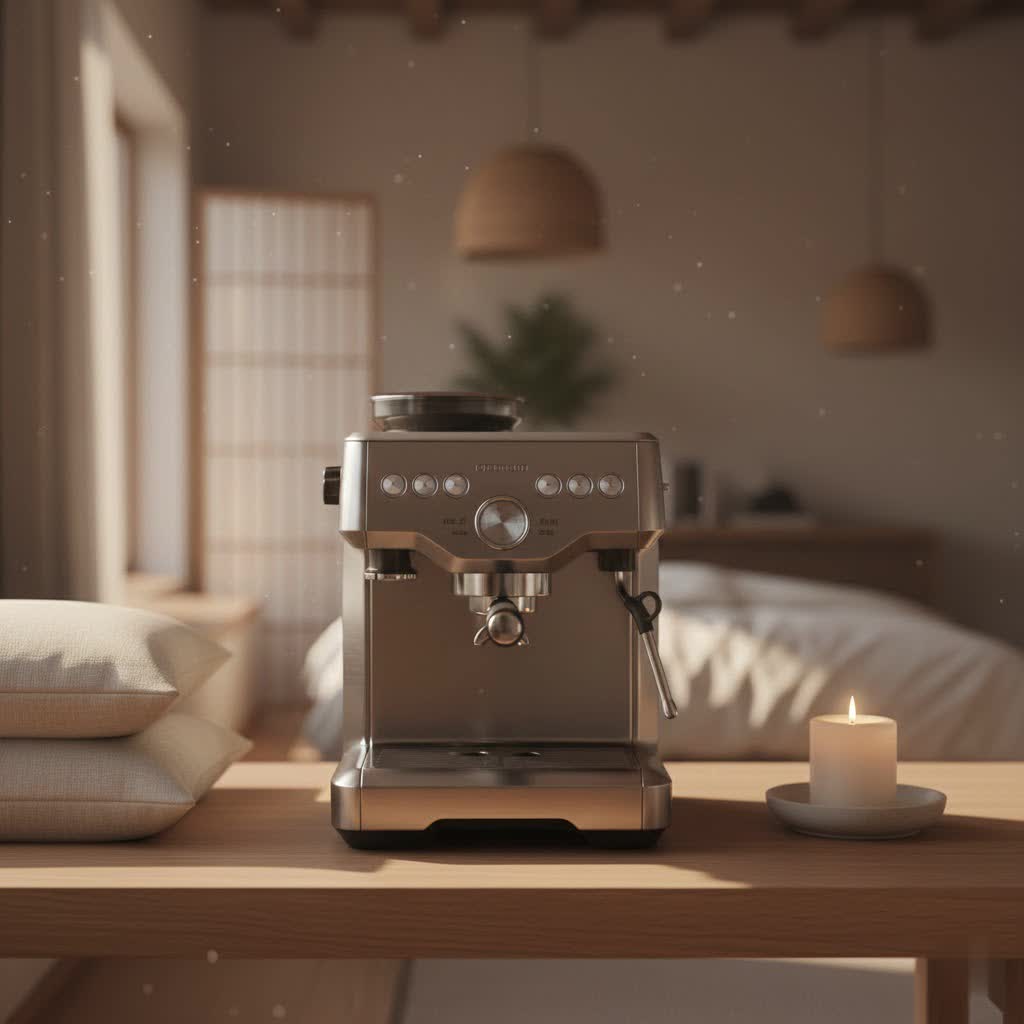
What is a Professional Espresso Machine?
A professional espresso machine is a high-performance coffee brewing device designed for commercial use or for enthusiasts who demand cafe-quality results at home. It forces hot, pressurized water through finely ground coffee to extract a concentrated beverage called espresso. This process, invented in Italy in the early 20th century, has evolved significantly, leading to today’s sophisticated machines. These units are distinguished by their superior build quality, larger capacities, advanced temperature stability, and powerful steam capabilities compared to standard home espresso makers.
Historically, the first espresso machines were steam-driven, crude devices. Over time, innovations like piston pumps, lever systems, and later, electric rotary pumps, transformed them into the complex machines we see today. The goal has always remained the same: to create a quick, strong, and aromatic coffee shot.
Professional espresso machines typically fall into several categories based on their level of automation:
- Manual/Lever Espresso Machines: These machines require the barista to manually pull a lever to force hot water through the coffee grounds, providing complete control over the pressure profile. They are favored by traditionalists and those seeking an artisanal experience, offering unparalleled control for the most skilled users. However, they demand significant expertise and consistency can be challenging for high-volume environments.
- Semi-Automatic Espresso Machines: The most popular choice in specialty coffee shops, semi-automatic machines feature an electric pump to deliver water, but the barista controls when the pump starts and stops, dictating the shot’s duration. This offers a perfect blend of manual control over extraction time and automated pressure delivery, allowing baristas to fine-tune each shot for optimal flavor.
- Automatic (Volumetric) Espresso Machines: Taking a step beyond semi-automatics, these machines automate the extraction time or water volume. The barista initiates the shot with a button, and the machine dispenses a pre-programmed amount of water, stopping automatically. This provides greater consistency and reduces reliance on barista timing, making them ideal for busy environments with varied skill levels.
- Super-Automatic Espresso Machines: These are “bean-to-cup” machines that handle almost every step of the brewing process: grinding beans, tamping, brewing, and even frothing milk, all at the touch of a button. They offer maximum convenience and minimal training requirements, making them excellent for offices, hotels, and self-service stations where speed and ease of use are priorities over intricate barista control.
Key Components of a Professional Espresso Machine
Understanding the core components of a professional espresso machine helps appreciate its functionality and how it impacts the final cup quality. Each part plays a crucial role in the precise extraction process.
- Pump: The pump is responsible for generating the high pressure (typically 9 bars) required to force water through the finely ground coffee. Professional machines usually feature a rotary pump, which is quieter and more durable than the vibratory pumps found in many home machines, making them suitable for continuous commercial use and direct plumbing into a water line.
- Boiler: This is where water is heated to the optimal brewing and steaming temperatures. Professional machines often come with sophisticated boiler systems:
- Single Boiler: One boiler serves both brewing and steaming, requiring a wait time between tasks. Less common in high-volume professional settings.
- Heat Exchanger (HX) Boiler: A single boiler heats water for steam, and a tube running through it heats fresh water for brewing, allowing simultaneous brewing and steaming. This offers good temperature stability and efficiency for moderate volume.
- Dual Boiler (DB) System: Features two independent boilers – one for brewing and one for steaming. This provides superior temperature stability for brewing and consistent, powerful steam pressure without affecting each other, crucial for high-volume cafes. Many high-end machines also feature PID (Proportional-Integral-Derivative) temperature controllers, which electronically regulate boiler temperature with extreme precision, ensuring consistent water temperature for every shot.
- Grouphead: This is the part of the machine where the portafilter locks in and hot water is delivered to the coffee grounds. High-quality groupheads are designed for thermal stability:
- E61 Grouphead: A classic, heavy brass grouphead known for its excellent thermal stability and pre-infusion capabilities.
- Saturated Grouphead: Integrated directly with the brew boiler, ensuring the grouphead maintains the exact brew temperature.
- Electronically Heated Grouphead: Uses a dedicated heating element for precise temperature control.
- Portafilter: A handle with a basket that holds the ground coffee. Professional machines almost universally use 58mm portafilters, which is the industry standard for optimal extraction and compatibility with professional accessories.
- Steam Wand: A stainless steel tube used to froth milk for lattes and cappuccinos. Professional machines feature powerful, multi-holed steam tips and ample steam pressure, allowing baristas to quickly create microfoam with fine texture. Some advanced models even offer auto-steaming functionalities.
- Water Connection: Professional machines are typically plumbed-in, meaning they connect directly to a water line, eliminating the need for manual refilling and ensuring a continuous water supply. This often requires a robust water filtration system to protect the machine from mineral buildup and improve coffee taste.
The materials used in these components, such as brass, copper, and stainless steel, are chosen for their durability, heat retention, and resistance to corrosion, ensuring the longevity and consistent performance of a professional machine.
Guide to Choosing a Professional Espresso Machine
Selecting the right professional espresso machine is a significant investment that can define your coffee program. A thoughtful approach considering various factors will lead to the best decision for your specific environment.
Assess Your Needs
Before diving into specifications, clarify how the machine will be used. This forms the foundation of your decision.
- Usage Frequency: Will the machine be used continuously throughout the day in a busy cafe, or for occasional service in an office or restaurant? High-volume usage demands machines built for extreme durability and rapid recovery.
- Number of Users/Volume: How many espresso-based drinks do you anticipate making per hour or day? A single group head machine might suffice for 15-25 espressos per hour, while a 2-3 group machine is better suited for 75-500 espressos daily. Matching group heads to expected volume is critical for efficiency and preventing bottlenecks during peak hours.
- Favorite Coffee Types: Will you primarily serve straight espresso shots, or a menu dominated by milk-based drinks like lattes and cappuccinos? If milk drinks are key, powerful and consistent steam production is a non-negotiable feature.
|
Our Picks for the Best Espresso Machine in 2026
As an Amazon Associate I earn from qualifying purchases.
|
||
| Num | Product | Action |
|---|---|---|
| 1 | CASABREWS CM5418 Espresso Machine 20 Bar, Compact Espresso Maker with Steam Milk Frother, Stainless Steel Coffee Machine with 34oz Removable Water Tank for Cappuccino, Gift for Women or Men, Silver |

|
| 2 | Breville Barista Express Espresso Machine BES870XL, Brushed Stainless Steel |
|
| 3 | Breville Barista Express Impress Espresso Machine BES876BSS, Brushed Stainless Steel |
|
| 4 | Gaggia Classic Evo Pro - Espresso Machine Jungle Green |
|
| 5 | Ninja Luxe Café 3-in-1 Espresso, Drip Coffee and Cold Brew Machine - Integrated Coffee Grinder, Milk Frother, Assisted Tamper & Built-In Espresso Accessory Storage - Stainless Steel - ES601 |
|
| 6 | CASABREWS 3700 Essential Espresso Machine 20 Bar, Stainless Steel Cappuccino & Latte Machine with Steam Frother for Home, 43.9oz Water Tank, Coffee Gift for Women & Men, Silver |
|
| 7 | De'Longhi Stilosa Manual Espresso Machine, Compact Coffee Maker, 15 Bar Pump Pressure, Manual Milk Frother Steam Wand for Authentic Single & Double Espresso, Lattes & Cappuccinos, Tamper Included |
|
| 8 | Breville Bambino Espresso Machine BES450BSS, Brushed Stainless Steel |
|
| 9 | Breville Barista Express Espresso Machine BES870BSXL, Black Sesame |
|
| 10 | Gevi Commercial Espresso and Coffee Makers, Professional 20 Bar Espresso Maker with Milk Frother, Stainless Steel Expresso Coffee Machines for Home, Compact Cappuccino Machine, Great Gift |
|
Budget Considerations
Professional espresso machines represent a wide price spectrum, influenced by features, brand, and build quality.
- Entry-Level (Under $5,000): These are often robust single-group machines or compact two-group heat exchanger models. They are suitable for low to medium-volume settings, offering commercial-grade components without the most advanced features.
- Mid-Range ($5,000 – $15,000): This category offers a wider selection of two-group machines, often with dual boilers, PID control, and volumetric dosing. These are workhorses for many cafes, balancing performance and cost.
- High-End (Over $15,000): These are top-tier machines, typically with multiple group heads, advanced multi-boiler systems, precision temperature and pressure profiling, integrated scales, and sophisticated ergonomics. Brands like La Marzocco and Victoria Arduino often reside here, built for peak performance in high-volume, quality-focused establishments.
Investing in a higher-quality machine upfront can lead to greater reliability, consistency, and lower long-term maintenance costs, ultimately offering better value.
Important Features
When evaluating specific models, certain features significantly impact performance and ease of use.
- Pump Pressure (bar): While 9 bars is the standard for optimal espresso extraction, machines should be able to consistently maintain this pressure. The type of pump (rotary vs. vibratory) affects noise and durability.
- Boiler Capacity and Type: Larger boilers (5-12 liters for two-group machines, 11-18 liters for three-group) are essential for sustained steam and hot water production in busy environments. Dual boiler or heat exchanger systems are crucial for simultaneous brewing and steaming.
- Temperature Control: PID temperature control offers precise stability, ensuring that water for brewing is always at the ideal temperature (around 200°F or 93°C) for consistent extraction and flavor.
- Automation Functions: Decide whether you need semi-automatic control (barista-driven timing), automatic volumetric dosing (pre-set shot volumes), or super-automatic ease (one-touch brewing and milk frothing). The choice depends on your staff’s skill level and desired workflow.
- Number of Group Heads: Directly correlates to your capacity. More group heads allow multiple baristas to work simultaneously, serving more customers faster.
- Steam Power: Look for machines with robust steam wands and sufficient boiler capacity to produce powerful, consistent steam for quick and efficient milk frothing.
Reputable Brands
Opting for well-known brands often guarantees quality, reliability, and robust after-sales support. Some of the most respected manufacturers in the professional espresso machine market include:
- La Marzocco: Renowned for their durable, high-performance machines with excellent temperature stability, often seen in top-tier cafes (e.g., Linea PB, KB90).
- Nuova Simonelli / Victoria Arduino: Offer a range of innovative machines known for their ergonomics, technology, and reliability (e.g., Aurelia Wave, Black Eagle).
- Rancilio: Provides a balance of traditional quality and modern features, known for sturdy construction (e.g., Classe series).
- Rocket Espresso: Popular for their prosumer and compact commercial machines, blending style with performance (e.g., Boxer Timer).
- Jura: Specializes in high-quality super-automatic machines, ideal for offices and hotels where convenience is key (e.g., GIGA X8).
- Sanremo, Ascaso, Gaggia, Breville (for prosumer/light commercial): Other brands offering reliable options at various price points.
Always investigate the warranty offered and the availability of local service and support. A machine is only as good as its ability to be maintained and repaired promptly.
Comparing Popular Professional Espresso Machine Models
Choosing from the myriad of professional espresso machines can be daunting. Here’s a comparison of some well-regarded models across different categories, highlighting their strengths and ideal applications.
| Model | Type | Boilers/Features | Price Range (Approx.) | Ideal Use Case | Pros | Cons |
|---|---|---|---|---|---|---|
| La Marzocco Linea PB | Automatic | Dual Boiler, PID, Volumetric, Integrated Scales | $15,000 – $25,000+ | High-volume, specialty cafes, precision focus | Exceptional consistency, durability, user-friendly, high tech | High initial investment |
| Nuova Simonelli Aurelia Wave | Automatic | Dual Boiler, PID, Volumetric, Smart features | $10,000 – $18,000 |
