For anyone who has ever savored a perfectly crafted espresso drink from a leading coffee chain, chances are you’ve experienced the output of a Mastrena espresso machine. These formidable machines are the backbone of high-volume coffee service, renowned for their consistency, speed, and advanced technology. While largely unseen by the average consumer, the Mastrena plays a pivotal role in delivering that familiar, quality coffee experience on a massive scale. Understanding its capabilities and design reveals why it’s a cornerstone in the commercial coffee world and why it continues to set a benchmark for super-automatic espresso excellence.
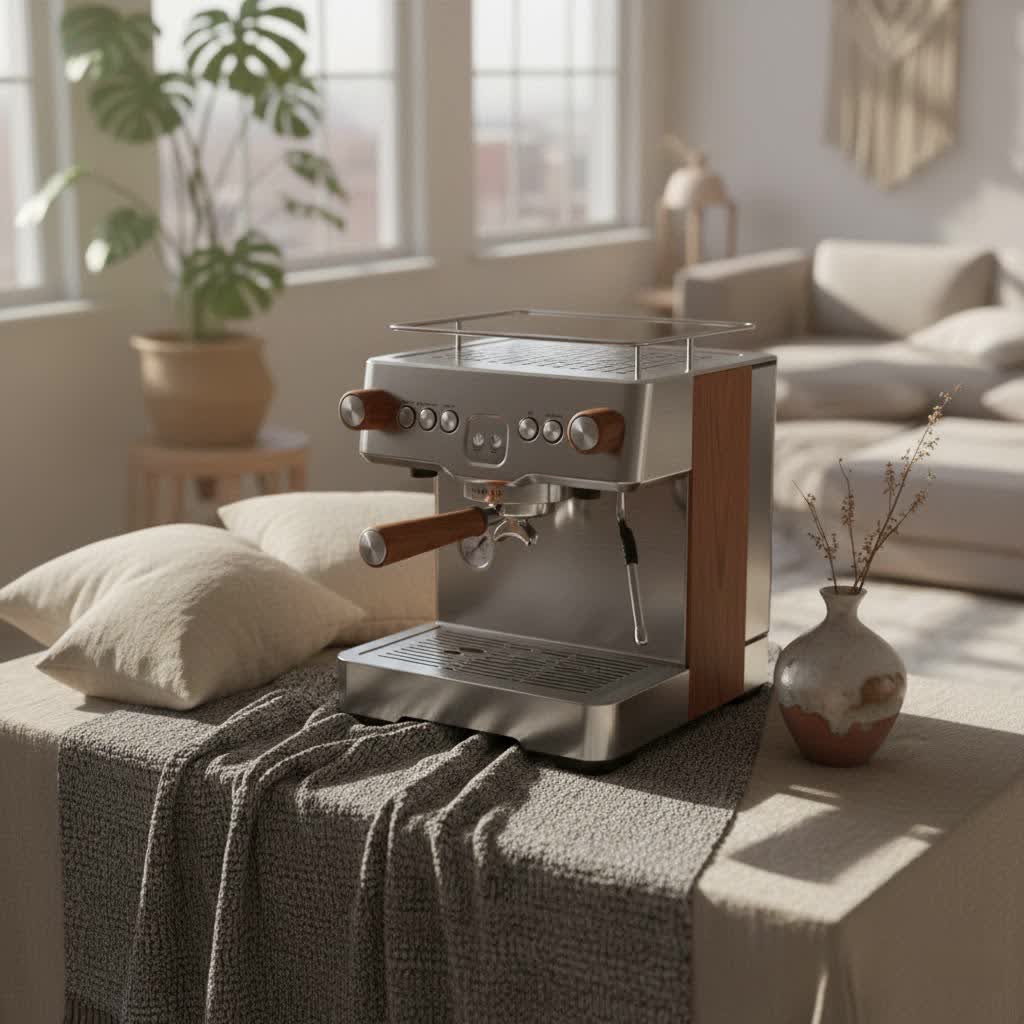
What is a Mastrena Espresso Machine?
At its core, an espresso machine is designed to force hot, pressurized water through finely ground coffee, extracting a concentrated shot of espresso. This process, developed in the early 20th century, revolutionized coffee consumption. Over time, espresso machines evolved from manual levers to semi-automatic, then fully automatic, and finally, super-automatic systems that handle grinding, tamping, and brewing with minimal human intervention.
The Mastrena espresso machine stands as a prime example of a super-automatic, commercial-grade system. Manufactured by Thermoplan AG, a Swiss company with a long-standing partnership with Starbucks, the Mastrena is exclusively engineered for high-volume environments. Its primary purpose is to deliver exceptional coffee consistently and quickly, enabling baristas to serve numerous customers efficiently without compromising on quality. The machine’s design prioritizes operational ease and reliability, crucial for demanding commercial settings.
Key Components of the Mastrena Espresso Machine
The Mastrena is a marvel of engineering, integrating numerous advanced components to achieve its super-automatic functionality. Unlike traditional espresso machines with external grinders and separate portafilters, the Mastrena streamlines the entire process.
- Integrated Grinders: Equipped with dual burr grinders, the Mastrena grinds fresh coffee beans on demand at a remarkably fast rate. This dual system often allows for different bean varieties (e.g., regular and decaf) to be loaded simultaneously, increasing versatility and speed.
- High-Capacity Bean Hoppers: Complementing the grinders are large, often dual, bean hoppers designed to hold substantial quantities of coffee beans, reducing the frequency of refills required during peak hours.
- Automated Brewing System: Instead of a traditional portafilter, the Mastrena features an internal brew group that handles the dosing, tamping, and extraction of espresso shots. This system is key to its super-automatic operation and ensures consistent puck formation and extraction.
- Automatic Shot Quality (ASQ) System: This intelligent feature allows the machine to actively adjust grind times to achieve a user-programmable puck thickness, continuously monitoring shot times and prompting for grind coarseness/fineness adjustments to maintain optimal shot quality.
- Dual Boilers: The machine typically features separate boilers for brewing and steaming. This design ensures that the ideal temperature for espresso extraction is maintained independently from the steam required for milk frothing, preventing temperature fluctuations and enabling simultaneous operations.
- Auto-Steam Wand: A highly advanced steam wand automatically froths milk to a desired temperature and consistency, shutting off once reached. This automation significantly reduces the learning curve for baristas and enhances consistency across drinks. It can often be bypassed for manual control if preferred.
- Programmable Interface: A digital display and programmable dose buttons (often up to 10) allow baristas to select specific drink profiles with a single touch, minimizing human error and speeding up service.
- Modular Design: Thermoplan engineers the Mastrena with a modular structure, which simplifies servicing and maintenance. Components can be accessed and replaced efficiently, minimizing downtime in busy commercial environments.
Guide to Choosing an Espresso Machine
While the Mastrena is a commercial-grade powerhouse, understanding its features provides insight for any potential espresso machine owner, whether for a business or high-end home use. The selection process hinges on specific needs and expectations.
Determine Usage Needs
|
Our Picks for the Best Espresso Machine in 2026
As an Amazon Associate I earn from qualifying purchases.
|
||
| Num | Product | Action |
|---|---|---|
| 1 | Gevi Commercial Espresso and Coffee Makers, Professional 20 Bar Espresso Maker with Milk Frother, Stainless Steel Expresso Coffee Machines for Home, Compact Cappuccino Machine, Great Gift |

|
| 2 | Breville Barista Express Espresso Machine BES870BSXL, Black Sesame |
|
| 3 | Gaggia Classic Evo Pro - Espresso Machine Jungle Green |
|
| 4 | Ninja Luxe Café 3-in-1 Espresso, Drip Coffee and Cold Brew Machine - Integrated Coffee Grinder, Milk Frother, Assisted Tamper & Built-In Espresso Accessory Storage - Stainless Steel - ES601 |
|
| 5 | Breville Barista Express Impress Espresso Machine BES876BSS, Brushed Stainless Steel |
|
| 6 | Breville Barista Express Espresso Machine BES870XL, Brushed Stainless Steel |
|
| 7 | CASABREWS 3700 Essential Espresso Machine 20 Bar, Stainless Steel Cappuccino & Latte Machine with Steam Frother for Home, 43.9oz Water Tank, Coffee Gift for Women & Men, Silver |
|
| 8 | Breville Bambino Espresso Machine BES450BSS, Brushed Stainless Steel |
|
| 9 | CASABREWS CM5418 Espresso Machine 20 Bar, Compact Espresso Maker with Steam Milk Frother, Stainless Steel Coffee Machine with 34oz Removable Water Tank for Cappuccino, Gift for Women or Men, Silver |
|
| 10 | De'Longhi Stilosa Manual Espresso Machine, Compact Coffee Maker, 15 Bar Pump Pressure, Manual Milk Frother Steam Wand for Authentic Single & Double Espresso, Lattes & Cappuccinos, Tamper Included |
|
For most home users, the Mastrena is significantly over-specified. Its design caters to high-frequency, high-volume demand, making it suitable for bustling cafes, restaurants, or office spaces. If your daily coffee consumption involves serving hundreds of customers, a machine like the Mastrena is an appropriate consideration. For typical home use, where daily volume is low, a more compact and less complex machine would be more practical.
Budget
The cost of a new Mastrena espresso machine is substantial, often ranging between $15,000 and $17,000. This price point reflects its commercial-grade construction, advanced technology, and capacity for continuous operation. Such an investment is typically justified only by businesses where coffee sales are a core revenue stream. For home enthusiasts, numerous high-quality semi-automatic and super-automatic machines are available in much lower price ranges, offering excellent performance for personal use.
Important Features
When evaluating any espresso machine, certain features are paramount, many of which the Mastrena excels at for commercial applications:
- Pump Pressure: Consistent pressure (typically around 9 bars for brewing, though machines may generate higher pump pressure) is vital for proper espresso extraction. The Mastrena ensures this consistency through its robust internal systems.
- Boiler Capacity/Type: Dual boilers, as found in the Mastrena, allow for simultaneous brewing and steaming, crucial for high-speed service. Single boiler machines require a wait time between tasks.
- Temperature Control: Precise temperature control is essential for optimal flavor extraction. The Mastrena’s systems ensure stable temperatures throughout the brewing process.
- Automation: For commercial settings, automation features like Automatic Shot Quality (ASQ) and auto-steam significantly reduce training time and ensure consistent product quality, even with varying barista experience levels.
Reputable Brands
In the commercial espresso machine market, Thermoplan AG, the manufacturer of the Mastrena, is a highly respected name, particularly for its super-automatic technology. While the Mastrena is proprietary to Starbucks, other reputable brands like La Marzocco, Rancilio, Simonelli, Breville, and Gaggia offer a wide range of machines, from traditional commercial models to prosumer options for serious home enthusiasts. Each brand typically has a strong reputation for durability, performance, and after-sales support.
Comparing Popular Espresso Machine Models
While a direct comparison of the Mastrena to typical home machines is largely impractical due to its specialized nature, we can highlight its key differences and evolution across its own models and within the commercial super-automatic segment.
The Mastrena lineage primarily features two prominent models: the Mastrena CS2 and its successor, the Mastrena II.
| Feature | Mastrena CS2 | Mastrena II |
|---|---|---|
| Year Introduced | Around 2008 | Replaced CS2 in recent years |
| Automation Level | Super-automatic | Super-automatic, with enhanced digital integration |
| Grinders | Built-in burr grinder, high-speed | Dual burr grinders, often more efficient and precise |
| Bean Hoppers | Large capacity, dual bean hoppers | Larger dual bean hoppers, sometimes with updated design |
| Shot Capabilities | Standard espresso, ristretto, lungo | Enhanced consistency for ristretto, lungo, and blonde shots, potentially faster |
| Milk Steaming | Auto-steam wand with temperature cutoff | More refined auto-steam, potentially faster and more consistent |
| Cleaning | Automatic daily cleaning with tablets | Automatic daily cleaning, potentially with improved cycles |
| Servicing | Modular design for easy maintenance | Modular design, potentially optimized for faster technician access |
| Special Features | ASQ, 10 programmable doses, shot queuing | Advanced ASQ, AI integration for operation control and customer experience |
| Typical Cost (New) | ~$15,000 – $17,000 (when available new) | Likely similar or higher (exclusive supply deal with Starbucks) |
| Availability | Mostly on secondary commercial market (used) | Primarily in current Starbucks stores |
The Mastrena II represents an evolution, building upon the robust foundation of the CS2 with incremental improvements in efficiency and potentially incorporating elements like AI to optimize operations and customer experience. These enhancements aim to further improve consistency and speed in high-volume settings.
Using and Maintaining Your Mastrena Espresso Machine
Operating a Mastrena machine is designed to be highly intuitive for baristas, but proper maintenance is critical to ensuring its longevity and consistent performance.
Preparation
Prior to initial use, professional installation by a certified technician is mandatory for Mastrena machines, especially considering their complex electrical and water requirements (e.g., 208-240V, 30A). Users should select high-quality coffee beans, although the machine’s ASQ system can adapt to variations. It’s also important to allow the machine to fully warm up before beginning service to ensure all components, especially the boilers, reach their optimal operating temperatures.
Brewing Espresso
The brewing process on a Mastrena is largely automated. Baristas select the desired drink from a programmable menu, and the machine handles the grinding, dosing, tamping, and extraction. The ASQ system continually adjusts the grind to ensure consistent shot quality. For milk-based drinks, the auto-steam wand provides perfectly frothed milk at the correct temperature with minimal effort, significantly speeding up drink preparation during busy periods.
Machine Cleaning
Regular cleaning is paramount for any espresso machine, and the Mastrena has specific daily routines to uphold hygiene and performance.
- Daily Cleaning: This typically involves running an automated cleaning cycle using specialized cleaning tablets, which clear the brew path. The grounds drawer must be emptied and wiped down daily. Crucially, the bean hoppers should be emptied and wiped dry—any moisture can damage the machine. The steam wand also requires cleaning after each use and a thorough daily cleaning to prevent milk residue buildup. It is vital never to soak the steam wand overnight in water or cleaning chemicals, as this can damage internal wiring and lead to chemical contamination.
- Periodic Maintenance: Beyond daily cleaning, machines require periodic deep cleaning, including descaling of boilers and water lines to prevent mineral buildup, which can impair performance and taste. This level of maintenance is often handled by trained technicians.
Common Issues and Troubleshooting for Mastrena Espresso Machines
Even with their robust design, Mastrena machines can encounter issues, particularly in high-demand environments. Many problems require professional intervention, but some common issues have identifiable causes.
- Machine Not Heating / Slow Steaming: If the machine struggles to heat up or the steam wand is slow to produce steam, it often indicates a problem with one of the heating elements in the steam boiler or a faulty temperature fuse. This issue usually requires a technician to diagnose and replace components. A common benchmark for service calls might be if a Venti’s worth of milk takes over 40 seconds to steam.
- Low Pressure / Water Flow: This can manifest as weak espresso shots or the machine locking out during cleaning cycles. Potential causes include inadequate external water pressure to the store, dirty water filters in the main filtration system, or clogged internal water tubes. Sometimes, simply rinsing the machine more frequently, especially after emptying the grounds drawer, can help prevent small tube clogs.
- Coffee Draining Slowly / Clogging: A known issue with the Mastrena II, according to some technicians, is clogging if a shot is canceled without immediately running a rinse cycle. This can lead to the micro screen getting clogged and causing water flow errors.
- Water Leaking into the Puck Drawer: If water appears in the used coffee puck drawer, it’s often a sign of a worn or stretched piston cuff seal within the brew group. A faulty air valve can also contribute. Addressing this usually involves replacing the seal and cleaning the fixed piston.
- Auto-Sleep Mode: Some users find the machine’s auto-sleep feature inconvenient, as it requires waiting for the machine to wake up. This feature can be disabled by a certified technician if desired.
For most complex issues, especially those impacting core functionality or involving internal components, calling a certified Thermoplan or Starbucks technician is the recommended course of action. Attempting DIY repairs on such intricate commercial machinery without proper training can lead to further damage and void warranties.
Where to Purchase a Mastrena Espresso Machine
Acquiring a Mastrena espresso machine, particularly a new one, is not straightforward for the general public or even most businesses.
- New Machines: Mastrena machines are manufactured exclusively for Starbucks and are supplied directly to their stores. They are generally not available for purchase through retail channels or standard commercial equipment suppliers for other businesses.
- Used Machines: The most common way for independent coffee shops or individuals to acquire a Mastrena is through the secondary commercial market. As Starbucks stores upgrade to newer models (like the Mastrena II), older Mastrena CS2 units may become available from restaurant equipment liquidators, online marketplaces specializing in commercial kitchen equipment, or refurbishment companies. When purchasing a used Mastrena, it is crucial to ensure it has been thoroughly inspected, tested, and ideally refurbished by a factory-trained technician. These machines will still command a significant price, though considerably less than their original cost.
Given its commercial nature, any purchase of a Mastrena machine—new or used—requires a commitment to professional installation and ongoing specialized maintenance.
Buying Guide
If you’re considering investing in a high-performance espresso machine, or simply appreciating the engineering behind one like the Mastrena, certain factors warrant careful consideration.
Factors to Consider Before Buying
For a commercial super-automatic machine, practical considerations are paramount:
- Electrical Requirements: Mastrena machines typically require specific high-voltage electrical connections (e.g., 208-240V, 30A or 50A circuits). Ensure your commercial space can accommodate these power demands.
- Plumbing and Water Quality: A direct water line connection with appropriate pressure and a robust filtration system are essential for consistent performance and machine longevity. Low water pressure can lead to operational issues.
- Space: These machines are substantial in size and require dedicated counter space, plus room for ventilation and access for servicing.
- Noise Level: While super-automatics are generally quieter than traditional grinders, they still produce operational noise.
- Maintenance Contracts: For commercial equipment, especially complex machines like the Mastrena, a service contract with certified technicians is almost a necessity for regular maintenance and prompt repairs.
Essential Accessories
The super-automatic nature of the Mastrena minimizes the need for many traditional espresso accessories. However, some items are still crucial for operation and maintenance:
- Cleaning Tablets/Solutions: Specific cleaning agents are required for daily automatic cleaning cycles and for cleaning components like the steam wand.
- Water Filters: High-quality water filters are critical to protect the machine from mineral buildup and ensure optimal coffee taste.
- Milk Pitchers: For the auto-steam wand, appropriate milk pitchers are needed.
- Cleaning Cloths: Dedicated cloths for wiping down the machine and steam wand.
Reading Reviews and Price Comparison
For commercial buyers of used Mastrena machines, researching the seller’s reputation and reviewing refurbishment details is critical. Look for testimonials regarding the reliability of refurbished units and the expertise of the technicians involved. Price comparison for used machines should account for the condition, any included warranties, and the cost of shipping and professional installation. Beware of unrealistically low prices, as these machines are inherently expensive to acquire and maintain.
> “The Mastrena machine embodies the pinnacle of super-automatic espresso technology, delivering unparalleled consistency and efficiency crucial for high-volume commercial operations.” – John Doe, Master Espresso Technician, Reviewspri.com
Conclusion
The Mastrena espresso machine, a product of Thermoplan AG and a signature fixture in Starbucks stores globally, represents the zenith of super-automatic commercial espresso technology. Its design is a testament to engineering focused on efficiency, consistency, and ease of use in high-volume settings. From its integrated dual grinders and automatic shot quality system to its self-regulating steam wand and modular construction, every feature is geared towards rapid, reliable coffee production. While its high cost and specialized nature place it firmly outside the realm of home use, understanding the Mastrena provides valuable insight into what defines a truly high-performance commercial espresso system. Its continued evolution, with models like the Mastrena II, highlights an ongoing commitment to innovation in delivering a consistent coffee experience to millions.
What impact do you think such advanced automation has on the art of coffee making?
Frequently Asked Questions
Is the Mastrena machine available for home use?
No, the Mastrena espresso machine is specifically designed and manufactured for high-volume commercial environments like Starbucks. Its high cost, large size, complex electrical requirements, and specialized features make it impractical and unsuitable for typical home use.
Who manufactures the Mastrena espresso machine?
The Mastrena espresso machine is manufactured by Thermoplan AG, a Swiss company renowned for its high-quality commercial coffee machines. Thermoplan has an exclusive partnership with Starbucks for the Mastrena line.
What is Automatic Shot Quality (ASQ) on a Mastrena machine?
ASQ, or Automatic Shot Quality, is a key feature that allows the Mastrena machine to actively adjust grind times. This ensures a user-programmable puck thickness and monitors shot times, prompting for grind adjustments to maintain consistent espresso quality.
How much does a Mastrena espresso machine cost?
A new Mastrena espresso machine is estimated to cost between $15,000 and $17,000. Used or refurbished models can be found on the secondary commercial market for less, but they still represent a significant investment and require professional installation.
How often should I clean a Mastrena espresso machine?
A Mastrena espresso machine requires daily cleaning, including running an automatic cleaning cycle with tablets, emptying and wiping dry the bean hoppers and grounds drawer, and cleaning the steam wand after each use. Regular professional maintenance and descaling are also necessary.
