Dreaming of a rich, aromatic espresso or a perfectly frothed latte from the comfort of your kitchen? You’re not alone. The quest for café-quality coffee at home often leads enthusiasts to the versatile and rewarding world of semi-automatic espresso machines. These machines strike an ideal balance, offering the hands-on control cherished by baristas while automating some of the more technical aspects of brewing. They empower you to craft your perfect cup, transforming your daily coffee routine into an art form.
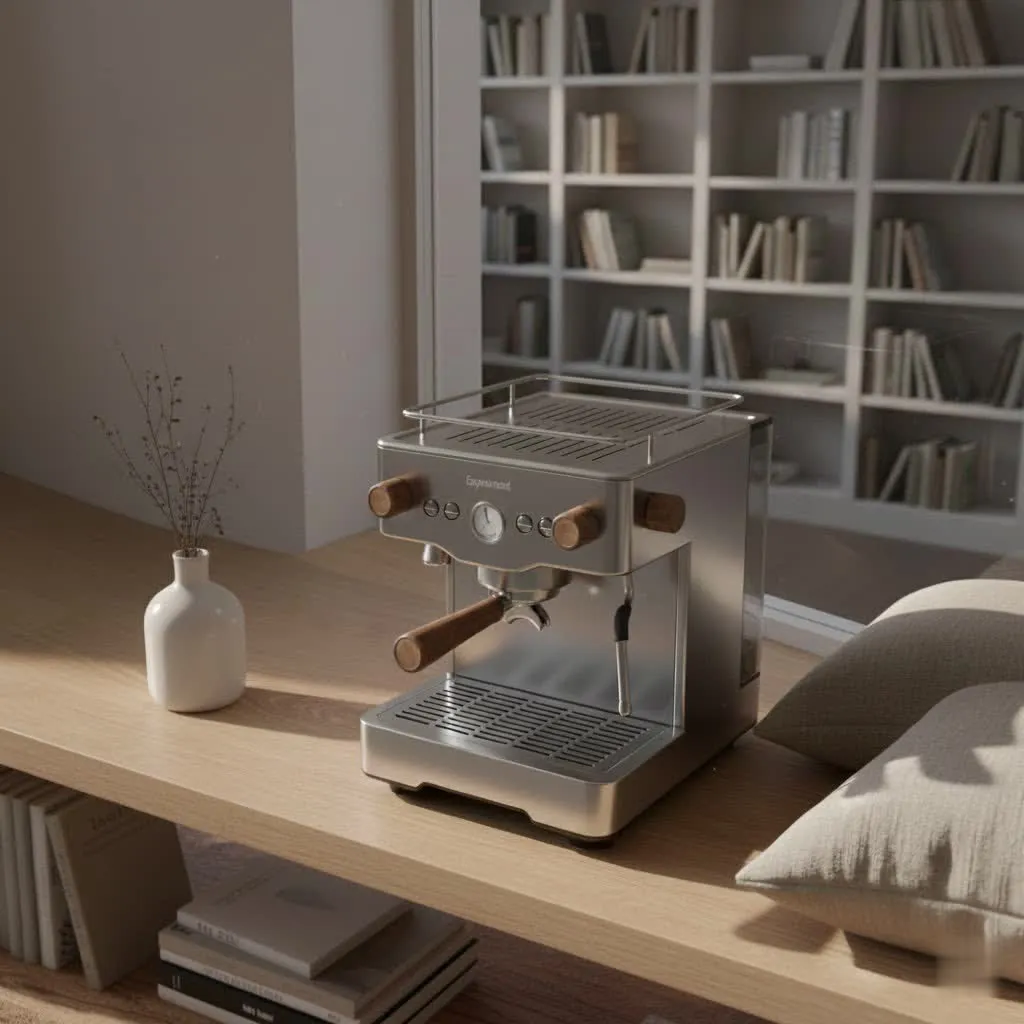
This guide will demystify semi-automatic espresso machines, covering everything from their core mechanics to choosing the right model, mastering their use, and keeping them in top condition. By the end, you’ll be well-equipped to embark on your home barista journey and savor exceptional espresso every day.
What is a Semi-Automatic Espresso Machine?
At its heart, a semi-automatic espresso machine is a device that uses an electric pump to force hot water through a compacted bed of finely ground coffee, producing a concentrated shot of espresso. What defines it as “semi-automatic” is the level of user interaction required. While the machine handles the crucial tasks of heating water to a precise temperature and delivering it at high pressure, you initiate and terminate the brewing process by pressing a button or flipping a switch. This control over the shot’s duration allows for significant customization, directly influencing the flavor profile of your espresso.
The evolution of espresso machines began with fully manual, lever-driven models that demanded considerable physical effort and skill. The introduction of the electric pump in semi-automatic machines revolutionized espresso making, making it more accessible to a wider audience by removing the need for manual lever pulling. Today, semi-automatic machines remain the most popular choice for home baristas and many professional coffee shops, offering a rewarding blend of automation and artistry.
To truly understand semi-automatic machines, it’s helpful to see where they fit within the broader spectrum of espresso makers:
| Machine Type | User Control (Grinding, Tamping, Shot Time, Milk Frothing) | Automation Level | Ideal User |
|---|---|---|---|
| Manual (Lever) | Full | Minimal (heating water) | Enthusiasts seeking maximum control and traditional experience |
| Semi-Automatic | High (grinding, tamping, starts/stops shot, froths milk) | Medium (automates pressure, temperature) | Home baristas wanting control and skill development |
| Automatic | Medium (grinding, tamping, froths milk) | High (automates pressure, temperature, pre-set shot volume) | Those desiring consistency with some manual input, less fuss than semi-auto |
| Super-Automatic | Minimal (selects drink, adds beans/water) | Full (grinds, tamps, brews, froths automatically) | Convenience-focused users, minimal effort |
A semi-automatic machine allows you to explore the nuances of espresso brewing, adjusting variables like grind size, dose, tamp force, and extraction time to perfect your shot. This hands-on approach is what makes them so beloved by coffee enthusiasts.
Key Components of a Semi-Automatic Espresso Machine
Understanding the internal workings of your semi-automatic machine is key to mastering its capabilities. Each component plays a vital role in transforming humble coffee beans into a rich, complex espresso shot.
- Pump: The pump is the heart of any espresso machine, responsible for delivering water at high pressure (typically 9-15 bars) through the coffee grounds. Most home semi-automatic machines use a vibratory pump, which is more compact and affordable. Higher-end models or prosumer machines might feature a rotary pump, known for quieter operation and durability.
- Boiler/Heating System: This crucial component heats the water to the optimal brewing temperature (around 195-205°F or 90-96°C). Different boiler configurations impact performance:
- Single Boiler: Heats water for both brewing and steaming, but not simultaneously. You’ll need to wait for the boiler to heat up to steam temperature after brewing, or cool down before brewing after steaming.
- Heat Exchanger (HX): A single boiler maintains steam temperature, but a tube passing through it heats water for brewing. This allows for simultaneous brewing and steaming, though temperature stability for brewing can sometimes be less precise than a dual boiler.
- Dual Boiler: Features separate boilers for brewing and steaming. This provides excellent temperature stability for brewing and powerful, instant steam, ideal for those who make multiple milk-based drinks. Many high-end semi-automatics feature dual boilers.
- PID (Proportional-Integral-Derivative) Controller: Often found in conjunction with boilers, a PID controller is an electronic system that provides precise and stable temperature regulation. This is a significant upgrade for consistent espresso extraction.
- Grouphead: This is the part of the machine where the portafilter locks in and hot water is dispensed onto the coffee grounds. Groupheads are designed to maintain stable temperatures, crucial for consistent extraction. Some high-end machines feature an E61 grouphead, renowned for its thermal stability and pre-infusion capabilities.
- Portafilter: A handle with a basket that holds the ground coffee. Most semi-automatics use a commercial-sized 58mm portafilter, which is standard in cafes and helps achieve optimal extraction. Smaller sizes are also available on some entry-level models.
- Steam Wand: Typically a stainless steel arm with a nozzle that delivers pressurized steam to froth milk for lattes, cappuccinos, and other milk-based drinks. Semi-automatic machines almost always feature manual steam wands, giving you complete control to create silky microfoam perfect for latte art.
- Other Features: Pressure gauges help you monitor brew pressure. Water reservoirs hold the water for brewing, while drip trays collect excess liquids. Some machines include a three-way solenoid valve, which releases pressure from the portafilter after brewing, resulting in dry, easily knockable coffee pucks.
How to Choose the Right Semi-Automatic Espresso Machine
Selecting the perfect semi-automatic espresso machine can feel overwhelming with the myriad of options available. By considering your personal needs, budget, and desired features, you can narrow down the choices and find a machine that truly enhances your coffee experience.
Understand Your Brewing Needs
Before diving into specifications, ask yourself a few questions about your coffee habits:
- Frequency of Use: Will you be pulling multiple shots daily, or just enjoying an espresso on weekends? High-volume use might require a more robust machine with a dual boiler.
- Number of Users: Are you brewing for one, or for a family of coffee lovers? A machine with quick heat-up times and good steam power can be beneficial for multiple drinks.
- Preferred Drink Types: Are you a purist who only drinks straight espresso, or do you love milk-based drinks like lattes and cappuccinos? If milk drinks are your passion, a powerful steam wand and a boiler system that supports simultaneous brewing and steaming (like an HX or dual boiler) are essential.
- Desired Control Level: Semi-automatics offer a good balance, but some provide even more advanced control (e.g., flow control, pre-infusion settings) for those who love to experiment.
|
Our Picks for the Best Espresso Machine in 2026
As an Amazon Associate I earn from qualifying purchases.
|
||
| Num | Product | Action |
|---|---|---|
| 1 | Gevi Commercial Espresso and Coffee Makers, Professional 20 Bar Espresso Maker with Milk Frother, Stainless Steel Expresso Coffee Machines for Home, Compact Cappuccino Machine, Great Gift |

|
| 2 | Breville Barista Express Impress Espresso Machine BES876BSS, Brushed Stainless Steel |
|
| 3 | De'Longhi Stilosa Manual Espresso Machine, Compact Coffee Maker, 15 Bar Pump Pressure, Manual Milk Frother Steam Wand for Authentic Single & Double Espresso, Lattes & Cappuccinos, Tamper Included |
|
| 4 | CASABREWS CM5418 Espresso Machine 20 Bar, Compact Espresso Maker with Steam Milk Frother, Stainless Steel Coffee Machine with 34oz Removable Water Tank for Cappuccino, Gift for Women or Men, Silver |
|
| 5 | Ninja Luxe Café 3-in-1 Espresso, Drip Coffee and Cold Brew Machine - Integrated Coffee Grinder, Milk Frother, Assisted Tamper & Built-In Espresso Accessory Storage - Stainless Steel - ES601 |
|
| 6 | Breville Barista Express Espresso Machine BES870XL, Brushed Stainless Steel |
|
| 7 | Breville Barista Express Espresso Machine BES870BSXL, Black Sesame |
|
| 8 | Breville Bambino Espresso Machine BES450BSS, Brushed Stainless Steel |
|
| 9 | CASABREWS 3700 Essential Espresso Machine 20 Bar, Stainless Steel Cappuccino & Latte Machine with Steam Frother for Home, 43.9oz Water Tank, Coffee Gift for Women & Men, Silver |
|
| 10 | Gaggia Classic Evo Pro - Espresso Machine Jungle Green |
|
Set Your Budget
Semi-automatic espresso machines span a wide price range, from a few hundred dollars to several thousand.
- Entry-Level (Under $500): Good for beginners, often single-boiler or thermoblock designs. Examples include the Gaggia Classic Pro or Breville Bambino Plus. These offer excellent value and a taste of true espresso without a huge investment.
- Mid-Range ($500 – $1500): Offers improved components, better temperature stability (often with PID), and sometimes a heat exchanger for simultaneous brewing and steaming. Models like the Breville Barista Express or Rancilio Silvia Pro X fall into this category.
- High-End/Prosumer ($1500+): These machines often feature dual boilers, rotary pumps, commercial-grade components, and advanced controls like flow profiling. Brands like LELIT, Profitec, and ECM are prominent here. This is a significant investment, but delivers café-level performance and durability.
Consider the long-term value. A more expensive machine might offer better durability, easier maintenance, and superior performance, saving you money and frustration in the long run.
Essential Features to Consider
- Pump Pressure (Bar): While 9 bars is considered ideal for brewing espresso, most machines advertise 15 bars. The pump’s maximum pressure is less critical than its ability to consistently deliver optimal pressure during extraction.
- Boiler Type and Capacity: As discussed, single, HX, and dual boilers each have their advantages. Dual boilers offer the best performance for simultaneous brewing and steaming. Boiler size also impacts recovery time between shots and steam readiness.
- Temperature Control: A PID controller is highly desirable for maintaining stable brew temperature, which is critical for consistent extraction and flavor.
- Pre-infusion Capabilities: Some machines offer a pre-infusion stage, where water is gently introduced to the coffee puck before full pressure is applied. This saturates the grounds evenly, leading to a more consistent and flavorful extraction.
- Steam Wand Power and Flexibility: Look for a powerful, multi-hole steam tip for efficient milk frothing and articulation. A wand that swivels easily provides better ergonomics.
- Built-in Grinder: Some semi-automatic machines (like the Breville Barista Express) come with an integrated burr grinder. This offers convenience but can sometimes be a compromise in grind quality compared to a dedicated standalone grinder.
- Physical Footprint, Aesthetics, and Build Quality: Consider the available space on your counter. Many modern machines boast sleek designs, but also pay attention to the materials (stainless steel is common and durable) and overall construction.
Reputable Brands and Models
Investing in a machine from a trusted brand often ensures better build quality, reliable performance, and access to customer support and spare parts.
- Breville: Known for user-friendly features, innovative designs, and excellent value, especially for integrated grinder models. (e.g., Bambino Plus, Barista Express)
- Gaggia: A classic Italian brand, the Gaggia Classic Pro is a legendary entry-level machine beloved for its durability and upgrade potential.
- Rancilio: Famous for the Rancilio Silvia, a workhorse single-boiler machine, and its newer dual-boiler Pro X version. Known for robust build quality.
- LELIT, Profitec, ECM, Diletta: These brands offer high-end, prosumer machines with excellent components, precise control, and often beautiful designs.
Always check warranty information and the availability of local service centers.
Semi-Automatic Espresso Machine Comparison
To help you visualize the differences, here’s a comparison of some popular semi-automatic espresso machine models across various price points, highlighting key features and ideal users.
| Model | Price Range (approx.) | Boiler Type | PID Control | Built-in Grinder | Steam Wand Power | Ideal User |
|---|---|---|---|---|---|---|
| Gaggia Classic Pro | $450 – $500 | Single | No | No | Good | Beginners, tinkerers, budget-conscious |
| Breville Bambino Plus | $350 – $500 | Thermoblock | Yes | No | Auto/Manual | Beginners, convenience-seekers, small spaces |
| Breville Barista Express | $600 – $750 | Thermocoil/Single | Yes | Yes | Good | Beginners to intermediates, all-in-one convenience |
| Rancilio Silvia Pro X | $1700 – $1900 | Dual Boiler | Yes | No | Powerful, flexible | Serious home baristas, milk drink lovers |
| LELIT Bianca | $2900 – $3500 | Dual Boiler (E61) | Yes | No | Excellent, flow control | Advanced enthusiasts, prosumers, ultimate control |
- For the Beginner/Budget-Conscious: The Gaggia Classic Pro offers a solid foundation and is highly moddable for future upgrades. The Breville Bambino Plus is exceptionally user-friendly, compact, and heats up fast, with smart steaming features.
- For All-in-One Convenience: The Breville Barista Express integrates a grinder, making it a great choice for those who want to jump into espresso making without separate equipment. It’s generally suited for users with some experience or those willing to learn.
- For Serious Home Baristas and Milk Drink Lovers: The Rancilio Silvia Pro X offers robust dual boiler performance and excellent temperature control, making it a powerful contender for consistent, high-quality drinks.
- For the Ultimate Control and Performance: The LELIT Bianca is a prosumer dream, providing unparalleled control over extraction variables, beautiful aesthetics, and commercial-grade performance.
Mastering Your Semi-Automatic Espresso Machine: Usage and Maintenance
Owning a semi-automatic espresso machine is just the first step; mastering its use and maintaining it properly will ensure years of delicious coffee.
Getting Started
- Proper Setup: Install your machine on a stable, level surface with access to a power outlet and water supply. Fill the water reservoir with filtered water to prevent scale buildup.
- Grinder Pairing and Bean Selection: A quality burr grinder is as important as the espresso machine itself. Invest in one that allows for fine, consistent adjustments. Use freshly roasted, high-quality whole beans, ideally roasted within 2-4 weeks. The roast level (light, medium, dark) will influence your grind and brewing parameters.
- Warming Up the Machine: Always allow your machine ample time to heat up completely. This ensures thermal stability in the boiler and grouphead, which is crucial for consistent extraction. Depending on the machine, this can take 15-30 minutes. Run some hot water through the grouphead and into the portafilter to pre-heat them.
Brewing the Perfect Espresso Shot
Brewing espresso is an art and a science, requiring attention to detail.
- Grinding and Dosing: Grind your beans fresh, just before brewing. The grind size is critical; it should resemble powdered sugar or fine sand. Dose the appropriate amount of coffee into your portafilter basket (typically 18-20 grams for a double shot, depending on the basket size).
- Tamping Technique: Distribute the grounds evenly in the portafilter, then apply firm, level pressure with a tamper. The goal is to create a compact, even puck for water to flow through uniformly.
- Portafilter Insertion and Shot Initiation: Lock the portafilter securely into the grouphead. Place your pre-heated espresso cup(s) below the spouts. Start the extraction by pressing the brew button.
- Monitoring Extraction: Observe the espresso flow. It should start as a dark, slow stream, gradually lightening in color and forming a “mouse tail” stream, ideally extracting between 25-30 seconds for a double shot. You’re aiming for a brew ratio of about 1:2 (e.g., 18g coffee yields 36g espresso).
- Tips for Adjusting Variables:
- If the shot extracts too fast (under 20 seconds) or is watery: Your grind is too coarse. Adjust finer.
- If the shot extracts too slow (over 35 seconds) or drips: Your grind is too fine. Adjust coarser.
- If the shot tastes sour: Often an underextraction, try a finer grind, more coffee, or longer extraction.
- If the shot tastes bitter: Often an overextraction, try a coarser grind, less coffee, or shorter extraction.
Steaming Milk for Lattes and Cappuccinos
- Milk Selection and Pitcher Technique: Use cold, fresh milk (dairy or non-dairy). Fill a stainless steel milk pitcher to just below the spout.
- Achieving Microfoam: Purge the steam wand to remove residual water. Submerge the tip just below the milk’s surface at an angle to create a “whirlpool” effect, introducing air for texture. Once the milk reaches desired volume, submerge the tip deeper to heat the milk without adding more air. Aim for a temperature of 140-150°F (60-65°C). The milk should be glossy and velvety, without large bubbles.
- Cleaning the Steam Wand: Always purge and wipe the steam wand immediately after use to prevent milk from drying and clogging the nozzle.
Essential Maintenance Tips
Regular cleaning and maintenance are crucial for the longevity and performance of your machine.
- Daily Cleaning: After each use, wipe down the machine, purge the steam wand, and rinse the portafilter and basket. Knock out the coffee puck and rinse the basket.
- Backflushing: If your machine has a three-way solenoid valve, backflushing with a blind filter (a filter basket without holes) helps clear coffee oils and grounds from the grouphead. Do this with water daily and with a specialized espresso machine detergent weekly.
- Descaling: Mineral buildup from water (limescale) can clog your machine’s internal components. Descape regularly (every 1-3 months, depending on water hardness and machine use) using a food-safe descaling solution. Follow your manufacturer’s instructions carefully.
- Grouphead Cleaning: Use a brush to scrub the grouphead gasket and shower screen to remove residual coffee.
Common Issues and Troubleshooting Your Semi-Automatic Espresso Machine
Even the best machines can encounter occasional hiccups. Here are some common problems and their solutions:
- Machine Not Heating:
- Check power: Ensure it’s plugged in and the power switch is on.
- Check water level: Some machines won’t heat if the water reservoir is too low.
- Reset thermal fuse: Consult your manual for location and instructions, or contact a technician.
- Weak Brew Pressure / Coffee Flowing Too Slowly or Dripping:
- Grind is too fine: Adjust your grinder coarser.
- Too much coffee (overdosing): Reduce the amount of coffee in the portafilter basket.
- Tamping too hard: While firm tamping is good, excessively hard tamping won’t fix a poor grind.
- Clogged grouphead or shower screen: Clean thoroughly.
- Scale buildup: Descale your machine.
- Coffee Flowing Too Quickly / Weak or Watery Espresso:
- Grind is too coarse: Adjust your grinder finer.
- Too little coffee (underdosing): Increase the amount of coffee.
- Poor tamping: Ensure an even and firm tamp to avoid channeling.
- Machine Leaking Water:
- Worn grouphead gasket: If water leaks from around the portafilter during brewing, the gasket needs replacing.
- Loose connections: Check the water reservoir and drip tray are correctly seated. For internal leaks, professional service may be required.
- No Steam from Wand:
- Boiler not hot enough: Wait for the machine to fully heat to steam temperature.
- Clogged steam tip: Use a needle or paper clip to clear the holes.
- Scale buildup: Descale the machine.
For persistent issues or complex repairs, it’s always best to consult your machine’s manual or contact a certified technician. Attempting repairs without proper knowledge can void warranties or cause further damage.
Where to Purchase Your Semi-Automatic Espresso Machine
Once you’ve decided on the perfect semi-automatic espresso machine, knowing where to buy it can make a difference in your overall experience and potential savings.
- Specialty Coffee Retailers (Online and Brick-and-Mortar): Stores like Whole Latte Love, Seattle Coffee Gear, or local coffee appliance shops often have knowledgeable staff who can offer expert advice, demonstrate machines, and provide excellent after-sales support. They also tend to carry a wider range of prosumer and high-end models.
- Large Online Marketplaces: Retailers like Amazon, Williams Sonoma, or Crate & Barrel offer convenience, competitive pricing, and a broad selection, especially for popular entry-level and mid-range brands like Breville and De’Longhi. Be sure to check seller reviews and return policies.
- Manufacturer Websites: Buying directly from the brand can sometimes offer exclusive deals, direct warranty support, and access to proprietary accessories.
- Considerations for Buying Used Machines: While buying a used machine can save money, it comes with risks. Ensure you can thoroughly inspect the machine for wear and tear, internal scale buildup, and functionality. It’s often best to buy used from a reputable refurbisher or a seller who can demonstrate its working condition and provide some form of guarantee.
The Ultimate Semi-Automatic Espresso Machine Buying Guide
Beyond the core features, a few other elements can significantly impact your satisfaction with a semi-automatic espresso machine. Consider these final factors before making your purchase.
Pre-Purchase Checklist
- Available Counter Space and Height Clearance: Espresso machines can be surprisingly large. Measure your available counter space, including the height under any overhead cabinets, to ensure a comfortable fit.
- Power Requirements: Most home machines run on standard 120V outlets, but higher-powered prosumer models might require dedicated circuits.
- Noise Levels: Vibratory pumps can be quite noisy. If noise is a concern, consider models with rotary pumps or those specifically designed for quieter operation.
- Water Hardness and Filtration Needs: Hard water (high in minerals) can quickly lead to scale buildup. Investing in a good water filter or using filtered water is essential to protect your machine and ensure optimal flavor.
Essential Accessories
To get the most out of your semi-automatic machine, certain accessories are indispensable:
- Quality Grinder: This cannot be overstated. A good burr grinder is crucial for consistent espresso extraction.
- Tamper: A comfortable, solid tamper that fits your portafilter basket precisely is vital for creating an even coffee puck. Calibrated tampers can help ensure consistent pressure.
- Milk Pitcher/Frothing Jug: A stainless steel pitcher of appropriate size for your milk drinks.
- Knock Box: For easily disposing of spent coffee pucks.
- Cleaning Brushes and Descaling Solution: Essential for daily and routine maintenance.
- Scale: A precise digital scale (0.1g accuracy) helps measure coffee dose and espresso yield for consistent results.
- Thermometer: For precise milk temperature if your machine doesn’t have an auto-steaming function.
Research and Reviews
Before making your final decision, leverage the vast amount of information available:
- Expert Reviews: Read detailed reviews from reputable coffee blogs and publications. They often provide in-depth analysis and hands-on testing.
- User Testimonials: Check customer reviews on retailer websites for real-world experiences, pros, and cons from everyday users.
- Compare Prices: Shop around at different retailers to ensure you’re getting the best deal. Look out for sales and bundle offers that might include accessories.
> “Choosing a semi-automatic machine is about embracing the journey. It’s not just making coffee, it’s about connecting with the process, understanding the variables, and ultimately, crafting a drink that’s uniquely yours.” – John Smith, Head Barista and Coffee Educator
Conclusion
A semi-automatic espresso machine is more than just an appliance; it’s a gateway to an elevated coffee experience, offering a perfect blend of manual control and automated convenience. By understanding its components, carefully considering your needs and budget, and committing to proper usage and maintenance, you unlock the ability to consistently brew café-quality espresso right in your home. The rewarding process of grinding, tamping, pulling the perfect shot, and frothing silky milk transforms daily coffee into a personal ritual.
Embrace the learning curve, experiment with your variables, and find joy in the journey of becoming a skilled home barista. Your semi-automatic espresso machine will not only make exceptional coffee but also deepen your appreciation for the craft. What will be the first signature drink you master?
Frequently Asked Questions
What is the main difference between semi-automatic and automatic espresso machines?
The primary difference lies in shot control. A semi-automatic machine requires the user to manually start and stop the espresso shot, allowing for precise control over extraction time and volume. An automatic machine, conversely, uses a pre-set timer or volumetric control to automatically stop the shot, offering more consistency but less user input.
Do semi-automatic espresso machines come with a grinder?
While some semi-automatic espresso machines, like the Breville Barista Express, include a built-in grinder for convenience, most do not. For optimal espresso quality, it’s generally recommended to pair your semi-automatic machine with a high-quality, dedicated burr grinder, as the grinder is critical to extraction.
How often should I descale my semi-automatic espresso machine?
The frequency of descaling depends on your water hardness and how often you use your machine. As a general guideline, descaling every 1 to 3 months is recommended. Using filtered water can help reduce mineral buildup and extend the time between descaling cycles, but regular maintenance is still essential.
Can a beginner use a semi-automatic espresso machine?
Absolutely! Many semi-automatic machines are designed to be beginner-friendly, offering a rewarding learning experience. While they require more hands-on effort than super-automatics, they allow beginners to develop their barista skills, understand the brewing process, and appreciate the nuances of espresso. Models like the Gaggia Classic Pro or Breville Bambino Plus are excellent starting points.
What kind of coffee beans are best for a semi-automatic machine?
The best coffee beans are freshly roasted (ideally within 2-4 weeks), high-quality whole beans. The roast level is a matter of personal preference, but medium roasts are often recommended as they offer a good balance of flavor without being too oily or acidic. Always grind your beans just before brewing for maximum freshness and flavor.
