Stepping into the world of home espresso can be both exhilarating and daunting. You’ve invested in a machine, perhaps even a grinder, but the heart of every exquisite shot lies in one fundamental element: the coffee itself. The quality, freshness, and type of coffee beans you choose profoundly impact the flavor, aroma, and luxurious crema that define a true espresso. This guide will demystify the art of selecting and preparing coffee for your espresso machine, helping you unlock rich, balanced, and truly satisfying shots every single time.
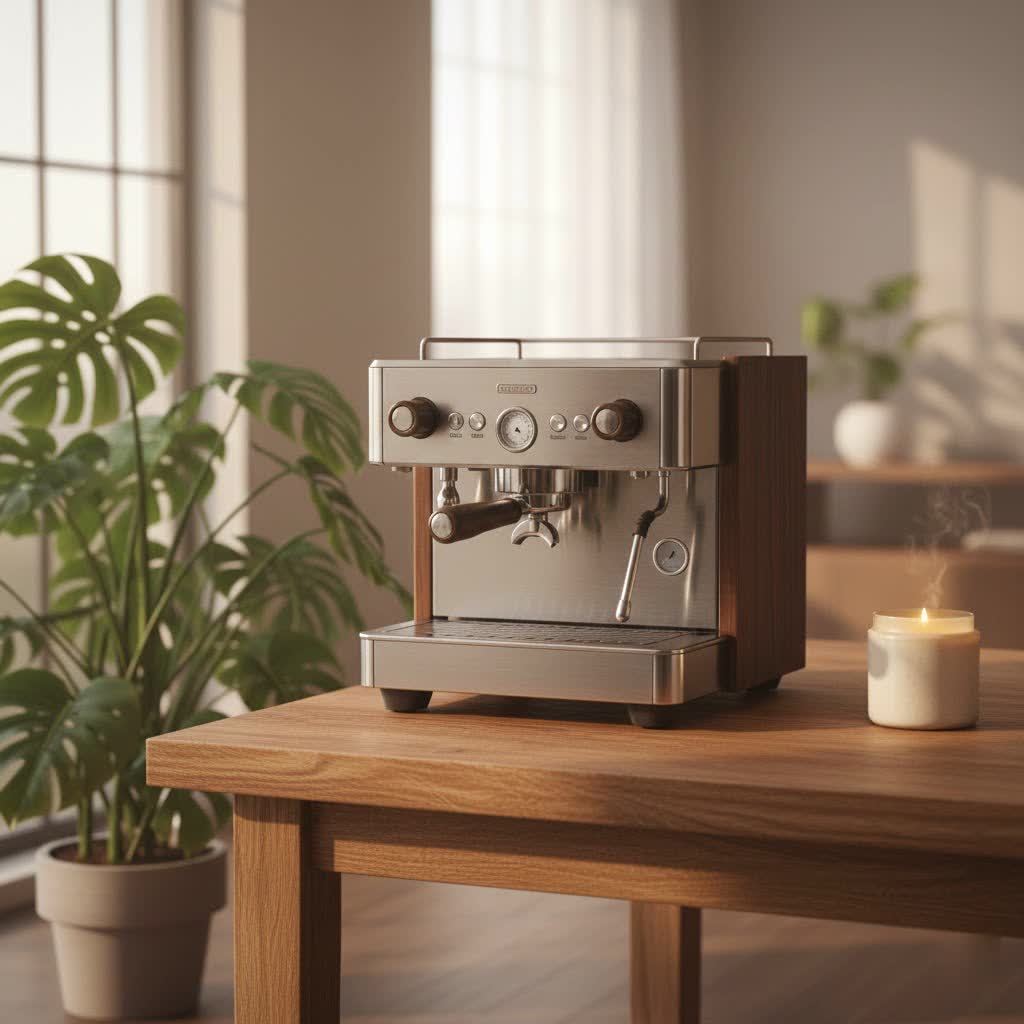
What Defines Coffee for an Espresso Machine?
Espresso is not merely a type of coffee bean; it’s a unique brewing method. It involves forcing a small amount of near-boiling water through finely-ground coffee under high pressure, typically around 9 bars. This rapid, high-pressure extraction yields a concentrated, aromatic beverage characterized by two distinct layers: the dark brown liquid base and a beautiful, reddish-brown foam known as crema. The coffee beans selected for this process are crucial, as they must withstand the intense brewing parameters to deliver the desired flavor and body. While any coffee bean can technically be run through an espresso machine, those optimized for espresso brewing are specifically chosen and roasted to excel under these conditions.
The Core Elements of Exceptional Espresso Coffee
Crafting the perfect espresso requires attention to several key characteristics of the coffee beans themselves. From how finely they’re ground to their inherent characteristics, each element plays a vital role in the final cup.
Grind Size: The Foundation of Flavor
The grind size is arguably the most critical variable in espresso preparation. Espresso machines demand a very fine grind, often compared to the texture of table salt. This fineness creates sufficient resistance as the pressurized hot water passes through the coffee bed, allowing for proper extraction of flavors and oils within the short brewing time.
- Too coarse: If the coffee is ground too coarsely, water will rush through the grounds too quickly, leading to under-extraction. This results in a weak, sour, and pale espresso, often lacking sufficient crema.
- Too fine: Conversely, a grind that is too fine will impede water flow, causing over-extraction. This produces a bitter, harsh, and overly dark, syrupy espresso with an unpleasant aftertaste.
|
Our Picks for the Best Espresso Machine in 2026
As an Amazon Associate I earn from qualifying purchases.
|
||
| Num | Product | Action |
|---|---|---|
| 1 | Breville Bambino Espresso Machine BES450BSS, Brushed Stainless Steel |

|
| 2 | Ninja Luxe Café 3-in-1 Espresso, Drip Coffee and Cold Brew Machine - Integrated Coffee Grinder, Milk Frother, Assisted Tamper & Built-In Espresso Accessory Storage - Stainless Steel - ES601 |
|
| 3 | CASABREWS CM5418 Espresso Machine 20 Bar, Compact Espresso Maker with Steam Milk Frother, Stainless Steel Coffee Machine with 34oz Removable Water Tank for Cappuccino, Gift for Women or Men, Silver |
|
| 4 | Breville Barista Express Espresso Machine BES870BSXL, Black Sesame |
|
| 5 | De'Longhi Stilosa Manual Espresso Machine, Compact Coffee Maker, 15 Bar Pump Pressure, Manual Milk Frother Steam Wand for Authentic Single & Double Espresso, Lattes & Cappuccinos, Tamper Included |
|
| 6 | Gevi Commercial Espresso and Coffee Makers, Professional 20 Bar Espresso Maker with Milk Frother, Stainless Steel Expresso Coffee Machines for Home, Compact Cappuccino Machine, Great Gift |
|
| 7 | Breville Barista Express Espresso Machine BES870XL, Brushed Stainless Steel |
|
| 8 | CASABREWS 3700 Essential Espresso Machine 20 Bar, Stainless Steel Cappuccino & Latte Machine with Steam Frother for Home, 43.9oz Water Tank, Coffee Gift for Women & Men, Silver |
|
| 9 | Gaggia Classic Evo Pro - Espresso Machine Jungle Green |
|
| 10 | Breville Barista Express Impress Espresso Machine BES876BSS, Brushed Stainless Steel |
|
Consistency in particle size is equally important to ensure even extraction across all grounds. A quality burr grinder is essential for achieving the uniform, fine grind necessary for a balanced shot.
Bean Freshness: The Essence of Aroma and Crema
Freshly roasted and freshly ground coffee beans are paramount for superior espresso. Coffee begins to lose its volatile aromatic compounds and flavors almost immediately after grinding. The carbon dioxide (CO2) content, which is responsible for creating the signature crema, also diminishes rapidly.
To maximize freshness:
- Grind just before brewing: This preserves the beans’ peak flavor and aroma.
- Store properly: Keep whole beans in an airtight, opaque container, away from light, heat, and humidity. Avoid refrigeration or freezing, as fluctuating temperatures can introduce moisture and affect taste.
- Buy in small quantities: Aim to use beans within 2-4 weeks of their roast date for optimal results. Pre-ground coffee should be used within a week of opening.
Roast Level: Tailoring Taste to Your Preference
The roast level significantly influences the flavor profile of your espresso. Traditionally, dark roasts have been the go-to for espresso, offering bold, robust flavors with notes of chocolate, caramel, and nuttiness. These roasts tend to cut through milk well, making them ideal for lattes and cappuccinos.
However, the world of espresso has expanded:
- Medium roasts provide a balanced profile, highlighting both the coffee’s inherent flavors and the nuances developed during roasting. They are versatile and work well for both straight shots and milk-based drinks.
- Light roasts, though less common for traditional espresso, can produce unique and complex shots with brighter acidity and notes of fruit and floral flavors. These often shine in straight espresso shots or Americanos, particularly when brewed at slightly higher water-to-coffee ratios or cooler temperatures.
The ideal roast level ultimately depends on personal preference and the specific drink you’re preparing.
Coffee Bean Varieties: Arabica vs. Robusta
The two primary species of coffee beans used for espresso are Arabica and Robusta, each offering distinct characteristics.
- Arabica beans are widely preferred for their smooth, complex flavors, higher sugar content, and lower caffeine. They typically feature nuanced notes of fruit, chocolate, or nuts, resulting in a lighter, sweeter, and less bitter espresso.
- Robusta beans possess a stronger, more bitter taste and higher caffeine content. They contribute a deeper, richer, and more earthy flavor profile, often with dark chocolate and smoky notes, and are prized for producing a thicker, more abundant crema.
Many popular espresso blends combine Arabica and Robusta beans. This strategic combination allows roasters to harness the best of both worlds: the robust body and crema from Robusta, balanced with the complex sweetness and aroma of Arabica, creating a harmonious and well-rounded espresso.
Origin: A World of Flavors
The geographical origin of coffee beans profoundly impacts their taste, influenced by factors such as altitude, soil composition, and climate. Experimenting with beans from different regions can unlock a vast spectrum of flavors:
- Ethiopia: Known for its vibrant, fruity, and floral notes, often with hints of berries.
- Colombia: Offers well-balanced beans with mild acidity and smooth chocolate or caramel sweetness.
- Brazil: Typically produces smooth, nutty flavors with low acidity, making them a common choice for espresso blends.
- Indonesia (Sumatra, Java): Beans from these regions often impart earthy, full-bodied flavors to blends.
- Vietnam: Recognized for its rich earthiness and complex flavors, particularly in robusta varieties grown in its highlands.
Exploring origins allows you to discover specific taste profiles that resonate with your palate.
How to Choose the Right Espresso Coffee for Your Machine
Selecting the perfect coffee for your espresso machine involves understanding both your personal preferences and the capabilities of your equipment.
Determine Your Brewing Preferences
Consider the type of espresso drinks you most enjoy:
- Straight Espresso Shots: If you love the unadulterated taste of espresso, you might prefer single-origin Arabica beans or blends that highlight complex fruit and floral notes, or classic chocolate and nutty profiles.
- Milk-Based Drinks (Lattes, Cappuccinos): Medium to dark roasted coffees with deeper caramelization and robust flavors tend to cut through milk better, ensuring your coffee shines through.
- Americanos: These are more forgiving. Light roasts can work well, as the added water can reduce acidity and enhance clarity.
Reflect on your preferred flavor profile—do you gravitate towards classic chocolatey notes, or are you adventurous with bright, fruity, or acidic coffees?
Understanding Your Espresso Machine
Different espresso machines interact with coffee in unique ways, and your machine type can influence your bean choice.
- Super-Automatic Machines: These machines often have limited control over grind size and brew temperature. They typically perform best with medium-dark roasts. Oily, very dark roasts should generally be avoided, as their oils can build up and clog the internal system over time, leading to rancid flavors.
- Semi-Automatic and Manual Machines: These offer greater control over brewing parameters (grind, temperature, pressure). This flexibility allows you to experiment with a wider range of roast levels and bean types, though each new coffee may require some “dialing in” to achieve the best shot. If your machine allows temperature adjustment, remember that lighter roasts generally benefit from higher temperatures (around 203-212°F), while medium to dark roasts do well at or below 203°F.
Pre-Ground vs. Whole Beans: The Freshness Debate
For the absolute best espresso quality, whole coffee beans are always recommended.
- Pros of Whole Beans: Superior freshness and aroma, as the flavors are preserved until grinding. The ability to adjust the grind size precisely for your machine and desired extraction profile is invaluable for fine-tuning your espresso.
- Cons of Whole Beans: Requires an additional investment in a quality burr grinder and a bit more time for preparation. Mastering the grind size can take practice.
Pre-ground coffee, while convenient, has significant drawbacks for espresso:
- Cons of Pre-Ground Coffee: Rapid loss of flavor and aroma once exposed to air. Inability to adjust grind size, which means it may not be ideal for your specific machine or desired extraction, often leading to suboptimal results.
- Pros of Pre-Ground Coffee: Easy to use and eliminates the need for a grinder. If you must use pre-ground, buy small quantities, store it in an airtight container, and use it within a week.
Optimizing Your Espresso Extraction and Troubleshooting
Even with the best beans, perfect espresso requires attention to detail during the brewing process.
Achieving the Perfect Shot
- Grind Fresh: Always grind your whole beans just before pulling your shot.
- Dose and Tamp Correctly: Use the right amount of coffee for your portafilter basket and tamp it evenly with consistent pressure.
- Monitor Extraction: Observe the flow of your espresso. It should ideally begin with a few drops, then flow steadily like warm honey, taking roughly 25-30 seconds for a double shot.
- Adjust Grind as Needed: This is your primary tool for correcting extraction issues.
- Over-extraction (bitter, harsh, dark, slow flow): Increase your grind size slightly (make it coarser) or reduce extraction time.
- Under-extraction (sour, weak, pale, fast flow): Decrease your grind size slightly (make it finer) or increase the amount of coffee and tamp more firmly.
The Role of Water Quality
Water makes up over 90% of your espresso, so its quality cannot be overlooked. Hard water, rich in minerals, can lead to limescale buildup in your machine, affecting performance and potentially imparting unwanted flavors to your coffee. Using filtered water is highly recommended to ensure a clean taste and prolong the life of your espresso machine.
Machine Compatibility Considerations
Be mindful of how different coffees interact with your specific machine. As mentioned, very dark, oily roasts can be problematic for super-automatic machines, potentially causing blockages and residue buildup. For these machines, opt for medium-dark roasts that are less oily. Manual and semi-automatic machines generally offer more resilience to various bean types, but always be prepared to adjust your grind and technique.
Finding Your Ideal Espresso Coffee Beans
The journey to finding your perfect espresso coffee is one of delightful exploration. Don’t be afraid to experiment with different roasts, origins, and blends. Many specialty coffee shops will allow you to taste various coffees, providing valuable insight into your preferences.
Comprehensive Espresso Coffee Buying Guide
When purchasing coffee for your espresso machine, keep these factors in mind:
- Roast Level: Decide if you prefer a traditional dark roast, a balanced medium roast, or an adventurous light roast.
- Bean Type: Consider pure Arabica for complex sweetness, Robusta for intense body and crema, or a blend for a balanced experience.
- Origin: Explore different regions to discover unique flavor notes that appeal to you.
- Freshness: Always prioritize freshly roasted whole beans, and check the roast date on the packaging.
- Grinder: Invest in a high-quality burr grinder to ensure consistent, precise grind size.
- Storage: Always store your beans in an opaque, airtight container in a cool, dark place.
Quote: “The difference between a good espresso and a great espresso often comes down to the quality of the bean and the consistency of the grind.”
Conclusion
The pursuit of the perfect espresso shot is a rewarding endeavor that starts long before the water hits the grounds. By understanding the critical roles of grind size, bean freshness, roast level, and bean variety, you gain the power to elevate your home espresso experience. Investing in quality whole beans and a capable grinder, combined with careful attention to extraction, will empower you to consistently craft complex, aromatic, and perfectly balanced espresso. So, embrace the journey, experiment with different coffees, and savor every rich drop. What new flavor adventure will you embark on for your next espresso?
Frequently Asked Questions
Can I use regular coffee beans in an espresso machine?
While you technically can, “espresso level” roasted coffee beans, ground to an “espresso fineness,” are specifically optimized for the intense brewing process of an espresso machine and will yield the best flavor, aroma, and crema.
What is the best grind size for an espresso machine?
The best grind size for an espresso machine is very fine, similar to table salt. This fine consistency is crucial for creating the necessary resistance and allowing proper extraction during the short, high-pressure brewing cycle.
How often should I replace my espresso beans?
For optimal freshness and flavor, it is recommended to use your espresso beans within a month of their roast date. Beyond this period, beans will gradually lose their inherent flavor compounds and aromatic qualities, resulting in a less vibrant shot.
Does the type of espresso machine affect the choice of beans?
Yes, to some extent. Different machines have varying capabilities in terms of temperature and grind control. Super-automatic machines, for instance, often do better with medium-dark roasts, while manual machines offer more flexibility for experimentation with a broader range of beans.
