Stepping into the world of home espresso brewing is an exciting journey, transforming your daily coffee ritual from a simple necessity into an art form. With the rising popularity of café-quality drinks at home, the market for espresso machines has exploded, offering an overwhelming array of choices from sleek, compact models to robust, professional-grade devices. Navigating these options can feel like a complex task, but it doesn’t have to be. This comprehensive guide is designed to demystify the process, helping you understand the different types of espresso machines, their key components, and how to select, use, and maintain the ideal model that perfectly suits your lifestyle and coffee preferences. Get ready to pull your best shot yet.
What is an Espresso Machine?
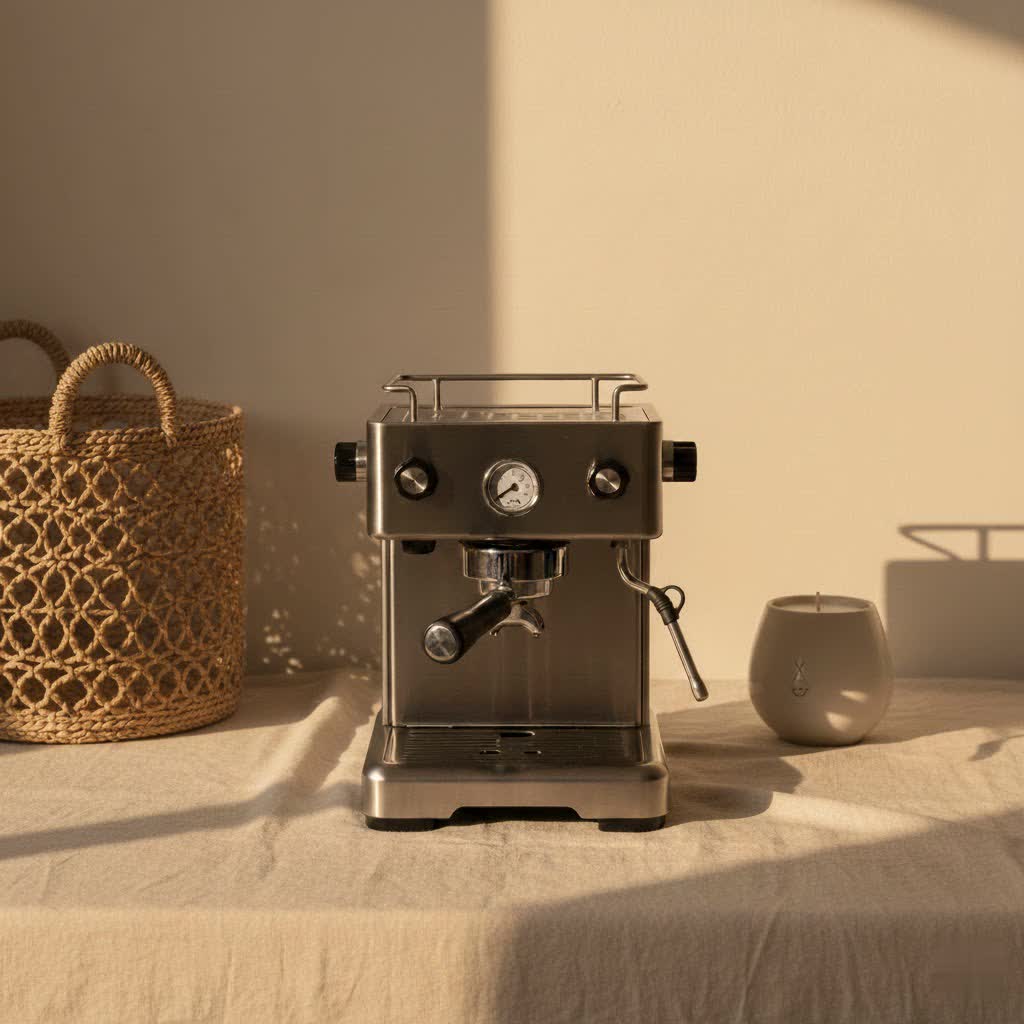
At its core, an espresso machine is a specialized device engineered to force hot water, under high pressure, through a compacted bed of finely-ground coffee. This rapid extraction process, typically lasting around 25-30 seconds, yields a concentrated, aromatic shot of espresso, characterized by its rich flavor, thick body, and a distinctive layer of reddish-brown foam called crema. The journey of the espresso machine began in Italy in the early 20th century, born from a desire to brew coffee faster for bustling cafés, evolving from steam-driven contraptions to the sophisticated pump-driven systems we see today.
Espresso machines are broadly categorized by their level of automation, catering to different skill levels and preferences:
- Manual (Lever) Machines: These are the most traditional, offering enthusiasts complete control over the entire brewing process. Users manually pull a lever to generate the necessary pressure, allowing for precise customization of every shot. This hands-on approach demands skill and practice but rewards with unparalleled control over the extraction.
- Semi-Automatic Machines: The most common type for both home and professional use, semi-automatic machines provide a balance of control and convenience. The user grinds and tamps the coffee, locks in the portafilter, and initiates the shot, but the machine electronically pumps water at consistent pressure and temperature. The user manually stops the shot, offering flexibility to achieve desired volumes.
- Automatic Machines: Similar to semi-automatics, these machines take automation a step further by including a flow meter that automatically stops the brewing process once a pre-set volume of water has passed through the coffee. This ensures consistent shot volumes, making them great for repeatability and ease of use. Many models allow users to program their preferred shot volumes.
- Super-Automatic Machines: Designed for ultimate convenience, super-automatic machines handle virtually every step from bean to cup. They typically feature an integrated grinder, automatically dose and tamp the coffee, brew the espresso, and often include automatic milk frothing systems. With the touch of a button, you can create a wide range of coffee beverages, though this convenience often comes with less direct control over the finer details of extraction.
Key Components of an Espresso Machine
Understanding the internal workings and external elements of an espresso machine is crucial for both operation and maintenance. Each part plays a vital role in crafting that perfect shot.
- Boiler/Heating Element: The heart of the machine, the boiler heats water to the ideal brewing temperature (around 195-205°F or 90-96°C) and often generates steam for milk frothing. Espresso machines can feature different boiler configurations:
- Single Boiler: Heats water for both brewing and steaming, often requiring a temperature surf between the two functions.
- Heat Exchanger (HX): Uses one boiler for steam, with a tube running through it that heats brew water on demand, allowing for simultaneous brewing and steaming.
- Dual Boiler (DB): Features separate boilers for brewing and steaming, offering superior temperature stability and precise control for both functions.
- Pump: This component generates the high pressure (ideally 9 bars) required to force water through the compacted coffee grounds, extracting the rich flavors and oils that define espresso. Pumps are usually either vibratory (solenoid), found in most home machines, or rotary, common in commercial and high-end home models, known for quieter operation and more consistent pressure.
- Grouphead: This is the interface where the brewing takes place. Hot, pressurized water is delivered from the boiler through the grouphead to the portafilter basket. Various designs exist, such as the E61 grouphead, known for its thermal stability, or saturated groupheads that integrate the boiler directly into the grouphead for maximum temperature consistency.
- Portafilter & Basket: The portafilter is the handle with a filter basket that holds the finely ground coffee. It locks into the grouphead, forming a seal. The basket is where the coffee grounds reside, and it’s essential for holding the correct dose of coffee and ensuring even water distribution. Portafilters typically come in different sizes (e.g., 54mm, 58mm).
- Steam Wand/Frother: An essential feature for milk-based drinks, the steam wand delivers high-pressure steam to froth and heat milk. The quality of steam, determined by boiler type and pressure, significantly impacts the texture of your frothed milk for lattes and cappuccinos. Some machines offer automatic frothing systems for ease of use.
- Water Reservoir/Source: This holds the water supply for the machine. Home machines typically have a removable reservoir, while higher-end or commercial models can be plumbed directly into a water line for continuous supply.
- Drip Tray: Located below the grouphead, this tray collects any overflow, spent water from backflushing, or drips from the portafilter, keeping your counter clean.
- Grinder (Integrated or Separate): While not technically part of the espresso machine itself, an integrated grinder is a feature on many models, especially semi-automatics and super-automatics. For the best espresso, a high-quality burr grinder (either integrated or separate) is critical to achieve a consistent and fine grind size.
How to Choose an Espresso Machine
Selecting the right espresso machine involves a careful assessment of your personal brewing habits, financial capacity, and desired features.
Determine Your Needs
Before diving into specifications, consider how you intend to use your machine:
- Usage Frequency: Do you brew espresso daily, multiple times a day, or only on weekends? A machine used frequently might benefit from quicker heat-up times and robust build quality.
- Number of Users: Are you brewing for one, a family, or often entertaining guests? A larger water tank, dual boiler, or commercial-grade components might be desirable for higher volume.
- Preferred Drinks: Are you a purist who enjoys straight espresso, or do you primarily make milk-based beverages like lattes and cappuccinos? If milk drinks are your priority, focus on machines with powerful steam wands and efficient milk frothing capabilities.
|
Our Picks for the Best Espresso Machine in 2026
As an Amazon Associate I earn from qualifying purchases.
|
||
| Num | Product | Action |
|---|---|---|
| 1 | Breville Barista Express Impress Espresso Machine BES876BSS, Brushed Stainless Steel |

|
| 2 | Gevi Commercial Espresso and Coffee Makers, Professional 20 Bar Espresso Maker with Milk Frother, Stainless Steel Expresso Coffee Machines for Home, Compact Cappuccino Machine, Great Gift |
|
| 3 | Breville Bambino Espresso Machine BES450BSS, Brushed Stainless Steel |
|
| 4 | Ninja Luxe Café 3-in-1 Espresso, Drip Coffee and Cold Brew Machine - Integrated Coffee Grinder, Milk Frother, Assisted Tamper & Built-In Espresso Accessory Storage - Stainless Steel - ES601 |
|
| 5 | CASABREWS CM5418 Espresso Machine 20 Bar, Compact Espresso Maker with Steam Milk Frother, Stainless Steel Coffee Machine with 34oz Removable Water Tank for Cappuccino, Gift for Women or Men, Silver |
|
| 6 | Breville Barista Express Espresso Machine BES870XL, Brushed Stainless Steel |
|
| 7 | CASABREWS 3700 Essential Espresso Machine 20 Bar, Stainless Steel Cappuccino & Latte Machine with Steam Frother for Home, 43.9oz Water Tank, Coffee Gift for Women & Men, Silver |
|
| 8 | De'Longhi Stilosa Manual Espresso Machine, Compact Coffee Maker, 15 Bar Pump Pressure, Manual Milk Frother Steam Wand for Authentic Single & Double Espresso, Lattes & Cappuccinos, Tamper Included |
|
| 9 | Gaggia Classic Evo Pro - Espresso Machine Jungle Green |
|
| 10 | Breville Barista Express Espresso Machine BES870BSXL, Black Sesame |
|
Budget Considerations
Espresso machines span a wide price range, from entry-level options to luxury models. Defining your budget early will help narrow down your choices:
- Entry-Level ($100-$300): These machines are often semi-automatic or pod-based, offering a taste of espresso without a significant investment. They are great for beginners but may lack advanced features, temperature stability, or durability for heavy use.
- Mid-Range ($300-$800): This segment offers excellent value, including popular semi-automatic machines like the Breville Barista Express or Gaggia Classic Pro. You’ll find better build quality, more consistent performance, and often integrated grinders or advanced steaming capabilities.
- High-End (Above $800): Machines in this category, such as the Breville Barista Touch, De’Longhi PrimaDonna Soul, or even La Marzocco Linea Micra, offer commercial-grade components, dual boilers, precise temperature control (PID), programmable features, and exceptional durability. They are an investment for serious enthusiasts seeking professional results.
Important Features
Consider these key features that impact performance and user experience:
- Pump Pressure (Bar): While marketing often highlights high bar ratings (e.g., 15-bar), the ideal brewing pressure is typically 9 bars. Consistency at this pressure is more important than a higher maximum rating.
- Boiler System and Capacity: As discussed, dual boilers offer the best temperature control and allow simultaneous brewing and steaming, which is a major convenience. Larger boilers mean less waiting time between shots and for steam.
- Temperature Control (PID): Proportional-Integral-Derivative (PID) controllers electronically regulate water temperature with high precision, ensuring consistent brewing temperatures crucial for optimal flavor extraction.
- Integrated Grinder: A built-in grinder offers convenience, saving counter space and simplifying the workflow. However, a dedicated, high-quality stand-alone grinder often provides superior grind consistency and adjustability.
- Automatic Functions: Features like programmable shot volumes, automatic milk frothing, and self-cleaning cycles can enhance convenience, especially for beginners or those with busy mornings.
Reputable Brands
Opting for a machine from a well-regarded brand often means better quality, reliability, and customer support. Some popular and respected brands include:
- Breville: Known for user-friendly interfaces, integrated grinders, and excellent performance in the mid-range (e.g., Barista Pro, Bambino Plus).
- Gaggia: A classic Italian brand, popular for robust, semi-automatic machines like the Gaggia Classic Pro, favored by home baristas for its customization potential.
- De’Longhi: Offers a wide range, from entry-level to advanced super-automatic machines, known for innovation and convenience (e.g., La Specialista Arte, PrimaDonna Soul).
- Rancilio: Famous for the Rancilio Silvia, a workhorse semi-automatic machine favored for its durability and powerful steam.
- Jura: A leader in high-end super-automatic machines, offering premium convenience and advanced technology.
- La Marzocco: A prestigious brand known for commercial-grade machines, with compact home versions like the Linea Micra for ultimate performance.
Always investigate warranty policies and the availability of service and parts before making a purchase.
Comparing Popular Espresso Machine Models
To illustrate the diversity, here’s a comparison of some popular models across different segments:
| Model | Price Range | Type | Integrated Grinder | Dual Boiler | Key Features | Best For |
|---|---|---|---|---|---|---|
| Breville Bambino Plus | $400-$500 | Semi-Automatic | No | No | Fast heat-up (3s), auto milk frother, pre-infusion | Beginners, small kitchens, milk-drink lovers |
| Gaggia Classic Pro | $450-$550 | Semi-Automatic | No | Single | Commercial 58mm portafilter, robust build, powerful steam wand | Aspiring baristas, tinkerers, durability focus |
| Breville Barista Express | $700-$800 | Semi-Automatic | Yes | No | Built-in burr grinder, manual milk frother, pressure gauge | Intermediate users seeking all-in-one convenience, control |
| De’Longhi La Specialista Arte | $700-$800 | Semi-Automatic | Yes | No | 3 preset temperature levels, manual tamp assist, latte system | Users wanting guided control, variety of drinks |
| Breville Barista Touch Impress | $1000-$1200 | Semi-Automatic | Yes | No | Touchscreen, auto-dosing/tamping, auto milk frothing, guided prep | Tech-savvy users, consistent results with minimal learning curve |
| La Marzocco Linea Micra | $4200+ | Manual | No | Yes | Commercial-grade, PID, exceptional temperature stability | Experienced baristas, ultimate quality, high-volume home use |
“The ideal machine isn’t just about price; it’s about how well its features align with your daily coffee habits and your desire for involvement in the brewing process.” – John Smith, Espresso Machine Technician at Reviewspri.com
Using and Maintaining Your Espresso Machine
Even the best espresso machine will underperform without proper usage and diligent maintenance.
Preparation
- Proper Installation: Ensure your machine is on a stable, level surface, away from heat sources, with access to a power outlet. If using a reservoir, ensure it’s filled with filtered water to prevent scale buildup.
- Selecting Coffee: Freshly roasted beans (ideally within 2-4 weeks of roast date) are paramount. The grind size is crucial: it should be very fine, resembling powdered sugar or flour, but not so fine that it chokes the machine. Experimentation is key to finding the right grind for your specific beans and machine.
- Warming Up: Always preheat your machine, portafilter, and cups. This usually takes 10-20 minutes, allowing all components to reach stable brewing temperature, which is vital for thermal stability and a consistent shot.
Brewing Espresso
Achieving a perfect espresso shot is a delicate balance:
- Dose Your Coffee: Grind the appropriate amount of fresh beans (typically 18-20 grams for a double shot) into your portafilter basket.
- Distribute and Tamp: Distribute the grounds evenly in the basket to prevent channeling. Then, tamp firmly and level with consistent pressure (around 20-30 pounds). An even tamp is crucial for proper extraction.
- Insert Portafilter: Lock the portafilter securely into the grouphead.
- Start Extraction: Initiate the shot. Observe the flow: it should start as a dark stream, transitioning to a tiger-striped pattern, and then becoming lighter. Aim for about 1.5 to 2 ounces of espresso in 25-30 seconds. Adjust grind size if the shot runs too fast (grind finer) or too slow (grind coarser).
- Stop Extraction: Manually stop the shot (on semi-automatics) or let the machine stop automatically.
Machine Cleaning
Regular cleaning extends the life of your machine and ensures your espresso tastes its best.
- Daily Cleaning:
- Wipe Steam Wand: Immediately after each use, wipe the steam wand with a damp cloth to prevent milk residue from drying and hardening. Purge a small amount of steam to clear any internal blockages.
- Backflush (if applicable): If your machine has a 3-way solenoid valve, perform a quick backflush with a blind basket to clean the grouphead.
- Empty Drip Tray: Empty and rinse the drip tray.
- Regular Cleaning (Weekly/Bi-weekly):
- Clean Portafilter and Baskets: Soak the portafilter and baskets in a mild espresso machine detergent solution to remove coffee oils.
- Clean Grouphead: Use a grouphead brush to scrub away any coffee grounds or residue from the grouphead gasket and shower screen.
- Descale: Depending on your water hardness and usage, descale your machine every 1-3 months. Use a manufacturer-approved descaling solution to remove mineral buildup from the boiler and water lines. Failure to descale can lead to machine malfunction and poor-tasting espresso.
- Using Cleaning Agents: Always use cleaning products specifically designed for espresso machines. Avoid harsh abrasives or chemicals that can damage machine components.
Common Problems and Troubleshooting
Even with the best care, espresso machines can encounter issues. Here’s a quick guide to common problems and their solutions:
- Machine Not Heating Up:
- Check power: Ensure it’s plugged in and the switch is on.
- Reset thermal fuse: Some machines have a reset button.
- Heating element failure: May require professional repair.
- Weak Pressure/Coffee Flowing Too Slowly:
- Grind is too fine: Coarsen your grind setting.
- Too much coffee (overdosing): Use less coffee in the basket.
- Tamp is too hard: Adjust tamping pressure.
- Clogged basket/grouphead: Clean thoroughly.
- Scale buildup: Perform descaling.
- Coffee Flowing Too Quickly/Under-extracted Shots:
- Grind is too coarse: Fine your grind setting.
- Not enough coffee (underdosing): Use more coffee.
- Poor or uneven tamp: Re-tamp with consistent pressure.
- Machine Leaking Water:
- Loose connections: Check water tank fit and hose connections.
- Worn grouphead gasket: Replace the gasket if water leaks around the portafilter.
- Internal component issue: For persistent leaks, professional servicing is recommended.
For simple issues like adjusting grind or cleaning, you can often troubleshoot yourself. However, for internal component failures, electrical problems, or persistent leaks, it’s best to consult a qualified technician to avoid further damage.
Where to Buy an Espresso Machine?
Finding your ideal espresso machine is easier than ever, with numerous purchasing avenues available.
- Retail Stores: Large electronics retailers, department stores, and specialized kitchen appliance stores often carry a selection of espresso machines. This allows you to see models in person, compare sizes, and sometimes even get demonstrations.
- Online Retailers: Websites like Amazon, Williams Sonoma, and the manufacturers’ direct online stores offer an extensive range of machines, often with competitive pricing and detailed customer reviews. Be sure to check return policies and shipping costs.
- Specialty Coffee Gear Stores: Online and brick-and-mortar stores dedicated to coffee equipment provide expert advice, a curated selection of high-quality machines, and often offer bundles with grinders or accessories.
- Used Machines: Websites and marketplaces for used goods can offer significant savings. However, buying a used machine carries risks, including unknown maintenance history, potential wear and tear, and lack of warranty. If considering this option, try to inspect the machine thoroughly and ask for a demonstration if possible.
Buying Guide
Making a thoughtful decision before purchase ensures long-term satisfaction with your espresso machine.
Factors to Consider Before Purchase
- Power Requirements: Verify the machine’s voltage and wattage to ensure it’s compatible with your home’s electrical outlets and won’t trip breakers.
- Kitchen Space: Measure your counter space, including clearance for overhead cabinets. Espresso machines can vary significantly in size and footprint.
- Noise Level: Pumps, especially vibratory ones, can be quite noisy. If noise is a concern, look for machines with rotary pumps or quieter designs, often found in higher-end models.
Essential Accessories
While many machines come with basic tools, investing in quality accessories enhances your brewing experience:
- Tamper: A good quality, heavy tamper (often 58mm for commercial-style baskets) is crucial for an even and consistent tamp.
- Milk Pitcher: A stainless steel milk pitcher of appropriate size is essential for steaming milk.
- Knock Box: A dedicated container to easily dispose of spent coffee pucks.
- Digital Scale: For precise dosing of coffee grounds (to the tenth of a gram) and measuring espresso yield, a scale is invaluable for consistency.
- Cleaning Brushes and Solution: Grouphead brushes, blind baskets, and descaling solutions are necessary for proper maintenance.
- Water Filter: If your machine doesn’t have an integrated filter, an external water filter or pitcher can improve water quality and reduce scale buildup.
Reading Reviews and Comparing Prices
- User Reviews: Consult reviews from other users on various retail sites and forums. Pay attention to recurring praises or complaints about specific models, especially regarding ease of use, durability, and customer support.
- Expert Opinions: Read reviews from trusted coffee publications and professional baristas, who often provide in-depth analysis of machine performance and features.
- Price Comparison: Always compare prices from multiple retailers and look for sales or bundles. Sometimes, a slightly older model might offer great value as newer versions are released.
Conclusion
Choosing the right espresso machine is a personalized journey that intertwines your passion for coffee with practical considerations of budget, lifestyle, and desired involvement in the brewing process. From understanding the nuances of manual versus super-automatic machines to mastering the art of proper extraction and diligent cleaning, each step brings you closer to crafting that perfect cup. Investing in a quality machine and maintaining it well will not only elevate your daily coffee ritual but also serve as a gateway to exploring the rich, diverse world of espresso. So, take your time, weigh your options, and prepare to unlock the incredible flavors that await. What espresso dream are you ready to brew?
Frequently Asked Questions
How often should I descale my espresso machine?
The frequency of descaling depends largely on your water hardness and how often you use the machine. As a general rule, if you use filtered water, descaling every 2-3 months is usually sufficient. If you have hard tap water and use your machine daily, consider descaling monthly to prevent mineral buildup and maintain optimal performance.
What’s the difference between a single and dual boiler espresso machine?
A single boiler machine uses one boiler for both brewing and steaming, often requiring you to wait for the boiler to heat up or cool down between functions. A dual boiler machine, on the other hand, has separate boilers for brewing and steaming, allowing you to brew espresso and froth milk simultaneously with superior temperature stability for both.
Can I use pre-ground coffee in an espresso machine?
While technically possible, using pre-ground coffee in an espresso machine is not recommended for optimal results. Espresso requires a very specific, fine grind that degrades quickly once exposed to air. Pre-ground coffee is usually too coarse and stale, leading to watery, under-extracted shots with poor crema. Freshly ground beans are essential.
How important is grind size for espresso?
Grind size is critically important for espresso, perhaps the most crucial variable. If the grind is too coarse, water flows too fast, resulting in a weak, sour, under-extracted shot. If it’s too fine, water chokes the machine, leading to a bitter, over-extracted, or even no-flow shot. The perfect grind allows water to extract optimally in about 25-30 seconds.
