Imagine waking up to the rich aroma of freshly brewed coffee, crafted to perfection with just a touch of a button. For many, this dream becomes a reality with a super automatic espresso machine. These sophisticated “bean-to-cup” devices transform whole beans into a cafe-quality beverage, handling all the complex steps of grinding, tamping, and brewing on your behalf. Whether you’re a busy professional, a coffee enthusiast, or simply someone who appreciates convenience without compromising on taste, understanding these machines is the first step to elevating your daily coffee ritual. This comprehensive guide will walk you through everything you need to know, from their inner workings to choosing the perfect model and keeping it in pristine condition.
What is a Super Automatic Espresso Machine?
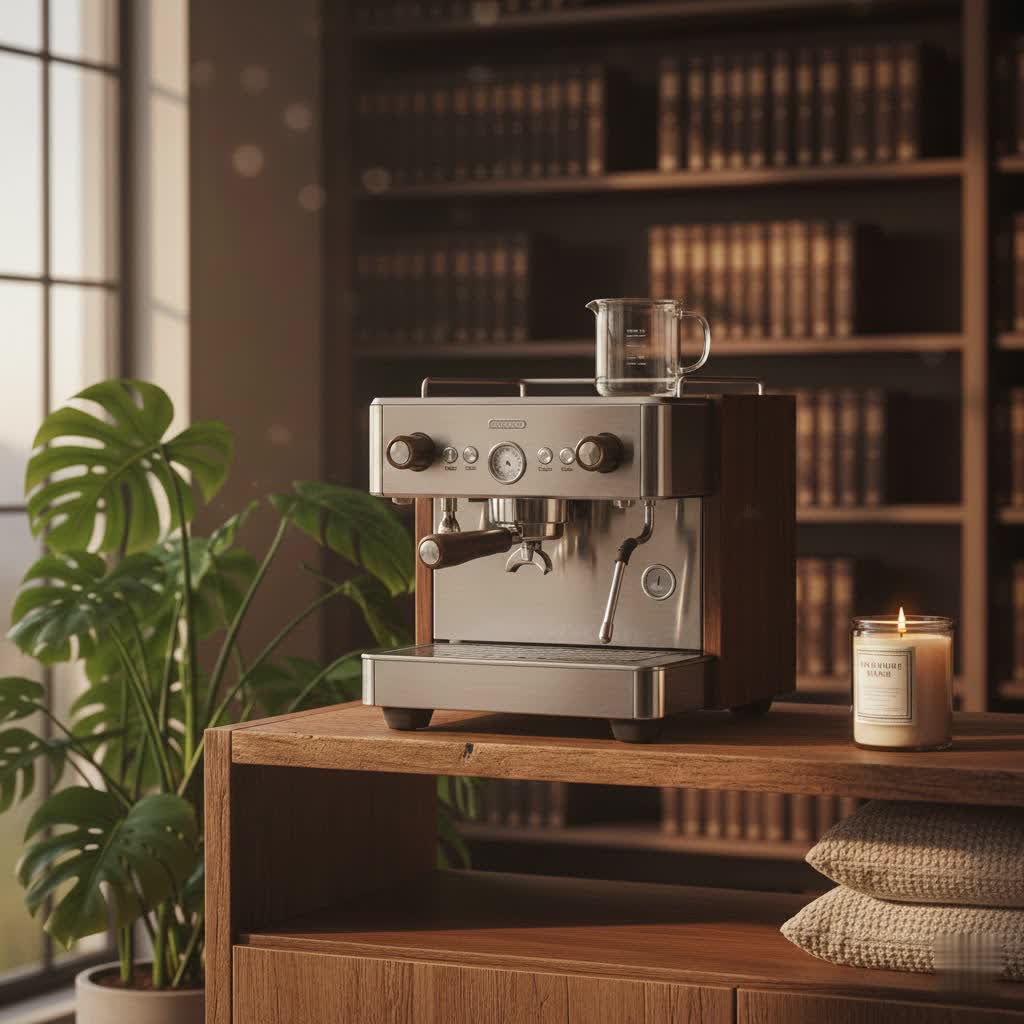
A super automatic espresso machine, often referred to as a “bean-to-cup” machine, is a marvel of modern engineering designed to deliver a complete coffee experience with minimal user intervention. Unlike manual or semi-automatic machines that require you to grind beans, tamp grounds, and often manually steam milk, a super automatic handles it all. From grinding fresh whole beans to precise dosing, tamping, brewing espresso, and even frothing milk for lattes and cappuccinos, these machines streamline the entire process into a seamless, one-touch operation.
The concept of automated espresso brewing emerged to bring convenience to coffee lovers. While espresso machines have a rich history dating back to the early 20th century, super automatic models truly took off in the late 20th century, with Saeco introducing some of the first fully automatic machines in 1985. Since then, continuous innovation has led to machines capable of producing an impressive array of beverages, from strong espressos to nuanced milk-based drinks and even cold brews, all at your command.
Common types of espresso machines range from fully manual lever machines, offering complete control but requiring significant skill, to semi-automatic machines where users grind and tamp but the machine controls brew pressure. Automatic machines automate shot volume, but super automatics go a step further, integrating the grinder and milk frothing systems for ultimate convenience, delivering consistent, barista-quality results every time.
Key Components of a Super Automatic Espresso Machine
The magic of a super automatic espresso machine lies in its intricate network of components, each playing a crucial role in crafting your perfect cup. Understanding these parts can help you appreciate the technology and properly maintain your machine.
- Bean Hopper and Integrated Grinder: This is where your whole coffee beans are stored. The integrated burr grinder (either ceramic or stainless steel conical burrs) grinds fresh coffee for each shot. Ceramic burrs are known for staying cooler during grinding, preserving delicate coffee aromas, while stainless steel burrs are durable.
- Water Reservoir: Holds the water used for brewing and steaming. Many machines include a water filter to improve taste and reduce mineral buildup.
- Water Pump: Generates the high pressure (typically 9-15 bars) required to force hot water through the compacted coffee grounds, extracting espresso. Vibration pumps are common in home machines, while rotary pumps are found in higher-end or commercial models.
- Thermoblock or Boiler: Heats the water to the optimal brewing temperature (around 195-205°F or 90-96°C). Some machines feature dual heating systems for simultaneous brewing and steaming without delay.
- Brew Group (or Brew Unit): This is the heart of the machine where the ground coffee is compacted into a “puck” and hot water is forced through it. Brew groups can be either removable for easy manual cleaning or permanently installed, relying on automated cleaning cycles.
- Portafilter: While traditional portafilters are handheld on semi-automatic machines, in super automatics, the equivalent mechanism is integrated within the brew group, automatically handling the tamping and coffee extraction.
- Milk Frothing System: This can range from a basic manual steam wand to an automatic milk carafe that froths and dispenses milk directly into your cup, or even advanced systems capable of producing hot or cold foam.
- Drip Tray and Grounds Container: Collects excess water and spent coffee pucks, respectively, requiring regular emptying and cleaning.
- Control Panel/Display: Modern super automatics feature intuitive interfaces, ranging from simple buttons and backlit icons to advanced touchscreens and even smartphone app connectivity, allowing for easy selection and customization of beverages.
- Electronic Control Board: The “brain” of the machine, coordinating all functions, from grinding and heating to brewing and cleaning cycles.
Each component is typically constructed from durable materials like stainless steel, high-quality plastics, and ceramics, chosen for their longevity, heat resistance, and impact on coffee quality. The precision and integration of these parts ensure consistent performance and delicious results.
Choosing Your Super Automatic Espresso Machine
Selecting the right super automatic espresso machine is a personal journey, influenced by your lifestyle, preferences, and budget. Here’s a breakdown of factors to consider:
Determine Your Usage Needs
Before diving into features, consider how you’ll use the machine:
- Frequency of Use: Do you make one espresso a day, or will it be brewing multiple cups for a busy household or office? High-volume use might require a machine with larger water tanks, bean hoppers, and robust build quality.
- Number of Users: If multiple people will be using the machine, features like user profiles (to save individual drink preferences) and dual boilers (for faster milk steaming after brewing) become valuable.
- Favorite Coffee Types: Are you a black coffee purist, or do you crave milk-based drinks like cappuccinos and lattes? Ensure the machine offers your preferred beverages and the desired level of milk frothing automation. Some advanced models even offer unique options like cold brew or over-ice coffee.
|
Our Picks for the Best Espresso Machine in 2026
As an Amazon Associate I earn from qualifying purchases.
|
||
| Num | Product | Action |
|---|---|---|
| 1 | Gaggia Classic Evo Pro - Espresso Machine Jungle Green |

|
| 2 | Gevi Commercial Espresso and Coffee Makers, Professional 20 Bar Espresso Maker with Milk Frother, Stainless Steel Expresso Coffee Machines for Home, Compact Cappuccino Machine, Great Gift |
|
| 3 | Breville Barista Express Espresso Machine BES870XL, Brushed Stainless Steel |
|
| 4 | Breville Barista Express Impress Espresso Machine BES876BSS, Brushed Stainless Steel |
|
| 5 | Ninja Luxe Café 3-in-1 Espresso, Drip Coffee and Cold Brew Machine - Integrated Coffee Grinder, Milk Frother, Assisted Tamper & Built-In Espresso Accessory Storage - Stainless Steel - ES601 |
|
| 6 | CASABREWS CM5418 Espresso Machine 20 Bar, Compact Espresso Maker with Steam Milk Frother, Stainless Steel Coffee Machine with 34oz Removable Water Tank for Cappuccino, Gift for Women or Men, Silver |
|
| 7 | Breville Barista Express Espresso Machine BES870BSXL, Black Sesame |
|
| 8 | De'Longhi Stilosa Manual Espresso Machine, Compact Coffee Maker, 15 Bar Pump Pressure, Manual Milk Frother Steam Wand for Authentic Single & Double Espresso, Lattes & Cappuccinos, Tamper Included |
|
| 9 | Breville Bambino Espresso Machine BES450BSS, Brushed Stainless Steel |
|
| 10 | CASABREWS 3700 Essential Espresso Machine 20 Bar, Stainless Steel Cappuccino & Latte Machine with Steam Frother for Home, 43.9oz Water Tank, Coffee Gift for Women & Men, Silver |
|
Set Your Budget
Super automatic espresso machines span a wide price range, from entry-level models to premium, feature-rich machines.
- Entry-Level (Under $700): These often provide core super automatic functions with fewer customization options and simpler milk systems (e.g., a manual steam wand). Brands like Gaggia Brera or Philips 3200 LatteGo offer excellent value in this segment.
- Mid-Range ($700 – $1500): This category offers a balance of features, quality, and price. You’ll find more advanced milk systems, increased programmability, and a wider selection of pre-programmed drinks. Examples include the Jura E8 or DeLonghi Eletta Explore.
- High-End ($1500+): These machines boast premium materials, extensive customization (e.g., grind size, temperature, pre-infusion, flow rate), multiple user profiles, dual grinders, and often advanced app control. Jura Z10 and Gaggia Accademia are prominent in this luxurious segment.
Consider your investment over time; a quality super automatic machine can save money compared to daily cafe visits.
Important Features
Beyond basic functionality, specific features can significantly enhance your experience:
- Pump Pressure: While 15 bars is common for vibration pumps, the actual brewing pressure is closer to 9 bars, which is ideal for espresso extraction. Focus on overall build quality rather than just a high bar number.
- Boiler/Thermoblock System: Single thermoblocks might have a slight delay when switching between brewing and steaming. Dual thermoblocks or boilers offer faster, simultaneous performance, especially beneficial for multiple milk-based drinks.
- Temperature Control: Look for machines that allow you to adjust brewing temperature, as this impacts flavor extraction. Consistent temperature is key for a great shot.
- Grinder Settings: A wider range of grind settings allows for finer tuning of your espresso extraction. Ceramic burr grinders are praised for uniform grinding and preserving coffee aroma.
- Automatic Milk Frothing:
- Manual Steam Wand: Offers the most control for microfoam but requires skill.
- Automatic Carafe: Conveniently froths and dispenses milk; easily detachable for fridge storage.
- LatteGo/One-Touch Systems: Integrated systems that froths milk with minimal cleanup, often delivering pre-set milk drinks with a single button press.
- User Interface: Touchscreens and intuitive displays offer ease of use. App connectivity (e.g., Jura’s J.O.E. app) allows for remote control and extensive customization.
- Water Filtration System: Built-in filters are crucial for preventing limescale buildup, improving coffee taste, and extending machine lifespan.
- Bypass Doser: Allows you to use pre-ground coffee (e.g., decaf or flavored coffee) without emptying the bean hopper.
- Cold Brew/Over-Ice Functionality: Newer models like the DeLonghi Dinamica Plus and Jura Z10 offer dedicated settings for cold coffee drinks, often employing lower brewing temperatures to prevent dilution.
- Dual Hoppers/Grinders: Found in high-end machines (e.g., Jura Giga 10), allowing you to switch between two different types of beans (e.g., regular and decaf) seamlessly.
Reputable Brands
Several brands consistently produce high-quality super automatic espresso machines:
- Jura (Swiss): Known for premium quality, sleek design, advanced technology, and high prices. Exclusively makes super automatics.
- De’Longhi (Italian): Offers a wide range of machines, often prioritizing functionality and a good balance of features for the price. Known for innovation in cold coffee brewing.
- Gaggia (Italian): A historic brand focusing on quality espresso, often featuring robust build with stainless steel elements and ceramic grinders.
- Philips/Saeco (Dutch/Italian): Philips acquired Saeco, combining Saeco’s engineering expertise with Philips’ user-friendliness, often resulting in easy-to-clean machines.
- Breville (Australian): Known for offering significant user control even in their super automatic models, appealing to “perfectionists” who want to fine-tune their drinks.
- KitchenAid (American): A newer entrant in the super automatic market, offering stylish machines with surprising quality for their price point.
When choosing, investigate warranty policies and customer support, as these machines are a significant investment.
Comparing Popular Super Automatic Espresso Machines
The market offers a diverse range of super automatic espresso machines, each with unique strengths. Here’s a comparison of some popular models to help illustrate the choices available:
| Feature | Jura Z10 | Gaggia Magenta Prestige | De’Longhi Eletta Explore | Philips 3200 LatteGo |
|---|---|---|---|---|
| Price Range | High-End ($2,500 – $4,000+) | Mid-Range ($700 – $1,000) | Mid-Range ($1,000 – $1,500) | Entry-Level ($500 – $800) |
| Espresso Quality | 5/5 (Exceptional, highly customizable) | 4.5/5 (Very good, ceramic grinder) | 4/5 (Good, consistent) | 4/5 (Consistent, good for entry-level) |
| Milk System | Automatic (P.R.G. for cold brew/foam) | Automatic Carafe (detachable) | Automatic (hot & cold carafe options) | LatteGo System (easy clean, 2 parts) |
| Drink Options | 32+ (Hot & cold, extensive customization) | 7-12 (Espresso, cappuccino, latte) | 50+ (Hot, cold, XL for travel mugs) | 5 (Espresso, Coffee, Cappuccino, Latte) |
| Grinder | Product Recognizing Grinder (P.R.G.) | Ceramic Flat Burr | Steel Conical Burr | Ceramic Conical Burr |
| User Interface | Touchscreen & Rotary Dial (J.O.E. app) | Buttons & LCD Display | Touchscreen Display | Intuitive Touch Display |
| Unique Features | Cold brew, app control, programmable grind, 3D brewing | Great value, elegant design, ceramic burrs | Dedicated hot/cold milk systems, “to-go” options | AquaClean filter (5,000 cups without descaling) |
| Best For | Connoisseurs, cold brew lovers, ultimate control | Value-conscious, consistent milk drinks | Diverse drink preferences, hot & cold | Simplicity, ease of cleaning, daily basics |
This table highlights that while high-end machines like the Jura Z10 offer unparalleled customization and features like cold brew, excellent value can be found in models like the Gaggia Magenta Prestige, which still delivers quality espresso and milk drinks. The De’Longhi Eletta Explore caters to those desiring a vast array of hot and cold beverage options, while the Philips 3200 LatteGo is ideal for beginners seeking straightforward operation and easy maintenance. The “best” machine ultimately depends on your specific priorities and budget.
Using and Maintaining Your Super Automatic Espresso Machine
Proper use and regular maintenance are crucial for maximizing the lifespan and consistent performance of your super automatic espresso machine.
Preparation
- Correct Installation: Ensure your machine is placed on a stable, level surface with access to a power outlet and sufficient clearance for water tank and bean hopper access.
- Bean Selection: Use fresh, high-quality whole beans. Avoid overly oily or dark roasted beans, as their oils can build up in the grinder, leading to blockages and impacting performance.
- Water Quality: Always use filtered water to minimize mineral buildup (limescale) and improve taste. Many machines have integrated water filters that need regular replacement.
- Warm-Up: Allow your machine sufficient time to warm up before brewing, typically indicated by the display, to ensure optimal brewing temperature.
Brewing Espresso
While most of the brewing is automated, you still have some control:
- Fill Hoppers: Keep the bean hopper and water reservoir adequately filled.
- Select Drink: Choose your desired beverage from the menu.
- Customize (Optional): Many machines allow you to adjust coffee strength (dose), volume, and temperature. For milk-based drinks, you can often customize milk volume and foam texture.
- Initiate Brew: Press the start button and let the machine do the work. The grinder will activate, and your drink will be dispensed.
- Adjust Grind: If your espresso flows too fast (under-extracted/sour) or too slow (over-extracted/bitter), adjust the grinder settings. Finer grind for slower flow, coarser for faster. Make small adjustments.
Cleaning and Maintenance
Regular cleaning prevents clogs, mold, and ensures optimal flavor.
- Daily Cleaning:
- Drip Tray and Grounds Container: Empty and rinse daily to prevent mold and odors.
- Milk Frother: If your machine has an automatic milk system, run a rinse cycle immediately after each use. For manual wands, purge steam and wipe with a damp cloth. Detachable milk carafes should be rinsed and refrigerated. Periodically use a milk circuit cleaner to sanitize.
- Exterior: Wipe down the machine’s exterior with a soft, damp cloth.
- Weekly/Regular Cleaning:
- Brew Group (if removable): Remove the brew group (when the machine is off and cool) and rinse it thoroughly under cold running water to remove coffee grounds and oils. Do not use soap, as it can remove lubricants. Allow it to air dry before reinserting.
- Bean Hopper: Wipe out any residual coffee oils from the bean hopper.
- Descaling (Every 1-3 Months): This is the most crucial maintenance task. Mineral deposits (limescale) from water can clog internal components.
- Follow your manufacturer’s instructions precisely. Most machines have an automatic descaling program that guides you through the process.
- Use a descaling solution specifically designed for espresso machines.
- Regular descaling extends the life of your machine and maintains heating efficiency. If you use hard water, consider more frequent descaling or a water softener.
> “Consistent descaling and regular cleaning of the brew unit with cold water are non-negotiable for preserving your super automatic’s performance and flavor quality.” – Matt Woodburn-Simmonds, Espresso Machine Technician & Reviewer
Common Problems and Troubleshooting
Even with diligent maintenance, super automatic espresso machines can encounter issues. Here are some common problems and simple troubleshooting steps:
- Machine Not Heating Up:
- Check if the machine is properly plugged in and switched on.
- Ensure the water tank is full and correctly seated.
- If it persists, it might indicate a thermoblock or boiler issue, potentially requiring professional service.
- Weak Pressure / No Coffee Flow:
- Grind Too Fine: If the grind is too fine, water struggles to pass through the coffee puck. Try adjusting to a coarser setting.
- Oily Beans/Grinder Blockage: Oily beans can clog the grinder. Empty the bean hopper and use a pick or brush to clear any blockages in the grinder chute. Consider using a grinder cleaner.
- Water Filter: A clogged or incorrectly installed water filter can restrict water flow. Try removing the AquaClean filter (if applicable) to see if it resolves the issue, then replace it.
- O-Rings/Seals: Worn or cracked O-rings on the brew unit or boiler pin can lead to pressure loss. Inspect them and replace if necessary.
- Coffee Dispensing Too Slowly:
- Similar to weak pressure issues, check grind size (too fine) and potential grinder blockages.
- Descaling might be needed if mineral buildup is restricting water pathways.
- Machine Leaking Water:
- Drip Tray Overflow: Ensure the drip tray is not full.
- Brew Unit Seals: Worn or dirty seals around the brew group are a common culprit. Clean or replace them.
- Water Tank: Check if the water tank is correctly seated and free of cracks.
- Internal Leak: If the leak is internal, it might be a hose or pump connection issue, requiring a technician.
- Pre-Ground Coffee Function Not Working:
- Ensure you are using the correct amount of pre-ground coffee, usually one scoop as specified by the manufacturer. Overfilling can jam the mechanism.
- Milk Frother Not Working/Poor Foam:
- Clogged Nozzle: Clean the milk frother thoroughly, as dried milk can easily clog it. Run a cleaning cycle.
- Milk Quality: Use fresh, cold milk.
- System Issue: If cleaning doesn’t help, there might be an issue with the milk system components or steam valve, warranting professional attention.
- Brew Unit Stuck:
- This can occur if the drip tray is removed or a side door is opened before the brew unit has returned to its home position. Close everything, turn the machine off, then on again to reset it.
For complex issues or internal repairs, it’s always best to consult the manufacturer’s manual or contact a qualified service technician. Regular professional servicing, especially for heavily used machines, can also prevent major breakdowns.
Where to Purchase Your Super Automatic Espresso Machine
Investing in a super automatic espresso machine is a decision that can significantly impact your daily routine. Knowing where to buy ensures you get a genuine product with reliable support.
- Online Retailers: Large e-commerce platforms like Amazon, as well as specialized coffee equipment sites like Whole Latte Love and Seattle Coffee Gear, offer a vast selection, competitive pricing, and often detailed customer reviews. Be sure to check the seller’s reputation and return policies.
- Specialty Coffee Stores: Local coffee equipment stores can provide personalized advice, hands-on demonstrations, and sometimes even post-purchase support or servicing. This is ideal if you prefer to see the machine in action and speak to knowledgeable staff.
- Department Stores/Appliance Retailers: Larger retail chains often carry popular brands. They might offer financing options or extended warranties, but staff expertise may vary.
- Manufacturer Websites: Purchasing directly from brands like Jura, De’Longhi, or Gaggia ensures you receive an authentic product and direct access to their customer service and warranty support.
- Refurbished Machines: Some retailers offer certified refurbished machines at a lower price. These can be a great value but always ensure they come with a warranty and have been professionally inspected.
Always compare prices, check for current promotions, and read recent reviews to make an informed decision.
Detailed Buying Guide: What to Consider Before You Buy
Beyond the basic features, a few more factors can influence your long-term satisfaction with a super automatic espresso machine.
Key Factors Before Purchase
- Kitchen Space: Super automatic machines can be sizable. Measure your counter space, including height clearance for bean hoppers and water tanks, to ensure a comfortable fit.
- Noise Level: Grinders and pumps can be noisy. If you live in a shared space or value quiet mornings, look for models specifically marketed as “quiet” or “low-noise.”
- Power Requirements: Most home machines run on standard household power. Ensure your kitchen outlets can handle the wattage, especially if using multiple high-power appliances simultaneously.
- Ease of Maintenance: While super automatics simplify brewing, they still require cleaning. Consider if you prefer a removable brew group for manual rinsing or if you’re comfortable relying on automated cleaning cycles. Easy-to-clean milk systems are a major plus.
Essential Accessories
While super automatic machines are largely self-contained, a few accessories can enhance your experience:
- Cleaning Tablets/Solutions: Essential for thorough cleaning and descaling cycles.
- Water Filters: If not built-in, an external water filter or pitcher helps improve water quality.
- Milk Pitcher/Carafe: Even with automatic milk systems, a small pitcher can be useful for manual frothing or collecting steamed milk.
- Coffee Beans: Investing in fresh, high-quality coffee beans is paramount. The best machine cannot make bad beans taste good.
- Microfiber Cloths: For wiping down the machine and steam wand.
Reading Reviews and Comparing Prices
Before making a final decision:
- Consult Expert Reviews: Read reviews from reputable coffee websites and technicians. They often provide in-depth analysis of espresso quality, milk texture, ease of use, and long-term reliability.
- Check User Reviews: Customer reviews on retail sites offer insights into real-world experiences, highlighting common pros and cons, especially regarding daily usability and customer service.
- Compare Prices: Prices can vary significantly between retailers and over time. Use price comparison tools to find the best deals and look out for sales during major shopping events.
- Consider Longevity and Parts Availability: Some brands have a reputation for durability and readily available spare parts, which is important for long-term ownership and repairability.
Conclusion
A super automatic espresso machine is more than just an appliance; it’s an investment in daily luxury and convenience. By handling every step from bean grinding to milk frothing, these machines bring the cafe experience directly into your home. We’ve explored their intricate components, the crucial factors in choosing the right model for your lifestyle and budget, and essential maintenance practices to ensure years of delicious coffee.
Whether you prioritize extensive drink menus, ultimate customization, or straightforward operation, there’s a super automatic espresso machine perfectly suited for you. Remember that selecting a machine that aligns with your specific needs, coupled with consistent maintenance, is the key to unlocking the full potential of your morning brew. So, are you ready to transform your coffee routine and savor every sip of perfectly crafted espresso?
Frequently Asked Questions
What’s the main difference between a super automatic and a semi-automatic espresso machine?
A super automatic machine handles all aspects of brewing, including grinding, tamping, and milk frothing, at the touch of a button. A semi-automatic requires manual grinding, tamping, and typically manual milk steaming, offering more control but demanding more user skill.
How often do I need to descale my super automatic espresso machine?
Most manufacturers recommend descaling every 1 to 3 months, depending on your water hardness and usage frequency. Your machine will often prompt you when descaling is necessary.
Can I use any type of coffee beans in my super automatic machine?
It’s best to use fresh, medium-roasted whole beans. Avoid overly dark or oily roasts, as their oils can clog the integrated grinder over time, leading to blockages and potential damage to the machine.
Are super automatic espresso machines hard to clean?
While daily cleaning of the drip tray and milk system is required, many super automatic machines are designed for ease of cleaning. Features like removable brew groups and automatic rinse cycles for milk systems simplify maintenance.
Is a more expensive super automatic espresso machine always better?
Not necessarily. While high-end machines offer more features and customization, the “best” machine depends on your personal needs and budget. An entry-level model might be perfect if you prioritize simplicity and consistent basic espresso drinks.
