As the Admin of Reviewspri.com and a seasoned espresso machine technician with over a decade of hands-on experience, I understand the heart of every successful coffee shop: its espresso machine. This isn’t just another piece of equipment; it’s the engine that drives your menu and defines your brand. With espresso-based drinks often accounting for 70-80% of total sales, selecting the right machine is paramount to your business’s success and reputation. This comprehensive guide will navigate you through the complexities of commercial espresso machines, offering insights and practical advice to help you make an informed investment that truly elevates your coffee shop.
What is a Commercial Espresso Machine?
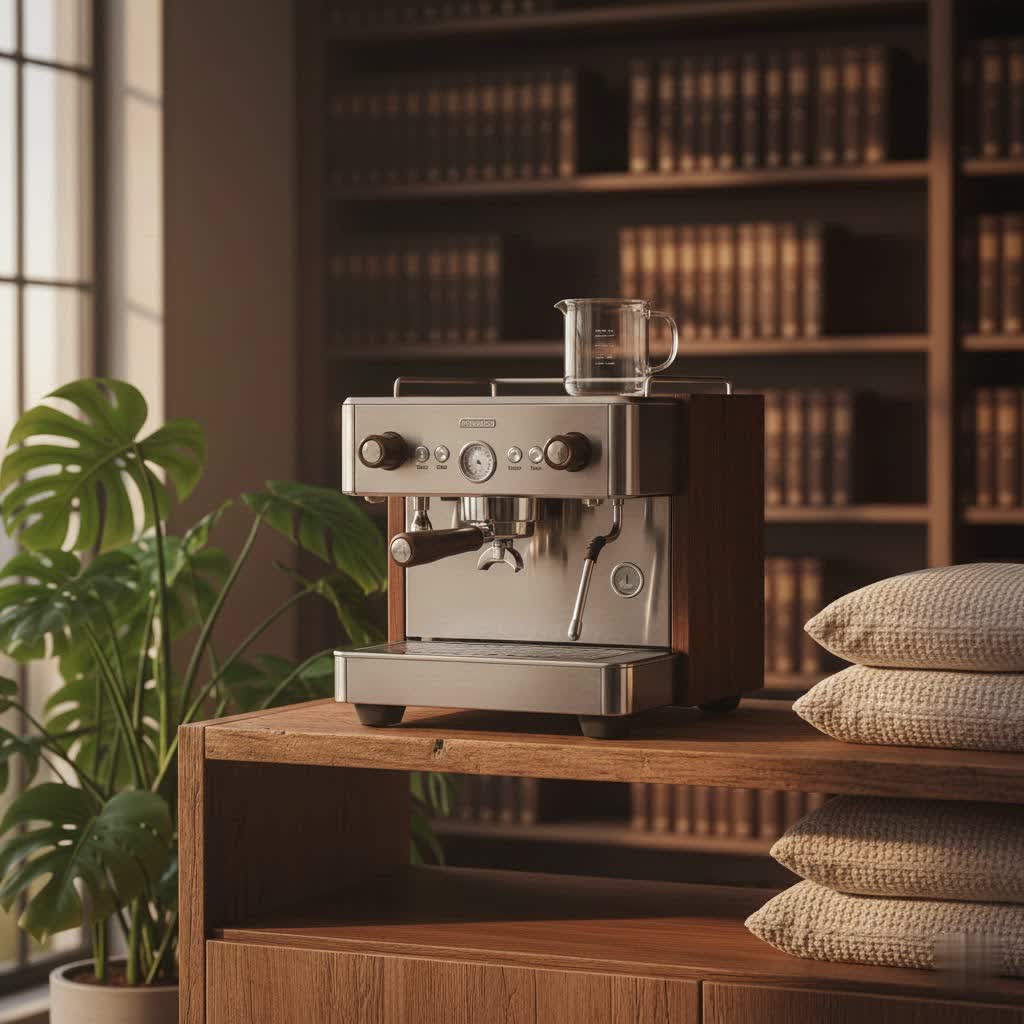
A commercial espresso machine is a high-performance brewing system specifically engineered for professional settings like coffee shops, cafes, and restaurants. Unlike their home counterparts, these machines are built for durability, consistency, and high-volume output, designed to withstand continuous daily operation. Their primary function is to force hot, pressurized water through finely-ground coffee to produce concentrated shots of espresso, forming the foundation for popular beverages like lattes, cappuccinos, and americanos. The evolution of these machines has been driven by the continuous demand for quality and efficiency in the bustling coffee industry.
Commercial espresso machines generally fall into several categories based on their level of automation:
- Manual (Lever) Machines: These machines offer the most traditional and hands-on brewing experience. Baristas manually pull a lever to control the pressure and flow of water, allowing for immense control over the extraction process. While they can produce exceptional espresso, they demand significant skill and attention, making them less common in high-volume, fast-paced environments.
- Semi-Automatic Machines: Striking a balance between manual control and automation, semi-automatic machines allow the barista to initiate and terminate the espresso shot using a button. This grants control over the shot length, enabling baristas to experiment and perfect their extractions. They are a popular choice for cafes where skilled baristas appreciate hands-on engagement and flexibility.
- Fully Automatic (Volumetric) Machines: These machines take consistency to the next level by automating the shot volume. Once initiated, the machine automatically dispenses a pre-programmed amount of water and stops, ensuring repeatable results. This feature allows baristas to multitask, steaming milk while the espresso brews, significantly enhancing workflow in busy periods.
- Super-Automatic Machines: Representing the pinnacle of convenience, super-automatic machines automate almost every step, from grinding beans to frothing milk and dispensing the finished beverage, often at the touch of a button. They are ideal for operations prioritizing ease of use, speed, and consistency with minimal barista training, such as drive-thrus or establishments with limited specialized staff.
Key Components of a Commercial Espresso Machine
Understanding the internal workings of an espresso machine is crucial for appreciating its performance and making an informed choice. Here are the core components:
- Pump: The pump is responsible for generating the high pressure (typically 9 bars) required to extract espresso. Commercial machines typically use rotary pumps, known for their quiet operation and consistent pressure delivery, essential for continuous use.
- Boiler: The boiler heats the water to the optimal brewing and steaming temperatures. Its size and configuration are vital for a machine’s capacity and temperature stability.
- Heat Exchanger (HX) Boilers: These machines feature a single boiler that heats water for both brewing and steaming. A heat exchange tube runs through the main steam boiler, heating the brew water to a slightly lower, appropriate temperature. They offer good value and allow simultaneous brewing and steaming, suitable for low to medium-volume cafes.
- Dual Boiler (DB) Machines: These machines have two independent boilers: one for brewing espresso and another for generating steam and hot water. This separation ensures superior temperature stability for both functions, which is critical for consistent espresso extraction and powerful, consistent steaming, especially in busy shops pulling over 150 milk-based drinks daily.
- Multi-Boiler (MB) Machines: The most advanced configuration, multi-boiler systems feature a dedicated service boiler for steam and hot water, plus an individual brew boiler for each group head. This allows baristas to set and maintain precise, independent temperatures for each group, offering unparalleled control and precision for discerning specialty coffee operations.
- Group Head: This is where the portafilter attaches to the machine and where the espresso extraction takes place. Commercial machines can have multiple group heads (1, 2, 3, or even 4), directly influencing the machine’s capacity to produce multiple shots simultaneously.
- Portafilter: A handle with a basket that holds the finely ground coffee. It locks into the group head, creating a seal that allows the pressurized water to flow through the coffee.
- Steam Wand: An essential component for milk-based drinks, the steam wand delivers high-pressure steam for frothing and texturing milk. Look for wands with good range of motion, efficient steam power, and “cool-touch” features for safety and ease of cleaning. Some advanced machines offer auto-steam wands, which can significantly save time and improve consistency.
How to Choose the Right Espresso Machine for Your Coffee Shop
Selecting the ideal espresso machine is a strategic decision that impacts your coffee shop’s efficiency, quality, and profitability.
Assess Your Business Needs
Before diving into models and features, take a critical look at your operational demands:
- Daily and Hourly Volume: This is the single most important factor. Estimate the number of drinks you expect to make per hour during your busiest periods. A machine that can handle 15-20 drinks per hour is vastly different from one needed for 50+ drinks per hour. High-traffic shops might need 2-group machines (most common) or even 3-4 group machines for faster service. For instance, a 2-group machine can handle the requirements of most businesses, while a 3-group machine provides room for growth.
- Menu Focus: Will your shop primarily serve straight espresso and americanos, or will milk-based beverages like lattes and cappuccinos dominate your sales? A high volume of milk drinks demands excellent steam capacity and recovery time.
- Barista Skill Level: Do you have experienced baristas capable of mastering a manual or semi-automatic machine, or do you need a more automated system to ensure consistency and ease of use, especially during busy rushes?
|
Our Picks for the Best Espresso Machine in 2026
As an Amazon Associate I earn from qualifying purchases.
|
||
| Num | Product | Action |
|---|---|---|
| 1 | Breville Barista Express Impress Espresso Machine BES876BSS, Brushed Stainless Steel |

|
| 2 | Breville Bambino Espresso Machine BES450BSS, Brushed Stainless Steel |
|
| 3 | Gevi Commercial Espresso and Coffee Makers, Professional 20 Bar Espresso Maker with Milk Frother, Stainless Steel Expresso Coffee Machines for Home, Compact Cappuccino Machine, Great Gift |
|
| 4 | Breville Barista Express Espresso Machine BES870XL, Brushed Stainless Steel |
|
| 5 | Ninja Luxe Café 3-in-1 Espresso, Drip Coffee and Cold Brew Machine - Integrated Coffee Grinder, Milk Frother, Assisted Tamper & Built-In Espresso Accessory Storage - Stainless Steel - ES601 |
|
| 6 | CASABREWS CM5418 Espresso Machine 20 Bar, Compact Espresso Maker with Steam Milk Frother, Stainless Steel Coffee Machine with 34oz Removable Water Tank for Cappuccino, Gift for Women or Men, Silver |
|
| 7 | De'Longhi Stilosa Manual Espresso Machine, Compact Coffee Maker, 15 Bar Pump Pressure, Manual Milk Frother Steam Wand for Authentic Single & Double Espresso, Lattes & Cappuccinos, Tamper Included |
|
| 8 | Breville Barista Express Espresso Machine BES870BSXL, Black Sesame |
|
| 9 | CASABREWS 3700 Essential Espresso Machine 20 Bar, Stainless Steel Cappuccino & Latte Machine with Steam Frother for Home, 43.9oz Water Tank, Coffee Gift for Women & Men, Silver |
|
| 10 | Gaggia Classic Evo Pro - Espresso Machine Jungle Green |
|
Budget and Return on Investment (ROI)
Commercial espresso machines represent a significant investment. Establish a realistic budget that accounts for the machine itself, installation, necessary accessories, and ongoing maintenance. Consider the long-term return on investment (ROI). A higher upfront cost for a more durable, efficient machine with superior features can often lead to savings in the long run through reduced downtime, lower energy consumption, and increased customer satisfaction due due to consistent, high-quality beverages. “Smart investment is the thumb rule of successfully running a business; you must always take into account the factor of ROI when selecting an espresso machine.” [cite: 2 (third search result)]
Critical Features
- Number of Group Heads: As discussed, this directly impacts your output capacity. For most cafes, a two-group machine offers a good balance of efficiency and workflow.
- Boiler Configuration: For high-volume environments, a dual-boiler or multi-boiler system is generally recommended over a heat exchanger for superior temperature stability and simultaneous steam/brew capabilities.
- Temperature Control: Look for machines with PID (Proportional-Integral-Derivative) controllers, which provide precise and stable temperature regulation, crucial for optimal espresso extraction. Analogue pressure switch systems are less precise.
- Automation and Programmability: Features like programmable shot volumes, pre-infusion settings, and pressure profiling allow for greater consistency and experimentation. Auto-steam wands can be a massive time-saver for busy coffee shops, even if a skilled barista can technically do a “better” job.
- Wattage and Voltage: Higher wattage and voltage (e.g., 220-volt, 20-30 amp) generally indicate a more powerful machine capable of higher output and faster recovery times, essential for peak hours.
- Durability and Build Quality: Commercial machines are subjected to heavy use. Invest in a machine with a robust metal body (like stainless steel) to ensure longevity and resistance to wear and tear.
Reputation and Support
- Brand Reputation: Stick to well-known brands with a track record of reliability, quality, and customer satisfaction. Examples include La Marzocco, Victoria Arduino, Nuova Simonelli, Breville, and Rancilio, though many other reputable brands exist.
- Warranty and Service: Understand the manufacturer’s warranty and the availability of local technical support and spare parts. Prolonged downtime due to machine issues can be devastating for a coffee shop’s revenue and reputation. Investing in a brand with strong post-sales support is invaluable.
Comparing Popular Commercial Espresso Machine Types
Choosing between the main types of commercial espresso machines depends heavily on your specific business model, volume, and the skill set of your baristas.
| Feature / Type | Manual/Lever | Semi-Automatic | Fully Automatic/Volumetric | Super-Automatic (Bean-to-Cup) |
|---|---|---|---|---|
| Control Level | Highest (manual pressure, flow) | High (barista starts/stops shot) | Medium (pre-set volumes, barista starts shot) | Minimal (push-button operation) |
| Barista Skill | Very High (requires extensive training) | Medium to High (good technique recommended) | Low to Medium (focus on grinding/tamping) | Very Low (machine handles all steps) |
| Consistency | Varies greatly with barista skill | Good (with skilled barista) | Very Good (consistent shot volume) | Excellent (highly consistent, automated) |
| Speed/Efficiency | Slowest (single shot attention) | Moderate (can multitask with practice) | Fast (barista can multitask while shot pulls) | Fastest (push-button operation, integrated grinder) |
| Ideal For | Specialty cafes, experienced baristas, unique experience | Most coffee shops, good balance of quality/speed | Busy cafes, emphasis on consistency and throughput | High-volume, minimal barista interaction, convenience focused |
| Key Advantage | Ultimate control, traditional craft | Flexible, allows barista expression | Workflow efficiency, consistent quality | Speed, ease of use, reduced training cost |
| Typical Cost | Mid to High | Mid-Range | Mid to High | High to Very High |
Operating and Maintaining Your Commercial Espresso Machine
Proper operation and diligent maintenance are key to maximizing your espresso machine’s lifespan and ensuring consistent coffee quality.
Setup and Preparation
- Installation: Ensure your machine is installed correctly by a qualified technician, with proper plumbing (water line, drain) and electrical connections that match the machine’s voltage and amperage requirements.
- Coffee Selection: Use high-quality, freshly roasted coffee beans. Grind them just before brewing to the appropriate fineness for espresso, which is finer than drip coffee. The grind size is crucial for proper extraction.
- Warming Up: Always allow your machine ample time to fully heat up before use, typically 20-30 minutes. This ensures stable brewing temperatures for optimal extraction. Flush a few ounces of water through the group heads to further stabilize temperatures.
Brewing Excellence
Patience and precision are vital for crafting the perfect espresso shot. While specifics vary by machine, the general steps include:
- Dose and Tamp: Grind fresh coffee into the portafilter basket, ensuring a consistent and level dose. Use a tamper to apply firm, even pressure to create a compact coffee puck.
- Lock In: Securely lock the portafilter into the group head.
- Initiate Shot: Start the brewing process. For semi-automatic machines, you’ll stop it manually. For volumetric machines, it will stop automatically. Aim for a shot time of 25-30 seconds for a standard 1.5-2 oz (45-60ml) double shot.
- Monitor: Observe the espresso stream – it should start dark, then transition to a golden-brown tiger stripe, ending in a lighter crema. Adjust grind size and dose as needed to achieve the ideal flow.
- Steam Milk (if applicable): While the espresso brews (or immediately after), steam your milk using the steam wand, aiming for a silky, microfoam texture.
Daily and Scheduled Cleaning
“Regular maintenance is crucial for optimal performance.” [cite: 4 (first search result)]
- Daily Cleaning:
- Backflushing: At the end of each day, perform a backflush with a blind portafilter basket and espresso machine cleaner to remove built-up coffee oils from the group head and three-way valve.
- Wipe Down: Clean the steam wand immediately after each use with a damp cloth. Wipe down the machine’s exterior, drip tray, and portafilters.
- Soak: Soak portafilters and filter baskets in a mild espresso machine cleaning solution overnight.
- Weekly/Bi-Weekly Cleaning:
- Group Head Brushing: Use a group head brush to scrub the shower screens and gaskets to remove stubborn coffee grounds.
- Descale (as needed): Depending on your water quality and machine usage, periodic descaling might be necessary to remove mineral buildup from the boiler. Consult your machine’s manual for recommended descaling procedures and products.
Common Issues and Troubleshooting
Even the most robust commercial espresso machines can encounter issues. Here are a few common problems and general troubleshooting tips:
- Machine Not Heating: Check power supply, ensure the machine is switched on, and verify water levels. If still not heating, it could indicate a heating element failure, requiring professional service.
- Weak Pressure/Slow Flow: This often points to a too-fine grind, over-dosing, or over-tamping the coffee. It could also be a clogged group head or a failing pump. Try adjusting your grind and dose first.
- Coffee Tastes Burnt/Bitter: Grind is likely too fine, water temperature too high, or extraction time too long.
- Coffee Tastes Sour/Weak: Grind is likely too coarse, water temperature too low, or extraction time too short.
- Machine Leaks Water: Check for loose connections, worn gaskets (especially around the portafilter), or cracks in hoses. Minor leaks might be fixable, but significant leaks may require a technician.
For complex issues or persistent problems, it’s always best to consult a qualified espresso machine technician. Attempting DIY repairs without expertise can void warranties or cause further damage.
Where to Buy Commercial Espresso Machines
Acquiring your commercial espresso machine involves choosing the right vendor.
- Authorized Dealers/Distributors: These are often the best choice for new machines. They provide expert advice, professional installation, warranty support, and access to genuine spare parts and trained technicians. They can also offer training for your baristas.
- Online Retailers: Many reputable online stores specialize in commercial coffee equipment, often offering competitive pricing. Ensure they are authorized dealers for the brands you’re considering and that they offer reliable shipping, customer service, and warranty support.
- Used Machines: Purchasing a used commercial espresso machine can be cost-effective, but it comes with risks. Thoroughly inspect the machine’s condition, ask for maintenance records, and ideally, have a technician evaluate it before purchasing. Ensure spare parts are still available for the model.
Comprehensive Buying Guide
Beyond the core features, several practical considerations can influence your final decision.
Pre-Purchase Considerations
- Power Requirements: Verify your coffee shop’s electrical infrastructure can support the machine’s voltage and amperage. Commercial machines often require dedicated 220-volt circuits.
- Water Connection: Most commercial machines require a direct plumbed-in water line and a drain. Consider water filtration systems to protect your machine from scale buildup and improve coffee taste.
- Counter Space and Layout: Measure your available counter space carefully. Consider the machine’s footprint, including clearance for loading beans (if super-automatic) and working around group heads and steam wands. Some compact models or those with underbar boilers can save valuable counter real estate.
- Noise Level: While most commercial rotary pumps are relatively quiet, consider the overall noise profile of the machine, especially if your cafe has a cozy, intimate ambiance.
Essential Accessories
Don’t forget to budget for necessary accessories that ensure smooth operation and quality:
- Tamper: A high-quality tamper is crucial for consistent espresso extraction.
- Milk Pitchers: Various sizes for steaming different milk volumes.
- Knock Box: For easily disposing of spent coffee pucks.
- Cleaning Supplies: Brushes, cleaning solutions, and cloths.
- Water Filtration System: Protects your machine and improves coffee taste.
- Grinder: A commercial-grade espresso grinder is as important as the machine itself for quality espresso (unless you opt for a super-automatic with a built-in grinder).
Research and Compare
- Read Reviews: Look for reviews from other coffee shop owners or experienced baristas. Pay attention to comments on reliability, ease of use, maintenance, and customer support.
- Compare Prices: Shop around from different authorized dealers to find the best deals and ensure you’re getting a fair price. Inquire about package deals that might include installation, accessories, or training.
Conclusion
Choosing the ideal espresso machine for your coffee shop is a critical investment that directly impacts your business’s success and your ability to deliver exceptional coffee. By carefully assessing your operational volume, understanding the different machine types and their core components, prioritizing durability, and factoring in comprehensive support, you can make a decision that supports your baristas, delights your customers, and drives your profitability. Remember, the right machine isn’t just about brewing coffee; it’s about crafting an experience and building a reputation for excellence.
What features do you believe are most overlooked when coffee shop owners select their espresso machine?
Frequently Asked Questions
What’s the main difference between a dual boiler and a multi-boiler espresso machine for a coffee shop?
A dual boiler machine has one boiler for brewing and one for steaming, offering excellent temperature stability. A multi-boiler machine takes this further, providing a dedicated brew boiler for each group head, allowing independent temperature control per group for ultimate precision and versatility in specialty coffee shops.
How many group heads should a busy coffee shop aim for?
Most busy coffee shops find a 2-group espresso machine to be a good balance of efficiency and size. However, for extremely high-volume operations or peak rush hours exceeding 50+ drinks per hour, a 3-group or even 4-group machine might be necessary to maintain speed and consistency.
Is a super-automatic espresso machine suitable for a specialty coffee shop?
While super-automatic machines offer convenience and consistency, they typically provide less control over extraction variables compared to semi-automatic or multi-boiler machines. They are best suited for environments prioritizing speed and ease of use over fine-tuned craft, such as cafes with minimal barista training or high-volume, quick-service models.
How often should a commercial espresso machine be descaled?
Descaling frequency depends heavily on your water hardness and machine usage. Using a high-quality water filtration system can significantly reduce scale buildup. Most manufacturers recommend periodic descaling (e.g., every 3-6 months) if proper filtration isn’t in place, but always refer to your machine’s manual.
What maintenance can I do myself, and when should I call a technician?
Daily cleaning tasks like backflushing, wiping down the steam wand, and soaking portafilters can and should be done by staff. For issues like a machine not heating, persistent leaks, or pressure problems that aren’t easily fixed by adjusting grind/dose, it’s best to call a qualified technician to diagnose and repair the issue correctly.
