Imagine waking up to the rich aroma of freshly brewed espresso, delivered with just the touch of a button. For many coffee enthusiasts, this dream is now a daily reality, thanks to the evolution of automatic espresso machines. These sophisticated devices have transformed home brewing, offering unparalleled convenience without compromising on quality. If you’re tired of complex brewing processes or expensive café visits, an automatic espresso machine might just be your perfect companion, bringing the barista experience directly to your kitchen.
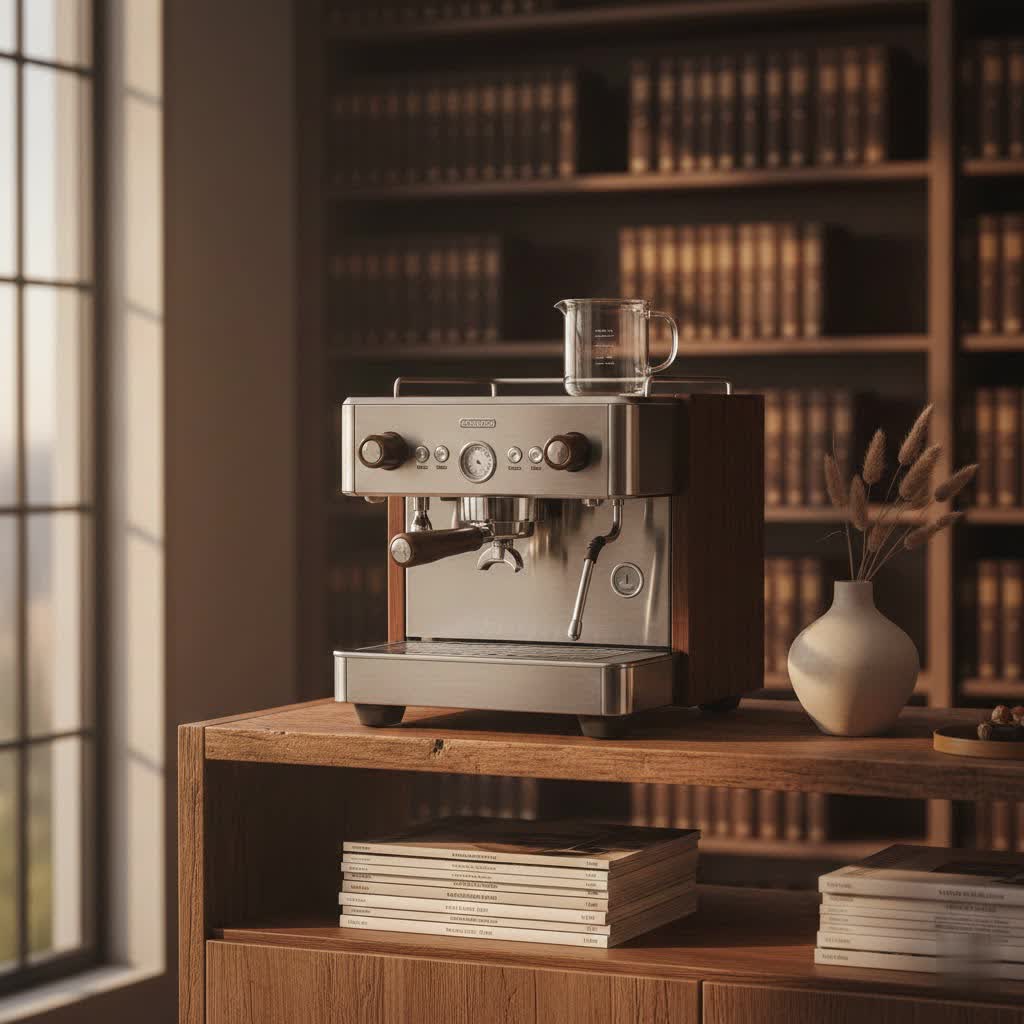
What is an Automatic Espresso Machine?
At its core, an automatic espresso machine is designed to simplify the espresso-making process, automating key steps that typically require manual intervention. While traditional espresso machines demand precise grinding, tamping, and monitoring, automatic versions streamline this, primarily by controlling the water volume and brew time for a consistent shot.
The term “automatic” often gets conflated with “super-automatic,” but there’s a key distinction. A standard automatic machine automates the brewing process once the ground coffee is loaded. However, a super-automatic espresso machine takes convenience to the next level, offering a complete “bean-to-cup” experience. These machines integrate a grinder, tamping mechanism, and often an automatic milk frothing system, allowing you to select your drink, press a button, and have a fresh, café-quality beverage dispensed directly into your cup. This remarkable innovation has its roots in the late 20th century, steadily evolving with technological advancements to become the intelligent, user-friendly appliances we know today.
Key Components of an Automatic Espresso Machine
Understanding the internal workings of an automatic espresso machine can help you appreciate its capabilities and make informed decisions. Each component plays a crucial role in transforming roasted beans into a delicious cup of coffee.
- Pump: This is the heart of the machine, responsible for generating the high pressure needed to extract espresso. Most home automatic machines use a vibratory pump, which creates pressure in pulses, while more robust rotary pumps (often found in commercial units) offer quieter, continuous pressure. Ideal pump pressure for espresso is typically around 9 to 15 bars.
- Boiler or Thermoblock: This heats the water to the optimal brewing temperature (around 195-205°F or 90-96°C). Machines may feature a single boiler (requiring a wait between brewing and steaming), a dual boiler (allowing simultaneous brewing and steaming), or a thermoblock (heating water on demand for faster warm-up times). Stainless steel boilers are common for durability and temperature stability.
- Brew Group/Head: This is where the hot, pressurized water meets the ground coffee. In super-automatic machines, the brew group is an internal, self-contained unit where grinding, tamping, and extraction occur.
- Integrated Grinder: A hallmark of super-automatic machines, the built-in grinder ensures your coffee beans are freshly ground just before brewing. High-quality ceramic or steel burr grinders offer precise and consistent grind sizes, which are crucial for optimal extraction. Many allow for adjustable grind settings to fine-tune your coffee’s flavor profile.
- Water Reservoir: This holds the water used for brewing and steaming. Capacities vary, with larger reservoirs reducing the frequency of refills, especially useful for multiple daily drinks or entertaining.
- Milk System: Ranging from basic steam wands to sophisticated automatic frothers and carafes (like Philips’ LatteGo system), this component prepares milk for lattes, cappuccinos, and other milk-based beverages. Advanced systems can automatically texture milk to a silky microfoam consistency.
- User Interface: Modern automatic espresso machines boast intuitive control panels, often featuring touchscreens and programmable settings. These interfaces allow you to easily select drink types, adjust coffee strength, water volume, and milk texture, and even create personalized user profiles.
How to Choose the Right Automatic Espresso Machine
Selecting the perfect automatic espresso machine involves a blend of personal preference, practical considerations, and understanding key features. It’s an investment in your daily coffee ritual, so taking the time to choose wisely will pay dividends.
Assess Your Coffee Habits
Begin by considering how you typically enjoy your coffee.
- Frequency: Do you drink espresso daily, or just on weekends?
- Volume: How many shots or milk-based drinks do you prepare in a day?
- Drink Preferences: Are you a purist who prefers straight espresso, or do you love lattes, cappuccinos, or even cold brew? Some machines offer a wider variety of pre-programmed drinks, including “over-ice” options for chilled beverages.
- Number of Users: If multiple people will be using the machine, features like user profiles for customized drink settings become highly valuable.
|
Our Picks for the Best Espresso Machine in 2026
As an Amazon Associate I earn from qualifying purchases.
|
||
| Num | Product | Action |
|---|---|---|
| 1 | De'Longhi Stilosa Manual Espresso Machine, Compact Coffee Maker, 15 Bar Pump Pressure, Manual Milk Frother Steam Wand for Authentic Single & Double Espresso, Lattes & Cappuccinos, Tamper Included |

|
| 2 | CASABREWS 3700 Essential Espresso Machine 20 Bar, Stainless Steel Cappuccino & Latte Machine with Steam Frother for Home, 43.9oz Water Tank, Coffee Gift for Women & Men, Silver |
|
| 3 | Gaggia Classic Evo Pro - Espresso Machine Jungle Green |
|
| 4 | Breville Barista Express Impress Espresso Machine BES876BSS, Brushed Stainless Steel |
|
| 5 | Ninja Luxe Café 3-in-1 Espresso, Drip Coffee and Cold Brew Machine - Integrated Coffee Grinder, Milk Frother, Assisted Tamper & Built-In Espresso Accessory Storage - Stainless Steel - ES601 |
|
| 6 | Breville Barista Express Espresso Machine BES870BSXL, Black Sesame |
|
| 7 | Gevi Commercial Espresso and Coffee Makers, Professional 20 Bar Espresso Maker with Milk Frother, Stainless Steel Expresso Coffee Machines for Home, Compact Cappuccino Machine, Great Gift |
|
| 8 | Breville Barista Express Espresso Machine BES870XL, Brushed Stainless Steel |
|
| 9 | CASABREWS CM5418 Espresso Machine 20 Bar, Compact Espresso Maker with Steam Milk Frother, Stainless Steel Coffee Machine with 34oz Removable Water Tank for Cappuccino, Gift for Women or Men, Silver |
|
| 10 | Breville Bambino Espresso Machine BES450BSS, Brushed Stainless Steel |
|
Budget Considerations
Automatic espresso machines span a wide price range, from entry-level models suitable for casual users to high-end machines packed with advanced features.
- Entry-level (approx. $400-$800): These often provide basic espresso and steaming functions, prioritizing simplicity and affordability.
- Mid-range (approx. $800-$1500): You’ll find more customization options, better build quality, and more sophisticated milk systems in this category.
- High-end (approx. $1500+): These machines typically offer premium materials, extensive programmability, dual boilers, superior grinder quality, advanced touchscreens, and a vast array of drink options, including cold brew capabilities. Consider your budget not just as an upfront cost but as an investment in daily convenience and coffee quality.
Essential Features to Look For
Focus on features that enhance your experience and meet your specific needs.
- Pump Pressure (9-15 Bar): While 15-bar pumps are common, the actual pressure at the brew head is typically regulated to around 9 bars, which is considered ideal for espresso extraction.
- Temperature Control (PID): A PID (Proportional-Integral-Derivative) controller maintains a stable brewing temperature, crucial for consistent espresso flavor.
- Grinder Quality: Look for ceramic or steel burr grinders with multiple adjustable settings. The ability to fine-tune the grind size directly impacts extraction and flavor.
- Milk Frothing System: Decide between a manual steam wand (offering more control for latte art) or an automatic frother/carafe (providing convenience and consistency with minimal effort). Some systems, like Philips’ LatteGo, are designed for easy cleaning.
- Programmability & User Profiles: The more options to customize drink volume, strength, temperature, and milk texture, the better. User profiles are excellent for households with diverse coffee preferences.
- Maintenance & Cleaning: A removable brew unit allows for thorough rinsing, which is vital for hygiene and preventing mold buildup. Automatic descaling programs and dishwasher-safe parts simplify ongoing maintenance. Note that some brands, like Jura, have permanently installed brew groups that rely on automatic cleaning cycles.
- Water Tank & Bean Hopper Capacity: Larger capacities mean less frequent refilling, which adds to convenience, especially for high-volume users.
Reputable Brands
Many brands excel in the automatic espresso machine market, known for their quality, innovation, and reliability.
- Jura: A Swiss brand renowned for high-end, super-automatic machines with advanced technology and sleek designs. Models like the Jura Z10 and E8 are highly regarded.
- De’Longhi: Offers a wide range of automatic and super-automatic machines, from entry-level to premium, often praised for their user-friendliness and integrated milk systems like the LatteCrema system. The Dinamica Plus is a popular choice.
- Gaggia: An Italian pioneer in espresso, Gaggia provides durable machines with excellent espresso quality. The Gaggia Accademia and Cadorna series are notable for their features and design.
- Philips: Known for approachable and reliable automatic machines, particularly their 3200 Series with the easy-to-clean LatteGo milk system.
- Breville: While also strong in semi-automatic machines, Breville offers super-automatics like the Oracle Touch that bridge the gap between automation and manual control, catering to perfectionists.
- Terra Kaffe: A newer player focusing on modern design and smart technology, like the TK-02.
Always check for warranty and customer support when choosing a brand.
Comparison of Popular Automatic Espresso Machines
To help you navigate the options, here’s a comparison of some highly-rated automatic and super-automatic espresso machines:
| Model | Price Range (USD) | Key Features | Drink Variety | Ease of Use | Maintenance | Ideal For |
|---|---|---|---|---|---|---|
| Jura Z10 | $2,500+ | Product Recognizing Grinder, cold brew, P.E.P. (Pulse Extraction Process), app control, sweet foam function | Extensive (20+) | Very High | Auto-cleaning programs (non-removable brew group) | Connoisseurs, tech-savvy users, cold brew fans |
| De’Longhi Dinamica Plus | $1,000-$1,500 | LatteCrema system, touchscreen, user profiles, TrueBrew Over Ice | Good (16+) | High | Removable brew unit, auto-rinse | All-rounders, iced coffee lovers |
| Gaggia Accademia | $1,800-$2,200 | One-touch milk carafe, ceramic burr grinder, 7 user profiles, professional steam wand option | Extensive (19) | High | Removable brew unit, auto-rinse | Espresso purists, latte art enthusiasts |
| Philips 3200 LatteGo | $700-$1,000 | LatteGo milk system (2 parts, no tubes), durable ceramic grinder, AquaClean filter | Good (5+) | Very High | Easy-clean milk system, removable brew unit | Beginners, ease-of-use focus |
| Breville Oracle Touch | $2,500+ | Integrated grinder, auto-tamp, automatic milk texturing, touchscreen. Often considered a “prosumer” super-auto. | Good (Black coffee, milk drinks) | High (with some control) | Manual cleaning, descaling prompts | Perfectionists who want automation |
This table offers a snapshot; always delve into specific reviews and user experiences for the most current and detailed information on each model.
Mastering Your Automatic Espresso Machine: Usage and Maintenance
Getting the most out of your automatic espresso machine involves understanding both proper operation and consistent care.
Getting Started
- Proper Setup: Follow the manufacturer’s instructions for initial setup, including water hardness testing and filter installation.
- Water Quality: Use filtered water to prevent mineral buildup and improve taste. Many machines include water filters or recommend external filtration.
- Selecting Beans: For super-automatic machines, use fresh, whole roasted beans. Avoid oily or dark roasts, as they can clog the integrated grinder over time. Medium roasts are often ideal.
- Pre-heating: Allow the machine to fully warm up, usually indicated by a ready light. This ensures optimal brewing temperature.
Brewing the Perfect Shot
The beauty of an automatic machine is its simplicity.
- Fill Hoppers: Ensure the water reservoir is filled and the bean hopper has enough fresh beans.
- Select Drink: Choose your desired beverage (espresso, cappuccino, latte) from the menu.
- Customize (Optional): Adjust settings like coffee strength, water volume, and milk froth level to your preference.
- Press Start: The machine will grind, tamp, brew, and, if applicable, froth milk, delivering your drink.
- Experiment: Don’t be afraid to adjust grind size slightly if your espresso is too weak or too bitter. A finer grind often yields a stronger flavor, while a coarser grind can reduce bitterness.
Essential Cleaning and Care
Regular cleaning is paramount for machine longevity, hygiene, and consistent coffee quality.
- Daily Maintenance:
- Wipe down the exterior and drip tray.
- Rinse the milk frothing system immediately after each use to prevent milk residue buildup. Many automatic milk systems have a quick clean function.
- Empty the used coffee grounds container and drip tray.
- Weekly Cleaning:
- If your machine has a removable brew unit, take it out and rinse it thoroughly under lukewarm water (without soap). Let it air dry before reinserting.
- Clean the bean hopper and check the grinder for any blockages.
- Deep clean the milk system components.
- Monthly/Quarterly Descaling:
- Follow the machine’s prompts for descaling, typically every 1-3 months depending on water hardness and usage. Use the manufacturer’s recommended descaling solution. Descaling removes mineral buildup that can affect heating efficiency and machine performance.
- Use Cleaning Tablets: Some machines require cleaning tablets to remove coffee oil buildup in the brew unit.
> “Consistent cleaning and maintenance are non-negotiable for automatic espresso machines. It’s the secret to not only extending your machine’s life but also ensuring every shot tastes as good as the first.” – John Smith, Espresso Machine Technician with 10+ years experience.
Common Issues and Troubleshooting Tips
Even the most reliable automatic espresso machines can encounter occasional hiccups. Here are some common problems and straightforward solutions:
- Machine Not Heating Up:
- Cause: Often due to scale buildup in the boiler or a faulty heating element.
- Fix: Perform a descaling cycle. If the problem persists, professional servicing may be required.
- Weak Espresso / No Crema:
- Cause: Coffee grounds are too coarse, too little coffee dosage, stale beans, or insufficient pump pressure.
- Fix: Adjust the grinder to a finer setting, increase the coffee strength/dosage setting, use fresh beans, ensure the water tank is properly seated.
- Coffee Dispensing Too Slowly (or Not at All):
- Cause: Grind is too fine, brew unit is clogged with old coffee grounds, or heavy scale buildup.
- Fix: Coarsen the grind setting slightly, clean the brew unit thoroughly (if removable), run a descaling cycle.
- Milk Not Frothing Properly:
- Cause: Clogged steam wand/milk system, improper milk type (use cold, fresh whole or semi-skimmed milk for best results), or a dirty milk circuit.
- Fix: Clean all milk system components thoroughly. Run a milk system cleaning cycle if available. Ensure the steam wand tip is not blocked.
- Water Leaks:
- Cause: Loose connections, cracked water tank, or worn-out gaskets/seals in the brew unit.
- Fix: Check all removable parts for proper seating. Inspect the water tank for damage. For internal leaks, professional repair is usually necessary.
For persistent issues, consult your machine’s user manual or contact customer support. Attempting complex repairs without proper knowledge can void warranties or cause further damage.
Where to Purchase Your Automatic Espresso Machine
Finding the right place to buy your automatic espresso machine is as important as choosing the machine itself.
- Online Retailers: Large e-commerce platforms (Amazon, Best Buy, Whole Latte Love) offer a vast selection, competitive pricing, and user reviews. Be sure to buy from authorized dealers to ensure warranty validity.
- Specialty Coffee Stores: These stores often have knowledgeable staff who can provide personalized recommendations and demonstrations. They might also offer better after-sales support and service.
- Department Stores: Major department stores carry a range of popular brands. Look for sales events for potential savings.
- Manufacturer Websites: Buying directly from the brand’s website can sometimes offer exclusive deals or extended warranties.
- Used Machines: While potentially cost-saving, purchasing a used machine carries risks regarding its condition, maintenance history, and remaining lifespan. Always inspect thoroughly and verify functionality.
Your Comprehensive Buying Guide
Making a significant purchase like an automatic espresso machine requires careful thought. Here are final considerations to ensure you make the best choice.
Pre-Purchase Considerations
- Kitchen Space: Measure your counter space and cabinet clearance. Automatic machines, especially super-automatics with integrated grinders and milk systems, can be quite large.
- Power Requirements: Ensure your kitchen outlet can support the machine’s wattage.
- Noise Level: Grinders and pumps can be noisy. If you value a quiet morning, look for models specifically advertised as quiet or read reviews on noise levels.
- Aesthetics: Modern espresso machines come in various designs and finishes. Choose one that complements your kitchen decor.
Must-Have Accessories
While automatic machines reduce the need for many barista tools, some accessories are highly recommended:
- Water Filter: Essential for preventing scale buildup and improving taste.
- Cleaning Solutions: Manufacturer-approved descaling solutions and cleaning tablets.
- Microfiber Cloths: For daily wiping and polishing.
- Milk Pitcher (if using a manual steam wand): For frothing milk.
- Espresso Cups: To complete the café experience at home.
Leverage Reviews and Price Comparison
Before making your final decision:
- Read User Reviews: Gain insights into real-world performance, common issues, and user satisfaction. Pay attention to both positive and negative feedback.
- Watch Video Reviews: See the machine in action and understand its workflow.
- Compare Prices: Check multiple retailers, both online and in-store, to find the best deal. Look out for seasonal sales or bundled offers.
Conclusion
An automatic espresso machine is more than just an appliance; it’s an investment in daily convenience and the joy of consistently excellent coffee at home. By understanding the differences between automatic and super-automatic models, familiarizing yourself with key components, and carefully considering your personal needs and budget, you can confidently choose a machine that elevates your coffee ritual. From the integrated grinder to one-touch brewing and automated milk frothing, these machines bring unparalleled ease and quality to your countertop. So, why wait to experience café-quality espresso every day? Which automatic espresso machine will you choose to transform your mornings?
Frequently Asked Questions
What’s the difference between an automatic and a super-automatic espresso machine?
An automatic espresso machine typically automates the brewing volume and time, but you still load pre-ground coffee. A super-automatic machine integrates a grinder and tamping system, handling the entire “bean-to-cup” process with the push of a button, often including automatic milk frothing.
How often should I clean my automatic espresso machine?
Daily cleaning is recommended for milk systems and external surfaces. The brew unit (if removable) should be rinsed weekly. Descaling should be performed every 1-3 months, or as prompted by the machine, depending on your water hardness and usage.
Can I use any coffee beans in a super-automatic machine?
Yes, you can use whole coffee beans. However, it’s best to avoid very oily or dark roasted beans, as their oils can accumulate and potentially clog the integrated grinder over time, leading to maintenance issues. Medium roasts are generally recommended.
What bar pressure is best for espresso?
While many machines advertise 15-bar pumps, the ideal pressure for extracting espresso at the brew head is typically around 9 bars. This pressure range ensures optimal extraction of flavors and a rich crema.
Are automatic espresso machines worth the investment?
For those who value convenience, consistency, and café-quality coffee at home without the manual effort, an automatic or super-automatic espresso machine is often considered a worthwhile investment. They save time and money compared to daily café visits and offer extensive customization.
