Welcome, fellow coffee enthusiasts! As someone who has spent over a decade deeply immersed in the world of espresso machines, from compact home units to powerful commercial workhorses, I understand the desire for that perfect cup. Choosing an espresso and latte machine can feel overwhelming with the myriad of options available. This comprehensive guide will distill years of experience into actionable advice, helping you navigate the complexities and select a machine that perfectly matches your passion for coffee and lifestyle.
What is an Espresso Machine?
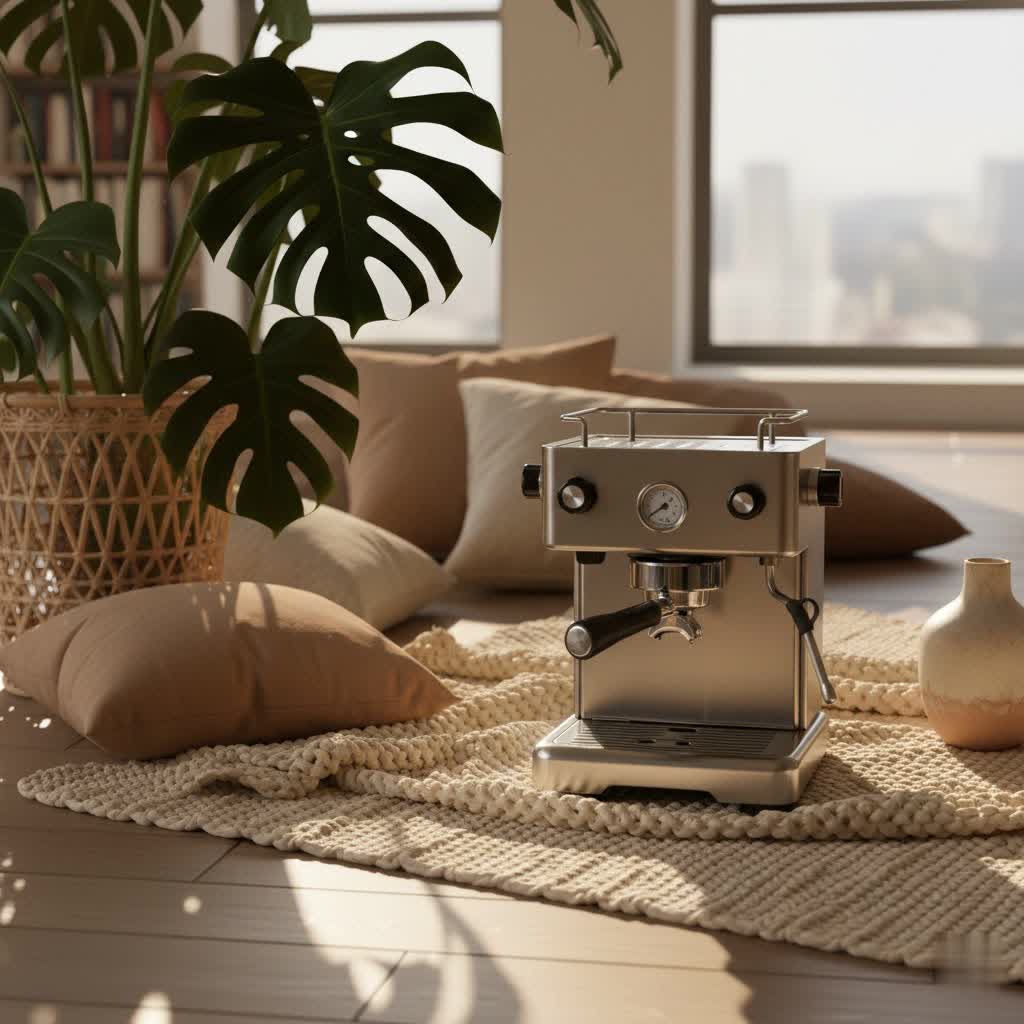
At its core, an espresso machine is a sophisticated device designed to brew coffee by forcing hot, pressurized water through a compacted “puck” of finely ground coffee beans. This process extracts a concentrated, aromatic shot known as espresso, serving as the foundation for countless beloved coffee beverages. The art of espresso making originated in Italy, continuously evolving to deliver consistency and quality to coffee lovers worldwide.
Espresso machines primarily fall into four categories, each offering a distinct level of control and convenience:
- Manual Espresso Machines: These machines demand the highest level of user involvement, often requiring a hand lever to generate pressure. While they offer unparalleled control over the brewing process, they lack temperature stability and the advanced milk-steaming features found in more automated models.
- Semi-Automatic Espresso Machines: Favored by many home baristas and professionals alike, semi-automatic machines strike an ideal balance between control and convenience. They empower you to manage critical brewing variables such as grind size, dose, and extraction time, allowing for the creation of truly café-quality espresso. However, they do require some skill and a good understanding of the brewing process to achieve consistent, excellent results.
- Automatic Espresso Machines: These machines simplify the brewing process further, often featuring pre-programmed shot volumes. They may include integrated grinders and automated tamping, reducing the need for manual intervention compared to semi-automatics. While convenient, they typically offer less control over the precise nuances of extraction.
- Super-Automatic Espresso Machines: Designed for ultimate ease, super-automatic machines, often referred to as “one-touch” machines, handle virtually every step of the coffee-making process. From grinding beans to brewing espresso and frothing milk, these machines deliver a complete beverage with minimal user input. They are perfect for those prioritizing speed and convenience, though they may offer less opportunity for fine-tuning the espresso compared to semi-automatic models.
Important Components of an Espresso and Latte Machine
Understanding the key components of an espresso machine is crucial for appreciating its functionality and making an informed purchase decision.
- Pump: The pump is the heart of the espresso machine, responsible for generating the necessary pressure (typically 9 bars) to extract espresso. High-quality pumps are vital for consistent extraction.
- Boiler: This component heats the water used for brewing and steaming. Different configurations offer varying levels of performance:
- Single Boiler: Features one boiler for both brewing and steaming. You must wait for the boiler to reach steaming temperature after brewing, making simultaneous tasks impossible. These are compact and more budget-friendly, suitable for occasional use.
- Heat Exchanger (HX): A single boiler system designed to allow simultaneous brewing and steaming. A heat exchange tube runs through the main boiler, providing brew water at a different temperature. They offer good consistency but can experience minor temperature fluctuations in high-volume settings.
- Dual Boiler: Equipped with two independent boilers, one for brewing and one for steaming. This design ensures superior temperature stability for brewing and robust, consistent steam power simultaneously, making them ideal for high-volume use and professional-grade milk-based drinks. Dual boilers are generally more expensive due to their complexity.
- Boiler Material: The material of the boiler impacts durability and temperature stability. Stainless steel is a good minimum, while copper and brass components offer enhanced longevity and better heat retention. For aluminum boilers, ensure they are stainless steel lined to prevent corrosion.
- Grouphead: This is where the portafilter locks in and hot water is delivered to the coffee grounds.
- E61 Group Head: A classic, robust design known for its thermal stability and pre-infusion capabilities. Popular in many prosumer machines (e.g., Rocket Appartamento, Lelit Bianca), it’s praised for its durability, ease of maintenance, and compatibility with accessories.
- Saturated Group Head: Integrated as an extension of the coffee boiler, offering exceptional thermal stability and quick heating, commonly found in commercial machines.
- Electronically Heated Group Head: Represents the latest technology, providing precise temperature control and the ability to adjust temperatures dynamically during extraction, offering unparalleled precision.
- Portafilter: The handle and basket assembly that holds the ground coffee. While various sizes exist, 58mm portafilters are considered the commercial standard and are compatible with a wider range of high-quality accessories. Some entry-level machines use smaller 54mm portafilters, which may limit accessory options. Pressurized portafilters, often found in beginner machines, are more forgiving of grind size but tend to produce lower quality espresso.
- Steam Wand: Essential for frothing milk for lattes and cappuccinos. Higher-end machines feature powerful steam wands that produce dry, uniform micro-foam, crucial for latte art. Some models, like the Breville Bambino Plus, even offer steam temperature control. Super-automatic machines may have auto-frothing wands, cappuccinatores, or attachable milk carafes for automated milk texturing.
- PID Controller (Proportional-Integral-Derivative): An electronic system that precisely maintains and adjusts the boiler’s temperature. A PID controller is vital for temperature stability and accuracy, allowing baristas to experiment with different roast levels and achieve consistent extraction.
- Pressure Profiling and Flow Control: Advanced features that allow experienced users to manipulate brew pressure and water flow during extraction. This enables greater experimentation with various coffees, moving beyond the standard 9-bar pressure profile to craft unique flavor outcomes. Some E61 group heads can be retrofitted with flow control devices.
- Water Reservoir Capacity: This determines how often you’ll need to refill the machine. Smaller, single-boiler machines might have reservoirs under 70 ounces, requiring frequent refills. Larger dual-boiler or heat exchanger machines can offer capacities of 98 to over 100 ounces, providing more convenience.
- Water Filtration: Many modern espresso machines include built-in filters in their reservoirs. Using high-quality filtered or spring water is essential to prevent scale buildup, ensure optimal coffee flavor, and prolong the life of your machine.
How to Choose the Best Espresso and Latte Machine
Selecting the right espresso and latte machine involves a thoughtful assessment of your personal needs, budget, and desired features.
Determine Your Usage Needs
Before diving into specifications, consider how you intend to use the machine.
- Usage Frequency: Do you brew espresso daily, multiple times a day, or only on weekends? A machine with faster heat-up times and robust components is better for frequent use.
- Number of Users: Are you making coffee for just yourself, a small family, or hosting larger groups? Higher capacity reservoirs and dual boilers are advantageous for serving multiple people.
- Favorite Coffee Types: Do you primarily drink straight espresso, or do you crave creamy lattes and cappuccinos? If milk drinks are your priority, focus on machines with excellent steam power and efficient milk frothing systems.
- Desired Involvement Level: Are you keen on a hands-on barista experience (semi-automatic) or prefer the convenience of one-touch beverages (super-automatic)? Your skill level and willingness to learn directly influence the best machine type for you.
|
Our Picks for the Best Espresso Machine in 2026
As an Amazon Associate I earn from qualifying purchases.
|
||
| Num | Product | Action |
|---|---|---|
| 1 | CASABREWS CM5418 Espresso Machine 20 Bar, Compact Espresso Maker with Steam Milk Frother, Stainless Steel Coffee Machine with 34oz Removable Water Tank for Cappuccino, Gift for Women or Men, Silver |

|
| 2 | Breville Bambino Espresso Machine BES450BSS, Brushed Stainless Steel |
|
| 3 | De'Longhi Stilosa Manual Espresso Machine, Compact Coffee Maker, 15 Bar Pump Pressure, Manual Milk Frother Steam Wand for Authentic Single & Double Espresso, Lattes & Cappuccinos, Tamper Included |
|
| 4 | Gevi Commercial Espresso and Coffee Makers, Professional 20 Bar Espresso Maker with Milk Frother, Stainless Steel Expresso Coffee Machines for Home, Compact Cappuccino Machine, Great Gift |
|
| 5 | Ninja Luxe Café 3-in-1 Espresso, Drip Coffee and Cold Brew Machine - Integrated Coffee Grinder, Milk Frother, Assisted Tamper & Built-In Espresso Accessory Storage - Stainless Steel - ES601 |
|
| 6 | Breville Barista Express Espresso Machine BES870XL, Brushed Stainless Steel |
|
| 7 | CASABREWS 3700 Essential Espresso Machine 20 Bar, Stainless Steel Cappuccino & Latte Machine with Steam Frother for Home, 43.9oz Water Tank, Coffee Gift for Women & Men, Silver |
|
| 8 | Breville Barista Express Espresso Machine BES870BSXL, Black Sesame |
|
| 9 | Gaggia Classic Evo Pro - Espresso Machine Jungle Green |
|
| 10 | Breville Barista Express Impress Espresso Machine BES876BSS, Brushed Stainless Steel |
|
Set Your Budget
Espresso machines vary widely in price, from entry-level appliances to high-end prosumer models.
- Entry-Level (Under $500-$1000): These often feature thermoblock heating systems, pressurized portafilters, and more plastic components. They are good for beginners but offer less control and durability.
- Mid-Range ($1000-$2000): You’ll find solid semi-automatic machines with better boiler configurations (e.g., heat exchangers), more durable materials, and PID temperature control.
- High-End ($2000+): This category includes dual-boiler machines, premium materials (brass, copper, stainless steel), advanced features like pressure profiling, and exceptional build quality for longevity and performance.
Consider the long-term value; higher-end machines often have better resale value and greater longevity, making them a worthwhile investment for dedicated enthusiasts.
Key Features to Prioritize
Beyond the basic components, several features can significantly enhance your espresso experience:
- Precise Temperature Control (PID): Crucial for consistent extraction and experimenting with different roasts.
- Boiler Configuration: Dual boilers are ideal for simultaneous brewing and steaming with superior temperature stability.
- Milk Steaming Quality: Look for machines with strong, dry steam for excellent micro-foam, especially if latte art is a goal.
- Pressure Gauge: Helps monitor extraction pressure for optimal results.
- Built-in Grinder: Convenient for super-automatic and some automatic machines, but a separate, high-quality burr grinder is often recommended for semi-automatics for better control over grind size.
Research Reputable Brands
Choosing a machine from a well-established brand often ensures quality, reliability, and access to support. Brands like Breville, Gaggia, Rancilio, Rocket Espresso, Lelit, La Marzocco, and Jura are well-regarded in the espresso world. Prioritize machines that come with a robust warranty and have an accessible service and parts network in your area for peace of mind.
Comparing Popular Espresso and Latte Machine Types
Here’s a comparison of the main types of espresso machines to help you understand their differences and find the best fit:
| Feature | Manual Machines | Semi-Automatic Machines | Automatic Machines | Super-Automatic Machines |
|---|---|---|---|---|
| Control | Full manual control | High control over extraction | Moderate control | Minimal control |
| Skill Required | High | Moderate to High | Low to Moderate | Very Low (one-touch) |
| Convenience | Low | Moderate | High | Very High |
| Milk Frothing | Typically manual wand | Manual steam wand (variable quality) | Auto-frothing wands/carafe | Auto-frothing wands/carafe |
| Built-in Grinder | Rare | Rare (usually separate) | Often included | Always included |
| Price Range | Low to Mid (depending on features) | Mid to High | Mid to High | Mid to High |
| Ideal User | Enthusiasts loving the craft | Home baristas, learners | Busy individuals wanting convenience | Ultimate convenience seekers |
| Quality | Excellent (with skill) | Excellent (with skill) | Good to Excellent | Good |
Usage and Maintenance Guide for Your Espresso and Latte Machine
Proper usage and maintenance are critical for brewing excellent coffee and ensuring the longevity of your machine.
Preparation for Brewing
- Proper Setup: Ensure your machine is installed on a stable, level surface with adequate ventilation.
- Water Quality: Always use filtered water or high-quality spring water. Tap water, especially hard water, can lead to scale buildup and affect taste.
- Bean Freshness & Grind: Invest in fresh, high-quality whole beans and a good burr grinder. For semi-automatic machines, the grind size is paramount; it should be fine enough to offer resistance to water flow but not so fine as to choke the machine.
- Warm-Up: Always allow your machine to fully heat up before brewing. This ensures temperature stability, which is crucial for a balanced extraction. Many machines take 15-30 minutes.
Brewing Your Espresso
The process typically involves a few key steps:
- Dose and Grind: Measure and grind your fresh coffee beans just before brewing.
- Tamp: Distribute and tamp the coffee evenly in the portafilter to create a compact puck.
- Insert and Brew: Lock the portafilter into the grouphead and initiate the extraction. Aim for a shot that runs for about 25-30 seconds, yielding 1.5-2 ounces of espresso, characterized by a rich, reddish-brown crema.
- Milk Steaming (for Latte/Cappuccino): Purge the steam wand to clear condensation. Submerge the tip into cold milk, incorporating air initially to create micro-foam, then heating to desired temperature. Aim for a silky, velvety texture for latte art. Always purge and wipe the steam wand immediately after use.
Essential Cleaning and Maintenance
Regular cleaning prevents clogs, maintains hygiene, and preserves your machine’s performance.
- Daily Cleaning:
- Backflushing (for semi-automatics): Use a blind basket and espresso detergent to clean the grouphead.
- Portafilter: Remove spent coffee grounds, rinse the portafilter and basket.
- Steam Wand: Immediately wipe with a damp cloth and purge to remove milk residue.
- Exterior: Wipe down the machine’s exterior and drip tray.
- Weekly Cleaning:
- Grouphead Brush: Use a brush to remove any lingering coffee grounds from the grouphead gasket.
- Monthly/Quarterly Descaling: Descaling removes mineral buildup from the boiler and internal components. Follow your manufacturer’s instructions carefully, using a recommended descaling solution. The frequency depends on your water hardness and usage.
Common Issues and Troubleshooting Your Espresso Machine
Even the best machines can encounter occasional hiccups. Here are some common problems and basic troubleshooting tips:
- Machine Not Heating: Check power connections and ensure the machine is properly switched on. If it’s a single boiler, ensure it’s selected the correct mode (brew or steam). If the issue persists, it might indicate a heating element problem requiring professional service.
- Weak Water Flow or No Flow: This is often due to a clogged grouphead, shower screen, or internal limescale buildup. Perform a thorough backflush and descale your machine. Ensure the water reservoir is full and properly seated.
- Espresso Flowing Too Slowly or Not at All (“Choked Shot”): The grind is likely too fine, or the coffee is over-dosed and tamped too hard. Adjust your grinder to a coarser setting and ensure proper dosing and tamping technique.
- Espresso Flowing Too Fast (“Gushy Shot”): The grind is too coarse, or the coffee is under-dosed. Adjust your grinder to a finer setting or increase your coffee dose.
- Machine Leaking Water: Check the water reservoir for proper seating and ensure it’s not cracked. Inspect the portafilter gasket for wear; a worn gasket can cause leaks around the portafilter. For internal leaks, professional service is typically required.
- No Steam or Weak Steam: The steam wand might be clogged with dried milk. Clean it thoroughly by purging, wiping, and using a steam wand cleaning tool if necessary. Limescale buildup in the steam boiler (for dual boiler/HX) can also reduce steam pressure, necessitating descaling.
For persistent or complex issues, always consult your machine’s user manual or contact the manufacturer’s customer support. Attempting DIY repairs on intricate internal components can void warranties or cause further damage.
Where to Buy Your Espresso and Latte Machine
Once you’ve narrowed down your choices, finding a reputable vendor is the next step.
- Authorized Retailers: Purchasing from authorized dealers, whether online or brick-and-mortar stores, ensures you receive a genuine product with a valid warranty and access to manufacturer support.
- Online Marketplaces: Websites specializing in coffee equipment often offer competitive pricing and a wide selection. Always check seller reviews and return policies.
- Used Market: Platforms like usedcoffeegear.com offer opportunities to buy pre-owned machines. This can be cost-effective for high-end models, but be aware of the risks. Thoroughly inspect the machine, inquire about its maintenance history, and understand that warranties may not transfer.
Detailed Buying Guide: What Else to Consider
Beyond the core features, a few practical considerations will ensure your chosen machine integrates seamlessly into your daily life.
Essential Factors Before Purchase
- Power Requirements: Verify the machine’s voltage and plug type match your home’s electrical outlets. High-end machines might require dedicated circuits.
- Kitchen Space and Aesthetics: Measure your counter space, including clearance for overhead cabinets, as machines vary significantly in size. Consider the machine’s design and finish to ensure it complements your kitchen decor.
- Noise Level: Some pumps and grinders can be quite noisy. If operating noise is a concern, look for machines known for quieter operation.
Necessary Accessories
Don’t forget the tools that complete the barista experience:
- Quality Burr Grinder: Absolutely essential for semi-automatic machines to achieve consistent grind size.
- Tamper: A well-weighted, ergonomic tamper is crucial for consistent puck preparation.
- Milk Frothing Pitcher: Stainless steel pitchers are ideal for steaming milk.
- Knock Box: For easily disposing of spent coffee pucks.
- Cleaning Supplies: Grouphead brushes, espresso detergent, descaling solution, and micro-fiber cloths.
- Coffee Scale: For precise dosing of coffee grounds, enhancing consistency.
Read Reviews and Compare Prices
Before finalizing your decision, dedicate time to reading user reviews and expert comparisons. This provides real-world insights into a machine’s performance, durability, and any common quirks. Compare prices from various retailers to find the best deal, keeping an eye out for seasonal sales or bundled offers.
“Investing in an espresso machine is investing in your daily ritual. The right machine doesn’t just make coffee; it transforms your morning into a moment of pure enjoyment.” – [Your Name Here], Espresso Machine Technician & Admin, Reviewspri.com
In conclusion, the journey to finding your ideal espresso and latte machine is a personal one, shaped by your preferences, budget, and desired level of involvement. Whether you aspire to master latte art with a semi-automatic marvel or simply crave the convenience of a one-touch super-automatic, a perfect machine awaits you. By understanding the core components, prioritizing features that matter most to you, and committing to proper maintenance, you’ll soon be savoring café-quality beverages from the comfort of your home. Which feature are you most excited to explore in your next espresso machine?
Frequently Asked Questions
What is the difference between an espresso machine and a latte machine?
An espresso machine is the core device that brews espresso. A “latte machine” typically refers to an espresso machine that also includes a robust steam wand or an automatic milk frothing system, allowing you to prepare milk-based drinks like lattes and cappuccinos. Most modern home espresso machines are designed to do both.
How much should I spend on an espresso and latte machine?
The ideal budget varies based on your needs. Entry-level machines can start around $200-$500, offering basic functionality. Mid-range options ($500-$1500) provide better features and durability, while high-end prosumer machines ($1500+) deliver commercial-grade performance and longevity for serious enthusiasts.
Do I need a separate grinder for my espresso machine?
For semi-automatic espresso machines, a separate, high-quality burr grinder is highly recommended. It allows for precise control over grind size, which is crucial for perfect espresso extraction. Super-automatic machines typically have integrated grinders, making a separate one unnecessary.
What is PID temperature control and why is it important?
PID (Proportional-Integral-Derivative) temperature control is an electronic system that maintains a highly stable and adjustable brew temperature. This precision is vital for consistent espresso extraction, as even slight temperature fluctuations can significantly impact the flavor and quality of your coffee.
How often should I descale my espresso machine?
The frequency of descaling depends on your water hardness and how often you use the machine. Generally, it’s recommended to descale every 1-3 months. Always use filtered water to minimize mineral buildup and extend the time between descaling cycles. Consult your machine’s manual for specific instructions.
