The pursuit of the perfect espresso shot at home often leads to a crucial question: how can one achieve café-quality results consistently? For many coffee enthusiasts, the answer lies in a dual boiler espresso machine. This advanced piece of equipment promises unparalleled control and efficiency, transforming your home brewing experience. Whether you’re a budding barista or a seasoned professional looking for a home setup, understanding the intricacies of a dual boiler system is the first step toward unlocking exceptional coffee.
What is a Dual Boiler Espresso Machine?
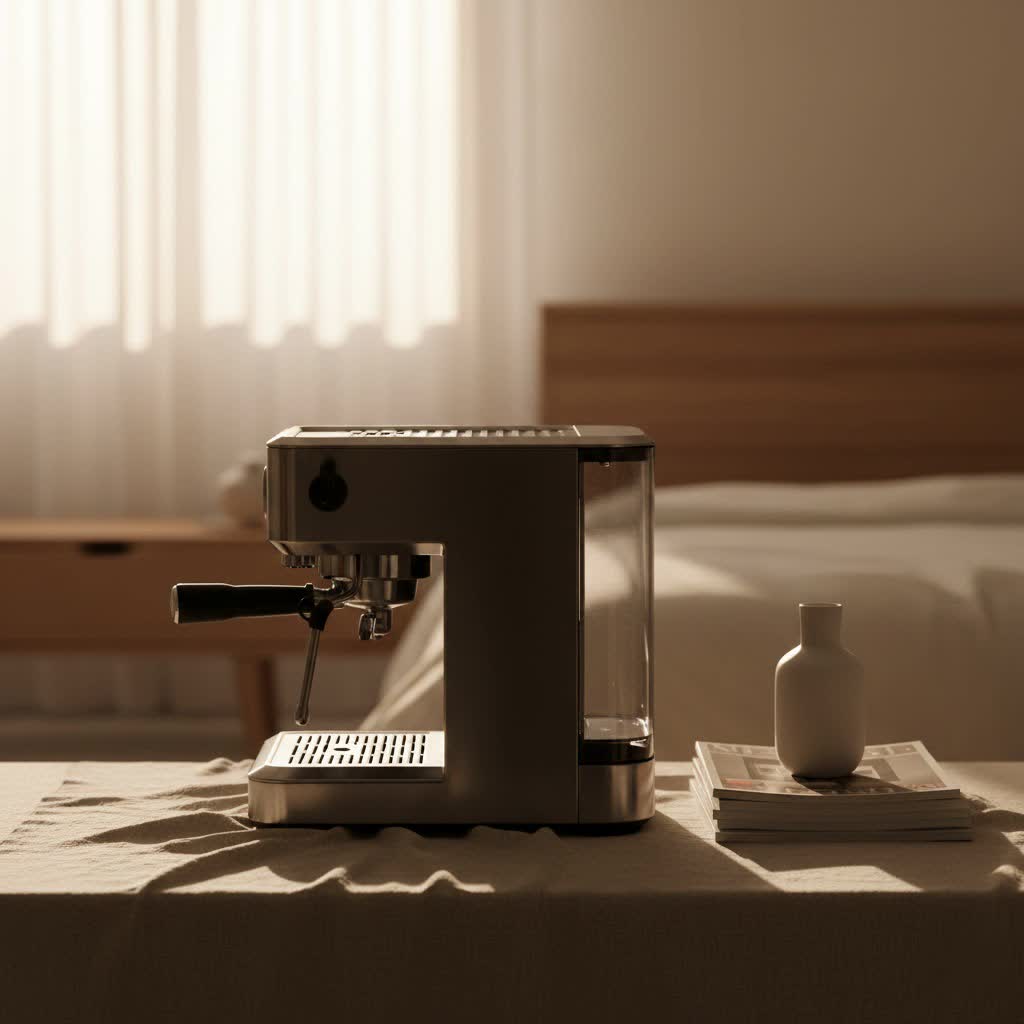
A dual boiler espresso machine is a sophisticated coffee maker featuring two independent boilers, each dedicated to a specific function. One boiler maintains the precise temperature required for brewing espresso, typically around 200°F (93°C), while the other is optimized for generating high-pressure steam for milk frothing. This distinct separation is a hallmark of professional-grade machines and significantly enhances the brewing process.
Historically, early espresso machines used a single boiler, which had to be “temperature surfed”—adjusted back and forth between brewing and steaming temperatures—leading to significant waiting times and inconsistencies. The advent of dual boilers revolutionized this by allowing simultaneous and temperature-stable operation. While traditional manual and semi-automatic machines often utilized a single boiler, the dual boiler design became prominent with the rise of prosumer and commercial machines, prioritizing efficiency and precision. This design is primarily associated with semi-automatic and automatic machines, giving the user greater control over the extraction process compared to super-automatic models that handle everything.
Key Components of a Dual Boiler Espresso Machine
Understanding the internal workings of your dual boiler espresso machine can help you appreciate its capabilities and maintain it effectively. Each component plays a vital role in delivering that perfect cup.
- Brew Boiler: This boiler is specifically designed to heat water to the optimal temperature for espresso extraction. Its temperature stability is crucial for consistently pulling delicious shots, often regulated by a PID (Proportional-Integral-Derivative) controller for exact adjustments.
- Steam Boiler: Separate from the brew boiler, this unit heats water to a much higher temperature to produce powerful, dry steam for frothing milk. A larger steam boiler typically means more consistent and abundant steam pressure, which is essential for creating fine microfoam.
- Pump: The pump draws water from the reservoir and pushes it through the brew boiler and coffee grounds at the ideal pressure, usually around 9 bars, for extraction. Machines typically use either a vibratory pump (common in home models, quieter but less durable) or a rotary pump (found in high-end home and commercial machines, quieter, more durable, and can be plumbed in).
- Grouphead: This is where the portafilter attaches to the machine. Common types include the E61 grouphead, known for its thermal stability and pre-infusion capabilities, or saturated groupheads that are fully integrated with the brew boiler for maximum temperature consistency.
- Portafilter: A handle with a basket that holds the ground coffee. Dual boiler machines typically use a standard 58mm commercial-grade portafilter, allowing for larger doses and better extraction.
- Steam Wand: An articulated arm with a nozzle that delivers steam for frothing milk. High-quality steam wands on dual boiler machines provide strong, consistent steam, enabling precise control over milk texture.
- PID Controller: Many dual boiler machines feature a PID controller, an electronic system that precisely monitors and maintains the temperature of each boiler, ensuring temperature consistency within a narrow range. This level of control is paramount for extracting the nuanced flavors from different coffee beans.
- Materials: High-quality dual boiler machines often feature stainless steel construction for durability, better heat retention, and a premium aesthetic. Boilers themselves are typically made from copper or stainless steel, each offering different thermal properties.
Guide to Choosing a Dual Boiler Espresso Machine
Selecting the right dual boiler espresso machine involves considering several factors tailored to your specific brewing habits and preferences. This investment should align with your lifestyle and coffee aspirations.
Determine Your Needs
|
Our Picks for the Best Espresso Machine in 2026
As an Amazon Associate I earn from qualifying purchases.
|
||
| Num | Product | Action |
|---|---|---|
| 1 | De'Longhi Stilosa Manual Espresso Machine, Compact Coffee Maker, 15 Bar Pump Pressure, Manual Milk Frother Steam Wand for Authentic Single & Double Espresso, Lattes & Cappuccinos, Tamper Included |

|
| 2 | Gaggia Classic Evo Pro - Espresso Machine Jungle Green |
|
| 3 | Breville Barista Express Espresso Machine BES870XL, Brushed Stainless Steel |
|
| 4 | Breville Barista Express Espresso Machine BES870BSXL, Black Sesame |
|
| 5 | Breville Bambino Espresso Machine BES450BSS, Brushed Stainless Steel |
|
| 6 | CASABREWS 3700 Essential Espresso Machine 20 Bar, Stainless Steel Cappuccino & Latte Machine with Steam Frother for Home, 43.9oz Water Tank, Coffee Gift for Women & Men, Silver |
|
| 7 | Breville Barista Express Impress Espresso Machine BES876BSS, Brushed Stainless Steel |
|
| 8 | Ninja Luxe Café 3-in-1 Espresso, Drip Coffee and Cold Brew Machine - Integrated Coffee Grinder, Milk Frother, Assisted Tamper & Built-In Espresso Accessory Storage - Stainless Steel - ES601 |
|
| 9 | Gevi Commercial Espresso and Coffee Makers, Professional 20 Bar Espresso Maker with Milk Frother, Stainless Steel Expresso Coffee Machines for Home, Compact Cappuccino Machine, Great Gift |
|
| 10 | CASABREWS CM5418 Espresso Machine 20 Bar, Compact Espresso Maker with Steam Milk Frother, Stainless Steel Coffee Machine with 34oz Removable Water Tank for Cappuccino, Gift for Women or Men, Silver |
|
Before diving into specifications, reflect on your daily coffee routine. How often do you make espresso, and for how many people? If you frequently prepare milk-based beverages like lattes or cappuccinos for yourself, family, or guests, a dual boiler machine’s simultaneous brewing and steaming capability will dramatically improve your workflow and reduce wait times. If you only drink straight espresso occasionally, a simpler machine might suffice, though the temperature precision of a dual boiler can still be a draw.
Budget
Dual boiler espresso machines typically represent a significant investment, ranging from entry-level models around $1,000-$2,000 to high-end prosumer and commercial machines exceeding $5,000. Consider this purchase a long-term investment in your coffee quality and home barista journey. While the initial cost is higher, the durability and performance often justify the expense for serious enthusiasts. Look for brands known for their build quality, as they tend to last longer and hold their value.
Important Features
When evaluating specific models, certain features enhance the dual boiler experience:
- Pump Pressure: Consistent pressure, usually around 9 bars, is vital for optimal espresso extraction.
- Boiler Capacity: Larger steam boilers generally offer more sustained steam power for continuous frothing.
- Temperature Control: A PID controller is almost standard in dual boiler machines and allows precise temperature adjustment for both boilers, crucial for dialing in different coffee roasts.
- Pre-infusion: This feature gently wets the coffee grounds before full pressure is applied, leading to a more even extraction and preventing channeling.
- Shot Timer: An integrated shot timer helps you consistently track extraction times.
- Automatic Functions: Some machines offer programmable shot volumes, auto-on/off timers, and low water level alerts for added convenience.
- Flow Control: Advanced models might offer flow control, allowing you to manually adjust water flow during extraction for further experimentation with flavor profiles.
Reputable Brands
Many reputable brands offer excellent dual boiler espresso machines, each with its own strengths:
- Breville: Known for feature-rich, accessible dual boiler models like the BES920XL, often considered a great entry-point for the technology.
- Gaggia: The Gaggia Classic GT is praised for its value and impressive features at a more affordable price point.
- Rancilio: The Rancilio Silvia Pro X is another strong contender in the mid-range, offering robust build quality.
- ECM & Profitec: These brands are celebrated for their exceptional build quality, classic E61 groupheads, and precise control, with models like the ECM Synchronika and Profitec Pro 700 often topping “best of” lists for prosumers.
- Lelit: Brands like Lelit (e.g., Lelit Bianca) offer dual boiler machines with advanced features like flow control, catering to experienced home baristas.
- Rocket Espresso: Offers beautifully designed machines, including dual boiler models, combining aesthetics with performance.
Always check for comprehensive warranties and readily available service support, as these machines are complex and may require professional maintenance over time.
Dual Boiler vs. Other Espresso Machine Types
When choosing an espresso machine, it’s essential to understand how dual boiler systems compare to their single boiler and heat exchanger counterparts. Each design offers a different balance of performance, cost, and workflow efficiency.
Here’s a comparison:
| Feature | Single Boiler Espresso Machine | Heat Exchanger (HX) Espresso Machine | Dual Boiler Espresso Machine |
|---|---|---|---|
| Boiler Configuration | One boiler for both brewing and steaming. | One boiler (for steam) with a separate tube (heat exchanger) for brew water. | Two independent boilers: one for brewing, one for steaming. |
| Temperature Control | Less stable, requires “temperature surfing” between functions. | Good for simultaneous operation, but brew temperature can be less precise or require “cooling flushes.” | Excellent, precise, and independent temperature control for both brew and steam. Often PID-controlled. |
| Simultaneous Brew/Steam | No; significant waiting time between tasks. | Yes; near-simultaneous operation. | Yes; true simultaneous operation with no compromises. |
| Workflow | Slow, especially for milk drinks; unsuitable for multiple back-to-back beverages. | Efficient; good for multiple milk drinks. | Highly efficient; professional workflow, ideal for multiple drinks. |
| Cost | Lowest cost option. | Mid-range; more affordable than dual boilers. | Highest cost option. |
| Size/Footprint | Most compact. | Moderately compact. | Largest, requires more counter space. |
| Complexity/Maintenance | Simpler, potentially less maintenance. | Moderate complexity. | More complex, potentially higher maintenance. |
| Ideal For | Beginners, occasional espresso drinkers, budget-conscious users, small spaces. | Enthusiasts who make milk drinks regularly but have a mid-range budget. | Serious home baristas, frequent milk drink makers, those prioritizing consistency and control. |
> “The ability to brew and steam simultaneously with precise, independent temperature control is the game-changer that sets dual boiler machines apart, especially for those serious about their milk-based espresso drinks.” – John Smith, Lead Technician at Reviewspri.com
For those who frequently make milk drinks or entertain guests, a dual boiler machine’s efficiency and consistency are invaluable. If space and budget are primary concerns, a single boiler or heat exchanger might be a more suitable entry point, but be prepared for a different workflow and level of control.
Using and Maintaining Your Dual Boiler Espresso Machine
A dual boiler espresso machine is a finely tuned instrument that requires proper operation and care to consistently produce excellent coffee and ensure its longevity.
Preparation
- Proper Installation: Ensure your machine is on a stable, level surface with adequate ventilation. If your machine can be plumbed in, connect it to a water line with appropriate filtration; otherwise, fill the reservoir with filtered water to prevent scale buildup.
- Coffee Choice: Select high-quality, freshly roasted espresso beans. The grind size is critical; it should be fine enough to offer resistance but not so fine as to choke the machine. Experiment to find the “sweet spot” for your beans.
- Warm-Up: Always allow your machine ample time to warm up. Dual boiler machines, especially those with E61 groupheads, can take 20-30 minutes to reach full thermal stability in both boilers. Pre-heating your portafilter and cups also contributes to better extraction and drink temperature.
Brewing Espresso
Crafting the perfect espresso shot is an art, but a dual boiler machine provides the control to master it:
- Grind and Dose: Grind your fresh beans directly into the portafilter basket. For a standard double shot, typically 18-20 grams of coffee are used.
- Distribute and Tamp: Distribute the grounds evenly in the basket, then tamp firmly and level. Inconsistent tamping can lead to uneven extraction.
- Lock In & Brew: Lock the portafilter into the grouphead. Start your shot timer immediately upon activation. Aim for a 25-30 second extraction time for a 2 oz shot. Observe the flow—it should be a steady, mouse-tail stream.
- Adjust Parameters: Use the PID to adjust brew temperature, experiment with pre-infusion settings, and fine-tune your grind size to achieve the desired flavor profile.
Machine Cleaning
Regular cleaning is paramount for both hygiene and performance.
- Daily Cleaning:
- Wipe down the steam wand immediately after each use with a damp cloth to prevent milk residue buildup.
- Empty and rinse the drip tray and portafilter after each session.
- Backflush the grouphead with water daily (using a blind basket) to remove coffee oils.
- Weekly Cleaning:
- Perform a backflush with a specialized espresso machine detergent to remove stubborn coffee oils from the grouphead and three-way valve.
- Clean the shower screen and grouphead gasket.
- Monthly/Quarterly Descaling: Descale your machine every 1-3 months, depending on water hardness and usage. Use a manufacturer-approved descaling solution to remove mineral buildup from the boilers and internal lines. Failing to descale can severely impact performance and damage your machine.
- General Tips: Always use filtered water. Avoid abrasive cleaners on stainless steel surfaces. Refer to your machine’s manual for specific cleaning instructions and recommended products.
Common Issues and Troubleshooting
Even with the best machines, occasional issues can arise. Many common problems with dual boiler espresso machines can be resolved with simple troubleshooting steps.
- Machine Not Heating:
- Check power: Ensure the machine is plugged in and the power switch is on.
- Breaker trip: Check your electrical panel; the machine may have tripped a breaker due to high power draw.
- Water level: Low water in the reservoir can prevent heating elements from activating as a safety measure. Refill the tank.
- Boiler switch: Some machines have independent switches for each boiler; ensure both are on.
- Weak Pressure/Slow Coffee Flow:
- Grind size: Your coffee grind might be too fine, causing over-extraction and choking the machine. Coarsen the grind.
- Dose/Tamp: Too much coffee or excessive tamping pressure can also restrict flow.
- Clogged grouphead: Perform a detergent backflush to clear coffee oils.
- Scale buildup: Descaling may be necessary if internal pathways are clogged with mineral deposits.
- Pump issue: If none of the above, there might be a problem with the pump itself, requiring professional service.
- Machine Leaking Water:
- Drip tray overflow: Ensure the drip tray isn’t full.
- Loose fittings: Check if the portafilter is properly sealed to the grouphead.
- Gasket wear: The grouphead gasket can wear out over time, causing leaks around the portafilter. It’s a relatively easy part to replace.
- Internal leaks: If water is pooling internally, it could indicate a loose connection or a cracked component, which will require professional diagnosis and repair.
For more complex issues, especially those involving electrical components or pump failure, it’s always best to consult the manufacturer’s support or a certified technician. Attempting DIY repairs on intricate internal systems can void warranties and cause further damage.
Where to Buy a Dual Boiler Espresso Machine?
Investing in a dual boiler espresso machine is a significant decision, and choosing a reputable retailer is as important as choosing the machine itself.
- Authorized Online Retailers: Websites like Whole Latte Love, Seattle Coffee Gear, Clive Coffee, and other specialty coffee equipment stores are excellent sources. They often provide detailed product descriptions, customer reviews, comparison tools, and sometimes offer exclusive bundles or financing options. Be sure to verify they are authorized dealers to ensure warranty validity.
- Brick-and-Mortar Specialty Stores: Visiting a physical store allows you to see the machines in person, get expert advice, and sometimes even test them. This hands-on experience can be invaluable for understanding size, build quality, and user interface.
- Direct from Manufacturer: Some brands offer direct sales through their official websites, which can sometimes include special promotions or direct customer support.
- Used Machines: Buying a used dual boiler machine can be a cost-effective option, but it comes with risks. Ensure you can thoroughly inspect the machine or buy from a certified refurbished dealer that offers a warranty. Check for signs of neglect, leaks, or major component wear. Always inquire about the machine’s maintenance history.
Regardless of where you purchase, prioritize retailers with strong customer service, a clear return policy, and readily available technical support or parts.
Comprehensive Buying Guide
Choosing a dual boiler espresso machine is exciting, but a few final considerations can ensure you make the best long-term decision for your coffee journey.
Factors to Consider Before Purchase
- Power Requirements: Dual boiler machines often have high wattage requirements. Ensure your kitchen outlets can handle the load, or you may need a dedicated circuit. Some machines also require a specific voltage.
- Kitchen Space: These machines are generally larger and heavier than single boiler models. Measure your counter space and cabinet clearance carefully. Consider the machine’s height, depth, and width, as well as space for a grinder and accessories.
- Noise Level: Machines with vibratory pumps can be noticeably louder than those with rotary pumps. If noise is a concern, especially in an open-concept living space, research machines with rotary pumps or sound-dampening features.
- Water Source: Decide if you want a machine with a water reservoir or one that can be plumbed directly into your water line. Plumbed-in machines offer convenience but require professional installation.
Essential Accessories
To get the most out of your dual boiler espresso machine, a few key accessories are indispensable:
- High-Quality Grinder: This is arguably as important as the espresso machine itself. A consistent, high-quality burr grinder (not blade grinder) is crucial for optimal extraction.
- Tamper: A heavy, well-fitting tamper ensures an even and consistent puck. Many machines come with a basic tamper, but an upgrade is often worthwhile.
- Milk Pitcher: Essential for frothing milk. Stainless steel pitchers with a precise spout are ideal for latte art.
- Knock Box: A dedicated container for discarding used coffee pucks makes cleanup much easier.
- Cleaning Supplies: Espresso machine detergent, a grouphead brush, descaling solution, and microfiber cloths are vital for maintenance.
- Scale: A digital scale (0.1g precision) for weighing coffee grounds and espresso shots helps achieve consistency.
Read Reviews and Compare Prices
Before making your final purchase, immerse yourself in reviews from other users and experts. Look for consistent feedback regarding reliability, ease of use, steam power, and temperature stability. Compare prices across various reputable retailers to find the best deal, but be wary of prices that seem too good to be true, as they might indicate unauthorized sellers or grey market imports without valid warranties. Leverage resources like online forums (e.g., r/espresso on Reddit) and specialty coffee blogs for real-world insights and long-term user experiences.
Conclusion
Choosing a dual boiler espresso machine is a commitment to elevating your home coffee experience. While it represents a greater investment in both cost and counter space, the benefits of simultaneous brewing and steaming, combined with unparalleled temperature precision, make it a worthy upgrade for any dedicated coffee enthusiast. These machines empower you with the control to consistently craft exceptional espresso and perfectly textured milk, transforming your kitchen into your personal café.
Are you ready to take command of your coffee and experience the difference a dual boiler can make?
Frequently Asked Questions
How does a dual boiler espresso machine differ from a heat exchanger machine?
A dual boiler machine has two separate boilers for brewing and steaming, allowing for independent and precise temperature control of each function and true simultaneous operation. A heat exchanger (HX) machine uses a single boiler (primarily for steam) with a tube running through it to heat brew water, allowing simultaneous brewing and steaming but with less independent temperature control for the brew water.
Is a dual boiler espresso machine worth the extra cost for a home user?
For home users who frequently make milk-based drinks, prioritize consistency, precise temperature control, and a faster workflow, a dual boiler machine is generally worth the extra investment. It offers a significant upgrade in performance and control compared to single boiler or even most heat exchanger machines, enabling café-quality beverages at home without compromise.
What maintenance is most important for a dual boiler espresso machine?
Regular cleaning is crucial, including wiping the steam wand after each use, daily backflushing with water, and weekly backflushing with detergent. Additionally, regular descaling (every 1-3 months, depending on water hardness) is vital to prevent mineral buildup in the boilers and internal pipes, ensuring optimal performance and extending the machine’s lifespan.
How long does a dual boiler espresso machine typically take to warm up?
Warm-up times can vary, but most dual boiler machines, especially those with E61 groupheads, require 20-30 minutes to reach full thermal stability in both boilers. Some newer or more compact models with smaller boilers or specific heating elements might be ready faster, but allowing sufficient time for the entire system to heat up is key for optimal extraction.
Can I turn off one of the boilers on a dual boiler machine?
Yes, many dual boiler espresso machines allow you to independently turn off one of the boilers. For instance, if you only plan to brew espresso and will not be steaming milk, you can often switch off the steam boiler to conserve energy and potentially reduce warm-up time for the brew boiler. Check your machine’s manual for this specific feature.
