The enticing aroma of freshly brewed espresso often feels like a luxury reserved for bustling cafes or spacious kitchens. But what if you crave that rich, crema-topped shot without sacrificing precious counter space or needing a full-sized barista setup? Enter the mini espresso machine – a compact marvel designed to bring café-quality coffee into smaller homes, offices, or even on your adventures. This comprehensive guide will help you navigate the world of mini espresso machines, ensuring you find the perfect one to suit your lifestyle and coffee cravings.
What is a Mini Espresso Machine?
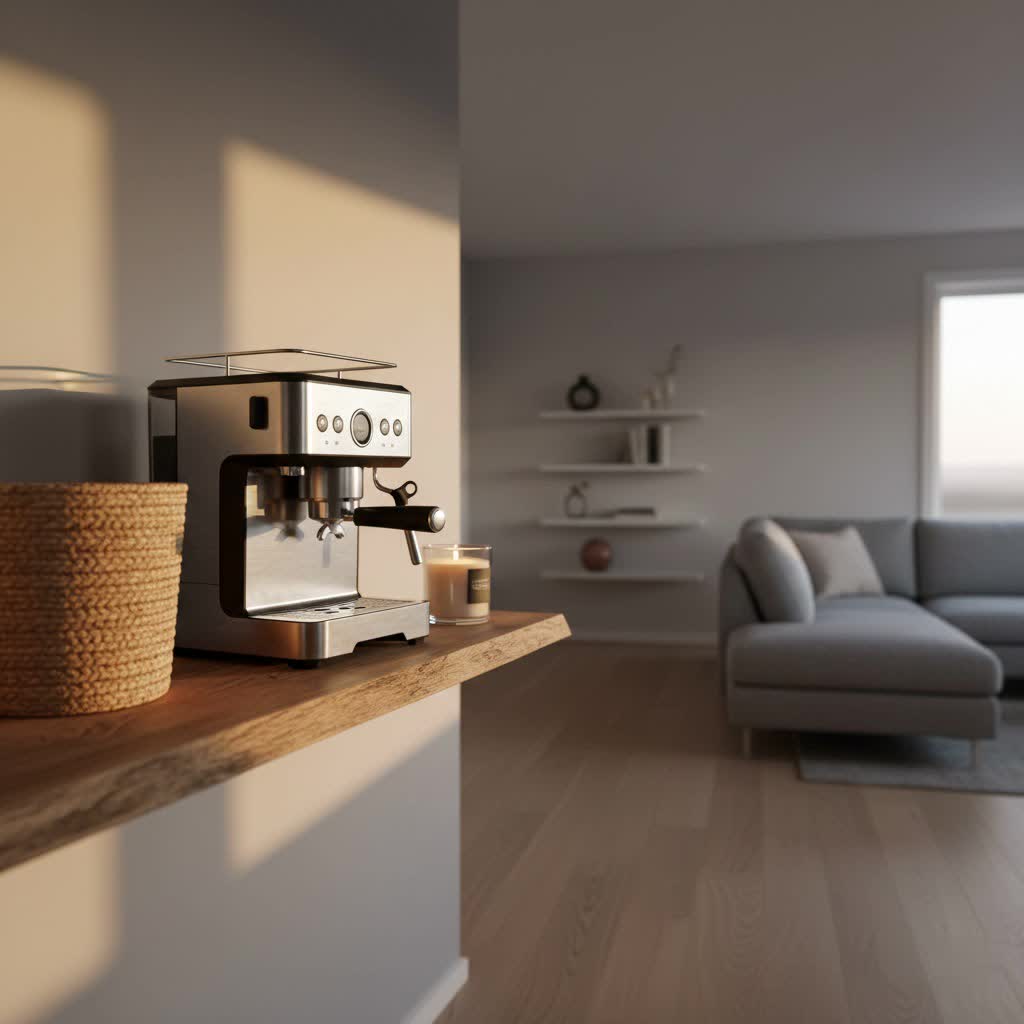
A mini espresso machine is, at its heart, a scaled-down version of its larger counterparts, engineered to deliver authentic espresso in a compact form factor. These machines prioritize space-saving design without compromising on the fundamental principles of espresso extraction. While their history isn’t as long as traditional machines, the demand for convenience and portability has driven innovation, leading to a diverse range of models that fit seamlessly into modern life.
There are several popular types of mini espresso machines, each offering a unique brewing experience:
- Manual Espresso Makers: These machines, like the WACACO Nanopresso or Flair Classic, put you in complete control. You manually apply pressure to extract the espresso, allowing for a highly customizable shot. They are often incredibly portable and don’t require electricity, making them ideal for travel or outdoor use.
- Semi-Automatic Espresso Machines: Offering a balance between automation and control, semi-automatic mini machines (such as the Breville Bambino Plus or De’Longhi Dedica) handle water heating and pumping, but require you to grind, dose, and tamp the coffee, and typically start/stop the shot manually. They are popular for home users wanting quality with some hands-on involvement.
- Automatic & Super-Automatic: While less common in the truly mini category, some compact automatic machines, particularly capsule-based systems like the Nespresso Pixie, fit the bill for their small footprint and ease of use. These do most of the work for you, from grinding to brewing, at the touch of a button.
- Portable Espresso Makers: A sub-category of manual machines, these are specifically designed for travel, camping, or on-the-go use, often fitting into a backpack. They are generally hand-powered and focus on extreme compactness.
Essential Components of a Mini Espresso Machine
Despite their small size, mini espresso machines incorporate the core components necessary for creating a rich, flavorful espresso. Understanding these parts will help you appreciate how these compact devices work their magic.
The pump is crucial, responsible for generating the high pressure (typically 9 to 15 bars) needed to force hot water through the finely ground coffee, extracting its essence. Many mini machines feature powerful vibratory pumps. The boiler or thermoblock heats the water to the optimal brewing temperature. Thermoblock systems are prevalent in mini machines due to their rapid heat-up times and energy efficiency.
The grouphead is where the hot water is delivered to the coffee puck. Attached to this is the portafilter, a handle with a basket that holds your coffee grounds. Portafilters come in various sizes (e.g., 54mm or 58mm), and the basket can be “pressurized” (more forgiving with grind size) or “non-pressurized” (requiring a precise grind for optimal results). For milk-based drinks, a steam wand or frother is essential. Some mini machines, like the Breville Bambino Plus, even feature automatic steam wands, while others offer manual control for texturing milk.
How to Choose Your Ideal Mini Espresso Machine
Selecting the perfect mini espresso machine involves a thoughtful assessment of your coffee habits, budget, and desired features. Taking the time to consider these factors will ensure your investment brings long-term enjoyment.
Determine Your Needs
|
Our Picks for the Best Espresso Machine in 2026
As an Amazon Associate I earn from qualifying purchases.
|
||
| Num | Product | Action |
|---|---|---|
| 1 | CASABREWS 3700 Essential Espresso Machine 20 Bar, Stainless Steel Cappuccino & Latte Machine with Steam Frother for Home, 43.9oz Water Tank, Coffee Gift for Women & Men, Silver |

|
| 2 | Ninja Luxe Café 3-in-1 Espresso, Drip Coffee and Cold Brew Machine - Integrated Coffee Grinder, Milk Frother, Assisted Tamper & Built-In Espresso Accessory Storage - Stainless Steel - ES601 |
|
| 3 | Breville Barista Express Espresso Machine BES870BSXL, Black Sesame |
|
| 4 | Gaggia Classic Evo Pro - Espresso Machine Jungle Green |
|
| 5 | Breville Bambino Espresso Machine BES450BSS, Brushed Stainless Steel |
|
| 6 | CASABREWS CM5418 Espresso Machine 20 Bar, Compact Espresso Maker with Steam Milk Frother, Stainless Steel Coffee Machine with 34oz Removable Water Tank for Cappuccino, Gift for Women or Men, Silver |
|
| 7 | Gevi Commercial Espresso and Coffee Makers, Professional 20 Bar Espresso Maker with Milk Frother, Stainless Steel Expresso Coffee Machines for Home, Compact Cappuccino Machine, Great Gift |
|
| 8 | Breville Barista Express Impress Espresso Machine BES876BSS, Brushed Stainless Steel |
|
| 9 | Breville Barista Express Espresso Machine BES870XL, Brushed Stainless Steel |
|
| 10 | De'Longhi Stilosa Manual Espresso Machine, Compact Coffee Maker, 15 Bar Pump Pressure, Manual Milk Frother Steam Wand for Authentic Single & Double Espresso, Lattes & Cappuccinos, Tamper Included |
|
Start by asking yourself: How often will you use your mini espresso machine? If it’s a daily ritual, durability and consistency are paramount. For occasional use or weekend trips, portability might be a higher priority. Consider how many people will be using it. A single-serve manual brewer is perfect for one, but a semi-automatic with a larger water tank is better for a couple or small family. Finally, think about your favorite coffee drinks. If straight espresso is your go-to, a simpler machine might suffice. If lattes and cappuccinos are a must, then a machine with an effective steam wand is essential.
Budget Considerations
Mini espresso machines span a wide price range. Entry-level options, typically manual portable brewers or basic semi-automatics, are generally more affordable, making them a great starting point for beginners or those with strict budget limits. Mid-range machines offer enhanced features, better build quality, and often more precise control over brewing parameters. While high-end compact machines are less common, some advanced manual lever machines can fall into this category, appealing to purists. Remember to factor in the cost of a good quality grinder, which is arguably as important as the machine itself, especially if your chosen mini espresso machine doesn’t have a built-in one or uses non-pressurized baskets.
Key Features to Look For
When evaluating different models, several features stand out. Pump pressure is vital for pump-driven machines; aim for at least 9 bars, with 15-bar pumps being common for home machines. The water tank capacity determines how frequently you’ll need to refill – a larger tank is more convenient for multiple drinks. Temperature control, often managed by a PID system, ensures stable brewing temperatures, which is critical for consistent espresso quality. Whether you need a built-in grinder depends on your preference; separate grinders typically offer more control but add to the footprint. Finally, assess the milk frothing capability if milk-based drinks are important to you.
Reputable Brands
Many reputable brands offer excellent mini espresso machine options. Breville is often praised for its user-friendly semi-automatic machines like the Bambino Plus, known for fast heat-up and automatic milk texturing. De’Longhi provides reliable and stylish options such as the Dedica and Stilosa, which offer good value. For those prioritizing portability and hands-on control, WACACO (Nanopresso, Picopresso) and Flair Espresso (Flair Classic, Neo) are leaders in the manual espresso maker segment. If convenience with capsules is key, Nespresso offers several compact models.
Comparing Popular Mini Espresso Machine Models
To help you visualize the choices, here’s a comparison of some highly-regarded mini espresso machine models:
| Model | Price Range ($) | Type | Key Features | Best For |
|---|---|---|---|---|
| Breville Bambino Plus | 400-500 | Semi-Automatic | Fast heat-up (3s), 54mm portafilter, automatic steam wand, 9-bar pump, compact design. | Beginners, milk drink lovers, small kitchens |
| De’Longhi Dedica Deluxe | 300-400 | Semi-Automatic | Slim profile, 15-bar pump, manual steam wand, customizable shot volume. | Style-conscious users, small spaces |
| WACACO Picopresso | 100-150 | Manual (Portable) | Hand-powered (18 bar max), non-pressurized 52mm portafilter, robust build, requires hot water. | Purists, travelers, adventurers |
| De’Longhi Stilosa | 100-150 | Semi-Automatic (Budget) | 15-bar pump, manual milk frother, compact footprint, dual-level cup holder. | Budget-conscious beginners |
| Flair Classic Espresso Maker | 150-250 | Manual (Lever) | Elegant design, highly manual control, non-pressurized, exceptional espresso quality. | Espresso enthusiasts, home baristas |
This comparison provides a snapshot, but deeper dives into reviews and specific features are always recommended before making a final decision.
Using and Maintaining Your Mini Espresso Machine
Owning a mini espresso machine is not just about brewing; it’s about mastering a craft and ensuring the longevity of your device. Proper usage and diligent maintenance are key to consistent, delicious espresso.
Preparation
Before you even pull a shot, a few preparatory steps are crucial. First, ensure your mini espresso machine is installed correctly, on a stable surface with access to power (if electric) and water. The coffee selection is perhaps the most critical factor: always use freshly roasted whole beans and grind them just before brewing. The grind size is paramount – too coarse, and your espresso will be weak; too fine, and it will be bitter and extract too slowly. Lastly, pre-heating your machine, portafilter, and even your cup is essential to maintain thermal stability and prevent a cold extraction that sours the taste.
Brewing Espresso
Brewing espresso is a precise dance. Start by dosing the correct amount of finely ground coffee into your portafilter basket, then use a tamper to press it down evenly. An uneven tamp can lead to channeling and poor extraction. During extraction, observe the flow: it should be a steady, honey-like stream. Aim for a shot time of 25-30 seconds for a standard double espresso. Adjusting your grind size is your primary tool for controlling the pressure and flow to achieve the best flavor. For manual machines, consistent pumping or lever pressure is key.
Cleaning and Care
Regular cleaning prevents clogs, scale buildup, and ensures hygienic operation. Daily cleaning should involve rinsing the portafilter and basket immediately after use, wiping down the steam wand (if applicable) to remove milk residue, and emptying the drip tray. Weekly or bi-weekly maintenance typically includes backflushing the grouphead (if your machine supports it) to clear coffee oils and using a grouphead brush to scrub away any residue. Monthly or quarterly deep cleaning involves descaling the machine, especially if you live in an area with hard water, using a specialized descaling solution. Always refer to your machine’s manual for specific cleaning instructions and recommended products. For portable units, ensure all components are thoroughly dried before reassembling and storing to prevent mold and odors.
Common Issues and Troubleshooting
Even the best mini espresso machines can encounter occasional hiccups. Knowing how to diagnose and address common problems can save you a trip to a repair shop.
If your machine isn’t heating up, first check that it’s properly plugged in and the power switch is on. If it still doesn’t heat, there might be an issue with the heating element or thermostat, which might require professional repair. Weak pressure or poor extraction often points to a grind size that is too coarse, insufficient tamping, or a faulty pump. Conversely, coffee flowing too slowly or being blocked usually indicates that your grind is too fine, you’ve over-tamped, or the portafilter basket is clogged.
Water leaking can be caused by loose connections, worn-out seals, or an overfilled water tank. Check all accessible connections and seals for wear. For issues like a steam wand that isn’t producing adequate steam, ensure it’s not clogged with dried milk. Many minor issues can be resolved with careful cleaning or adjustments to your brewing technique. However, for persistent problems, electrical malfunctions, or major component failures, it’s always best to call a qualified technician to avoid further damage.
Where to Buy Mini Espresso Machines
Acquiring a mini espresso machine is easier than ever, with a variety of options available to suit your shopping preferences.
You can find mini espresso machines at major retail stores like electronics outlets, home goods departments, and even some specialty coffee shops. These offer the benefit of seeing the machine in person and getting advice from sales associates. Online retailers such as Amazon, directly from manufacturer websites, or specialized coffee gear sites (like Whole Latte Love or Seattle Coffee Gear) provide a vast selection, competitive pricing, and user reviews that can be invaluable. When buying online, always ensure the vendor is reputable and offers a clear return policy. Consider buying a used machine for cost savings, but be aware of the potential risks, such as unknown maintenance history, wear and tear, and lack of warranty. If going this route, try to inspect the machine thoroughly or buy from a trusted seller with a good return policy.
Comprehensive Buying Guide
Beyond the basic features, a holistic approach to buying your mini espresso machine will ensure it truly integrates into your daily life.
Factors to Consider Before Purchase
Before finalizing your decision, consider practical aspects of living with a mini espresso machine. Space is often the primary driver for choosing a mini model, so measure your available countertop area and storage space. Evaluate the power requirements and ensure you have suitable electrical outlets. The noise level of a machine can vary significantly, especially for pump-driven models; if you live in a small apartment or have sleeping family members, a quieter machine might be preferable. Finally, the aesthetics of the machine can be important. Many mini machines come in sleek, modern designs that can complement your kitchen decor.
Essential Accessories
To unlock the full potential of your mini espresso machine, some accessories are highly recommended: A burr grinder is paramount for consistent, fresh grounds, which is the foundation of good espresso. A high-quality tamper provides a more even tamp than the often-flimsy plastic ones included with machines. If you enjoy milk drinks, a stainless steel milk pitcher is indispensable for steaming. A knock box offers a convenient way to dispose of spent coffee pucks. A coffee scale helps achieve precise dosing for consistent shot quality. Don’t forget cleaning supplies like a grouphead brush, descaling solution, and cleaning tablets to maintain your machine.
Reading Reviews and Price Comparison
Before making a final purchase, delve into user reviews and expert comparisons. Look for consistent feedback across multiple sources regarding performance, reliability, and ease of use. Pay attention to comments about specific features that matter most to you. Once you’ve narrowed down your choices, compare prices from various retailers to find the best deal, keeping an eye out for sales or bundles that include accessories.
Conclusion
Embracing the world of mini espresso machines allows you to enjoy the rich, nuanced flavors of espresso without needing a sprawling coffee station. Whether you’re drawn to the hands-on artistry of a manual lever, the convenient automation of a semi-automatic, or the ultimate portability for your travels, there’s a compact powerhouse waiting to elevate your coffee experience. By considering your needs, understanding the essential components, and choosing wisely, you can bring the barista experience right into your home, one perfect shot at a time. What will be the first exquisite espresso creation you craft with your new mini companion?
Frequently Asked Questions
Are mini espresso machines worth it?
Yes, mini espresso machines are absolutely worth it for coffee lovers with limited space, those on a budget, or individuals seeking portability. They can consistently produce high-quality espresso, often rivaling cafe drinks, when paired with fresh beans and a good grinder, making premium coffee accessible anywhere.
What’s the difference between a portable and a mini espresso machine?
While all portable espresso machines are mini, not all mini espresso machines are portable. “Mini” generally refers to any compact machine, including countertop semi-automatics. “Portable” specifically implies design for travel, often without electricity, focusing on extreme lightness and compactness for on-the-go use.
Can you use pre-ground coffee in a mini espresso machine?
You can use pre-ground coffee in some mini espresso machines, particularly those with pressurized portafilters or capsule systems. However, for the best flavor and crema, especially with non-pressurized baskets or manual machines, freshly ground whole beans are highly recommended as they provide optimal aroma and extraction quality.
