Brewing exceptional espresso at home might seem like a luxury reserved for those with deep pockets, but the truth is, a perfect shot doesn’t always come with a premium price tag. The market is now brimming with budget-friendly espresso machines that can deliver café-quality results, transforming your kitchen into a personal coffee haven. If you’ve been dreaming of rich, aromatic espresso, creamy lattes, and velvety cappuccinos without breaking the bank, you’re in the right place. This comprehensive guide will navigate you through the world of affordable espresso makers, helping you discover a machine that fits your budget and your brewing aspirations.
What is an Espresso Machine?
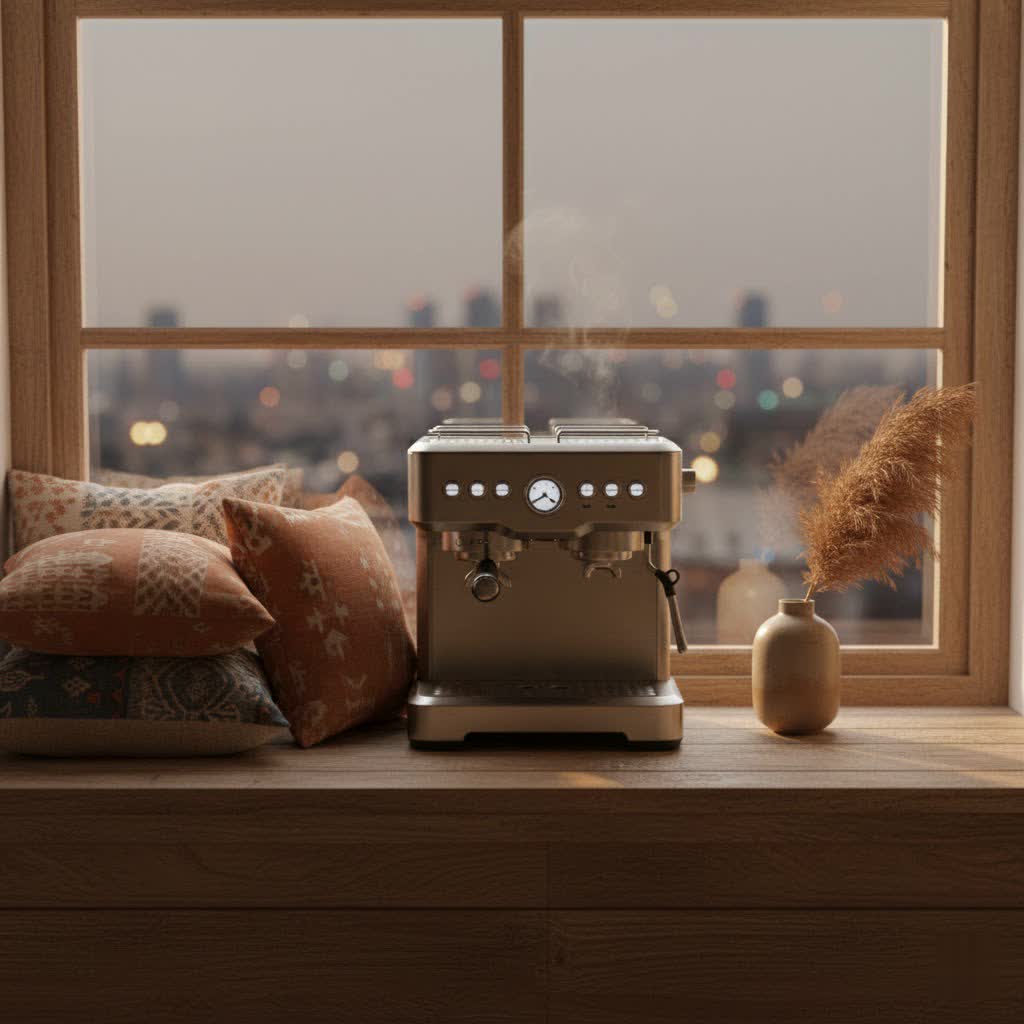
An espresso machine is a sophisticated device designed to force hot, high-pressure water through finely ground coffee, extracting a concentrated, flavorful beverage known as espresso. This process creates a shot characterized by its rich body, intense flavor, and a layer of golden-brown foam called crema on top.
The journey of the espresso machine began in Italy in the early 20th century, evolving from large, complex steam-driven devices to the more compact and user-friendly models we see today. The core principle remains the same: combining heat and pressure to rapidly extract coffee’s essence.
Modern home espresso machines primarily fall into a few categories:
- Manual Espresso Machines: These machines, like the Flair Neo Flex, require the user to physically apply pressure using a lever system. They offer unparalleled control over the extraction process and can produce incredibly high-quality shots with skill. However, they typically lack steaming capabilities and require more hands-on effort and precise technique.
- Semi-Automatic Espresso Machines: This is the most popular type for home baristas, especially in the budget category. These machines feature an electric pump to create pressure, but you control the grinding, tamping, and often the start and stop of the espresso shot. They usually come equipped with a steam wand for milk frothing, making them versatile for various coffee drinks.
- Automatic and Super-Automatic Espresso Machines: While generally outside the strict “budget” realm, some models, like the Breville Bambino Plus, incorporate automatic features. Fully automatic machines grind the beans, tamp, and brew with the press of a button, while super-automatics often handle milk frothing too. They offer convenience but come at a higher cost and less manual control over the shot.
Essential Components of an Espresso Machine
Understanding the key parts of an espresso machine helps you appreciate how your daily brew comes to life and what to look for in a budget model.
- The Pump: This is the heart of the espresso machine, responsible for generating the high pressure needed for extraction. While many machines advertise 15 or 20 bars of pressure, the ideal pressure at the grouphead (where coffee is extracted) is around 9 bars. Higher advertised numbers primarily indicate the pump’s capacity, not necessarily the actual brewing pressure.
- The Boiler/Heating System: This component heats the water to the optimal brewing temperature (typically between 195-205°F or 90-96°C).
- Single Boiler: Common in budget machines, it heats water for brewing and then needs to reheat to a higher temperature for steaming, requiring a short wait between tasks.
- Thermoblock or Thermojet Systems: Found in many modern compact machines, these heat water on demand, allowing for faster heat-up times and quicker transitions between brewing and steaming.
- The Grouphead: This is the part of the machine where the hot water is delivered to the coffee puck in the portafilter. Its temperature stability is crucial for consistent extraction.
- The Portafilter: A detachable handle with a basket that holds your finely ground coffee.
- Pressurized Portafilters: Often included with budget machines, these have a small hole that helps maintain consistent pressure, making them more forgiving of inconsistent grind sizes or tamping. They’re great for beginners and can even work with pre-ground coffee.
- Non-Pressurized Portafilters: These require a precise grind and consistent tamping to build the correct pressure. They offer more control for experienced users and can be a common upgrade for some budget machines, significantly improving shot quality.
- The Steam Wand: A crucial feature for milk-based drinks, the steam wand delivers hot steam to froth milk for lattes and cappuccinos. Budget machines often come with a “panarello” wand, which is easier for beginners to create foam, while more traditional wands offer greater control for latte art.
How to Choose Your Best Budget Espresso Machine
Selecting the right budget espresso machine involves balancing your needs, budget, and desired features. Here’s a detailed guide to help you make an informed decision.
Determine Your Needs
Before diving into specific models, consider how you intend to use your machine.
- Usage Frequency: Do you need a daily espresso fix or an occasional treat? More frequent use might warrant a machine with quicker heat-up times and robust build quality.
- Number of Users: Are you brewing for one, or do you regularly host friends and family? Machines with larger water reservoirs and faster recovery times are better for multiple servings.
- Drink Preferences: Are you an espresso purist, or do you dream of crafting lattes, cappuccinos, and Americanos? If milk-based drinks are a must, a machine with an effective steam wand is essential. If it’s just espresso, a manual machine could be a surprisingly high-quality budget option.
- Space: Kitchen counter space is often at a premium. Compact models like the Wirsh Espresso Machine or Casabrews 3700 Essential are designed to fit smaller kitchens without sacrificing performance.
|
Our Picks for the Best Espresso Machine in 2026
As an Amazon Associate I earn from qualifying purchases.
|
||
| Num | Product | Action |
|---|---|---|
| 1 | Gaggia Classic Evo Pro - Espresso Machine Jungle Green |

|
| 2 | Breville Barista Express Espresso Machine BES870XL, Brushed Stainless Steel |
|
| 3 | Breville Bambino Espresso Machine BES450BSS, Brushed Stainless Steel |
|
| 4 | Ninja Luxe Café 3-in-1 Espresso, Drip Coffee and Cold Brew Machine - Integrated Coffee Grinder, Milk Frother, Assisted Tamper & Built-In Espresso Accessory Storage - Stainless Steel - ES601 |
|
| 5 | De'Longhi Stilosa Manual Espresso Machine, Compact Coffee Maker, 15 Bar Pump Pressure, Manual Milk Frother Steam Wand for Authentic Single & Double Espresso, Lattes & Cappuccinos, Tamper Included |
|
| 6 | Gevi Commercial Espresso and Coffee Makers, Professional 20 Bar Espresso Maker with Milk Frother, Stainless Steel Expresso Coffee Machines for Home, Compact Cappuccino Machine, Great Gift |
|
| 7 | CASABREWS CM5418 Espresso Machine 20 Bar, Compact Espresso Maker with Steam Milk Frother, Stainless Steel Coffee Machine with 34oz Removable Water Tank for Cappuccino, Gift for Women or Men, Silver |
|
| 8 | Breville Barista Express Espresso Machine BES870BSXL, Black Sesame |
|
| 9 | Breville Barista Express Impress Espresso Machine BES876BSS, Brushed Stainless Steel |
|
| 10 | CASABREWS 3700 Essential Espresso Machine 20 Bar, Stainless Steel Cappuccino & Latte Machine with Steam Frother for Home, 43.9oz Water Tank, Coffee Gift for Women & Men, Silver |
|
Set Your Budget
Budget espresso machines typically fall into a few price brackets, each offering a different set of features and capabilities.
- Under $100: This segment includes basic semi-automatic machines, manual lever presses (like the Flair Neo Flex), and stovetop Moka pots. While Moka pots don’t make true espresso, they produce a strong, concentrated coffee. Machines in this range often feature pressurized portafilters and simpler steam wands. Expect to make some compromises on build quality or advanced features.
- $200-$300: This is a sweet spot for many budget-conscious buyers. Here, you’ll find reliable semi-automatic machines like the De’Longhi Stilosa or Breville Bambino, often with better steam wands, faster heating systems, and more consistent performance than their cheaper counterparts.
- Up to $500: At the higher end of the budget spectrum, machines like the Breville Bambino Plus or Gaggia Classic Evo Pro offer advanced features such as PID temperature control for precision, faster steaming, and durable components, providing excellent value for a serious home barista.
Crucially, remember to budget for a grinder. For true espresso, a quality burr grinder is almost as important as the machine itself. Many budget machines don’t include a grinder, or their built-in grinders (if any) might not offer the fine, consistent grind necessary for optimal espresso extraction, especially with non-pressurized baskets.
Key Features to Look For
When evaluating budget espresso machines, keep an eye out for these important specifications and features.
- Pressure: As mentioned, an ideal 9 bars of pressure at the grouphead is key. Don’t be swayed solely by pumps boasting 15-20 bars; focus on how well the machine manages and delivers that pressure during extraction.
- Temperature Control (PID): A PID (Proportional-Integral-Derivative) controller helps maintain a stable and precise brewing temperature, which is vital for consistent espresso flavor. While rare in entry-level machines, some mid-range budget options like the Breville Bambino offer this crucial feature.
- Heating System Efficiency: Thermoblock or Thermojet systems offer quick heat-up times (often under a minute) and faster transitions between brewing and steaming, which is a major convenience for busy mornings.
- Frothing Capability: Look for a machine with a dedicated steam wand if you enjoy milk drinks. While basic panarello wands are easier, some machines offer more powerful or articulate wands that allow for better microfoam for latte art.
- Ease of Use & Cleaning: For beginners, a machine with straightforward controls and minimal fuss is ideal. Features like removable water tanks, easy-to-access drip trays, and simple cleaning cycles contribute to a better user experience and ensure longevity.
- Portafilter Type: Decide if you prefer the forgiving nature of a pressurized portafilter (great for learning) or the control and potential for higher-quality shots offered by a non-pressurized one. Some budget machines allow for upgrades to non-pressurized baskets.
Reputable Brands
Focusing on brands known for quality and customer support can save you headaches down the line. Brands like Breville, Gaggia, and De’Longhi have established reputations, while newer players such as Casabrews and Wirsh are gaining traction in the budget segment. Always check for warranty information and the availability of spare parts or service.
Comparing Popular Budget Espresso Machines
The budget espresso machine market is diverse, offering options for every type of aspiring home barista. Here’s a look at some popular choices that consistently receive high marks for value and performance:
- Casabrews 3700 Essential: Often highlighted as a top pick for its overall balance of value and performance, this machine is praised for its compact size, user-friendly operation, and ability to produce consistently strong espresso. It includes a built-in steam wand and is beginner-friendly, making it ideal for those starting their home espresso journey.
- De’Longhi Stilosa: An excellent starter machine, the Stilosa is appreciated for its simple control dial, quick heat-up time, and elegant design. While it comes with a basic panarello steam wand, it can be upgraded with a non-pressurized basket for improved shot quality. Its simple operation makes it ideal for novices.
- Hamilton Beach Espresso Machine with Steamer: This is a very budget-friendly option, particularly noted for its adjustable milk frother, which offers a rare level of control at its price point. It also accommodates both espresso grounds and soft pods, providing brewing flexibility. However, some users note inconsistent water temperature.
- Wirsh Espresso Machine: Known for its extremely narrow footprint (often around 5.5 inches wide), the Wirsh is a perfect fit for small kitchens or limited counter space. It features automatic shot brewing, a sleek design, and a built-in steam wand, consistently pulling bold espresso with good crema.
- Breville Bambino: A step up in price, the Bambino offers instant heat-up with its ThermoJet system, precise PID temperature control, and programmable volumetric controls. It boasts a powerful steam wand but omits the automated steaming and 3-way solenoid valve of its ‘Plus’ sibling. It’s an excellent choice for a serious beginner looking for quality and speed.
- Breville Bambino Plus: At the higher end of the budget spectrum, the Bambino Plus is a standout for its “instant on, instant brew, instant steam” capabilities. It includes an automated milk frothing system with adjustable temperature and texture, a 3-way solenoid valve for clean pucks, and PID control, packing advanced features into a small footprint.
- Flair Neo Flex (Manual): For those seeking authentic espresso on a strict budget, the manual Flair Neo Flex is an outstanding choice. It’s portable, comes with both pressurized and non-pressurized baskets, and can produce remarkable shots. However, it requires a hands-on approach, including preheating, and does not have steaming capabilities.
- Gaggia Classic Evo Pro: A true classic, the Gaggia Classic Evo Pro is renowned for its durability, robust all-metal construction, and 58mm commercial-style portafilter. It’s also highly moddable, allowing enthusiasts to add features like PID controllers for precision temperature control, turning it into a powerhouse machine for its price.
Using and Maintaining Your Budget Espresso Machine
Even the best budget espresso machine needs proper care and technique to consistently deliver delicious results.
Preparation
- Proper Setup: Ensure your machine is placed on a stable, level surface and filled with fresh, filtered water.
- Quality Coffee Beans: Always start with freshly roasted, whole coffee beans. Grinding beans just before brewing is critical for optimal flavor. A good burr grinder is perhaps the most important accessory you can buy for an espresso setup.
- Warm-up is Key: Allow your machine sufficient time to warm up. Running a blank shot (without coffee) through the portafilter and grouphead can preheat the system and stabilize the temperature, leading to better extraction.
Brewing Espresso
- Grind Size Matters: Espresso requires a very fine, consistent grind—finer than for drip coffee. If your espresso flows too fast, your grind is too coarse; if it chokes the machine, it’s too fine. Adjust until you achieve a slow, steady stream.
- Dosing and Tamping: Use a consistent amount of coffee grounds (typically 17-22 grams for a double shot). Distribute them evenly in the portafilter basket, then tamp firmly and levelly. The goal is to create a compact, uniform puck for even water flow.
- Extraction Time: Aim for a double shot (around 30-40ml) to extract in 25-30 seconds. This is a general guideline; slight variations are normal based on your coffee and machine.
- Temperature and Pressure: While budget machines may offer less control, understanding your machine’s optimal settings and preheating steps will help maximize flavor extraction.
Cleaning and Descaling
Regular cleaning and maintenance are vital for the longevity and performance of your espresso machine.
- Daily Cleaning: After each use, wipe down the steam wand with a damp cloth immediately. Rinse the portafilter and basket, and empty the drip tray.
- Weekly Cleaning: Backflush your machine (if it supports it) with a cleaning tablet to remove coffee oils from the grouphead. Clean the grouphead shower screen thoroughly.
- Monthly/Quarterly Descaling: Mineral buildup from water can significantly impact machine performance and lifespan. Follow your manufacturer’s instructions for descaling, using a dedicated descaling solution. This is one of the most important maintenance tasks.
- Managing Retained Pressure: If your budget machine lacks a 3-way solenoid valve, wait a few minutes after brewing before removing the portafilter to avoid a “portafilter sneeze” (a sudden spray of coffee grounds due to residual pressure).
Common Issues and Troubleshooting
Even with careful use, you might encounter some common problems with your budget espresso machine. Here’s how to troubleshoot them:
- Weak or Under-extracted Espresso: This usually results in a thin, sour-tasting shot with little crema.
- Check: Are your beans fresh? Is the grind too coarse? Are you using enough coffee? Is your tamping even and firm enough? Is the machine reaching the proper brewing temperature?
- Bitter or Over-extracted Espresso: This yields a harsh, burnt-tasting shot.
- Check: Is the grind too fine? Are you using too much coffee? Is the water temperature too high? Is the extraction time too long?
- Machine Not Heating:
- Check: Is the machine plugged in correctly? Is the water tank full? Consult your manual for specific heating instructions.
- Low Pressure or Slow Flow: If your espresso barely drips or takes too long to extract.
- Check: Is the portafilter basket clogged? Is the grind too fine? Is the pump working correctly?
- Water Leaks:
- Check: Are all components, especially the portafilter, correctly secured? Are the gaskets around the grouphead worn out?
- When to Call a Technician: For persistent issues, electrical problems, or major leaks that you can’t resolve with basic troubleshooting, it’s best to contact the manufacturer’s support or a qualified repair technician.
Where to Buy a Budget Espresso Machine
Finding the perfect budget espresso machine means knowing where to look for the best selection and deals.
- Online Retailers: Websites like Amazon, Wayfair, and the official websites of brands like Breville, De’Longhi, and Casabrews offer a vast selection, competitive pricing, and often user reviews that provide valuable insights. Always check shipping policies and return options.
- Brick-and-Mortar Stores: Large department stores (like Target or Walmart), home goods stores, and sometimes specialty kitchen or coffee shops can offer models where you can see the machine in person and speak with sales associates.
- Used Machines: For experienced users or those comfortable with light repairs and modifications, the used market (e.g., online marketplaces, Reddit communities) can offer incredible value, especially for moddable machines like the Gaggia Classic Evo Pro. However, buying used carries inherent risks, so proceed with caution and verify the machine’s condition.
Essential Buying Guide Considerations
Beyond the core features, a few other factors can significantly impact your satisfaction with a budget espresso machine.
Pre-Purchase Checklist
- Kitchen Space & Aesthetics: Measure your available counter space and consider the machine’s dimensions. Does its design complement your kitchen decor?
- Noise Level: Some budget pumps can be quite loud during operation. If quiet mornings are important, look for reviews that mention noise levels.
- Power Requirements: Most home machines use standard outlets, but it’s always good to confirm.
Necessary Accessories
While the machine is the star, certain accessories are essential for a complete espresso setup, especially if they aren’t included or are of low quality.
- Quality Burr Grinder: If your machine doesn’t have a good built-in grinder, investing in a separate one is non-negotiable for true espresso.
- Tamper: Many budget machines come with plastic tampers. An upgraded metal tamper provides a better feel and more consistent results.
- Milk Pitcher: Essential for frothing milk with a steam wand.
- Digital Scale: For precise dosing of coffee beans and measuring espresso yield, ensuring consistency.
- Knock Box: A convenient container for knocking out used coffee pucks from the portafilter.
- Cleaning Supplies: Brushes for the grouphead, descaling solution, and cleaning tablets are crucial for maintenance.
Read Reviews and Compare Prices
Before making a final decision, leverage the experiences of other users. Read detailed reviews from multiple sources and compare prices across various retailers. Look for sales and bundle deals that might include essential accessories.
The pursuit of perfect espresso at home doesn’t require an extravagant investment. With careful research and consideration of your personal needs, you can find a budget espresso machine that consistently delivers delightful coffee, allowing you to enjoy barista-quality drinks every day. From compact semi-automatics to hands-on manual presses, the options are plentiful for crafting your ideal cup without breaking the bank.
Frequently Asked Questions
Can a budget espresso machine truly make good espresso?
Yes, absolutely! While high-end machines offer more features and consistency, many budget espresso machines are capable of producing rich, flavorful espresso with a decent crema, especially if paired with a good grinder and proper technique. The key is understanding the machine’s limitations and learning to work with it.
Do I need a special grinder for a budget espresso machine?
A good burr grinder is crucial for any espresso machine, budget or otherwise. For budget machines, especially those with non-pressurized portafilters, a consistent, fine grind is vital. While some budget machines come with pressurized baskets that are more forgiving, investing in a dedicated espresso grinder will significantly improve your results.
What’s the difference between a pressurized and non-pressurized portafilter?
A pressurized portafilter (often called a “dual-wall” basket) has a smaller exit hole that helps build resistance and pressure, making it more forgiving of inconsistent grind size or tamping. A non-pressurized (or “single-wall”) portafilter relies entirely on the finely ground coffee and your tamping technique to create pressure, offering more control for discerning baristas.
How often should I descale my budget espresso machine?
Descaling frequency depends on your water hardness and how often you use the machine. As a general rule, it’s recommended to descale every 1-3 months. Regular descaling prevents mineral buildup, which can clog the machine, affect water flow, and impact heating efficiency, ultimately extending your machine’s lifespan.
What does ‘bar pressure’ mean for an espresso machine?
Bar pressure refers to the force with which water is pushed through the coffee grounds. While many budget machines advertise pumps capable of 15 or 20 bars, the optimal pressure for extracting espresso at the grouphead is around 9 bars. Anything higher than 9 bars at the coffee puck won’t necessarily make a stronger shot; rather, it indicates the pump’s capacity.
