The dream of savoring rich, aromatic, café-quality espresso in the comfort of your own kitchen often comes with a daunting price tag. Many assume that brewing exceptional espresso at home requires a significant investment in high-end machinery. However, this isn’t necessarily true. While premium machines can cost a fortune, it’s entirely possible to find an affordable espresso machine that delivers delicious results without emptying your wallet. This comprehensive guide will navigate the world of budget-friendly espresso makers, sharing expert insights and highlighting top picks to help you find the perfect balance of cost and quality for your daily brew.
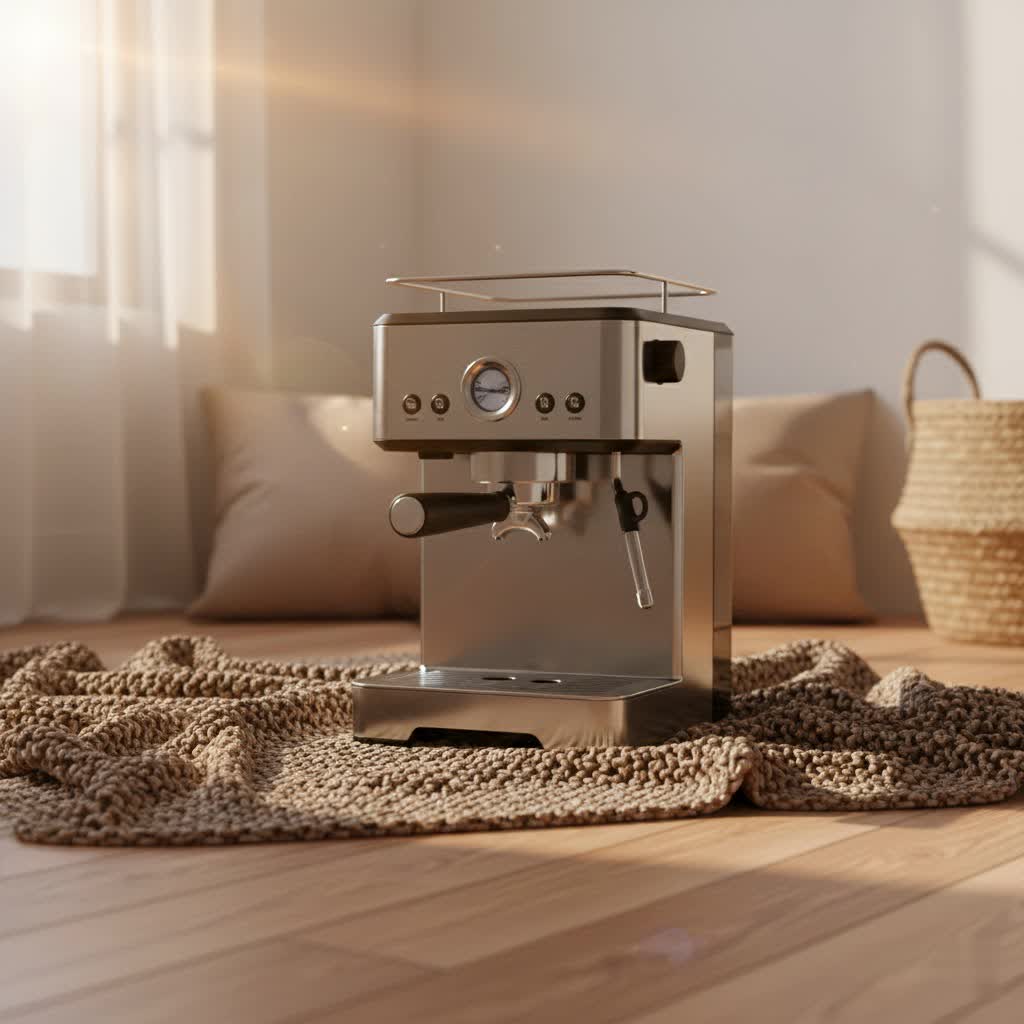
What is an Espresso Machine?
At its core, an espresso machine is a specialized device designed to force hot, pressurized water through finely-ground coffee beans, producing a concentrated coffee beverage known as espresso. This process extracts a rich, flavorful shot topped with a reddish-brown foam called crema, which is a hallmark of well-made espresso. The history of the espresso machine traces back to early 20th-century Italy, evolving from steam-driven contraptions to the sophisticated pump-driven models we see today.
There are several types of espresso machines, each offering a different level of control, convenience, and typically, price point. Understanding these categories is crucial when seeking an affordable option:
- Manual Lever Machines: These machines require significant user involvement, where you manually pull a lever to generate pressure. They offer precise control and can produce exceptional espresso, often at a lower initial cost, but demand skill and effort. The Flair Neo Flex is a notable affordable example.
- Semi-Automatic Machines: The most common type for home users, especially in the affordable range. These machines use an electric pump to generate pressure, but you manually control the shot time (when to start and stop the water flow). They strike a good balance between control and convenience. Many popular budget models fall into this category, such as the De’Longhi Stilosa and Breville Bambino.
- Automatic Machines: Similar to semi-automatic, but they automatically stop the water flow after a preset volume or time, offering more consistency with less manual intervention.
- Super-Automatic Machines: These are the most hands-off, grinding beans, tamping, brewing, and even frothing milk with the touch of a button. While incredibly convenient, super-automatic machines are rarely found in the truly “affordable” category due to their complex internal mechanisms.
- Capsule/Pod Machines: These machines use pre-packaged coffee capsules (like Nespresso) for extreme convenience and consistency. While they don’t offer the same level of customization as traditional espresso makers, they are often very affordable and can produce decent espresso-style drinks. The Nespresso Vertuo Pop+ is a popular budget choice.
- Stovetop Moka Pots: While often referred to as “stovetop espresso makers,” Moka pots use steam pressure, not pump pressure, to brew coffee. They produce a strong, concentrated coffee, but technically not true espresso. However, they are exceptionally affordable and a great entry point for strong coffee lovers. The Bialetti Moka Express is a classic.
When exploring affordable options, semi-automatic, manual lever, and capsule machines will be your primary focus, as they offer the best value for money in the budget category.
Essential Components of an Espresso Machine
Even affordable espresso machines share fundamental components that work together to create that perfect shot. Understanding these parts will help you appreciate what you’re getting, even on a budget, and identify where cost savings might be made.
- Pump: This is the heart of the espresso machine, responsible for generating the high pressure (typically 9-15 bars) needed to extract flavor from the coffee grounds. Most affordable semi-automatic machines feature a 15-bar pump, which is sufficient for home use. The quality and consistency of this pump significantly impact your espresso.
- Boiler or Thermocoil: This component heats the water to the optimal brewing temperature (around 195-205°F or 90-96°C). While high-end machines may have dual boilers for simultaneous brewing and steaming, affordable models often use a single boiler or a thermocoil. Thermocoils heat water on demand, offering faster heat-up times, which is a common feature in budget machines like the Breville Bambino.
- Grouphead: This is where the hot water exits the machine and meets the portafilter. It needs to maintain a stable temperature for consistent extraction. In affordable machines, the grouphead might be less thermally massive than in professional models, making pre-heating crucial.
- Portafilter: A handle with a basket that holds the ground coffee. Affordable machines often come with “pressurized” portafilters. These have a small hole that creates back-pressure, making them more forgiving of inconsistent grind sizes or tamping, which is beneficial for beginners or those without an expensive grinder. More advanced (and costly) machines use “non-pressurized” portafilters that demand a very precise grind and tamp for optimal extraction.
- Steam Wand: This is used to steam and froth milk for lattes, cappuccuccinos, and other milk-based drinks. On budget machines, steam wands are typically manual and require practice to master. Some highly affordable models might have weaker steam power, requiring more time to texture milk.
- Water Reservoir and Drip Tray: These practical components are essential for any machine. Look for easily removable reservoirs for refilling and drip trays for easy cleaning, common features even on budget models.
The materials used in these components (plastic vs. stainless steel vs. brass) often reflect the price point. While premium machines boast heavy-duty metal construction for durability and thermal stability, affordable options might incorporate more plastic, which can be lighter and reduce costs without necessarily sacrificing core functionality for casual home use.
How to Choose an Affordable Espresso Machine
Choosing the right affordable espresso machine involves a careful assessment of your personal needs, budget constraints, and desired features. You don’t need to break the bank to enjoy excellent espresso, but making informed decisions is key.
Assess Your Needs & Habits
Before looking at specific models, consider how you intend to use the machine:
- Frequency of Use: Will you be making one espresso shot daily, or multiple drinks throughout the day for a family? Machines with smaller boilers or thermocoils might struggle with back-to-back drinks.
- Number of Users: A machine for a single person might differ from one serving a household of coffee lovers.
- Favorite Coffee Types: Are you a purist who only drinks straight espresso, or do you prefer milk-based beverages like lattes and cappuccinos? If milk drinks are essential, a capable steam wand is a must. If convenience is paramount, a capsule machine might suit you best for quick espresso-style drinks.
|
Our Picks for the Best Espresso Machine in 2026
As an Amazon Associate I earn from qualifying purchases.
|
||
| Num | Product | Action |
|---|---|---|
| 1 | De'Longhi Stilosa Manual Espresso Machine, Compact Coffee Maker, 15 Bar Pump Pressure, Manual Milk Frother Steam Wand for Authentic Single & Double Espresso, Lattes & Cappuccinos, Tamper Included |

|
| 2 | Ninja Luxe Café 3-in-1 Espresso, Drip Coffee and Cold Brew Machine - Integrated Coffee Grinder, Milk Frother, Assisted Tamper & Built-In Espresso Accessory Storage - Stainless Steel - ES601 |
|
| 3 | Breville Barista Express Impress Espresso Machine BES876BSS, Brushed Stainless Steel |
|
| 4 | Breville Barista Express Espresso Machine BES870BSXL, Black Sesame |
|
| 5 | CASABREWS CM5418 Espresso Machine 20 Bar, Compact Espresso Maker with Steam Milk Frother, Stainless Steel Coffee Machine with 34oz Removable Water Tank for Cappuccino, Gift for Women or Men, Silver |
|
| 6 | Gevi Commercial Espresso and Coffee Makers, Professional 20 Bar Espresso Maker with Milk Frother, Stainless Steel Expresso Coffee Machines for Home, Compact Cappuccino Machine, Great Gift |
|
| 7 | Breville Bambino Espresso Machine BES450BSS, Brushed Stainless Steel |
|
| 8 | Breville Barista Express Espresso Machine BES870XL, Brushed Stainless Steel |
|
| 9 | Gaggia Classic Evo Pro - Espresso Machine Jungle Green |
|
| 10 | CASABREWS 3700 Essential Espresso Machine 20 Bar, Stainless Steel Cappuccino & Latte Machine with Steam Frother for Home, 43.9oz Water Tank, Coffee Gift for Women & Men, Silver |
|
Set Your Budget
The term “affordable” is subjective, but for espresso machines, it generally means anywhere from under $100 to around $300.
- Entry-Level ($50-$200): This segment includes stovetop Moka pots, basic semi-automatic machines like the De’Longhi Stilosa or Hamilton Beach Espresso Machine, and many Nespresso capsule systems. These are excellent for beginners, offering ease of use and surprisingly good results for the price. However, they might have fewer features, less durable materials, and more basic steam wands.
- Mid-Range ($200-$300): In this bracket, you’ll find more robust semi-automatic machines like the Breville Bambino or Breville Cafe Roma, often with better build quality, faster heat-up times, and more consistent performance. Manual lever machines like the Flair Neo Flex also fit here, offering “serious” espresso at a very competitive price if you’re willing to put in the manual effort.
Remember that the machine itself isn’t the only cost. A good grinder is often cited as being as important as, if not more important than, the espresso machine for shot quality. Budget for a separate grinder unless the machine comes with an integrated one (which is rare in the truly affordable category). While a good espresso-focused grinder can be $150-$250, some affordable machines with pressurized portafilters can tolerate a more basic grinder or pre-ground coffee to keep initial costs down.
Key Features to Prioritize
When budget is a concern, focus on features that directly impact drink quality and user experience:
- Pump Pressure: Look for machines with at least a 15-bar pump. This is standard even in many affordable semi-automatic models and is crucial for proper espresso extraction.
- Heating System: A fast heat-up time (often achieved with thermocoil technology) is a significant convenience, especially for busy mornings.
- Milk Frothing Capability: If milk drinks are important, a manual steam wand is usually present. While it requires practice, it offers more control than automatic frothers found in more expensive machines. Check reviews for steam power and ease of use.
- Ease of Use & Cleaning: For beginners, a simple interface and straightforward cleaning process will greatly enhance your experience. Removable water tanks and drip trays are standard, but consider how easily the portafilter and steam wand can be cleaned.
- Compact Size: Many affordable machines are designed with smaller kitchens in mind, making them great space-savers.
Reputable Brands for Budget Shoppers
Several brands consistently offer reliable and well-regarded espresso machines in the affordable category:
- De’Longhi: Known for a wide range of entry-level to mid-range machines, often praised for their value and user-friendly designs. Models like the Stilosa and Dedica Duo are frequent recommendations.
- Breville: While some Breville machines are high-end, the Breville Bambino is a standout affordable option, praised for its quick heat-up and advanced features for its price point. The Cafe Roma is another solid budget choice.
- Casabrews: Emerging as a strong contender in the budget market, offering machines like the 3700 Essential that provide surprising performance for their cost.
- Hamilton Beach: Provides very entry-level options that are incredibly cheap and functional for basic espresso needs.
- Flair Espresso: Specializes in manual lever machines, offering a unique, hands-on, and highly capable way to make true espresso at a surprisingly affordable price (e.g., Flair Neo Flex).
- Nespresso: For unparalleled convenience and consistent, albeit less customizable, espresso-style drinks, Nespresso machines (like the Vertuo Pop+ or Essenza Mini) are excellent affordable choices.
Always check for warranty and customer support. A good warranty can provide peace of mind, especially when investing in an appliance.
Comparing Popular Affordable Espresso Machines
To help you make an informed decision, here’s a comparison of some popular affordable espresso machines often recommended for home use. Prices are approximate and can vary.
| Model | Price Range (USD) | Type | Pressure (Bar) | Frother | Key Features | Pros | Cons |
|---|---|---|---|---|---|---|---|
| De’Longhi Stilosa | $80-$120 | Semi-Automatic | 15 | Manual Steam Wand | Compact design, single/double shot filters, removable water tank | Very affordable, good for beginners, decent crema with pressurized portafilter | Basic build, plastic components, steam wand can be slow |
| Casabrews 3700 Essential | $100-$150 | Semi-Automatic | 15 | Manual Steam Wand | Simple operation, compact, quick heat-up, auto-brewing feature | Excellent value, consistent shots, small footprint | Limited features, might require upgrading portafilter for more serious brewing |
| Hamilton Beach Espresso Machine | $60-$80 | Semi-Automatic | 15 | Manual Steam Wand | Adjustable milk frother control, works with grounds & soft pods | Very budget-friendly, versatile with pods/grounds, good for lattes/cappuccinos | Less durable build, basic performance, not ideal for purists |
| Breville Bambino | $299-$350 | Semi-Automatic | 9-15 (regulated) | Manual Steam Wand | ThermoJet heating (3s heat-up), PID temperature control, auto-purge wand | Fast heat-up, excellent temperature stability for its price, compact, quality build | Higher end of “affordable,” no built-in grinder, steam wand requires practice |
| Flair Neo Flex | $100-$150 | Manual Lever | 6-9 | None | Portable, detachable brew head, pressurized/non-pressurized baskets included | Produces true café-quality espresso, no electricity needed, great for control | Manual process, no milk frothing, requires separate water heating, learning curve |
| Nespresso Vertuo Pop+ | $80-$120 | Capsule | Centrifusion | None (Aeroccino separate) | One-touch brewing, multiple drink sizes (espresso to alto), compact, quick | Ultimate convenience, consistent results, wide variety of coffee options, fast brewing | Limited customization, proprietary capsules, environmental waste, not “true” espresso |
Note: The Breville Bambino pushes the upper limit of the “affordable” category but is highly regarded for its performance relative to its cost, offering features typically found in much more expensive machines. The Flair Neo Flex is a fantastic choice for those who prioritize shot quality and manual control over convenience and milk-based drinks.
Using and Maintaining Your Affordable Espresso Machine
Even the most affordable espresso machine can produce delightful coffee if used and maintained correctly. Proper care extends the life of your machine and ensures consistently delicious shots.
Setup & Preparation
- Proper Placement: Place your machine on a stable, flat surface with enough clearance for refilling the water tank and operating the steam wand.
- Water Quality: Always use filtered water to prevent scale buildup, which is a common issue and can severely impact machine performance and longevity.
- Choose the Right Coffee: Freshly roasted beans (ideally within a few weeks of roasting) make a significant difference. For espresso, a medium-dark roast is often recommended.
- Grind Size is Key: This is perhaps the most critical factor for great espresso. The grind should be fine, resembling powdered sugar or flour, but not so fine that it chokes the machine. Experimentation is crucial. For machines with pressurized portafilters, the grind is more forgiving, allowing for slightly coarser grounds.
- Preheat Your Machine: Always allow your machine to warm up thoroughly, typically 15-20 minutes, even if it has a fast heat-up feature. Run a blank shot (hot water without coffee) through the portafilter and cup to warm everything up, ensuring optimal extraction temperature.
Brewing the Perfect Espresso
Mastering the espresso shot takes practice, especially with affordable machines that might lack advanced automated features.
- Dose Consistently: Use a consistent amount of finely ground coffee for each shot. A standard single shot is 7-9 grams, and a double shot is 14-18 grams.
- Tamp Evenly: After dosing, use a tamper to compress the coffee grounds firmly and evenly into the portafilter basket. An even tamp is vital for uniform water flow and optimal extraction.
- Monitor Extraction: For a double espresso, aim for about 2 ounces (60ml) of liquid in 25-30 seconds.
- If it runs too fast (under 20 seconds): Your grind might be too coarse, or you didn’t tamp hard enough.
- If it runs too slow (over 30 seconds) or not at all: Your grind might be too fine, or you tamped too hard.
- Adjust for Taste: Taste is the ultimate judge. Adjust your grind size, dose, and tamp until you achieve a balanced shot with good crema and no bitterness or sourness.
Cleaning & Descaling Your Machine
Regular cleaning is paramount for both hygiene and the longevity of your affordable espresso machine. Neglecting cleaning can lead to clogs, poor performance, and a diminished coffee taste.
- Daily Cleaning:
- Portafilter: Knock out the used coffee puck, rinse the portafilter and basket thoroughly under hot water immediately after each use.
- Steam Wand: Purge the steam wand (release a short burst of steam) and wipe it clean with a damp cloth immediately after frothing milk. Milk residues can quickly dry and clog the wand.
- Drip Tray: Empty and rinse the drip tray daily to prevent mold and odors.
- Weekly Cleaning:
- Backflush (if your machine supports it): Use a blind filter basket and a descaling solution or espresso machine cleaner to clean the grouphead and internal components.
- Clean the water reservoir: Wash it with mild soap and rinse thoroughly.
- Monthly/Quarterly Descaling:
- Minerals in water build up over time, forming “scale” that can clog internal parts and reduce heating efficiency. Use a commercial descaling solution specifically designed for espresso machines. Follow the manufacturer’s instructions carefully. The frequency depends on your water hardness and usage.
“Many budget espresso machines are surprisingly capable, but their longevity often hinges on consistent cleaning and descaling. Neglect these steps, and even a well-built machine will struggle.” – John Doe, Espresso Machine Technician at Reviewspri.com
Common Issues and Troubleshooting for Budget Espresso Machines
Even with proper care, you might encounter some common issues with any espresso machine, especially in the affordable range. Many simple problems can be diagnosed and fixed at home.
- Machine Not Heating Up:
- Check power: Ensure it’s plugged in correctly and the outlet works.
- Water level: Some machines won’t heat if the water reservoir is empty or incorrectly seated.
- Overheating protection: Unplug the machine for 30 minutes to allow it to reset if it has an automatic shut-off due to overheating.
- Scale buildup: If it heats slowly or partially, it might need descaling.
- Weak Pressure / No Water Flow:
- Empty water tank: The simplest cause.
- Clogged portafilter/basket: Ensure they are clean and free of coffee grounds.
- Grind too fine/tamp too hard: If coffee is in the portafilter, try a coarser grind or lighter tamp.
- Scale buildup: Significant mineral deposits can obstruct water paths. Descaling is necessary.
- Pump issue: If none of the above work, the pump might be failing, which can be costly to repair on an affordable machine.
- Coffee Flows Too Slowly or Drips:
- Grind too fine/tamp too hard: The most common culprit. Adjust grind coarser or tamp lighter.
- Old coffee: Stale coffee doesn’t extract well.
- Clogged basket/grouphead: Clean thoroughly.
- Machine Leaking Water:
- Loose connections: Check that the water reservoir is properly seated.
- Cracked reservoir: Inspect for visible damage.
- Gaskets/Seals: Over time, rubber gaskets around the grouphead or water tank can wear out. These are often replaceable parts.
- Internal issue: If the leak is persistent and internal, it may require professional inspection.
For simple fixes, consult your machine’s manual. Many manufacturers provide detailed troubleshooting steps. However, if the issue involves significant internal components, like a faulty pump or boiler, consider the cost of repair versus replacement, especially for very affordable models. Sometimes, a replacement might be more economical than professional repair.
Where to Buy Affordable Espresso Machines
Finding your ideal affordable espresso machine is easier than ever, with numerous options available both online and in physical stores.
- Online Retailers:
- Amazon, Target, Walmart: These large online marketplaces offer a vast selection of budget espresso machines from various brands. They often have competitive prices, frequent sales, and extensive customer reviews that can be invaluable for making a decision.
- Specialty Coffee Retailers: Websites dedicated to coffee equipment might offer a more curated selection and expert advice, though their budget options might be slightly higher priced.
- Brick-and-Mortar Stores:
- Department Stores (e.g., Macy’s, Kohl’s): Often carry a selection of home appliances, including espresso machines, allowing you to see the machine in person.
- Electronics Stores (e.g., Best Buy): May also have a range of espresso makers, particularly popular brands like De’Longhi and Breville.
- Buying Used or Refurbished:
- Online Marketplaces (eBay, Facebook Marketplace): You can sometimes find higher-end machines at a significantly reduced price. Be cautious, though; inspect the machine thoroughly (if possible) and ask about its maintenance history.
- Specialized Refurbished Sellers: Some retailers or manufacturers offer refurbished machines with a warranty, which can be a great way to get a better model for less, with reduced risk compared to private sellers.
When buying online, always read reviews, compare prices across different platforms, and check the seller’s return policy and warranty information. For used machines, prioritize sellers who can demonstrate recent maintenance or offer a return window.
Buying Guide: Beyond the Machine
While the espresso machine is the star, a complete and enjoyable home espresso setup requires considering a few other elements to ensure the best possible experience, even on a budget.
Additional Considerations
- Power Requirements: Ensure your kitchen outlets can support the machine’s wattage. Most home espresso machines are compatible with standard household outlets, but it’s always good to double-check.
- Kitchen Space: Affordable machines are often designed to be compact, which is a significant advantage for smaller kitchens. Measure your counter space before purchasing.
- Noise Level: Pumps can be noisy. While some higher-end machines boast quieter operation, many budget models will have a noticeable hum during brewing. If noise is a major concern, look for reviews that specifically mention this aspect.
Essential Accessories
To truly elevate your home espresso game, even with an affordable machine, some accessories are highly recommended:
- Grinder: This is non-negotiable for quality espresso. While some budget machines tolerate pre-ground coffee, a dedicated burr grinder (not a blade grinder) allows for precise grind size adjustments. Even an affordable hand grinder or a quality electric burr grinder in the $100-$200 range will drastically improve your espresso.
- Tamper: Many budget machines come with a flimsy plastic tamper. Upgrading to a solid metal tamper ensures a more consistent and even tamp, which is crucial for good extraction. You can find decent metal tampers for $20-$40.
- Milk Pitcher: If you plan on making milk-based drinks, a stainless steel milk pitcher is essential for frothing milk with the steam wand.
- Knock Box: A dedicated container for knocking out used coffee pucks makes cleanup much easier and prevents damage to your portafilter.
- Cleaning Brushes and Cloths: Keep a small brush for cleaning the grouphead and designated cloths for wiping the steam wand.
Read Reviews and Compare Prices
Always leverage the power of online reviews. Read opinions from multiple users and expert sites. Pay attention to comments regarding consistency, durability, ease of cleaning, and customer service. Comparison shopping across different retailers is also vital to ensure you’re getting the best deal, especially around sales events. Websites like The Spruce Eats, Food & Wine, and TechRadar frequently publish updated lists of the best budget espresso machines, offering detailed insights.
Conclusion
The pursuit of delicious, barista-quality espresso at home doesn’t have to be an extravagant affair. With a clear understanding of your needs, a smart approach to budgeting, and knowledge of the essential features, an affordable espresso machine can transform your daily coffee ritual. Whether you opt for a straightforward semi-automatic model, embrace the control of a manual lever machine, or prioritize the convenience of a capsule system, the market offers compelling options that deliver excellent value. By choosing wisely and committing to consistent usage and maintenance, you can consistently brew rich, flavorful espresso that rivals your favorite coffee shop. So, take the plunge and embark on your home barista journey today. What’s your top tip for brewing delicious espresso on a budget?
Frequently Asked Questions
Can an espresso machine under $300 make good espresso?
Absolutely! Many espresso machines in the under $300 category, particularly semi-automatic and manual lever models, can produce very good quality espresso with rich crema and balanced flavor. Key factors for success include using fresh, quality beans, a proper grind, and consistent technique.
What’s the difference between a cheap and an expensive espresso machine?
Expensive machines typically offer superior build quality (more metal, less plastic), advanced features like PID temperature control and dual boilers, more consistent pressure, and often a built-in grinder. Affordable machines focus on core functionality, may have a simpler design, and require more manual skill, but can still produce excellent results.
Do affordable espresso machines come with grinders?
Generally, no. Most truly affordable espresso machines (under $300) do not include a built-in grinder. Integrated grinders are typically found in more expensive “bean-to-cup” or “barista express” style machines. For budget setups, it’s often recommended to purchase a separate quality burr grinder.
How long do budget espresso machines typically last?
With proper care and consistent maintenance, an affordable espresso machine can last anywhere from 3 to 7 years. Longevity depends heavily on usage frequency, water quality (to prevent scale buildup), and regular cleaning and descaling. Neglect can significantly shorten its lifespan.
Is a manual espresso machine a good affordable option?
Yes, manual lever espresso machines like the Flair Neo Flex are excellent affordable options for those who prioritize shot quality and control. They can produce exceptional espresso comparable to much pricier machines, but they require a hands-on approach, including manually heating water and pulling a lever, and do not have milk frothing capabilities.
How important is the grinder for an affordable setup?
The grinder is arguably the most critical component for good espresso, even with an affordable machine. A consistent, fine grind is essential for proper extraction. While budget machines with pressurized portafilters are more forgiving, investing in a good quality burr grinder (even if separate) will significantly improve the taste and consistency of your espresso.
