For coffee enthusiasts worldwide, the pursuit of the perfect espresso often leads to one name: Gaggia. With a legacy spanning over 80 years, this iconic Italian brand has shaped the very definition of modern espresso, bringing café-quality beverages into homes around the globe. Whether you’re a seasoned barista or just beginning your journey into the rich world of espresso, understanding Gaggia’s heritage and diverse machine offerings is the first step toward crafting your ideal cup. This comprehensive guide will navigate you through Gaggia’s innovative range, helping you identify the espresso machine that perfectly aligns with your passion and lifestyle.
What is an Espresso Machine?
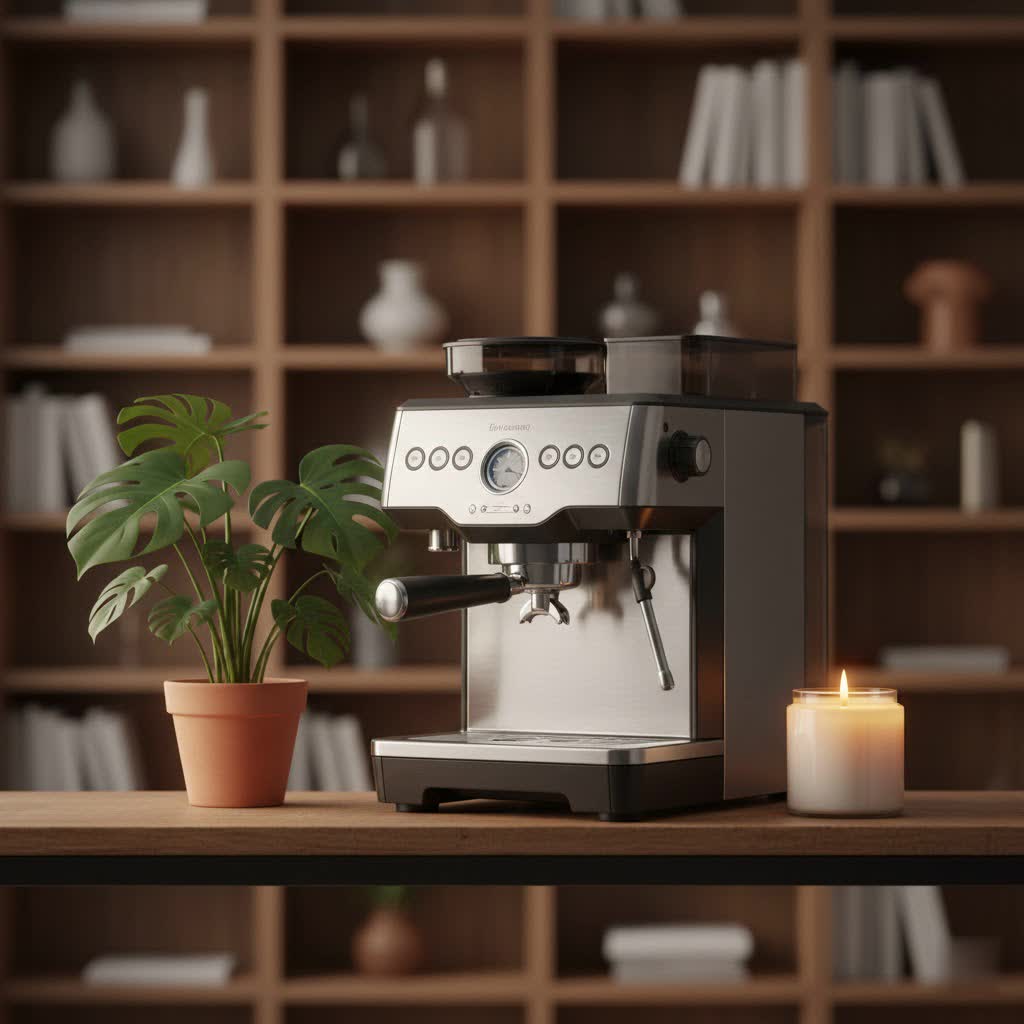
At its heart, an espresso machine is a specialized device designed to force hot, pressurized water through finely-ground coffee beans, yielding a concentrated and aromatic beverage known as espresso. This brewing method, distinct from regular drip coffee, creates espresso’s signature rich flavor and a layer of reddish-brown foam called “crema” on top. The invention of the modern espresso machine is largely credited to Achille Gaggia, a Milanese barista who, in 1938, patented a revolutionary steam-free system that used pressurized water, giving birth to the crema we cherish today.
Over time, espresso machines have evolved into several main types:
- Manual Espresso Machines: These machines require the user to manually pull a lever to generate pressure, offering ultimate control and a highly engaging brewing experience.
- Semi-Automatic Espresso Machines: The most popular type for home baristas, these machines use an electric pump for pressure, but give the user control over grind size, tamping, and shot duration. The Gaggia Classic Pro is a prime example.
- Automatic Espresso Machines: These simplify the process further by automatically stopping the shot extraction based on a pre-set volume.
- Super-Automatic Espresso Machines: Offering maximum convenience, these “bean-to-cup” machines grind beans, tamp, brew, and even froth milk at the touch of a button, making them ideal for those seeking speed and simplicity.
Understanding the Core Components of an Espresso Machine
To truly appreciate the craftsmanship of a Gaggia espresso machine, it helps to understand the key components that work in harmony to produce your favorite brew. Each part plays a crucial role in the extraction process and influences the final quality of your espresso.
The pump is responsible for generating the necessary pressure to force water through the coffee grounds. Most home machines operate at 9 or 15 bars, with 9 bars generally considered optimal for espresso extraction, though many entry-level machines are set to 15 bars from the factory. The boiler heats the water to the precise brewing temperature. Gaggia machines often feature durable brass or aluminum boilers, which contribute to temperature stability.
The grouphead is where the hot water exits and comes into contact with the coffee. A commercial-sized 58mm grouphead, found on models like the Gaggia Classic Pro, is a desirable feature as it promotes even water distribution. The portafilter is a handle with a basket that holds the ground coffee, attaching securely to the grouphead during extraction.
A steam wand, or milk frother, is essential for crafting milk-based drinks like lattes and cappuccinos. Gaggia offers both traditional commercial-style wands, providing manual control for microfoam, and “Panarello” wands or integrated milk carafes for automated frothing. Many super-automatic Gaggia machines also feature an integrated grinder, often with ceramic burrs, which are preferred for their ability to generate less heat during grinding, thereby preserving the coffee’s flavor profile.
Gaggia Espresso Machines: A Legacy of Italian Craftsmanship
Gaggia’s story is one of innovation, passion, and an unwavering commitment to authentic Italian espresso. Founded by Achille Gaggia, who patented the revolutionary steam-free espresso brewing system in 1938, the company officially began producing machines in Milan in 1947. This groundbreaking invention introduced the world to “crema,” the golden-brown foam that is now synonymous with a perfectly pulled shot.
From its commercial beginnings, Gaggia expanded into the home market, launching its first domestic machine, the Gilda, in 1952, followed by the iconic Gaggia Baby in 1977 and the much-beloved Gaggia Classic in 1991. Gaggia’s philosophy centers on producing machines that embody “Made in Italy” quality, combining robust engineering with elegant, functional design. Their product lines span both semi-automatic and super-automatic categories, catering to a wide spectrum of coffee lovers—from those who relish the hands-on ritual of espresso making to those who seek effortless, one-touch convenience.
Choosing the Right Gaggia Espresso Machine for Your Needs
Selecting the ideal Gaggia espresso machine involves more than just picking a model; it’s about understanding your personal coffee habits and preferences. With a range of machines designed for various needs, Gaggia ensures there’s a perfect fit for every home barista.
Define Your Coffee Ritual
|
Our Picks for the Best Espresso Machine in 2026
As an Amazon Associate I earn from qualifying purchases.
|
||
| Num | Product | Action |
|---|---|---|
| 1 | Breville Barista Express Impress Espresso Machine BES876BSS, Brushed Stainless Steel |

|
| 2 | Breville Barista Express Espresso Machine BES870XL, Brushed Stainless Steel |
|
| 3 | Gevi Commercial Espresso and Coffee Makers, Professional 20 Bar Espresso Maker with Milk Frother, Stainless Steel Expresso Coffee Machines for Home, Compact Cappuccino Machine, Great Gift |
|
| 4 | Breville Bambino Espresso Machine BES450BSS, Brushed Stainless Steel |
|
| 5 | CASABREWS CM5418 Espresso Machine 20 Bar, Compact Espresso Maker with Steam Milk Frother, Stainless Steel Coffee Machine with 34oz Removable Water Tank for Cappuccino, Gift for Women or Men, Silver |
|
| 6 | De'Longhi Stilosa Manual Espresso Machine, Compact Coffee Maker, 15 Bar Pump Pressure, Manual Milk Frother Steam Wand for Authentic Single & Double Espresso, Lattes & Cappuccinos, Tamper Included |
|
| 7 | Breville Barista Express Espresso Machine BES870BSXL, Black Sesame |
|
| 8 | Gaggia Classic Evo Pro - Espresso Machine Jungle Green |
|
| 9 | Ninja Luxe Café 3-in-1 Espresso, Drip Coffee and Cold Brew Machine - Integrated Coffee Grinder, Milk Frother, Assisted Tamper & Built-In Espresso Accessory Storage - Stainless Steel - ES601 |
|
| 10 | CASABREWS 3700 Essential Espresso Machine 20 Bar, Stainless Steel Cappuccino & Latte Machine with Steam Frother for Home, 43.9oz Water Tank, Coffee Gift for Women & Men, Silver |
|
Start by honestly assessing how you plan to use your machine. Do you crave a daily morning espresso shot to kickstart your day, or is it more of a weekend indulgence? Consider the number of people who will be using the machine—a solo coffee drinker might have different needs than a household of multiple espresso lovers. Also, think about your preferred coffee drinks. Are you a pure espresso aficionado, or do you frequently enjoy creamy lattes and frothy cappuccinos? Your answers to these questions will significantly narrow down your choices.
Budgeting for Your Investment
Gaggia offers machines across various price segments, from entry-level models to premium super-automatics. Entry-level machines, like the Gaggia Classic Pro, often provide excellent value for their performance and durability, making them a worthwhile long-term investment that can be serviced for decades. Mid-range and high-end super-automatic machines, such as the Gaggia Cadorna Prestige or Accademia, offer advanced features and greater convenience at a higher initial cost. Consider not just the upfront price, but the long-term value, including potential for upgrades and repairability, which Gaggia machines are known for.
Essential Features to Consider
When comparing Gaggia models, several technical features warrant your attention:
- Pump Pressure: While many Gaggia machines come with a 15-bar pump, enthusiasts often prefer a 9-bar pressure for optimal espresso extraction. For models like the Gaggia Classic Pro, an affordable “OPV (Over Pressure Valve) mod” can easily adjust the pressure to 9 bars.
- Boiler Type: Gaggia’s semi-automatic machines typically feature a single boiler, meaning you cannot brew espresso and steam milk simultaneously. Dual boiler machines (like the Gaggia Classic GT) offer the ability to do both, saving time, while heat exchange boilers also allow simultaneous brewing and steaming with one boiler.
- Temperature Control: Basic models use bimetal thermostats, which can lead to temperature fluctuations. More advanced machines or modified Classic Pros (with a PID controller) offer precise temperature stability, crucial for consistent espresso quality.
- Automation Level: Decide if you want full manual control (manual lever), semi-automatic precision (Gaggia Classic Pro), or the convenience of a super-automatic bean-to-cup machine (Accademia, Cadorna).
- Grinder Integration: Super-automatic Gaggia machines come with integrated ceramic burr grinders, ensuring fresh coffee grounds for every cup. If you opt for a semi-automatic, a separate high-quality burr grinder is a must-have accessory.
- Milk System: Choose between a traditional steam wand for hands-on frothing and latte art, or an automatic milk carafe for one-touch milk beverages.
Reputable Brands & Customer Support
Gaggia has a strong reputation for producing durable and high-performing espresso machines, backed by decades of Italian engineering. When purchasing, ensure you buy from authorized retailers to guarantee warranty support and access to genuine parts and technical assistance. The longevity and repairability of Gaggia machines are often highlighted by users, making them a reliable choice.
Comparing Popular Gaggia Espresso Machine Models
Gaggia offers a diverse range of machines, each catering to different preferences and skill levels. Here’s a comparison of some of their most popular models to help you make an informed decision:
| Model | Type | Price Range (Approx.) | Key Features | Best For |
|---|---|---|---|---|
| Gaggia Classic Pro | Semi-Automatic | $450 – $600 | Commercial-grade 58mm portafilter, 15-bar pump (often modded to 9-bar), powerful steam wand, stainless steel body, highly mod-friendly, durable brass boiler. | Home baristas seeking manual control, quality espresso, and customization. |
| Gaggia Brera | Super-Automatic | $500 – $700 | Compact design, ceramic burr grinder, Panarello steam wand, programmable brewing, bypass doser for pre-ground coffee. | Beginners needing convenience and automated functions in a compact size. |
| Gaggia Cadorna Prestige | Super-Automatic | $1,000 – $1,300 | 14-15 pre-programmed drinks, integrated milk carafe, ceramic burr grinder, color display, 4 user profiles, automatic pre-infusion. | Those who desire one-touch convenience and a wide variety of milk-based drinks. |
| Gaggia Accademia | Super-Automatic | $1,700 – $2,000 | Dual boilers, manual steam wand & automatic milk carafe, Espresso Plus System (flow rate control), user profiles, sleek design, ceramic grinder. | Discerning users who want premium automated convenience with some manual control for milk. |
The Gaggia Classic Pro stands out as a “gateway machine” for aspiring home baristas, offering commercial-grade components and a durable build that can last for decades, especially with proper care and potential modifications. The Gaggia Brera is an excellent entry point into super-automatic machines, prized for its user-friendly interface and compact footprint, while the Gaggia Cadorna Prestige and Accademia represent the pinnacle of Gaggia’s super-automatic offerings, providing extensive drink options and advanced customization for ultimate convenience.
Mastering Your Gaggia Espresso Machine: Usage and Maintenance
Owning a Gaggia espresso machine is a rewarding experience, but truly mastering it requires understanding proper usage and consistent maintenance. This ensures not only the longevity of your machine but also the consistent quality of your coffee.
Getting Started with Your Machine
Upon unboxing, ensure your machine is properly set up and installed according to the manufacturer’s instructions. This includes filling the water reservoir and ensuring all removable parts are securely in place. The quality of your ingredients is paramount; always use freshly roasted, high-quality coffee beans and grind them just before brewing. The grind size is critical for espresso – it should be fine, like powdered sugar, but not clumpy. Before pulling your first shot, always allow your machine to pre-heat thoroughly, usually for 15-20 minutes. This brings the boiler, grouphead, and portafilter to the optimal temperature, preventing thermal shock to the coffee and ensuring a balanced extraction.
Brewing the Perfect Espresso
For a semi-automatic machine, brewing espresso is an art that requires practice. Start by dosing the correct amount of finely ground coffee into your portafilter basket (typically 18-20 grams for a double shot). Use a consistent, even tamping technique to compress the coffee grounds into a level puck. Lock the portafilter into the grouphead and begin extraction. A perfectly pulled double espresso shot should typically take between 25-30 seconds to yield 1.5-2 ounces of liquid.
Throughout the extraction process, observe the flow – it should be a steady, mouse-tail stream. You may need to adjust the grind size, dose, or tamp pressure to achieve the ideal flow and taste. If the shot extracts too quickly, the grind is too coarse; too slowly, it’s too fine. For models like the Gaggia Classic Pro, enthusiasts often fine-tune the brew pressure and temperature for optimal flavor.
Keeping Your Machine Pristine
Regular cleaning and maintenance are non-negotiable for any espresso machine.
- Daily Cleaning: After each use, empty and rinse the portafilter and wipe down the grouphead to remove any coffee grounds. If you steamed milk, immediately purge and wipe the steam wand with a damp cloth to prevent milk residue from drying and clogging it.
- Regular Maintenance:
- Backflushing: Perform weekly backflushing with a blind basket and a dedicated espresso machine detergent to clean the grouphead and internal components.
- Descaling: This is crucial, especially in areas with hard water. Descale your machine monthly (or as recommended by the manufacturer) using a specialized descaling solution to prevent mineral buildup in the boiler and water lines, which can impair performance and taste.
- Boiler Cleaning: Periodically, you may need to clean the boiler more thoroughly, especially if you notice flow issues.
- Always use cleaning agents specifically designed for espresso machines, avoiding harsh chemicals that could damage internal components.
Common Gaggia Espresso Machine Issues and Solutions
Even the most reliable Gaggia espresso machine can encounter minor hiccups. Knowing how to troubleshoot common problems can save you a trip to the technician and keep your coffee ritual uninterrupted.
If your machine is not heating or has no power, first check that the power cord is fully inserted into both the machine and a wall outlet (avoiding power strips). If issues persist, the fuse might need replacing, or there could be an issue with the thermostat. If you experience slow or no water flow, or weak pressure, the solenoid valve is a common culprit, often becoming clogged with scale; monthly descaling can prevent this. Other causes include misaligned reservoir tubing, clogged brewing components, or coffee ground too finely.
No steam power can often be traced to a clogged steam wand (especially the Panarello attachment) or the need to prime the steam function. If the steam and brew temperatures are off, the thermostat may be faulty. If your espresso tastes sour, bitter, or lacks crema, the issue is usually with your brewing technique: your coffee might be stale, the grind size incorrect, or your tamping uneven. Regular cleaning and descaling also play a crucial role in preventing off-flavors. A loud pump might indicate the steam wand assembly is out of place or the pump itself is not correctly positioned.
The Gaggia Classic Pro, while beloved, has specific quirks. Early models came with a 15-bar pump, which can be too high a pressure and lead to channeling; installing a 9-bar OPV spring is a popular modification. It also features a small single boiler, which can lead to temperature instability during extraction and require “temperature surfing” for consistent results. Some users also find the drip tray to be too small for larger cups or scales. For complex issues or if you’re uncomfortable with DIY repairs, contacting Gaggia’s customer support or a certified technician is always recommended.
Where to Purchase Your Gaggia Espresso Machine
Finding the right place to buy your Gaggia espresso machine is just as important as choosing the model itself. Ensuring you purchase from a reputable source provides peace of mind regarding product authenticity, warranty, and customer support.
You can typically find new Gaggia espresso machines at authorized online retailers and specialized brick-and-mortar coffee equipment stores. These outlets often provide expert advice, competitive pricing, and robust after-sales service. When buying online, always verify the seller’s reputation and read customer reviews to ensure reliability.
Another option is to consider buying refurbished or used machines. This can be a more budget-friendly approach, especially for popular models like the Gaggia Classic Pro, which is known for its durability and repairability. However, be aware of the risks and benefits. While you might save money, used machines may not come with a warranty, and their condition can vary significantly. Always inspect the machine thoroughly (if buying in person) or request detailed photos and maintenance history (if buying online). Look for sellers who offer a return policy or a limited warranty on refurbished units.
Comprehensive Buying Guide: Beyond the Basics
Equipping yourself with a Gaggia espresso machine is a fantastic investment in your coffee experience. To ensure you make the best choice, consider these often-overlooked practical aspects.
Practical Considerations for Your Space
Before making a purchase, take a moment to evaluate your kitchen environment. Espresso machines, especially some super-automatic models, can be quite substantial. Measure your available counter space and under-cabinet clearance to ensure the machine fits comfortably. Consider the power requirements; most home machines operate on standard household electricity, but it’s always good to double-check. Lastly, think about noise levels. While Gaggia machines are generally well-regarded, pump-driven machines will make some noise during operation. If you live in a small apartment or have sound-sensitive housemates, a quieter model might be a priority.
Essential Accessories for the Home Barista
To truly unlock the potential of your Gaggia espresso machine, you’ll need a few crucial accessories. A high-quality tamper is essential for creating a consistent coffee puck. A milk pitcher (frothing jug) is indispensable for steaming milk, and a knock box provides a convenient way to dispose of spent coffee pucks. Cleaning brushes and cloths are vital for daily maintenance. Many enthusiasts also invest in a precise scale to weigh coffee grounds and espresso shots, ensuring consistency. If your chosen Gaggia machine doesn’t have an integrated grinder, a good quality burr grinder is perhaps the most important accessory of all, allowing you to grind fresh coffee to the perfect fineness for espresso.
Researching Before You Buy
The espresso community is vast and passionate, offering a wealth of information. Before finalizing your decision, read user reviews on various e-commerce sites and dedicated coffee forums. Pay attention to feedback regarding performance, durability, ease of use, and common issues. Additionally, consult expert comparisons from reputable coffee blogs and websites to get a balanced perspective. Finally, compare prices from different authorized retailers. Keep an eye out for seasonal sales or bundles that might include essential accessories, ensuring you get the best value for your investment.
Conclusion
Choosing a Gaggia espresso machine is an invitation to experience the rich heritage of Italian coffee right in your home. From the hands-on control of the Gaggia Classic Pro to the effortless convenience of a super-automatic model like the Accademia, Gaggia offers quality and performance tailored to every coffee lover. By considering your needs, understanding the machine’s components, and committing to proper maintenance, you’re not just buying an appliance; you’re investing in countless moments of perfectly crafted espresso. Which Gaggia machine will ignite your passion for coffee?
Frequently Asked Questions
What makes Gaggia espresso machines stand out?
Gaggia espresso machines are renowned for their authentic Italian heritage, pioneering the “crema” that defines modern espresso. They are known for durable, commercial-grade components, robust build quality, and a commitment to precision engineering, making them a favorite among home baristas and enthusiasts alike.
Is the Gaggia Classic Pro good for beginners?
The Gaggia Classic Pro is an excellent entry-level semi-automatic machine, particularly for beginners eager to learn the art of espresso making. While it has a learning curve for dialing in grind and mastering steaming, its commercial-grade parts and mod-friendly design allow it to grow with your skills, offering exceptional value for its price.
How often should I descale my Gaggia espresso machine?
It is generally recommended to descale your Gaggia espresso machine monthly, especially if you live in an area with hard water. Regular descaling prevents mineral buildup in the boiler and water lines, which is crucial for maintaining optimal machine performance, water flow, and the taste of your espresso.
Can I use pre-ground coffee in my Gaggia machine?
While most Gaggia semi-automatic machines come with pressurized baskets that can accommodate pre-ground coffee, using freshly ground beans is highly recommended for the best espresso quality and flavor. Super-automatic Gaggia machines typically have integrated grinders for fresh beans but may also include a bypass doser for pre-ground options.
What is the difference between semi-automatic and super-automatic Gaggia machines?
Semi-automatic Gaggia machines (like the Classic Pro) give you manual control over grind, tamp, and shot duration, offering a true barista experience. Super-automatic machines (like the Cadorna Prestige) automate most of the brewing process, from grinding to frothing milk, with one-touch convenience, ideal for those prioritizing speed and ease of use.
