Are you a coffee aficionado with a craving for rich, aromatic espresso but limited counter space? The dream of crafting café-quality beverages at home often seems impossible for those living in compact apartments or with minimalist kitchens. Fortunately, the world of Small Espresso Machines has evolved dramatically, offering powerful brewing capabilities in remarkably tiny footprints. This guide will navigate the nuances of these compact wonders, helping you select a small espresso machine that perfectly fits your lifestyle, budget, and taste preferences, transforming your kitchen into a personal barista station.
What is a Small Espresso Machine?
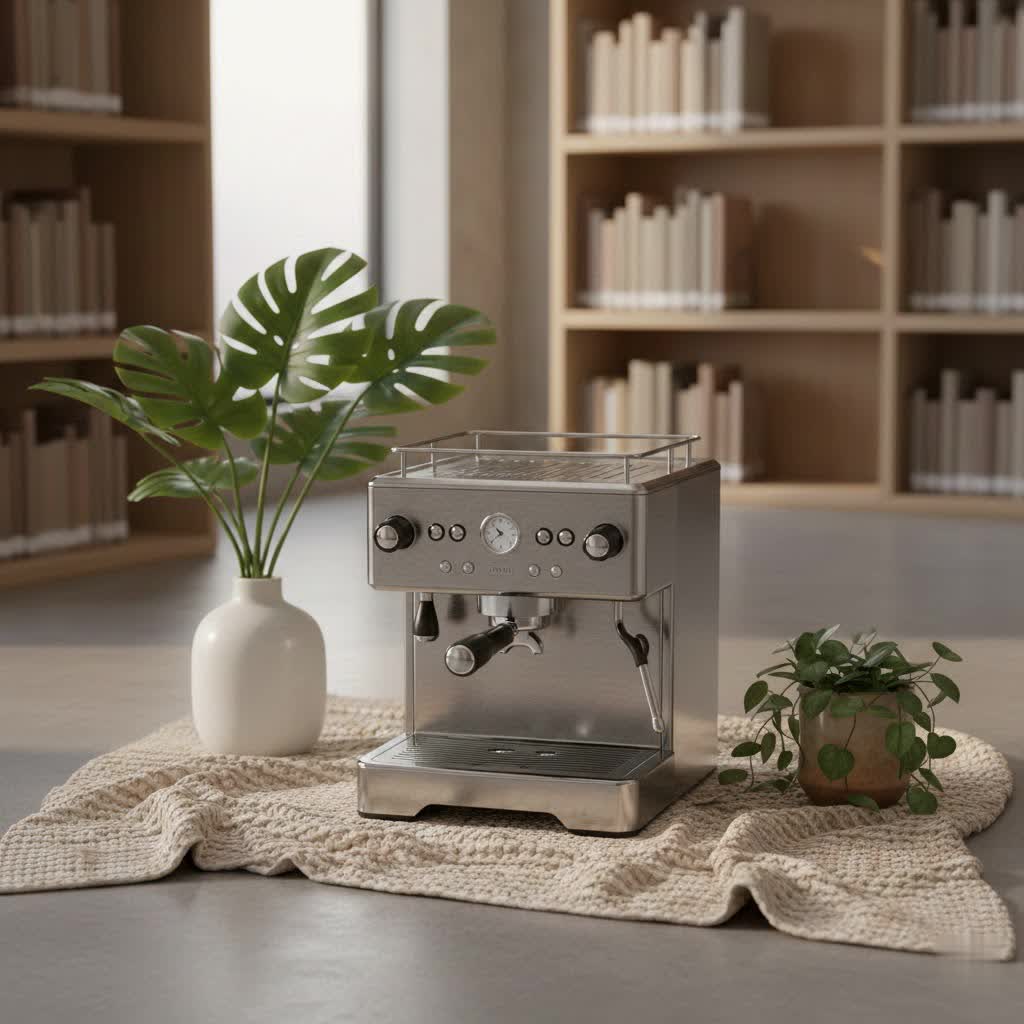
At its core, a small espresso machine is a compact device engineered to brew espresso using pressurized hot water, but designed with an emphasis on minimizing its physical footprint. While traditional espresso machines can be bulky, these smaller counterparts aim to deliver a similar quality shot without monopolizing your precious kitchen real estate.
The concept of espresso machines dates back to the early 20th century, with innovations gradually leading to more efficient and user-friendly models. The trend towards smaller machines has accelerated in recent years, driven by urban living trends and a desire for convenience without compromising on authentic espresso flavor.
Small espresso machines generally fall into three categories:
- Manual Espresso Machines: These machines require the most hands-on approach, often using a lever to build pressure. They offer unparalleled control over the brewing process and can be incredibly compact, some even designed for portability (e.g., WACACO Nanopresso, Flair Classic). They are perfect for purists who enjoy the ritual and control.
- Semi-automatic Espresso Machines: Offering a balance between automation and control, semi-automatic machines typically manage water temperature and pressure but allow the user to control grind size, tamping, and shot volume. Many highly-regarded small home espresso machines, like the Breville Bambino Plus and De’Longhi Dedica, fall into this category, striking an excellent balance for home baristas.
- Automatic Espresso Machines: These machines take more control, often pre-programming shot volumes and sometimes even including built-in grinders or automatic milk frothers. While they offer greater convenience, they might provide less room for customization than semi-automatic models. Fully automatic or “super-automatic” machines are generally larger, so smaller versions typically offer some, but not full, automation.
Essential Components of a Small Espresso Machine
Despite their compact size, small espresso machines still incorporate the critical components needed to produce authentic espresso. Understanding these parts helps in appreciating their engineering and making an informed choice.
- Pump: The pump is responsible for generating the high pressure (typically 9 bars for optimal extraction) needed to force hot water through the compacted coffee grounds. While some entry-level machines might have weaker pumps, most quality small machines manage to deliver consistent pressure.
- Boiler or Thermoblock: This component heats the water to the ideal brewing temperature (around 195-205°F or 90-96°C). Thermoblock heating systems are common in small machines due to their rapid heat-up times, often reaching brewing temperature in mere seconds. More advanced small machines may feature PID (Proportional-Integral-Derivative) controllers for precise temperature stability.
- Grouphead: This is where the portafilter locks into the machine and where the hot water is dispensed onto the coffee puck. In small machines, the grouphead is integrated cleanly into the compact design.
- Portafilter: This detachable handle holds the filter basket, where ground coffee is placed and tamped. Small machines typically use 51mm or 54mm portafilters, which are slightly smaller than the 58mm commercial standard but perfectly adequate for home use.
- Steam Wand: For those who enjoy milk-based drinks like lattes and cappuccinos, a steam wand is essential. Small machines can feature manual steam wands that require user skill to texture milk, or automatic wands that steam milk to a preset temperature and texture, simplifying the process.
The ingenuity in small espresso machine design lies in optimizing these components to fit into a reduced footprint without significantly compromising performance. Materials like stainless steel are often used to ensure durability and a premium feel, even in compact models.
How to Choose the Perfect Small Espresso Machine
Selecting the ideal small espresso machine involves a thoughtful consideration of your personal habits, financial parameters, and desired features. It’s about finding the sweet spot where compactness meets functionality.
Determine Your Needs
Before diving into specifications, consider how you’ll use the machine:
- Frequency of Use: Will you be making one shot a day, or several for a household? Daily users might prioritize durability and quick heat-up times, while occasional users might opt for simpler, more budget-friendly models.
- Number of Users: If you’re brewing for multiple people, a larger water tank and faster recovery time between shots or steaming milk will be beneficial. Single users might appreciate ultra-compact, minimalist options.
- Preferred Coffee Drinks: Do you exclusively drink straight espresso, or do you love lattes, cappuccinos, and flat whites? If milk drinks are a must, the quality and type of steam wand (manual vs. automatic) will be a critical factor.
|
Our Picks for the Best Espresso Machine in 2026
As an Amazon Associate I earn from qualifying purchases.
|
||
| Num | Product | Action |
|---|---|---|
| 1 | CASABREWS 3700 Essential Espresso Machine 20 Bar, Stainless Steel Cappuccino & Latte Machine with Steam Frother for Home, 43.9oz Water Tank, Coffee Gift for Women & Men, Silver |

|
| 2 | Ninja Luxe Café 3-in-1 Espresso, Drip Coffee and Cold Brew Machine - Integrated Coffee Grinder, Milk Frother, Assisted Tamper & Built-In Espresso Accessory Storage - Stainless Steel - ES601 |
|
| 3 | Breville Barista Express Espresso Machine BES870XL, Brushed Stainless Steel |
|
| 4 | Breville Bambino Espresso Machine BES450BSS, Brushed Stainless Steel |
|
| 5 | CASABREWS CM5418 Espresso Machine 20 Bar, Compact Espresso Maker with Steam Milk Frother, Stainless Steel Coffee Machine with 34oz Removable Water Tank for Cappuccino, Gift for Women or Men, Silver |
|
| 6 | Gaggia Classic Evo Pro - Espresso Machine Jungle Green |
|
| 7 | Gevi Commercial Espresso and Coffee Makers, Professional 20 Bar Espresso Maker with Milk Frother, Stainless Steel Expresso Coffee Machines for Home, Compact Cappuccino Machine, Great Gift |
|
| 8 | De'Longhi Stilosa Manual Espresso Machine, Compact Coffee Maker, 15 Bar Pump Pressure, Manual Milk Frother Steam Wand for Authentic Single & Double Espresso, Lattes & Cappuccinos, Tamper Included |
|
| 9 | Breville Barista Express Espresso Machine BES870BSXL, Black Sesame |
|
| 10 | Breville Barista Express Impress Espresso Machine BES876BSS, Brushed Stainless Steel |
|
Budget Considerations
Small espresso machines come in a wide range of prices. Setting a realistic budget will help narrow down your options.
- Entry-Level (Under $250): These machines are often manual or very basic semi-automatics. They can produce decent espresso but may require more user input and may lack advanced features or robust milk frothing capabilities. Examples include De’Longhi Stilosa or many portable manual brewers.
- Mid-Range ($250-$700): This is where many excellent small semi-automatic machines reside, offering a great balance of features, performance, and build quality. The Breville Bambino Plus and De’Longhi Dedica series are strong contenders in this segment, providing quick heat-up, good temperature control, and often capable steam wands.
- High-End (Over $700): While fewer true “small” machines exist in this range, some compact prosumer models offer commercial-grade components, superior temperature stability (often with dual boilers or more advanced PID), and exceptional steam power. These are for serious home baristas who prioritize ultimate control and quality.
Consider the long-term value. A slightly higher initial investment in a well-built machine can often lead to greater satisfaction, better performance, and longer lifespan, potentially saving money over time compared to frequently replacing cheaper models.
Key Features
Beyond the basic components, several features can enhance your small espresso machine experience:
- Pump Pressure (Bar): While 9 bars is the standard for extraction, many machines advertise 15 or 20 bars. Higher numbers don’t necessarily mean better espresso; consistent 9-bar pressure at the grouphead is what truly matters.
- Heating System (Thermoblock/PID): Look for thermoblock systems for fast heat-up. PID (Proportional-Integral-Derivative) temperature control is a significant upgrade, ensuring stable and precise brewing temperatures, which is crucial for consistent espresso quality.
- Water Tank Capacity: A larger tank means fewer refills, which is convenient, especially if you make multiple drinks. However, larger tanks also mean a slightly larger machine footprint.
- Milk Frothing Capability:
- Manual Steam Wands: Offer the most control for creating microfoam suitable for latte art, but require practice. Look for wands that are powerful and have good articulation.
- Automatic Steam Wands: Simplify milk frothing, often producing consistent texture with the touch of a button. Excellent for convenience, but may offer less creative control.
- Built-in Grinder: While convenient for saving space, built-in grinders in small machines can sometimes be of lower quality than standalone burr grinders. If ultimate grind consistency is paramount, a separate compact grinder might be preferred, even if it takes up a bit more space.
- Ease of Cleaning and Maintenance: Machines with removable drip trays, easily accessible water tanks, and automatic purging for steam wands simplify daily upkeep. Descaling reminders and easy-to-follow cleaning procedures are also a plus for longevity.
Reputable Brands
Several brands have established themselves as leaders in the small espresso machine market, known for their reliability and performance:
- Breville/Sage: Known for user-friendly interfaces, rapid heating (ThermoJet), and excellent performance for their size, with models like the Bambino Plus consistently receiving high marks.
- De’Longhi: Offers a range of stylish and compact machines, like the Dedica series, that provide good value and decent espresso quality for their price point.
- Gaggia: While many of their machines are larger, some compact Gaggia models exist, building on their legacy of quality espresso.
- Rancilio: Primarily known for prosumer and commercial machines, but some models might offer a more compact footprint while maintaining commercial-grade components.
- Flair Espresso: Specializes in entirely manual, portable lever espresso makers, perfect for those seeking ultimate control and a unique brewing experience.
- WACACO: Famous for ultra-portable, handheld espresso makers like the Nanopresso and Picopresso, ideal for travel and minimalists.
Always check warranty and customer support availability, as good service can significantly enhance your ownership experience.
Popular Small Espresso Machine Models: A Comparison
To illustrate the variety, here’s a comparison of some highly-regarded compact espresso machines:
| Model | Price Range | Type | Key Features | Footprint (approx. WxDxH) | Ideal For |
|---|---|---|---|---|---|
| Breville Bambino Plus | Mid-Range | Semi-Automatic | Fast heat-up (3s), automatic milk frothing, precise temp control (PID), 54mm portafilter. | 7.6″ x 12.5″ x 12.2″ | Beginners, milk-drink lovers, limited counter space. |
| De’Longhi Dedica Deluxe | Entry-Mid Range | Semi-Automatic | Slim design (under 6″ wide), thermoblock heating, manual steam wand, customizable shot size. | 5.9″ x 13″ x 12″ | Budget-conscious, small kitchens, espresso purists (who learn frothing). |
| Flair Classic Espresso Maker | Entry-Mid Range | Manual | Fully manual lever, professional-level espresso, no electricity needed, durable. | 10″ x 12″ x 10″ (assembled) | Purists, travelers, control freaks, no-frills espresso. |
| WACACO Nanopresso | Entry-Level | Manual/Portable | Handheld, ultra-compact, no electricity, pressurized portafilter. | 2.4″ x 6.1″ x 2.8″ | Travelers, campers, ultra-minimalists, single-shot needs. |
| CASABREWS CM5418 | Entry-Mid Range | Semi-Automatic | Pressure gauge, thermoblock, PID, volumetric control, powerful steam wand, 51mm portafilter. | 8″ x 10″ x 12″ | Those wanting advanced features on a budget, milk drink makers. |
This table offers a snapshot; individual models often have variations. Always check the latest specifications and reviews.
Using and Maintaining Your Small Espresso Machine
Even the most compact espresso machine requires proper usage and regular maintenance to consistently deliver delicious coffee and ensure a long lifespan.
Getting Started
- Proper Setup: Read the manual carefully. Ensure the machine is on a stable, level surface with adequate clearance for steam and water refilling. Fill the water tank with filtered water to prevent scale buildup.
- Coffee Selection and Grinding: High-quality, freshly roasted coffee beans are crucial. For espresso, the grind must be very fine, like powdered sugar. If your machine doesn’t have a grinder, invest in a good quality burr grinder, as consistency is key for proper extraction.
- Pre-heating: Always pre-heat your machine. Run a blank shot through the grouphead and warm your portafilter and cups. This ensures temperature stability and prevents heat loss that can affect extraction.
Brewing the Perfect Shot
While specific steps vary by machine, the general process for a semi-automatic is:
- Grind: Grind fresh beans to a fine consistency.
- Dose: Place the correct amount of ground coffee into the portafilter basket (e.g., 18-20g for a double shot).
- Distribute & Tamp: Evenly distribute the grounds, then tamp firmly and level with consistent pressure.
- Insert & Brew: Lock the portafilter into the grouphead. Place your pre-warmed cup(s) underneath. Start the brew cycle, aiming for 25-30 seconds for a double shot (approx. 2 oz or 60ml).
- Adjust: Observe the shot flow and taste. Adjust grind size (finer for slower flow/more bitterness, coarser for faster flow/more sourness) and dose to fine-tune your espresso.
Cleaning and Descaling
Regular cleaning is vital for both hygiene and machine performance.
- Daily Cleaning:
- Wipe down the steam wand immediately after each use to prevent milk residue from drying. Purge a little steam to clear any internal blockages.
- Remove and knock out the spent coffee puck from the portafilter. Rinse the portafilter and filter basket.
- Wipe the grouphead with a damp cloth to remove any coffee grounds.
- Empty and rinse the drip tray.
- Weekly/Bi-Weekly Cleaning:
- Backflush the grouphead (if your machine supports it) with a blind filter basket and espresso machine cleaner.
- Clean the shower screen and gasket.
- Monthly/Quarterly Descaling:
- Over time, mineral deposits from water (limescale) build up inside the machine, affecting performance and taste. Follow your machine’s instructions for descaling using a recommended descaling solution. The frequency depends on your water hardness and usage.
> “The secret to consistently great espresso, especially from a compact machine, isn’t just in the brew, but in the meticulous care and cleaning it receives daily.” – John Smith, Lead Technician, Reviewspri.com
Common Issues and Troubleshooting
Even with meticulous care, you might encounter issues. Here are some common problems with small espresso machines and basic troubleshooting:
- Machine Not Heating Up:
- Check: Ensure it’s plugged in and the power switch is on. Check if the water tank is correctly inserted and filled.
- Fix: If basic checks don’t work, there might be an internal heating element issue, requiring professional service.
- Weak Pressure / No Espresso Flow:
- Check: Is the grind too fine? Is the coffee overdosed or tamped too hard? Is the water tank empty? Is the grouphead clogged?
- Fix: Adjust grind coarser, reduce coffee dose, clean the grouphead and shower screen.
- Coffee Flowing Too Slowly or Not at All:
- Check: This usually indicates too fine a grind, too much coffee, or over-tamping, leading to over-extraction.
- Fix: Coarsen your grind, reduce the coffee dose, or tamp with less force.
- Coffee Flowing Too Fast (Watery Espresso):
- Check: This indicates too coarse a grind, too little coffee, or under-tamping, leading to under-extraction.
- Fix: Fine your grind, increase the coffee dose, or tamp with more force.
- Machine Leaking Water:
- Check: Ensure the water tank is seated correctly. Check the grouphead gasket for wear or damage. Look for loose connections.
- Fix: Reseat the water tank. If the gasket is worn, it may need replacement. For internal leaks, professional repair is often necessary.
For simple issues, self-troubleshooting can save time and money. However, if problems persist or involve internal components, it’s best to consult the manufacturer’s support or a qualified technician to avoid further damage.
Where to Buy a Small Espresso Machine
Finding the right small espresso machine means knowing where to look for trustworthy products and good deals.
- Reputable Retailers: Major electronics stores, department stores, and specialty coffee appliance retailers often carry a wide selection of small espresso machines. Buying from these stores typically provides a full warranty and easier returns.
- Online Marketplaces: Websites like Amazon, Williams Sonoma, and the manufacturers’ direct sites (e.g., Breville, De’Longhi) offer extensive choices, competitive pricing, and user reviews. Be sure to purchase from authorized sellers to ensure warranty validity.
- Specialty Coffee Stores: Local coffee shops or dedicated espresso equipment suppliers often have knowledgeable staff who can offer personalized advice and demonstrations.
- Used Machines: Buying a used machine (e.g., on eBay, Craigslist, or local classifieds) can offer significant savings, but comes with risks.
- Benefits: Lower cost, potentially access to higher-end models.
- Risks: No warranty, unknown maintenance history, potential hidden defects, lack of accessories. Always inspect the machine thoroughly and ideally see it operate before purchasing.
Buying Guide: What Else to Consider
Beyond the core features, a few practical considerations can significantly impact your satisfaction with a small espresso machine.
Factors to Consider Before Purchase
- Power Requirements: Ensure your kitchen outlets can handle the wattage of the machine. Most home espresso machines use standard outlets, but it’s good to check.
- Kitchen Space and Aesthetics: Measure your available counter space (width, depth, and height) precisely. Consider the machine’s design and color to ensure it complements your kitchen decor. Remember that “small” can still vary significantly in dimensions.
- Noise Levels: Some machines, especially those with powerful pumps or grinders, can be quite noisy. If you live in a shared space or prefer quiet mornings, look for reviews that comment on noise levels.
Essential Accessories
While many machines come with basic accessories, some are crucial upgrades or necessities:
- Tamper: A good quality, heavy stainless steel tamper is essential for consistent tamping pressure, far superior to the often flimsy plastic tampers included with machines.
- Milk Pitcher (Steaming Jug): If you plan on making milk drinks, a stainless steel milk pitcher of appropriate size is necessary for frothing.
- Knock Box: A container designed to easily dispose of spent coffee pucks, keeping your counter clean.
- Cleaning Brushes and Cloths: Specialty brushes for the grouphead and microfiber cloths for wiping surfaces and the steam wand.
- Scale: A precise digital scale (0.1g accuracy) is invaluable for consistently dosing coffee grounds and measuring espresso yield, leading to more repeatable results.
Reading Reviews and Comparing Prices
- User Reviews: Dive into user reviews on various platforms. Look for common praises and complaints, especially regarding durability, ease of use, and actual espresso quality.
- Expert Reviews: Consult independent coffee experts and review sites for in-depth analysis and comparative testing.
- Price Comparison: Always compare prices from multiple retailers. Keep an eye out for sales and bundle deals, which can offer significant savings on the machine and essential accessories.
Conclusion
Embracing the world of small espresso machines doesn’t mean sacrificing quality or your morning ritual. With the right compact model, you can enjoy the rich, complex flavors of authentic espresso and milk-based beverages right in your own home, regardless of your kitchen’s size. By carefully considering your needs, understanding key features, and choosing a reputable brand, you’re well on your way to becoming your own barista. The journey to the perfect cup is a rewarding one, full of experimentation and discovery. So, are you ready to unlock your inner barista and transform your home coffee experience with a small espresso machine?
Frequently Asked Questions
How many bars of pressure do I really need for a small espresso machine?
While some machines advertise 15 or 20 bars, the specialty coffee industry standard for optimal espresso extraction is around 9 bars. Anything significantly higher than 9 bars at the grouphead is often overkill and can lead to over-extraction. Focus on machines that can consistently deliver stable pressure rather than just a high number.
Can small espresso machines make good quality milk foam for lattes?
Yes, many small espresso machines are equipped with capable steam wands. Models like the Breville Bambino Plus feature automatic steam wands that can produce silky microfoam. Other compact machines offer manual wands that, with practice, allow you to texture milk perfectly for latte art. The quality varies, so check reviews specific to milk frothing.
Do small espresso machines require a special type of coffee beans?
No, small espresso machines use the same high-quality, freshly roasted whole coffee beans as larger machines. What’s crucial is the grind size: for espresso, beans must be ground very finely and consistently. Investing in a good burr grinder (either built-in or separate) is more important than the specific type of bean.
How often should I descale my compact espresso machine?
The descaling frequency depends on your water hardness and how often you use the machine. As a general guideline, if you use filtered water, descaling every 2-3 months is often sufficient. If your water is hard, you might need to descale monthly. Always use the manufacturer’s recommended descaling solution and follow their instructions carefully to protect your machine.
