For coffee enthusiasts, the pursuit of the perfect espresso shot at home is a passion, and few machines embody this quest like the Rocket Espresso Machine. These Italian-crafted marvels, renowned for their stunning aesthetics and exceptional engineering, bring commercial-grade performance to your kitchen counter. But with several models and intricate features, choosing the right Rocket machine can feel overwhelming. This comprehensive guide, informed by over a decade of hands-on experience with espresso technology, will demystify the world of Rocket Espresso, helping you navigate its features, compare popular models, and master the art of home espresso.
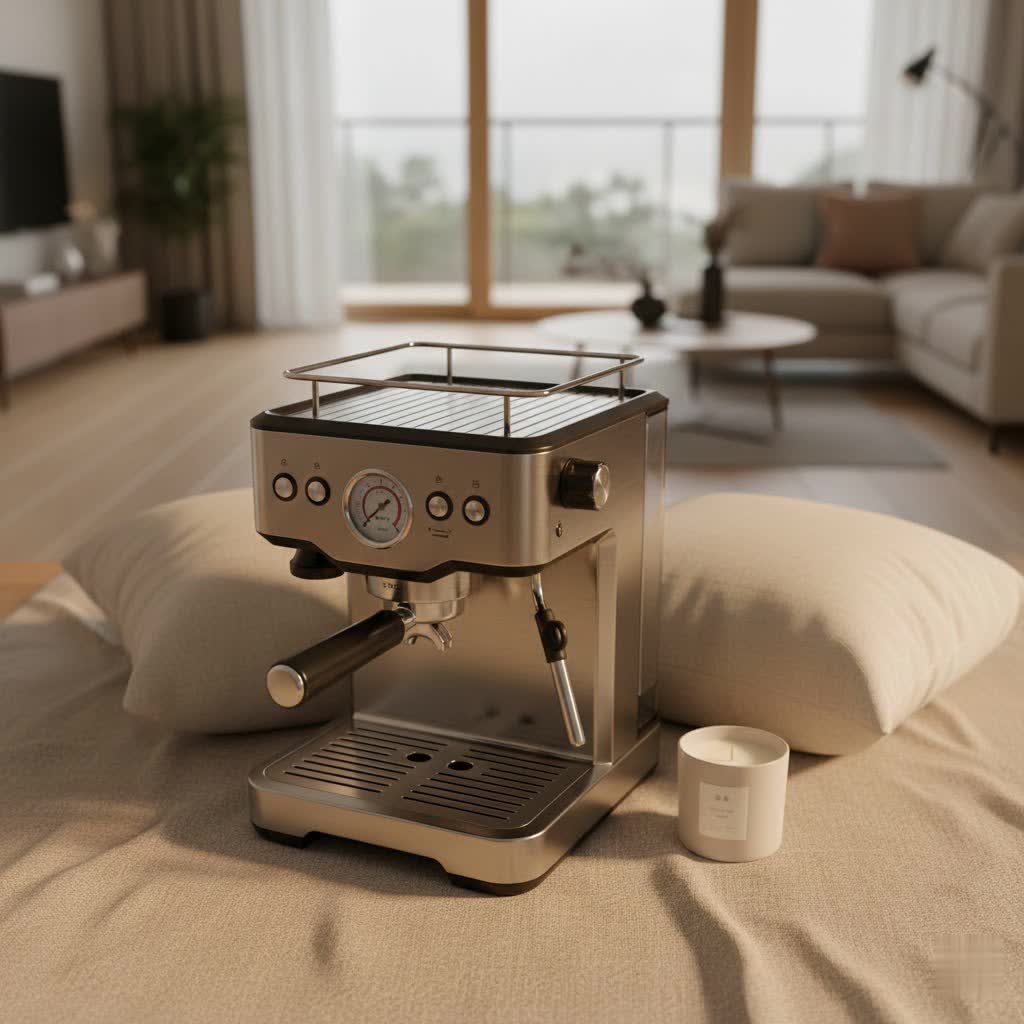
What is a Rocket Espresso Machine?
A Rocket Espresso machine represents the pinnacle of home espresso craftsmanship, combining traditional Italian design with modern engineering. Originating from Milan in 2007 through a partnership between New Zealander Andrew Meo and Italian Daniele Berenbruch, Rocket Espresso set out to create domestic espresso machines that rival their commercial counterparts. Their philosophy centers on building machines by hand, emphasizing meticulous attention to detail, robust components, and timeless aesthetics. This dedication results in machines that are not just appliances, but pieces of art capable of producing consistent, high-quality espresso.
Rocket machines generally fall into two main categories based on their heating systems: heat exchanger (HX) and dual boiler (DB) systems. Heat exchanger machines allow you to brew espresso and steam milk simultaneously using a single boiler, while dual boiler machines feature separate boilers for brewing and steaming, offering more precise temperature control for each function. This distinction is crucial in understanding the performance and capabilities across their esteemed lineup.
Key Components of a Rocket Espresso Machine
Understanding the core components of a Rocket Espresso machine is vital to appreciating its capabilities and making an informed choice. Each part plays a critical role in the espresso-making process, influencing everything from temperature stability to shot consistency.
At the heart of many Rocket machines lies the E61 group head, a classic design favored by prosumer machines for its thermal stability. This heavy brass component is continuously heated by circulating hot water from the boiler, ensuring that the water hitting your coffee grounds is always at a consistent temperature, which is paramount for optimal extraction.
The pump is another crucial element, typically found in two types: vibratory and rotary. Vibratory pumps are common in entry-level and some mid-range models, known for their compact size and lower cost, though they can be louder during operation. Rotary pumps, featured in higher-end Rocket machines, offer significantly quieter operation and the ability to plumb the machine directly into a water line, providing continuous water supply and often enabling advanced pre-infusion.
The boiler system defines a machine’s ability to handle brewing and steaming tasks. Heat exchanger (HX) boilers allow for simultaneous brewing and steaming, utilizing a single boiler with a heat exchange tube. Dual boilers (DB), on the other hand, dedicate separate boilers for espresso brewing and steam production, offering superior temperature control and recovery, especially beneficial for high-volume milk drink preparation.
Many Rocket machines also integrate a PID controller (Proportional-Integral-Derivative), an electronic system that provides precise digital temperature control for the boiler(s). This allows baristas to fine-tune brew temperatures to match specific coffee beans, unlocking subtle flavor nuances. The portafilter, usually a commercial-grade 58mm size, is where the ground coffee is held. Rocket machines typically come with high-quality, weighted portafilters that contribute to a premium feel. Finally, the powerful steam wand is designed for efficient milk frothing, often featuring a “no-burn” design and ample pressure for creating luscious microfoam essential for lattes and cappuccinos.
Choosing Your Ideal Rocket Espresso Machine
Selecting the perfect Rocket Espresso machine involves a thoughtful assessment of your personal needs, budget, and desired features. This decision guide will help you pinpoint the model that best aligns with your home barista journey.
Assess Your Brewing Needs
|
Our Picks for the Best Espresso Machine in 2026
As an Amazon Associate I earn from qualifying purchases.
|
||
| Num | Product | Action |
|---|---|---|
| 1 | Breville Barista Express Espresso Machine BES870BSXL, Black Sesame |

|
| 2 | Breville Bambino Espresso Machine BES450BSS, Brushed Stainless Steel |
|
| 3 | Breville Barista Express Impress Espresso Machine BES876BSS, Brushed Stainless Steel |
|
| 4 | Gevi Commercial Espresso and Coffee Makers, Professional 20 Bar Espresso Maker with Milk Frother, Stainless Steel Expresso Coffee Machines for Home, Compact Cappuccino Machine, Great Gift |
|
| 5 | Breville Barista Express Espresso Machine BES870XL, Brushed Stainless Steel |
|
| 6 | CASABREWS 3700 Essential Espresso Machine 20 Bar, Stainless Steel Cappuccino & Latte Machine with Steam Frother for Home, 43.9oz Water Tank, Coffee Gift for Women & Men, Silver |
|
| 7 | Gaggia Classic Evo Pro - Espresso Machine Jungle Green |
|
| 8 | Ninja Luxe Café 3-in-1 Espresso, Drip Coffee and Cold Brew Machine - Integrated Coffee Grinder, Milk Frother, Assisted Tamper & Built-In Espresso Accessory Storage - Stainless Steel - ES601 |
|
| 9 | CASABREWS CM5418 Espresso Machine 20 Bar, Compact Espresso Maker with Steam Milk Frother, Stainless Steel Coffee Machine with 34oz Removable Water Tank for Cappuccino, Gift for Women or Men, Silver |
|
| 10 | De'Longhi Stilosa Manual Espresso Machine, Compact Coffee Maker, 15 Bar Pump Pressure, Manual Milk Frother Steam Wand for Authentic Single & Double Espresso, Lattes & Cappuccinos, Tamper Included |
|
Consider how frequently you’ll be making coffee and for how many people. Are you a daily espresso drinker, or do you occasionally enjoy a weekend latte? For those who entertain frequently or consume multiple milk-based drinks daily, a machine with a dual boiler and powerful steam wand will offer better performance and quicker recovery. Also, think about your preferred coffee type. If you primarily drink straight espresso, temperature stability is key. If you love cappuccinos and lattes, the steam power and quality of the microfoam will be paramount. Advanced users might also seek features like pressure profiling to experiment with extraction.
Budget Considerations
Rocket Espresso machines represent a significant investment, ranging from entry-level prosumer models to high-end, commercial-grade home systems.
- Entry-level (e.g., Appartamento): These models offer an excellent introduction to Rocket’s quality and design at a more accessible price point, ideal for enthusiasts upgrading from basic machines.
- Mid-range (e.g., Giotto/Mozzafiato Type V & R): Moving up, these machines introduce features like PID temperature control and a choice between vibratory or quieter rotary pumps, providing enhanced control and convenience.
- High-end (e.g., R58 Cinquantotto, R60V, R Nine One): These are flagship models designed for the serious home barista or small commercial setting, boasting dual boilers, pressure profiling, and advanced connectivity, offering the ultimate in customization and performance.
Essential Features
Beyond the core components, several features significantly impact usability and shot quality. Pump type (vibratory vs. rotary) affects noise levels and the option for direct plumbing. Boiler configuration (heat exchanger vs. dual boiler) determines simultaneous brewing and steaming capabilities and temperature precision. A PID controller is crucial for precise temperature adjustment, giving you command over extraction. For those who enjoy experimenting, pressure profiling or flow control allows you to manipulate the pressure during different stages of extraction, unlocking new flavor profiles. Consider also the presence of a shot timer, which is invaluable for consistent espresso timing.
Reputation and Support
Rocket Espresso has built a strong reputation for crafting durable, high-performance machines with an iconic aesthetic. Their commitment to hand-built quality in Milan ensures longevity. When purchasing, always consider the warranty and the availability of local service and support. Reputable dealers often provide comprehensive after-sales care, which is a valuable asset for any complex appliance.
Comparing Popular Rocket Espresso Machine Models
Rocket Espresso offers a curated lineup, each machine designed to cater to different levels of expertise and kitchen setups. Here’s a comparison of some popular models to help illustrate their differences:
| Model | Boiler Type | Pump Type | PID Control | Pressure Profiling | Key Features | Target User | Price Range (Approx.) |
|---|---|---|---|---|---|---|---|
| Appartamento | Heat Exchanger | Vibratory | No (Original) | No | Compact design, E61 group head, excellent steam | Space-conscious home barista | $1,900 – $2,200 |
| Appartamento TCA | Heat Exchanger | Vibratory | Yes (TCA) | No | Next-gen Appartamento with Temperature Control Adjustment, wider drip tray | Upgraded home barista with limited space | $2,200 – $2,500 |
| Giotto/Mozzafiato Type V | Heat Exchanger | Vibratory | Yes | No | E61 group head, shot timer, PID, Giotto (angled sides), Mozzafiato (flat sides) | Enthusiast home barista | $2,500 – $2,800 |
| Giotto/Mozzafiato Type R | Heat Exchanger | Rotary | Yes | No | Same as Type V, but with quieter rotary pump and plumbable | Advanced home barista | $2,800 – $3,200 |
| R58 Cinquantotto | Dual Boiler | Rotary | Yes | No | Flagship dual boiler, PID, plumbable, external touch display | Serious home barista seeking precision | $3,500 – $4,000 |
| R60V | Dual Boiler | Vibratory | Yes | Yes | Pressure profiling (5 stages), external controller, quiet operation, WiFi app | Connoisseur, experimental barista | $4,500 – $5,000 |
| R Nine One | Dual Boiler | Magnetic Gear | Yes | Yes | Saturated group head, manual/programmable flow control, commercial-grade | Ultimate home/small commercial | $6,000+ |
This table highlights the progression in features and price, illustrating how each Rocket model serves a specific segment of the espresso market. From the compact and stylish Appartamento to the advanced R Nine One with its sophisticated flow control, Rocket ensures there’s a machine for every serious coffee lover.
Operating and Maintaining Your Rocket Espresso Machine
Owning a Rocket Espresso machine is a rewarding experience, but maximizing its potential and longevity requires proper operation and diligent maintenance. Think of it as caring for a high-performance vehicle; regular attention ensures it runs smoothly for years to come.
First Use and Preparation
Before your first brew, proper setup is crucial. Place your machine on a stable, level surface with adequate ventilation. Fill the 2.5-liter water reservoir with fresh, filtered water. Many experienced baristas emphasize the importance of filtered water to prevent scale buildup and protect the internal copper boiler, as Rocket often advises against descaling on certain models. “Using filtered water is arguably the single most important step for maintaining your machine’s longevity and preserving coffee quality,” notes an espresso technician with a decade of experience. Allow ample time for the machine to heat up, typically 20-30 minutes for heat exchanger models and sometimes longer for dual boiler machines to reach optimal stability.
Mastering the Espresso Shot
The journey to the perfect espresso involves several key steps:
- Grinding: Use freshly roasted beans and a high-quality burr grinder to achieve a fine, consistent grind suitable for espresso.
- Dosing: Measure the correct amount of ground coffee (e.g., 18g for a double shot) into your portafilter basket.
- Tamping: Apply firm, even pressure to compact the coffee bed, ensuring a level surface.
- Extraction: Insert the portafilter, lift the brew lever, and observe. Aim for a 25-30 second extraction time for a double shot, yielding approximately 30-40ml of espresso. Adjust grind size as needed to achieve this “sweet spot.”
Essential Cleaning and Care
Regular cleaning is non-negotiable for consistent flavor and machine longevity.
- Daily Maintenance:
- Group Head & Portafilter: After each use, remove the portafilter, discard the puck, and rinse both. Run water through the group head to flush out any stray grounds or oils. Wipe down the shower screen.
- Steam Wand: Immediately after steaming milk, wipe the wand with a damp cloth and purge a small amount of steam to clear any milk residue.
- Drip Tray & Exterior: Empty and rinse the drip tray daily. Wipe down the machine’s exterior with a soft, damp cloth.
- Weekly Maintenance:
- Backflushing: Perform a backflush with a blind filter and an espresso machine detergent (like Cafiza). This process pushes cleaning solution back through the group head’s internal components, removing accumulated coffee oils.
- Water Reservoir: Thoroughly empty and rinse the water reservoir.
- Monthly Maintenance:
- Shower Screen & Gasket: Remove the shower screen and clean it thoroughly. Inspect and clean the group head gasket.
- Deep Clean: Clean the water reservoir with warm, soapy water.
Regarding descaling, it’s crucial to consult your specific Rocket machine’s manual. While many machines require descaling, some Rocket models, particularly those with copper boilers like the Appartamento, explicitly advise against chemical descaling to prevent damage. Instead, they emphasize consistent use of filtered or soft water. When in doubt, always refer to your user manual or contact Rocket Espresso support.
Common Issues and Troubleshooting
Even with a high-quality Rocket Espresso machine, you might encounter minor issues. Knowing how to identify and address them can save you time and prevent unnecessary service calls.
- Machine Not Heating: First, check the power supply and ensure the machine is plugged in securely. If the machine simply isn’t reaching temperature, it could indicate an issue with the heating element or thermostat.
- Weak Pressure/Slow Flow: This is often a sign of a too-fine grind, an over-dosed portafilter, or excessive tamping. Adjust your grind coarser, reduce the coffee dose, or ease up on tamping pressure. It can also indicate a clogged shower screen or portafilter basket, which requires cleaning.
- Coffee Flows Too Fast: Conversely, coffee flowing too quickly suggests the grind is too coarse, the dose is too low, or tamping was insufficient. Adjust your grind finer, increase the coffee dose, or tamp more firmly.
- Machine Leaking Water: Check the water reservoir for proper seating and ensure the drip tray isn’t overflowing. Leaks from the group head area might indicate a worn group head gasket that needs replacement. Leaks from other areas could signal a loose connection or a more serious internal component issue.
For simple issues like grind adjustment or basic cleaning, you can often troubleshoot yourself. However, if problems persist, especially those involving electrical components, internal leaks, or consistent low pressure despite proper preparation, it’s best to consult an authorized Rocket Espresso service technician. Attempting complex repairs without expertise can void your warranty or cause further damage.
Where to Purchase Your Rocket Espresso Machine
Investing in a Rocket Espresso machine is a significant decision, and where you buy it can impact your overall experience, from pricing to after-sales support.
Authorized Retailers: The most reliable option is to purchase from authorized dealers, whether they are brick-and-mortar stores or reputable online shops. Authorized dealers ensure you receive a genuine product with the full manufacturer’s warranty and often provide excellent customer service, technical support, and knowledgeable staff who can guide you through your purchase.
Online Marketplaces: While major online retailers might offer competitive prices, always verify the seller’s authenticity and ensure they are an authorized Rocket dealer. Be cautious of unofficial sellers, as machines purchased from them might not carry the full warranty or receive proper support.
Refurbished or Used Machines: Buying a refurbished or used Rocket machine can be a more budget-friendly option. However, it comes with risks. Ensure the seller is trustworthy, ideally a certified technician or a reputable dealer offering a warranty on refurbished units. Thoroughly inspect the machine for wear and tear, and inquire about its service history. While you might save money upfront, potential repair costs could offset those savings if the machine hasn’t been properly maintained.
The Ultimate Rocket Espresso Buying Guide
Before committing to a Rocket Espresso machine, a little extra planning can ensure your purchase perfectly suits your lifestyle and home.
Pre-Purchase Checklist
Consider the practicalities of integrating a Rocket machine into your home.
- Space: Rocket machines, even the compact Appartamento, require dedicated counter space. Measure your available area, including clearance for overhead cabinets and behind the machine for ventilation and water reservoir access.
- Electrical Requirements: Ensure your kitchen has the appropriate electrical outlet. Most Rocket machines operate on standard 120V power, but some larger models might have specific requirements.
- Noise Level: If a quiet brewing experience is important, lean towards models with a rotary pump. Vibratory pumps, while effective, can be noticeably louder.
- Essential Accessories: Factor in the cost of necessary accessories. While Rocket machines often come with basic items like a tamper and portafilters, you’ll likely want a high-quality burr grinder, a milk frothing pitcher, a knock box, and cleaning supplies (like backflush detergent and brushes).
Leveraging Reviews and Deals
Before making your final decision, take the time to read user reviews and watch video demonstrations of the specific models you’re considering. Real-world feedback from other home baristas can provide valuable insights into a machine’s daily performance, ease of use, and any quirks. Compare prices from multiple authorized retailers to find the best deal, but always prioritize reputable sellers over simply the lowest price. Keep an eye out for seasonal sales or bundles that might include essential accessories.
“The best way to choose an espresso machine is to match its capabilities with your daily ritual, not just its looks,” advises an industry veteran. “A stunning machine that’s a joy to use consistently will always deliver better coffee than one that frustrates you.”
Conclusion
The Rocket Espresso machine stands as a testament to the art and science of espresso, offering a blend of exquisite Italian craftsmanship, robust engineering, and unparalleled performance for the home barista. From the compact charm of the Appartamento to the advanced precision of the R Nine One, each model is designed to elevate your coffee experience. By understanding their core components, carefully assessing your needs, and committing to regular maintenance, you can ensure your Rocket machine becomes a cherished centerpiece in your kitchen, delivering countless cups of exceptional espresso.
Are you ready to embark on your Rocket Espresso journey and discover the true potential of your home brewing?
Frequently Asked Questions
What makes Rocket Espresso machines stand out?
Rocket Espresso machines are distinguished by their hand-built quality in Milan, Italy, utilizing commercial-grade components, precise temperature control, and iconic polished stainless steel designs. They offer a luxurious and durable home brewing experience, blending traditional aesthetics with modern technology for consistently excellent espresso.
Is the Rocket Appartamento suitable for beginners?
The Rocket Appartamento is considered an entry-level prosumer machine. While it offers cafe-quality espresso, it’s a manual machine requiring some learning (grind, tamp, temperature management). Beginners willing to invest time in mastering these skills will find it rewarding, but those seeking fully automatic convenience might prefer other options.
What’s the difference between a vibratory and a rotary pump in Rocket machines?
A vibratory pump is generally louder but more compact and less expensive, while a rotary pump is significantly quieter, more durable, and allows for direct plumbing of the machine to a water line, providing a continuous water supply without refilling a reservoir.
Do Rocket Espresso machines require descaling?
It depends on the specific model. While some Rocket manuals may mention descaling, many models, particularly those with copper boilers, strongly advise against chemical descaling due to potential damage. Instead, consistent use of filtered water is highly recommended to prevent scale buildup. Always consult your machine’s user manual for specific guidance.
What is the E61 group head?
The E61 group head is a classic, heavy brass component found on many high-end espresso machines, including Rocket models. It uses a thermosyphon system to constantly circulate hot water from the boiler, ensuring superior thermal stability and consistent brewing temperatures for optimal espresso extraction.
