For many coffee enthusiasts, the daily ritual of brewing a perfect espresso is a cherished experience. Krups, a brand synonymous with quality coffee appliances, offers a diverse range of espresso machines designed to bring cafe-level beverages into your home. Whether you’re a budding barista eager for manual control or prefer the convenience of one-touch brewing, understanding the nuances of Krups’ offerings is key to finding your ideal coffee companion. This guide will walk you through everything you need to know about Krups Espresso Machines, from their core technology to choosing and maintaining the perfect model for your lifestyle.
What is a Krups Espresso Machine?
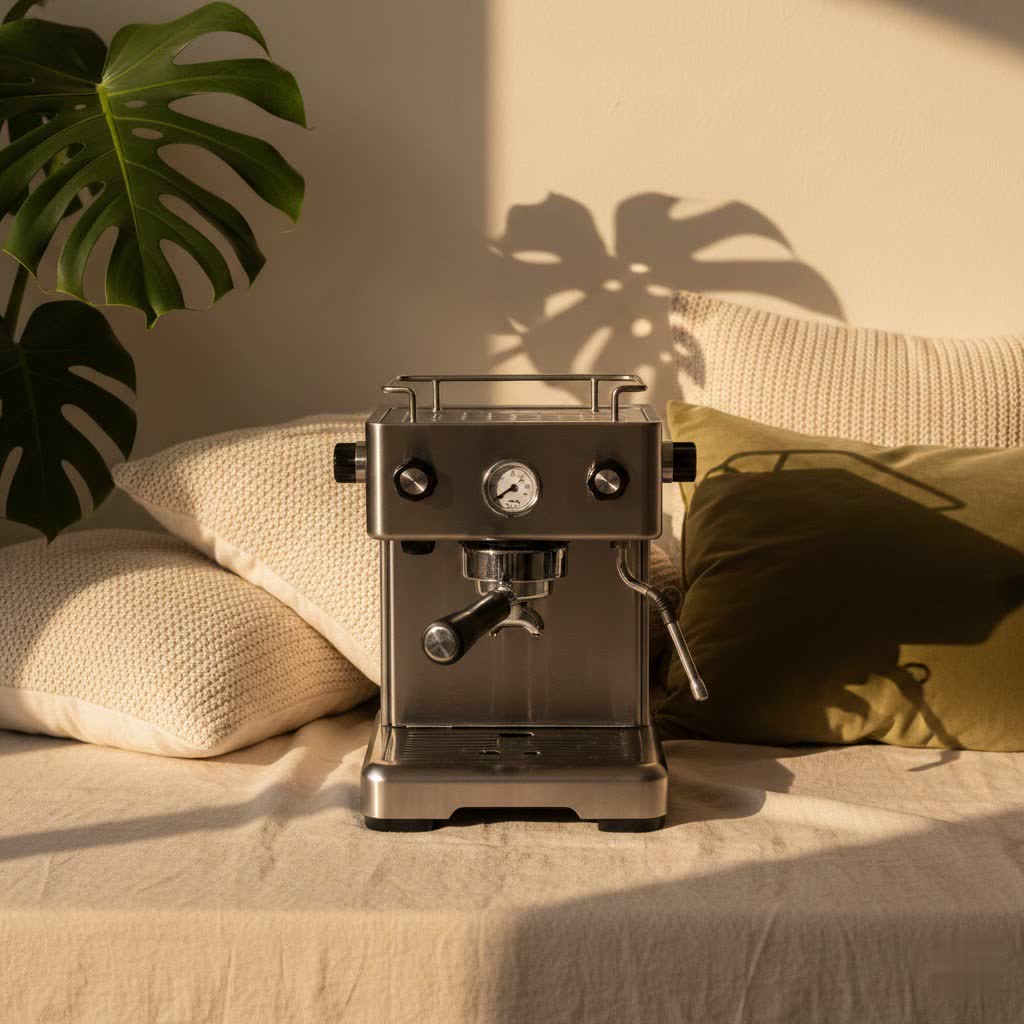
At its heart, an espresso machine uses pressurized hot water to force through finely ground coffee beans, extracting a concentrated shot of espresso. Krups, with its long-standing German engineering heritage, has evolved its espresso machine lineup to cater to various preferences and skill levels.
Krups primarily offers two main categories of espresso machines:
- Traditional/Pump Espresso Machines: These machines, often referred to as semi-automatic, feature a 15-bar pump pressure system and require manual input for grinding, tamping, and brewing. They are ideal for those who enjoy the hands-on process of crafting their coffee and learning barista techniques. Models like the Krups OPIO or XP3208 fall into this category.
- Super-Automatic (Bean-to-Cup) Espresso Machines: Designed for ultimate convenience, these machines handle the entire brewing process from grinding whole beans to dispensing espresso and frothing milk, often at the touch of a button. The Krups EA series, including models like the EA8250 or the premium EA9010 Barista, are prominent examples of super-automatic machines. Krups also offers simpler Steam Espresso Machines (e.g., XP100050), which operate at lower pressure (typically 4-bar) and are suitable for making coffee-style drinks rather than true, high-pressure espresso.
Key Components and Technologies of Krups Espresso Machines
Krups machines integrate several critical components and technologies to ensure a quality brewing experience. Understanding these parts helps appreciate the engineering behind your favorite espresso.
Pump System
|
Our Picks for the Best Espresso Machine in 2026
As an Amazon Associate I earn from qualifying purchases.
|
||
| Num | Product | Action |
|---|---|---|
| 1 | De'Longhi Stilosa Manual Espresso Machine, Compact Coffee Maker, 15 Bar Pump Pressure, Manual Milk Frother Steam Wand for Authentic Single & Double Espresso, Lattes & Cappuccinos, Tamper Included |

|
| 2 | Ninja Luxe Café 3-in-1 Espresso, Drip Coffee and Cold Brew Machine - Integrated Coffee Grinder, Milk Frother, Assisted Tamper & Built-In Espresso Accessory Storage - Stainless Steel - ES601 |
|
| 3 | Breville Barista Express Espresso Machine BES870BSXL, Black Sesame |
|
| 4 | Breville Barista Express Espresso Machine BES870XL, Brushed Stainless Steel |
|
| 5 | CASABREWS CM5418 Espresso Machine 20 Bar, Compact Espresso Maker with Steam Milk Frother, Stainless Steel Coffee Machine with 34oz Removable Water Tank for Cappuccino, Gift for Women or Men, Silver |
|
| 6 | Breville Barista Express Impress Espresso Machine BES876BSS, Brushed Stainless Steel |
|
| 7 | Gevi Commercial Espresso and Coffee Makers, Professional 20 Bar Espresso Maker with Milk Frother, Stainless Steel Expresso Coffee Machines for Home, Compact Cappuccino Machine, Great Gift |
|
| 8 | Breville Bambino Espresso Machine BES450BSS, Brushed Stainless Steel |
|
| 9 | CASABREWS 3700 Essential Espresso Machine 20 Bar, Stainless Steel Cappuccino & Latte Machine with Steam Frother for Home, 43.9oz Water Tank, Coffee Gift for Women & Men, Silver |
|
| 10 | Gaggia Classic Evo Pro - Espresso Machine Jungle Green |
|
Most Krups pump and super-automatic espresso machines feature a 15-bar pump pressure system. This high pressure is essential for forcing water through the densely packed coffee grounds at the optimal rate, extracting rich flavors and producing the characteristic crema of authentic espresso. Lower-end steam machines, conversely, typically operate at around 4 bars of pressure, which is insufficient for true espresso extraction.
Heating Element
Krups utilizes a Thermoblock heating system in many of its machines. This technology rapidly heats water to the ideal brewing temperature, ensuring your machine is ready to brew quickly. An aluminum boiler is common in many traditional and semi-automatic models, contributing to this fast heat-up time and stable temperature for consistent results.
Grouphead & Portafilter
The grouphead is where the hot water exits into the coffee, and the portafilter is the removable handle that holds the ground coffee. In many Krups pump machines, you’ll find durable portafilters, sometimes made of chrome-plated brass, which aids in thermal stability during extraction. For super-automatic machines, the brew group is integrated and often includes an automated tamping mechanism.
Milk Frothing
Krups offers various milk frothing solutions. Many pump espresso machines come with a traditional steam wand, allowing users to manually froth and steam milk to their desired texture, perfect for lattes and cappuccinos. Some super-automatic models, like the EA8250, feature a steam wand and may also offer an add-on cappuccinatore for automatic frothing. High-end models, such as the EA9010, boast advanced automatic frothing systems that can even froth milk directly in your cup and self-clean for maximum convenience.
Integrated Grinder
Super-automatic Krups espresso machines are equipped with built-in conical burr grinders. These grinders ensure that your coffee beans are freshly ground for each cup, which is vital for flavor. Most come with adjustable grind settings, though the number of settings can vary. For instance, the EA8250 offers three grind levels, which, while adequate for convenience, might not provide the ultra-fine control preferred by some enthusiasts for a truly rich espresso.
Choosing the Right Krups Espresso Machine for You
Selecting a Krups espresso machine involves weighing your needs, budget, and desired features. With a range of options available, a thoughtful approach ensures you make the best choice.
Determine Your Needs
Consider your daily coffee habits. Do you enjoy an occasional espresso on weekends, or do you need multiple lattes every morning?
- Frequency of Use: A basic pump machine might suffice for infrequent use, while a super-automatic is better for daily, high-volume consumption.
- Number of Users: For single users, a compact machine is fine. For families or offices, a machine with a larger water tank and bean hopper, and quick turnaround time, would be more suitable.
- Coffee Preferences: If you primarily drink black espresso, a good pump machine is excellent. If you love milk-based drinks like cappuccinos and lattes, assess the machine’s milk frothing capabilities carefully.
Budget Considerations
Krups espresso machines span various price points, from entry-level steam machines to premium super-automatics.
- Entry-Level (under $200-300): Often steam machines or basic pump models. Good for beginners or those on a tight budget.
- Mid-Range ($300-800): Semi-automatic pump machines or entry-level super-automatics (e.g., EA8250). Offers a good balance of features and performance for home use.
- High-End ($800+): Advanced super-automatic models (e.g., EA9010). Provides extensive programmability, advanced milk systems, and premium convenience.
Important Features
Beyond the basic categories, look for specific features that enhance your coffee experience:
- Pump Pressure: For true espresso, always aim for a 15-bar pump pressure machine.
- Water Tank Capacity: A larger tank means less frequent refilling.
- Temperature Control: Consistent temperature is crucial for optimal extraction. Thermoblock systems generally offer good stability.
- Automatic Functions: Features like one-touch brewing, automatic rinsing, and descaling programs add convenience, especially for super-automatics.
- Grinder Quality: If choosing a bean-to-cup machine, consider the grinder’s material (conical burr is best) and the number of grind settings. More settings offer greater control over extraction.
- Size: Krups often emphasizes compact designs, which is a significant factor for smaller kitchen countertops.
Reputable Models & Series
Krups offers several notable series:
- XP Series (e.g., XP3208): Known for semi-automatic pump machines offering manual control and 15-bar pressure. The XP3208 is often highlighted for delivering barista-quality taste at a reasonable price.
- EA Series (e.g., EA8250, EA89, EA9010): These are Krups’ super-automatic, bean-to-cup machines. The EA8250 is a popular entry-level option, praised for its compact size and ease of use, though some users note its grinder’s limitations. The EA89 offers more advanced features, while the EA9010 Barista is a premium model with extensive one-touch drink options and automatic milk frothing.
Comparing Popular Krups Espresso Machine Models
To help you visualize the differences, here’s a comparison of some popular Krups espresso machine types:
| Model Type | Price Range (Approx.) | Key Features | Pros | Cons | Ideal User |
|---|---|---|---|---|---|
| Krups XP3208 (Pump) | $150 – $250 | 15-bar pump, aluminum boiler, steam nozzle, manual control, cup warmer. | Manual control for crafting espresso, good value, fast heat-up. | Requires manual grinding and tamping, less convenient for multiple drinks. | Budding baristas, those who enjoy a hands-on experience, budget-conscious. |
| Krups EA8250 (Super-Automatic) | $500 – $700 | 15-bar pump, integrated conical burr grinder (3 levels), steam wand + cappuccinatore, LCD display, compact. | One-touch convenience, fresh beans ground for each cup, compact design, easy for beginners. | Grinder limitations (3 settings) can lead to watery espresso, fixed brew group challenging to clean. | Beginners to super-automatics, those prioritizing convenience and compact size. |
| Krups EA9010 Barista (Super-Automatic) | $2000 – $2500 | 17 one-touch drinks, automatic milk frothing in cup, self-cleaning steam nozzle, touchscreen, user profiles. | Ultimate convenience, highly customizable, barista-quality drinks with minimal effort, self-cleaning milk system. | Very high price point, less manual control for advanced users. | Enthusiasts seeking premium convenience, those who want diverse drinks with one touch. |
How to Use and Maintain Your Krups Espresso Machine
Proper use and regular maintenance are crucial for extending the life of your Krups espresso machine and ensuring consistently delicious coffee.
Preparation
- Installation: Ensure your machine is set up according to the manufacturer’s instructions, with a stable power source and sufficient ventilation.
- Water Quality: Use filtered water to prevent mineral buildup, which can affect taste and machine longevity.
- Bean Selection: Choose high-quality, fresh coffee beans. The roast level and freshness significantly impact flavor. For machines with integrated grinders, ensure the beans aren’t too oily, as this can clog the grinder over time.
- Pre-heating: Always allow your machine to fully pre-heat. For pump machines, run a blank shot through the portafilter to warm the grouphead and cup. Super-automatics typically have an automatic pre-heating cycle.
Brewing Espresso
For semi-automatic machines like the XP3208:
- Grind your beans to a fine consistency (like table salt).
- Dose the portafilter with the correct amount of grounds (e.g., 7g for a single, 14g for a double).
- Tamp the grounds evenly and firmly to create a compact puck.
- Insert the portafilter into the grouphead.
- Start the brewing process, aiming for an extraction of 25-30 seconds for a double shot. Adjust grind size or tamp pressure if the shot is too fast or too slow.
For super-automatic machines like the EA8250 or EA9010:
- Fill the bean hopper with whole beans and the water tank with water.
- Select your desired drink (espresso, cappuccino, latte) from the menu or with a button.
- Adjust strength, volume, and temperature settings if available.
- Place your cup under the spout, and the machine will do the rest, grinding, brewing, and often frothing milk automatically.
Cleaning and Descaling
Regular cleaning and descaling prevent clogs, ensure hygiene, and maintain optimal performance.
- Daily Cleaning:
- Wipe down the steam wand immediately after each use with a damp cloth to prevent milk residue buildup.
- Empty and rinse the drip tray and used grounds container.
- Rinse the portafilter (for pump machines) under hot water.
- Weekly/Bi-Weekly Cleaning:
- For machines with removable brew groups (less common in Krups super-automatics, but important if yours has one), rinse it thoroughly under warm water.
- For Krups super-automatics with fixed brew groups (like the EA8250), diligent cleaning is critical. Follow the machine’s prompts for cleaning cycles using specialized cleaning tablets. Coffee residues can build up internally due to static, requiring consistent cleaning.
- Descaling: This is essential to remove mineral buildup from hard water. Your machine will typically prompt you when it’s time to descale (every 2-3 months depending on water hardness and usage). Use a manufacturer-recommended descaling solution and follow the specific instructions for your model. Ignoring descaling can lead to poor performance and machine damage.
Common Issues and Troubleshooting for Krups Espresso Machines
Even the most reliable machines can encounter problems. Here are some common issues with Krups espresso machines and how to address them:
- Machine Not Heating:
- Check power supply: Ensure the machine is properly plugged in and the outlet is working.
- Thermoblock/Boiler issue: If the machine doesn’t heat up, it could indicate a fault with the heating element. Refer to your manual or contact customer service.
- Weak Pressure/Watery Espresso:
- Grind size: For pump machines, your grind might be too coarse. For super-automatics, the integrated grinder’s finest setting might still be too coarse for true espresso (a common critique for some entry-level models like the EA8250). Try adjusting to a finer setting if possible, or increasing coffee dosage.
- Tamping: For pump machines, ensure you are tamping firmly and evenly.
- Clogged filter basket: Clean the portafilter basket thoroughly.
- Coffee Flows Too Slowly or Not at All:
- Grind too fine/tamp too hard: For pump machines, your grind might be too fine or you’re tamping too hard, causing the water to struggle to pass through. Adjust accordingly.
- Clogged grouphead: Clean the grouphead screen.
- Descaling needed: Mineral buildup can restrict water flow.
- Machine Leaks Water:
- Loose water tank: Ensure the water tank is seated correctly.
- Drip tray overflow: Empty the drip tray regularly.
- Internal seal/gasket issue: If leaks persist, especially from internal areas, it might indicate a worn seal or internal component failure requiring professional service.
- Excessive Noise During Operation:
- Some noise, especially from the pump and grinder, is normal. However, unusually loud or grinding noises could indicate a problem with the pump or grinder.
- For super-automatics, ensure no foreign objects are in the bean hopper.
For persistent issues, always consult your machine’s user manual or contact Krups customer support. Attempting complex repairs without expertise can void your warranty and cause further damage.
Where to Buy Krups Espresso Machines
Krups espresso machines are widely available through various channels, making it convenient to find one that suits your needs.
- Retail Stores: Major electronics retailers, department stores, and specialty coffee shops often carry a selection of Krups machines. This allows you to see the machines in person, compare sizes, and sometimes get demonstrations.
- Online Retailers: Websites like Amazon, Best Buy, and the official Krups USA website offer a broad range of models, often with competitive pricing and customer reviews. When buying online, ensure you purchase from an authorized dealer to guarantee warranty coverage and authenticity.
- Used Machines: While buying a used machine can offer cost savings, it comes with risks. Always inspect the machine thoroughly for signs of wear, leaks, or damage. Verify its functionality and inquire about its service history. Warranty is typically not transferable.
Always check for warranty details and return policies before making a purchase. Krups typically offers a 2-year warranty on most of its espresso machines.
Essential Accessories and Buying Tips
To maximize your Krups espresso machine experience, a few essential accessories and smart buying tips can make a big difference.
Must-Have Accessories
- Tamper: For pump espresso machines, a good quality, heavy tamper (often 51mm or 52mm for Krups) ensures even compaction of coffee grounds, crucial for optimal extraction. The tamper included with many machines might be lightweight plastic, so an upgrade is often recommended.
- Milk Frothing Pitcher: A stainless steel pitcher is indispensable for frothing milk with a steam wand. Different sizes are available depending on your drink volume.
- Knock Box: A convenient container to dispose of spent coffee pucks.
- Cleaning Brushes and Cloths: Specialized brushes for cleaning groupheads and portafilters, along with microfiber cloths for wiping surfaces and steam wands.
- Descaling Solution: Essential for routine maintenance to prevent mineral buildup and ensure machine longevity. Always use solutions recommended by Krups or those safe for espresso machines.
- Quality Coffee Beans: The foundation of any great espresso. Invest in freshly roasted, whole beans from a reputable supplier.
Final Buying Considerations
- Read Reviews: Delve into user reviews and expert opinions on specific Krups models. Pay attention to consistent feedback regarding espresso quality, ease of use, durability, and cleaning.
- Compare Prices: Check multiple retailers, both online and physical stores, to find the best deals and promotions. Keep an eye out for bundled offers that include essential accessories.
- Understand Warranty and Support: Familiarize yourself with Krups’ warranty policy and customer service options. Knowing who to contact for support or repairs can save you hassle in the long run.
Ultimately, your ideal Krups espresso machine should align with your coffee habits, budget, and willingness to engage in the brewing process. From the precise control of a semi-automatic to the effortless luxury of a super-automatic, Krups offers a pathway to enjoying exceptional coffee at home.
Frequently Asked Questions
Are Krups espresso machines good for beginners?
Yes, Krups offers several models that are excellent for beginners, particularly their entry-level pump espresso machines and compact super-automatic models like the EA8250. These machines often prioritize ease of use and automated functions, making the learning curve less steep.
What is the difference between a 4-bar and 15-bar Krups espresso machine?
The “bar” refers to the pressure used for extraction. A 15-bar pump pressure is the standard for producing true, rich espresso with a thick crema, as it forces water through finely ground coffee effectively. A 4-bar machine, often a steam espresso maker, uses lower pressure and produces a more coffee-like drink rather than a concentrated espresso shot.
How often should I descale my Krups super-automatic machine?
The frequency of descaling depends on your water hardness and how often you use the machine. Most Krups super-automatic machines will prompt you when descaling is required, typically every 2-3 months. Using filtered water can extend the time between descaling cycles.
Can I use pre-ground coffee in my Krups bean-to-cup machine?
Many Krups bean-to-cup machines, even those with integrated grinders, include a bypass doser or a separate chamber for pre-ground coffee. This feature is convenient for decaf options or different coffee types without changing the beans in the hopper. Always check your specific model’s manual.
Why is my Krups espresso watery?
Watery espresso often indicates that the water is flowing through the coffee grounds too quickly, leading to under-extraction. For pump machines, this could be due to a grind that’s too coarse or insufficient tamping. For super-automatic machines, the grinder settings might not be fine enough, or the coffee dosage is too low. Adjusting these parameters or using a slightly higher coffee-to-water ratio can often improve the flavor.
