For over a century, Italy has been synonymous with the rich, aromatic experience of espresso. Owning an Italian Espresso Machine isn’t just about brewing coffee; it’s about embracing a legacy of engineering excellence, passionate craftsmanship, and the pursuit of a perfect cup right in your own home. Whether you’re a seasoned barista or just starting your journey into the world of specialty coffee, understanding these machines is key to unlocking exceptional flavor. This comprehensive guide will help you navigate the nuances of Italian espresso machines, from their fascinating history and intricate components to choosing, using, and maintaining your ideal brewing companion.
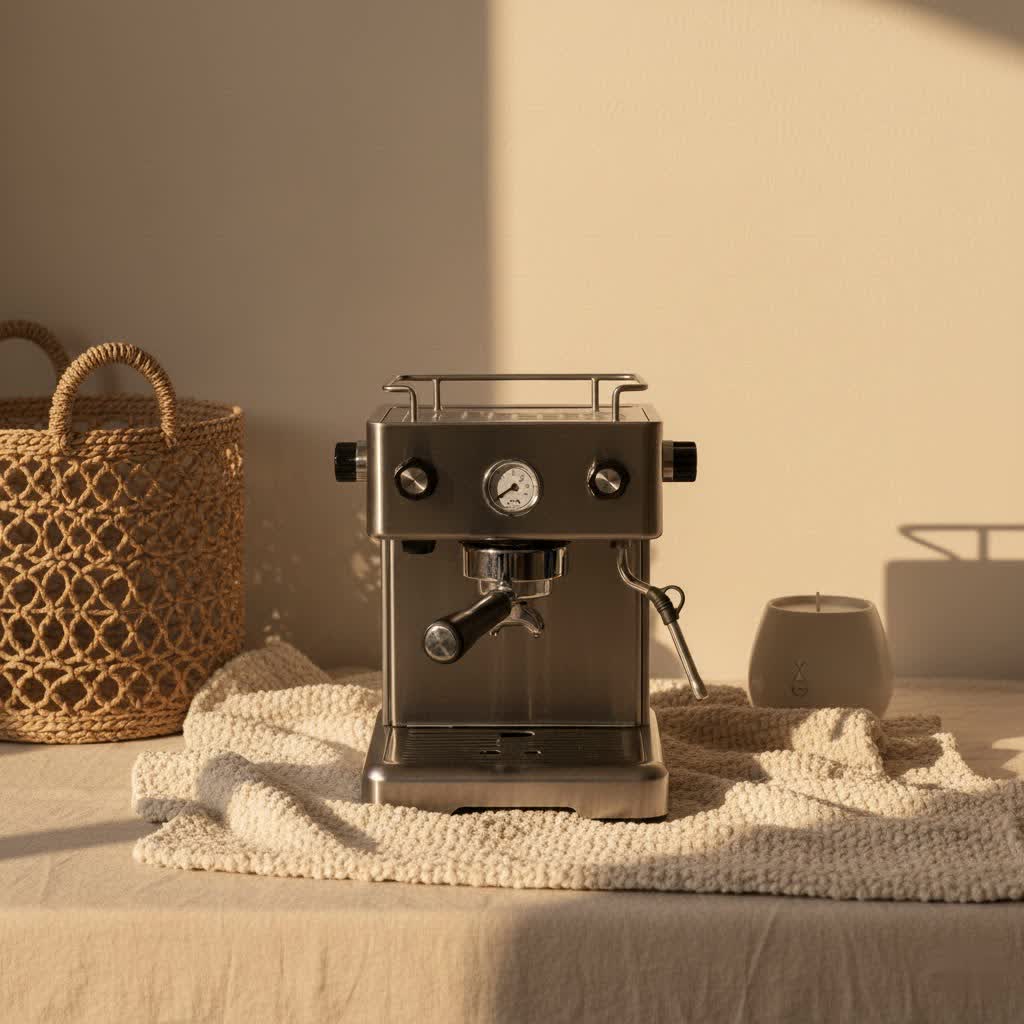
What is an Italian Espresso Machine?
An Italian espresso machine is a sophisticated device designed to force hot, pressurized water through finely ground coffee beans, producing a concentrated shot known as espresso. This iconic beverage, characterized by its rich flavor and a golden-brown layer of crema, originated in Italy and has become a global standard for coffee enjoyment.
The journey of the Italian espresso machine began in 1884 with Angelo Moriondo of Turin, who patented a machine that used steam and water to brew coffee in large batches. However, the concept of “espresso” as we know it—a single serving prepared “expressly” for the customer—was truly brought to life by Luigi Bezzera in 1901. He introduced key innovations like the portafilter and multiple brew heads, making individual servings possible. His patent was later acquired by Desiderio Pavoni, who commercialized the “Ideale” machine, popularizing espresso across Italy.
A significant leap occurred in 1946 when Achille Gaggia revolutionized extraction with the spring-lever mechanism. This innovation allowed for higher pressure and a slightly cooler brew temperature, leading to the creation of the coveted “crema” – the hallmark of a perfectly extracted espresso. By 1961, Faema introduced the iconic E61 group head, featuring an electric pump for consistent pressure and a horizontal boiler, transforming cafes into social hubs where baristas could interact with customers. These milestones cemented Italy’s position at the forefront of espresso machine development, laying the groundwork for the diverse range of machines available today.
Modern Italian espresso machines typically fall into several categories:
- Manual (Lever) Machines: These machines require the user to manually pull a lever to create the pressure needed for extraction. They offer ultimate control and a connection to the traditional art of espresso making, often favored by purists.
- Semi-Automatic Machines: Equipped with an electric pump, these machines allow baristas to start and stop the shot manually, controlling the extraction time. They are a popular choice for home baristas seeking control without the physical effort of a lever machine.
- Automatic Machines: These machines automatically dispense a pre-programmed volume of water, stopping the shot once the desired amount is reached. They offer consistency and convenience.
- Super-Automatic Machines: The epitome of convenience, these machines handle everything from grinding beans to tamping and brewing with the touch of a button, often including automatic milk frothing. While some Italian brands produce these, the focus of traditional Italian craftsmanship often leans towards semi-automatic or manual.
Essential Components of an Italian Espresso Machine
Understanding the internal workings of an Italian espresso machine reveals the precision engineering behind every rich shot. Each component plays a vital role in transforming ground coffee into a delicious espresso.
- Group Head: This is the heart of the extraction process, where hot water meets the coffee grounds. Many high-end Italian machines feature the renowned E61 group head, known for its temperature stability and pre-infusion capabilities.
- Portafilter & Basket: The portafilter is the handled filter holder that locks into the group head, containing a precision-engineered basket for holding the finely ground coffee. A standard size for professional and prosumer machines is 58mm, crucial for proper extraction.
- Boiler Systems:
- Single Boiler: Heats water for both brewing and steaming, often requiring a wait time to switch between functions.
- Heat Exchanger (HX) Boiler: Contains a single boiler with a tube running through it, allowing for simultaneous brewing and steaming by drawing fresh water through the tube for brewing while the main boiler maintains steam temperature.
- Dual Boiler: Features two separate boilers—one for brewing and one for steaming—offering superior temperature stability and precise control over both functions, ideal for back-to-back milk drinks.
- Pump: Generates the 9-15 bars of pressure needed for espresso extraction.
- Vibratory Pumps: More common in entry-level and mid-range machines, they are generally louder and can be less consistent.
- Rotary Pumps: Found in higher-end and commercial machines, these are quieter, more durable, and allow for direct plumbing of the machine.
- Steam Wand: A critical component for milk-based drinks, the steam wand delivers hot steam to froth milk into a creamy microfoam for lattes and cappuccinos. High-quality wands are often multi-directional and “no-burn” for safety and ease of use.
- Pressure Gauge: Located on the machine’s front, it displays boiler pressure and pump operating pressure, allowing you to monitor the health of your machine and the parameters of your espresso brewing.
- Water Reservoir/Tank: Holds the water used for brewing and steaming. Some machines can also be plumbed directly into a water line.
- Tamper: A tool used to compress the coffee grounds in the portafilter basket into a compact “puck,” ensuring even water distribution and consistent extraction. High-quality tampers are typically made of stainless steel and are ergonomically designed.
- Other Important Parts: An Over Pressure Valve (OPV) prevents excessive pressure during extraction, while a 3-Way Solenoid Valve releases pressure from the portafilter after brewing, making it easier to remove the coffee puck.
How to Choose the Perfect Italian Espresso Machine
Selecting an Italian espresso machine is an investment in your coffee ritual. With a myriad of options, it’s essential to consider your personal needs and preferences to make an informed decision.
Assess Your Brewing Habits and Needs
Begin by evaluating how you intend to use your machine:
- Frequency of Use: Do you plan to make one espresso shot daily, or multiple milk-based drinks for the whole family throughout the day? For high-volume use, a dual boiler or heat exchanger machine is highly beneficial for simultaneous brewing and steaming.
- Number of Servings: A single boiler might suffice for occasional use, but a dual boiler or heat exchanger will be more efficient for serving multiple people.
- Coffee Preferences: Are you primarily a black espresso drinker, or do you enjoy lattes and cappuccinos? If milk-based drinks are your priority, a powerful steam wand and ample steam capacity are crucial.
|
Our Picks for the Best Espresso Machine in 2026
As an Amazon Associate I earn from qualifying purchases.
|
||
| Num | Product | Action |
|---|---|---|
| 1 | Gevi Commercial Espresso and Coffee Makers, Professional 20 Bar Espresso Maker with Milk Frother, Stainless Steel Expresso Coffee Machines for Home, Compact Cappuccino Machine, Great Gift |

|
| 2 | Breville Bambino Espresso Machine BES450BSS, Brushed Stainless Steel |
|
| 3 | Ninja Luxe Café 3-in-1 Espresso, Drip Coffee and Cold Brew Machine - Integrated Coffee Grinder, Milk Frother, Assisted Tamper & Built-In Espresso Accessory Storage - Stainless Steel - ES601 |
|
| 4 | Breville Barista Express Espresso Machine BES870BSXL, Black Sesame |
|
| 5 | Breville Barista Express Espresso Machine BES870XL, Brushed Stainless Steel |
|
| 6 | De'Longhi Stilosa Manual Espresso Machine, Compact Coffee Maker, 15 Bar Pump Pressure, Manual Milk Frother Steam Wand for Authentic Single & Double Espresso, Lattes & Cappuccinos, Tamper Included |
|
| 7 | CASABREWS 3700 Essential Espresso Machine 20 Bar, Stainless Steel Cappuccino & Latte Machine with Steam Frother for Home, 43.9oz Water Tank, Coffee Gift for Women & Men, Silver |
|
| 8 | Gaggia Classic Evo Pro - Espresso Machine Jungle Green |
|
| 9 | Breville Barista Express Impress Espresso Machine BES876BSS, Brushed Stainless Steel |
|
| 10 | CASABREWS CM5418 Espresso Machine 20 Bar, Compact Espresso Maker with Steam Milk Frother, Stainless Steel Coffee Machine with 34oz Removable Water Tank for Cappuccino, Gift for Women or Men, Silver |
|
Set Your Budget
Italian espresso machines span a wide price range, reflecting differences in build quality, features, and technology.
- Entry-Level (e.g., Gaggia Classic Evo Pro): Typically under $1000, these offer a solid introduction to home espresso with manual control.
- Mid-Range (e.g., Rancilio Silvia Pro X, Lelit Mara X): Ranging from $1000-$2000, these often feature better temperature stability (PIDs), more robust components, and heat exchanger or dual boiler systems for improved performance.
- Prosumer/High-End (e.g., Rocket Espresso R58, Lelit Bianca V3, La Marzocco Linea Mini): Above $2000, these machines boast commercial-grade components, advanced features like flow control and pressure profiling, superior build quality, and exceptional durability, bringing cafe-level performance to your kitchen.
Consider your machine as a long-term investment. Higher initial costs often translate to better performance, greater durability, and lower long-term maintenance needs.
Key Features to Consider
Several technical specifications significantly impact an espresso machine’s performance:
- Pump Pressure (Bar): While 9 bars is the industry standard for optimal extraction, machines typically generate 9-15 bars. Consistency is more important than maximum pressure.
- Temperature Control (PID): A Proportional-Integral-Derivative (PID) controller digitally stabilizes brew temperature, leading to more consistent and flavorful espresso shots. It’s a highly desirable feature, especially for single-boiler machines.
- Boiler Type: As discussed, single, heat exchanger, and dual boilers offer different advantages in terms of temperature stability and workflow. Dual boilers provide the best control, while heat exchangers offer simultaneous brewing and steaming at a lower cost.
- Built-in Grinder: Some machines (especially super-automatics or certain all-in-one models) include a grinder. While convenient, a separate, high-quality burr grinder often provides better performance and consistency for espresso.
- Pre-infusion and Flow Control: These advanced features, found on prosumer machines, allow you to saturate the coffee grounds gently before full pressure is applied (pre-infusion) or manually adjust water flow during extraction (flow control), enhancing flavor and compensating for less-than-perfect puck preparation.
Reputable Italian Brands
Italy is home to many legendary espresso machine manufacturers, each with a rich history and commitment to quality. Some of the most highly regarded brands include:
- Gaggia: Known for pioneering crema and offering robust, reliable home machines like the Gaggia Classic Evo Pro.
- Lelit: A quickly rising star known for producing high-quality prosumer machines that offer excellent value and features like PID and flow control.
- Rocket Espresso: Famous for its stunning, handcrafted prosumer machines that blend classic Italian design with modern engineering.
- Rancilio: Best known for the Rancilio Silvia, a popular semi-automatic machine, and its more advanced Pro X version, offering robust performance.
- DeLonghi: A major manufacturer offering a wide range of machines, from entry-level to advanced super-automatics, known for innovation and design.
- La Pavoni: Steeped in history, famous for its iconic manual lever machines that are both functional and beautiful.
- Nuova Simonelli: Primarily a commercial brand, but also offers high-quality home prosumer models.
Always check for warranty coverage and the availability of local service and support when choosing a brand.
Comparing Popular Italian Espresso Machines
Italian espresso machines cater to every type of coffee lover, from beginners to experienced home baristas. Here’s a general comparison across different segments, highlighting what makes some models stand out.
For beginners and budget-conscious enthusiasts, machines like the Gaggia Classic Evo Pro are excellent entry points. These semi-automatic models offer a true taste of Italian espresso without an overwhelming array of features. They typically feature a single boiler, a 58mm commercial-style portafilter, and a respectable steam wand, providing a solid foundation for learning manual espresso skills. The focus here is on reliability and the ability to produce a decent shot, making it a favorite for those taking their first steps beyond pod machines.
Moving into the mid-range and prosumer category, you’ll find machines like the Rancilio Silvia Pro X and the Lelit Mara X. The Silvia Pro X boasts a dual boiler system, offering superior temperature stability and the ability to brew and steam simultaneously—a significant upgrade for milk drink lovers. It’s built like a tank, prioritizing function and durability. The Lelit Mara X, on the other hand, often features a heat exchanger (HX) system, which also allows for simultaneous brewing and steaming, along with PID temperature control for enhanced precision. These machines strike a balance between advanced features, build quality, and a more accessible price point compared to luxury models. They are designed for serious home baristas who want more control and cafe-quality results.
At the high-end and luxury segment, machines such as the Rocket Espresso R58 Cinquantotto and the Lelit Bianca V3 represent the pinnacle of home espresso. The Rocket R58 is a dual boiler machine with commercial-grade components and a quiet rotary pump, often allowing for direct plumbing. It’s known for its stunning aesthetics and unwavering consistency. The Lelit Bianca V3 pushes boundaries with features like a flow control paddle, enabling real-time pressure profiling during extraction, which offers unparalleled control over flavor nuances. These machines are handcrafted with premium materials, offer exceptional performance and durability, and are designed for those who demand the absolute best and treat espresso making as an art form.
Each segment offers a unique blend of price, features, and performance, ensuring there’s an Italian espresso machine perfectly suited to your aspirations and daily coffee ritual.
Mastering Your Italian Espresso Machine: Usage and Maintenance
Achieving the perfect Italian espresso shot and ensuring the longevity of your machine hinges on proper usage and consistent maintenance. Think of it as a partnership where your care directly impacts the quality in your cup.
Pre-Brew Preparation
Before you even grind your beans, a few steps are essential:
- Proper Installation: Ensure your machine is on a stable, level surface with adequate ventilation. If applicable, connect it to a filtered water source.
- Coffee Bean Selection: The quality of your beans is paramount. For espresso, aim for fresh, medium to dark roasted beans. The grind size is critical—it should be very fine, like powdered sugar, but not so fine that it clogs the machine. Adjust your grinder to achieve the ideal flow rate for your espresso.
- Warming Up the Machine: Italian espresso machines need to reach their optimal operating temperature. Turn on your machine at least 15-20 minutes (or longer for some dual boiler machines) before brewing. Run a blank shot (without coffee) through the group head to warm the portafilter and stabilize the temperature.
Brewing the Perfect Espresso Shot
Here’s a simplified step-by-step guide for a semi-automatic machine:
- Dose and Grind: Grind your fresh beans directly into the portafilter basket. The ideal dose typically ranges from 18-20 grams for a double shot.
- Distribute and Tamp: Use a coffee distributor tool to evenly spread the grounds, then tamp firmly and level with a quality tamper. This creates a uniform puck, essential for even extraction.
- Lock and Brew: Securely lock the portafilter into the group head. Place your warmed espresso cup(s) underneath.
- Start Extraction: Initiate the brew cycle. Aim for a double shot (around 36-40ml) to extract in 25-30 seconds. The stream should resemble warm honey.
- Observe and Adjust: Watch the flow, color, and crema. If it pours too fast, your grind is too coarse; too slow, it’s too fine. Adjust your grind for the next shot.
For milk-based drinks, purge the steam wand before and after use to remove condensed water and milk residue. Angle the wand into the milk pitcher to create a whirlpool effect, incorporating air for microfoam, then submerging to texturize the milk to a velvety consistency.
Daily and Routine Cleaning
Consistent cleaning is non-negotiable for taste and longevity.
- Daily Cleaning:
- Group Head Flush: After each shot, remove the portafilter and flush hot water through the group head for 2-3 seconds to rinse away loose grounds.
- Steam Wand Wipe & Purge: Immediately after steaming milk, wipe the wand with a damp cloth and give it a quick purge to clear any internal milk residue.
- Drip Tray and Grounds Bin: Empty and clean the drip tray and knock box daily to prevent odor and bacterial growth.
- Backflushing (if applicable): If your machine has a 3-way solenoid valve (common in semi-automatics), perform a daily backflush with a blind basket (a portafilter basket with no holes) to clear coffee oils from the group head. Use espresso machine cleaning powder weekly for a deeper clean, following manufacturer instructions.
- Weekly/Bi-weekly Maintenance:
- Soak Portafilter and Baskets: Detach the portafilter basket and shower screen (if removable) and soak them in warm water with espresso machine cleaning powder to dissolve stubborn coffee oils.
- Monthly/Quarterly Maintenance:
- Descaling: Mineral buildup (limescale) from water can clog internal pipes and affect heating efficiency. Depending on your water hardness, descale your machine every 1-3 months using a food-safe descaling solution. Always flush thoroughly with clean water afterward.
- Inspect Group Gasket: Check the rubber or silicone gasket around the group head for signs of wear or cracking. If water leaks around the portafilter during brewing, it’s likely time for a replacement.
- Every 6-12 Months: Consider replacing the group head gasket and shower screen, even if they appear fine, as subtle degradation can impact performance. Check steam wand tip holes for blockages with a pin.
By adhering to these usage and maintenance practices, your Italian espresso machine will consistently deliver delicious coffee and remain a reliable companion for years to come.
Common Issues and Troubleshooting Your Italian Espresso Machine
Even the most robust Italian espresso machines can encounter occasional issues. Knowing how to diagnose and address common problems can save you time and ensure your machine continues to perform optimally.
- Machine Won’t Heat Up:
- Possible Causes: Power supply issue, faulty heating element, tripped thermostat, or an empty water reservoir (some machines won’t heat without water).
- Solutions: Check power connections, fuses, and circuit breakers. Ensure the water tank is filled and correctly seated. If these don’t resolve it, the heating element or thermostat might need professional attention.
- Low Pressure/Slow Flow (Espresso extracts too slowly or drips):
- Possible Causes: Grind is too fine, too much coffee in the portafilter, tamping too hard, clogged group head, or scale buildup in the machine.
- Solutions: Adjust grind size to be slightly coarser. Reduce coffee dose. Tamp with consistent, moderate pressure. Perform a backflush and clean the group head. If the problem persists, descale the machine to remove mineral deposits. A failing pump can also cause low pressure and might require professional repair.
- No Steam from Wand/Weak Steam:
- Possible Causes: Clogged steam wand tip, low boiler pressure, faulty steam valve, or scale buildup in the steam boiler.
- Solutions: Clean the steam wand tip thoroughly with a pin or brush to remove dried milk residue, then purge. Check the machine’s pressure gauge to ensure the steam boiler has reached operating pressure. Descale the machine, especially if you have hard water.
- Leaking Water:
- Possible Causes: Worn group head gasket, loose connections, cracked water tank, or a blocked drip tray line.
- Solutions: Inspect the group head gasket and replace it if it appears worn or cracked. Check all visible water connections for tightness. Examine the water tank for any cracks. Ensure the drip tray and its drain line are clear of obstructions.
- Machine Is Too Loud (e.g., pump noise is excessive):
- Possible Causes: Air in the pump (new machine or after refilling tank), or a faulty pump.
- Solutions: If new or recently refilled, run water through the hot water tap to prime the pump and remove air. If the noise persists and is unusual for your machine, the pump may be failing and require replacement by a technician.
When to Seek Professional Help:
While many minor issues can be resolved with proper cleaning and basic troubleshooting, some problems warrant professional intervention. If you encounter issues such as complete power failure, persistent leaks after checking gaskets, severe electronic malfunctions, or a suspected boiler or pump failure, it’s best to consult an authorized service technician. Attempting complex repairs without expertise can void warranties or cause further damage.
Where to Purchase Your Italian Espresso Machine
Acquiring an Italian espresso machine is an exciting step, and knowing where to buy ensures you get an authentic product with reliable support.
- Authorized Dealers and Specialty Coffee Shops: Many reputable coffee equipment retailers and specialty coffee shops are authorized dealers for Italian brands. Buying from these sources often guarantees genuine products, manufacturer warranties, and expert advice. They can provide hands-on demonstrations and help you compare models based on your specific needs.
- Online Retailers: Major online stores specializing in coffee equipment often carry a wide selection of Italian espresso machines. Websites like Chris’ Coffee, Pro Coffee Gear, and Clive Coffee are examples of dedicated online shops that frequently stock popular Italian brands such as Lelit, Rocket Espresso, Rancilio, and Gaggia. Purchasing directly from official brand websites (e.g., DeLonghi, Bialetti) is another reliable online option. Always verify the retailer’s reputation and customer service policies.
- Buying Used: While more budget-friendly, purchasing a used Italian espresso machine carries risks. Inspect the machine thoroughly for signs of wear, damage, and consistent maintenance history. Brands known for their robust build quality, like Rancilio or Gaggia, can be good used options if well-maintained. Always test the machine before buying if possible, and be prepared for potential parts replacement or servicing.
Regardless of where you purchase, ensure the seller provides a valid warranty and has a clear return or repair policy. This is particularly important for high-value espresso machines.
The Ultimate Buying Guide: Beyond the Basics
Choosing an Italian espresso machine is about more than just features; it’s about integrating it seamlessly into your daily life and ensuring a truly satisfying experience.
Factors to Consider Before You Buy
Beyond the core specifications, think about these practical considerations:
- Kitchen Space: Espresso machines, especially prosumer models, can be substantial. Measure your available countertop space, including height clearance for cabinets, to ensure a comfortable fit. Consider the placement of the water reservoir and drip tray for ease of access and cleaning.
- Power Requirements: Most home machines run on standard household outlets, but high-end dual boiler models might draw more power. Check the voltage and wattage to ensure compatibility with your kitchen’s electrical setup.
- Noise Level: Vibratory pumps are typically louder than rotary pumps. If you value a quiet morning routine, this can be a significant factor.
- Necessary Accessories: An espresso machine is just the beginning. You’ll need essential accessories for optimal brewing:
- High-Quality Burr Grinder: This is perhaps the most crucial accessory. A consistent, fine grind is vital for espresso. Consider a separate grinder for superior results.
- Tamper: While some machines include one, an ergonomic, heavy-duty tamper (58mm for most Italian machines) improves consistency.
- Milk Pitcher: Essential for frothing milk. Stainless steel pitchers with a precise spout are ideal for latte art.
- Knock Box: A dedicated container for discarding spent coffee pucks.
- Scale: A precise digital scale (0.1g accuracy) is invaluable for consistent dosing of coffee grounds and measuring espresso yield.
- Cleaning Supplies: Espresso machine cleaner (e.g., Cafiza), descaling solution, and cleaning brushes are must-haves for maintenance.
Leveraging Reviews and Price Comparison
Before making a final decision, dedicate time to thorough research:
- Read User Reviews: Consult independent review sites and forums. Real-world user experiences can offer valuable insights into a machine’s daily usability, common quirks, and long-term reliability that specifications alone might not reveal. Look for reviews that align with your intended use case.
- Seek Expert Opinions: Websites and YouTube channels dedicated to specialty coffee often provide in-depth reviews and comparisons from experienced baristas.
- Compare Prices from Multiple Retailers: Prices can vary significantly between authorized dealers and online stores. Use price comparison tools to find the best deal, but always prioritize reputable sellers who offer strong customer support and warranty coverage. Sometimes, paying a little extra for a trusted retailer can save headaches down the line. Look out for seasonal sales or bundle deals that include essential accessories.
By considering these factors and doing your due diligence, you can confidently choose an Italian espresso machine that not only fits your budget and lifestyle but also elevates your home coffee experience to a true art form.
Conclusion
Embracing an Italian espresso machine is an invitation to a world of rich flavors, aromatic experiences, and the gratifying craft of brewing. From the pioneering innovations of Moriondo, Bezzera, and Gaggia to the advanced engineering of today’s Lelit and Rocket Espresso machines, Italy’s legacy in espresso is unmatched. By understanding the essential components, assessing your unique brewing needs, and selecting from reputable brands, you can choose a machine that perfectly aligns with your aspirations.
Remember that the journey doesn’t end with the purchase; consistent usage, meticulous cleaning, and proactive maintenance are vital for unlocking the full potential of your Italian espresso machine. Addressing common issues promptly and leveraging expert advice will ensure your machine remains a reliable heart of your coffee ritual for years to come. With careful consideration of accessories and thorough research, you’re now equipped to make an informed decision and embark on a delightful exploration of authentic Italian espresso. What will be your first signature espresso creation?
Frequently Asked Questions
What makes Italian espresso machines different from others?
Italian espresso machines are distinguished by their rich history, emphasis on classic design, and a commitment to quality components. Many use commercial-grade parts like 58mm portafilters and E61 group heads, prioritizing durability, temperature stability, and the ability to produce traditional, high-quality espresso with excellent crema.
How often should I descale my Italian espresso machine?
The frequency of descaling depends on your water hardness and how often you use your machine. For hard water areas or daily users, monthly descaling is recommended. With softer water or less frequent use, quarterly descaling might suffice. Always use a food-safe descaling solution and follow your machine’s manufacturer guidelines.
Can I use any type of coffee bean in an Italian espresso machine?
While you can technically use any bean, for optimal results, it’s best to use fresh, high-quality coffee beans roasted specifically for espresso. These roasts typically offer the right balance of flavor and body, producing a more balanced shot with desirable crema. The grind size is also crucial and must be adjusted precisely for espresso.
What is the difference between a single boiler, heat exchanger (HX), and dual boiler espresso machine?
A single boiler heats water for both brewing and steaming, requiring a wait time between functions. A heat exchanger (HX) uses one boiler but allows simultaneous brewing and steaming, making it more efficient for milk drinks. A dual boiler features separate boilers for brewing and steaming, offering the most precise temperature control and best performance for back-to-back milk-based beverages.
