Craving the rich, aromatic flavors of café-style coffee without the hefty price tag or complex machinery? The Imusa Espresso Machine emerges as a popular and budget-friendly choice for home baristas looking to craft their favorite espresso-style beverages. While it might not deliver the intense pressure of high-end commercial machines, Imusa offers an accessible entry point into the world of home coffee making, perfect for daily enjoyment or special weekend treats. This comprehensive guide will navigate you through understanding, choosing, operating, and maintaining an Imusa espresso machine, ensuring you get the most out of your compact brewing companion.
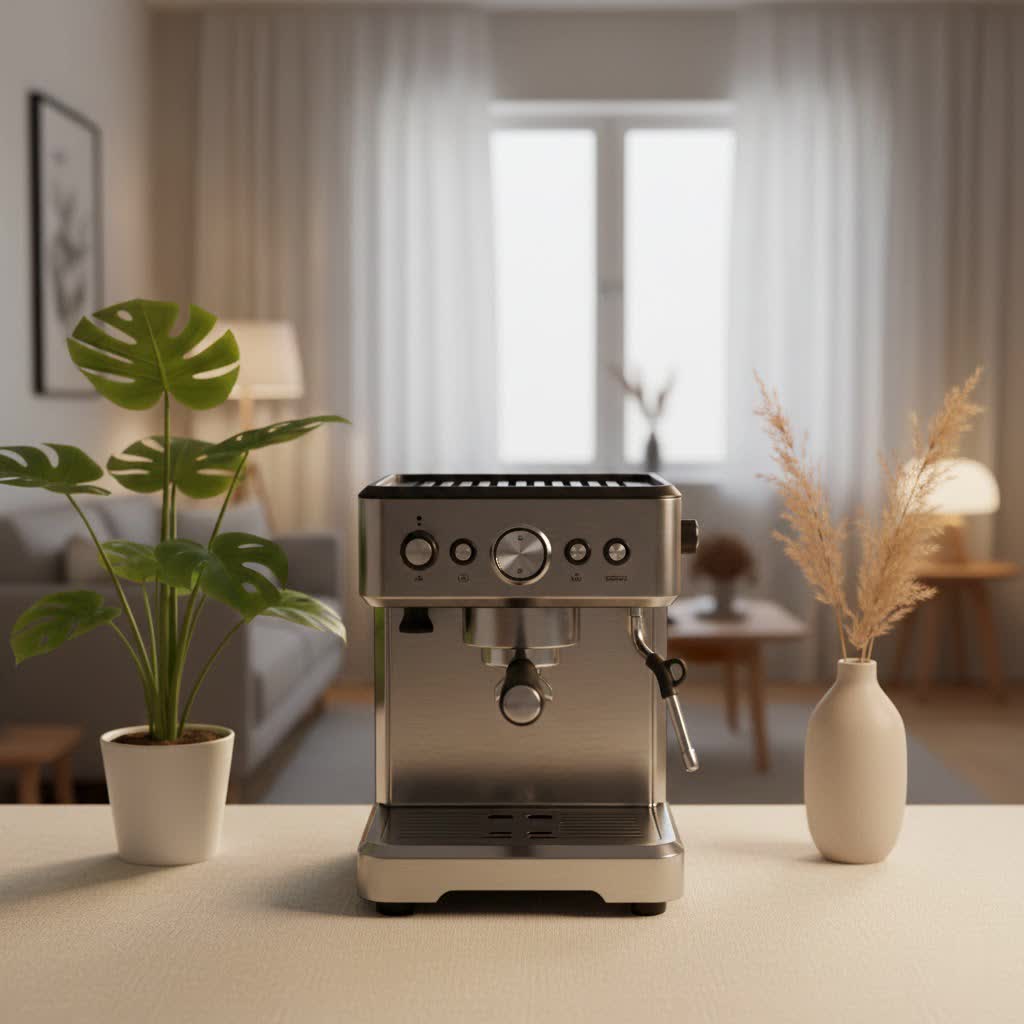
What is an Espresso Machine, and Where Does Imusa Fit In?
At its core, a traditional espresso machine uses high pressure (typically 9 bars or more) to force hot water through finely ground coffee, producing a concentrated shot with a rich, creamy layer known as crema. This process extracts the full essence of the coffee bean, creating the foundation for many beloved coffee drinks.
The history of espresso machines dates back to early 20th century Italy, evolving from steam-driven devices to the sophisticated pump-driven models we see today. These machines generally fall into categories such as manual, semi-automatic, automatic, and super-automatic, each offering varying levels of control and convenience.
Imusa espresso machines, however, typically operate on a different principle. Rather than high-pressure pumps, they primarily use steam pressure, often rated around 5 bars. This means they produce a strong, concentrated coffee that resembles espresso in taste and texture, but technically isn’t “true” espresso with the characteristic thick crema. Many Imusa models are essentially advanced electric moka pots with an added steam wand, ideal for those who enjoy robust coffee and milk-based drinks without needing professional-grade equipment. They are particularly favored for making traditional Cuban coffee, cappuccinos, and lattes at home.
Key Components of an Imusa Espresso Machine
Understanding the basic parts of your Imusa machine will help you get the best performance and maintain it properly.
- Heating Element & Water Reservoir: Unlike machines with complex pumps, Imusa models rely on a heating element to boil water in a reservoir, generating steam pressure to brew the coffee.
- Grouphead & Portafilter: This is where you place your ground coffee. The portafilter holds the filter basket for your coffee, and it locks into the grouphead, which is often made of a combination of plastic and aluminum for these budget-friendly models.
- Steam Wand/Frother: A standout feature for Imusa, this wand is designed to heat and froth milk, allowing you to create creamy cappuccinos and lattes.
- Glass Carafe: The brewed espresso-style coffee collects here, often marked for 2 or 4 cup servings.
- Removable Drip Tray: Located below the carafe, this tray catches any drips or spills, making cleanup easier.
How to Choose the Right Imusa Espresso Machine
Selecting an Imusa machine involves considering your personal coffee preferences and practical needs.
Assess Your Coffee Habits
|
Our Picks for the Best Espresso Machine in 2026
As an Amazon Associate I earn from qualifying purchases.
|
||
| Num | Product | Action |
|---|---|---|
| 1 | CASABREWS CM5418 Espresso Machine 20 Bar, Compact Espresso Maker with Steam Milk Frother, Stainless Steel Coffee Machine with 34oz Removable Water Tank for Cappuccino, Gift for Women or Men, Silver |

|
| 2 | Gaggia Classic Evo Pro - Espresso Machine Jungle Green |
|
| 3 | CASABREWS 3700 Essential Espresso Machine 20 Bar, Stainless Steel Cappuccino & Latte Machine with Steam Frother for Home, 43.9oz Water Tank, Coffee Gift for Women & Men, Silver |
|
| 4 | Breville Bambino Espresso Machine BES450BSS, Brushed Stainless Steel |
|
| 5 | Gevi Commercial Espresso and Coffee Makers, Professional 20 Bar Espresso Maker with Milk Frother, Stainless Steel Expresso Coffee Machines for Home, Compact Cappuccino Machine, Great Gift |
|
| 6 | Breville Barista Express Impress Espresso Machine BES876BSS, Brushed Stainless Steel |
|
| 7 | Breville Barista Express Espresso Machine BES870XL, Brushed Stainless Steel |
|
| 8 | De'Longhi Stilosa Manual Espresso Machine, Compact Coffee Maker, 15 Bar Pump Pressure, Manual Milk Frother Steam Wand for Authentic Single & Double Espresso, Lattes & Cappuccinos, Tamper Included |
|
| 9 | Ninja Luxe Café 3-in-1 Espresso, Drip Coffee and Cold Brew Machine - Integrated Coffee Grinder, Milk Frother, Assisted Tamper & Built-In Espresso Accessory Storage - Stainless Steel - ES601 |
|
| 10 | Breville Barista Express Espresso Machine BES870BSXL, Black Sesame |
|
Think about how often you’ll be using the machine. Do you need a quick cup every morning, or is it for occasional weekend indulgences? Imusa machines are generally designed for individual or small household use, typically producing 2 to 4 cups per brew. Also, consider your favorite drinks: if you love cappuccinos and lattes, ensure the model has an integrated steam wand.
Budget Considerations
One of Imusa’s most appealing aspects is its affordability. These machines are typically priced well under $50, making them an excellent entry-level option. This low investment allows you to experiment with home coffee making without committing to a costly setup. However, it’s crucial to manage expectations; while they deliver excellent value, they won’t replicate the performance of machines costing ten times more.
Essential Features to Look For
Focus on features that enhance convenience and usability. Look for machines with a steam pressure rating of around 5 bars, as this is standard for Imusa and sufficient for strong coffee and frothing. Consider the water reservoir capacity based on how many servings you typically need. A compact design is a hallmark of Imusa machines, ideal for limited kitchen countertop space. Additionally, always check for ease of cleaning, especially for the steam wand. As a historical note, some older Imusa models (specifically GAU-18200 and GAU-18201 with date codes “201407” to “201411”) were subject to a recall due to filler cap issues; it’s wise to be aware of such details if considering older or second-hand units.
Reputable Brands (Within the Budget Category)
While this guide focuses on Imusa, it’s good to know that several brands offer similar steam-driven espresso-style makers at comparable price points. Imusa, however, has carved out a niche for its compact and user-friendly designs, making it a go-to for many on a budget.
Comparing Popular Imusa Espresso Machine Models
Imusa offers several models, each with slight variations, but generally adhering to the same steam-driven principle. Here’s a general comparison of common types you might encounter:
| Model Type | Price Range | Key Features | Capacity | Pros | Cons | Best For |
|---|---|---|---|---|---|---|
| Imusa Bistro 4-Cup | $30-$45 | 5-bar steam, steam wand, glass carafe | 4 cups | Very compact, easy to use, affordable | Not “true” espresso, mostly plastic | Beginners, small households |
| Imusa Epic Electric | $40-$55 | Electric, steam wand, removable drip tray | 4 cups | Modern design, consistent performance | Still 5-bar pressure, no crema | Daily strong coffee & milk drinks |
| Imusa Stovetop Moka Pot | $15-$25 | Aluminum, stovetop heating, manual | 3-6 cups | Traditional method, rich strong coffee | No frother, manual heating, no crema | Cuban coffee enthusiasts, no electricity needed |
The Imusa Bistro 4-cup and Epic Electric models are particularly popular for their integration of a steam wand, allowing for diverse drink preparation.
Using and Maintaining Your Imusa Espresso Machine
Maximizing the lifespan and performance of your Imusa machine involves proper usage and consistent maintenance.
Initial Setup and Preparation
Before your first brew, it’s essential to prepare your new machine. Unpack all components and wash any removable parts, such as the portafilter, filter basket, and glass carafe, with warm, soapy water. Rinse them thoroughly and let them dry. Wipe the exterior housing with a damp cloth; never immerse the main appliance in water. To clean the internal system, run a full cycle with just water, or a water-vinegar solution, before making coffee. For coffee, choose an espresso-ground coffee, but avoid ultra-fine grinds that can clog steam-driven machines. Always ensure your machine is warmed up for a few minutes before brewing for optimal results.
Brewing Espresso-Style Coffee
Making a strong, espresso-style coffee with your Imusa is straightforward:
- Ensure the control knob is in the “off” position.
- Remove the water reservoir lid and fill the reservoir with fresh, cold water up to the desired 2 or 4 cup marking on the included carafe. Replace the lid securely, ensuring it’s tightly closed to prevent steam from escaping.
- Add the appropriate amount of espresso-ground coffee to the filter basket. For a 4-cup brew, typically 4-5 scoops (about 4 tablespoons) of coffee is recommended. Gently tamp the coffee evenly.
- Insert the filter holder (portafilter) into the grouphead, aligning it with the slots, and turn it firmly counter-clockwise until it’s securely locked in place.
- Switch the control knob to “brew.” The machine will begin to heat, and within approximately 3-4 minutes, your espresso-style coffee will flow into the glass carafe.
Frothing Milk for Lattes and Cappuccinos
The steam wand is a key feature for creating delightful milk-based drinks:
- Fill a tall, narrow pitcher with fresh, cold milk (dairy or non-dairy).
- Once your coffee is brewing or ready, ensure the machine has built up enough steam pressure. Position the steam wand just below the surface of the milk.
- Slowly turn the control knob to the “steam” position. You’ll hear the steam begin to froth the milk. Move the pitcher in a circular motion, adjusting the depth of the wand to achieve your desired frothiness.
- Immediately after frothing, turn the control knob back to “off” and clean the steam wand thoroughly. Run a bit of steam through it to clear any milk residue, then wipe it with a damp cloth. This prevents clogs and ensures hygiene.
Cleaning and Descaling
Consistent cleaning is vital for performance and longevity:
- Daily Cleaning: After each use, rinse the portafilter, filter basket, and glass carafe with warm water. Wipe down the exterior of the machine and always clean the steam wand immediately after frothing to prevent dried milk buildup.
- Regular Cleaning: Descale your machine every 1-2 months, depending on your water hardness and usage frequency. Use a descaling solution or a 50/50 mix of water and white vinegar. Run this solution through the brew cycle and the steam wand, then follow with several cycles of clean water to rinse thoroughly.
- Clogged Steam Wand: If your steam wand stops producing steam, it’s likely clogged with dried milk. A simple fix is to hold a glass of warm water under the wand and turn on the steam function, allowing the hot water to flush out the blockage.
Common Issues and Troubleshooting Your Imusa Machine
While Imusa machines are generally simple, you might encounter minor issues. Here’s how to troubleshoot them:
- Machine Not Heating or Brewing Slowly: Ensure the machine is plugged in and turned on. Check if the water reservoir has enough water. If brewing is slow, your coffee grind might be too fine, or the coffee was tamped too hard, obstructing water flow. A clogged filter could also be the culprit.
- Weak Pressure or No Steam from Wand: This is frequently due to a clogged steam tube from dried milk residue. Regularly cleaning the steam wand immediately after use and periodically running warm water through it (as described above) will prevent this.
- Steam Escaping from Top/Filler Cap: First, ensure the water reservoir lid or filler cap is securely and tightly closed. If the problem persists and your machine is an older model, inspect the cap for cracks. As mentioned, some past models had recalls related to faulty filler caps, posing burn risks.
- Machine Leaking: Check that all removable parts, especially the portafilter and water reservoir lid, are correctly assembled and tightly sealed. Inspect the rubber seals for wear or damage.
For persistent issues, refer to your specific model’s user manual or contact Imusa customer support.
Where to Buy Imusa Espresso Machines
Imusa espresso machines are widely available, reflecting their popularity as an affordable home appliance. You can typically find them at major online retailers such as Amazon, Walmart, and Target. Historically, they were also sold at brick-and-mortar stores like Kmart and Sears, though availability may vary by location and time. When purchasing online, always ensure you are buying from a reputable seller to guarantee product authenticity and warranty support. If considering a used machine, exercise caution and thoroughly inspect it, especially keeping in mind past product recalls.
Buying Guide: Maximizing Your Imusa Experience
Making an informed decision about your Imusa espresso machine goes beyond just the purchase itself.
Pre-Purchase Considerations
Before you buy, assess your kitchen space. Imusa machines are known for their compact footprint, but it’s still good to measure. Consider the proximity of power outlets. You’ll be pleased to know that these machines are generally quieter than their high-pressure counterparts.
Essential Accessories
While Imusa machines often come with a plastic measuring scoop that doubles as a basic tamper, investing in a separate milk frothing pitcher is highly recommended for creating perfect cappuccinos and lattes. Small cleaning brushes can also be invaluable for keeping the filter basket and steam wand pristine.
Reading Reviews and Price Comparison
Always read user reviews to get real-world insights into the machine’s performance and potential quirks. Pay attention to comments regarding durability, ease of cleaning, and the quality of the coffee produced. Given their affordable price point, Imusa machines represent excellent value. Compare prices across different retailers to snag the best deal, but remember that the true value lies in how well it meets your personal coffee-making needs. Manage your expectations by recognizing that while it’s an “espresso machine” in name, it excels at providing strong, espresso-style coffee drinks that are simple and satisfying to make at home.
“For budget-conscious coffee lovers, an Imusa machine offers a fantastic gateway into home espresso-style brewing. It’s all about approachable quality and convenience.” – Admin, Reviewspri.com, Espresso Machine Technician
Conclusion
The Imusa espresso machine stands out as an exceptional choice for those seeking an affordable, compact, and easy-to-use device to enjoy espresso-style coffee and milk-based drinks at home. While it operates on steam pressure rather than the high-bar pumps of traditional espresso makers, it delivers a robust and satisfying brew perfect for daily enjoyment. Its straightforward operation, integrated steam wand, and simple maintenance make it an ideal companion for beginners and seasoned coffee drinkers alike. By understanding its capabilities and limitations, you can confidently embark on your home barista journey with Imusa, turning your kitchen into your personal café.
What’s your favorite espresso-style drink to make at home with your Imusa?
Frequently Asked Questions
Is Imusa espresso machine real espresso?
Imusa espresso machines are typically steam-driven, producing about 5 bars of pressure. While they make strong, concentrated coffee, this is less than the 9+ bars required for “true” espresso with a thick crema. They are best described as espresso-style coffee makers.
How many bars is an Imusa espresso machine?
Most Imusa espresso machine models operate with approximately 5 bars of steam pressure. This is sufficient for brewing strong coffee and frothing milk, but it does not meet the industry standard for traditional high-pressure espresso extraction.
How do you clean an Imusa espresso maker?
For daily cleaning, rinse the portafilter, filter basket, and carafe, and immediately wipe and purge the steam wand. Regularly descale the machine using a water-vinegar solution or a commercial descaler to prevent mineral buildup and maintain optimal performance.
Can you use regular coffee in an Imusa espresso machine?
While you can technically use regular coffee, it’s highly recommended to use espresso-ground coffee for the best flavor and extraction. Avoid extremely fine grinds, as these can clog the machine and hinder the brewing process in steam-driven models.
Why is my Imusa espresso machine not frothing milk?
The most common reason for a steam wand not frothing milk is a clog caused by dried milk residue inside the tube. To fix this, thoroughly clean the wand immediately after each use and periodically run steam through a cup of warm water to clear any blockages.
