Stepping into the world of high-end espresso machines is embarking on a journey towards unparalleled coffee perfection. For the true connoisseur, a premium espresso machine isn’t just an appliance; it’s the heart of a home café, a gateway to mastering the art and science of espresso extraction. This comprehensive guide will navigate you through the intricate details, essential features, and expert advice to help you select, use, and maintain the perfect high-end espresso machine that aligns with your passion for exceptional coffee.
What is an Espresso Machine?
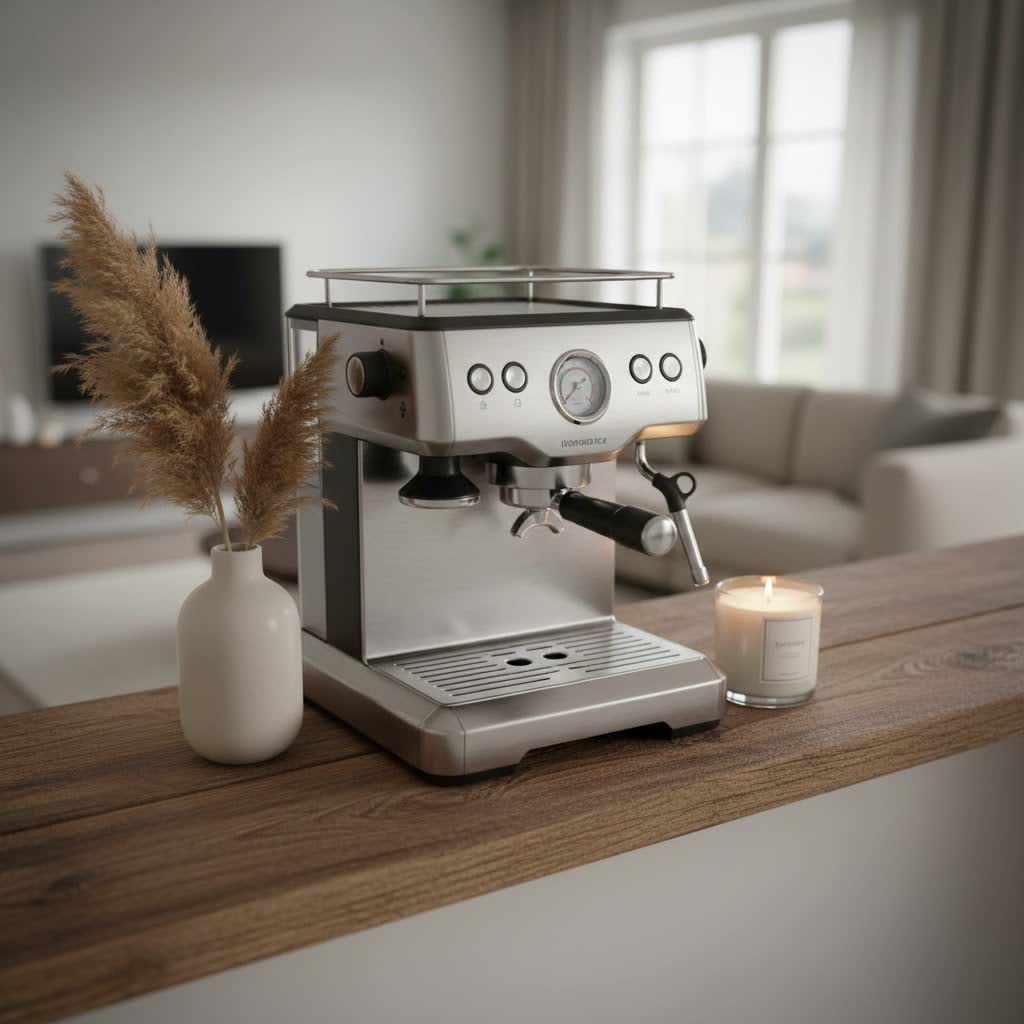
An espresso machine is a specialized device designed to force hot, pressurized water through finely ground coffee beans to produce a concentrated, aromatic beverage known as espresso. The journey of the espresso machine began in the early 20th century in Italy, evolving from steam-driven contraptions to the sophisticated, precision-engineered marvels we see today. The fundamental principle remains consistent: extracting rich flavors and oils under specific pressure and temperature conditions.
While many machines exist, high-end models typically fall into several categories. Manual machines offer complete control, demanding skill and experience. Semi-automatic machines provide a balance, automating pump pressure while allowing the user to control grind, dose, and shot time. Automatic machines further streamline the process by automatically stopping the shot based on programmed volume. At the pinnacle are super-automatic machines, which handle everything from grinding beans to frothing milk with the touch of a button. High-end machines often blur these lines, offering advanced automation with manual override capabilities for ultimate customization.
Essential Components of a High-End Espresso Machine
The superiority of a high-end espresso machine lies in the quality and engineering of its core components, which are designed for durability, precision, and consistent performance. Understanding these elements is key to appreciating your investment.
The pump is responsible for delivering water at the optimal 9 bars of pressure for espresso extraction. High-end machines often feature rotary pumps, known for their quiet operation and consistent pressure, especially beneficial if plumbing directly into a water line. The boiler system is critical for temperature stability. Premium machines typically employ dual boiler configurations, with separate boilers for brewing and steaming, allowing simultaneous and stable temperature control for both functions. Alternatively, heat exchanger (HX) systems allow brewing and steaming from a single boiler, though they require careful temperature management. Many high-end models incorporate PID controllers (Proportional-Integral-Derivative), digital systems that maintain brew water temperature within an extremely tight range, crucial for shot-to-shot consistency.
The grouphead is where the magic happens, connecting the boiler to the portafilter. The iconic E61 grouphead is a popular choice in prosumer machines, known for its thermal stability and pre-infusion capabilities. Saturated groupheads integrate the grouphead directly into the boiler, ensuring superior temperature consistency. The portafilter, typically a commercial-grade 58mm, holds the finely ground coffee. Its size and material (often brass or stainless steel) contribute to thermal stability. Finally, the steam wand on high-end machines is powerful, often “no-burn” for easier handling, and designed to produce dry, consistent steam for creating velvety microfoam ideal for latte art. These machines are constructed from premium materials like polished stainless steel, brass, and copper, ensuring longevity and enhancing their aesthetic appeal.
How to Choose a High-End Espresso Machine
Investing in a high-end espresso machine is a significant decision. Consider these factors to ensure your choice perfectly matches your needs and preferences.
Assess Your Usage Needs
|
Our Picks for the Best Espresso Machine in 2026
As an Amazon Associate I earn from qualifying purchases.
|
||
| Num | Product | Action |
|---|---|---|
| 1 | Breville Barista Express Espresso Machine BES870BSXL, Black Sesame |

|
| 2 | Gevi Commercial Espresso and Coffee Makers, Professional 20 Bar Espresso Maker with Milk Frother, Stainless Steel Expresso Coffee Machines for Home, Compact Cappuccino Machine, Great Gift |
|
| 3 | CASABREWS CM5418 Espresso Machine 20 Bar, Compact Espresso Maker with Steam Milk Frother, Stainless Steel Coffee Machine with 34oz Removable Water Tank for Cappuccino, Gift for Women or Men, Silver |
|
| 4 | Breville Bambino Espresso Machine BES450BSS, Brushed Stainless Steel |
|
| 5 | Breville Barista Express Impress Espresso Machine BES876BSS, Brushed Stainless Steel |
|
| 6 | De'Longhi Stilosa Manual Espresso Machine, Compact Coffee Maker, 15 Bar Pump Pressure, Manual Milk Frother Steam Wand for Authentic Single & Double Espresso, Lattes & Cappuccinos, Tamper Included |
|
| 7 | Gaggia Classic Evo Pro - Espresso Machine Jungle Green |
|
| 8 | Breville Barista Express Espresso Machine BES870XL, Brushed Stainless Steel |
|
| 9 | Ninja Luxe Café 3-in-1 Espresso, Drip Coffee and Cold Brew Machine - Integrated Coffee Grinder, Milk Frother, Assisted Tamper & Built-In Espresso Accessory Storage - Stainless Steel - ES601 |
|
| 10 | CASABREWS 3700 Essential Espresso Machine 20 Bar, Stainless Steel Cappuccino & Latte Machine with Steam Frother for Home, 43.9oz Water Tank, Coffee Gift for Women & Men, Silver |
|
Before diving into specifications, reflect on your daily coffee ritual. How frequently will you use the machine – daily, multiple times a day, or just on weekends? How many users will it serve? A single person might prioritize precision, while a household of coffee lovers needs speed and efficiency. What types of coffee drinks do you primarily enjoy? If lattes and cappuccinos are staples, powerful steaming capabilities and quick recovery times are essential. For pure espresso enthusiasts, supreme temperature and pressure control will be paramount.
Budget Considerations
High-end espresso machines range significantly in price, generally starting from around $1,000 and easily exceeding $5,000 for top-tier models. Machines in the $1,000-$2,000 range typically offer robust build quality, PID control, and either HX or entry-level dual boiler systems. Moving into the $2,000-$3,000 range unlocks advanced features like full dual boilers, rotary pumps, and improved ergonomics. For $3,000 and above, you’re looking at commercial-grade components, pressure profiling, stunning aesthetics, and superior user interfaces. Consider this an investment in quality and longevity, understanding that a higher price often correlates with durable materials and advanced technology that holds its value.
Key Features to Look For
Several advanced features differentiate high-end machines. Pressure profiling allows you to manipulate the water pressure during extraction, unlocking subtle nuances in your coffee. Flow control offers similar benefits by adjusting the water flow rate. Volumetric dosing automates shot volume for consistency. PID temperature control ensures stable brewing temperatures, while powerful steam wands are critical for silky milk texture. Some super-automatic high-end machines include sophisticated integrated grinders and touchscreen interfaces for effortless preparation. Prioritize features that genuinely enhance your desired coffee experience and level of control.
Reputable Brands
Choosing a machine from a trusted brand ensures quality, reliability, and excellent customer support. Brands like La Marzocco, Rocket Espresso, and Lelit are revered for their prosumer and commercial-grade semi-automatic machines, known for their exceptional build and performance. Jura and Gaggia lead the super-automatic high-end market with innovative technology and user-friendly interfaces. Breville offers compelling feature sets at competitive price points in the higher-end automatic category. Always research the brand’s warranty, customer service, and parts availability, as these can significantly impact your long-term ownership experience.
Comparing Popular High-End Espresso Machine Models
Selecting the perfect high-end machine often comes down to a detailed comparison of specific models and their unique offerings. Below is a simplified table showcasing some popular high-end options across different categories.
| Model Example | Type | Boiler System | Key Features | Ideal User | Price Range (USD) |
|---|---|---|---|---|---|
| La Marzocco Linea Micra | Semi-Automatic | Dual Boiler | PID, Saturated Grouphead, Fast Heat-up, Compact | Enthusiasts seeking commercial-grade quality in a home setting | $3,000 – $4,500 |
| Lelit Bianca V3 | Semi-Automatic | Dual Boiler | E61 Grouphead, PID, Flow Control Paddle, Wood Accents | Baristas who want ultimate control and customization | $2,500 – $3,500 |
| Rocket Appartamento | Semi-Automatic | Heat Exchanger | E61 Grouphead, Compact Design, Stylish | Style-conscious users desiring quality espresso and milk drinks | $1,500 – $2,000 |
| Jura Z10 | Super-Automatic | Thermoblock | Dual Grinders, Cold Brew Specialty, Smart Controls | Convenience-focused users wanting premium quality with minimal effort | $3,500 – $4,500 |
| Breville Barista Touch Impress | Automatic | Thermocoil | Integrated Grinder, Auto-tamp, Touchscreen, Auto Milk Frothing | Beginners to intermediates seeking guided, consistent results | $1,000 – $1,500 |
Note: Prices are approximate and can vary based on retailer, promotions, and specific configurations.
Operating and Maintaining Your High-End Espresso Machine
Mastering your high-end espresso machine involves more than just pressing a button; it’s about ritual, precision, and diligent care.
Preparation
Proper installation is crucial. Ensure your machine is on a stable, level surface with adequate ventilation. If plumbing-in, professional installation for water filtration is recommended. The quality of your coffee beans is paramount. High-quality, freshly roasted beans (within 2-4 weeks of roasting) ground immediately before brewing will yield the best results. The grind size is critical and often needs fine-tuning for each bean batch. Finally, always pre-heat your machine – boilers, grouphead, and portafilter – for at least 20-30 minutes to achieve thermal stability for optimal extraction.
Brewing the Perfect Espresso
The process begins with dosing the correct amount of freshly ground coffee into your portafilter. Use a quality tamper to create an evenly compacted “puck.” Lock the portafilter into the grouphead, then initiate the shot. Observe the flow: it should resemble warm honey, taking approximately 25-30 seconds to yield a 1:2 ratio (e.g., 18g coffee to 36g espresso). High-end machines offer features like pressure gauges and temperature displays to help you monitor and adjust parameters for the best flavor extraction. Experiment with grind size, dose, and extraction time to achieve your ideal shot.
Cleaning and Maintenance
Regular cleaning is vital for the longevity and performance of your high-end machine. Daily cleaning involves flushing the grouphead after each shot, wiping down the steam wand immediately after use, and emptying/rinsing the drip tray and water reservoir. Periodic maintenance includes backflushing the grouphead with a blind basket and specialized cleaning tablets to remove coffee oils, typically weekly for heavy users. Descaling (removing mineral buildup from the boiler and pipes) should be done according to your machine’s manual, usually every 1-3 months, using appropriate descaling solutions. Always use filtered water to minimize scale buildup.
Common Issues and Troubleshooting
Even with high-end machines, minor issues can arise. Knowing how to address them can save you time and preserve your coffee experience.
If your machine isn’t heating up, check the power supply and ensure the heating element is engaged. A tripped breaker or a faulty thermistor could be culprits. Weak pressure during extraction often points to an issue with your grind (too coarse), dose (too little coffee), or a worn pump. Conversely, coffee flowing too slowly or not at all usually means the grind is too fine, the dose is too high, or the puck is tamped too hard. Water leaks can stem from loose connections, worn gaskets (especially the grouphead gasket), or a cracked water reservoir. For simple issues, consult your machine’s manual. However, for persistent problems or complex internal component failures, it’s best to call a certified technician to avoid causing further damage to your sophisticated equipment.
Where to Purchase a High-End Espresso Machine
Acquiring a high-end espresso machine requires choosing a reliable vendor to ensure authenticity, support, and a smooth purchasing experience.
Specialty coffee retailers and authorized dealers are often the best places to buy, offering expert advice, product demonstrations, and post-purchase support. Many reputable brands also sell directly through their official online stores. When buying online, always verify the seller’s authenticity and review their return and warranty policies. While tempting, purchasing a used machine can carry risks, such as hidden defects or expired warranties, but can also offer significant savings if sourced from a reputable seller who provides a service history. Always inspect a used machine thoroughly and, if possible, have it checked by a technician.
Advanced Buying Guide for Discerning Enthusiasts
For those truly committed to the ultimate home espresso setup, delve deeper into these considerations before making your final purchase.
Factors to Consider Before Buying
Beyond features, think about the practicalities. What are your electrical requirements? Some high-end machines, especially dual boilers, may require a dedicated 20-amp circuit. Measure your kitchen space precisely – these machines can be substantial. Also, consider the noise level; rotary pumps are generally quieter than vibratory pumps. Think about water source: do you prefer a reservoir or are you willing to plumb the machine directly into your water line for continuous supply and optimal water filtration?
Essential Accessories
The machine is only part of the equation. Invest in high-quality accessories to maximize your experience. A precision grinder (burr grinder is a must) is arguably as important as the machine itself. You’ll also need a durable tamper that fits your portafilter, a milk pitcher for frothing, a knock box for spent coffee pucks, and cleaning brushes and cloths. Many enthusiasts also add a precise scale for weighing coffee doses and espresso yield, and a quality water filter or softener.
Read Reviews and Compare Prices
Before committing, dedicate time to reading extensive user reviews and expert opinions on your short-listed models. Look for consistent feedback on performance, durability, and customer service. Websites, forums, and YouTube channels dedicated to home espresso can offer invaluable insights. Finally, compare prices from multiple authorized retailers. While high-end machines rarely go on steep discounts, you might find seasonal promotions, bundle deals, or competitive pricing that offers the best value for your investment.
Conclusion
A high-end espresso machine is an investment in daily luxury, transforming your kitchen into a personal coffee sanctuary. By understanding the intricate components, discerning your specific needs, and committing to proper operation and maintenance, you unlock the potential for truly exceptional coffee. From the rich crema of a perfectly pulled shot to the velvety microfoam of a handcrafted latte, these machines empower you to explore the art of espresso with unparalleled precision and consistency.
Are you ready to elevate your coffee experience and craft café-quality beverages from the comfort of your home?
Frequently Asked Questions
What distinguishes a high-end espresso machine from a standard one?
High-end espresso machines are characterized by superior build quality using premium materials like stainless steel and brass, advanced temperature control systems such as dual boilers and PID, greater customization options like pressure profiling, and commercial-grade components for exceptional durability and consistent performance. This results in greater control and the ability to produce café-quality espresso at home.
Do I really need a dual boiler for home use?
While a heat exchanger (HX) machine can suffice for many, a dual boiler system offers distinct advantages, especially if you frequently make milk-based drinks. It allows for simultaneous, independent temperature control for brewing and steaming, eliminating wait times and ensuring optimal temperatures for both functions, leading to more consistent and higher-quality results.
How important is the grinder for a high-end espresso setup?
The grinder is arguably as crucial as the espresso machine itself. A high-end machine’s capabilities can be severely limited by an inadequate grinder. A quality burr grinder provides consistent, uniform grounds essential for proper extraction, allowing your machine to perform at its best and enabling you to fine-tune your espresso shots.
What maintenance is required for a luxury espresso machine?
Regular maintenance is key to longevity. This includes daily cleaning of the grouphead and steam wand, weekly backflushing with a cleaning tablet, and periodic descaling based on water hardness and usage. Always use filtered water to minimize mineral buildup, and consult your machine’s manual for specific cleaning protocols and product recommendations.
Is pressure profiling a necessary feature for a home barista?
Pressure profiling is an advanced feature primarily beneficial for experienced home baristas who enjoy experimenting with different flavor profiles. While not strictly “necessary” for a great shot, it offers granular control over the extraction process, allowing you to highlight specific notes in your coffee and explore advanced techniques to a degree not possible with standard machines.
