Stepping into the world of home espresso can feel like navigating a complex maze, especially when seeking that perfect balance of quality, convenience, and affordability. For many coffee enthusiasts, the Gevi Espresso Machine emerges as a compelling option, promising café-quality beverages without the premium price tag. Whether you’re a budding home barista or simply seeking an upgrade, understanding the nuances of these machines is key to transforming your daily coffee ritual. This comprehensive guide will walk you through everything you need to know about Gevi espresso machines, from their core components to choosing the ideal model for your needs and mastering the art of the perfect shot.
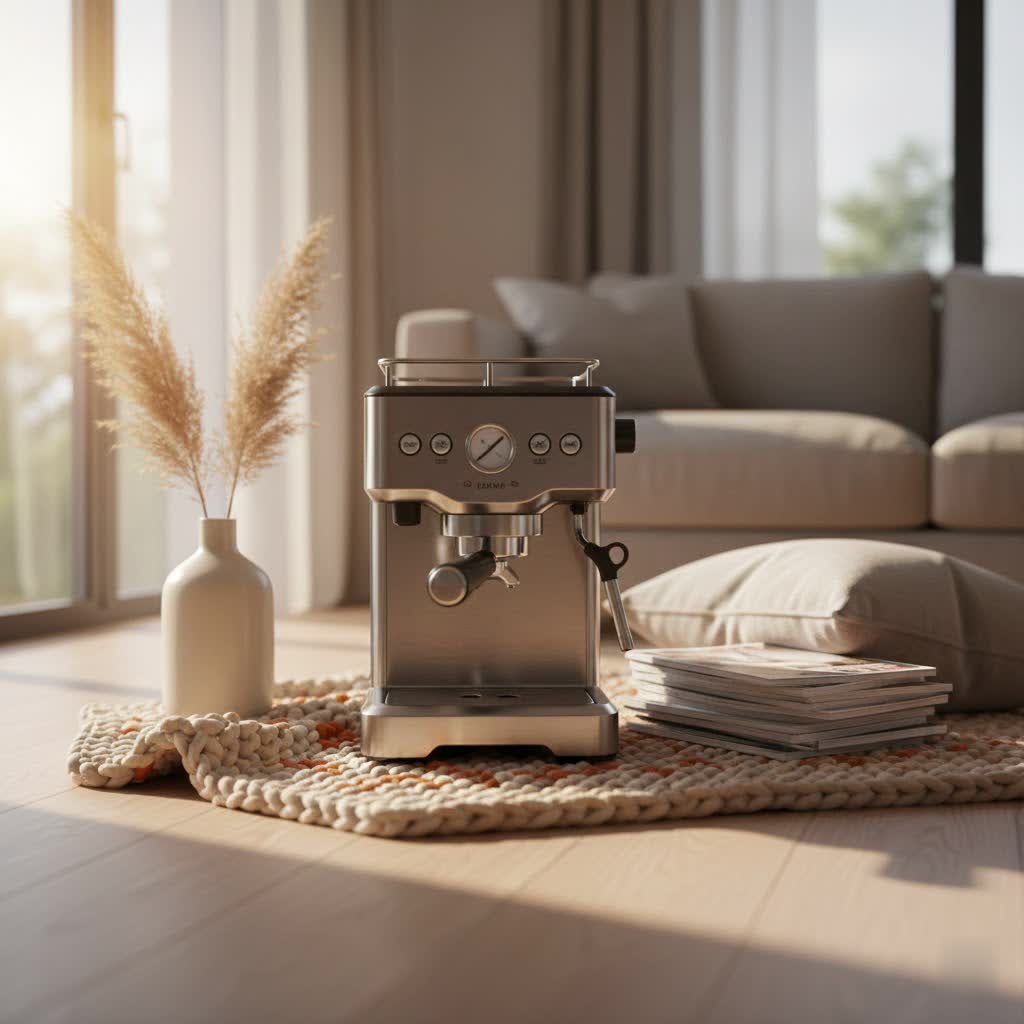
What is a Gevi Espresso Machine?
Gevi has carved out a significant niche in the home appliance market, particularly known for its range of accessible and feature-rich espresso machines. Unlike high-end, commercial-grade equipment that demands a substantial investment, Gevi focuses on delivering robust performance and user-friendly designs tailored for everyday home use. The brand’s philosophy centers on making quality espresso accessible, empowering individuals to craft their favorite coffee drinks right from their kitchen counter.
The evolution of Gevi espresso machines reflects a commitment to integrating advanced technologies—often found in more expensive models—into budget-friendly packages. From basic semi-automatic units to more sophisticated bean-to-cup options with integrated grinders, Gevi offers a diverse lineup. These machines typically aim to strike a balance between automation and manual control, providing enough flexibility for users to experiment and refine their brewing skills while maintaining a straightforward operation suitable for beginners.
Essential Components of a Gevi Espresso Machine
Understanding the internal workings of an espresso machine demystifies the brewing process and helps you appreciate the technology behind your perfect cup. Gevi machines, like most espresso makers, are built around several critical components that work in harmony to extract rich, flavorful espresso.
- Pump: The heart of any espresso machine, the pump is responsible for generating the high pressure required to force hot water through the compacted coffee grounds. Gevi machines typically feature either a 15-bar or 20-bar pressure pump. A 20-bar pump is often highlighted for its ability to produce ample pressure for rich espresso extraction and a desirable crema.
- Heating System: This crucial element ensures the water reaches and maintains the optimal temperature for extraction. Many Gevi models utilize a thermoblock heating system, known for its rapid heat-up time—some machines can reach brewing temperature in as little as 45 seconds. More advanced Gevi units might incorporate dual heating systems, allowing for simultaneous brewing and steaming, significantly improving workflow. Some also feature PID (Proportional-Integral-Derivative) or NTC temperature control, which electronically maintains precise water temperatures for consistent results.
- Grouphead: This is where the magic happens – the portafilter locks into the grouphead, and hot, pressurized water is delivered to the coffee grounds. The design and material of the grouphead influence temperature stability during extraction.
- Portafilter and Filter Baskets: The portafilter is the handle with a basket that holds the ground coffee. Gevi machines commonly use 51mm portafilters, with some premium models featuring the commercial-standard 58mm size. While many entry-level Gevi machines include pressurized (dual-wall) filter baskets—which simplify brewing for pre-ground coffee by compensating for inconsistent grinds—some also come with single-walled (non-pressurized) baskets, offering more control for those who grind their own beans.
- Steam Wand: This component is essential for frothing milk to create lattes, cappuccinos, and other milk-based drinks. Gevi machines offer both manual steam wands and, on some models, automatic milk frothers. While manual wands on budget Gevi machines may require practice and can be less powerful or slower to heat compared to high-end models, they are generally capable of producing creamy microfoam with proper technique.
These components, often housed within a compact and stylish stainless steel or durable plastic casing, make Gevi machines a functional and aesthetic addition to any kitchen.
Choosing the Right Gevi Espresso Machine
Selecting the perfect Gevi espresso machine involves assessing your personal brewing habits, budget, and desired features. With various models available, a thoughtful approach ensures you find a machine that truly fits your lifestyle.
Determine Your Brewing Needs
|
Our Picks for the Best Espresso Machine in 2026
As an Amazon Associate I earn from qualifying purchases.
|
||
| Num | Product | Action |
|---|---|---|
| 1 | Breville Barista Express Impress Espresso Machine BES876BSS, Brushed Stainless Steel |

|
| 2 | CASABREWS 3700 Essential Espresso Machine 20 Bar, Stainless Steel Cappuccino & Latte Machine with Steam Frother for Home, 43.9oz Water Tank, Coffee Gift for Women & Men, Silver |
|
| 3 | Breville Barista Express Espresso Machine BES870BSXL, Black Sesame |
|
| 4 | Breville Bambino Espresso Machine BES450BSS, Brushed Stainless Steel |
|
| 5 | Gaggia Classic Evo Pro - Espresso Machine Jungle Green |
|
| 6 | De'Longhi Stilosa Manual Espresso Machine, Compact Coffee Maker, 15 Bar Pump Pressure, Manual Milk Frother Steam Wand for Authentic Single & Double Espresso, Lattes & Cappuccinos, Tamper Included |
|
| 7 | Ninja Luxe Café 3-in-1 Espresso, Drip Coffee and Cold Brew Machine - Integrated Coffee Grinder, Milk Frother, Assisted Tamper & Built-In Espresso Accessory Storage - Stainless Steel - ES601 |
|
| 8 | Gevi Commercial Espresso and Coffee Makers, Professional 20 Bar Espresso Maker with Milk Frother, Stainless Steel Expresso Coffee Machines for Home, Compact Cappuccino Machine, Great Gift |
|
| 9 | Breville Barista Express Espresso Machine BES870XL, Brushed Stainless Steel |
|
| 10 | CASABREWS CM5418 Espresso Machine 20 Bar, Compact Espresso Maker with Steam Milk Frother, Stainless Steel Coffee Machine with 34oz Removable Water Tank for Cappuccino, Gift for Women or Men, Silver |
|
Consider how often you’ll use the machine and for whom. Will it be a daily ritual for one or two people, or will you be entertaining guests frequently? Your preferred drinks also play a role; if you primarily enjoy straight espresso or Americanos, a simpler machine might suffice. However, if lattes and cappuccinos are your go-to, a machine with a capable steam wand or automatic frother will be a higher priority. Some Gevi models are semi-automatic, requiring manual grinding, while others, like bean-to-cup machines, integrate a grinder for ultimate convenience.
Budget Considerations
Gevi excels in the affordable segment of the espresso machine market. Prices can range significantly, from entry-level options under $200 to more advanced models with integrated grinders or dual boilers that approach the mid-range. While it might be tempting to opt for the cheapest model, consider the long-term value. A slightly higher investment might unlock features like a built-in grinder or more precise temperature control, enhancing your overall coffee experience and potentially saving money on separate accessories.
Essential Features
Several features impact both the quality of your espresso and the ease of use.
- Pump Pressure: Most Gevi machines feature 15- or 20-bar pumps, both capable of good espresso. Higher pressure isn’t always better, but a consistent pump is key.
- Heating System: Look for thermoblock for quick heat-up times. If you make multiple milk drinks, a dual heating system can be a game-changer, allowing simultaneous brewing and steaming.
- Temperature Control: PID or NTC systems offer greater temperature stability, crucial for optimal extraction.
- Integrated Grinder: A significant convenience, especially for those who value freshness. Gevi’s integrated conical burr grinders typically offer multiple grind settings (e.g., 30-31 steps).
- Milk Frothing: Decide between a manual steam wand (more control, requires skill) or an automatic frother (simpler, less control). Some Gevi manual wands offer professional-level performance, while others are noted as less powerful.
- Portafilter Size: While 51mm is common, some higher-end Gevi models boast 58mm portafilters, which align with commercial standards and allow for a wider array of aftermarket accessories.
Reputable Gevi Models
Gevi offers a variety of models, each with distinct advantages.
- Gevi 20 Bar 3-in-1 Espresso Machine: Often lauded as a top performer, this model typically features a dual boiler, integrated grinder, PID temperature control, and customizable pre-infusion, making it ideal for aspiring home baristas seeking versatility.
- Gevi 20 Bar 2-in-1 Espresso Machine: A popular entry-level choice, known for its fast thermoblock heating system, 20-bar pump, and automatic milk frother, offering quick and consistent coffee.
- Gevi 15 Bar GECME403-U: A budget-friendly option that delivers consistent 15-bar pressure and often includes a temperature gauge and low-pressure pre-infusion, though it typically lacks a built-in grinder.
- Gevi 20 Bar Compact Professional: A sleek, space-saving model, often with stainless steel construction, a 20-bar pump, and a professional steam wand, perfect for smaller kitchens.
- Gevi Dual Boiler Espresso Coffee Machine (e.g., ECMF0): Aimed at advanced users, these models replicate café-style workflow by allowing simultaneous brewing and steaming with precise temperature control.
Gevi’s commitment to customer satisfaction is often reflected in a standard 12-month warranty and accessible customer support, providing peace of mind with your purchase.
Using and Maintaining Your Gevi Espresso Machine
Mastering your Gevi espresso machine involves more than just pressing buttons; it requires understanding the basics of brewing and consistent maintenance.
Preparation
Before your first brew, ensure the machine is properly set up. Fill the removable water tank with clean, fresh water. Choose the right coffee beans—freshly roasted, high-quality beans make a significant difference. Grinding them just before brewing is ideal, with a fine grind (like table salt) generally recommended for espresso. If your Gevi has a built-in grinder, experiment with its settings. Tamp the grounds evenly and firmly into the portafilter to create a compact puck. Always allow your machine to pre-heat fully; Gevi’s thermoblock systems are fast, but a warm portafilter and cup ensure optimal temperature stability.
Brewing Espresso
Once prepared, lock the portafilter into the grouphead. Place your cup(s) underneath. For most Gevi models, select your desired shot size (single or double). Aim for an extraction time of 25-30 seconds for a single shot (approximately 30ml) or 50-70ml for a double. Observe the stream of espresso—it should start dark and thin, then lighten to a caramel color, with a rich crema forming on top. You can often program or manually stop the extraction to achieve your preferred volume and taste.
Milk Frothing
For milk-based drinks, the steam wand is your tool. Fill a stainless steel milk pitcher (not usually included with Gevi machines) with cold milk. Purge a little steam from the wand to clear any condensed water. Position the wand just below the milk’s surface to introduce air, then submerge it slightly to create a swirling vortex, heating the milk to about 140-150°F (60-65°C) until it has a silky, “melted ice cream” texture. While Gevi’s manual steam wands can require finesse and may take longer to heat compared to premium machines, consistent practice will yield impressive results.
Cleaning and Descaling Your Machine
Regular cleaning is vital for the longevity and performance of your Gevi machine.
- Daily Cleaning: After each use, empty and rinse the portafilter. Wipe down the steam wand immediately with a damp cloth to prevent milk residue buildup and use the included cleaning pin to clear the nozzle. Empty and clean the drip tray every other day.
- Regular Cleaning: Periodically clean the water tank with mild soap and water.
- Descaling: This is perhaps the most crucial maintenance step, especially if you have hard water and your machine lacks a water filter. Mineral deposits (limescale) can clog internal components and affect heating and pressure. Gevi typically recommends descaling every 6 weeks to 6 months, depending on water hardness. Follow the specific descaling instructions in your machine’s manual, using a suitable descaling solution. Ignoring descaling can lead to poor performance and machine breakdown.
Common Gevi Espresso Machine Issues and Troubleshooting
Even with the best Gevi machine, you might encounter issues. Most common problems can be resolved with simple troubleshooting.
- No or Slow Coffee Extraction: This is often due to coffee grounds being too fine, tamping pressure being too high, or an empty water tank. Check your grind size (adjust coarser if too slow), reduce tamping pressure, and ensure the tank is full. Stale beans can also contribute to poor extraction and lack of crema.
- Weak Crema or No Crema: Freshness of beans is paramount here. Use fresh, dark-roasted beans and ensure the grind isn’t too coarse. Improper tamping can also be a factor.
- Machine Not Heating or Weak Pressure: Limescale buildup is a common culprit, restricting water flow and heating efficiency. Descaling is typically the solution. In rarer cases, a blown fuse or pump malfunction might occur, requiring professional service.
- Steam Wand Malfunctions (Weak Steam/Blockage): Blocked nozzles from dried milk residue are common. Use the cleaning pin provided by Gevi to clear the hole. If steam is weak despite clearing, descaling might be necessary to address internal blockages, or there could be an issue with the steam boiler or thermoblock itself.
- Water Leaks: Check for loose components, an improperly seated water tank, or a full drip tray. Gasket wear around the grouphead or portafilter can also cause leaks and may require replacement.
- Excessive Noise: While some noise is normal, excessive rattling might indicate loose internal components or a need to reduce gaps between external shells. Compressor or pump noise can vary by model.
For persistent issues, Gevi’s customer service typically provides support and may require information like your machine’s QR code, order number, and a video of the malfunction for diagnosis.
Where to Buy Gevi Espresso Machines
Gevi espresso machines are widely available, primarily through online retailers.
You can find a comprehensive selection on major e-commerce platforms like Amazon, where many Gevi models are highly rated for their value. Additionally, checking Gevi’s official website (gevi.com) can provide access to their full product lineup, direct purchasing options, and often specific deals or bundles.
When purchasing online, it’s advisable to check the seller’s reputation, warranty information, and return policies. While buying a used machine can be cost-effective, it comes with inherent risks regarding wear and tear, and may invalidate the warranty. Always prioritize reputable sellers and compare prices across different platforms to ensure you’re getting the best deal.
Gevi Espresso Machine Buying Guide: Advanced Considerations
Beyond core features and price, a few additional factors can influence your satisfaction with a Gevi espresso machine, ensuring it integrates seamlessly into your kitchen and daily routine.
Space and Aesthetics
Gevi machines are often lauded for their compact designs, making them suitable for smaller kitchens or limited countertop space. However, dimensions vary between models, so measure your available area before purchasing. Consider the aesthetic as well; Gevi offers designs ranging from sleek, modern stainless steel to retro-inspired models with prominent pressure gauges, allowing you to choose one that complements your kitchen decor.
Noise Levels
Espresso machines, particularly those with powerful pumps, can generate a noticeable amount of noise during operation. While Gevi machines are generally designed for home use, some models might be noisier than others, especially during grinding or steaming. If noise is a significant concern for you, look for reviews that specifically mention acoustic performance.
Essential Accessories
While many Gevi machines come with basic accessories like a tamper and filter baskets, you might want to invest in additional items to enhance your brewing experience. A good quality milk pitcher is essential for frothing, and a knock box makes disposing of coffee pucks clean and easy. If your chosen Gevi model doesn’t have an integrated grinder, a dedicated espresso-quality grinder is a non-negotiable accessory for achieving optimal results.
Reading Reviews and Comparing Prices
Before making a final decision, dedicate time to reading user reviews and expert comparisons. This provides valuable insights into real-world performance, common frustrations, and long-term durability that might not be evident from product specifications alone. Compare prices from various retailers to find the best available offer, keeping an eye out for sales or bundles that might include essential accessories. User feedback on sites like Amazon and detailed reviews from coffee enthusiasts can offer perspectives on features like steam wand strength or grinder consistency.
> “Gevi machines hit a sweet spot for home baristas on a budget. They deliver surprising performance for their price, but understanding their limitations, especially with milk frothing, is key to managing expectations and truly enjoying your coffee.” – John Smith, Lead Technician, Reviewspri.com
Conclusion
Gevi espresso machines offer an enticing gateway into the world of home-brewed espresso, blending affordability with a strong feature set. From their robust 20-bar pumps and fast thermoblock heating systems to integrated grinders and temperature control on various models, Gevi consistently delivers impressive value. While some models may have limitations, particularly with steam wand performance or overall build aesthetics, they generally provide a reliable and enjoyable coffee-making experience for beginners and budget-conscious enthusiasts alike. By carefully considering your brewing needs, understanding key features, and committing to proper maintenance, your Gevi espresso machine can be a cornerstone of your daily routine, serving up delicious, barista-quality drinks from the comfort of your home.
What will your next Gevi espresso creation be?
Frequently Asked Questions
Are Gevi espresso machines suitable for beginners?
Yes, many Gevi espresso machines are designed with user-friendliness in mind, featuring intuitive controls and straightforward operation, making them an excellent choice for beginners looking to start their home espresso journey.
Do Gevi espresso machines come with a grinder?
Some Gevi models, particularly the “3-in-1” versions, include an integrated conical burr grinder. However, many compact and entry-level Gevi espresso machines do not have a built-in grinder, requiring users to purchase a separate grinder or use pre-ground coffee.
How often should I descale my Gevi espresso machine?
The frequency of descaling depends on your water hardness and how often you use the machine. Generally, it’s recommended to descale your Gevi espresso machine every 6 weeks to 6 months to prevent mineral buildup and maintain optimal performance.
Can Gevi espresso machines make true microfoam for latte art?
While Gevi manual steam wands can produce creamy foam, achieving true microfoam suitable for intricate latte art might require significant practice and finesse due to varying steam power across models. More advanced models or external frothers may offer better results for dedicated latte artists.
