For many, the morning ritual of coffee is sacred, and the allure of a perfectly crafted espresso or a velvety latte from a home machine is undeniable. An espresso machine equipped with a steam wand elevates this experience from a simple caffeine fix to a true art form. It’s the essential tool for any aspiring home barista, transforming a basic espresso shot into a rich, creamy, milk-based masterpiece. This guide delves into everything you need to know about these versatile machines, helping you choose the best one for your kitchen and master the techniques to brew café-quality beverages every day.
What is an Espresso Machine?
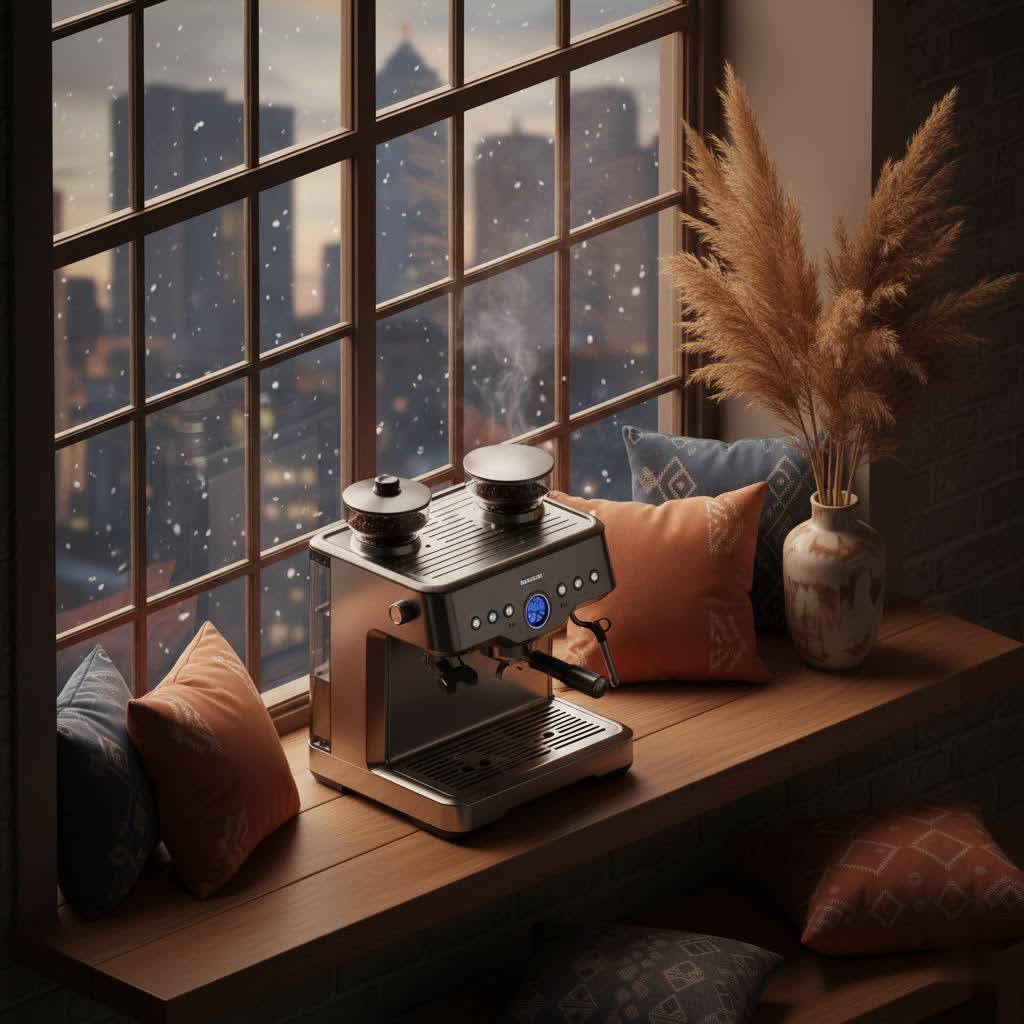
An espresso machine is a sophisticated device designed to brew coffee by forcing hot, pressurized water through a compacted “puck” of finely ground coffee beans. This process extracts a concentrated, aromatic shot of espresso, characterized by its rich flavor and a distinctive reddish-brown foam layer called crema. The invention of espresso machines revolutionized coffee drinking, allowing for rapid preparation and a more intense coffee experience.
The evolution of espresso machines has led to several popular types, each offering a different level of control and convenience. Manual lever machines, though less common for home use today, provide the most hands-on approach. Semi-automatic machines, which are widely popular, automate the water pump but require the user to grind, tamp, and time the espresso shot, often featuring a powerful steam wand for milk frothing. Automatic models go a step further, often including volumetric dosing to stop the shot automatically. For ultimate convenience, super-automatic machines handle everything from grinding beans to frothing milk with a single button press, though their milk texturing capabilities may vary.
Key Components of an Espresso Machine
Understanding the internal workings of an espresso machine helps you appreciate the craft and select a model best suited for your needs. Each component plays a vital role in creating that perfect cup.
The pump is the heart of the espresso machine, responsible for generating the high pressure—ideally around 9 bars—required to extract espresso. This precise pressure is crucial for forcing water through the finely ground coffee, dissolving the desirable coffee solids, and producing a balanced, flavorful shot.
The boiler or heating system is where the water is heated to the optimal brewing temperature (typically between 190 and 200°F or 88-93°C). Different boiler configurations exist:
- Single boiler systems use one boiler for both brewing and steaming. This means you often have to wait for the machine to heat up to steaming temperature after brewing, and then cool down again for the next espresso shot.
- Heat exchange (HX) boilers contain a smaller tube running through the main boiler, allowing brewing water to be heated on demand while maintaining steam temperature simultaneously.
- Dual boilers are the gold standard for enthusiasts, featuring separate boilers for brewing and steaming. This allows for immediate, simultaneous brewing and steaming with superior temperature stability.
- Thermoblock systems heat water instantly as it passes through a heated metal block. They are compact and energy-efficient but may offer less temperature consistency than boiler systems.
The grouphead is the part of the machine where the portafilter locks in. Hot water is dispensed through the grouphead onto the coffee grounds. Commercial machines typically feature a 58mm grouphead, which is often considered ideal for optimal water dispersion and extraction, though many home machines use a slightly smaller 54mm size.
The portafilter is the removable handle that holds the filter basket, where the ground coffee is placed. Filter baskets come in single-walled (unpressurized) and double-walled (pressurized) varieties. Unpressurized baskets require a precise grind and tamp for optimal extraction, while pressurized baskets create artificial back pressure, helping to produce crema even with less-than-ideal grind or pre-ground coffee.
The steam wand is arguably the most crucial component for milk-based drink lovers. It’s the long arm, usually located on the side of the machine, that delivers hot steam under pressure. This steam is used to heat and texturize milk, creating the silky microfoam essential for lattes, cappuccinos, and latte art. Wands vary in design; some are basic manual wands requiring skill, others are “Panarello” wands designed to simplify frothing, and advanced machines may feature automatic wands with preset temperature and texture options.
Other important components include the tamper, used to compress the coffee grounds evenly in the portafilter, and advanced features like a PID controller (Proportional-Integral-Derivative), which ensures precise and consistent temperature during brewing, and a pressure gauge, which helps monitor the brewing pressure for optimal extraction.
How to Choose an Espresso Machine with a Steam Wand
Selecting the right espresso machine can be daunting, but by considering a few key factors, you can find the perfect match for your home barista journey.
Determining Your Usage Needs
|
Our Picks for the Best Espresso Machine in 2026
As an Amazon Associate I earn from qualifying purchases.
|
||
| Num | Product | Action |
|---|---|---|
| 1 | CASABREWS CM5418 Espresso Machine 20 Bar, Compact Espresso Maker with Steam Milk Frother, Stainless Steel Coffee Machine with 34oz Removable Water Tank for Cappuccino, Gift for Women or Men, Silver |

|
| 2 | CASABREWS 3700 Essential Espresso Machine 20 Bar, Stainless Steel Cappuccino & Latte Machine with Steam Frother for Home, 43.9oz Water Tank, Coffee Gift for Women & Men, Silver |
|
| 3 | Breville Barista Express Impress Espresso Machine BES876BSS, Brushed Stainless Steel |
|
| 4 | De'Longhi Stilosa Manual Espresso Machine, Compact Coffee Maker, 15 Bar Pump Pressure, Manual Milk Frother Steam Wand for Authentic Single & Double Espresso, Lattes & Cappuccinos, Tamper Included |
|
| 5 | Gaggia Classic Evo Pro - Espresso Machine Jungle Green |
|
| 6 | Breville Bambino Espresso Machine BES450BSS, Brushed Stainless Steel |
|
| 7 | Breville Barista Express Espresso Machine BES870BSXL, Black Sesame |
|
| 8 | Ninja Luxe Café 3-in-1 Espresso, Drip Coffee and Cold Brew Machine - Integrated Coffee Grinder, Milk Frother, Assisted Tamper & Built-In Espresso Accessory Storage - Stainless Steel - ES601 |
|
| 9 | Breville Barista Express Espresso Machine BES870XL, Brushed Stainless Steel |
|
| 10 | Gevi Commercial Espresso and Coffee Makers, Professional 20 Bar Espresso Maker with Milk Frother, Stainless Steel Expresso Coffee Machines for Home, Compact Cappuccino Machine, Great Gift |
|
Before diving into features, consider how you’ll use the machine. Will it be a daily staple for one or two people, or will you be entertaining guests with multiple milk-based drinks? Your preferred beverages also matter; if you primarily drink black espresso, a powerful steam wand might be less critical than if you dream of pouring intricate latte art. Daily use often warrants a more robust and reliable machine, while occasional use might suit a simpler, more budget-friendly model.
Budget Considerations
Espresso machines span a wide price range. Entry-level machines, typically under $300, offer basic espresso functionality and a manual steam wand, often with some compromises in build quality or features. Mid-range options, from $300 to $800, often provide better temperature control, more consistent steam power, and improved durability. High-end prosumer machines, exceeding $800, may feature dual boilers, integrated grinders, PID controllers, and commercial-grade components for unparalleled performance and control. Viewing your purchase as a long-term investment in your coffee experience can help justify a higher budget.
Important Features
When evaluating machines, several features are paramount:
- Pump Pressure (Bar): While machines often advertise 15 or 20 bars, the ideal brewing pressure is 9 bars. A higher maximum pressure indicates a machine can comfortably achieve and regulate the optimal pressure via an over-pressure valve (OPV).
- Boiler Type: For those who prioritize milk drinks, a heat exchange or dual boiler system allows for simultaneous brewing and steaming, significantly improving workflow and temperature stability compared to a single boiler.
- Temperature Control: A PID controller is a significant upgrade, offering precise digital temperature management, which is crucial for extracting the full flavor profile of your coffee. Consistent temperature prevents grassy (too cold) or burnt (too hot) flavors.
- Steam Wand Power and Type: A strong steam wand is essential for creating fine microfoam. Manual wands offer the most control for latte art, while automatic frothers can simplify the process, though they may not produce the same professional-grade texture. Consider how much control you want over your milk texturing.
- Integrated Grinder: While convenient for saving counter space and ensuring fresh grounds, integrated grinders in budget machines might be a compromise on quality. Many enthusiasts prefer a separate, high-quality burr grinder.
Reputable Brands
Opting for a machine from a well-known brand can often ensure reliability, good customer support, and readily available parts. Brands like Breville (known for user-friendly semi-automatics with smart features), Gaggia (legendary performance, often favored by those seeking a hands-on experience), Rancilio (durable, professional-grade), De’Longhi (wide range from budget to automatic), and Lelit (high-end, enthusiast-focused) are popular choices. Always check warranty details and the availability of service centers.
Comparison of Popular Espresso Machines with Steam Wands
Choosing the right espresso machine often comes down to balancing features, price, and your personal skill level. Here’s a quick overview of popular models and what makes them stand out:
| Model | Type | Key Features | Ideal User | Steam Wand Type |
|---|---|---|---|---|
| Breville Barista Express | Semi-Automatic | Integrated grinder, 15-bar pump, PID, powerful steam wand | Espresso enthusiasts wanting control & convenience | Manual |
| De’Longhi La Specialista | Semi-Automatic | Built-in grinder, precise temperature, manual/auto steam wand | Beginners seeking guidance with hands-on elements | Manual/Automatic |
| Gaggia Classic Pro | Manual | Commercial-grade components, upgraded manual steam wand, robust build | Hands-on home baristas prioritizing durability | Manual |
| Rancilio Silvia | Manual | Durable brass boiler, powerful steam wand, single boiler | Experienced baristas valuing build quality and milk-based drinks | Manual |
| Breville Bambino Plus | Automatic | Compact, fast heat-up, automatic milk texturing (3 temp/3 texture settings) | Beginners & those wanting speed and convenience | Automatic/Manual |
| De’Longhi Stilosa | Manual | Budget-friendly, powerful manual steam wand, compact | Budget-conscious beginners willing to learn | Manual |
| Lelit Bianca | Manual | Dual boilers, flow profiling, professional steam wand | Serious connoisseurs seeking ultimate control | Manual (Professional) |
| Meraki Espresso Machine | Manual | Dual boiler, powerful wand with thermometer, integrated scales, TimeMore grinder | Enthusiasts seeking advanced features under $2000 | Manual (Professional) |
For beginners, the Breville Bambino Plus offers an excellent balance of convenience with its automatic milk steaming and compact design, while still allowing manual control for those who want to learn. The De’Longhi La Specialista series also caters well to new users with its guided processes. If you’re on a tighter budget but eager to learn manual techniques, the De’Longhi Stilosa offers surprising steam power for its price point. Experienced home baristas looking for durability and full control often gravitate towards the Gaggia Classic Pro or Rancilio Silvia. For the ultimate in performance and customization, dual boiler machines like the Lelit Bianca or Breville Oracle Dual Boiler are top-tier choices.
How to Use and Maintain Your Espresso Machine with a Steam Wand
Proper usage and regular maintenance are key to unlocking the full potential of your espresso machine and ensuring its longevity.
Preparation
Before you begin, ensure your machine is properly set up and warmed. Most machines require a warm-up period to reach stable temperatures for both brewing and steaming.
- Choose the Right Coffee: For espresso, use freshly roasted beans ground to a fine consistency. The grind size significantly impacts extraction.
- Fill the Water Reservoir: Use filtered water to prevent mineral buildup and improve taste.
- Warm Up: Turn on your machine and allow it to preheat. For optimal temperature stability, many baristas recommend purging some water through the grouphead and portafilter to warm them up.
- Prepare Your Milk: Always start with cold milk, filling your milk pitcher to just below the spout, typically to where the spout begins to curve.
Brewing Espresso
- Dose and Tamp: Grind your fresh beans directly into the portafilter basket. Distribute the grounds evenly, then tamp with firm, even pressure to create a compact puck.
- Lock In: Securely lock the portafilter into the grouphead.
- Extract: Start the brew cycle. Aim for an extraction time of 25-30 seconds for a single or double shot, producing approximately 1 to 2 ounces of espresso per shot. Observe the stream; it should start dark and thin, then lighten to a “mouse tail” consistency. Adjust your grind size if the shot is too fast (coarser) or too slow (finer).
Mastering the Steam Wand
The steam wand is where the magic happens for milk-based drinks. The goal is to create “microfoam”—velvety, creamy milk with tiny, uniform bubbles, perfect for pouring latte art.
- Purge the Wand: Before and after each use, open the steam valve briefly to release any condensed water and residual milk. This ensures you’re using dry steam.
- Position the Wand: Submerge the tip of the steam wand just below the surface of the cold milk in your pitcher. Position it off-center, pointing towards the spout of the pitcher.
- “Stretching” (Aerating): Open the steam valve fully. You should hear a gentle “tearing paper” sound as air is introduced into the milk, causing it to expand. Keep the tip near the surface for a few seconds, incorporating air until the milk volume increases by about 20-30% for lattes, or more for cappuccinos.
- “Texturing” (Heating): Once enough air is incorporated, submerge the wand deeper into the milk. This creates a powerful vortex that breaks down larger bubbles and evenly distributes the air, leading to a silky, glossy texture. Keep your hand on the pitcher to monitor temperature; stop steaming when the pitcher becomes too hot to comfortably hold (around 140-150°F or 60-65°C).
- Clean and Swirl: Close the steam valve, remove the pitcher, and immediately wipe the steam wand clean with a damp cloth. Purge the wand again to clear any internal milk residue. Swirl the milk gently in the pitcher to eliminate any remaining large bubbles and achieve a consistent, shiny texture, ready for pouring.
Cleaning Your Machine
Regular cleaning is vital for both hygiene and performance.
- Daily: Wipe down the steam wand immediately after use. Backflush the grouphead (using a blind filter in the portafilter) with water to clear coffee oils. Empty and wipe the drip tray.
- Weekly: Soak the portafilter and filter baskets in a cleaning solution designed for espresso machines. Deep clean the steam wand by soaking it in hot water or a specialized milk cleaner to dissolve stubborn residue.
- Monthly/Quarterly (Descaling): Depending on your water hardness and usage, descale your machine every 1-3 months. Descaling removes mineral buildup from the boiler and internal components, which can affect heating efficiency and machine lifespan. Follow the manufacturer’s instructions carefully.
Common Problems and How to Fix Them
Even with the best care, espresso machines can encounter issues. Here are some common problems, especially concerning the steam wand, and their simple solutions:
- Steam Wand Not Producing Enough Steam or No Steam:
- Cause: Clogged steam tip or internal blockage from dried milk.
- Fix: Ensure the tip holes are clear (use a pin if necessary). Thoroughly clean the wand after every use by wiping and purging. If it’s heavily clogged, remove the tip and soak it in a descaling solution or hot water. Check for kinks in the internal steam tube.
- Steam Wand Leaks:
- Cause: Worn O-rings or seals within the steam wand assembly.
- Fix: This often requires replacing the O-rings or seals. Consult your machine’s manual or a technician.
- Milk is Too Foamy/Large Bubbles (Not Microfoam):
- Cause: Air being introduced too quickly or for too long, or the wand tip is too far from the surface during aeration.
- Fix: Practice positioning the wand tip just barely beneath the surface during the “stretching” phase, listening for a gentle hiss. Once volume increases, submerge it deeper to create the vortex for texturing. Use very cold milk.
- Machine Not Heating Up:
- Cause: Electrical issue, heating element failure, or thermostat problem.
- Fix: Check power connections. If the problem persists, this usually requires professional repair.
- Espresso Flowing Too Fast or Too Slow:
- Cause: Incorrect grind size or tamping pressure.
- Fix: If too fast, grind finer and tamp with consistent pressure. If too slow, grind coarser. Always ensure consistent dosing.
For complex issues, especially those involving internal components or electrical systems, it’s always best to consult a qualified technician to avoid further damage or injury.
Where to Buy an Espresso Machine with a Steam Wand?
Finding the perfect espresso machine involves exploring various retail avenues to discover the best selection and value.
Specialty Coffee Retailers: These stores often have knowledgeable staff who can offer personalized recommendations based on your needs and budget. They typically carry a curated selection of reputable brands and may provide demonstrations or barista training.
Department Stores and Home Appliance Retailers: Large retail chains offer a broad range of machines, from entry-level to high-end models. While staff expertise might vary, you can often find competitive pricing and bundled deals during sales events.
Online Marketplaces: Websites like Amazon, Williams Sonoma, and specific brand websites (e.g., Breville, De’Longhi) offer an extensive catalog, often with detailed product descriptions and customer reviews. Online shopping provides convenience and the ability to compare prices from multiple vendors, but ensure you purchase from authorized sellers to guarantee warranty and authenticity.
Consider Second-Hand (with caution): Used machines can be a great way to get a high-quality model at a lower price. However, be aware of the risks. Always inspect the machine thoroughly for signs of wear, leaks, or rust. Ask about its maintenance history and consider having it inspected by a professional if possible. Buying from a reputable refurbished seller can mitigate some risks.
Comprehensive Buying Guide
Beyond the basic selection, a few additional factors can significantly influence your long-term satisfaction with your espresso machine.
Factors to Consider Before Purchase
- Kitchen Space: Espresso machines can vary greatly in size. Measure your available countertop space and under-cabinet clearance, especially if you opt for models with top-loading water reservoirs.
- Power Requirements: Most home machines run on standard household outlets, but always double-check the wattage and electrical requirements to ensure compatibility and avoid tripping breakers.
- Noise Level: Pumps and grinders can be noisy. If your machine will be used early in the morning or in an open-plan living space, consider models known for quieter operation.
- Aesthetics: Your espresso machine will likely be a prominent appliance. Choose a design and finish that complements your kitchen decor.
Essential Accessories
To truly maximize your home barista experience, consider these crucial accessories:
- Stainless Steel Milk Pitcher: Essential for steaming milk. Look for one with a good handle and pour spout for latte art.
- Tamper: While many machines come with one, an upgraded, weighty metal tamper can significantly improve consistency.
- Knock Box: A container for easily disposing of used coffee pucks.
- Grinder: If your machine doesn’t have an integrated one, a high-quality burr grinder (either manual or electric) is non-negotiable for fresh, consistent grounds.
- Cleaning Supplies: Descaling solution, grouphead cleaning brush, and microfiber cloths are vital for maintenance.
Reading Reviews and Comparing Prices
Before making a final decision, dedicate time to reading independent reviews from trusted sources and other home baristas. Pay attention to comments regarding steam wand performance, ease of use, cleaning, and long-term reliability. Compare prices across different retailers, both online and in-store, to ensure you’re getting the best deal. Don’t forget to factor in shipping costs and return policies.
Conclusion
An espresso machine with a steam wand is more than just an appliance; it’s an investment in a daily ritual, a gateway to creative beverage crafting, and a journey into the world of specialty coffee. By understanding the core components, considering your personal needs and budget, and committing to proper usage and maintenance, you can transform your kitchen into a personal café. The journey of mastering your machine and the art of milk frothing is incredibly rewarding, allowing you to enjoy exquisite, personalized espresso drinks right in your home.
What kind of delicious milk-based coffee creation will you brew first with your new machine?
Frequently Asked Questions
Can I make latte art with any espresso machine steam wand?
While any steam wand can heat milk, achieving the silky microfoam necessary for intricate latte art typically requires a powerful manual steam wand that allows for precise control over air incorporation and milk texturing. Some automatic wands can produce good foam, but often lack the finesse needed for detailed designs.
What is the difference between a single boiler and a dual boiler espresso machine for steaming?
A single boiler uses the same boiler for both brewing espresso and steaming milk, meaning you usually have to wait for temperature changes between tasks. A dual boiler system has separate boilers, allowing you to brew espresso and steam milk simultaneously with superior temperature stability and efficiency.
How often should I clean my espresso machine’s steam wand?
You should wipe and purge your steam wand immediately after every use to prevent milk residue from drying and clogging. A deeper clean, such as soaking the tip, is recommended weekly to maintain optimal performance and hygiene.
Why is my espresso machine’s steam wand not producing strong steam?
Weak steam often indicates a blockage in the steam wand, commonly caused by dried milk or mineral buildup. Ensure the tip holes are clear, and regularly deep clean the wand. Insufficient boiler temperature or a faulty heating element could also be culprits, possibly requiring professional inspection.
