Are you torn between the rich intensity of an espresso shot and the comforting familiarity of a full pot of drip coffee? For many coffee enthusiasts, choosing between these two beloved brewing methods means either compromising on variety or cluttering the kitchen counter with multiple appliances. Thankfully, the innovation of the espresso machine with a coffee pot — often referred to as a combination coffee and espresso maker — offers a brilliant solution, merging the best of both worlds into one streamlined device. This comprehensive guide will navigate you through everything you need to know, helping you find the perfect all-in-one machine to satisfy every coffee craving.
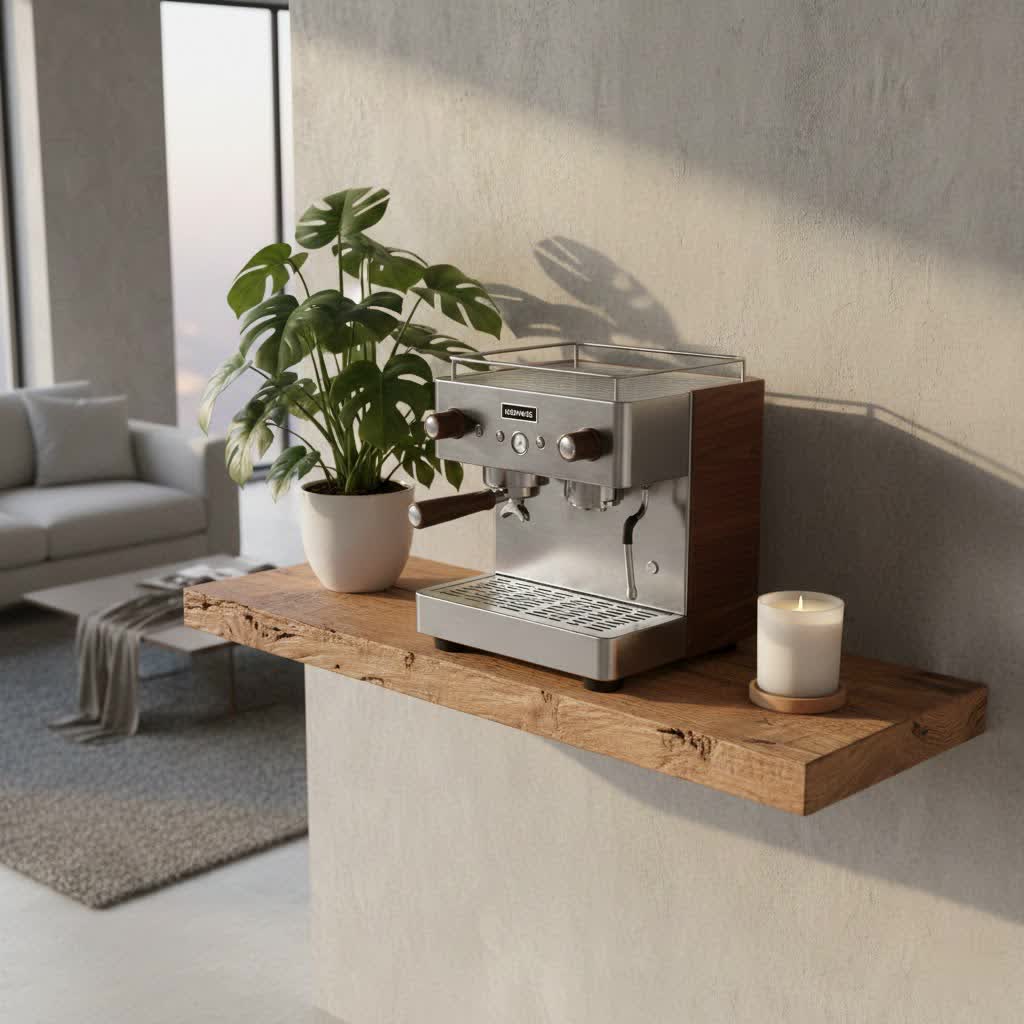
What is an Espresso Machine with a Coffee Pot?
An espresso machine with a coffee pot is a versatile appliance designed to brew both high-pressure espresso and classic drip coffee using a traditional carafe. These “combo” machines have evolved to cater to diverse coffee preferences within a single household, eliminating the need for separate espresso makers and drip coffee brewers. They typically feature distinct brewing systems for each function, allowing users to enjoy a quick espresso shot or a large pot of coffee, sometimes even simultaneously.
These hybrid machines generally fall into two categories:
- All-in-One Drip & Espresso Systems: These machines feature physically separate, yet integrated, components for both brewing methods. One side might have a portafilter and steam wand for espresso, while the other side boasts a filter basket and a heating plate for a glass carafe of drip coffee.
- Multi-functional Espresso Systems with Carafe Options: Some advanced espresso machines, particularly super-automatic models, are designed to produce various coffee styles, including larger “drip-like” cups that can fill a carafe, alongside traditional espresso shots. These often come with sophisticated programmable settings and sometimes even built-in grinders.
Essential Components of Combination Coffee & Espresso Makers
Understanding the core components of these dual-function machines is key to appreciating their capabilities and making an informed choice.
Espresso Side Components:
- Pump: Generates the crucial 9-19 bars of pressure needed to extract espresso rapidly, forcing hot water through finely ground coffee.
- Boiler or Thermo-block: Heats water to the precise temperature required for optimal espresso extraction and steam production. Thermo-blocks offer faster heat-up times.
- Grouphead: The part where the portafilter locks in, directing hot water over the coffee grounds.
- Portafilter: A handle with a basket that holds the ground coffee, which is then locked into the grouphead.
- Steam Wand/Frother: Essential for creating frothed milk for lattes, cappuccinos, and other milk-based espresso drinks. These can be manual wands or automatic frothing systems.
- Water Reservoir: Holds water specifically for the espresso function, though sometimes shared with the drip side.
|
Our Picks for the Best Espresso Machine in 2026
As an Amazon Associate I earn from qualifying purchases.
|
||
| Num | Product | Action |
|---|---|---|
| 1 | CASABREWS 3700 Essential Espresso Machine 20 Bar, Stainless Steel Cappuccino & Latte Machine with Steam Frother for Home, 43.9oz Water Tank, Coffee Gift for Women & Men, Silver |

|
| 2 | Breville Barista Express Espresso Machine BES870XL, Brushed Stainless Steel |
|
| 3 | Breville Barista Express Impress Espresso Machine BES876BSS, Brushed Stainless Steel |
|
| 4 | De'Longhi Stilosa Manual Espresso Machine, Compact Coffee Maker, 15 Bar Pump Pressure, Manual Milk Frother Steam Wand for Authentic Single & Double Espresso, Lattes & Cappuccinos, Tamper Included |
|
| 5 | Ninja Luxe Café 3-in-1 Espresso, Drip Coffee and Cold Brew Machine - Integrated Coffee Grinder, Milk Frother, Assisted Tamper & Built-In Espresso Accessory Storage - Stainless Steel - ES601 |
|
| 6 | Gaggia Classic Evo Pro - Espresso Machine Jungle Green |
|
| 7 | Gevi Commercial Espresso and Coffee Makers, Professional 20 Bar Espresso Maker with Milk Frother, Stainless Steel Expresso Coffee Machines for Home, Compact Cappuccino Machine, Great Gift |
|
| 8 | CASABREWS CM5418 Espresso Machine 20 Bar, Compact Espresso Maker with Steam Milk Frother, Stainless Steel Coffee Machine with 34oz Removable Water Tank for Cappuccino, Gift for Women or Men, Silver |
|
| 9 | Breville Barista Express Espresso Machine BES870BSXL, Black Sesame |
|
| 10 | Breville Bambino Espresso Machine BES450BSS, Brushed Stainless Steel |
|
Drip Coffee Side Components:
- Water Reservoir: A separate tank or a partition of a shared tank for the drip coffee brewing.
- Heating Element: Heats water to the ideal temperature for drip brewing.
- Showerhead: Distributes hot water evenly over the coffee grounds in the filter basket.
- Filter Basket: Holds the coffee grounds, usually requiring a paper filter or a permanent mesh filter.
- Carafe (Coffee Pot): Typically a glass or thermal pot that collects the brewed drip coffee.
The materials used, such as stainless steel for durable housing and heating elements, or glass for carafes, can influence the machine’s longevity and overall coffee quality.
How to Choose Your Ideal Espresso Machine with a Coffee Pot
Selecting the perfect combo machine requires a thoughtful assessment of your coffee preferences, budget, and desired features.
Assess Your Coffee Habits
Consider your daily routine:
- Frequency: Do you need a quick espresso shot every morning, or do you brew a full pot of drip coffee for the family?
- Serving Size: Are you typically making coffee for one or several people?
- Drink Preferences: Is espresso your primary focus, with drip as an occasional option, or vice-versa? Do you frequently make milk-based drinks?
Budget Considerations
Combo machines range widely in price, from entry-level models offering basic functionality to high-end super-automatics with advanced features.
- Entry-Level: Often prioritize affordability and basic functionality for both espresso and drip.
- Mid-Range: Offer improved brew quality, more features like built-in frothers, and better durability.
- High-End: May include integrated grinders, automatic milk frothing, programmable settings, and premium materials, providing a more refined experience. Investing in a slightly more expensive machine can offer better performance and longevity in the long run.
Key Features to Prioritize
- Brewing Pressure: Look for machines with 15 bars or more for authentic espresso.
- Water Tank Capacity: Adequate capacity reduces frequent refilling. Separate reservoirs for espresso and drip can be a plus for convenience.
- Temperature Control: Consistent temperature is crucial for both espresso extraction and drip coffee flavor. Some machines offer adjustable temperature settings.
- Milk Frothing: A good steam wand or an automatic frothing system is essential for milk-based beverages. Manual wands offer more control, while automatic systems are more convenient.
- Built-in Grinder: An integrated burr grinder ensures the freshest coffee, though it adds to the cost and complexity.
- Simultaneous Brewing: Some premium models allow you to brew drip coffee and pull an espresso shot at the same time, saving valuable morning minutes.
- Programmable Settings: Features like auto-on timers, brew strength selectors, and customizable drink profiles enhance user convenience.
Reputable Brands & Support
Brands like De’Longhi, Ninja, and Espressione are prominent in the combination machine market, known for their innovative designs and varied offerings. While Breville primarily focuses on standalone espresso machines, some of their higher-end models offer extensive programmability that can mimic drip coffee styles. Always check warranty terms and customer service reviews before purchasing to ensure reliable support.
Comparing Popular Espresso & Drip Coffee Combo Machines
When selecting a combo machine, a direct comparison of key models can highlight which one best fits your needs. Here’s a generalized comparison of common types you might encounter:
| Feature/Model Type | Price Range | Espresso Quality | Drip Coffee Quality | Key Features | Pros | Cons |
|---|---|---|---|---|---|---|
| De’Longhi All-in-One | Mid-Range ($300-$500) | Good to Very Good | Good to Very Good | Dual heating system, 10-cup carafe, milk frother, simultaneous brewing | Space-saving, great versatility, easy to use, excellent milk frothing | Can have minor leaking issues if drip tray overflows, some plastic components |
| Ninja Barista Systems | Mid-Range ($200-$400) | Good (often pod-based) | Excellent (various styles) | Multiple brew sizes, frother, Classic/Rich/Over Ice brew styles | Highly versatile for drip coffee, often budget-friendly, iced coffee option | Espresso quality may not match dedicated machines, often uses capsules |
| Espressione Combo | Mid-Range ($200-$350) | Good | Good | Stainless steel, 10-cup carafe, fast heat-up | Durable build, consistent performance for both types of coffee | Fewer advanced features compared to higher-end models |
| Super-Automatic Hybrids (e.g., Terra Kaffe TK-02) | High-End ($1500+) | Excellent (bean-to-cup) | Very Good (true drip option) | Built-in grinder, app-enabled, various drink presets, automatic frothing | Ultimate convenience, café-quality drinks, genuine drip coffee option | Very expensive, larger footprint, more complex maintenance |
This table provides a snapshot; always check specific model reviews for the most current information.
Mastering Your Combo Machine: Usage and Maintenance
Getting the most out of your espresso machine with a coffee pot involves proper setup, brewing techniques, and consistent maintenance.
Setup and Preparation
- Installation: Place your machine on a stable, level surface with adequate clearance for steam and water tank access. Ensure it’s near a power outlet and water source.
- Water Quality: Use filtered water to prevent mineral buildup and improve taste.
- Coffee Selection:
- Espresso: Opt for fresh, dark-roasted beans ground to a fine, powdery consistency (like table salt).
- Drip Coffee: Use medium-roasted beans ground to a medium-coarse consistency (like sea salt).
- Pre-heating: Always allow your machine to warm up fully (usually 15-20 minutes) before brewing espresso for optimal temperature stability and extraction.
Brewing Espresso & Drip Coffee
- Espresso:
- Dose the portafilter with the correct amount of finely ground coffee.
- Tamp the grounds firmly and evenly.
- Lock the portafilter into the grouphead.
- Place a pre-warmed cup under the spouts.
- Initiate the brew cycle, aiming for 25-30 seconds for a 1.5-2 ounce shot. Adjust grind size or tamp pressure if the shot runs too fast or too slow.
- Drip Coffee:
- Fill the water reservoir to your desired level.
- Add coffee grounds to the filter basket, using the recommended coffee-to-water ratio (typically 2 tablespoons per 6 ounces of water).
- Place the carafe on the warming plate.
- Start the brew cycle.
Cleaning and Descaling
Regular cleaning is crucial for maintaining taste quality and extending your machine’s lifespan.
- Daily Cleaning: After each use, rinse the portafilter and basket, wipe down the steam wand, and clean the drip tray. Wash the coffee pot and filter basket.
- Weekly Cleaning: Backflush the grouphead (if applicable) and clean the shower screen. Detail clean the steam wand nozzle.
- Monthly/Bi-Monthly Descaling: Depending on water hardness, descale your machine regularly using a manufacturer-approved descaling solution. This prevents mineral buildup in the boiler and pipes, which can impair performance and taste.
Common Issues and Troubleshooting for Combination Machines
Even the best machines can encounter minor hiccups. Here are some common problems and basic troubleshooting tips:
- Machine Not Heating Up:
- Check power connection.
- Ensure the water tank is properly seated and filled.
- Allow adequate pre-heating time.
- Weak Espresso/Drip Coffee:
- Espresso: Grind size might be too coarse, or not enough coffee used. Increase tamp pressure.
- Drip: Insufficient coffee grounds, or grind is too coarse.
- Espresso Flows Too Fast/Slow:
- Too Fast: Grind is too coarse or inadequate tamp.
- Too Slow: Grind is too fine or excessive tamp.
- Drip Coffee Not Hot Enough:
- Check the warming plate functionality.
- Ensure the machine has fully pre-heated.
- Leaking Water:
- Check water reservoir for proper seating.
- Inspect seals and gaskets for wear.
- Empty the drip tray regularly, as overflow can cause leaks.
- Frother Not Producing Foam:
- Clean the steam wand thoroughly; blockages are common.
- Ensure proper milk type and temperature (cold, fresh milk).
- Check for adequate steam pressure.
For persistent issues, consult your machine’s manual or contact the manufacturer’s customer support. For complex repairs, a professional technician is advisable.
Where to Purchase Your Espresso & Coffee Pot Machine?
Finding your ideal espresso machine with a coffee pot is easier than ever with various purchasing options available.
- Major Retailers: Large electronics and home goods stores like Best Buy, Target, and Walmart often carry a selection of combination machines from popular brands. You can physically see the machines and compare sizes.
- Online Marketplaces: Websites like Amazon, eBay, and the official brand websites (De’Longhi, Ninja, etc.) offer extensive selections, competitive pricing, and user reviews. Be sure to buy from reputable sellers and check return policies.
- Specialty Coffee Stores: Some dedicated coffee appliance retailers, both online and brick-and-mortar, might offer a more curated selection and expert advice, though their combo machine inventory might be limited compared to general retailers.
- Used Machines: Websites like Craigslist or Facebook Marketplace can offer deals on used machines. However, proceed with caution: thoroughly inspect the machine for wear, check for maintenance history, and understand that warranties typically don’t transfer.
Comprehensive Buying Guide: Beyond the Basics
To ensure you make the best purchase, consider these additional practical factors and essential accessories.
Practical Considerations Before Buying
- Kitchen Space: Combination machines, while space-saving compared to two separate units, can still have a considerable footprint. Measure your counter space.
- Power Requirements: Ensure your kitchen outlets can handle the wattage of the machine, especially models with dual heating systems.
- Noise Level: Espresso machines, particularly those with integrated grinders, can be noisy. If you live in a quiet household, consider reviews that mention noise levels.
Essential Accessories
To complete your home barista setup, consider these necessary additions:
- Tamper: Crucial for evenly pressing espresso grounds. Many machines come with a basic one, but an upgraded, heavier tamper can improve consistency.
- Milk Pitcher: A stainless steel pitcher is essential for frothing milk with a steam wand.
- Cleaning Brushes and Tablets: Specifically designed brushes help clean groupheads and portafilters. Descaling tablets or solutions are a must.
- Quality Coffee Beans: The foundation of any great coffee is fresh, high-quality beans. Experiment with different roasts and origins.
- Grinder (if not built-in): A separate burr grinder (rather than blade grinder) is highly recommended for consistent grind size, which is critical for good espresso.
Research & Value
- Read User Reviews: Customer reviews offer invaluable real-world insights into a machine’s performance, durability, and ease of use. Pay attention to common complaints or praises.
- Compare Prices: Prices can vary significantly across different retailers and over time. Use price comparison tools to find the best deals.
- Consider Long-Term Value: Sometimes, spending a little more upfront on a machine with better build quality and features can save money and frustration in the long run.
Having an espresso machine with a coffee pot brings unparalleled convenience and versatility to your home. It allows you to indulge in a rich espresso or a comforting pot of drip coffee, all from a single, efficient appliance. By considering your needs, understanding the features, and committing to proper maintenance, you can transform your kitchen into a personal café.
Frequently Asked Questions
Can I use any coffee grounds in both sides of a combo machine?
No, generally not for optimal results. Espresso requires a very fine grind for proper extraction, while drip coffee needs a medium to coarse grind. Using the wrong grind can lead to weak, bitter, or over-extracted coffee, and can even damage some machines.
Are combination espresso and drip coffee machines difficult to clean?
While they have more components than a single-function machine, combination units are typically designed for ease of cleaning. Regular daily wiping and rinsing, along with periodic descaling and deep cleaning, will keep them in top condition. Ignoring maintenance will make any coffee machine difficult to clean over time.
Do combo machines truly save counter space?
Yes, combination machines are designed to be a significant space-saver compared to having two entirely separate machines (one espresso maker and one drip coffee maker). Their integrated design allows you to enjoy both types of coffee without cluttering your kitchen.
How long do espresso machines with coffee pots typically last?
With proper care and consistent maintenance, a good quality espresso machine with a coffee pot can last anywhere from 5 to 10 years, or even longer for higher-end models. Regular descaling and cleaning are key factors in extending their lifespan.
Is the coffee from a combo machine as good as separate, dedicated machines?
The quality can vary. High-end combination machines often produce excellent results for both espresso and drip coffee, closely rivaling dedicated units. However, more budget-friendly combo machines might prioritize one brewing method over the other, or offer a slightly compromised experience compared to a top-tier standalone machine. It depends on the specific model and your expectations.
