Imagine waking up to the rich aroma of freshly brewed espresso, a professional-quality shot crafted right in your own kitchen. For coffee enthusiasts, owning an espresso machine at home isn’t just a luxury; it’s an investment in daily joy and an entry into the fascinating world of home barista skills. But with countless options available, finding the ideal espresso machine for your home can feel daunting. This guide will demystify the choices, helping you navigate features, types, and maintenance to select a machine that perfectly suits your lifestyle and coffee preferences.
What is an Espresso Machine?
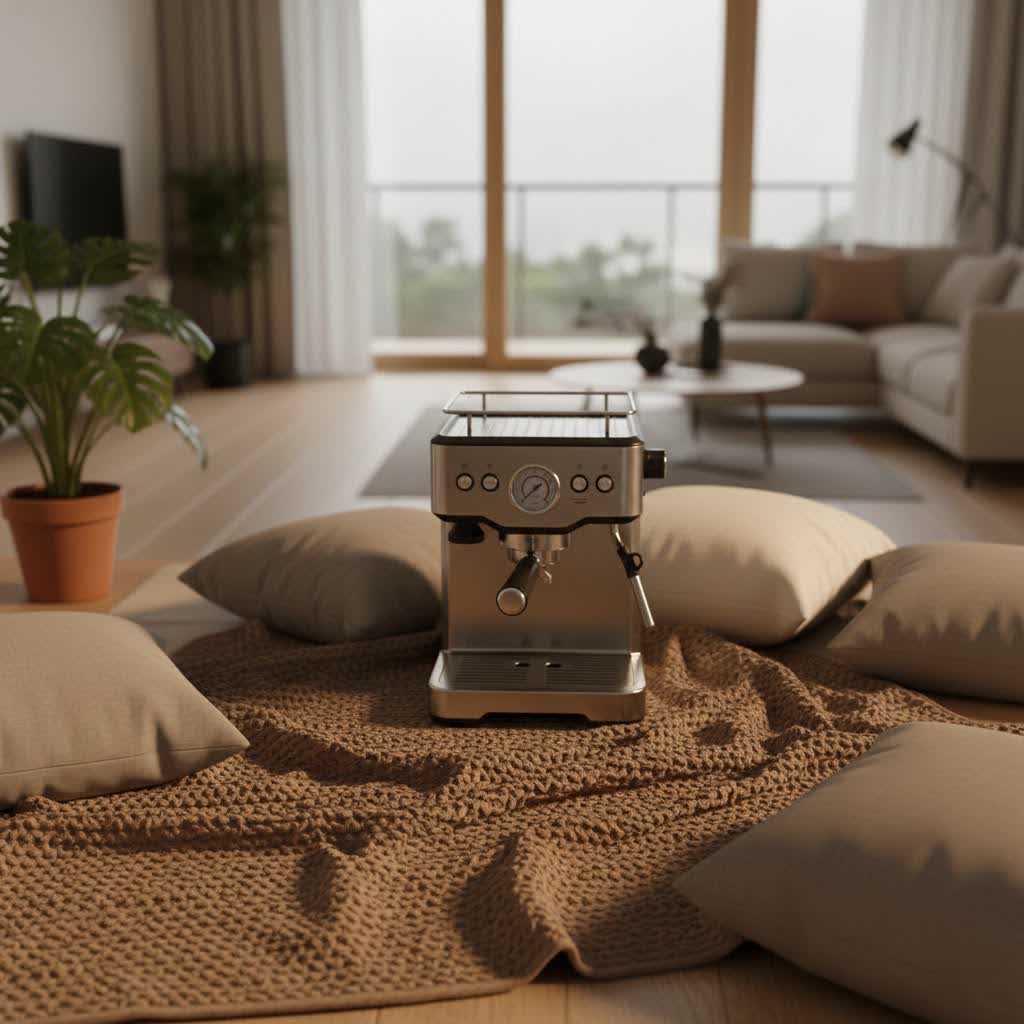
An espresso machine is a specialized coffee maker designed to brew espresso by forcing near-boiling water under high pressure through a compact bed of finely ground coffee. This process, which usually takes around 20-30 seconds, extracts a concentrated, aromatic shot of coffee topped with a reddish-brown crema – the hallmark of a perfectly pulled espresso. The journey of the espresso machine began in Italy in the early 20th century, evolving from large, steam-driven devices to the sophisticated electric models we see today.
The world of home espresso machines can be broadly categorized into several types, each offering a distinct experience:
- Manual Espresso Machines: These machines demand full control from the user, requiring manual lever operation to generate brewing pressure. They offer an authentic, hands-on experience and are favored by purists who enjoy mastering every variable of the brewing process.
- Semi-Automatic Espresso Machines: The most popular choice for home baristas, semi-automatic machines provide a balance between control and convenience. The user grinds, doses, and tamps the coffee, then initiates and stops the shot manually, allowing for significant experimentation and skill development.
- Automatic Espresso Machines: Taking convenience a step further, automatic machines typically control the shot volume automatically after the user starts the brew cycle. This streamlines the process, making it easier to achieve consistent results with less manual intervention.
- Super-Automatic Espresso Machines: These are the ultimate in convenience, often referred to as “bean-to-cup” machines. With the push of a button, they can grind beans, tamp, brew espresso, and even steam milk automatically, delivering a wide range of coffee drinks with minimal effort.
Key Components of an Espresso Machine
Understanding the internal workings of an espresso machine helps in appreciating its capabilities and choosing wisely. Each component plays a vital role in crafting that perfect shot.
- Pump: This is the heart of the machine, responsible for generating the high pressure needed for extraction. While many machines advertise 15 or 18 bars of pump pressure, it’s important to know that the ideal brewing pressure at the grouphead is actually around 9 bars. The higher pump pressure ensures enough force to push water through the compacted coffee grounds effectively.
- Boiler/ThermoBlock/Heat Exchanger: This component heats the water to the optimal brewing temperature.
- Single Boiler: Common in entry-level machines, a single boiler heats water for both brewing and steaming, often requiring a waiting period to switch between functions.
- Heat Exchanger: Allows for brewing and steaming simultaneously by running brew water through a heat exchange tube within a larger steam boiler.
- Dual Boiler: Found in higher-end machines, these feature separate boilers for brewing and steaming, offering superior temperature stability and true simultaneous operation.
- ThermoBlock/ThermoCoil: These systems heat water on demand, offering faster heat-up times and energy efficiency, often seen in more compact machines.
- Grouphead: This is where the hot, pressurized water exits and meets the coffee grounds. It’s crucial for temperature stability and evenly saturating the coffee puck.
- Portafilter: A removable handle with a basket that holds the ground coffee. The quality and size (e.g., 54mm or 58mm commercial size) can impact extraction.
- Steam Wand: An essential feature for milk-based drinks, the steam wand delivers hot steam to froth and texture milk for lattes and cappuccinos. Manual wands offer more control for latte art, while some machines offer automatic milk frothing.
- Materials: The construction materials, such as stainless steel for boilers and brass for groupheads, can significantly affect temperature stability, durability, and the overall longevity of the machine.
How to Choose the Right Home Espresso Machine
Selecting an espresso machine for your home involves a personal evaluation of your habits, preferences, and budget. It’s about finding a machine that fits seamlessly into your daily routine.
Assess Your Usage Needs
Before diving into specifications, consider how you envision using your machine.
- Frequency of Use: Will you be making one espresso daily, or several throughout the day? A super-automatic might be overkill for a single morning shot, while a manual machine might become cumbersome if you need multiple drinks quickly.
- Number of Users: Are you brewing just for yourself, or for a family of coffee lovers? A dual-boiler machine might be beneficial for households making several milk-based drinks in a row.
- Type of Coffee Preferred: Do you primarily enjoy straight espresso shots, or are you a fan of lattes, cappuccinos, and other milk-based beverages? If milk drinks are a priority, a powerful and efficient steam wand is essential.
|
Our Picks for the Best Espresso Machine in 2026
As an Amazon Associate I earn from qualifying purchases.
|
||
| Num | Product | Action |
|---|---|---|
| 1 | Ninja Luxe Café 3-in-1 Espresso, Drip Coffee and Cold Brew Machine - Integrated Coffee Grinder, Milk Frother, Assisted Tamper & Built-In Espresso Accessory Storage - Stainless Steel - ES601 |

|
| 2 | Gevi Commercial Espresso and Coffee Makers, Professional 20 Bar Espresso Maker with Milk Frother, Stainless Steel Expresso Coffee Machines for Home, Compact Cappuccino Machine, Great Gift |
|
| 3 | Breville Bambino Espresso Machine BES450BSS, Brushed Stainless Steel |
|
| 4 | CASABREWS 3700 Essential Espresso Machine 20 Bar, Stainless Steel Cappuccino & Latte Machine with Steam Frother for Home, 43.9oz Water Tank, Coffee Gift for Women & Men, Silver |
|
| 5 | Breville Barista Express Espresso Machine BES870BSXL, Black Sesame |
|
| 6 | Breville Barista Express Impress Espresso Machine BES876BSS, Brushed Stainless Steel |
|
| 7 | Breville Barista Express Espresso Machine BES870XL, Brushed Stainless Steel |
|
| 8 | Gaggia Classic Evo Pro - Espresso Machine Jungle Green |
|
| 9 | De'Longhi Stilosa Manual Espresso Machine, Compact Coffee Maker, 15 Bar Pump Pressure, Manual Milk Frother Steam Wand for Authentic Single & Double Espresso, Lattes & Cappuccinos, Tamper Included |
|
| 10 | CASABREWS CM5418 Espresso Machine 20 Bar, Compact Espresso Maker with Steam Milk Frother, Stainless Steel Coffee Machine with 34oz Removable Water Tank for Cappuccino, Gift for Women or Men, Silver |
|
Set Your Budget
Espresso machines for home use vary wildly in price. Establishing a budget early will help narrow down your options.
- Entry-Level (Under $500): Often semi-automatic or automatic, these machines are a great starting point for beginners, offering basic espresso functionality and sometimes a steam wand. Remember to allocate part of this budget for a good grinder, as it’s a critical component for quality espresso.
- Mid-Range ($500 – $1500): In this segment, you’ll find more robust semi-automatic machines with better build quality, improved temperature control (like PID), and more powerful steam wands. Some automatic machines with more features also fall into this range.
- High-End (Over $1500): These machines often feature dual boilers, commercial-grade components, advanced programmable settings, and exceptional durability. They cater to serious home baristas seeking café-quality results and extensive control. Investing in a high-quality machine, coupled with an excellent grinder, can offer significant long-term value and enjoyment.
Essential Features to Consider
Beyond the basic type, specific features can significantly enhance your espresso-making experience.
- Pump Pressure: As mentioned, while machines boast high pump bar pressure, the effective brewing pressure should be around 9 bars for optimal extraction. Focus on machines that can consistently deliver this.
- Boiler Type: For milk drink enthusiasts, a heat exchange or dual boiler system allows for simultaneous brewing and steaming, saving time and improving workflow. For espresso-only drinkers, a single boiler might suffice.
- Temperature Control (PID): Proportional-Integral-Derivative (PID) controllers provide precise and stable water temperature during extraction, which is vital for consistent and flavorful espresso. This feature is a game-changer for quality.
- Built-in Grinder vs. Separate Grinder: Some machines, like many Breville models, integrate a grinder. While convenient, a separate, dedicated espresso grinder often offers superior grind quality and more adjustment options, which is crucial for dialing in your shots. Many coffee experts consider the grinder even more important than the machine itself.
- Pre-infusion: This feature gently soaks the coffee grounds with low-pressure water before the full pressure is applied, helping to ensure even extraction and a more balanced shot.
- Programmable Settings: Features like programmable shot volumes, customizable brew temperatures, and adjustable milk texture can make a big difference in convenience and consistency, especially for automatic and super-automatic machines.
Reputable Brands
Many brands have established a strong reputation in the home espresso market. Researching these can provide a good starting point.
- Breville/Sage: Known for user-friendly semi-automatic machines with integrated grinders (e.g., Barista Express, Barista Pro) and advanced automation (e.g., Oracle, Bambino Plus).
- Gaggia: The Gaggia Classic Pro is a popular entry-level semi-automatic, renowned for its durability and modding potential.
- Rancilio: The Rancilio Silvia is another cult-favorite semi-automatic, praised for its robust, commercial-grade components.
- De’Longhi: Offers a wide range from entry-level semi-automatics to super-automatic machines, focusing on convenience and variety.
- Jura: Specializes in high-end super-automatic machines known for their innovative technology, sophisticated design, and extensive drink customization.
Always check for warranty, customer service, and the availability of spare parts, as these can impact your ownership experience.
Comparing Popular Home Espresso Machine Types
Choosing between the main types of espresso machines largely depends on your desired involvement and convenience.
| Feature | Manual | Semi-Automatic | Automatic | Super-Automatic |
|---|---|---|---|---|
| Price Range | Low to Mid | Low to High | Mid to High | Mid to High |
| Ease of Use | Very High Skill | Medium Skill | Low Skill | Very Low Skill |
| Control | Full Control | High Control | Medium Control | Low Control |
| Grinder | Separate Essential | Separate Recommended | Often Built-in | Always Built-in |
| Milk Frothing | Manual Wand (often) | Manual Wand | Manual or Auto Wand | Fully Automatic |
| Consistency | Highly Variable | Skill-Dependent | Good (programmable) | Excellent (automated) |
| Maintenance | Simple (fewer parts) | Moderate | Moderate (cleaning cycles) | Complex (internal cleaning) |
| Best For | Purists, Experimenters | Enthusiasts, Learners | Convenience, Consistency | Ultimate Convenience, Variety |
- Manual Machines: Ideal for the dedicated artisan who enjoys the ritual and nuanced control over every extraction variable. They often come at a lower initial cost but require a significant learning curve and a separate, high-quality grinder.
- Semi-Automatic Machines: A fantastic choice for most aspiring home baristas. They offer the essential elements of espresso making – dosing, tamping, and monitoring extraction – allowing for skill development and personalizing your brew. Brands like Breville (Bambino Plus, Barista Express) and Gaggia (Classic Pro) are popular in this category.
- Automatic Machines: For those who want more consistency and less hands-on work than a semi-automatic but still appreciate good espresso. You handle the coffee prep, but the machine handles the shot volume.
- Super-Automatic Machines: Perfect for busy individuals or households where convenience is paramount. These machines offer a “bean-to-cup” experience with minimal effort, making a wide range of beverages at the touch of a button. Jura and high-end De’Longhi models excel here.
Operating and Maintaining Your Home Espresso Machine
Proper use and regular maintenance are crucial for extending the life of your espresso machine and ensuring consistently delicious coffee.
Getting Started
- Proper Installation: Place your machine on a stable, level surface with access to a power outlet and adequate ventilation. Ensure the water reservoir is filled with filtered water to prevent mineral buildup.
- Coffee Bean Selection: The quality and freshness of your coffee beans are paramount. Opt for freshly roasted whole beans. The grind size is critical for espresso; it needs to be very fine, similar to powdered sugar, but not so fine that it chokes the machine.
- Warming Up: Always allow your machine to warm up thoroughly before brewing, typically 15-30 minutes, especially for single boiler and heat exchange systems. This ensures all components, including the grouphead and portafilter, reach the optimal temperature for extraction.
Brewing the Perfect Espresso
Mastering espresso involves a few key steps:
- Grind: Grind fresh beans immediately before brewing. Adjust the grind size until the espresso flows like warm honey, taking approximately 20-30 seconds for a double shot.
- Dose: Measure the correct amount of ground coffee (typically 18-20 grams for a double shot) into your portafilter basket.
- Tamp: Compress the coffee grounds evenly and firmly with a tamper to create a dense, level puck. Inconsistent tamping is a common cause of poor extraction.
- Extract: Lock the portafilter into the grouphead and immediately start the shot. Monitor the flow and adjust your grind and tamp as needed.
- Serve: Enjoy your fresh espresso immediately, or use it as a base for milk-based drinks.
Cleaning and Descaling
Regular cleaning is non-negotiable for hygiene and performance.
- Daily Cleaning: After each use, wipe down the steam wand with a damp cloth to remove milk residue. Rinse the portafilter and basket, and empty the drip tray. Backflush the grouphead (if your machine allows) with plain water to clear any loose grounds.
- Weekly Cleaning: Clean the portafilter and baskets with espresso machine detergent to remove coffee oils. Thoroughly clean the drip tray and water tank.
- Regular Descaling: Mineral buildup (scale) from water can severely impact machine performance and longevity. Follow your manufacturer’s instructions for descaling, typically every 1-3 months depending on water hardness and usage. Use a dedicated descaling solution.
Common Espresso Machine Problems and Solutions
Even the best espresso machines can encounter issues. Here are some common problems and basic troubleshooting tips:
- Machine Not Heating Up: Check power connections. For single boiler machines, ensure it’s switched to the “brew” or “steam” heating cycle. If the issue persists, a faulty heating element or thermostat might be the cause, requiring professional service.
- Weak Pressure / Slow Flow: The most common culprit is too fine a grind or too much coffee (overdosing) in the portafilter. Try adjusting your grinder to a coarser setting or reducing the dose. Uneven tamping can also lead to channeling and poor extraction.
- Coffee Flows Too Fast (Under-extraction): This usually indicates the grind is too coarse or the dose is too low. Adjust your grinder to a finer setting or increase the coffee dose.
- Machine Leaking Water: Check that the water reservoir is seated correctly. Inspect the seals and gaskets around the grouphead and portafilter; these may need cleaning or replacement. If the leak is internal, professional repair is likely needed.
- No Steam from Wand: Ensure the machine is fully heated for steaming. Check if the steam wand is clogged with dried milk; use a pin or wire to clear the tip. Descaling might be necessary if mineral buildup is blocking internal steam paths.
For complex issues, or if simple troubleshooting doesn’t work, it’s always best to consult the machine’s manual or a certified technician.
Where to Buy Your Home Espresso Machine
Once you’ve decided on the type and features you need, finding the right retailer is the next step.
- Specialty Coffee Retailers: Stores specializing in coffee equipment often have knowledgeable staff who can offer personalized advice and demonstrations. You might find a wider selection of high-end and niche brands here.
- Department Stores & Electronics Retailers: These stores carry popular brands like Breville, De’Longhi, and KitchenAid. They often have competitive pricing and frequent sales.
- Online Vendors: Websites like Amazon, Whole Latte Love, and the manufacturers’ direct sites offer the widest selection and often the best prices. Be sure to read reviews and verify the seller’s reputation and return policy.
- Used Machines: Buying a used espresso machine can be a cost-effective option, especially for higher-end models. However, it comes with risks. Thoroughly inspect the machine for damage, leaks, and signs of poor maintenance. Ask about its history and, if possible, see it in operation.
Detailed Buying Guide: Beyond the Basics
To ensure you make the most informed decision, consider these additional factors before making your purchase.
Additional Factors to Consider
- Kitchen Space: Espresso machines, especially those with built-in grinders or dual boilers, can be quite large. Measure your counter space and cabinet clearance to ensure a comfortable fit.
- Noise Level: Pumps and grinders can be noisy. If noise is a concern, especially in an open-plan living space or for early morning brewing, look for models reviewed for quieter operation. Super-automatic machines with ceramic grinders tend to be quieter.
- Power Requirements: Most home espresso machines operate on standard household power, but high-powered machines might draw significant wattage. Ensure your electrical outlets can handle the load, especially if you have an older kitchen.
Essential Accessories
A great espresso machine is just the beginning. Certain accessories are vital for a complete home espresso setup:
- High-Quality Grinder: This cannot be stressed enough. A dedicated espresso grinder (burr grinder, not blade) provides consistent, fine grounds essential for proper extraction.
- Tamper: While some machines include a tamper, an upgrade to a heavier, ergonomic tamper can vastly improve shot consistency.
- Milk Pitcher: Stainless steel milk pitchers are essential for steaming milk and creating microfoam for lattes and cappuccinos.
- Knock Box: A container designed to easily “knock out” the used coffee puck from your portafilter.
- Cleaning Tools: Brushes for the grouphead, backflushing detergent, and descaling solution are necessary for maintenance.
Read Reviews and Compare Prices
Always take the time to read user reviews and expert comparisons. Websites like Reddit coffee forums, specialized coffee blogs, and reputable review sites offer invaluable insights into real-world performance and potential quirks of different models. Don’t hesitate to compare prices across multiple retailers to find the best deal, keeping an eye out for seasonal sales or bundles that might include accessories.
“An espresso machine is more than just an appliance; it’s the heart of your home coffee ritual, transforming simple beans into liquid gold with precision and passion.” – Alexandro Costa, Master Barista and Coffee Consultant
Conclusion
Bringing the café experience into your home with an espresso machine is a rewarding journey. Whether you aspire to be a hands-on barista with a semi-automatic model or prefer the effortless convenience of a super-automatic, the key is to understand your needs, budget, and desired level of involvement. By considering the types of machines, key components, and essential features, you can confidently choose an espresso machine for your home that will deliver delicious, personalized coffee for years to come. What kind of espresso machine will become the cornerstone of your morning ritual?
Frequently Asked Questions
What is the best type of espresso machine for a beginner?
For beginners, a super-automatic espresso machine offers the easiest entry into home espresso, handling grinding, tamping, and brewing with the push of a button. Alternatively, user-friendly semi-automatic machines like the Breville Bambino Plus are excellent for learning basic barista skills.
Is a built-in grinder good enough for a home espresso machine?
While convenient, built-in grinders are often a compromise. A separate, high-quality burr grinder typically provides superior consistency and finer adjustments, which are crucial for optimizing espresso extraction. Investing in a good standalone grinder is highly recommended for better coffee quality.
How often should I descale my home espresso machine?
The frequency of descaling depends on your water hardness and how often you use the machine. As a general guideline, it’s advisable to descale every 1 to 3 months. Always use the manufacturer’s recommended descaling solution and follow their specific instructions to prevent mineral buildup and maintain machine performance.
Can I make lattes and cappuccinos with any home espresso machine?
Most home espresso machines capable of brewing espresso will also have a steam wand for frothing milk, allowing you to make lattes and cappuccinos. However, the quality of the steam wand and your skill level will greatly impact the texture and quality of your milk foam. Dual boiler or heat exchanger machines generally offer better steaming performance.
