Imagine waking up to the rich aroma of freshly brewed espresso, followed by the velvety smoothness of perfectly frothed milk, all from the comfort of your kitchen. The allure of a cafe-quality latte at home is undeniable, but with countless models and features, choosing the right Espresso Latte Machine can feel overwhelming. This comprehensive guide will demystify the world of home espresso, providing you with expert insights to select, operate, and maintain the perfect machine to suit your coffee passion and lifestyle.
What is an Espresso Latte Machine?
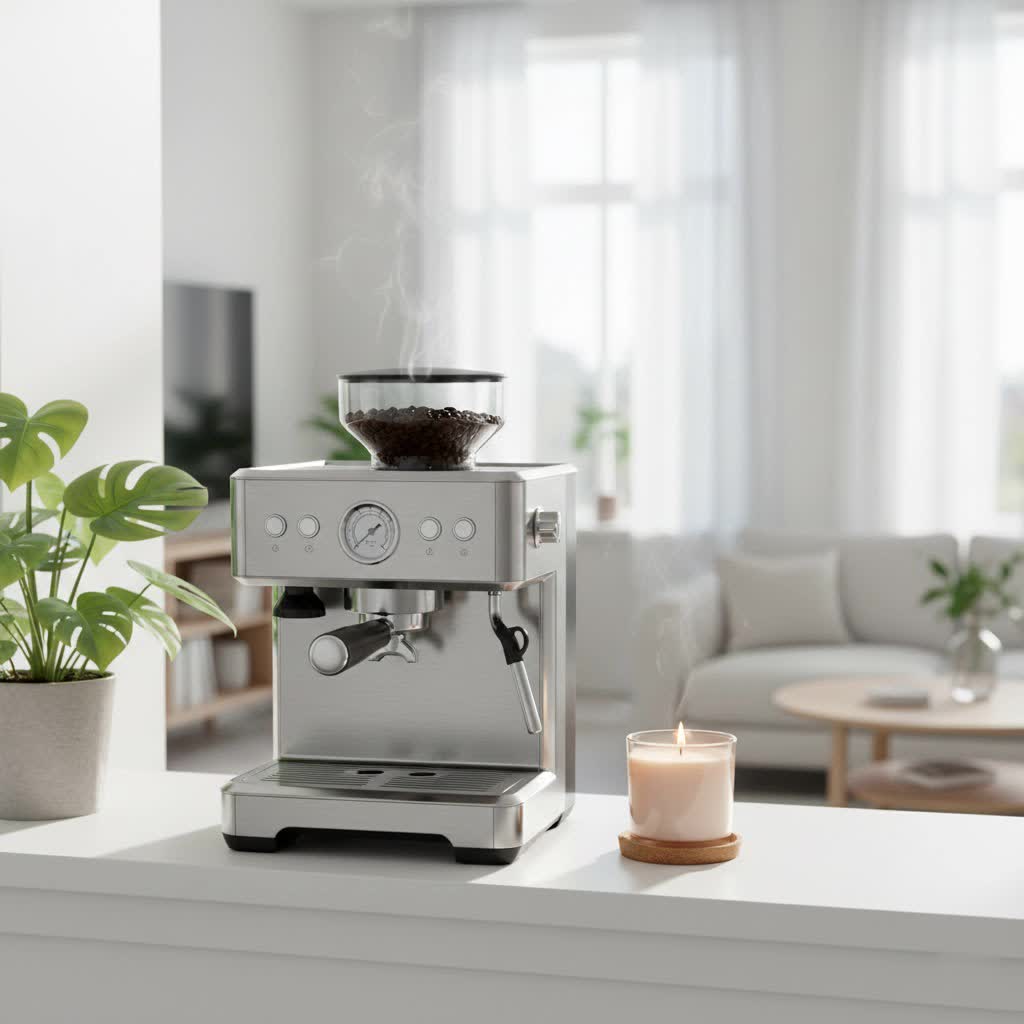
At its core, an espresso latte machine is a specialized coffee maker designed to produce concentrated espresso shots and steam milk, the two essential components for lattes, cappuccinos, and other milk-based coffee beverages. While traditional espresso machines focused solely on the espresso extraction, modern “espresso latte machines” integrate or emphasize robust milk steaming capabilities, making them versatile workhorses for any home barista.
The concept of forcing hot water through finely ground coffee originated in Italy in the early 20th century. Over decades, these machines evolved from basic, lever-operated devices to the sophisticated, often automated, systems we see today, all with the goal of making cafe-quality drinks more accessible.
There are several primary types of espresso latte machines, each offering a different balance of control, convenience, and hands-on involvement:
- Manual Espresso Machines: These often lever-driven machines require the user to physically pump the water through the coffee, offering complete control over pressure and extraction. They demand skill and patience but reward with an authentic, hands-on experience and exceptional espresso.
- Semi-Automatic Espresso Machines: The most popular choice for home enthusiasts, semi-automatic machines use an electric pump to deliver water at consistent pressure. Users manually grind, dose, tamp, and initiate/stop the espresso shot, while also manually steaming milk with a steam wand. They offer a perfect blend of control and automation.
- Automatic Espresso Machines: Similar to semi-automatics, these machines automate the espresso shot volume, stopping the water flow automatically once a pre-set amount is reached. However, milk frothing typically remains a manual process.
- Super-Automatic (Bean-to-Cup) Espresso Machines: Designed for ultimate convenience, these machines handle almost every step from grinding fresh beans to brewing espresso and often automatically frothing and dispensing milk with the touch of a button. They are ideal for those who prioritize speed and simplicity.
Essential Components of an Espresso Latte Machine
Understanding the key parts of an espresso latte machine will help you appreciate its functionality and make an informed purchasing decision.
- Pump: This crucial component generates the high pressure (typically 9-15 bars) required to extract espresso quickly and efficiently, creating the rich crema characteristic of a perfect shot.
- Boiler/Heating System: The boiler heats the water for brewing and steaming. Different configurations impact performance:
- Single Boiler: One boiler heats water for both brewing and steaming, meaning you can’t do both simultaneously without a temperature recovery period.
- Heat Exchanger (HX): A single large boiler primarily for steam, with a coiled tube (heat exchanger) running through it that heats brew water on demand. This allows for simultaneous brewing and steaming.
- Dual Boiler: Two separate boilers, one for brewing and one for steaming. This offers superior temperature stability and precise control over both functions independently, allowing for simultaneous operation without compromise.
- Grouphead: This is the part of the machine where the portafilter locks in and where hot water is dispersed onto the coffee grounds. High-quality groupheads, like the classic E61, maintain stable temperatures for consistent extraction.
- Portafilter: A handle with a basket that holds the ground coffee. Commercial-grade machines typically use a 58mm portafilter, known for optimal extraction. Some entry-level machines use smaller, pressurized portafilters, which are more forgiving of grind inconsistencies but can produce less nuanced espresso.
- Steam Wand: An essential feature for any latte machine, the steam wand delivers hot, pressurized steam to froth milk. Manual wands offer the greatest control for creating silky microfoam for latte art, while some machines feature automatic frothers for hands-free convenience.
- Water Reservoir/Tank: This holds the water supply for the machine. Its capacity is important for how many drinks you can make before refilling.
- Grinder (Integrated): Found in many super-automatic and some mid-range semi-automatic machines, an integrated grinder grinds fresh coffee beans on demand. A quality conical burr grinder is preferred for consistent particle size, which is critical for good espresso.
Choosing the Right Espresso Latte Machine
Selecting the perfect espresso latte machine involves balancing your personal preferences, lifestyle, and budget.
Determine Your Needs
Before diving into specifications, consider how you envision your coffee ritual.
- Frequency of Use: Do you make one latte a day, or multiple drinks for a household or guests? This impacts boiler type and water reservoir size.
- Number of Users: A single person might prioritize compactness, while a family needs a machine that can handle multiple servings efficiently.
- Drink Preferences: Are you primarily an espresso purist, or do you love mastering latte art? Your preferred drinks will dictate the importance of steam wand quality and automatic milk features.
- Skill Level: Beginners might prefer the simplicity of a super-automatic machine, while experienced coffee lovers might gravitate towards the hands-on control of a semi-automatic model.
|
Our Picks for the Best Espresso Machine in 2026
As an Amazon Associate I earn from qualifying purchases.
|
||
| Num | Product | Action |
|---|---|---|
| 1 | Breville Barista Express Espresso Machine BES870XL, Brushed Stainless Steel |

|
| 2 | Gevi Commercial Espresso and Coffee Makers, Professional 20 Bar Espresso Maker with Milk Frother, Stainless Steel Expresso Coffee Machines for Home, Compact Cappuccino Machine, Great Gift |
|
| 3 | CASABREWS 3700 Essential Espresso Machine 20 Bar, Stainless Steel Cappuccino & Latte Machine with Steam Frother for Home, 43.9oz Water Tank, Coffee Gift for Women & Men, Silver |
|
| 4 | Ninja Luxe Café 3-in-1 Espresso, Drip Coffee and Cold Brew Machine - Integrated Coffee Grinder, Milk Frother, Assisted Tamper & Built-In Espresso Accessory Storage - Stainless Steel - ES601 |
|
| 5 | CASABREWS CM5418 Espresso Machine 20 Bar, Compact Espresso Maker with Steam Milk Frother, Stainless Steel Coffee Machine with 34oz Removable Water Tank for Cappuccino, Gift for Women or Men, Silver |
|
| 6 | Breville Barista Express Impress Espresso Machine BES876BSS, Brushed Stainless Steel |
|
| 7 | Breville Bambino Espresso Machine BES450BSS, Brushed Stainless Steel |
|
| 8 | Breville Barista Express Espresso Machine BES870BSXL, Black Sesame |
|
| 9 | Gaggia Classic Evo Pro - Espresso Machine Jungle Green |
|
| 10 | De'Longhi Stilosa Manual Espresso Machine, Compact Coffee Maker, 15 Bar Pump Pressure, Manual Milk Frother Steam Wand for Authentic Single & Double Espresso, Lattes & Cappuccinos, Tamper Included |
|
Set Your Budget
Espresso latte machines span a wide price range, and investing wisely means understanding what you get for your money.
- Entry-Level (Under $500): These machines offer basic espresso brewing and manual steam wands. They are a good starting point but may lack consistency or durability.
- Mid-Range ($500 – $1500): This segment offers a significant jump in quality, often featuring better components, PID temperature control, and more powerful steam. Many excellent semi-automatic machines fall here.
- High-End/Prosumer (Over $1500): These machines boast commercial-grade components, dual boilers, advanced temperature control, and superior build quality, designed for discerning home baristas.
- Remember to factor in the cost of a good grinder. Many experts recommend allocating up to 50% of your total coffee budget to a quality burr grinder, as it profoundly impacts espresso quality.
Key Features to Look For
Beyond the basic components, specific features enhance the espresso and milk frothing experience.
- Pump Pressure: While 15-bar pumps are common, the actual brewing pressure is closer to 9 bars. Consistency of pressure is more important than a higher number.
- Boiler Type: For milk-based drinks, a heat exchanger or dual boiler system is highly recommended as it allows you to brew espresso and steam milk simultaneously, saving time and improving workflow.
- Temperature Control (PID): A PID (Proportional-Integral-Derivative) controller electronically stabilizes brew water temperature, which is critical for consistent espresso extraction and flavor.
- Milk Steaming: Look for a machine with a powerful steam wand that produces dry steam for excellent microfoam. Automatic frothing systems offer convenience but may not achieve the same texture as a skilled manual hand.
- Integrated Grinder: While convenient, ensure the integrated grinder is a quality conical burr model. If not, a separate, dedicated grinder is often a better investment for superior espresso.
- Water Filter/Softener: Using filtered or softened water not only improves coffee taste but also significantly extends the lifespan of your machine by preventing mineral buildup.
Reputable Brands
Many brands excel in different segments of the espresso machine market. Some popular and well-regarded names include Breville, Gaggia, De’Longhi, Rancilio, and Rocket Espresso. Nespresso offers a convenient pod-based system for quick lattes. Always consider warranty and customer support when making your choice.
Popular Espresso Latte Machine Types Comparison
Here’s a quick overview of how different espresso machine types compare, especially for crafting lattes:
| Feature | Manual | Semi-Automatic | Automatic | Super-Automatic |
|---|---|---|---|---|
| Espresso Control | High (pressure, flow) | High (time, dose) | Medium (pre-set volume) | Low (pre-set, bean-to-cup) |
| Ease of Use | Difficult | Moderate | Easy | Very Easy |
| Integrated Grinder | No (separate needed) | Optional (some models) | Often integrated | Always integrated |
| Milk Steaming | Manual wand (skill req.) | Manual wand (skill req.) | Manual wand/Auto frother | Auto (one-touch) |
| Price Range | $$ – $$$ | $$$ – $$$$ | $$ – $$$ | $$$$ |
| Skill Required | Expert | Intermediate | Beginner-Intermediate | Beginner |
| Ideal For | Traditionalists, purists | Enthusiasts, learning baristas | Convenience-seekers | Ultimate convenience, speed |
Using and Maintaining Your Espresso Latte Machine
Even the best machine needs proper usage and diligent care to consistently produce delicious lattes and ensure longevity.
Preparation
- Proper Setup: Place your machine on a stable, level surface, ensuring good ventilation and access to a power outlet.
- Coffee Beans: Always use freshly roasted coffee beans. The roast level and bean type can affect the espresso.
- Grind Size: The grind for espresso should be very fine, like powdered sugar, but not so fine that it chokes the machine. You’ll need to adjust your grinder to find the “sweet spot” for your machine and beans.
- Pre-heat: Crucially, always allow your machine to fully heat up. This includes the boiler, grouphead, and portafilter, which can take 15-30 minutes for optimal temperature stability. Run some hot water through the grouphead and into your cup to warm everything up before brewing.
Brewing Espresso & Steaming Milk
- Dosing & Tamping: Fill your portafilter basket with the correct dose of freshly ground coffee (usually 18-20 grams for a double shot). Use a quality tamper to apply even pressure (around 30 pounds) to create a level, compact puck.
- Espresso Extraction: Lock the portafilter into the grouphead and immediately start the brew. Aim for a 25-30 second extraction time for a double shot, yielding approximately 1.5-2 ounces of espresso. The stream should be golden-brown and resemble warm honey.
- Steaming Milk: Purge the steam wand to clear any condensed water. Submerge the tip just below the surface of cold milk, allowing air to incorporate for a “hissing” sound (stretching). Once the desired volume is achieved, submerge the tip deeper to create a swirling vortex (texturing), heating the milk to about 140-150°F (60-65°C) for perfect microfoam. Immediately wipe the steam wand with a damp cloth and purge again to prevent milk from drying inside.
Cleaning & Maintenance
Regular cleaning is non-negotiable for taste and machine health.
- Daily:
- Wipe & Purge Steam Wand: Immediately after each use, wipe the steam wand with a damp cloth and purge a short burst of steam to clear any milk residue.
- Flush Grouphead: Remove the portafilter and run water through the grouphead for a few seconds to rinse away loose coffee grounds and oils.
- Empty Portafilter: Discard the used coffee puck and rinse the portafilter and basket thoroughly.
- Wipe Drip Tray: Empty and wipe down the drip tray.
- Weekly/Bi-weekly:
- Backflush: If your machine supports it (has a 3-way solenoid valve), perform a backflush with a blind filter and espresso machine detergent. This cleans the grouphead’s internal pathways.
- Scrub Group Screen: Use a small brush to clean the grouphead’s shower screen and gasket area. For stubborn residue, remove and soak the screen.
- Soak Portafilter/Baskets: Soak the portafilter and filter baskets in warm water with espresso machine detergent to remove built-up coffee oils.
- Monthly/Quarterly (or as needed):
- Descaling: Mineral buildup from water can severely impact machine performance and longevity. Follow your manufacturer’s instructions for descaling, using a recommended descaling solution. Frequency depends on water hardness and usage.
- Lubricate Brew Group: For super-automatic machines, the brew group often needs regular lubrication to ensure smooth operation. Refer to your manual for specific instructions and recommended lubricant.
- Cleaning Products: Always use cleaning and descaling products specifically designed for espresso machines to avoid damage.
Common Espresso Latte Machine Problems and Solutions
Even with the best care, issues can arise. Here are some common problems and their potential fixes:
- Machine Not Heating/No Power:
- Cause: Not plugged in, tripped circuit breaker, blown fuse, faulty heating element.
- Solution: Check power connections, reset breaker, consult manual for fuse location (if applicable).
- No Water Flow / Slow Coffee Flow:
- Cause: Empty water reservoir, clogged water intake, mineral scale buildup in pipes, pump malfunction, coffee ground too fine, overdosing, or over-tamping.
- Solution: Refill water tank, descale the machine, adjust grind size, check pump (if applicable).
- Coffee Dispenses Too Fast/Weak:
- Cause: Coffee ground too coarse, under-dosing, insufficient tamp, stale coffee.
- Solution: Adjust grinder to a finer setting, increase coffee dose, tamp more firmly, use fresh beans.
- Machine Leaking:
- Cause: Worn group head gasket, loose connections, clogged drain hose, internal pipe damage.
- Solution: Inspect and replace group head gasket, check hose connections, clear drain hose.
- Poor Milk Froth/No Steam:
- Cause: Clogged steam wand tip, insufficient steam pressure (boiler not hot enough), too much water in boiler.
- Solution: Clean steam wand tip with a paper clip or soaking, allow machine to fully heat up, descale.
For more complex issues, or if simple troubleshooting doesn’t work, always refer to your machine’s manual or contact customer support or a qualified technician.
Where to Buy Espresso Latte Machines
Finding your ideal espresso latte machine is easier than ever with various purchasing options available.
- Retail Stores: Large appliance stores often carry a range of popular models, allowing you to see machines in person. Specialty coffee shops or boutique appliance stores might offer more high-end machines and expert advice from staff.
- Online Retailers: Websites like Amazon, Whole Latte Love, and Seattle Coffee Gear offer extensive selections, competitive pricing, and a wealth of customer reviews and comparison tools. Look for reputable sellers with good return policies.
- Used Machines: You can sometimes find great deals on pre-owned machines through online marketplaces or local classifieds. However, this comes with higher risk; thoroughly inspect the machine, inquire about its history, and understand that warranties may not transfer.
Comprehensive Buying Guide: Factors Beyond the Basics
Beyond the core features, considering these additional factors will ensure your espresso latte machine truly integrates into your home and routine.
Pre-Purchase Considerations
- Space: Measure your counter space carefully. Espresso machines, especially those with integrated grinders or dual boilers, can be substantial.
- Noise Level: Pumps and grinders can be noisy. If you live in a small apartment or have sleeping family members, look for quieter models, particularly super-automatics which often advertise reduced noise.
- Water Hardness: If you have hard water, factor in the need for a water filter or more frequent descaling. This is crucial for the machine’s longevity.
- Aesthetics: Espresso machines can be a prominent kitchen appliance. Choose a design and finish that complements your kitchen decor.
Essential Accessories
To get the most out of your espresso latte machine, certain accessories are indispensable.
- Grinder: If your machine doesn’t have an integrated one, a high-quality conical burr grinder is a must for consistent, fresh grounds.
- Tamper: A heavy, ergonomic tamper that fits your portafilter perfectly will ensure consistent tamping pressure.
- Milk Pitcher: A stainless steel milk pitcher of appropriate size is essential for steaming milk for lattes and cappuccinos.
- Knock Box: A dedicated container to easily discard spent coffee pucks.
- Cleaning Supplies: Stock up on cleaning brushes, a blind filter (if your machine can backflush), descaling solution, and espresso machine detergent.
Research and Reviews
Take time to read user reviews and professional comparisons. Look for consistent feedback on espresso quality, milk steaming performance, ease of use, and durability. Compare prices across multiple retailers to find the best deal and check for any ongoing promotions or bundles.
Conclusion
Embarking on the journey of owning an espresso latte machine is an exciting step towards elevating your daily coffee ritual. By understanding the different types of machines, their essential components, and key features, you can confidently choose a model that aligns with your needs, budget, and skill level. Remember that consistent usage, meticulous cleaning, and proactive maintenance are vital for delicious results and ensuring your machine serves you for years to come. With the right machine and a little practice, you’ll soon be crafting cafe-quality lattes and cappuccinos that impress both yourself and your guests.
So, what will be the first cafe-quality drink you master at home?
