For coffee enthusiasts worldwide, the pursuit of the perfect espresso shot at home is a passion. De’Longhi, a revered Italian brand, has been at the forefront of this journey, offering a diverse range of espresso machines that blend innovative technology with user-friendly design. Whether you’re a budding barista or a seasoned coffee connoisseur, navigating the options can be overwhelming. This comprehensive guide will delve into everything you need to know about De’Longhi espresso machines, from their core mechanics to choosing the ideal model, mastering its use, and keeping it in pristine condition. Get ready to transform your daily coffee ritual into an authentic Italian café experience.
What is a De’Longhi Espresso Machine?
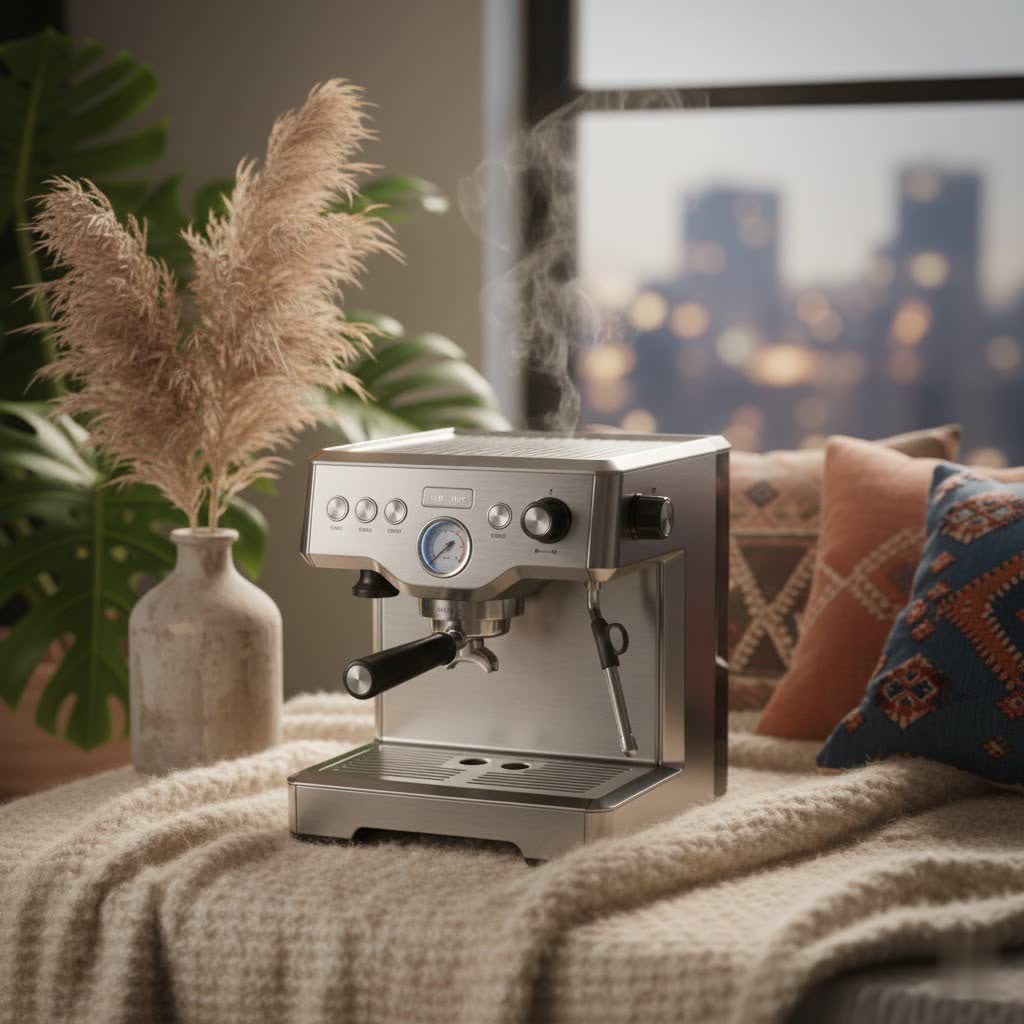
A De’Longhi espresso machine is a finely engineered appliance designed to brew espresso by forcing hot, pressurized water through finely ground coffee beans. This process extracts a concentrated, aromatic shot of coffee topped with a rich, reddish-brown crema, the hallmark of a perfectly pulled espresso. De’Longhi has a rich history in home appliances, and their commitment to quality and innovation has made them a household name in coffee brewing for decades.
De’Longhi offers several types of espresso machines, catering to varying levels of convenience and control:
- Manual Espresso Machines: These often require the most skill and effort, giving the user complete control over every variable of the brewing process, from tamping pressure to extraction time.
- Semi-Automatic Espresso Machines: Popular among home baristas, these machines automate the pump pressure but allow manual control over grind size, dosing, and shot duration. They often feature a steam wand for milk frothing.
- Automatic Espresso Machines: These simplify the process by controlling both pump pressure and shot volume with the touch of a button. They still typically feature a manual steam wand.
- Super-Automatic Espresso Machines: The pinnacle of convenience, these machines handle everything from grinding beans to frothing milk and dispensing a complete beverage with minimal user intervention. They often include integrated grinders and advanced milk systems.
Key Components of a De’Longhi Espresso Machine
Understanding the essential parts of your De’Longhi machine helps in appreciating its functionality and mastering your brew.
- Pump: Most De’Longhi pump-driven machines operate at 15 bars of pressure, a standard for home espresso makers. This pressure is crucial for forcing water through the compacted coffee grounds to extract a rich, flavorful shot.
- Boiler/Thermoblock: This component heats the water to the optimal brewing temperature. De’Longhi machines use either a traditional boiler system or a faster thermoblock heating system, which can heat water on demand. Some advanced models may feature dual heating systems for simultaneous brewing and steaming.
- Grouphead: This is where the hot water exits the machine and enters the portafilter to brew the espresso. It’s designed to distribute water evenly over the coffee puck.
- Portafilter: A handle with a filter basket that holds the ground coffee. De’Longhi portafilters come in various sizes and often include pressurized baskets, which are forgiving for beginners.
- Steam Wand/LatteCrema System:
- Manual Steam Wand: Found on most semi-automatic and some automatic models, this wand uses steam to froth milk for cappuccinos and lattes, requiring user technique to achieve desired texture.
- LatteCrema System: Featured on many super-automatic models, this integrated system automatically froths milk to perfection and dispenses it directly into your cup, often with adjustable foam levels.
Choosing the Right De’Longhi Espresso Machine
Selecting the perfect De’Longhi espresso machine involves weighing various factors to match your lifestyle and coffee preferences.
Assess Your Needs
Before diving into models, consider your daily coffee habits.
- Frequency of Use: Do you make one espresso a day, or several for the whole family? This impacts machine durability and water/bean hopper capacity.
- Number of Users: For multiple users, features like programmable user profiles and larger capacities become more important.
- Favorite Coffee Type: Primarily espresso, or do you love milk-based drinks like cappuccinos and lattes? A dedicated milk frothing system or a versatile steam wand is key for milk drinks.
|
Our Picks for the Best Espresso Machine in 2026
As an Amazon Associate I earn from qualifying purchases.
|
||
| Num | Product | Action |
|---|---|---|
| 1 | Breville Bambino Espresso Machine BES450BSS, Brushed Stainless Steel |

|
| 2 | De'Longhi Stilosa Manual Espresso Machine, Compact Coffee Maker, 15 Bar Pump Pressure, Manual Milk Frother Steam Wand for Authentic Single & Double Espresso, Lattes & Cappuccinos, Tamper Included |
|
| 3 | CASABREWS CM5418 Espresso Machine 20 Bar, Compact Espresso Maker with Steam Milk Frother, Stainless Steel Coffee Machine with 34oz Removable Water Tank for Cappuccino, Gift for Women or Men, Silver |
|
| 4 | CASABREWS 3700 Essential Espresso Machine 20 Bar, Stainless Steel Cappuccino & Latte Machine with Steam Frother for Home, 43.9oz Water Tank, Coffee Gift for Women & Men, Silver |
|
| 5 | Breville Barista Express Espresso Machine BES870XL, Brushed Stainless Steel |
|
| 6 | Ninja Luxe Café 3-in-1 Espresso, Drip Coffee and Cold Brew Machine - Integrated Coffee Grinder, Milk Frother, Assisted Tamper & Built-In Espresso Accessory Storage - Stainless Steel - ES601 |
|
| 7 | Gevi Commercial Espresso and Coffee Makers, Professional 20 Bar Espresso Maker with Milk Frother, Stainless Steel Expresso Coffee Machines for Home, Compact Cappuccino Machine, Great Gift |
|
| 8 | Gaggia Classic Evo Pro - Espresso Machine Jungle Green |
|
| 9 | Breville Barista Express Impress Espresso Machine BES876BSS, Brushed Stainless Steel |
|
| 10 | Breville Barista Express Espresso Machine BES870BSXL, Black Sesame |
|
Set Your Budget
De’Longhi offers machines across a wide price spectrum.
- Entry-Level: Affordable models like the Dedica or ECP3420 are excellent for beginners, providing quality espresso without a hefty investment.
- Mid-Range: Machines like the Magnifica S or Dinamica offer enhanced features, better build quality, and more automation.
- High-End: The La Specialista series or Eletta Explore deliver advanced control, premium materials, and sophisticated bean-to-cup convenience. Consider the long-term value, as a more expensive machine might save money on café visits over time.
Essential Features
- Pump Pressure (bar): De’Longhi machines typically offer 15 bars of pressure, which is ample for home espresso.
- Boiler Capacity & Type: Larger boilers or efficient thermoblocks ensure consistent temperature and faster heat-up times. Dual heating systems allow simultaneous brewing and steaming.
- Temperature Control: Look for features like PID (Proportional-Integral-Derivative) control for precise and stable brewing temperatures, crucial for flavor extraction.
- Automation Level: Decide how much involvement you want. Super-automatic machines handle everything, while semi-automatics offer a more hands-on experience. Integrated grinders and automatic milk systems add convenience.
Reputable Models & Series
De’Longhi’s lineup is extensive, but some series stand out for their popularity and features:
- Dedica Series (EC680/685/Duo): Compact, stylish semi-automatic machines ideal for small kitchens and beginners. Known for quick heat-up and decent espresso.
- Magnifica Series (S/Evo): Popular super-automatic bean-to-cup machines offering good value, ease of use, and customizable beverages.
- Dinamica Series (Plus): A step up from Magnifica, with more advanced features, touchscreens, and often the LatteCrema system for superior milk frothing.
- La Specialista Series (Maestro/Prestigio/Touch): Designed for a more interactive, semi-automatic experience with integrated grinders and smart tamping, guiding users to craft expert-level coffee.
- Eletta Explore: A high-end super-automatic machine known for its wide variety of hot and cold drinks, advanced milk frothing, and connectivity.
De’Longhi Espresso Machine Comparison
To help you decide, here’s a comparison of some popular De’Longhi espresso machine lines:
| Model/Series | Type | Key Features | Price Range | Ideal User |
|---|---|---|---|---|
| Dedica Series | Semi-Automatic | Slim design, 15-bar pump, thermoblock, manual steam wand | Entry-Mid | Beginners, small spaces, espresso purists |
| Magnifica S/Evo | Super-Automatic | Integrated grinder, one-touch drinks, basic milk frother | Mid | Convenience seekers, mixed drink lovers |
| Dinamica Series | Super-Automatic | Touchscreen, LatteCrema system, multiple drink options | Mid-High | Tech-savvy, consistent milk-based drinks |
| La Specialista | Semi-Automatic | Sensor Grinding, Smart Tamping, Active Temp. Control | High | Aspiring baristas, control enthusiasts |
| Eletta Explore | Super-Automatic | Hot/cold drinks, LatteCrema Cool, Bean Adapt Tech | High-Premium | Experimenters, wide drink variety |
Mastering Your De’Longhi Espresso Machine: Usage and Maintenance
Proper usage and consistent maintenance are key to longevity and consistently delicious coffee.
Getting Started
- Proper Installation: Place your machine on a stable, flat surface away from heat sources. Ensure the water tank is filled with fresh, filtered water.
- Coffee Selection: Use high-quality, fresh coffee beans. For pump machines, grind size is crucial—a fine grind, similar to table salt, is generally recommended for espresso. For bean-to-cup models, the integrated grinder usually handles this, but some offer grind adjustment.
- Pre-warming: Always allow your machine to fully heat up before brewing. Run a blank shot (without coffee) through the portafilter into your cup to pre-warm the grouphead, portafilter, and cup. This prevents temperature shock to the coffee.
Brewing the Perfect Espresso
- Grind and Dose: Grind fresh beans just before brewing. For semi-automatic machines, fill your portafilter basket with the correct dose (e.g., 7g for single, 14-18g for double) and tamp evenly with about 30 lbs of pressure.
- Lock In: Securely lock the portafilter into the grouphead.
- Start Extraction: Initiate the brew cycle. Aim for an extraction time of 20-30 seconds for a double shot (approx. 2 oz/60ml). The stream should be slow and steady, like warm honey.
- Observe & Adjust: Look for a rich, golden-brown crema. If the shot extracts too quickly, your grind might be too coarse or tamp too light. If it extracts too slowly or drips, the grind might be too fine or tamp too hard. Adjust accordingly.
Cleaning and Descaling
Regular cleaning is vital for taste and machine health.
- Daily Cleaning:
- Wipe Down: After each use, wipe down the exterior of the machine with a damp cloth.
- Portafilter & Basket: Remove and rinse the portafilter and filter basket immediately after brewing.
- Steam Wand/LatteCrema: Purge the steam wand for a few seconds after each use to clear milk residue, then wipe it clean with a damp cloth. For LatteCrema systems, use the built-in “CLEAN” function and rinse the milk carafe components daily.
- Weekly Cleaning:
- Brewing Unit (Super-Automatics): Remove and rinse the brewing unit under lukewarm water (no detergents!) to remove coffee grounds and oils. Allow it to air dry before reinserting.
- Drip Tray & Grounds Container: Empty and clean these components.
- Descaling: This is perhaps the most critical maintenance task. Limescale buildup from water can clog internal components and affect heating efficiency.
- Use De’Longhi EcoDecalk: Always use De’Longhi’s official descaling solution (EcoDecalk) or an approved alternative. Never use vinegar, as it can damage internal seals and components, potentially voiding your warranty.
- Procedure: Follow your machine’s specific descaling instructions in the manual. Generally, it involves mixing the descaling solution with water, running it through the machine’s brew and steam circuits, and then performing several rinse cycles with fresh water. Your machine will typically indicate when descaling is needed (e.g., a descaling light).
Common De’Longhi Espresso Machine Issues and Troubleshooting
Even with proper care, machines can encounter issues. Here are common problems and how to address them:
- Machine Not Heating/No Power:
- Check: Ensure the machine is properly plugged in and the power outlet is functional. Check the power cord for damage.
- Fix: Try a different outlet or cord. If it’s a heating issue, ensure the water tank has sufficient water.
- Water Not Flowing or Pumping:
- Check: Is the water tank correctly seated and filled? Are there air bubbles in the tank connector? Is the water filter (if present) clogged?
- Fix: Reseat/refill the tank, remove air bubbles, replace the water filter, and descale the machine to remove limescale blockages.
- Weak or No Espresso:
- Check: Grind size (too coarse?), coffee dose (too little?), portafilter clean?
- Fix: Adjust grind to be finer, increase coffee dose, ensure portafilter and brewing unit are clean.
- Machine Leaking:
- Check: Water tank overfilled? Worn seals/gaskets around the portafilter or tank?
- Fix: Reduce water level. Inspect and replace worn seals/gaskets. Ensure portafilter is inserted correctly.
- Steam Wand/Frother Not Working (Weak/No Steam):
- Check: Clogged steam wand (milk residue)? Steam valve fully open? Limescale in the boiler? Milk not cold enough (for best frothing)?
- Fix: Purge and clean the steam wand thoroughly. Descale the machine. Use fresh, cold milk.
- Coffee Not Hot Enough:
- Check: Machine fully warmed up? Mineral deposits?
- Fix: Always pre-warm cups and allow the machine ample time to heat. Regular descaling helps maintain optimal heating.
For persistent issues, consult your machine’s manual or contact De’Longhi customer support.
Where to Buy Your De’Longhi Espresso Machine
De’Longhi espresso machines are widely available, offering various purchasing options.
- Retail Stores: Electronics retailers, department stores, and specialty coffee shops often carry a selection of De’Longhi models, allowing you to see machines in person and speak with sales associates.
- Online Retailers: Websites of major retailers and De’Longhi’s official online store provide a broad selection, competitive pricing, and often user reviews. Be sure to purchase from reputable sellers.
- Used Machines: While tempting for budget savings, buying a used machine carries risks. Ensure you can inspect its condition, verify its working order, and check for a descaling history. Warranties are typically not transferable.
De’Longhi Espresso Machine Buying Guide: Essential Considerations
Beyond the core features, a few practical points can greatly influence your satisfaction with a De’Longhi espresso machine.
Practical Factors to Consider Before Purchase
- Kitchen Space: Measure your counter space. Models like the Dedica are very slim, while super-automatics can be quite large.
- Noise Level: Some pump machines and grinders can be noisy. If you live in a small apartment or brew early in the morning, research user reviews regarding noise.
- Power Requirements: Ensure your kitchen outlets can handle the machine’s wattage.
Must-Have Accessories
To fully enjoy your De’Longhi espresso experience, consider these essential accessories:
- Tamper: A good quality, heavy tamper ensures even pressure on the coffee grounds.
- Knock Box: For easily disposing of spent coffee pucks.
- Milk Pitcher: Essential for frothing milk with a manual steam wand. Stainless steel is preferred for temperature control.
- Cleaning Supplies: De’Longhi EcoDecalk, cleaning brushes for groupheads, and microfibre cloths for wiping.
Read Reviews and Compare Prices
Before making a final decision, delve into user reviews and expert comparisons. This provides real-world insights into a machine’s performance, durability, and any common quirks. Compare prices across different retailers to ensure you’re getting the best deal, keeping an eye out for promotions or bundled offers.
Conclusion
De’Longhi espresso machines offer a gateway to exceptional coffee at home, blending Italian craftsmanship with practical innovation. From the hands-on control of a semi-automatic to the effortless convenience of a super-automatic, there’s a De’Longhi model designed to suit every coffee lover’s preference and skill level. By understanding the different types, key components, and vital maintenance practices, you can choose a machine that not only fits your lifestyle but also consistently delivers delicious, café-quality espresso drinks. Embrace the journey of home brewing, and let a De’Longhi espresso machine become the heart of your coffee creations.
What delicious De’Longhi creation will you brew first?
Frequently Asked Questions
How often should I descale my De’Longhi espresso machine?
The frequency depends on your water hardness and how often you use the machine. Most De’Longhi machines will have an indicator light that signals when descaling is required, typically every 1-3 months. Always use De’Longhi’s EcoDecalk solution to protect your machine.
Can I use ground coffee in a De’Longhi bean-to-cup machine?
Yes, most De’Longhi super-automatic (bean-to-cup) machines include a bypass doser for pre-ground coffee, allowing you to use decaf or different coffee varieties without emptying the bean hopper. Check your specific model’s manual for details.
What is the main difference between a De’Longhi Dedica and a Magnifica?
The De’Longhi Dedica is a compact semi-automatic pump espresso machine that requires manual grinding and tamping, ideal for those who enjoy the barista craft. The Magnifica series comprises super-automatic bean-to-cup machines with integrated grinders and automatic brewing, offering greater convenience with less hands-on effort.
Why is my De’Longhi espresso machine not frothing milk properly?
Common reasons include a clogged steam wand (due to dried milk residue), insufficient steam pressure (often due to limescale buildup in the boiler), or using milk that isn’t fresh and cold. Ensure daily cleaning of the steam wand and regular descaling.
What essential accessories do I need for a De’Longhi espresso maker?
Key accessories include a quality tamper for even coffee puck compression, a knock box for easy disposal of spent grounds, a stainless steel milk pitcher for frothing (if your machine has a manual steam wand), and De’Longhi-approved descaling and cleaning solutions.
